Subscribe now for full access and no adverts
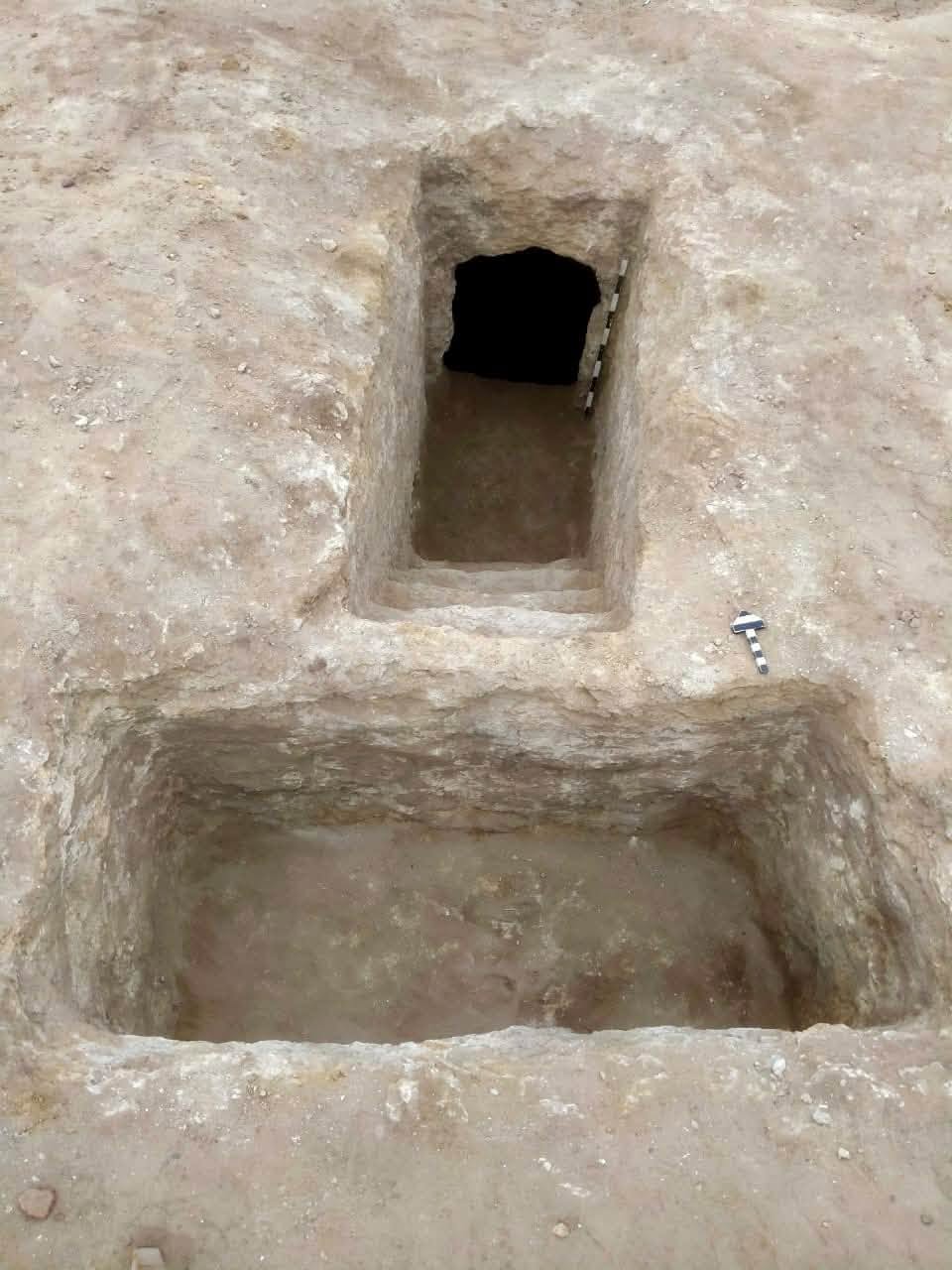
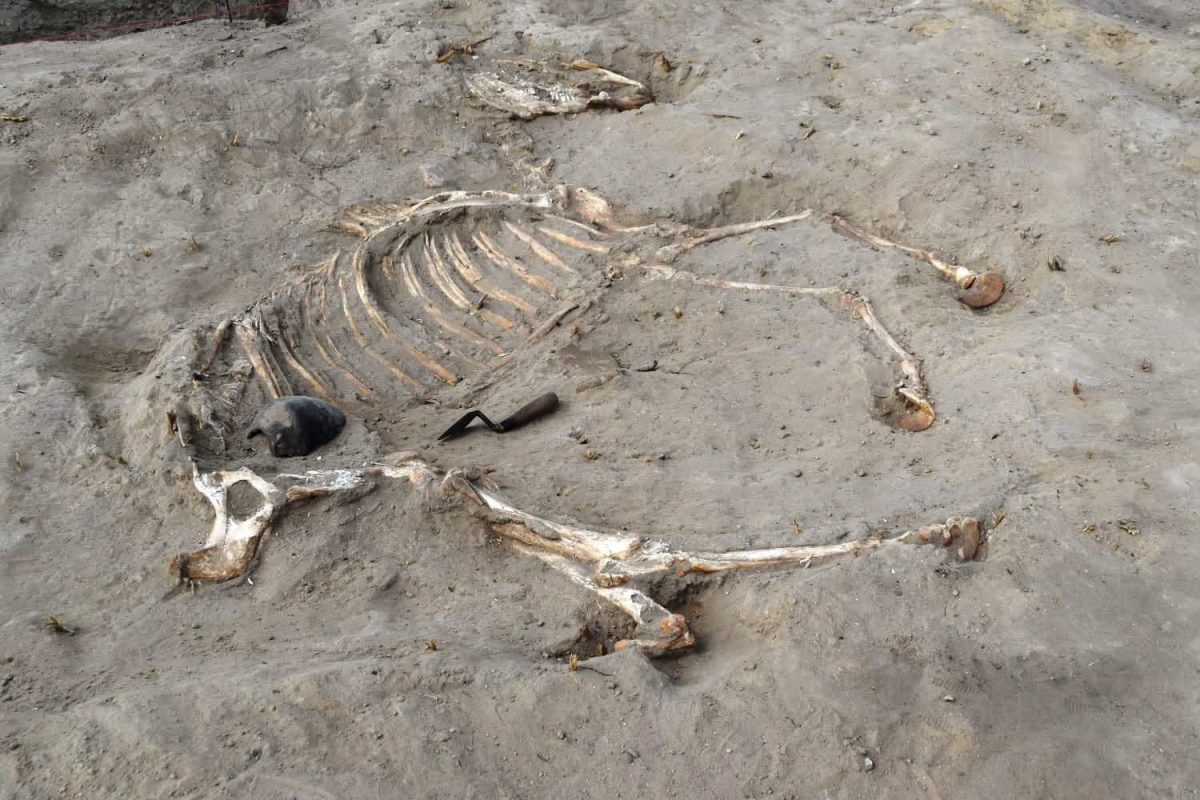
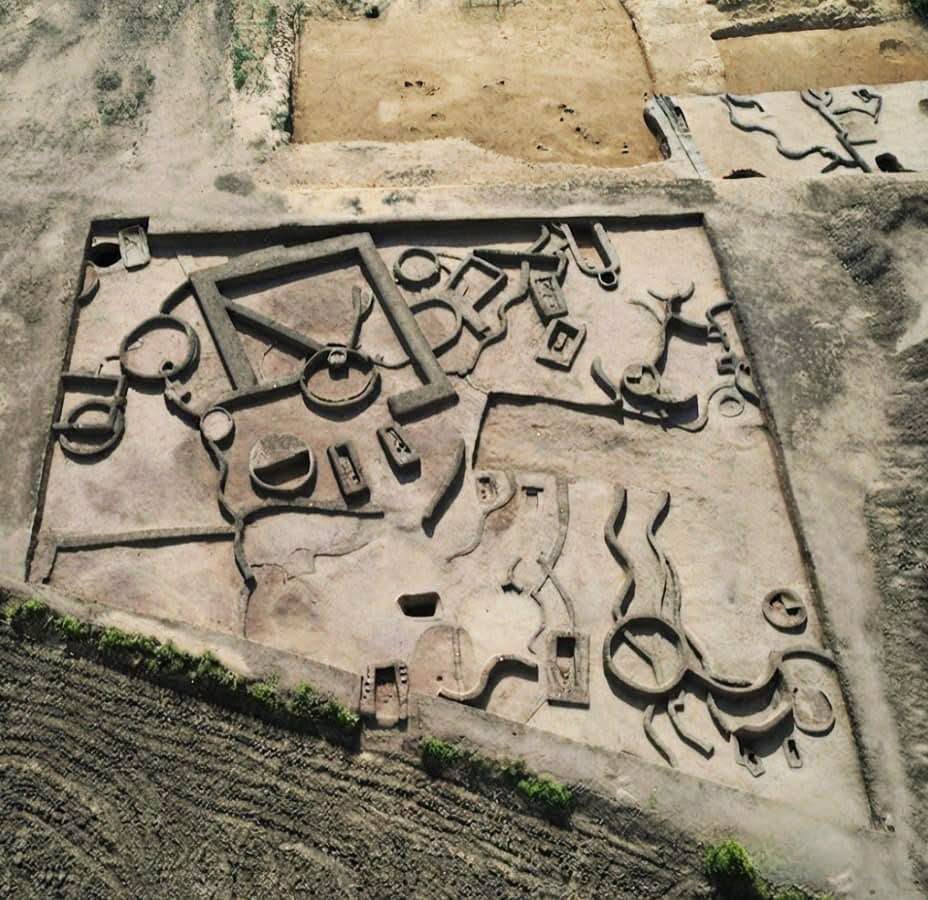
An Egyptian mission excavating at Kom el-Khilgan in Dakahlia Governorate has uncovered an ancient necropolis with evidence of use from the Predynastic Period through to the Graeco-Roman era. The earliest burials appear to be Maadi-Buto culture (c.4000-3500 BC), and are simple, oval-shaped pits containing burials in various positions, with only a few small pots and marine shells. The number of burials suggests there was a large population living at the site during this period. The team also uncovered a group of tombs dating from the Second Intermediate Period through to the New Kingdom, as well as a contemporary residential area with grain-storage silos, ovens, and hearths. The residential and funerary structures were surrounded by a series of sinusoidal (wavy) walls.
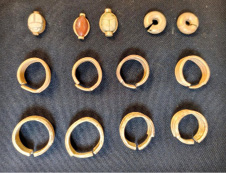
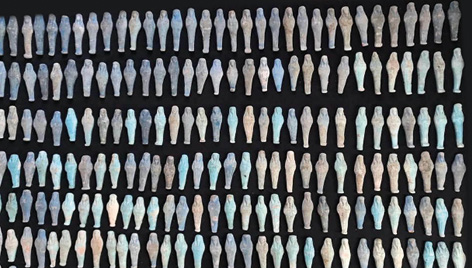
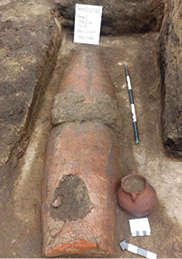
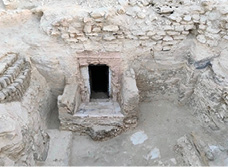
Other tombs uncovered, dating from the Fifteenth to the Seventeenth Dynasties, confirm the area was inhabited during the Hyksos period. Grave goods found include jewellery, amulets, scarabs, bronze tools and weapons, pottery vessels, and flasks of the ‘Tell el-Yahudiya’ style typical of this period. Other burials uncovered at the site include an early Eighteenth Dynasty mud-brick tomb with pottery vessels and bronze tools, and Ptolemaic Period burials, including that of a child interred inside a repurposed amphora.
Text: Sarah Griffiths / Image: Ministry of Tourism and Antiquities