Subscribe now for full access and no adverts
Malta is one of the most remote archipelagos in the Mediterranean, located almost 100km from the nearest landmass, Sicily. For many years, it was thought that European hunter-gatherers were unable or unwilling to travel to such remote islands; on Malta, the first established human activity was associated with Neolithic farmers, c.7,400 years ago.
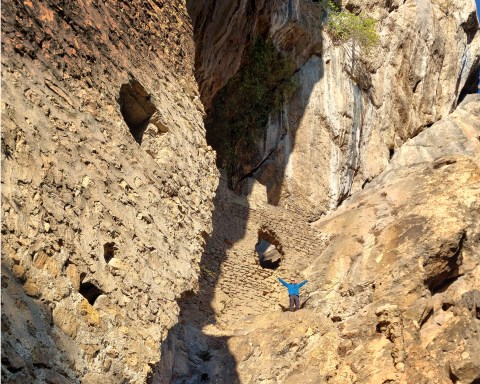
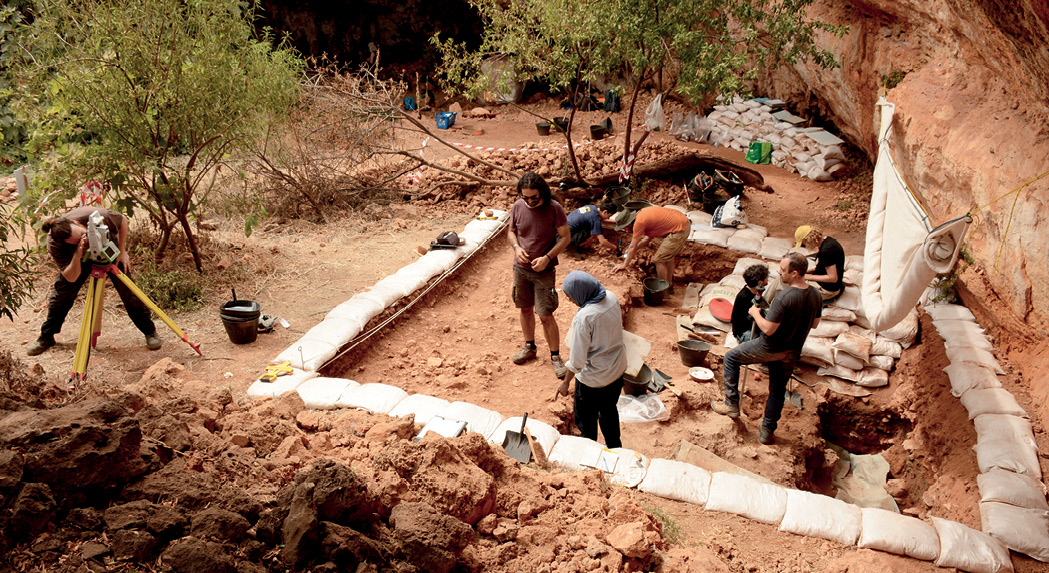
However, excavations at Latnija in northern Malta, recently published in Nature (https://doi.org/10.1038/s41586-025-08780-y), now present clear evidence of Mesolithic activity. Among the finds were several hearths, 64 stone tools (distinct in style and material from Malta’s Neolithic assemblages), and over 900 animal bones. All of these faunal remains belonged to wild animals, most commonly red deer, birds, and marine gastropods, and around 25% show signs of charring or burning. Dating of charcoal and shells reveals that the site was occupied between c.8,500 and 7,500 years ago. This discovery pushes Malta’s prehistory back by 1,000 years and reveals a previously unknown Mesolithic phase of occupation. The revelation also changes our understanding of the seafaring abilities of Mesolithic communities in the Mediterranean, demonstrating that they were making long-distance sea journeys well before the first farmers. These voyages were probably made in dugout canoes like the Early Neolithic example found at La Marmotta, Italy. Experiments based on that vessel estimate an average speed of around 2 knots, meaning that the journey from Sicily to Malta would have taken these Mesolithic travellers at least a full day and night.
Meanwhile, DNA analysis of people who lived in modern-day Tunisia and Algeria c.6,000-10,000 years ago – also published in Nature (https://doi.org/10.1038/s41586-025-08699-4) – has revealed further evidence of Mesolithic connections across the Mediterranean. In particular, one man from Djebba, Tunisia, who lived c.7,900 years ago, has at least 6% of his DNA originating from European hunter-gatherers, indicating that his ancestors mixed with Europeans c.8,500 years ago. It is believed that this contact was most likely facilitated by sea journeys across the Strait of Sicily. This is supported by shared technology and raw materials, such as obsidian from Sicily, at some of the sites in question. The individual from Djebba offers the earliest clear genetic evidence for contact between Europeans and North Africans, and contributes to a growing picture of the Mesolithic Mediterranean as a place where sea travel was an important part of life.
Text: Amy Brunskill / Image: Eleanor Scerri