Subscribe now for full access and no adverts
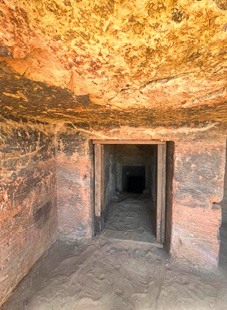
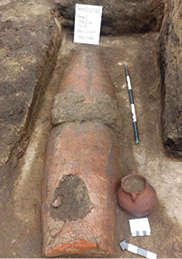
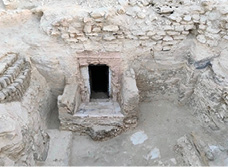
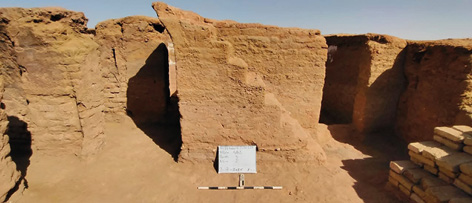
A 4,500-year-old Egyptian skeleton from a rock-cut tomb in Nuwayrat, near Beni Hasan, has provided the first biological evidence for links between ancient Egypt and Mesopotamia in the early Old Kingdom. The man’s unusual burial – in a sealed pottery jar – has helped to preserve his DNA, allowing researchers from the Francis Crick Institute and Liverpool John Moores University to extract it, and carry out the first complete genome sequencing of an ancient Egyptian individual. This analysis – published in Nature in July (https://doi.org/10.1038/s41586-025-09195-5) – revealed that the man had dark skin and brown eyes and hair, while his genetic ancestry was 80% North African Neolithic, with a 20% contribution from the Fertile Crescent. The team also discovered that the man was as old as 60 when he died. The wear and tear on his bones points to a life of hard labour as a potter or similar craftsman.

Text: Sarah Griffiths / Image: Garstang Museum of Archaeology, University of Liverpool