Hatshepsut’s statues

August 21, 2025
This article is from Ancient Egypt issue 150


Subscribe now for full access and no adverts

A new study by Jun Yi Wong of the University of Toronto suggests that damage to Hatshepsut’s statues may not have been an act of animosity by Thutmose III. The examination of previously unpublished documents shows that many of the statues survive in relatively good condition with their faces intact. Wong suggests that the damage by Thutmose III was part of a tradition to ‘deactivate’ the statues of a previous ruler. This was done by breaking them at particular points, including the neck, waist, and knees. Other damage was caused much later, when the remaining statues were used as building materials.

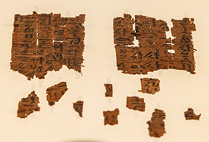
Fragments from a limestone statue of Hatshepsut (MMA 29.3.2). The photograph was taken by Harry Burton in 1929. 
Text: Sarah Griffiths / Image: © Metropolitan Museum of Art, Department of Egyptian Art Archives (M10C 71)
By Country

Popular
UKItalyGreeceEgyptTurkeyFrance

Africa
BotswanaEgyptEthiopiaGhanaKenyaLibyaMadagascarMaliMoroccoNamibiaSomaliaSouth AfricaSudanTanzaniaTunisiaZimbabwe

Asia
IranIraqIsraelJapanJavaJordanKazakhstanKodiak IslandKoreaKyrgyzstan
LaosLebanonMalaysiaMongoliaOmanPakistanQatarRussiaPapua New GuineaSaudi ArabiaSingaporeSouth KoreaSumatraSyriaThailandTurkmenistanUAEUzbekistanVanuatuVietnamYemen

Australasia
AustraliaFijiMicronesiaPolynesiaTasmania

Europe
AlbaniaAndorraAustriaBulgariaCroatiaCyprusCzech RepublicDenmarkEnglandEstoniaFinlandFranceGermanyGibraltarGreeceHollandHungaryIcelandIrelandItalyMaltaNorwayPolandPortugalRomaniaScotlandSerbiaSlovakiaSloveniaSpainSwedenSwitzerlandTurkeySicilyUK

South America
ArgentinaBelizeBrazilChileColombiaEaster IslandMexicoPeru

North America
CanadaCaribbeanCarriacouDominican RepublicGreenlandGuatemalaHondurasUSA

Discover more from The Past

Subscribe now to keep reading and get access to the full archive.

Continue reading