Subscribe now for full access and no adverts
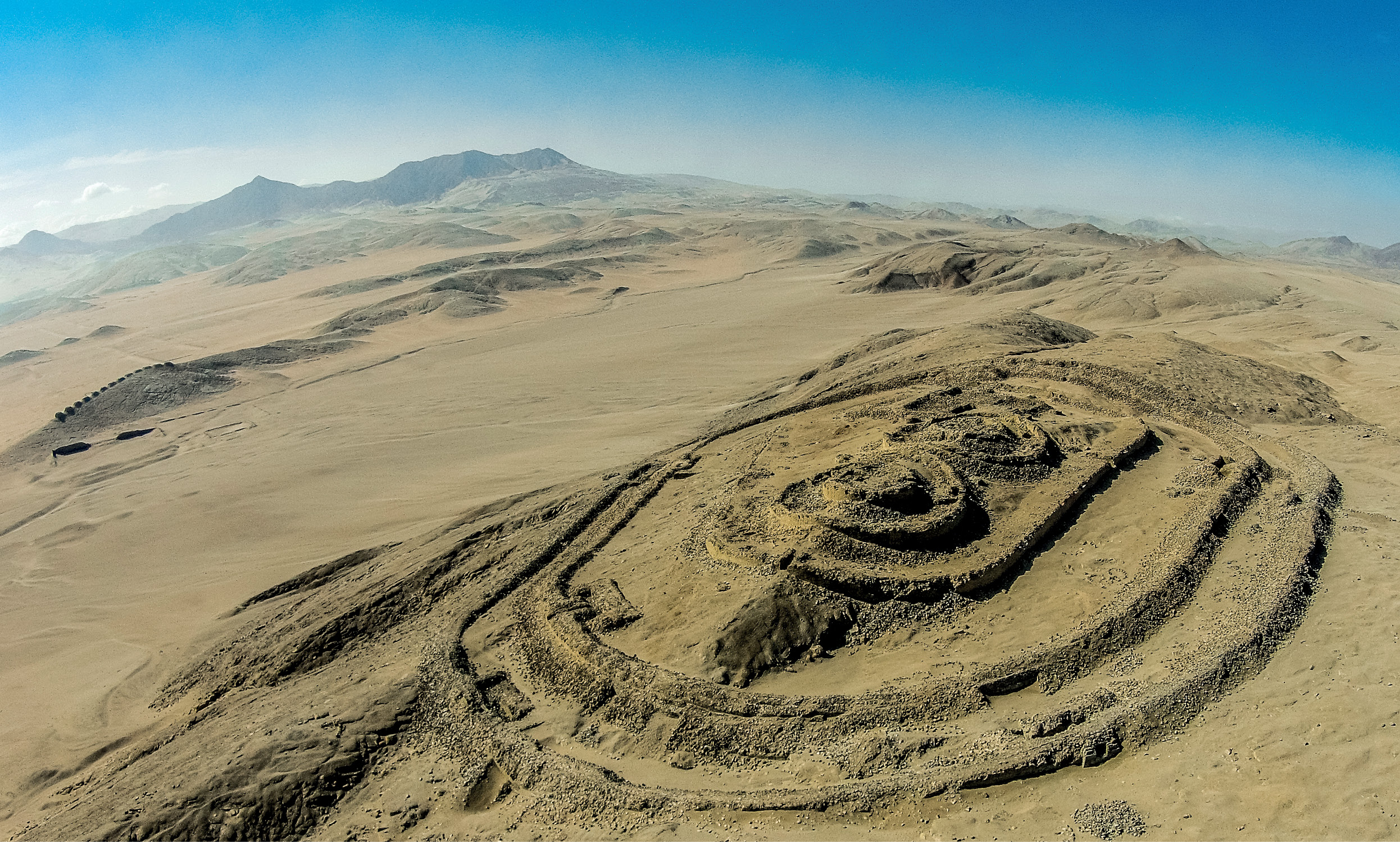
In the arid landscape of the Casma province, on the north-central coast of Peru, stands a monument that is rewriting our understanding of the astronomy of ancient civilisations. Covering more than 400ha, Chankillo functioned as a centre of solar worship between 250 and 200 BC, according to dendrochronological and radiocarbon dating, before being abruptly abandoned. The site is home to one of the earliest known astronomical observatories, an ancient instrument that allows the determination of any date of the year, by the observation of sunrises or sunsets, reaching a precision of one or two days. Consequently, in 2021, UNESCO declared Chankillo a World Heritage Site, recognising this observatory as a masterpiece of human creative genius.
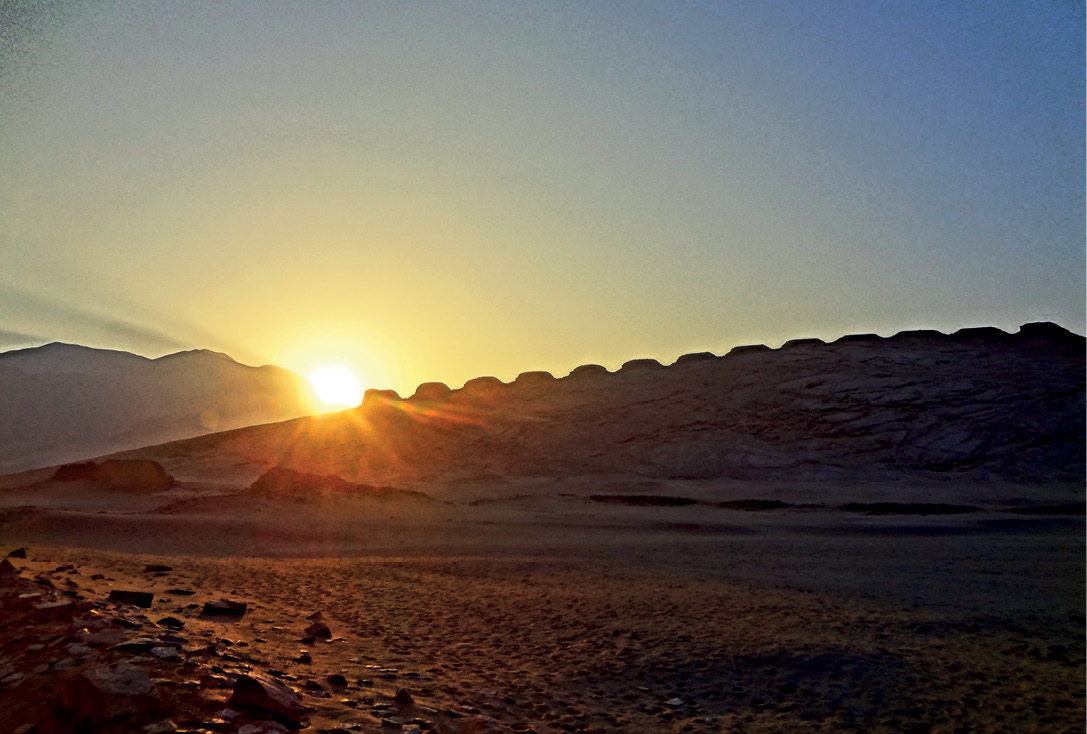
Chankillo comprises a series of buildings made of stone and mortar that stretch over hills and dunes. This sprawling site includes an imposing hilltop fortified temple, along with administrative and ceremonial buildings, plazas, and storage areas. However, the heart of the site is its outstanding solar observatory, formed by the Thirteen Towers and various adjacent buildings that house astronomical observation points. The towers vary in height, between 2m and 6m, and are aligned north to south for 300m along the crest of a low hill, directly opposite the Fortified Temple. Viewed from the observation points, these 13 structures function as an artificial horizon precisely calibrated with the sun.
An astronomical discovery
Although Chankillo was reported as early as the 19th century, it was not until the new millennium that archaeologist Iván Ghezzi and archaeoastronomer Clive Ruggles proposed an astronomical interpretation of the Thirteen Towers and the associated buildings. Their research showed that these were not dwellings, storage facilities, or lookout posts, as had previously been proposed, but rather ‘markers’ on the horizon of a complete solar calendar.
Ghezzi’s team identified two observation points: one to the east and one to the west of the Thirteen Towers. As seen from these locations, the artificial horizon of the towers corresponds exactly with the arc made on the horizon by the seasonal path of the sun. Thus ancient astronomers at Chankillo would always see the sun rise or set behind one of the towers.
Aware that, from any fixed point, the position of the sun over the horizon shifts gradually throughout the year, Ghezzi and Ruggles recognised the ancient astronomers’ purpose: by following the sun’s movement along the jagged horizon formed by the Thirteen Towers, the date could be determined for each day of the year with remarkable accuracy. This astronomical instrument, unique in the ancient world, allowed the regulation of productive activities (such as agriculture), as well as the planning of social, political, and religious events crucial to the complex society that built Chankillo.
More than an observatory: ritual, war, and power
The Chankillo Solar Observatory was part of a larger ceremonial centre. Careful study of its architecture and artefacts excavated and analysed by Ghezzi and his team indicate that the site also had social, political, ritual, military, and economic functions. Its Fortified Temple, with high walls and false entrances that formed part of a sophisticated defensive system, reveals a period of conflict between rival societies. Research shows that this tension was the result of a disintegration following the collapse of the Chavín civilisation (c.500-250 BC), which had expanded its influence over a vast territory through trade and a powerful religious cult. It was replaced during the era when Chankillo was in use by a deep religious rivalry between societies and the breakdown of relations. Following this ‘Balkanisation’, to borrow from more recent historical events, Chankillo and its neighbouring rivals may have engaged in military confrontations to demonstrate which society enjoyed the favour of a more powerful god.
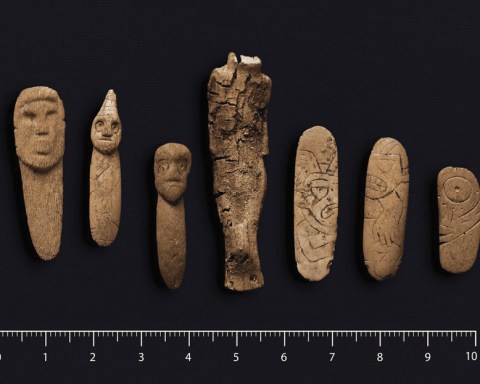
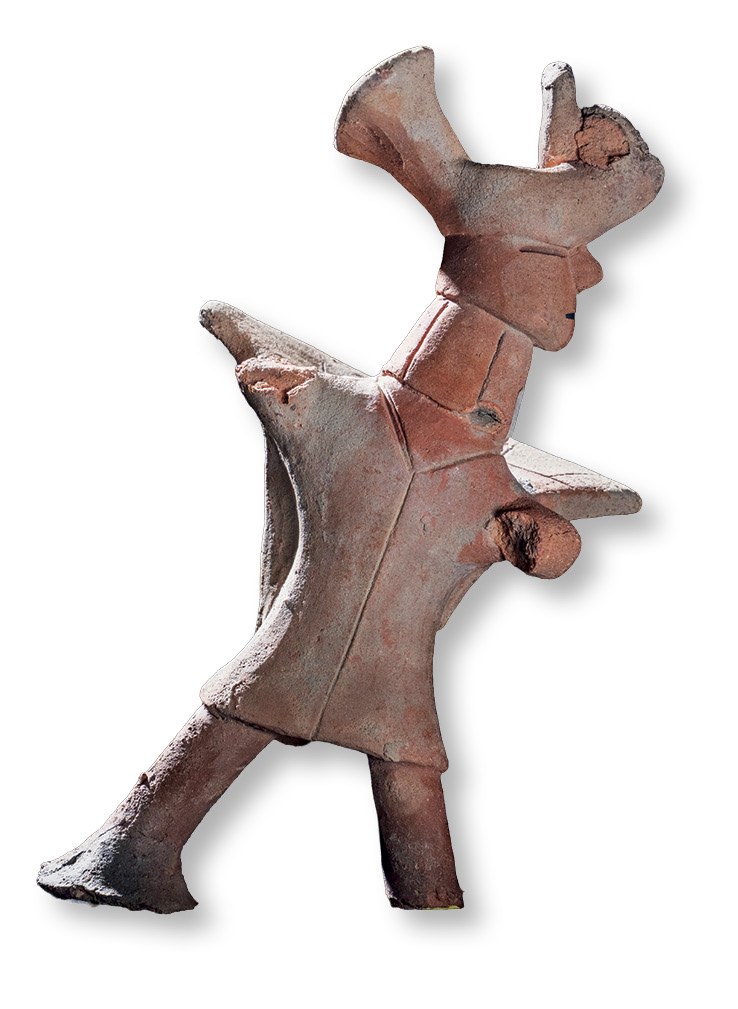
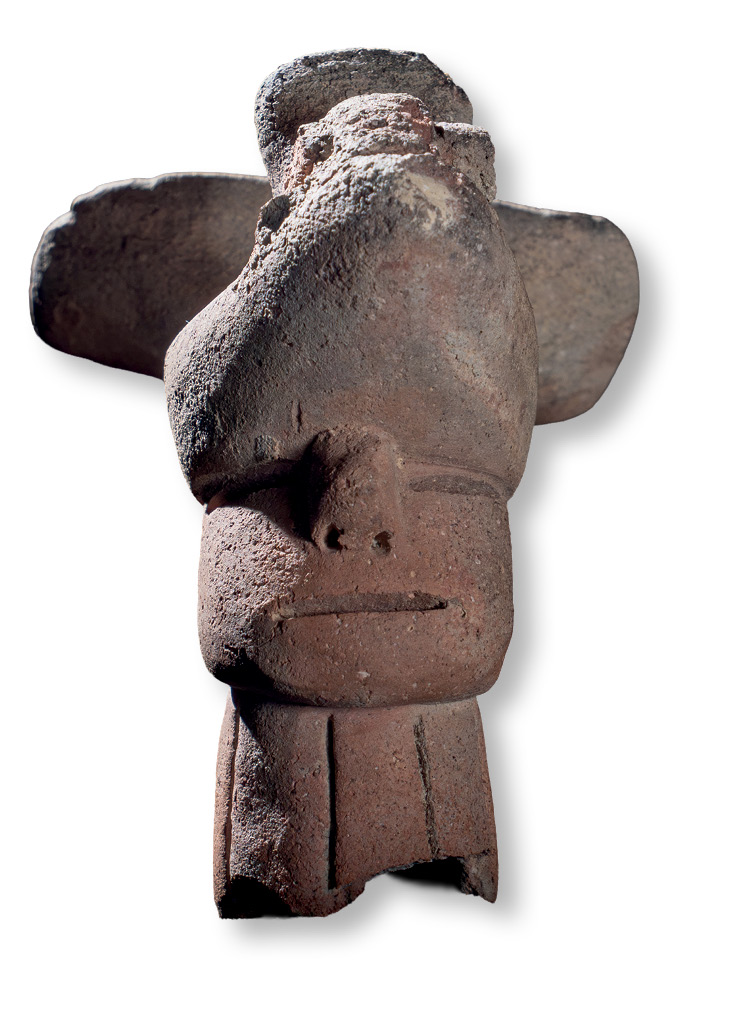
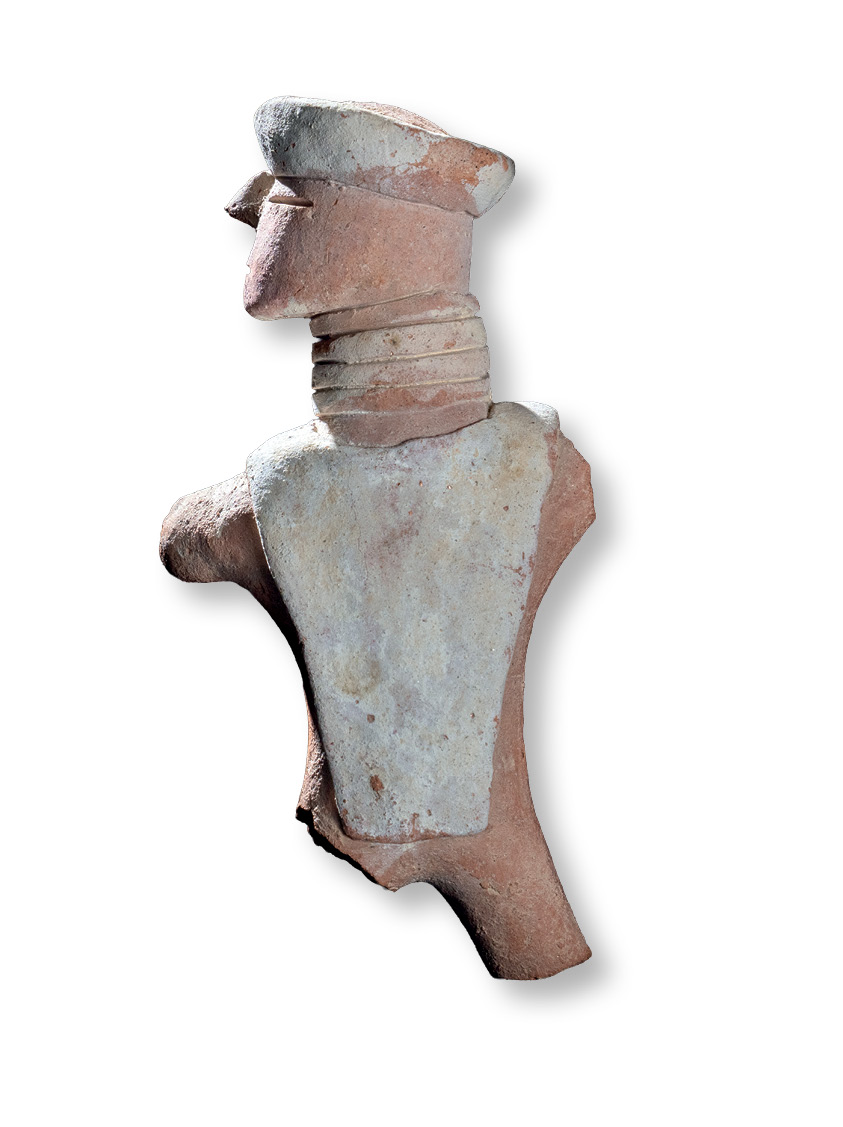
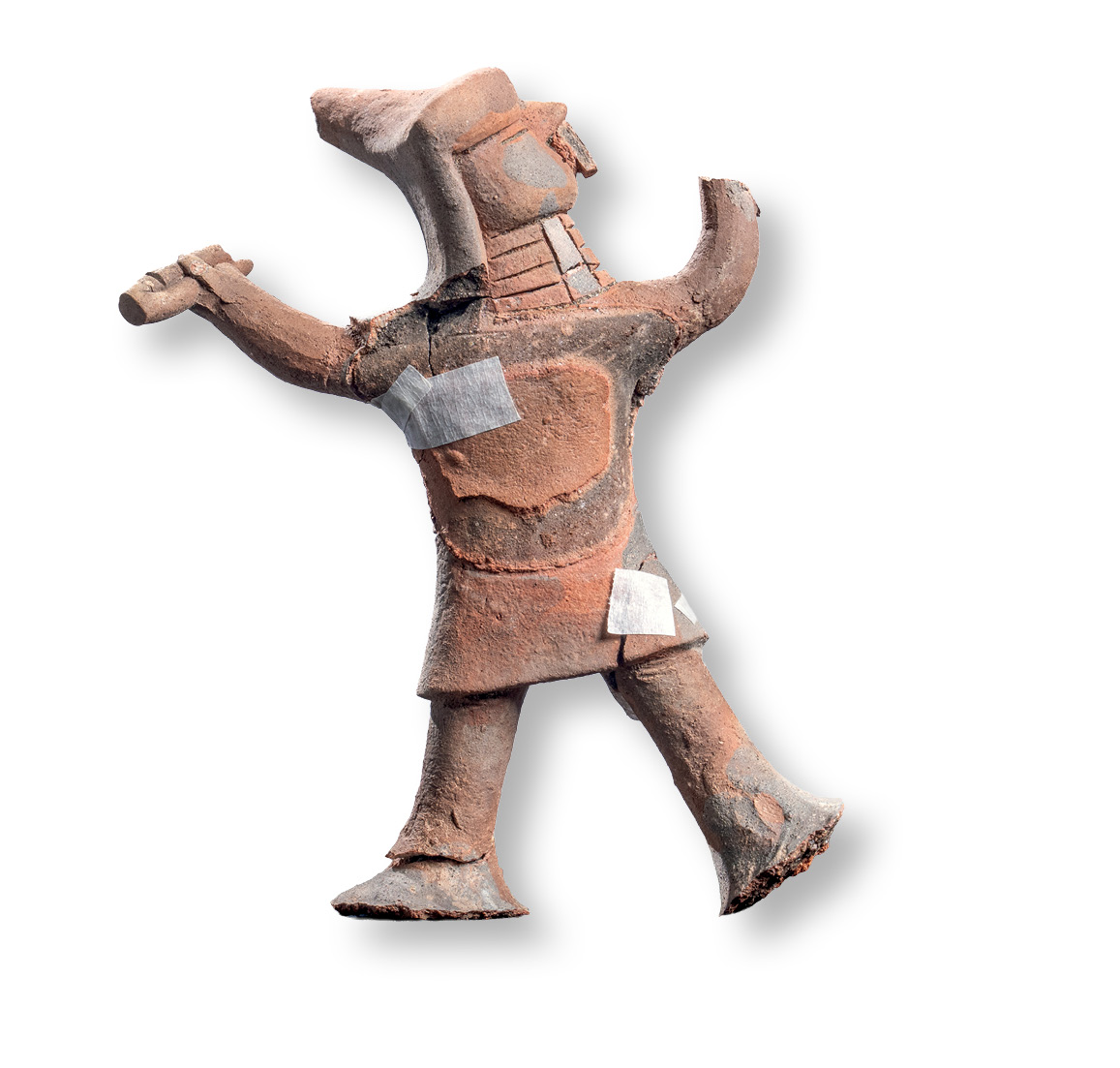
This historical context of military conflict driven by ideological rivalry is intertwined with Chankillo’s solar cult and astronomical observations. The recent discovery of a large sculptural vessel depicting warriors in combat reinforces our interpretation. The vessel comprises an undecorated spherical body and a cylindrical top section that was adorned with step motifs and bears the imprints of the feet of several anthropomorphic figurines that were once attached to it. These were found nearby, with hands, heads, arms, and legs severed. They carried various weapons, such as darts, spears, and maces with star-shaped heads; some wore facial paint.
The vessel was discovered in fragments at the entrance to the Solar Observatory’s main astronomical observation point. It may have been intentionally broken as part of a ritual offering, or it could reflect a sacrilegious act by the group that attacked Chankillo and forced its abandonment. The ‘sacrifice’ of these elite warriors, which were a symbol of the society’s military and political power, at the Solar Observatory, underscores how these ritual objects not only conveyed messages of identity and authority, but also had ceremonial significance. The warriors represented on this vessel, along with much other archaeological evidence, suggest that solar ceremonies, organised around observations of the sun in relation to the Thirteen Towers, were intrinsically linked to the emergence of a warrior elite that consolidated its power through military strength, ritual, and control of the solar calendar. Chankillo stands out from other sites in the ancient world by demonstrating a clear link between astronomy, worship, and the legitimisation of political power.
The future of Chankillo
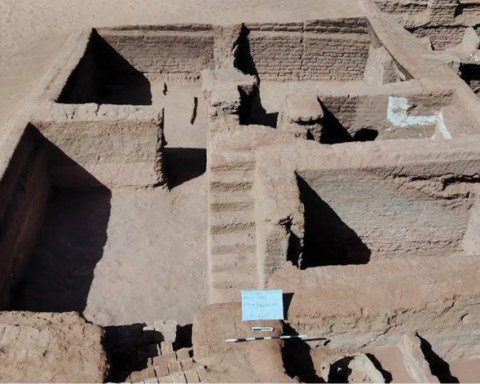
In addition to the recently discovered warrior figurines, excavations at Chankillo have revealed a new astronomical observation point, this time linking the Solar Observatory with the Fortified Temple and the maximum northern position of the moon, also known as the ‘lunar standstill’ or ‘lunistice’.
The site is of exceptional importance. It reveals the sophisticated astronomical knowledge achieved by Andean societies long before the well-known sun cult of the Inca Empire. Chankillo was not only a precise astronomical instrument, but also a centre of elite power, and of profound ritual significance related to a solar cult. Ongoing restoration and excavations, supported by institutions such as the Ministry of Culture of Peru and the World Monuments Fund, promise to reveal even more secrets of this fascinating site.