Subscribe now for full access and no adverts
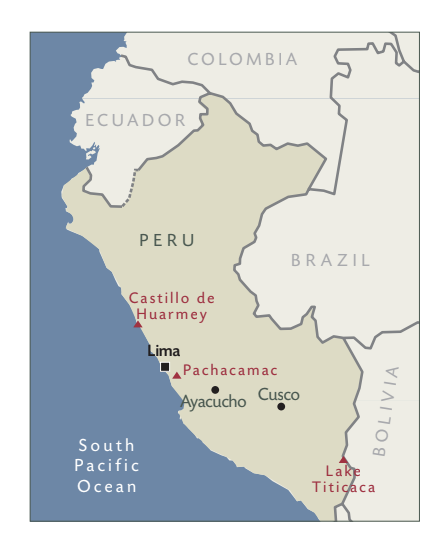
Pachacamac is vast. This ancient religious and urban centre lies on the shores of the Pacific Ocean, in the lower reaches of the Lurín river valley and on the southern outskirts of Lima: capital of modern Peru. Today, the archaeological site covers 465ha. About half of its area comprises a concentration of imposing monumental architecture, fashioned from adobe and ultimately clad in stone.
The site was visited by Spaniards in the first half of the 16th century, shortly after arriving in Peru in 1531, and they described it as a temple complex and renowned oracle. The conquistadors also ranked Pachacamac among the three most important religious centres in the Inca Empire, alongside Coricancha – in the Inca capital at Cusco – and the islands of the Sun and the Moon in Lake Titicaca. These temples drew their significance from a belief that they lay at three critical locations: where the sun god emerged from the waters of Lake Titicaca, where he reached his zenith above Cusco, and where he plunged into the waters of the Pacific Ocean to enter the underworld. While the sun, called Inti or Punchao, was the greatest Inca divinity, it was another god who received most veneration at Pachacamac: a god who bears the same name as the site, and to whom power over earthquakes was attributed. In the Quechua language widely spoken in the Inca world, Pachacamac means the one who animates (camac) the earth (pacha). Several Spanish chroniclers record that pilgrims travelled to the sanctuary of Pachacamac from all over the Inca Empire. Some of these visitors, after a lengthy phase of preparation involving fasting, would be granted an audience with the oracle.
From pilgrims to scholars
Given the wealth of historical information about Pachacamac and its proximity to Lima, it is no surprise that the site attracted the attention of scholars as early as the second half of the 19th century. One particularly prominent figure is Max Uhle, whose excavations were published in 1903 and provided the basis for the first chronological outline of the prehistory of the Central Andes region. The interpretations that came to Uhle’s mind during his excavations at the Temple of the Sun in the sacred compound at Pachacamac (which also contains the Painted Temple associated with the eponymous city god) and in an extensive burial area named Cemetery 1, still set the agenda for debate today.
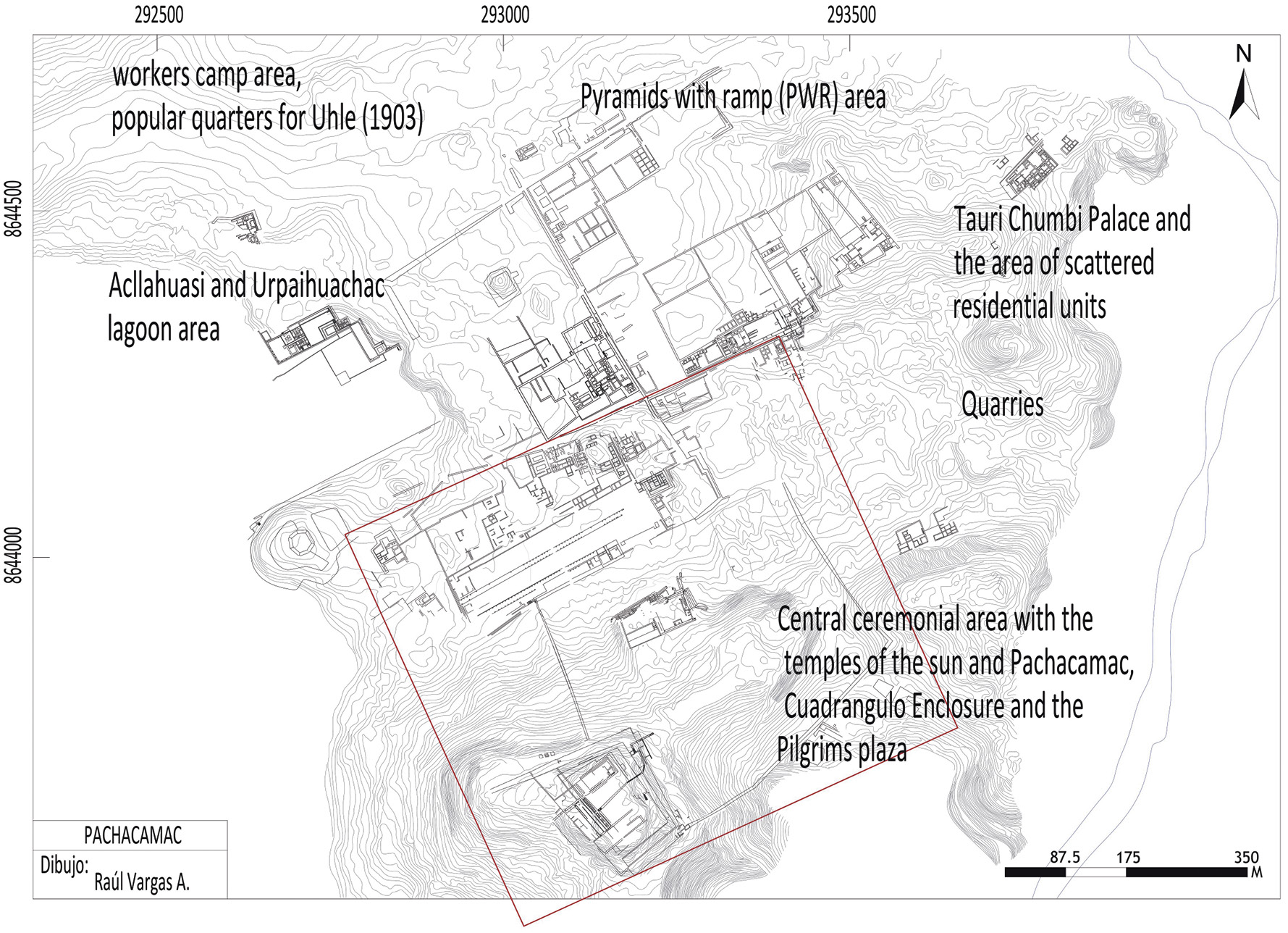
Among these theories is the argument that the layout of Inca Pachacamac resembles that of Classical cities in the Mediterranean. It comprises a sacred compound containing three temples, an area of elite residences taking the form of pyramids with a ramp set within individual enclosures, and a lower-status neighbourhood where houses were built of mats and adobe mud-brick. Each of these zones was separated by a wall. Two important streets bordered by walls also ran through the elite quarter north–south and east–west. Another major contribution by Uhle was the partitioning of much of Andean prehistory into periods when integrated styles can be traced across large areas, eras that are known to scholars as ‘horizons’, which alternate with phases when a resurgence of more local formal and iconographic traditions is apparent.

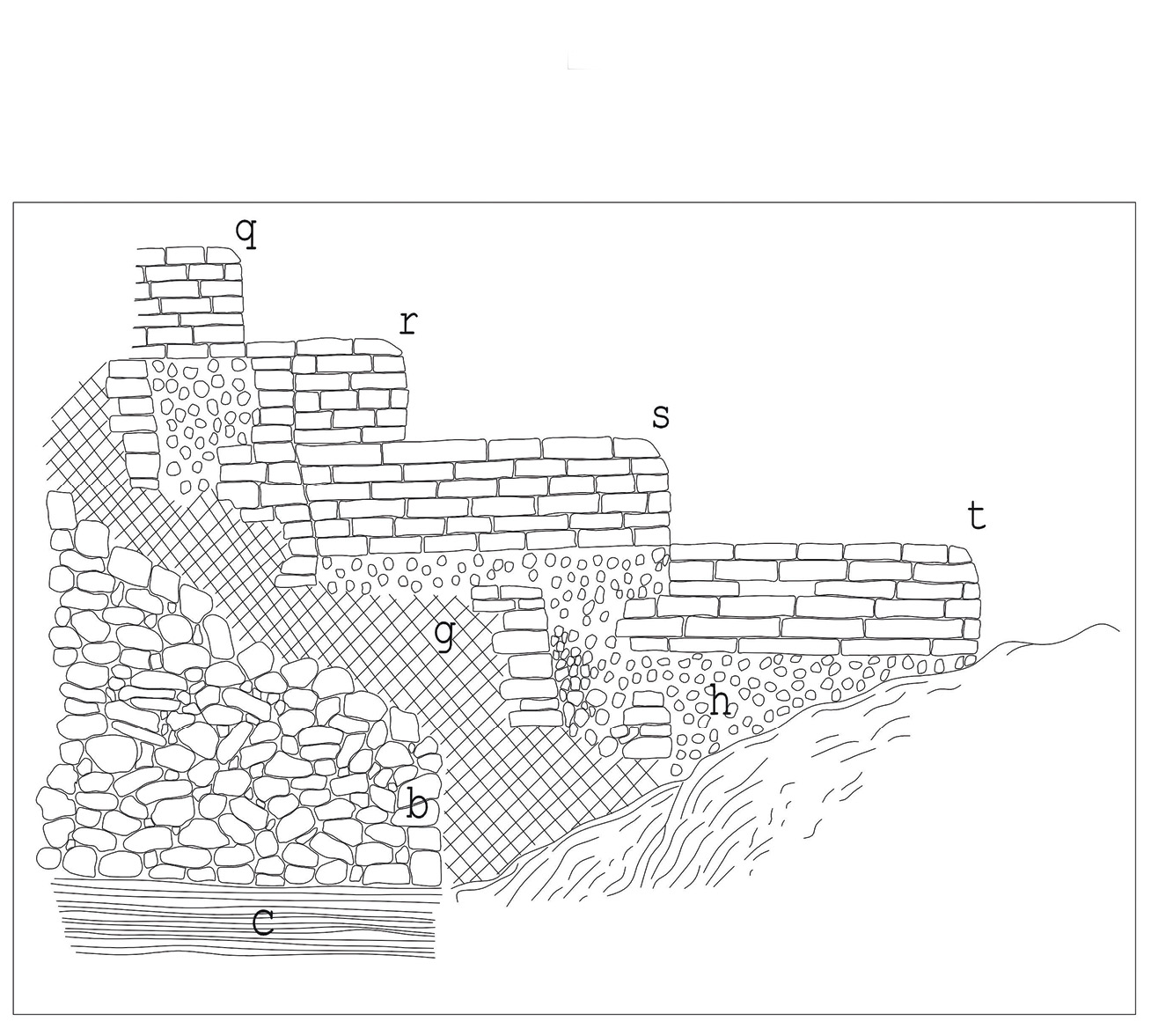
Above & below: Uhle’s work at Pachacamac continues to influence views of the site and how it developed. Here we see two of his sections, which show the superimposition of the Inca Painted Temple on a platform built at the end of the Middle Horizon (AD 800-1100), with a layer of collapse (e) and colluvium (g) separating both structures. Images: Archaeological Program ‘Pachacamac Valley’, digital drawing by R Vargas; after Uhle 2003 [1903], 124, figs 4 and 5, redrawn with CAD by R Vargas
Such seminal ideas have been followed and refined by generations of archaeologists and historians down to the present day. John H Rowe, for example, developed the influential chronology of horizons and intervening periods. His student and collaborator Dorothy Menzel has made a fine follow-up study of comparative styles and iconographies to demonstrate that the presence at Pachacamac of motifs originating from the southern shores of Lake Titicaca (Bolivia) on the Peruvian coast must be understood in the context of the formation, rise, and fall of a suspected empire called Wari (AD 600-1100), with its capital at Ayacucho. This civilisation would have been a forerunner and, in several regards, trendsetter for the Inca Empire (AD 1450-1531/1532). According to Menzel, a key moment for Pachacamac came in the second half of the Middle Horizon (AD 800-1100), during the rise of the Wari Empire, when the city became the main ceremonial centre on the coast. This prominence made it a disseminator of religious ideas expressed through Wari imagery.
Excavations carried out during the 20th century confirmed that there are several overlapping phases of occupation at Pachacamac, spanning a period of approximately 1,600 years. The oldest known monumental constructions belong to what are called the Middle Period and Late Lima Period (c.AD 500-800). These structures include the imposing pyramidal complex known as the Old Temple, the shape of which may – according to the scholar Izumi Shimada – be inspired by the shape of the tropical shell of a species of Spondylus. Despite this work, when the scale and complexity of Pachacamac is set against the relatively modest excavation undertaken over the course of the 20th century, it is hardly surprising that stratigraphic evidence does not yet exist to clarify which areas were built in each phase, or how much the form and function of buildings changed over the course of successive occupations. Because of these gaps in knowledge, scholars have allowed themselves to be influenced by the views expressed in Spanish texts from the 16th and 17th centuries.

Some early chroniclers were persuaded that Pachacamac was a very ancient cult centre. Consequently, in the literature on the subject it has frequently been assumed that the origins of the general layout of Pachacamac still visible at the site today lie in the first half of the Middle Horizon (c.AD 650-800), and influenced all later occupation at the site. It is on this basis that some scholars have implicitly compared Pachacamac to a Greek amphictyony, which is to say a confederation of groups based around a religious centre. This, in turn, guided interpretations of the architecture at Pachacamac. The pyramids with ramps, for example, whose enclosures lie to the south of a wall separating them from the three major temples in the sacred compound, were interpreted as minor temples. This made them comparable to the ‘treasuries’ at the famous oracle at Delphi, which were built by the different communities making up the religious confederation. Peter Eeckhout, who carried out excavations in Pachacamac in recent decades, has proposed a different interpretation. In his view, these pyramids with ramps would have been used as palaces during the life of a ruler, before becoming temples dedicated to his posthumous cult. By this reading, they were built by the lords of the Ychsma chiefdom, which controlled this region prior to its incorporation into the Inca Empire.
Planning Pachacamac
When I began my research in the Lurín valley in 1991, I focused on the period preceding the presence of the Lima culture and the construction of the Old Temple at Pachacamac c.AD 500-800. This work was carried out within the framework of the field school of the Pontificia Universidad Católica del Perú. It has continued now for 33 years, and is made possible thanks to the generous financing of UNACEM (formerly Cementos Lima S.A.). In the first years, we excavated extensive cemeteries at a site called Tablada de Lurín, which featured shaft and chamber burials (c.200 BC-AD 300). Then, for 12 years, we devoted ourselves to an exhaustive study of the urban settlement at Pueblo Viejo-Pucará (AD 1450-1570), which was built by highland populations who had been displaced by the advent of the Inca administration. This settlement was abandoned before 1572, when the new city of San Salvador de Pachacamac was founded by the Spaniards. Thanks to this work, I had the opportunity to follow, from my valley perspective, the progress of the work in Pachacamac by Régulo Franco and Ponciano Paredes, Peter Eeckhout, Jesus Ramos, and Izumi Shimada. The contrast between the recent stratigraphic evidence published by these researchers and that documented during the 20th century, led me to question the dominant interpretation in the literature that the urban development of Pachacamac maintained the same broad layout of walls and streets, as well as the distribution of residential, funerary (for example, Uhle’s Cemetery 1), and cult areas, for several centuries.
In 2005, we began fieldwork with the central objective of verifying when the planned layout visible at Pachacamac was established, and whether Uhle’s hypothesis about the existence of an extensive low-status neighbourhood stretching to the north of the portion of the monumental core containing the pyramids with ramps was correct. For this purpose, we undertook GPR, gradiometer, and magnetometer surveys, and then excavated large areas, in order to identify the hypothetical urban district of commoners’ homes. Instead, we found evidence of what appear to be large camps organised to house the workers for major construction work undertaken by the Incas. Residential areas and work spaces were recorded, too. Significantly, though, there was no evidence of earlier occupation in this area.
Our next move was to excavate sections of the North–South Street, which runs through the elite quarter with pyramids and ramps, as well as potential entranceways associated with this road. The presence of provincial Inca-style ceramics under the causeway and foundations left no doubt that this key thoroughfare and the associated walls were built under the mandate of the Inca administration, during the period known as the Late Horizon (AD 1450-1533). With each season the idea strengthened that Uhle has been right and that the planned layout of Pachacamac can mainly be credited to the era of Inca control. Indeed, we discovered that even the pyramids with ramps were overwhelmingly built during the Late Horizon. Naturally, this finding runs counter to the hypothesis that these structures originally acted as palaces for Ychsma lords in the period before the Inca conquest. This later dating is also fully in keeping with the probable functions of these structures. When Pachacamac became home to the great temple of the imperial cult and a destination for pilgrimages and festive gatherings, accommodation was required for these travellers. Walled complexes along the great North–South Street allowed groups of worshippers (and their tribute) to be housed according to their origin.
In general, we found that walls raised during the Late Horizon were built on earlier features, be they occupation levels, funerary areas, or the ruins of ancient buildings, which had been flattened, sealed, or covered with fill. In the past, such remains have often been used erroneously to date the origin of the building erected on top of them. Careful examination, though, clearly revealed that these were distinct occupations, which were different in character, and certainly unconnected. Re-evaluating the evidence in this way leads to the conclusion that the extent, arrangement, and function of different areas could change from period to period, and from phase to phase. Instead of thinking of a single ceremonial centre with a thousand years of history, then, we should imagine several different Pachacamacs superimposed on top of each other.
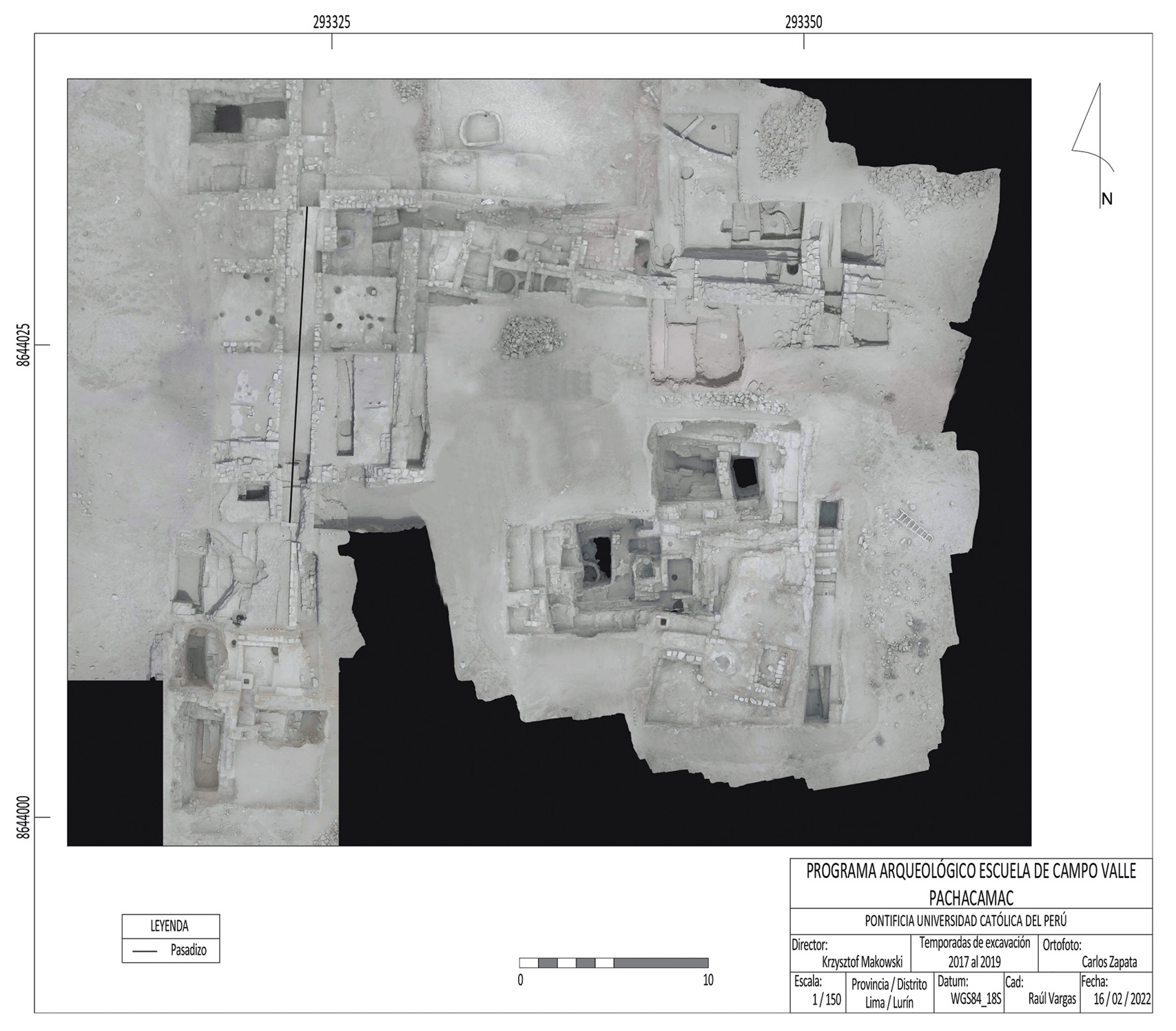
Digging the Quadrangle
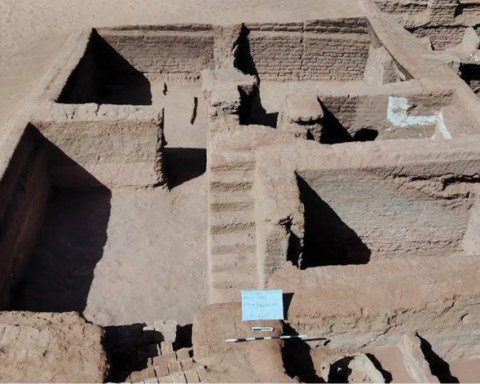
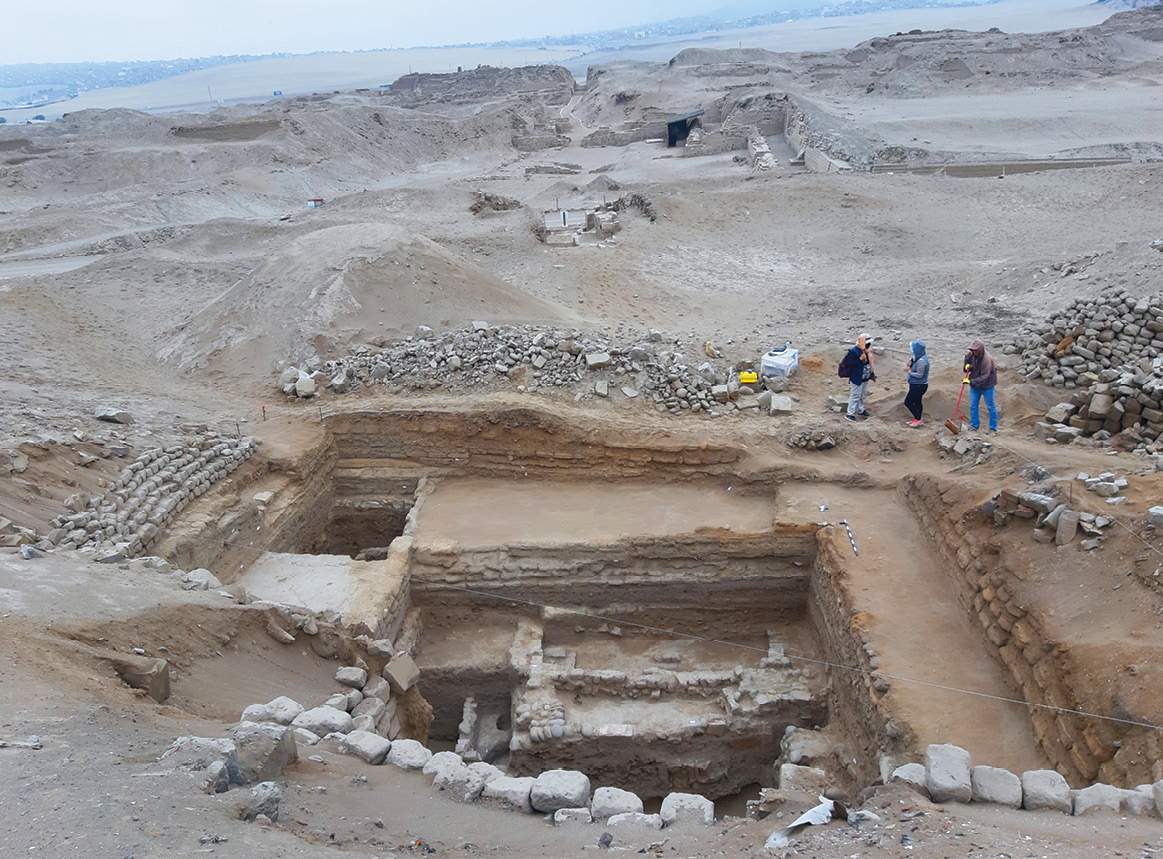
In order to test this interpretation, our fieldwork since 2016 has focused on an area known as El Cuadrángulo (‘the Quadrangle’). This is a mysterious enclosure measuring 200m by 200m, which lacks the platform and ramp normally found in such structures, and occupies a privileged location at the southern end of the North–South Street. This placed it within the sacred enclosure, at the foot of the Old Temple and in front of the entrance to the Painted Temple, which was attributed to Pachacamac by Uhle. Such a setting would have held a singular importance if the first scenario for the city – a ceremonial centre whose architectural layout was continuous for around a thousand years – is accepted. As such, we hoped that the Quadrangle would preserve decisive evidence either for or against the continuity of Pachacamac’s layout. One relevant clue was already apparent from the distribution of pits left by burial looters (huaqueros) visible in a 1931 photo of the Quadrangle (taken during an expedition by Robert Shippee and George Johnson). Such digging suggested that the walls of the Quadrangle may have been superimposed over part of the extensive burial area that Uhle called ‘Cemetery 1’.
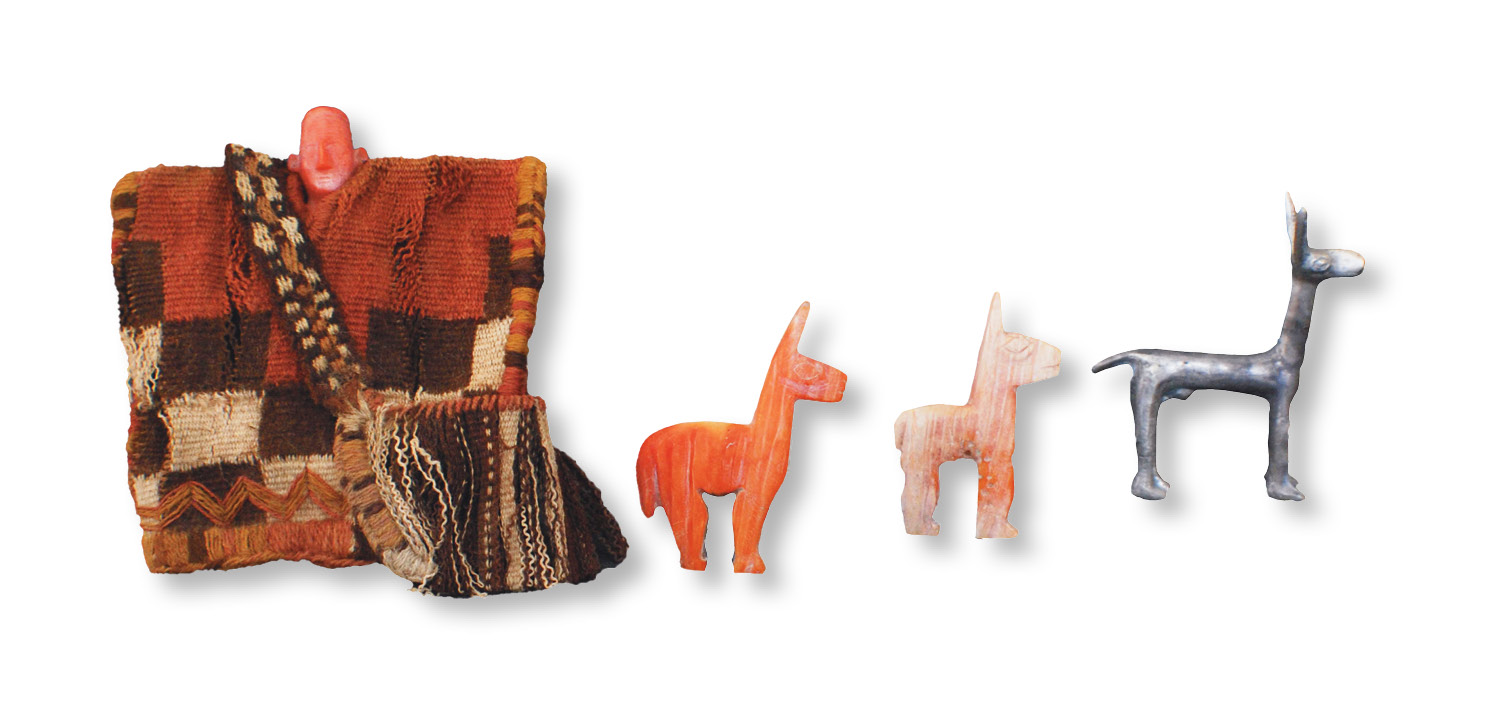
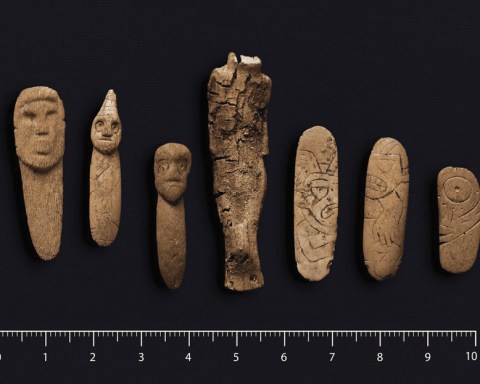
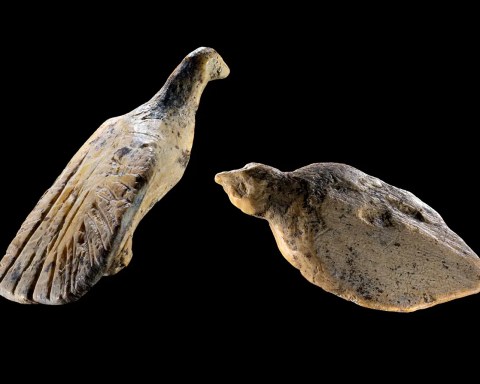
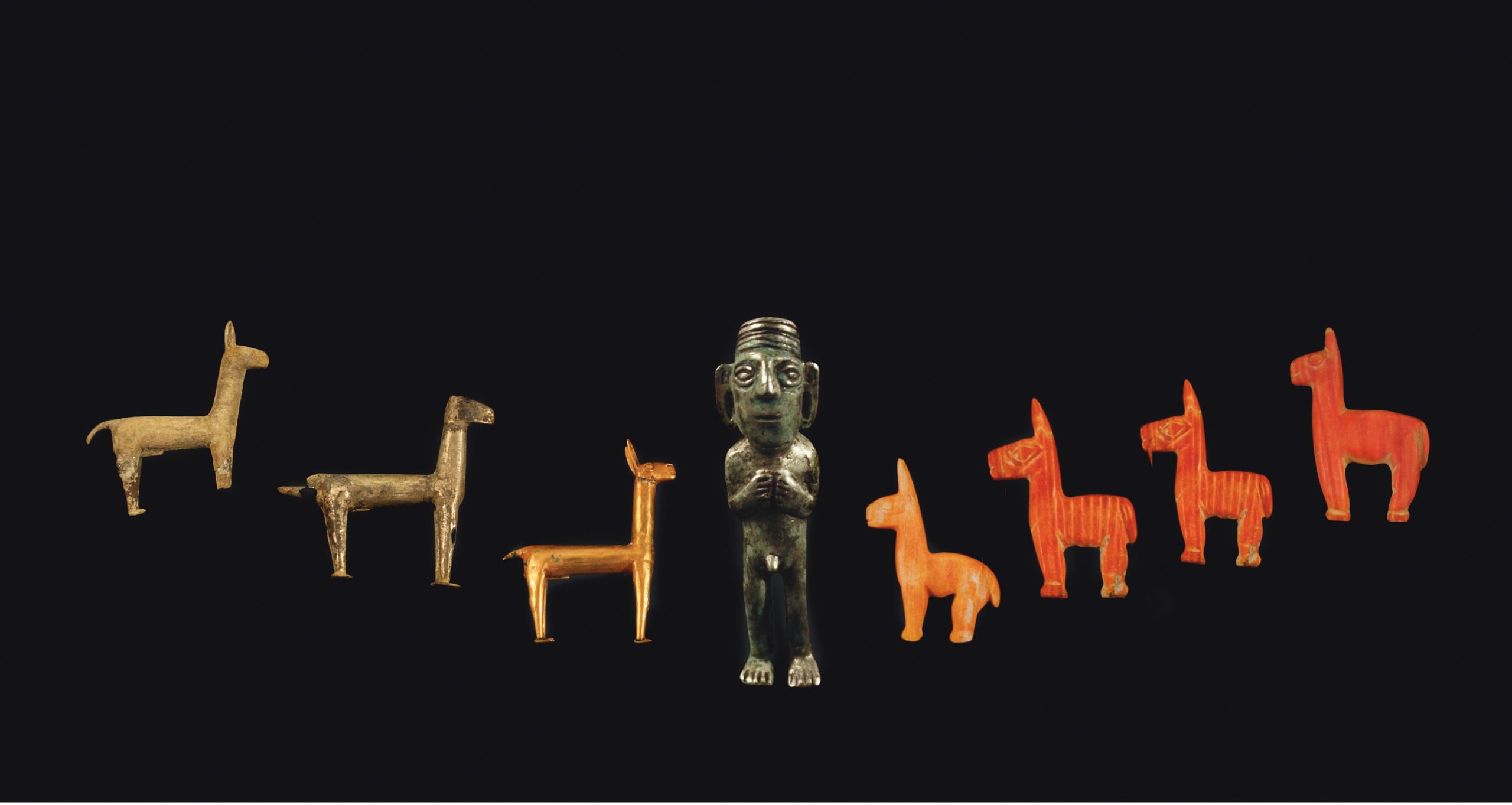
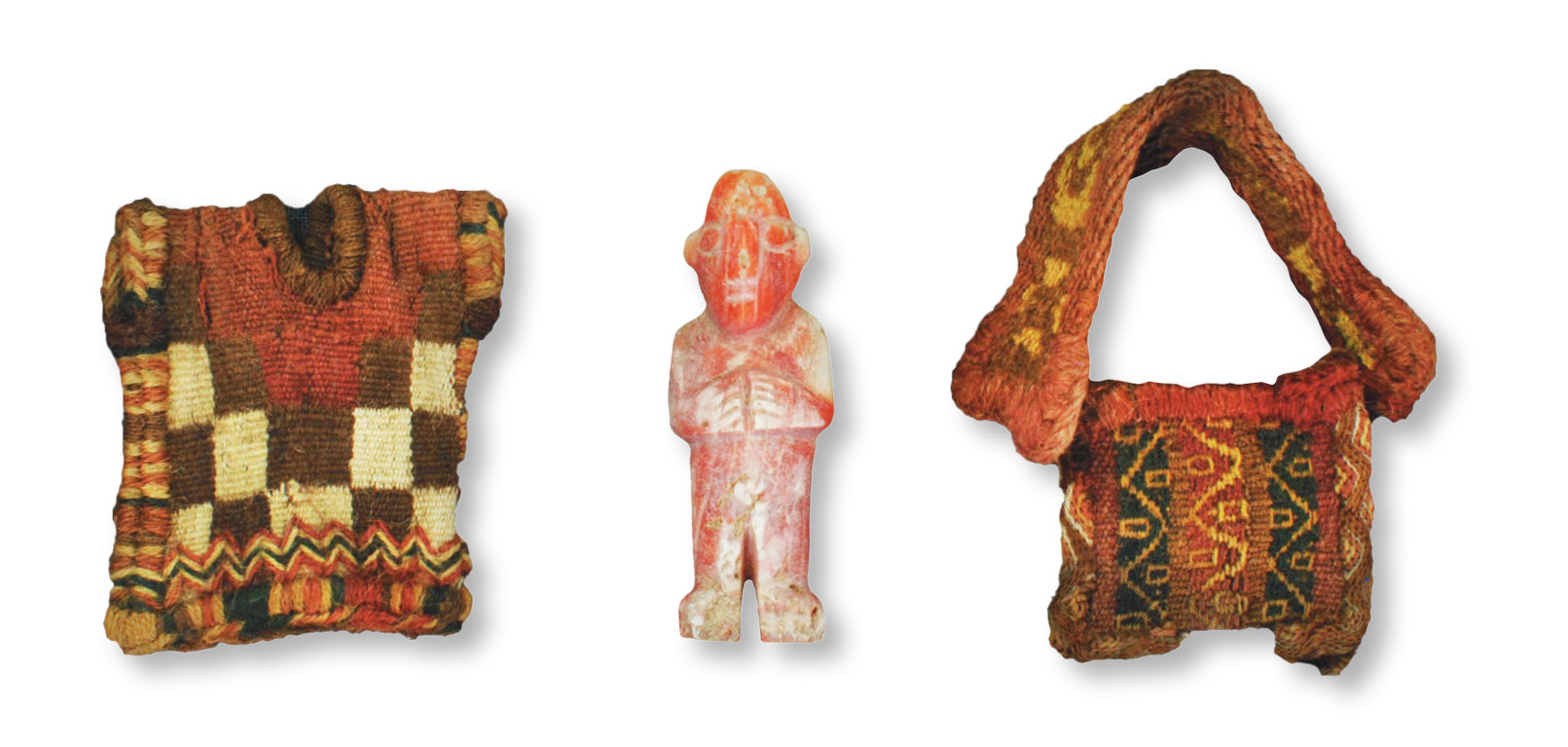
Above & below: Two of the four Inca offerings found in pits dug at the foot of the façade of the small polychrome enclosure that was built on top of the artificial mound inside the Quadrangle. The offerings feature male figurines attired in miniature dresses, with a bag. The offerings are differentiated by the material used: gold, silver, copper, or Spondylus princeps shells, and by the presence/absence of camelid statuettes. The clothed statuette of this naked man (above) is made of shell and accompanied by a silver llama and two shell figurines, while another single male shell statuette (below) also has miniature clothes. Images: Archaeological Program ‘Pachacamac Valley’
Our initial trenches examined both the external and internal parts of the eastern and southern perimeter walls of the Quadrangle. This digging has already revealed that the enclosure was built in the Late Horizon, probably at the beginning of the 16th century AD. Preserved underneath the Quadrangle foundations were burials and ruinous adobe structures belonging to the second half of the Middle Horizon and the beginning of the Late Intermediate Period (approximately AD 800-1100). The vestibule and doorway of the only access point to the interior of the Quadrangle have also been located: this entrance was connected by a ramp to a sunken plaza that marked the end of the North–South Street. Our finds revealed that the cobblestone roadway serving this monumental entrance was built by the Incas, and had no architectural antecedents in the lower stratigraphic levels. The situation we had encountered some years earlier when examining the northern end of the North–South Street was thus mirrored at its southern terminus.
These results left the whole team with great expectations concerning what might be lying inside the Quadrangle. We expected to find an Inca cult building of great importance. Our anticipation increased when four imperial offerings were discovered, similar in style to those that usually accompany child sacrifices, known as capacocha. The offerings consist of male and llama figurines made of gold, copper, and shells of the tropical mollusc Spondylus princeps. The figures were dressed in miniature clothes, and found in deep pits at the foot of a wall on the top of a mound inside the Quadrangle perimeter. In its first phase, this structure was decorated with fine, figurative paintings fully comparable to those found within the Painted Temple. Although our painted enclosure was destroyed by an earthquake, it was later rebuilt in a period when the Spaniards were already leaving traces of their presence.
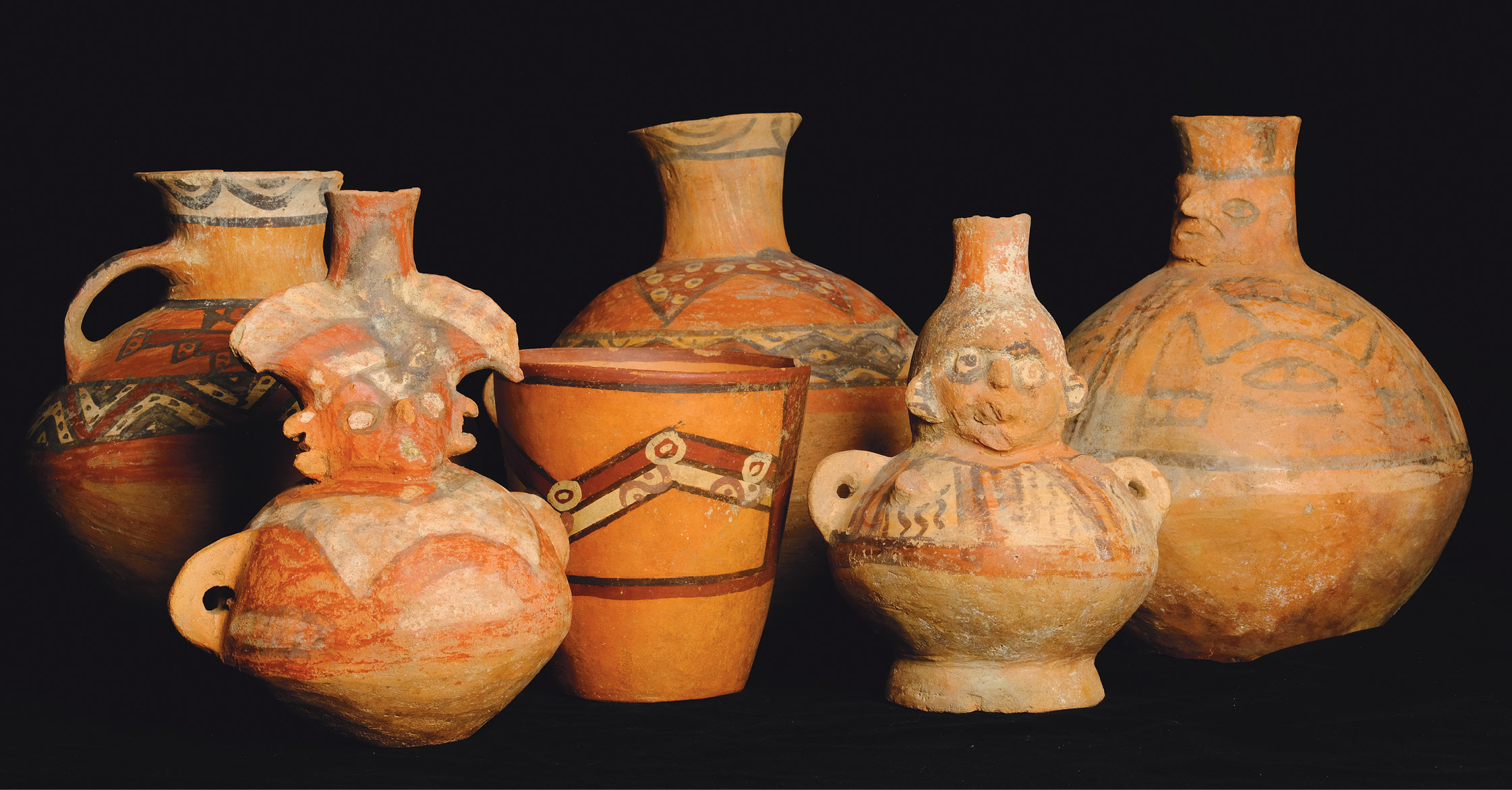
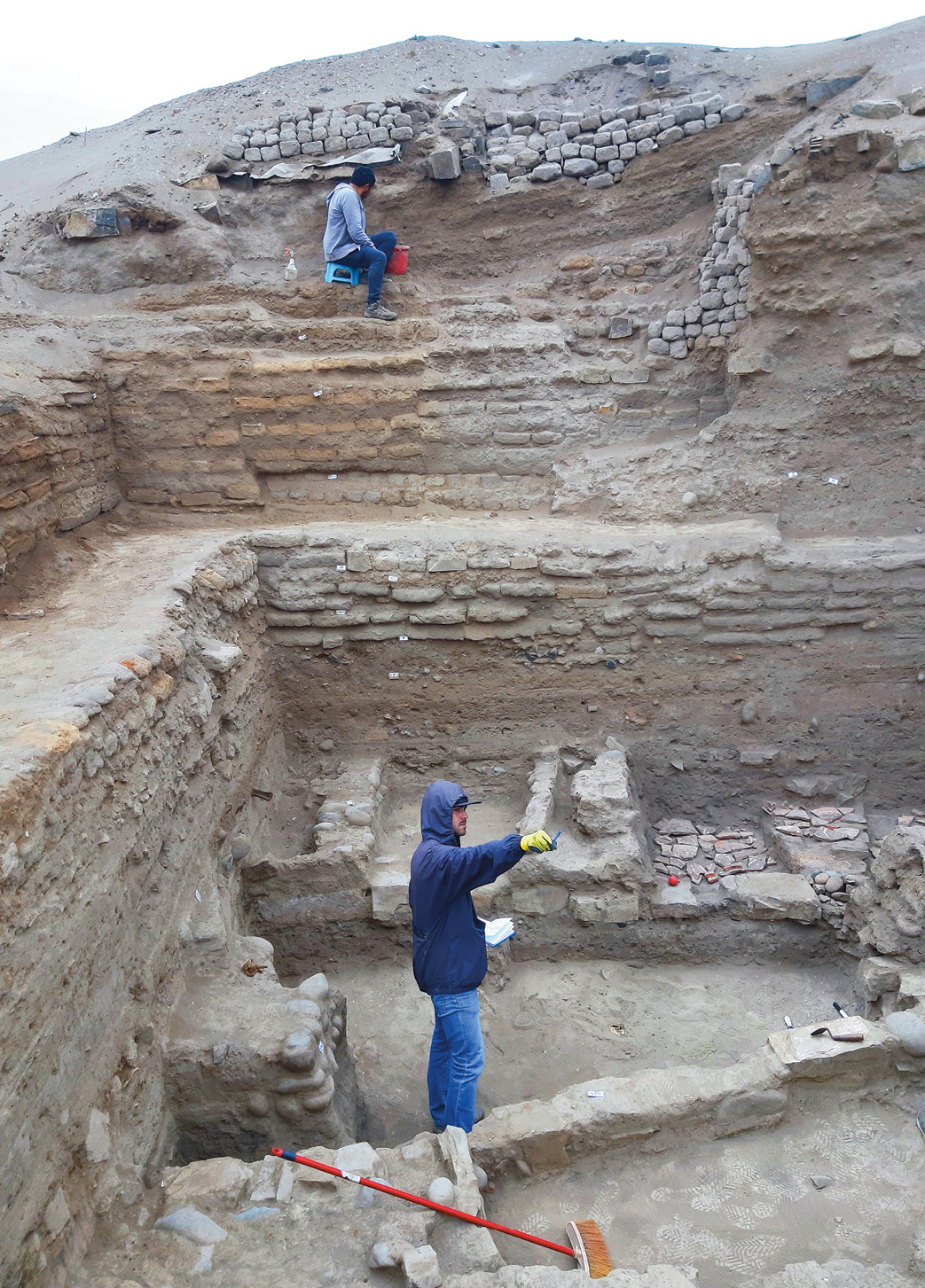
A real surprise awaited us as we exposed the foot of the Inca enclosure. Underneath it we identified a sequence of seven different phases of occupation and use, which were superimposed on top of natural sand. All told, the stratigraphic sequence of occupational events runs from the Lima Period to the Early Colonial Period (c.AD 500-1580), when the Inca walled enclosure known as Quadrangle probably became a Spanish Early Colonial tambo – that is, an administrative facility containing accommodation and stores. Significantly, each of the phases that were identified have different characteristics. The levels above the Lima layer, for example, correspond to the second half of the Middle Horizon, and contain both domestic and funerary material, including early Ychsma and Wari pottery. These burials formed part of Uhle’s Cemetery 1. Just as the 1931 photograph suggested, this burial ground continued under the later walls of the Quadrangle.
Above the Middle Horizon levels there is an intense domestic occupation that belongs to the early Late Intermediate Period and contains Early Ychsma pottery. After a break in activity, there is evidence of multiple Late Horizon activities. In addition to the probable large-scale production of chicha (corn beer), the construction of a building for ritual use was initiated, judging by the fine figurative decoration on the façade, which we have already noted.
This evidence fully agrees with that gathered by Uhle at the Painted Temple. Uhle states that this temple attributed to the god Pachacamac was built on top of levels containing Inca diagnostic material and associated with a few burials from the same era. The Painted Temple was positioned on a terrace that encompasses a large collapse covering a much older building. Another, even earlier collapse was recorded beneath that. This first collapse was associated with a building abandoned several centuries before construction of the Painted Temple began. At the foot of this early structure, Uhle found chamber burials dug into a sterile layer of sand. The tomb chambers were fashioned from adobe and stone, and either cylindrical or conical in shape. They were usually roofed with reeds and mats, although stone was occasionally used. Within lay burial bundles positioned facing east, and equipped with a false human head, whose face was made of carved wood or painted on a cushion filled with, or sometimes just made from, terracotta.
Comparing the stratigraphy of the Painted Temple and the Quadrangle makes it clear that the Inca administration did not simply reuse and remodel, let alone preserve and adapt, the Wari and Ychsma buildings. Instead, earlier architecture was flattened under fill or encapsulated in the foundations of the Inca buildings. The Quadrangle seems to have been part of an ambitious imperial project that was never finished, first because of destruction caused by an earthquake, and then as a result of the Spanish conquest.

Return to Cemetery 1
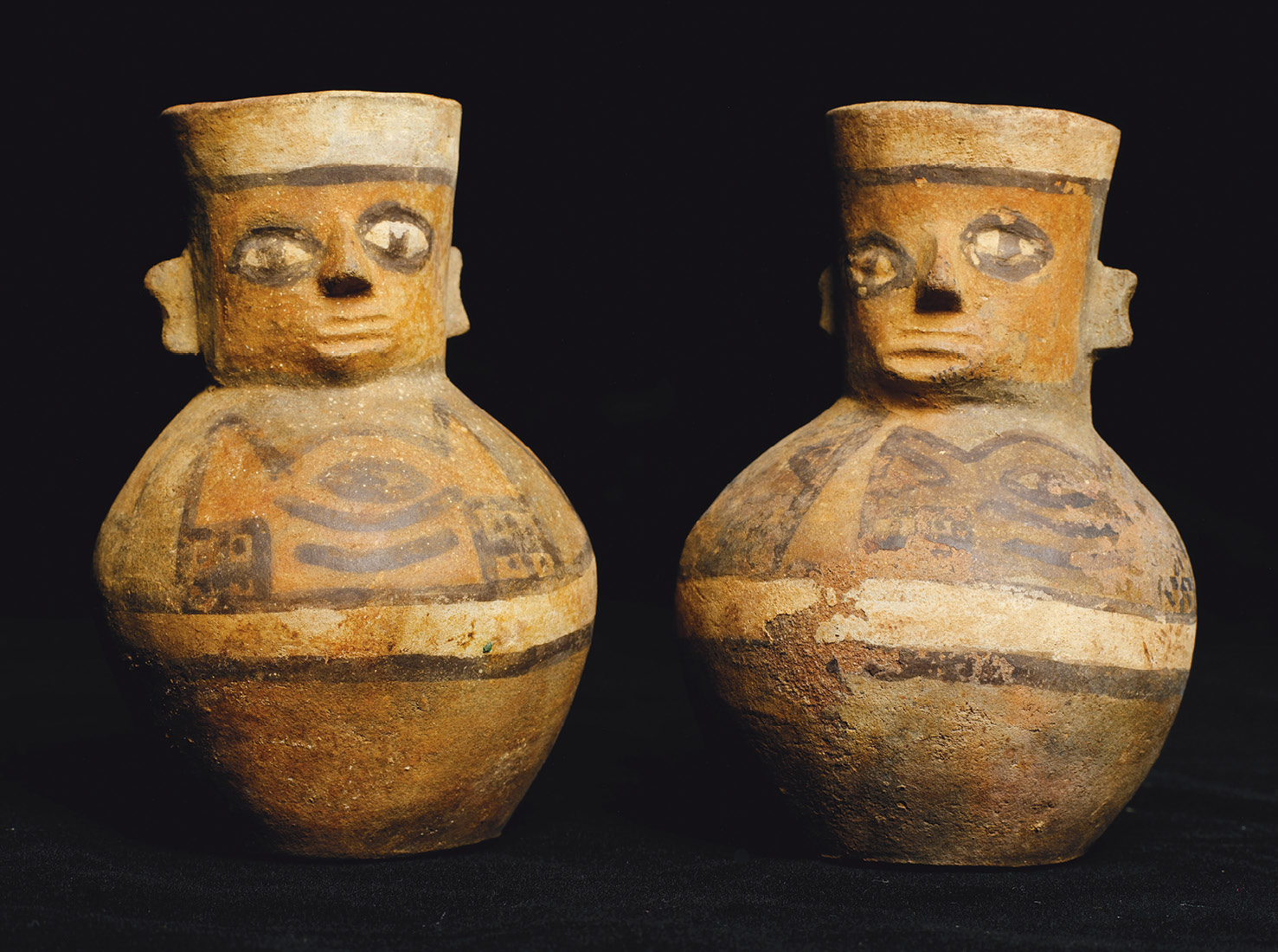
Our latest season ended with another exceptional find. Uhle never published a catalogue of the burials he investigated. In his 1903 book, he devoted particular attention to only one of them, which contained a large painted textile, bearing imagery comparable to the textiles from sites on the north-central coast. The textile was associated with ceramics in various styles, including an imported sculptural pitcher – or perhaps an imitation of one – that was typical of the north coast. Given both the importance of the finds and the sparsity of the written record, it has long been desirable to gain detailed information about other areas of Cemetery 1.
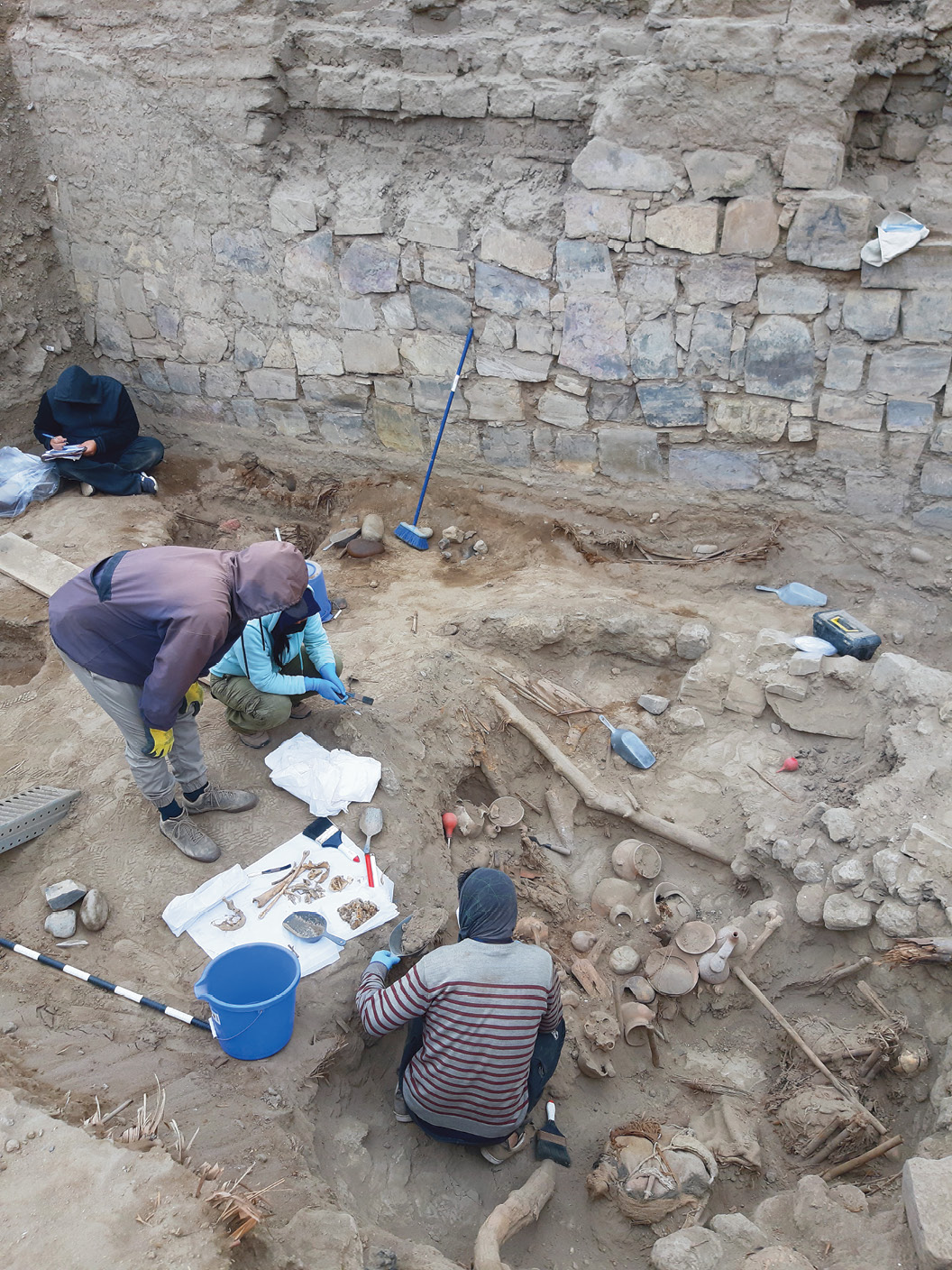
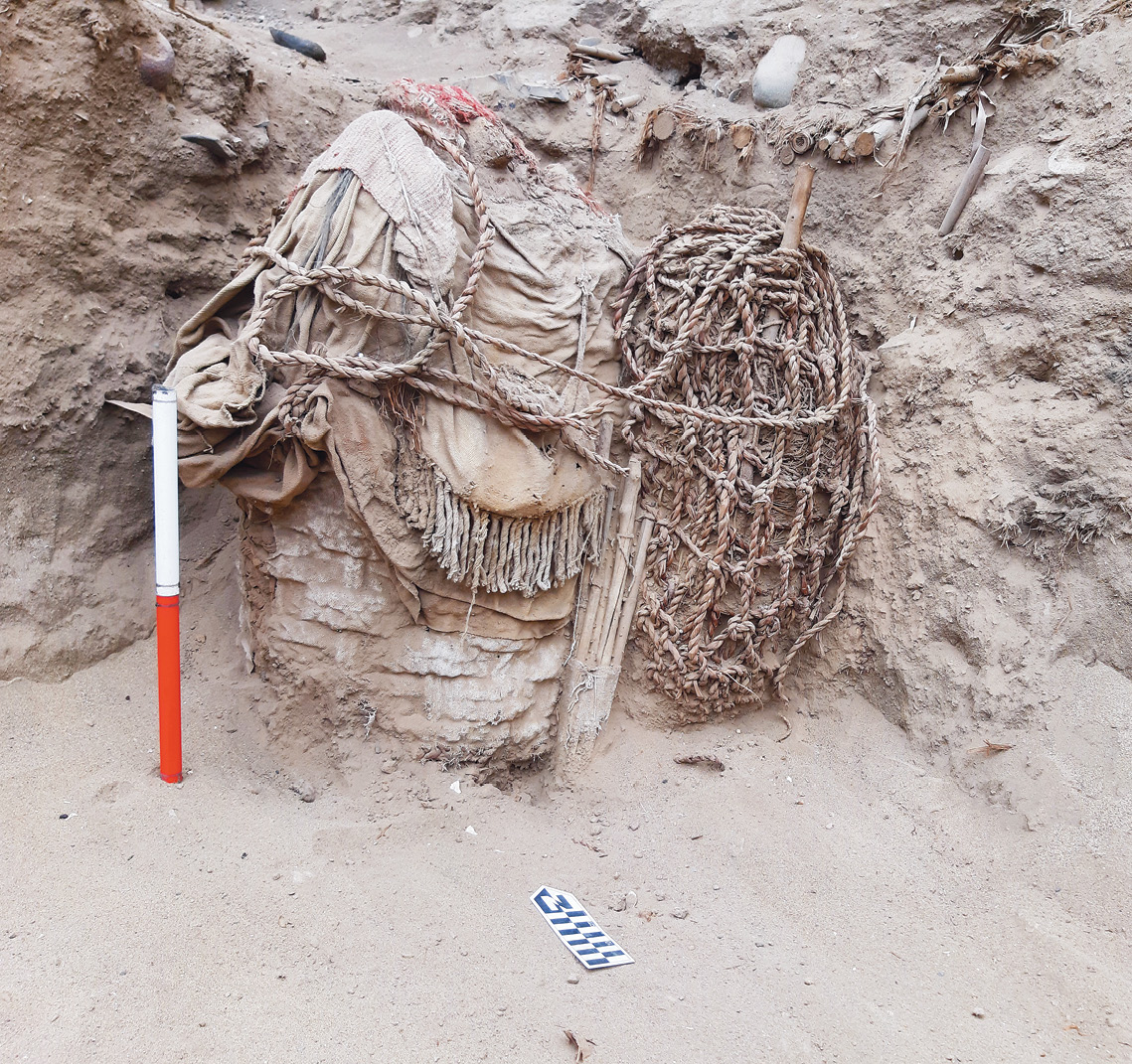
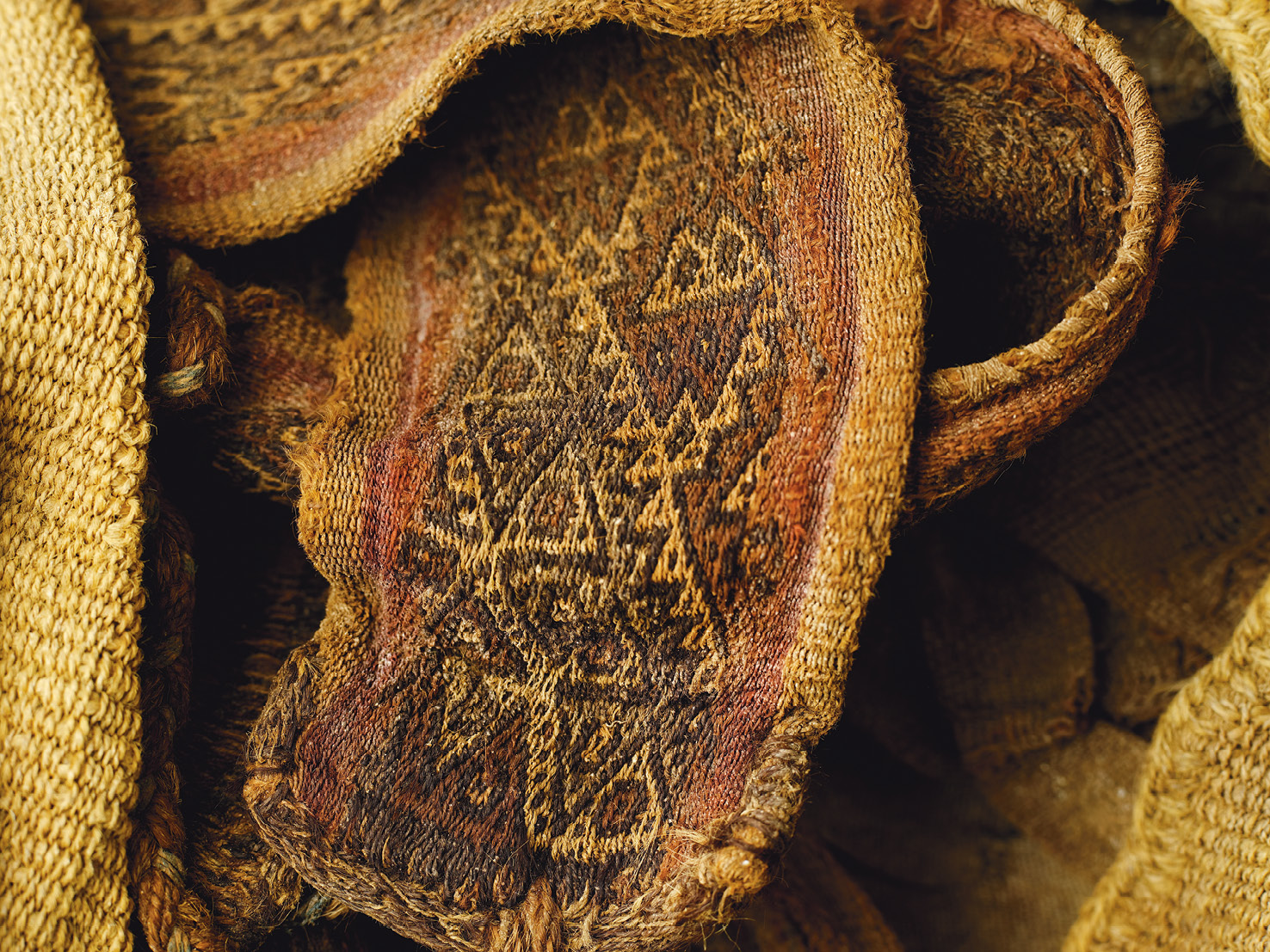
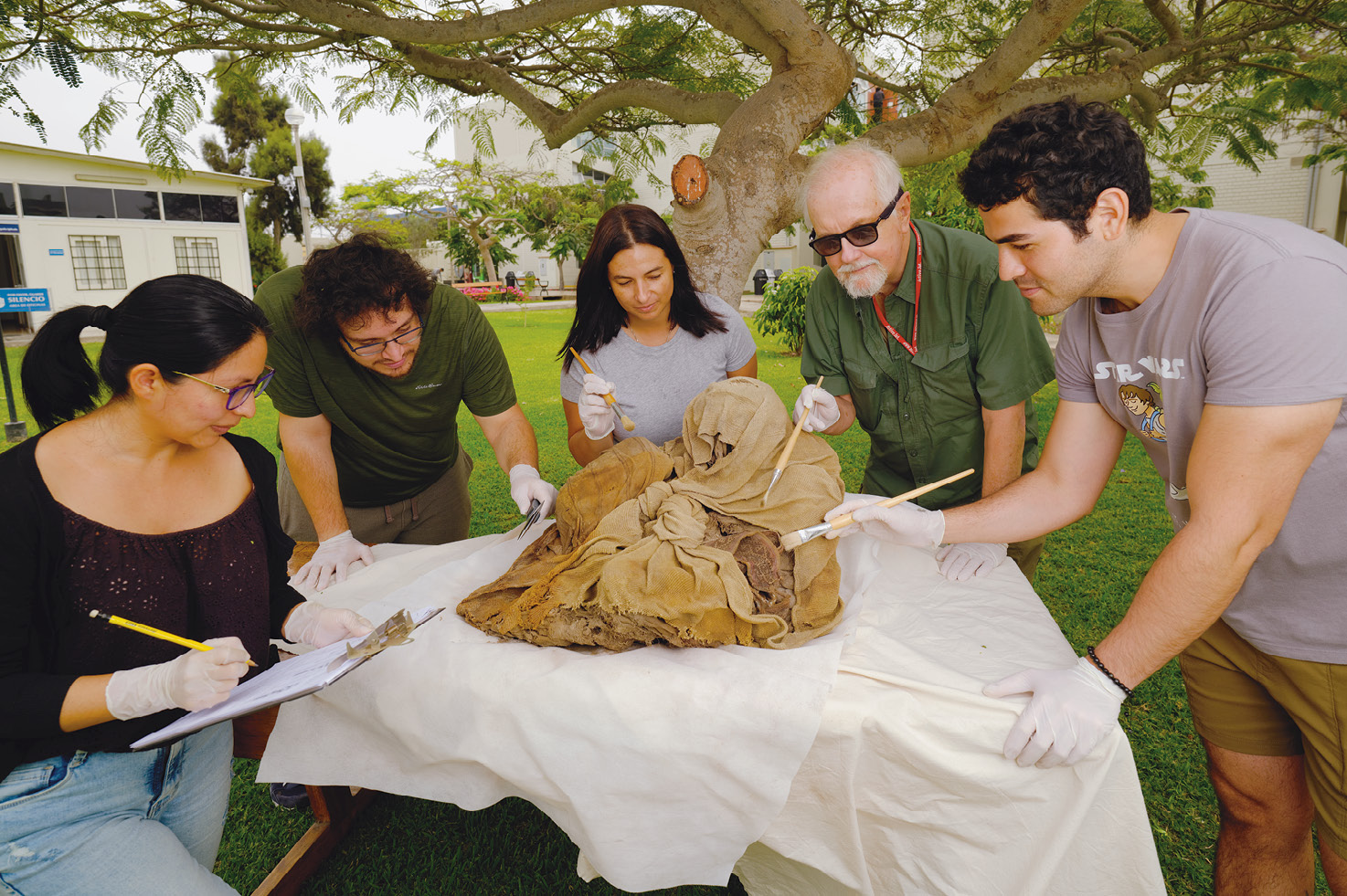
We have been fortunate enough to locate an area that was miraculously shielded from looters by the protective seal created when part of the perimeter wall of the Quadrangle collapsed. Beneath this covering lay 73 intact burials, which comprise funerary bundles of adults of both sexes, and children of all ages. The relative simplicity of most of the bundles suggests that this was not just a burial place for the elite, but also for less august men and women. Even the individuals of both sexes who stand out by virtue of having wooden or terracotta masks fitted as false faces do not seem to be particularly high status. Fishing kit and a small wooden sceptre were found with one of the deceased. This funerary area was also associated with a settlement, which contained areas for processing food, storage, and disposal of rubbish.
Within this settlement we found an offering of cut Spondylus princeps shells, imported from Ecuador. This sealed a deposit containing two wooden sceptres in the form of trumpets. Each of these sceptres bore the image of a human figure, but they are distinguished from each other by their headdresses and other details. These sceptres were sculpted in the same style as a famous idol that has figures peering from both its front and back, which was found in the Painted Temple by Albert Giesecke in 1938. In the case of the sceptres and the idol, the iconography and style find parallels on the north-central coast, where the sculptor seems to have come from. By finding these sceptres in a stratigraphic sequence, we have also obtained valuable evidence that the Painted Temple idol was not an isolated find, with a debatable date. On the contrary, it is now necessary to modify interpretative scenarios of the situation in Pachacamac after the decline of the Lima culture in the 8th century AD. Instead of spreading the religious ideology of the Wari Empire northwards, it seems that the beliefs of the inhabitants of Pachacamac were being influenced from the north, perhaps coming from the direction of the centre of Wari power in Castillo de Huarmey.
We can be confident, too, that the Wari settlement at Pachacamac was relatively modest, as it shows no sign of formal or functional characteristics in common with the later Inca ceremonial complex, with its monumental size and planned layout. Pachacamac the god and oracle, and Pachacamac the planned ceremonial centre, can both be understood as exclusive products of the religious policy of the Inca Empire. This conclusion is in full agreement with the accounts of Spanish chroniclers Polo de Ondegardo and Santillán. Such a statement is not to dispute that the Incas selected a special place for their grand design. The chosen location came with lagoons, springs, and islands, as well as a long tradition of worshipping other local divinities. The Inca vision for Pachacamac, though, went far beyond anything previously seen at the site.