Subscribe now for full access and no adverts
Much of what we know about how the ancient Egyptians perceived death, their burial customs, practices, and religious beliefs comes from high-status Egyptian mummies and their incredible, elaborate tombs. However, we understand far less about the daily lives of the general population of Egypt – particularly where women are concerned. While mummies can be crucial sources of information, the linens they are wrapped in can hinder analysis of the skeletons. New technology, such as CT analysis, can allow examination without the use of invasive and unethical methods such as unwrapping, but this is expensive and time-consuming. Analysis of the skeletons and tombs of the common population of ancient Egypt can provide a more valuable and reliable source of information into gender identity and labour divisions within Egyptian society.

Representations of Women
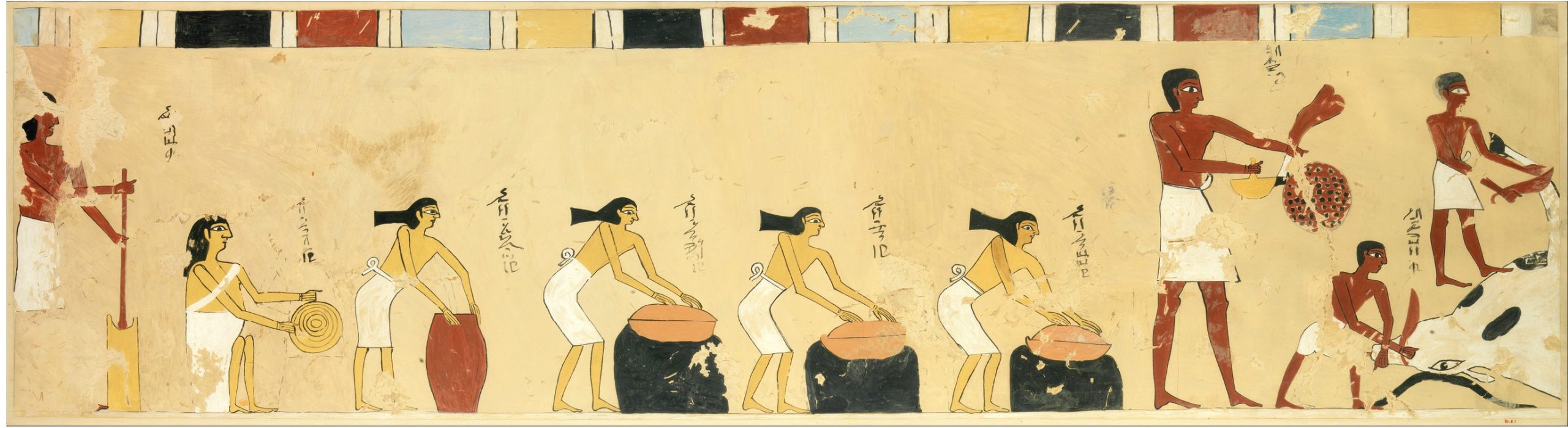
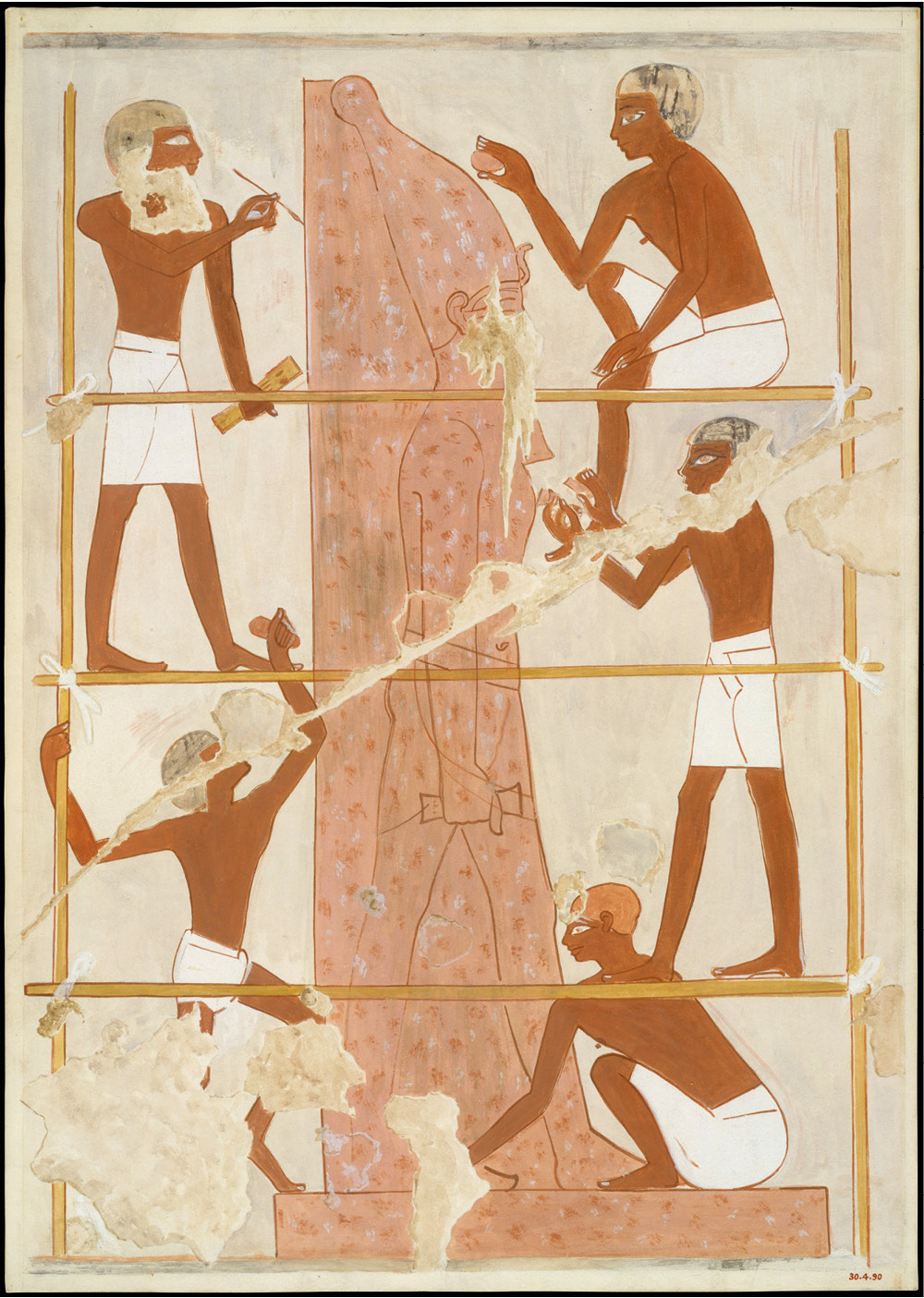
Ancient Egyptian tomb art can reveal much about the identity of women within Egyptian society. In some tomb scenes, women are less visually prominent, shown far smaller than their husbands, positioned on their husband’s inferior left side, or sat at his feet, although this was not a standard. However tomb art also venerates them and their role within a balanced society, and depicts women in all aspects of daily life, suggesting they formed a fundamental part of Egyptian society. Women tend to fields and gardens, prepare food and produce, make clothing, and weave linen. Despite this, there are certain roles that women are rarely seen performing in mortuary art – primarily building or construction tasks.
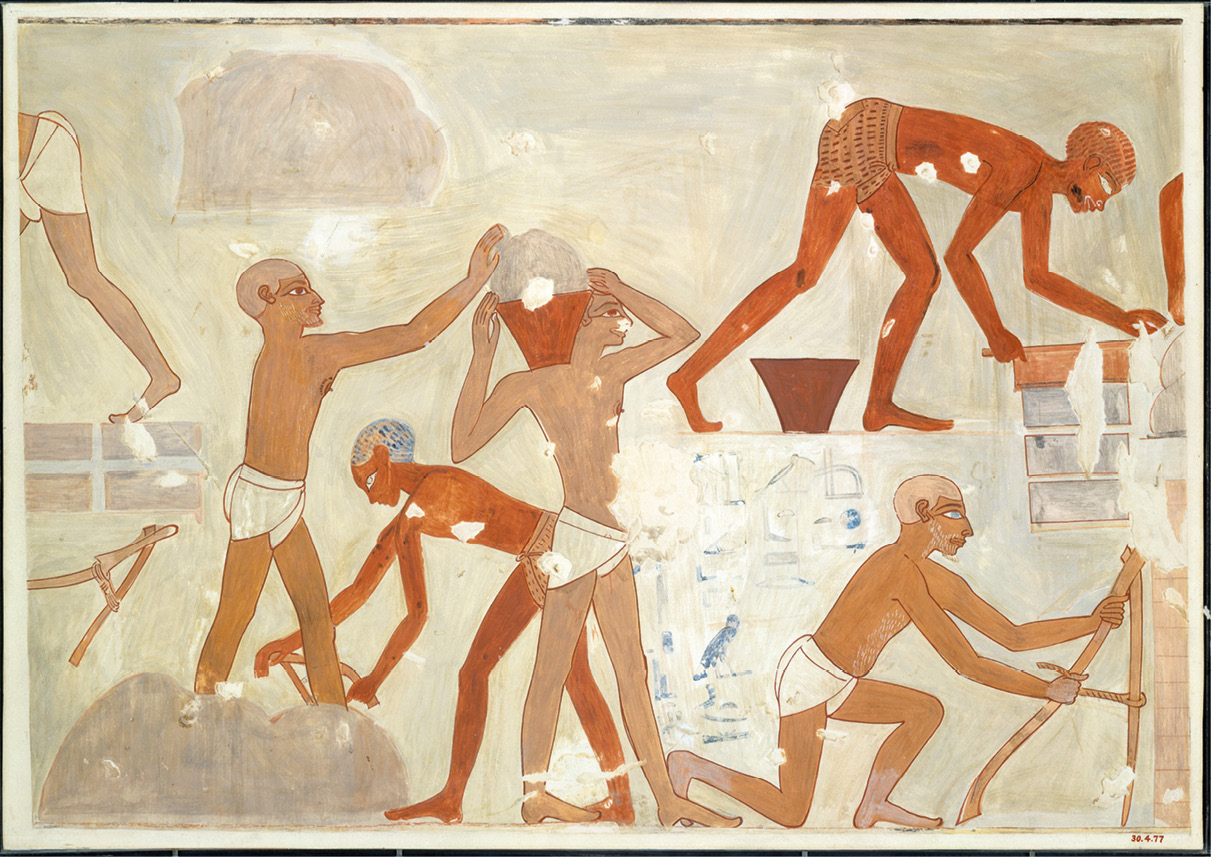
Above & below: Brickmakers and sculptors depicted in scenes from the Tomb of Rekhmira. Women are never depicted carrying out such construction jobs – but does this reflect reality? Image: facsimile paintings by Nina de Garis Davies, MMA
Tomb art served to depict an idealised version of life to ensure eternal happiness, rather than a realistic portrait of daily life. For example, many women are depicted in their youth, regardless of their age at death. This may have been meant to ensure women looked this way for all of eternity. It is important to remember, too, that most contemporary sources of information come from ancient Egyptian men. Only a small minority of people were literate, and the role of scribe was limited to men of high social status. Artists responsible for painting tomb art and mortuary scenes were likewise men of a slightly higher status within society, and tomb art was normally commissioned by the male tomb-owner. Archaeologists must therefore question the representation of women within funerary monuments and tomb art. Do these images accurately reflect real life? What are we missing about the identity of women within society?
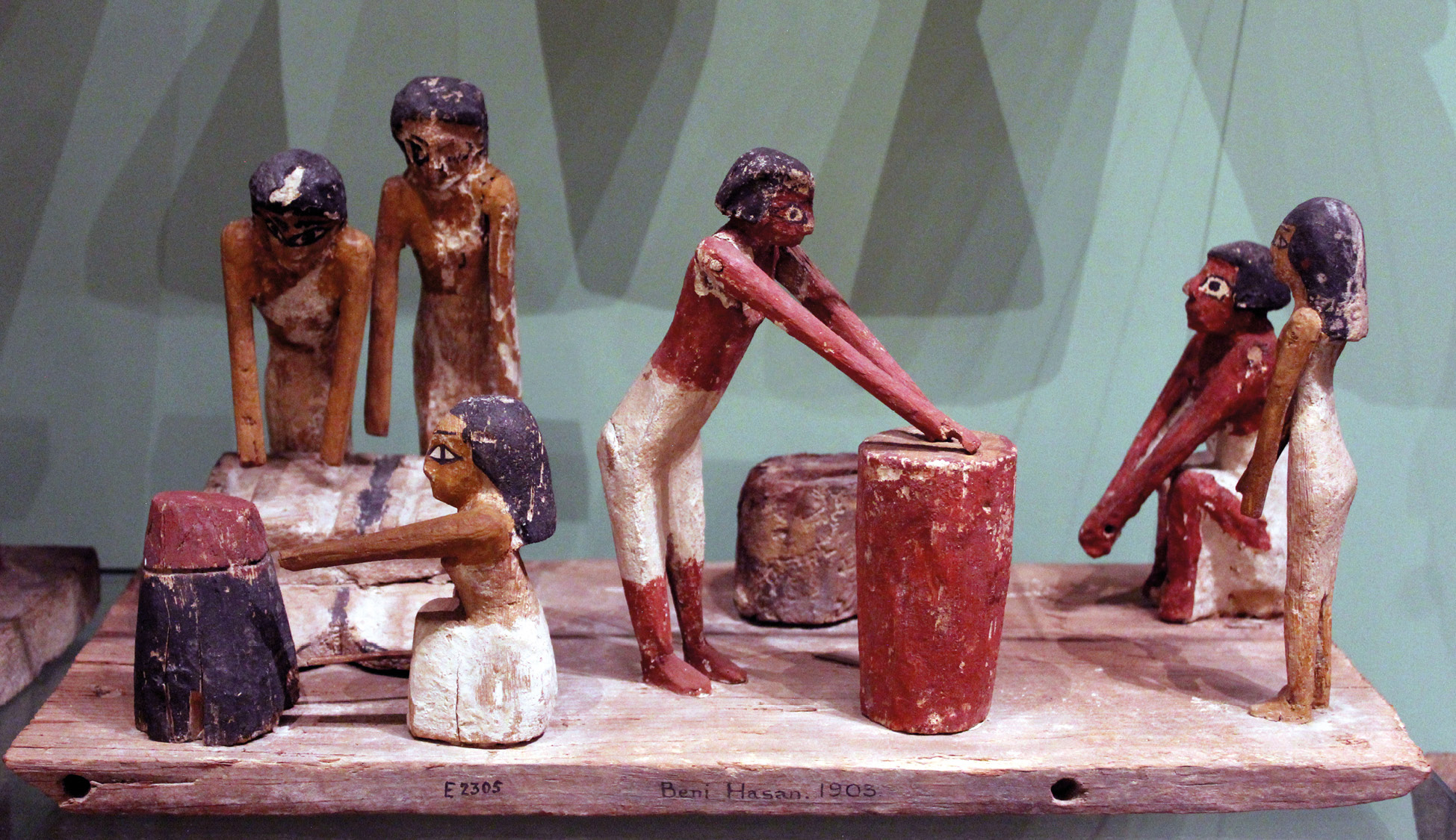
Women working alongside men in this model bakery from Beni Hasan, now in the Ashmolean Museum. On the right, two women grind grain; on the left, a third tends a small oven. In the centre, a man makes flat loaves from bread dough. Image: Sarah Griffiths (SG)
Skeletal Remains
One possible way for archaeologists to understand the role and identity of women within ancient Egypt is to examine their skeletons. While tomb art, funerary monuments, and literary documents may represent whatever the artist or author wanted to convey, skeletons can provide accurate, scientific data to use in assessing the actual work that women carried out. A far better understanding of the levels of activity women may have undertaken can be gained by examining insertion points of muscles (entheses) for signs of intense biomechanical strain associated with muscle use, by checking joints for damage or signs of wear (osteoarthritis), and analysing the shape of long bones (cross-sectional bone geometry). As muscles work to perform a function, changes on the skeleton associated with certain muscles can build a picture of the types of movement individuals were performing.

Comparing skeletal changes in female remains from different sites in Egypt, different time periods, or women of varying social status can further illuminate the role of women in Egyptian society. Analysis of skeletal changes can also be used to examine the role of women within the labour force. For example, were women involved in building the pyramids? The cemeteries of the pyramid workers at Giza include women, men, and family burials. Clearly, women were a vital part of the pyramid workforce, but what kinds of jobs were they doing? Tomb art may suggest gender divisions existed in jobs and activities: while women worked alongside men in agriculture, animal husbandry, preparation and production of food and commodities, and even medical assistance, they are rarely depicted engaging in pyramid labour such as quarrying or sculpting stone blocks. But is this a true reflection?
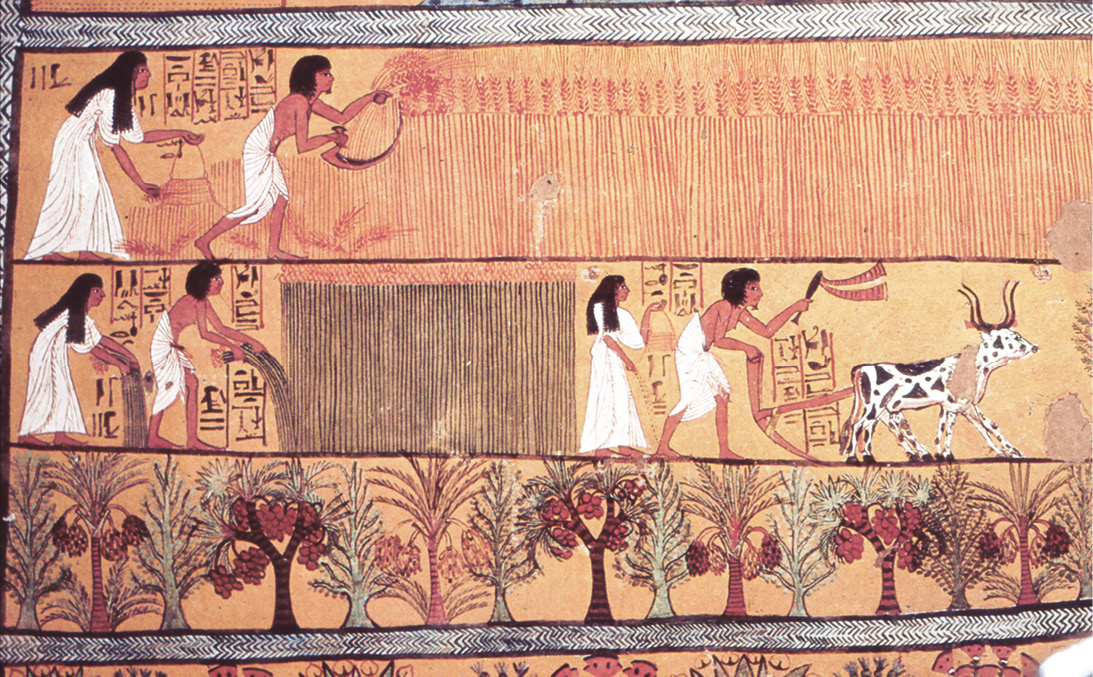
Iyneferti is shown carrying out agricultural work in the afterlife alongside her husband Sennedjem, in a scene from his tomb (TT1). Image: RBP
A biocultural approach, combining visual observation of skeletal evidence of activity patterns with cultural and historical records, such as tomb art and literary documents, could build a model of the role of the average Egyptian woman. This may allow archaeologists to question whether or not ancient Egypt operated within a gendered division of labour, and assess the true identity of women within Egyptian society.

Jessica Coughtrey is a PhD candidate at the Universities of Southampton and Exeter, funded by the SWW DTP. Her research explores social and gender divisions in ancient Egyptian workforce communities through analysis of human skeletal remains.
CRE 2024: Current Research in Egyptology (CRE) is an annual postgraduate conference set up to facilitate research and promote bonds between British and international universities conducting research in Egyptology. Ahead of this year’s conference at the University of Liverpool (2-6 September), AE presents two more research papers (see also AE 143) by postgraduates attending the conference.