Subscribe now for full access and no adverts
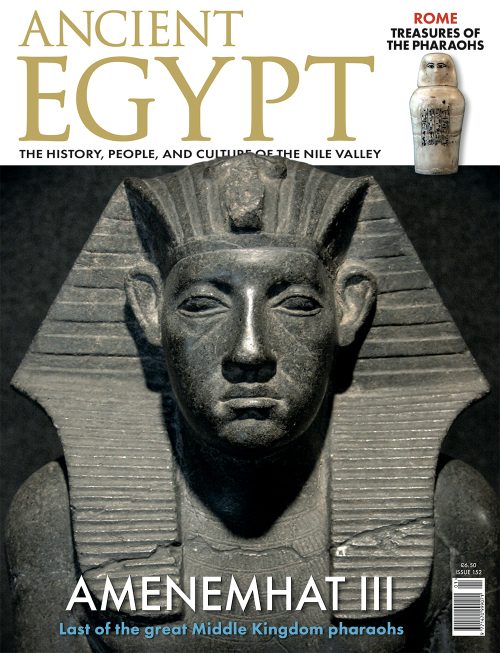
Amenemhat III (c.1855-1808 BC) is the last major king of the Twelfth Dynasty; he reigned for more than 45 years. Along with his predecessor Senusret III (see AE 151), he is regarded as one of the most important rulers of ancient Egypt. The king is well known from an unusually high number of statues, which often show him as a mature man in his prime. He is also the builder of two pyramids; before this, only Snefru (c.2613-258 BC) of the Old Kingdom had constructed multiple pyramids, with at least three attested. However, almost nothing else is known about Amenemhat III and political events in his time.

Family
The family relations of the king are not entirely clear. He was most likely the son of Senusret III. Three wives are known. Aat and Khenemetneferhedjet were buried inside the king’s pyramid at Dahshur. They died young, in their twenties, as examination of their bodies has shown. A third woman, Hetepti, was the mother of the king’s successor Amenemhat IV. However, she is known from only one inscription at the temple at Medinet Madi in the Fayum, and does not bear the title ‘king’s wife’. Her main title is ‘king’s mother’, which relates to Amenemhat IV. She might have been a lesser wife or a concubine of Amenemhat III, although there is no evidence that she was related in any way to him. It is possible that he did not have a male heir, so a brother, or the son of a brother, might have stepped in to become the successor. Another option is that a daughter of Amenemhat III married an official who then became king; a ‘king’s son’ named Khakheperka-seneb (reading uncertain) appears on a vessel inscription found in a tomb at Hawara, but his position and relation to Amenemhat III are uncertain.
There are at least three daughters attested for Amenemhat III. Hathorhotep was buried within the king’s pyramid at Dahshur. She is known only by name, and it is possible that, although she was buried in the Dahshur pyramid, she was the daughter of another king. Neferuptah is known from many monuments and she was buried not far from king’s pyramid at Hawara. There is little doubt about the father–daughter relationship between Amenemhat III and Neferuptah. A third daughter is Sobekneferu, who became the last ruler of the Twelfth Dynasty. In later sources she is called the sister of Amenemhat IV. Although the father–son relation between Amenemhat III and IV is not fully confirmed, it is probable.
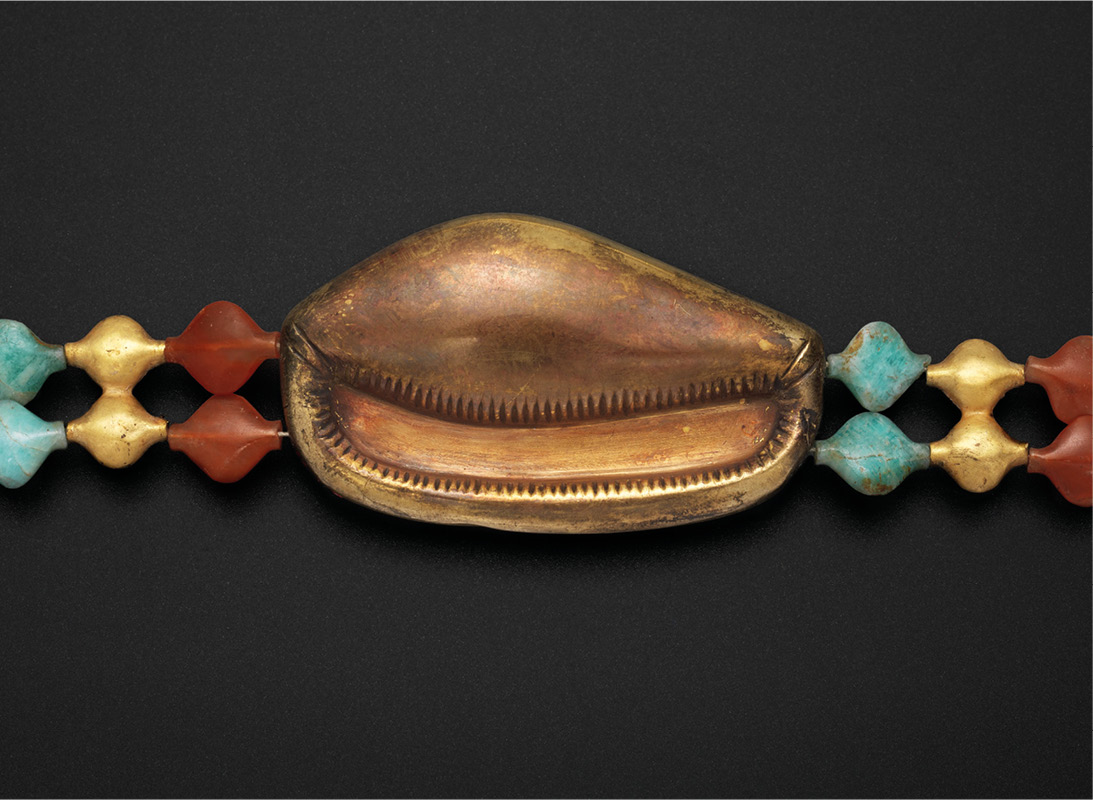
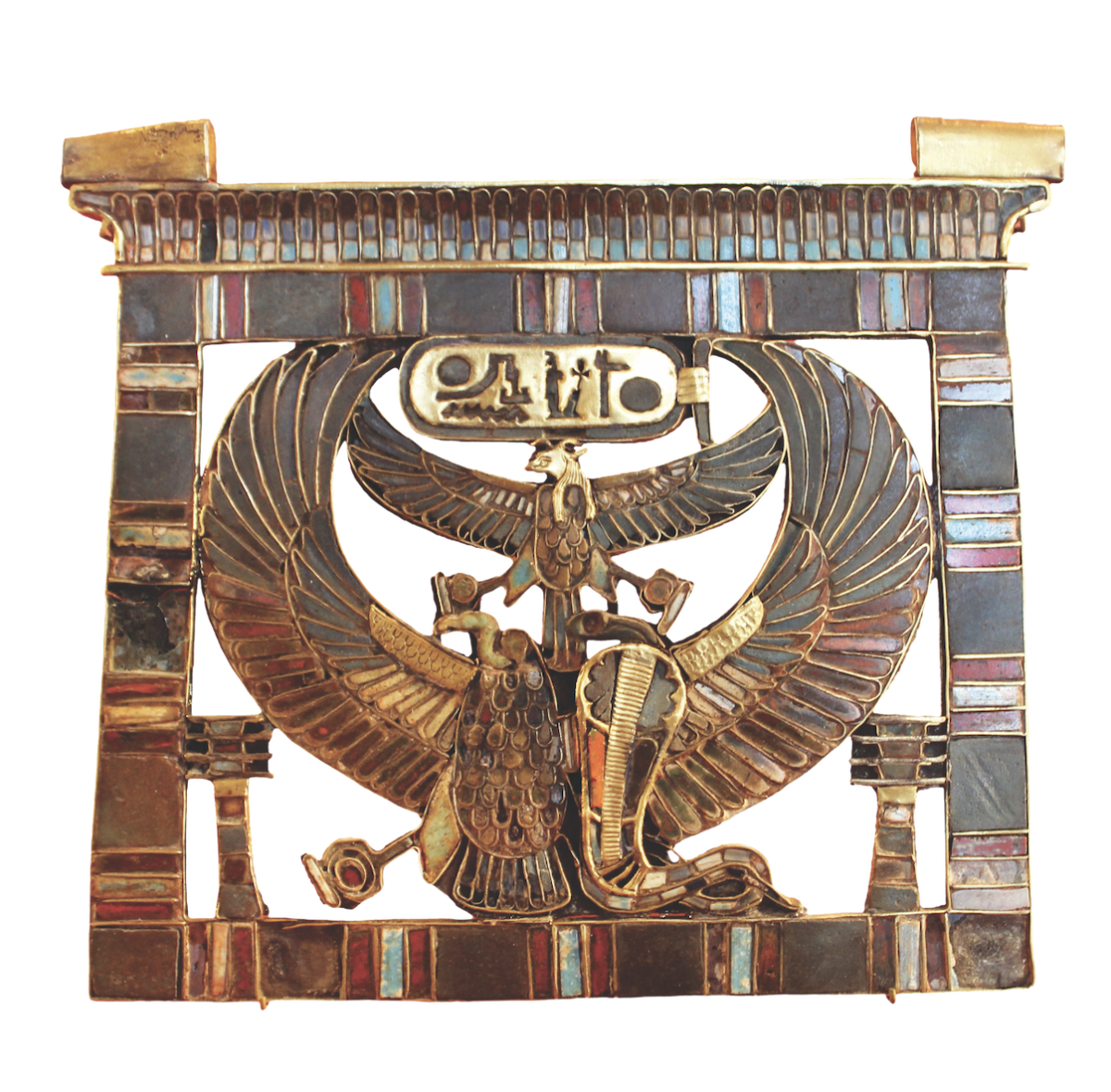
Several royal women – Mereret, Sithathor, and Sithathoriunet – died and were buried during his reign. They may have been sisters or aunts of Amenemhat. None of their burials were found intact, but they contained a considerable number of gold personal adornments, some bearing the names of the king.

Coregency?
There is some discussion in Egyptology about whether or not Amenemhat III became coregent with Senusret III. The latter king ruled for at least 19 years, although later sources give him a reign of about 39 years. There are indeed a few inscriptions that might provide a higher year date than Year 19 for Senusret III, and there is also firm evidence that Amenemhat III began to rule after Senusret’s Year 19. Senusret III celebrated his sed-festival, too, which was normally only held in the 30th year of a king’s reign, although there are some kings who celebrated their sed-festival earlier in their reigns. Furthermore, the festival is mentioned in Senusret III’s mortuary temple, although it could be argued that the inscription presented a wish for eternal sed-festivals, rather than recording one that actually occurred. The inscription is not well preserved, leaving room for speculation.
Therefore, a long coregency between Senusret III and Amenemhat III is possible, but the evidence for this is not conclusive. Amenemhat III probably celebrated his own sed-festival in his 30th year; the event is mentioned on the stela of the ‘follower of the king’ Nebpu-Senusret, who proudly reports that he took part in this festival. Further evidence comes from the palace at Bubastis, where a limestone door lintel was discovered depicting the king twice and mentioning the ‘first sed-festival’.
Titles
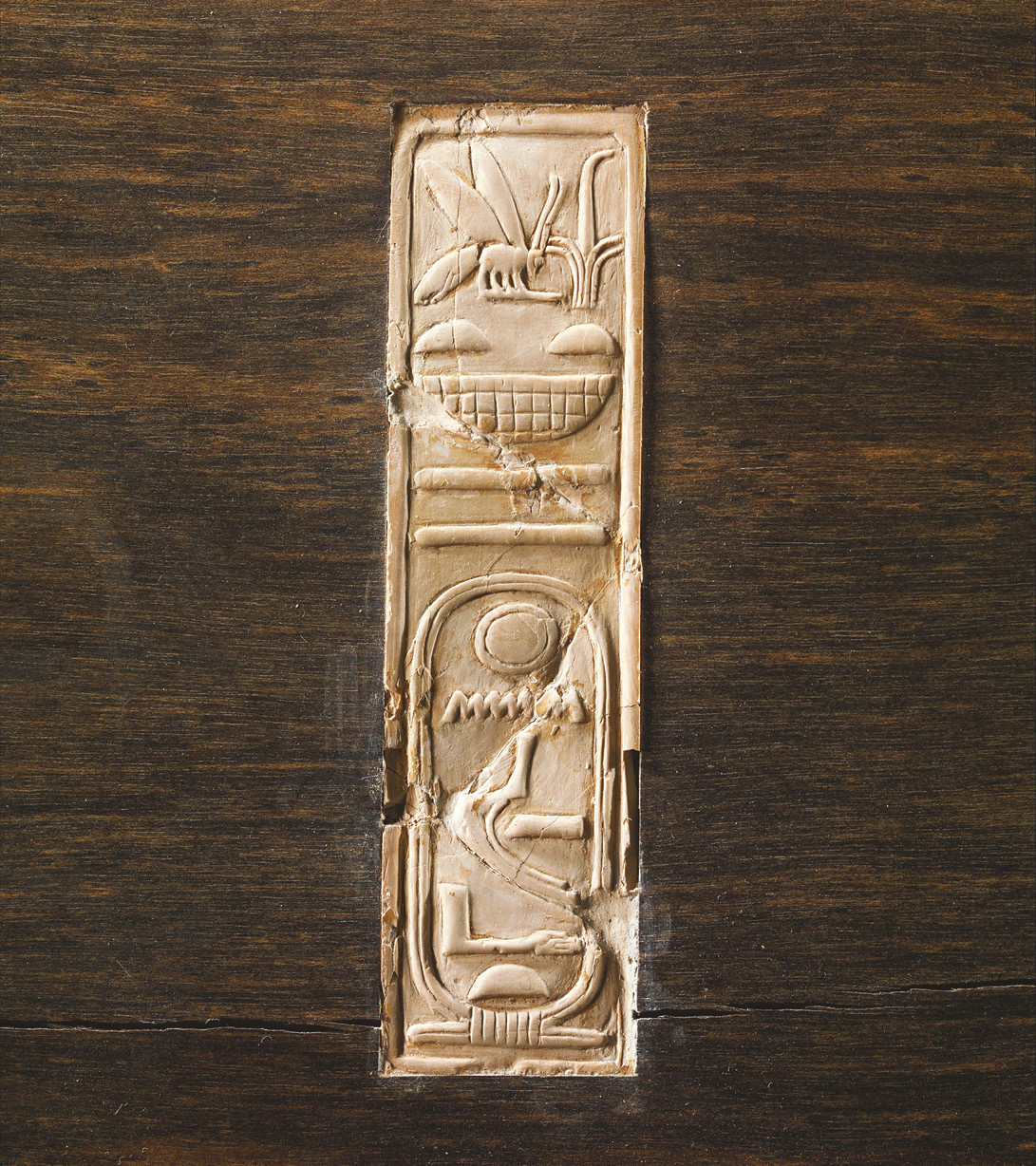
On becoming king, Amenemhat III received the following full royal titulary:
Birth name: Amenemhat, ‘Amun is foremost’
Throne name: Nimaatra, ‘The one who belongs to the Ma‘at of Ra’
Horus: Aa-bau, ‘Great of might’
Nebty (the Two Ladies): Itj-iwat-tawy, ‘The one who has seized the inheritance of the Two Lands’
Golden Horus: Wah-ankh, ‘Enduring of life’
The Fayum
The Fayum received special attention during the reign of Amenemhat III. In the Old Kingdom, the region was marshy and not suitable for agriculture. Improvements were made throughout the Middle Kingdom, but it was Amenemhat III who was credited with bringing the area into cultivation, particularly in Greek and Roman sources. Herodotus and Diodoros mention this, but they refer to the king as ‘Moeris’, confusing his name with ‘Merwer’, the Egyptian name of the Fayum lake. Amenemhat III became famous in the Fayum, and there is plenty of evidence that he was later worshipped there as a god.
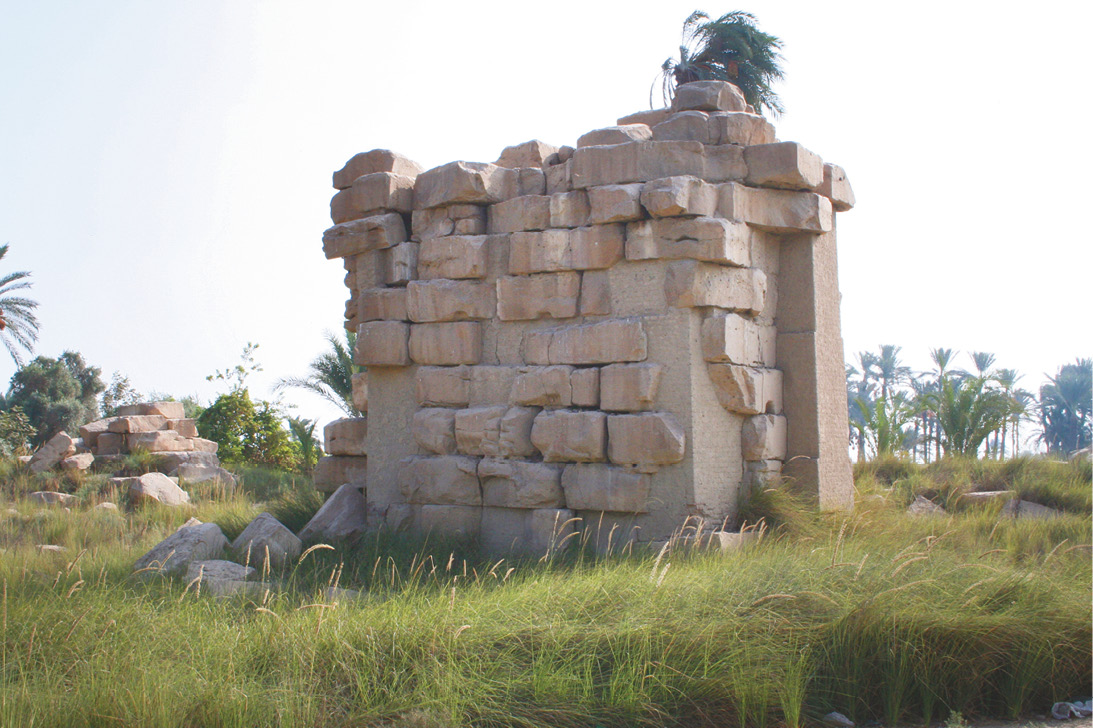
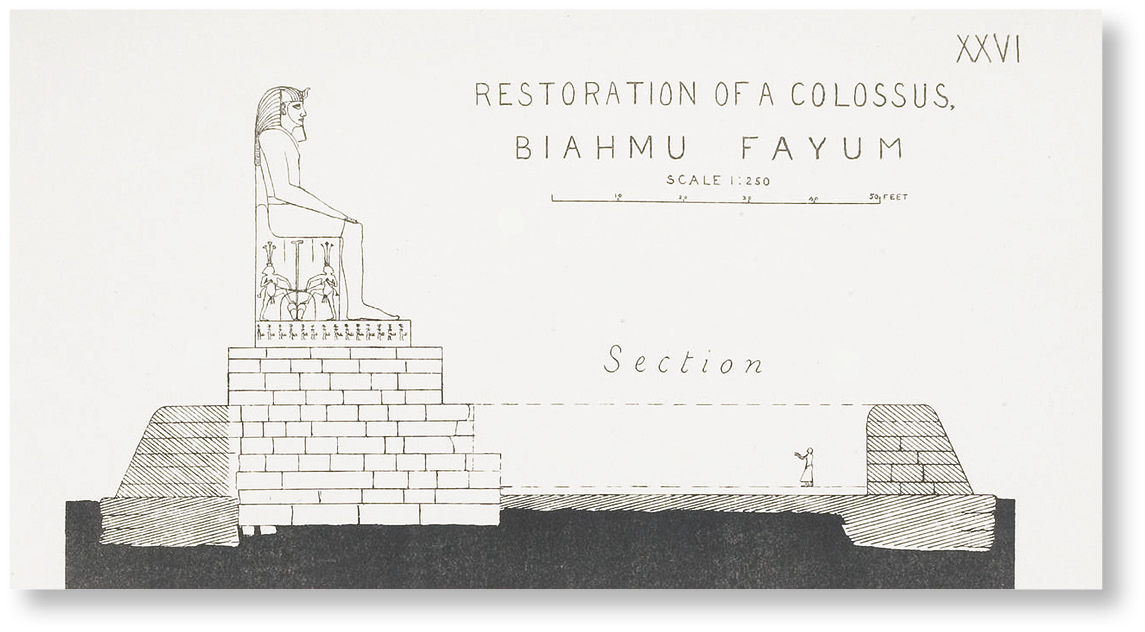
Several building activities are attested in the Fayum. At Biahmu, directly overlooking the lake, Amenemhat III erected two giant seated statues of himself, reminiscent of the later Colossi of Memnon built by Amenhotep III. These statues are not well preserved, but they are exceptional, placed there as free-standing monuments, rather than in front of or part of a temple.
At Medinet Madi (ancient Dja), the king built a small temple for the snake goddess Renenutet which was finished by Amenemhat IV. This is actually the best-preserved decorated temple of the Middle Kingdom. The reliefs depict the king with different deities. The king’s daughter Neferuptah is depicted as well, confirming that she was a daughter of the king.
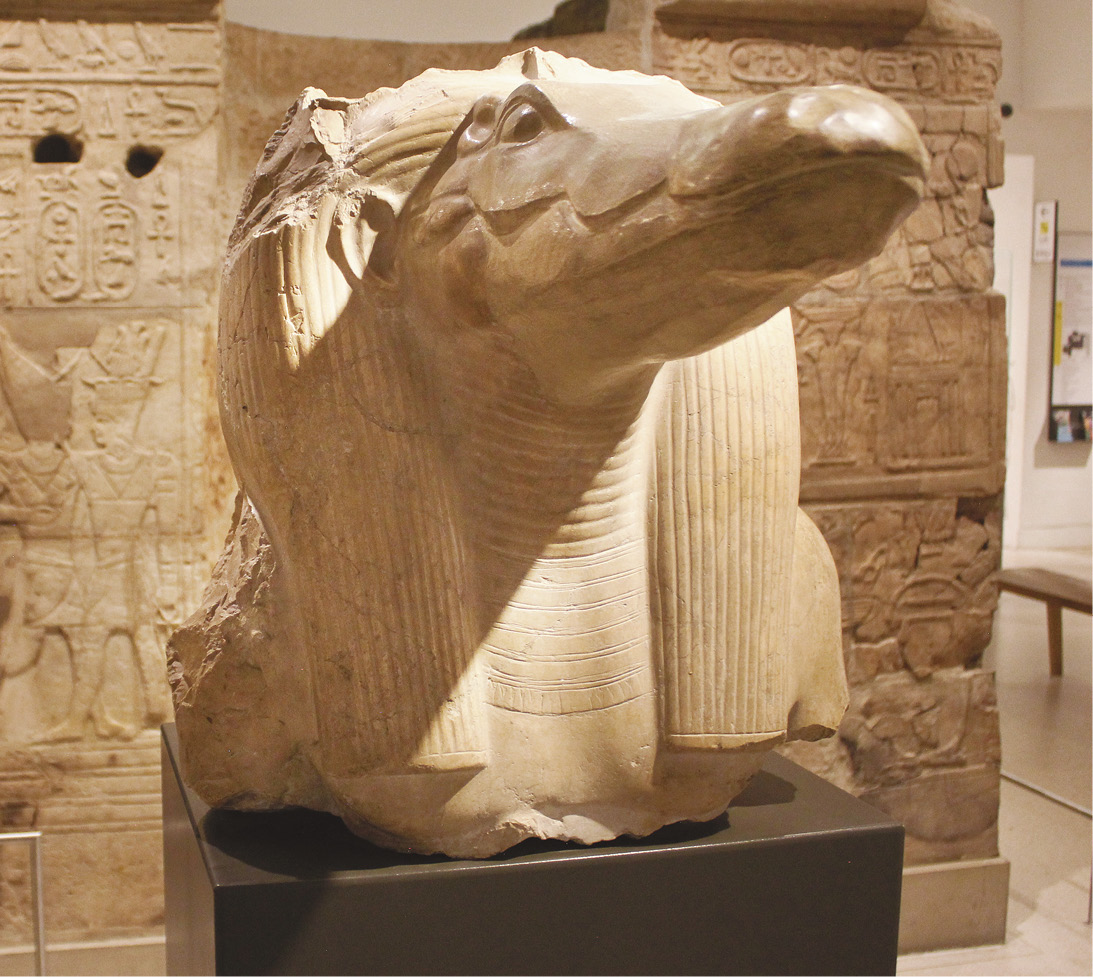
It is clear that the main focus of the country moved to the Fayum region during Amenemhat III’s reign, and the local crocodile god Sobek became the deity of kingship. The late Twelfth and the Thirteenth Dynasties became the ‘Age of Sobek’. At Shedet, the capital of the Fayum (today Medinet Fayum), the king enlarged the Temple of Sobek, although only columns and long inscriptions have survived. The king is called ‘Beloved of Sobek’ on many inscriptions, and there are impressive statues showing the god with a human body and a crocodile head that have survived.

Dahshur pyramid
Amenemhat III is mainly known for his two pyramids. Early in his reign, he began to build a pyramid complex at Dahshur. The monument (now known as the ‘Black Pyramid’ due to the dark colour of the remaining rubble) was made of mud brick, with an outer stone covering. The interior contained a complex system of corridors, and many chambers for several burials.
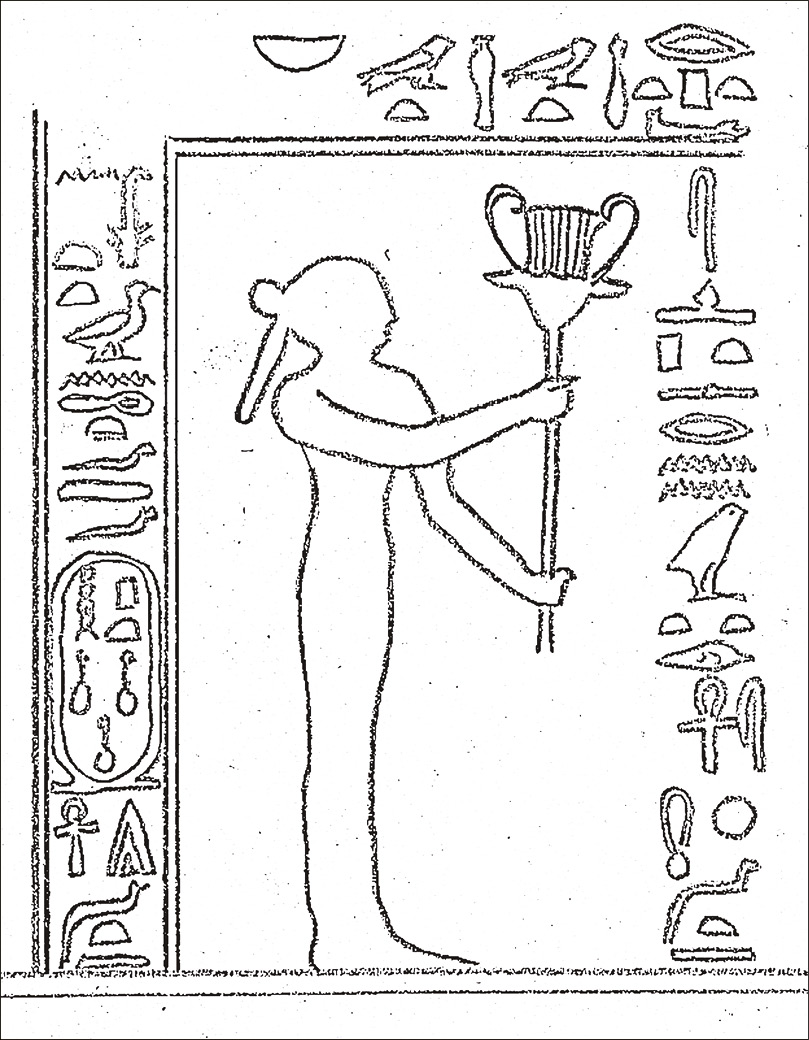
However, over time structural problems appeared. It seems that the ground beneath was weak and sank under the heavy weight of the mud-brick structure. As a result, many of the stone pavements in the corridors and chambers began to crack. The pyramid did not collapse, but the many signs of imperfection meant it was no longer suitable as a royal burial place. Therefore, in about the 19th year of the king’s reign, a new burial ground was chosen, and the Dahshur pyramid was used only for the burial of family members. The discovery of its intact pyramidion lying nearby raises questions as to whether or not the structure was ever completed. If the pyramidion had fallen off, it would have smashed on hitting the ground; as it was found in one piece, this suggests it was never put into its final position.
In front of the Dahshur pyramid was a temple, a causeway, and a valley temple. Houses for the administrators and priests were found here, too. On the north side, several shaft tombs were discovered, one of which contained the well-preserved burial of the Thirteenth Dynasty king Hor, while another contained the burial of ‘king’s daughter’ Nubhetepti-khered, also from the Thirteenth Dynasty. The whole pyramid complex was therefore still in use for a considerable time after Amenemhat III’s death.


Hawara pyramid
The largest building project of the king’s reign was his second pyramid and pyramid temple at Hawara, at the entrance to the Fayum. The project seems to have started around Year 19. Inscriptions in quarries such as the Wadi Hammamat clearly refer to the beginning of this process. The complex of Hawara, called in ancient times Ankh-Amenemhat, ‘May Amenemhat live’, consisted of the pyramid proper and a huge temple complex nearby. In Greek and Roman times, this vast complex of interconnected rooms was known as the Labyrinth, and attracted many visitors, including the Classical author Herodotus (for more about the Labyrinth, see AE 148).

Today there is very little left to be seen, but the complex was once richly equipped with sculptures, including the many unusual statues of the king discovered at the site. The walls were covered with high-quality painted reliefs. Head of the building organisation was the vizier, who had an office at Lahun, just a few kilometres apart from Hawara. Papyri found at this office include many lists of workmen, but also mention the work at the king’s burial chamber.

Some innovative techniques were used to build the pyramid itself. The lower part of the burial chamber consisted of a single huge quartzite block. The roof was placed on sand-filled wells. After the burial took place, the wells were emptied and the heavy roof moved down into position. The burial chamber was found looted, but still contained the sarcophagus of the king, next to another for ‘king’s daughter Neferuptah’. A large offering table and stone duck-shaped vessel were found inscribed with her name. The burial of Neferuptah was probably a dummy, so that the king could remain close to his daughter for all eternity. The actual tomb of Neferuptah containing her burial equipment, three coffins, and golden jewellery was found close by, although it was heavily damaged by groundwater. This arrangement was not new; there are several examples of a king’s wife with two burials: one real one and one symbolic. Khenmetneferhedjet, the mother of Senusret III, also had two burials: one next to her husband Senusret II at Lahun, and a dummy burial next to her son Senusret III at Dahshur. Evidently, Senusret III wanted to have his mother close to him in death, at least symbolically.
Sculptures
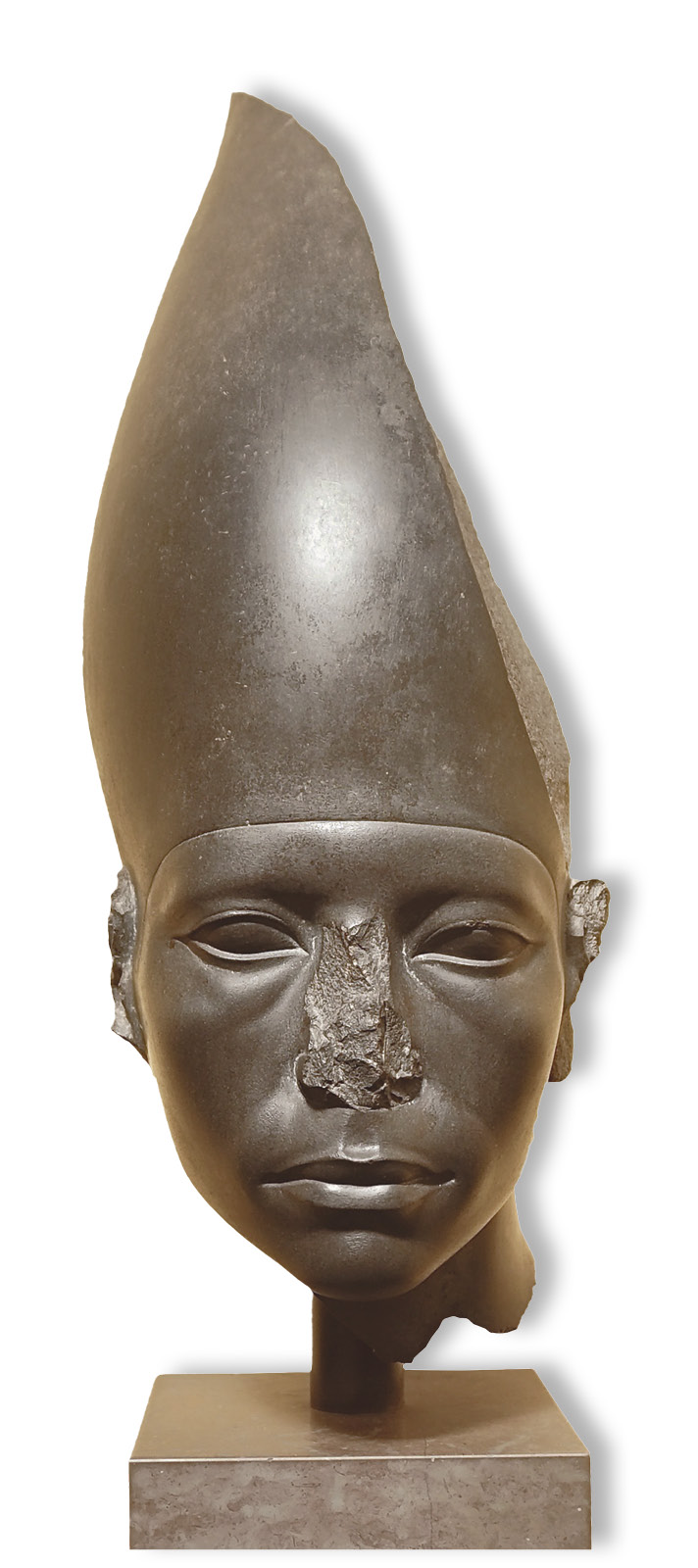
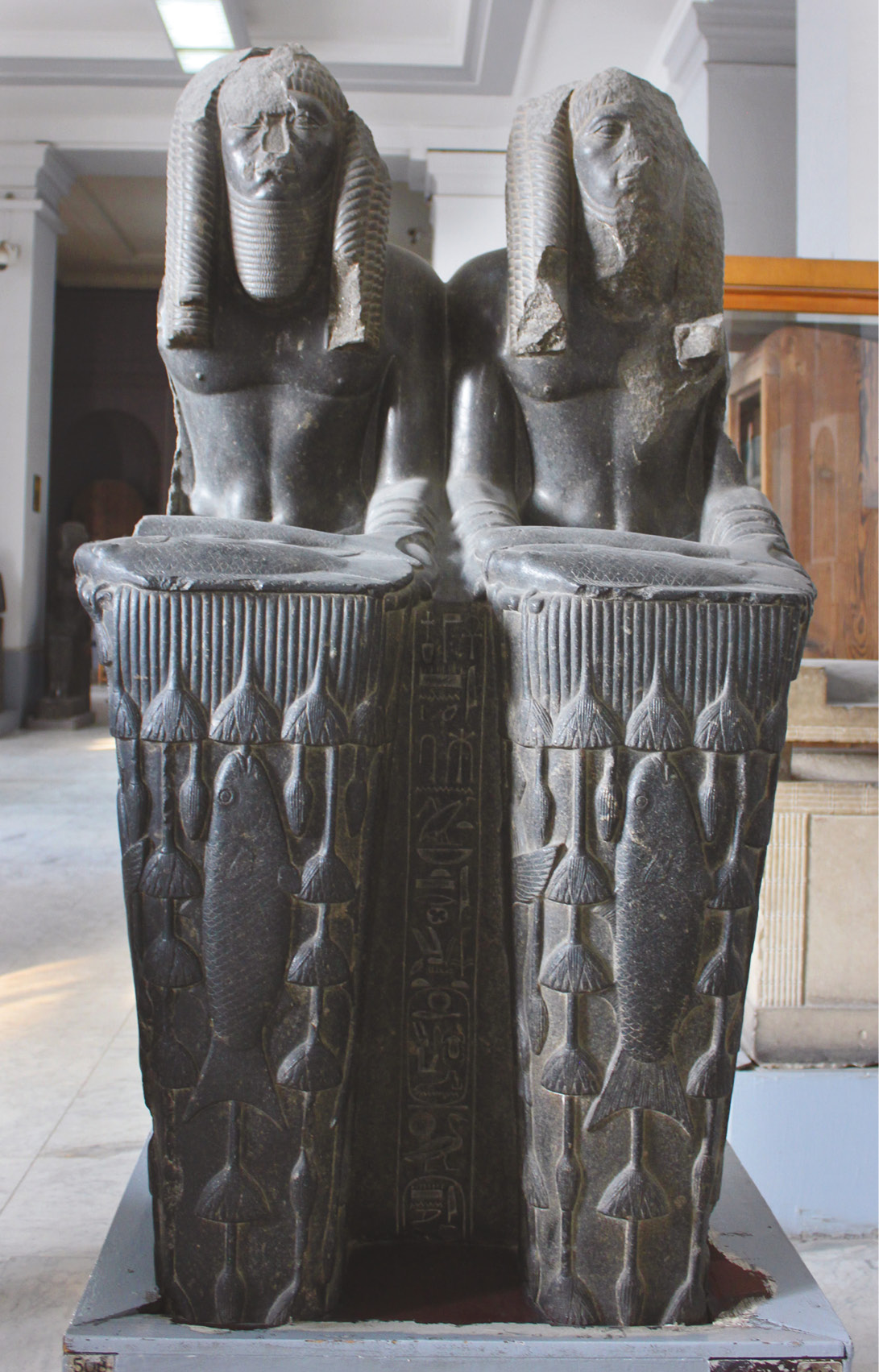
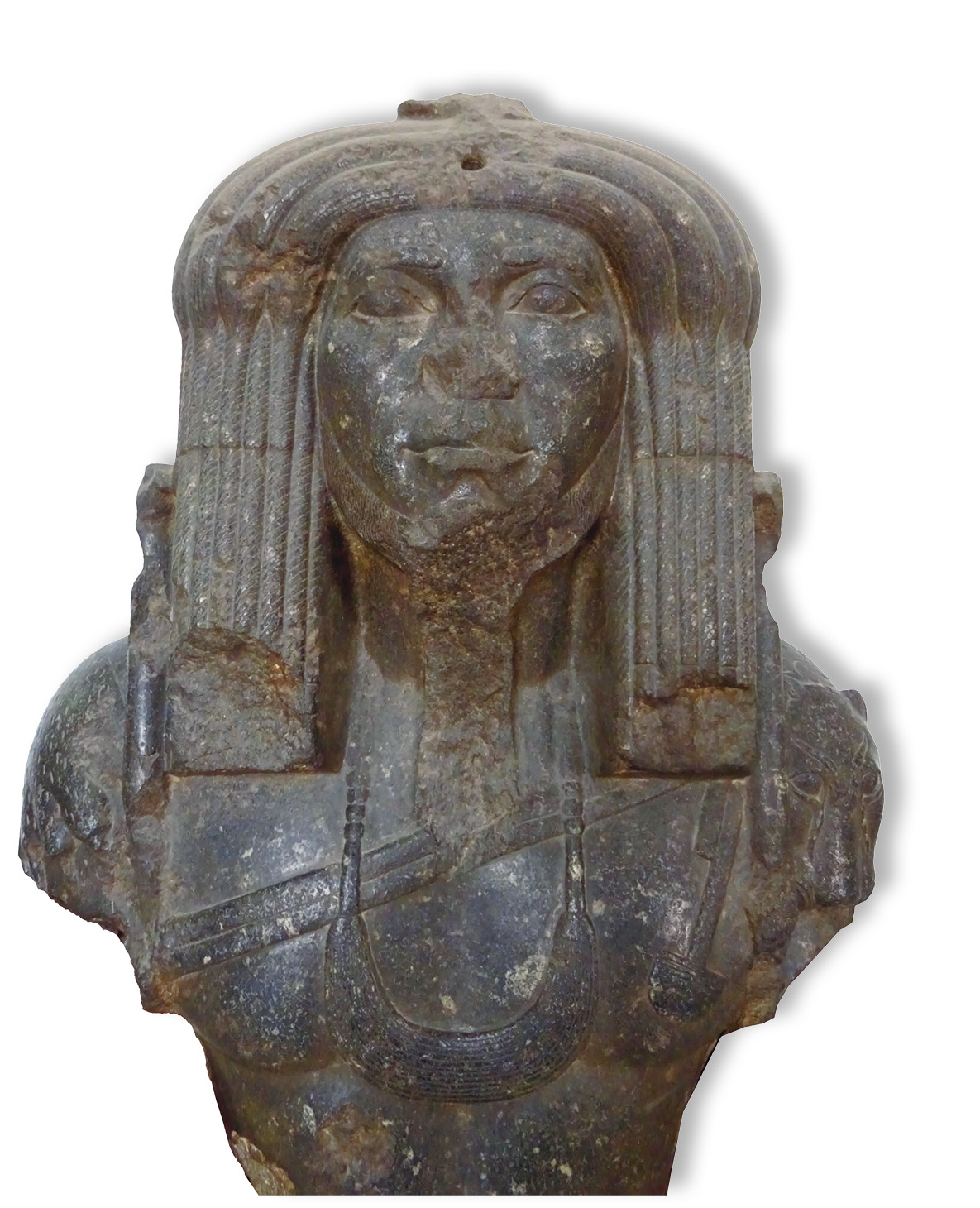
One of the most innovative developments from the reign of Amenemhat is in sculpture. Around 80 statues can be assigned to this king, and these works are remarkable for a number of reasons. A wide range of materials was used, including bronze, hard stones, calcite or Egyptian alabaster (calcium carbonate), and greenish ophicalcite (calcite and serpentine).
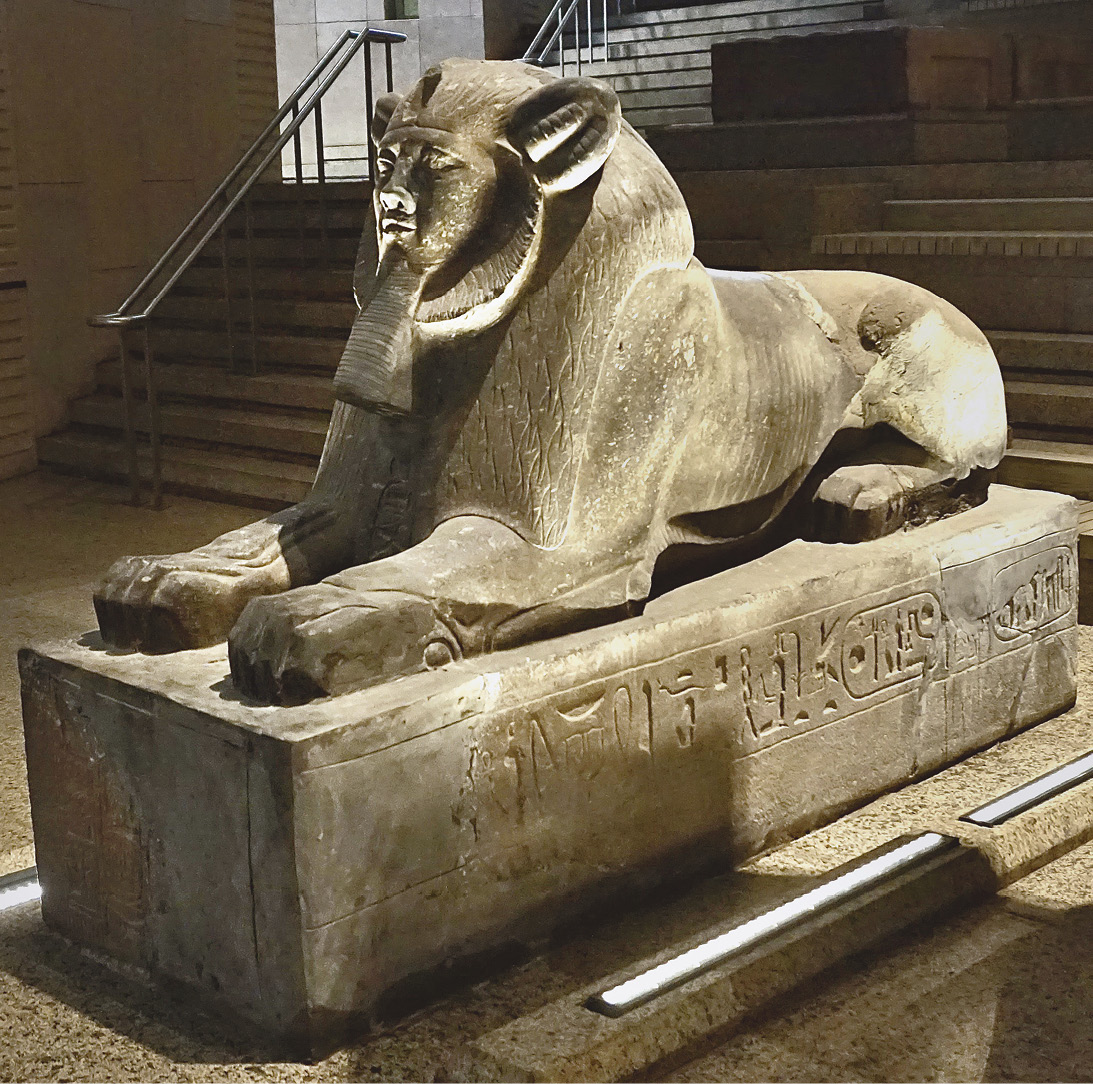
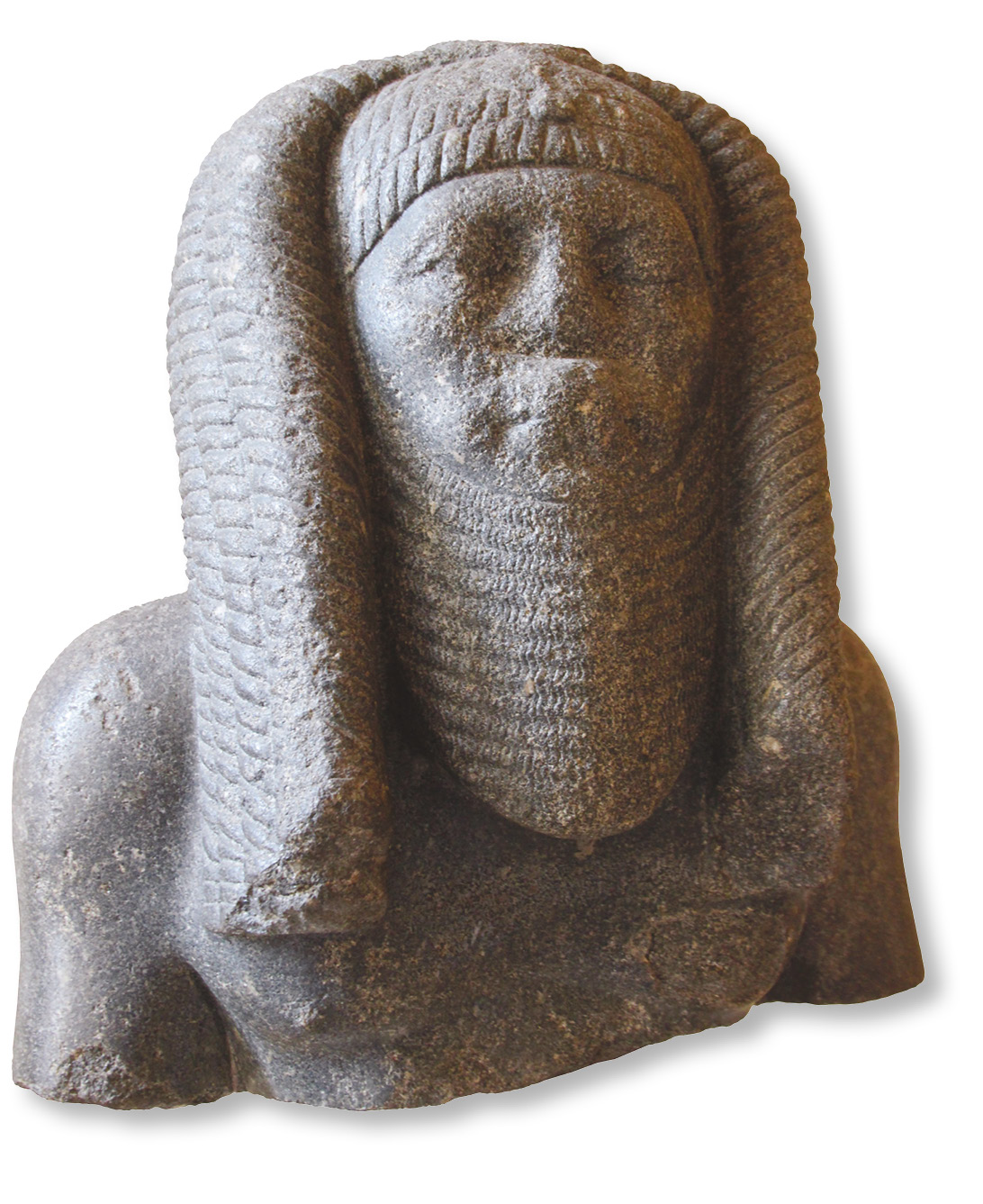
There are many new statue types which have yet to be attested before his reign, including sphinxes with the head of the king and a large lion’s mane. Another outstanding statue type depicts the standing king wearing a huge wig and offering fish. Also, double statues of the king were found within a naos at Hawara; such statue groups were well known from the Old Kingdom, but are not as common in the Middle Kingdom.
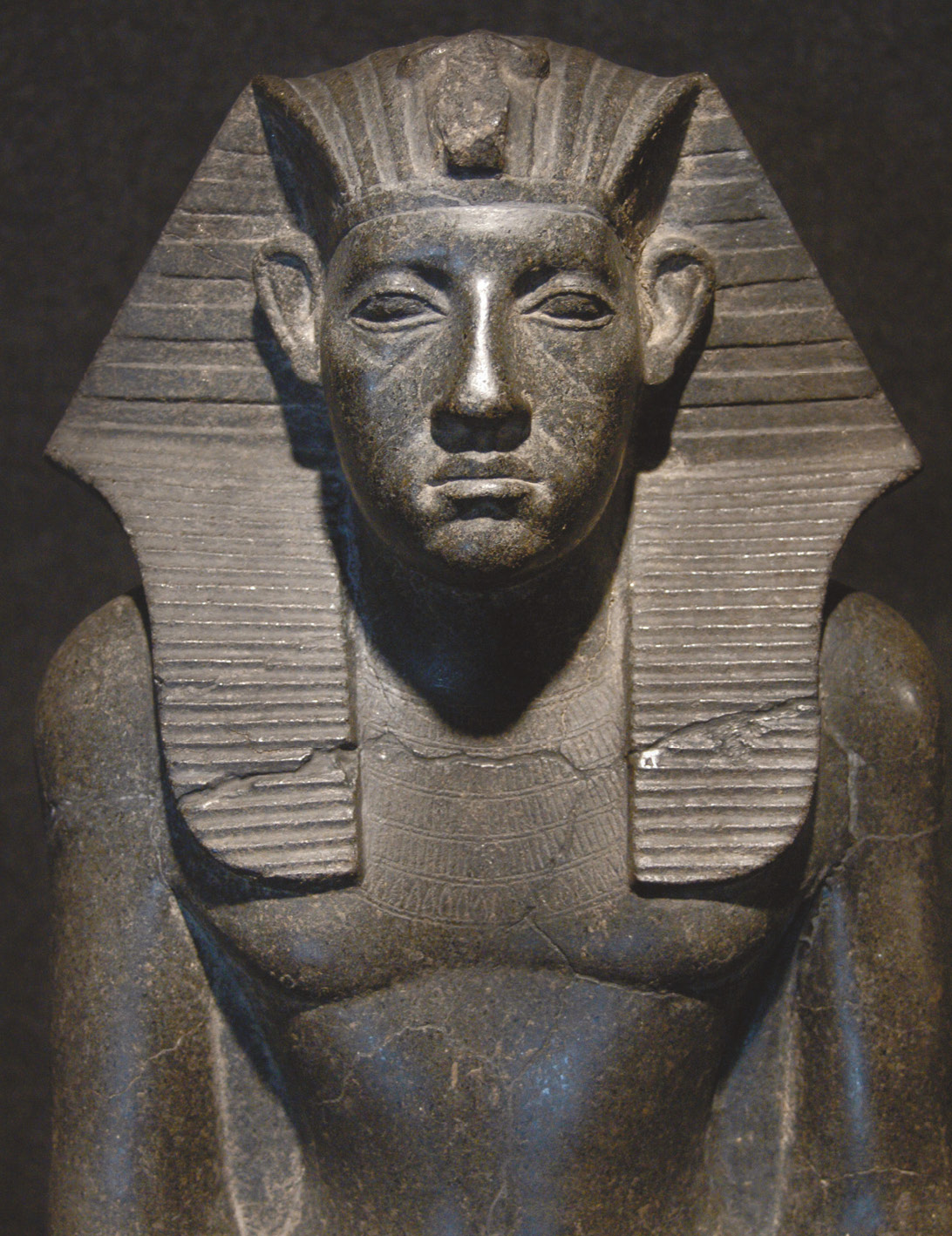
The face of the king is remarkable. Like his father Senusret III, he is often depicted as a mature man, with clear signs of an advanced age, but there are many statues of him as a young man, too, with a youthful face. There are no signs that the latter statues belong to the earlier part of the reign, so both statue types probably existed together at the same time.
Campaigns
Little is known about the king’s foreign policy. A raid in Nubia is attested in Year 9, but was probably a minor military action, perhaps to suppress a local rebellion. This raid is only known from one inscription found at the Nubian fortress at Kumma, at the most southern border of Egypt. The expedition leader was a man named Samont, who may have later become vizier. The short text simply reports: ‘I went north with the patrol; no one died while going south, no one was placed in a work camp. I punished and killed the enemies so that the ruler praised me.’ The statement that ‘no one was killed’ was probably only true for the Egyptian side; presumably many Nubians would have died in the fighting.

No other military enterprises are known – either because Egypt’s borders were stable, or because sources are missing. There is some evidence for contact with Byblos: objects bearing Amenemhat III’s name have been discovered in the tomb of one of the local kings (Tomb I). It is possible Amenemhat sent gifts to the Byblos king to ensure good relations with his vassal. However, it is not clear whether the owner of this tomb was a contemporary of Amenemhat III: these objects may have been held in the palace over several generations before being included in the tomb goods of a later local king.
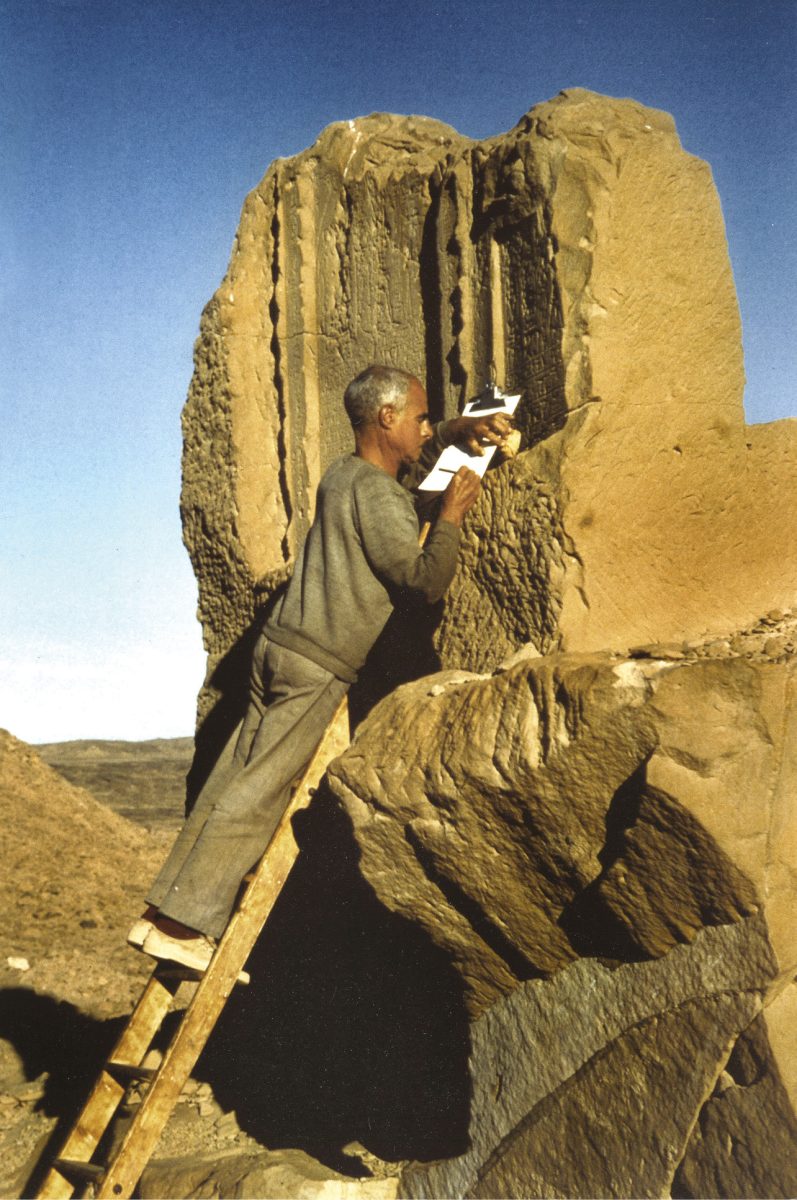
Amenemhat III did send out many expeditions to the Sinai and the Wadi el-Hudi. There are more than 20 attested in the Sinai, where turquoise was collected. Wadi el-Hudi supplied the Egyptians with amethyst, and hard stones were quarried at Wadi Hammamat. Several expeditions to Punt are also attested in inscriptions found at Red Sea ports. The expedition leader was the ‘high steward’ Senebef. Punt was located somewhere in the Horn of Africa. Trade was often carried out via overland routes along the Nile, but, at about this time, an African empire with its capital at Kerma had grown strong enough to block the land routes, forcing the Egyptians to take a sea route to Punt.
We know very little about the local governors under Amenemhat III. Senusret III’s reorganisation of the country’s administration resulted in local governors losing many of their resources and being unable to afford to build huge tombs. Nevertheless, there are some exceptions. Khety, the local governor of Asyut, built himself a large decorated tomb, while the last large governor’s tomb was built by Wahka at Qau el-Kebir. Local governors Heqaib III and Heqaibankh are also still well attested at Elephantine.
Last of the great kings
Amenemhat III’s long reign represents the cultural and economic zenith of the Twelfth Dynasty. After a short coregency with Amenemhat IV, he died aged at least 50, and was buried in his pyramid at Hawara. The Egypt he inherited from Senusret III was peaceful and stable. With few problems internally (after the power of the governors had been curbed by his father) or abroad, the king was able to exploit Egypt’s riches in an extensive building programme and left a large number of unique statues. However, his reign marks the end of the line of strong kings dating back to his namesake Amenemhat I. Following his death, royal power would quickly erode in the face of increasing political instability, with the last two rulers of the dynasty reigning for only a short period before being replaced by the weaker line of kings forming the Thirteenth Dynasty.
Further reading:
• W Grajetzki (2024) The Middle Kingdom of ancient Egypt: history, archaeology, and society (2nd revised edn; London: Bloomsbury Publishing).
• R J Leprohon (2001) ‘Amenemhat III’, in D B Redford (ed.) The Oxford Encyclopaedia of Ancient Egypt, vol.1, pp.69-70 (Oxford: Oxford University Press).