
Subscribe now for full access and no adverts
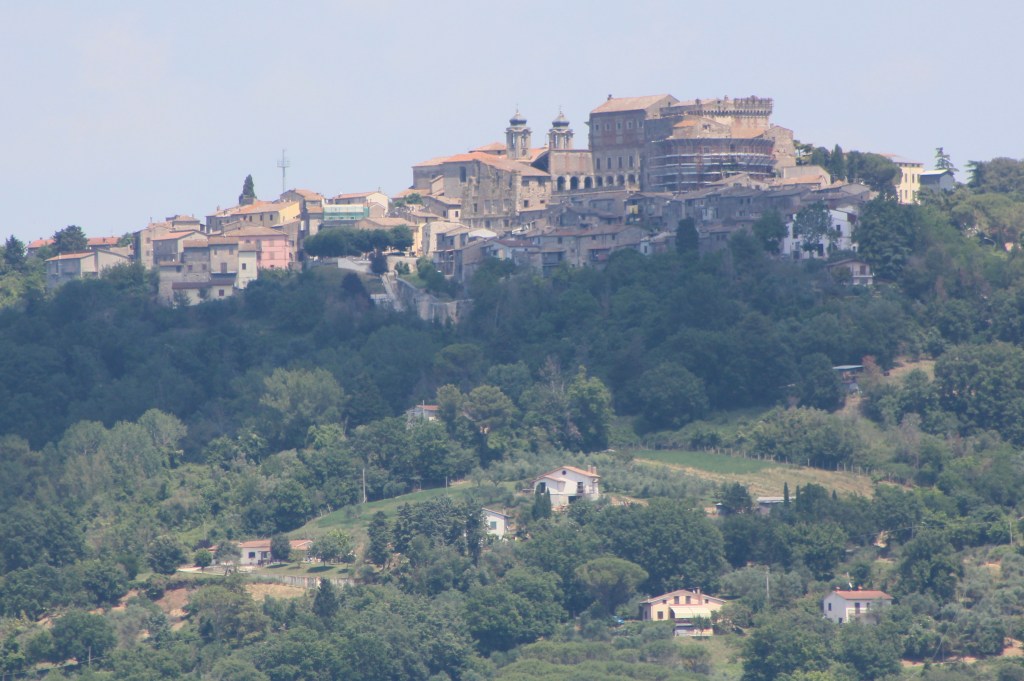
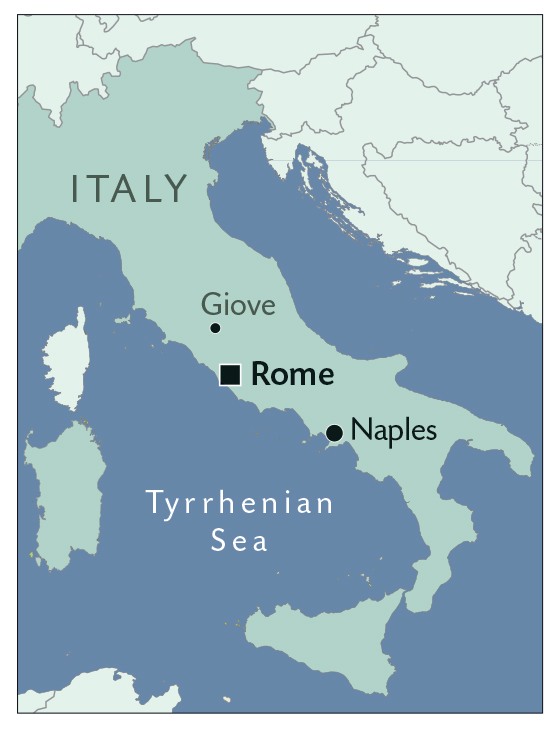
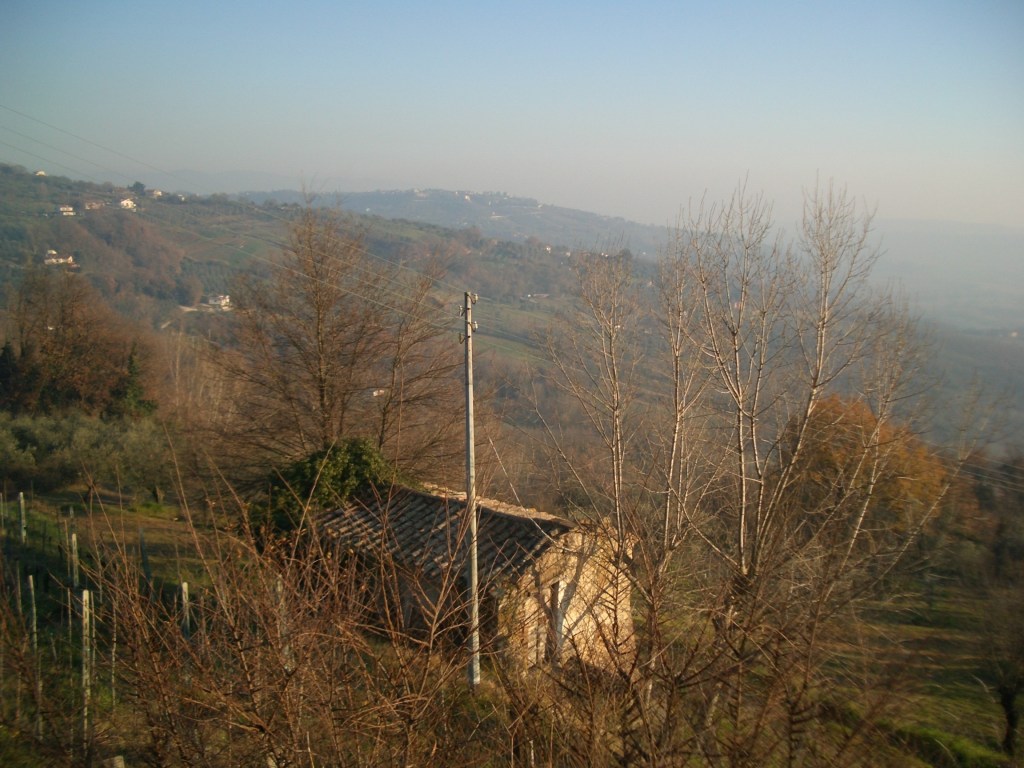
I first came to the Umbrian hilltop village of Giove half a lifetime ago. I was seeking sanctuary in the real Italy as I navigated potential closure of the British School at Rome (where I was director) at the hands of Mrs Thatcher’s government. I needed somewhere that was away from the pulsating fray to think and strategise. The Umbrian hilltop town and rooms in Giove’s outer defences of the medieval borgo came by chance. I loved life here and, fast forward to 2005, found a ruined farmhouse called the Pollaio (the ‘Chicken House’) that captivated me. It had two floors. Upstairs was one stark room, with a water tap and febrile electricity line, where a farming couple had lived. Below were two high rooms for their livestock and chickens. The couple possessed about two acres of sloping ground, mostly olives but with an array of unkempt fruit trees. It had lain ruined since 1996, when they had passed away. Its unexpected joy was the sweeping view of the Tiber valley, Monte Soratte to the south, the snow covered Sabina beyond, and the extinct chestnut-sheathed volcano Monte Cimino to the west. Five minutes from Giove castle, the post office, and pizzeria, the ruined Chicken House was a timeless piece of the Bel Paese, as Italy describes itself.

Now, of course, glories aside, Italy is never uncomplicated. It took five more years to make a house worthy of the spot, and another two – with the help of Silvio Grispigni, a railwayman who retired at 55 after the statutory 40 years of working – to put the olive grove and ageing vineyard, as well as the pasture of wildflowers, in order. In all those times, I ignored the history of this village, dominated by its castle that from afar resembles a power station puncturing the skyline. It took Sergio Fontana, an archaeologist who was recasting himself as a novelist, to make me think I should pay some attention. Sergio knows his stuff, showing me hidden treasures I had no idea of. He encouraged me to undertake a project with students from the American University of Rome, cut short by the COVID lock-down. Making sense of that project and many other ramblings across this landscape has led me to jot down the following notes.
Giove, like so many places in Italy, may seem unexceptional, but its archaeology unbeknown to most is full of abundant promise.
Castrum Iovis
Giove lies nearly 300m above sea level, its landscape comprising two very different parts. The first is the sloping hillside cut by deep wooded channels that drop down to the river Tiber. Beyond it lies the thin river valley, then to its west the volcanic plateau of northern Latium (home to the Etruscans). Today, the Tiber is a managed river listlessly winding towards Rome, an hour’s drive away by autostrada. The second part of the commune comprises flat fields set back from the valley, mostly olive groves that run towards a line of far wooded hills to the east.
Not much has changed here in recent centuries. A brooding oil painting by the Dutch artist Paul Bril, dating to 1601 (now in the Palazzo Barberini, Rome), highlights the wooded canyons leading up to the immense Farnese/Mattei castle. This was a palace by any other name. Below this fairy-tale castle with its banner, dwarfed by it, lay a borgo: a walled suburb crammed with houses, which exists still.