Subscribe now for full access and no adverts
The German Empire, 1871-1918

The relentless pace of economic growth and social change put Imperial Germany at the very heart of Europe by the end of the 19th century. But it also created a nation that was dangerously unstable and almost destined to wage war on its neighbours. Roger Chickering’s new book provides one of the most comprehensive English-language accounts of this restless era.
The German Empire, 1871-1918
Roger Chickering
Cambridge University Press,
hbk, 636pp (£40)
ISBN 978-1107026742
D-Day to VE Day: Month by month

The final year of the Second World War was in some ways the most dramatic, particularly for the Western Allies, as they struggled to free Europe from the grips of the Third Reich. This new publication from the Imperial War Museum is an exciting visual timeline of the period, featuring more than 120 vivid images from the museum’s archive.
D-Day to VE Day: Month by month
Peter Johnston
IWM Books, hbk, 120pp (£20)
ISBN 978-1912423910
Eric Bloodaxe the Viking: ‘I Shall Die Laughing’

Eric Bloodaxe could well claim to be the last of the Vikings, as well as one of the most violent. By the age of 12, he was already a fearsome warrior, leading raids against the Balts and Scots. Later, he would defeat and kill his own half-brothers to claim the crown of Norway. John Sadler provides a new non-fiction account of the life of this notorious despot.
Eric Bloodaxe the Viking: ‘I Shall Die Laughing’
John Sadler
Amberley Books, hbk, 288pp (£22.99)
ISBN 978-1398122338
Crescent Dawn: The rise of the Ottoman Empire and the making of the modern age
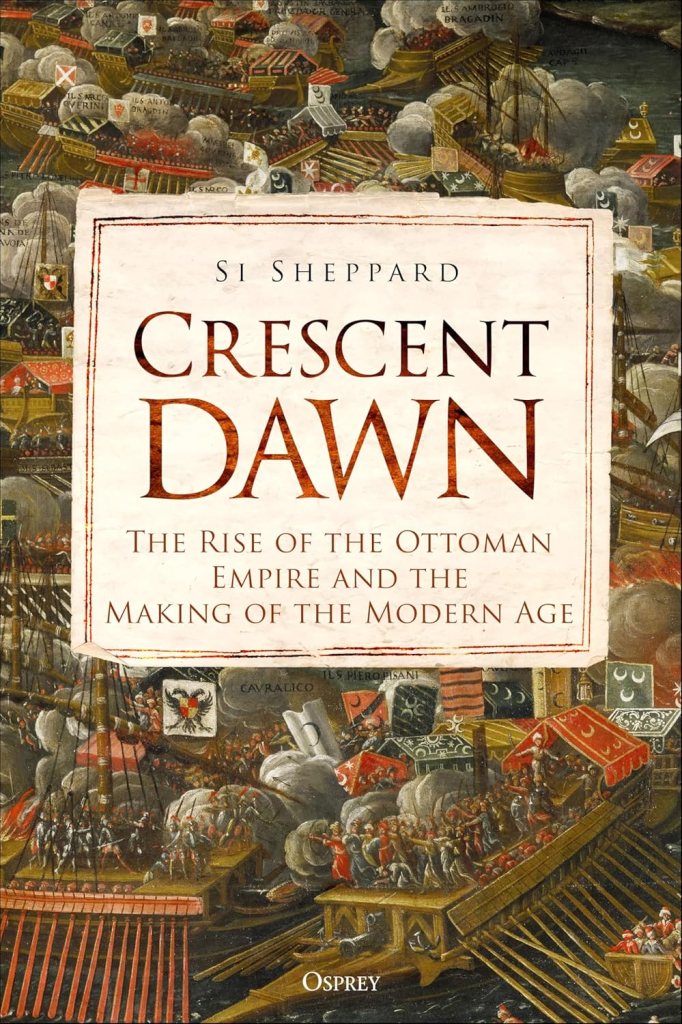
The first ‘world war’ could in many ways be said to have taken place centuries before the conflict of 1914-1918, as a coalition of transcontinental rivals desperately tried to halt the seemingly inexorable advance of the Ottoman Empire across Europe, Asia, and Africa. Si Sheppard recounts this tumultuous period in global history.
Crescent Dawn: The rise of the Ottoman Empire and the making of the modern age
Si Sheppard
Osprey Books, hbk, 528pp (£30)
ISBN 978-1472851468
A Military Life of Constantine the Great
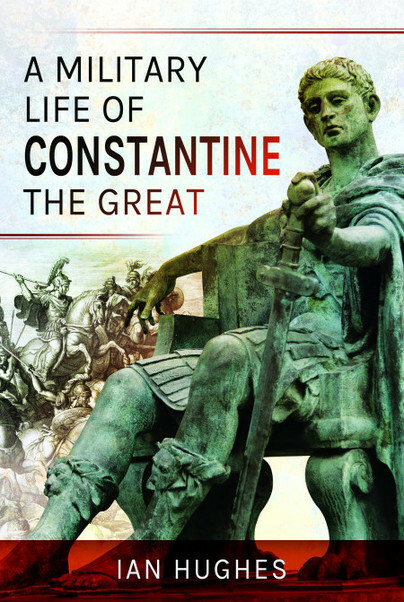
Though legendary for sponsoring Christianity, Constantine I’s path to ruling the Roman Empire depended more on military might. He fought numerous campaigns against his rivals, most famously defeating Maxentius at the Battle of the Milvian Bridge in AD 312. Ian Hughes reconsiders this pivotal figure in European history.
A Military Life of Constantine the Great
Ian Hughes
Pen & Sword Books, hbk, 328pp (£14.99)
ISBN 978-1399012645
Victory 45: The end of the war in six surrenders

In the long summer of ’45, World War II finally came to a close in six dramatic surrender ceremonies, four in Europe and the last two in Japan. Marking the 80th anniversary of the war’s conclusion, podcasting duo James Holland and Al Murray describe each of these momentous events in turn, and the legacy that victory and defeat bequeathed to the nations involved.
Victory 45: The end of the war in six surrenders
James Holland and Al Murray
Bantam Press, hbk, 400pp (£22)
ISBN 978-0857507952
PODCASTS
Conflict of Interest: Destruction and Reconstruction
Describing itself as a ‘must-listen’ for anyone who wants to learn about the history of warfare, Conflict of Interest, the Imperial War Museum’s podcast, has recently returned for a third series. This new string of six episodes brings together the museum’s curators, conflict experts, and special guests to take listeners on an audio journey through the IWM London’s new Blavatnik Art, Film, and Photography Galleries, which explore the relationship between conflict and creativity. In the first episode, journalist Helen Lewis and guests discuss the artists, photographers, and film-makers who have interpreted the past century of warfare.
Conflict of Interest: Destruction and Reconstruction
Helen Lewis, James Bulgin, and Suzanne Plunkett
www.iwm.org.uk/podcast/conflict-of-interest-series-three
Great British Battle Commanders: Wellington – Master of Strategy
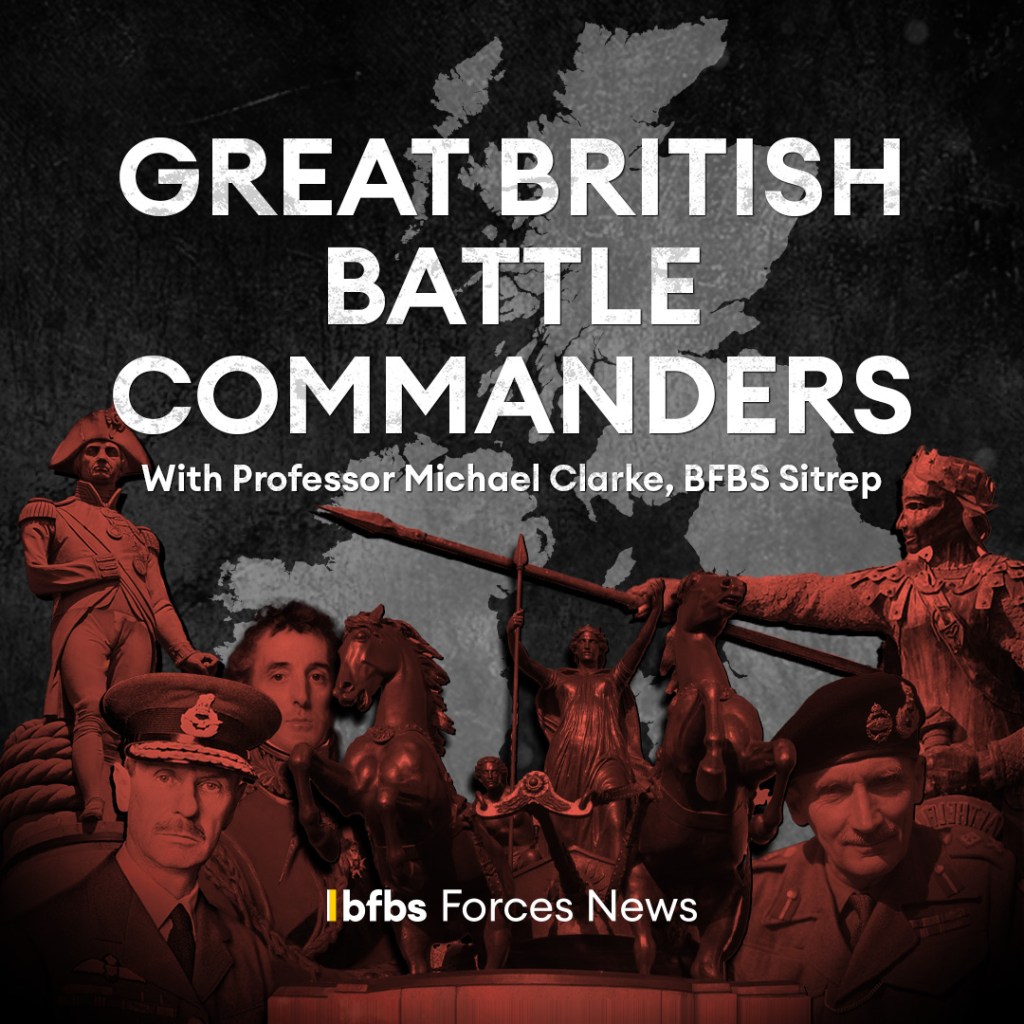
How much does leadership shape the outcome of a battle? What makes for successful command? These questions lie at the heart of this new podcast series from the British Forces Broadcasting Service (BFBS), hosted by Professor Michael Clarke, which looks at great military commanders throughout British history. The Duke of Wellington is described as a ‘master of strategy’ in this episode, which features the bestselling author Bernard Cornwell. Recorded at Horse Guards, Wellington’s former office in central London, Cornwell delves into the great commander’s military genius.
Great British Battle Commanders: Wellington – Master of Strategy
Professor Michael Clarke and Bernard Cornwell
https://radio.bfbs.com/podcasts/commander