Description
Highlights:
- Distilling a clandestine craft: The archaeology and history of illicit whisky-making
- A monumental undertaking: Unravelling the long and complex story of Crickley Hill’s Long Mound
- Mesolithic microwear: Exploring spatial organisation within the Star Carr structures
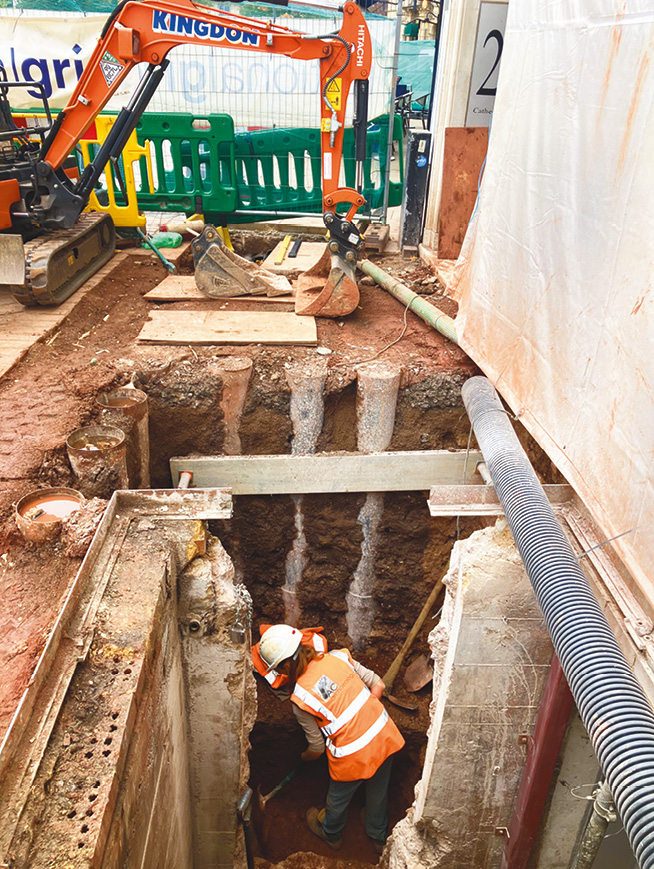
- Turning on the waterworks: Navigating the industrial architecture of the Victorian sanitary crisis
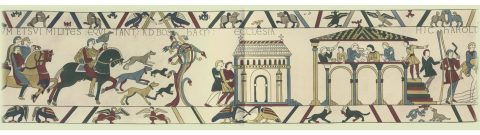
- From Bayeux to Bosham: Tracing ‘lordly sites’ in medieval England
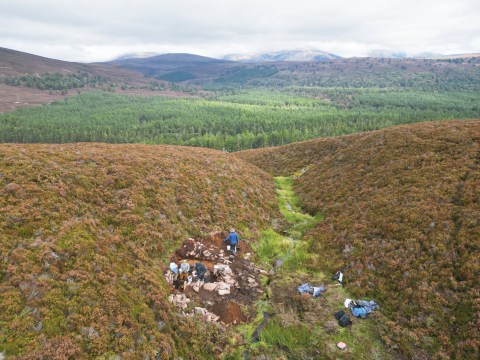
The spectacular scenery adorning this month’s cover features a Highland site known as ‘Calan’s Bothy’ – once home to an illicit whisky still. What has recent fieldwork revealed about this industry in 18th- and 19th-century Scotland?
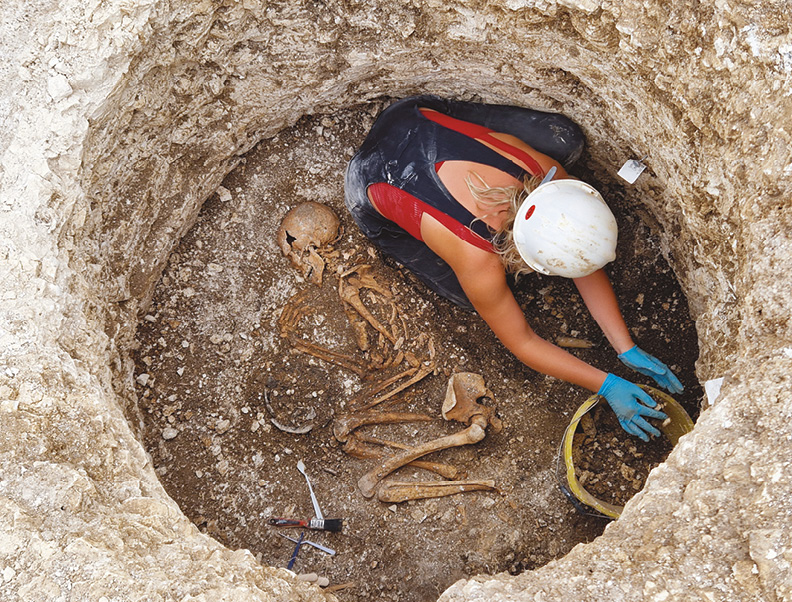
From stunning views to a royal loo, our next feature reveals how the discovery of an early medieval latrine at Bosham in West Sussex held the key to identifying an important power centre associated with Harold II. What can this location, and the wider project that explored it, add to our understanding of Anglo-Saxon ‘lordly centres’?
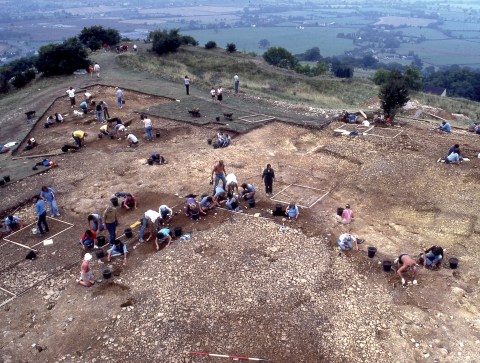
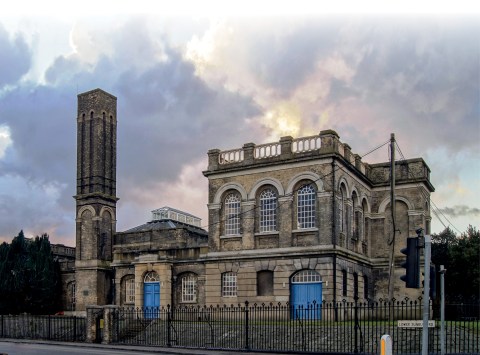
We then travel to Crickley Hill in Gloucestershire, another site enjoying gorgeous surroundings and important archaeological remains, this time an Iron Age hillfort and enigmatic Neolithic monuments. Archaeological investigations explored these features for 25 years, and post-excavation analysis is still ongoing; we examine the latest revelations from this work. With apologies for cycling between scenery and sanitation, we next take a tour of innovative architecture prompted by a Victorian public health crisis. I would like to highlight that, with this article, Chris Catling has become our most prolific feature contributor, having written for every issue since his article about the archaeology of beavers in CA 210. By his reckoning, he has produced over 1.3 million words for CA – an amazing achievement, and hugely appreciated.
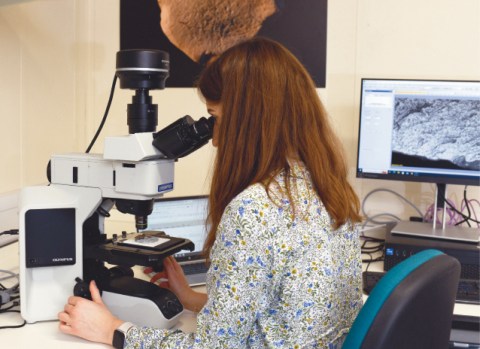
And now for something completely different: we conclude with thoughtprovoking analysis of wear patterns preserved on many of the flint tools that have been excavated at Star Carr in North Yorkshire. What can these markings reveal about how the objects were used, and how Mesolithic communities organised their sites and structures?
Cover Date: Apr-2025, Voume 36 Issue 1