Subscribe now for full access and no adverts
A specialised analytical approach has identified the first archaeological evidence for silk at the Bronze Age site of Sanxingdui.
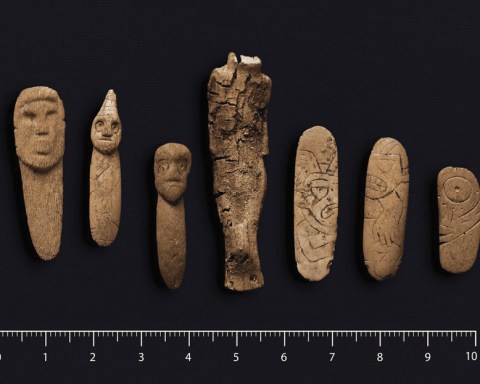
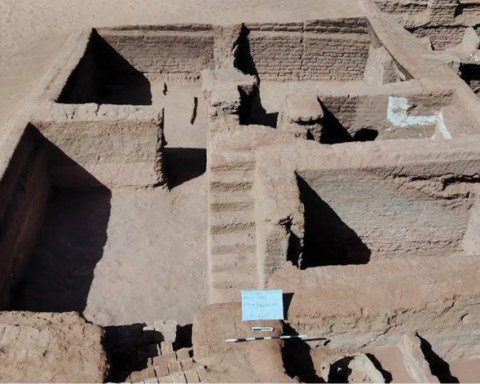
The settlement, which lies in the Sichuan Basin in south-western China, is believed to have been the capital of the ancient Shu kingdom. Abandoned in c.1000 BC, the site was rediscovered in the 20th century, and excavations have since uncovered a wealth of archaeology, including eight sacrificial pits, dated to 3148-2966 BP, containing layers of ash and burned objects made from materials such as jade, bronze, ivory, and gold (CWA 122).
Several historical records associate the Shu people with early sericulture – that is, silk farming – but this commodity rarely survives in archaeological contexts, and the incineration of much of the archaeological material at Sanxingdui makes it even harder to identify definite examples of the precious fabric at this site. Now, though, a new research project has used a combination of advanced analysis methods to search for silk residues in samples from the sacrificial pits.
The approach begins with a technique called immunoaffinity column (IAC) enrichment, which can clean up or enrich target compounds within a sample; the team developed a specific silk fibroin IAC that can be used to extract and concentrate any silk residues present in a sample, even if they are severely degraded or contaminated. The enhanced samples are then subjected to other techniques, including enzyme-linked immunosorbent assay (ELISA) and proteomics, which are able to detect the presence of silk residues directly.
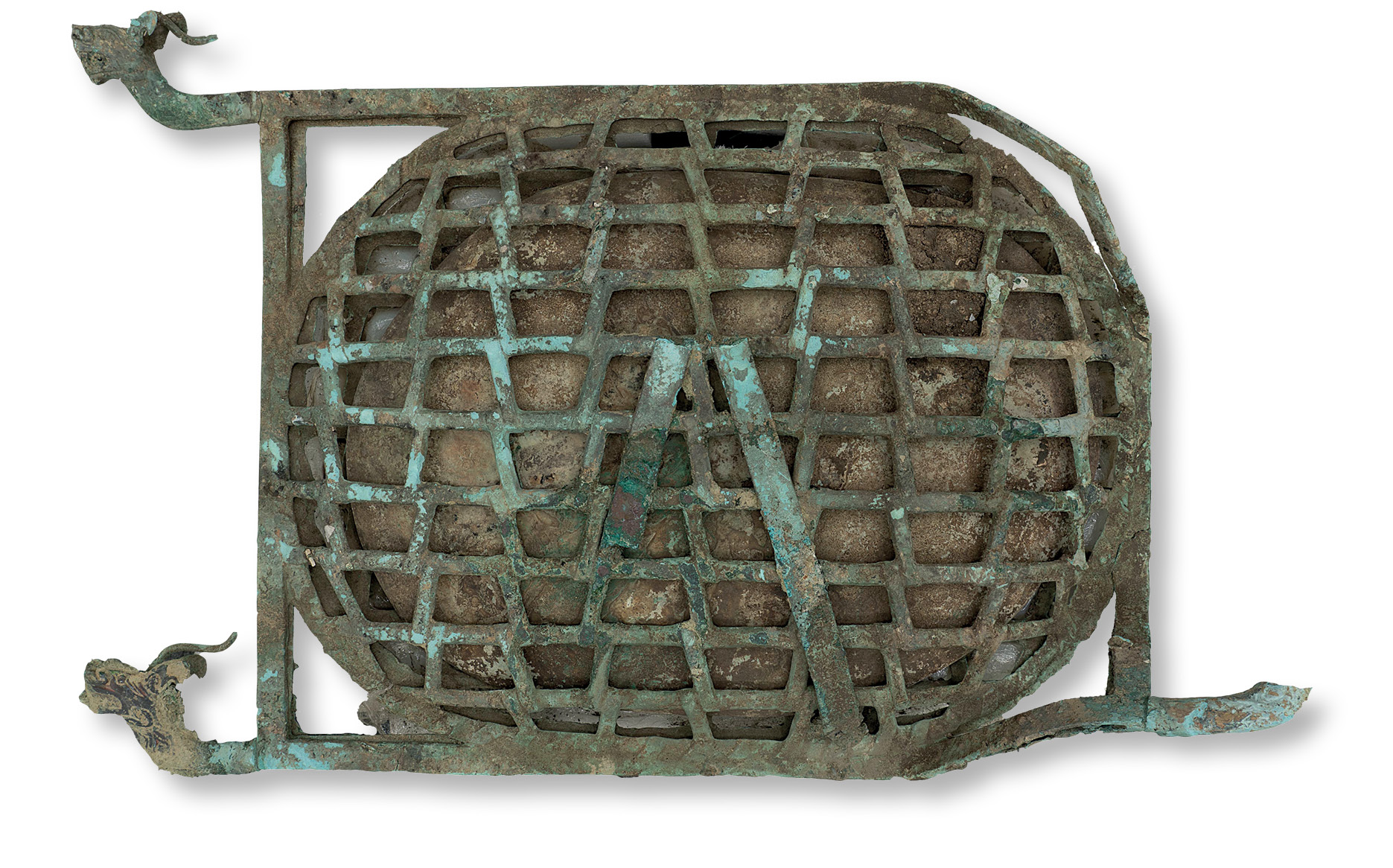
Using this system, the researchers were able to identify traces of silk residues in a layer of ash from Pit 4. At the same time, mineralised fabric remnants on an object from Pit 7 were identified as silk using ELISA technology combined with scanning electron microscopy (SEM). The object in question is a grid-shaped bronze artefact with an oval-shaped piece of jade inside it. Fabric traces were found on the surfaces of both the bronze and the jade. It therefore appears that the jade object was wrapped in silk and placed inside the bronze vessel, which was in turn swathed in another layer of silk, before the whole bundle was placed in the sacrificial pit. Some historical records indicate that, in ancient China, silk was viewed as a ‘material carrier’ able to communicate between heaven and earth. The researchers believe that these findings offer the first direct evidence for the use of silk in such rituals at Sanxingdui.
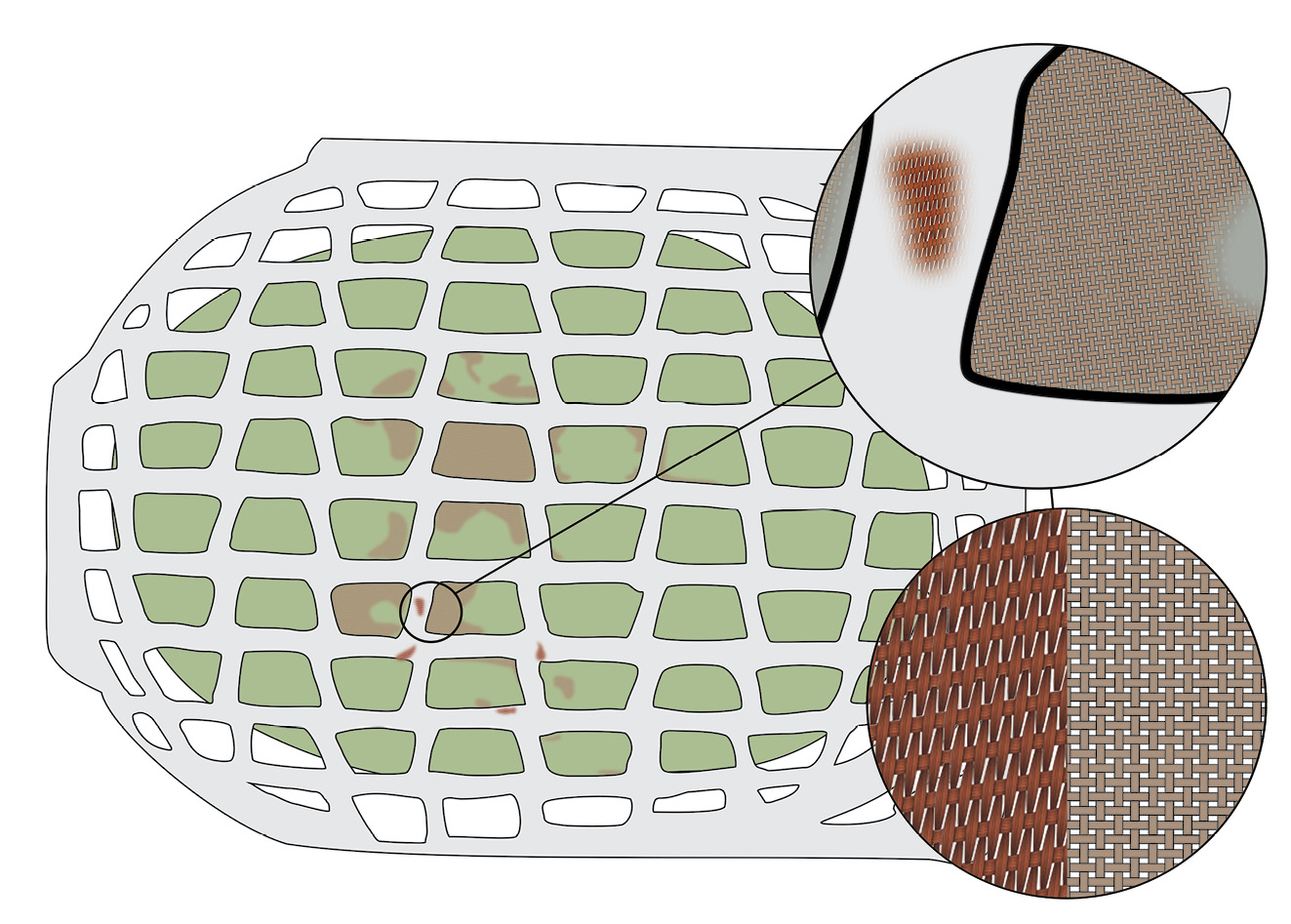
What is more, the analysis was able to determine that the material found at Sanxingdui was from the mulberry silkworm (Bombyx mori) specifically, confirming historical accounts that early silk farming involved the cultivation of mulberry trees to feed silkworms. This study, therefore, represents a valuable addition to the extremely limited archaeological data currently available about the origins of silk, and provides a fascinating insight into early sericultural practices in a region still known for silk production today.
Furthermore, researchers hope that the approach used here could also be applied to other textiles that are hard to detect in the archaeological record, such as furs, in order to shed more light on these elusive elements of past.
The study has been published in Scientific Reports (https://doi.org/10.1038/s41598-024-78687-7).
Text: Amy Brunskill / Images: H Zheng et al. (2024) Scientific Reports