

Subscribe now for full access and no adverts
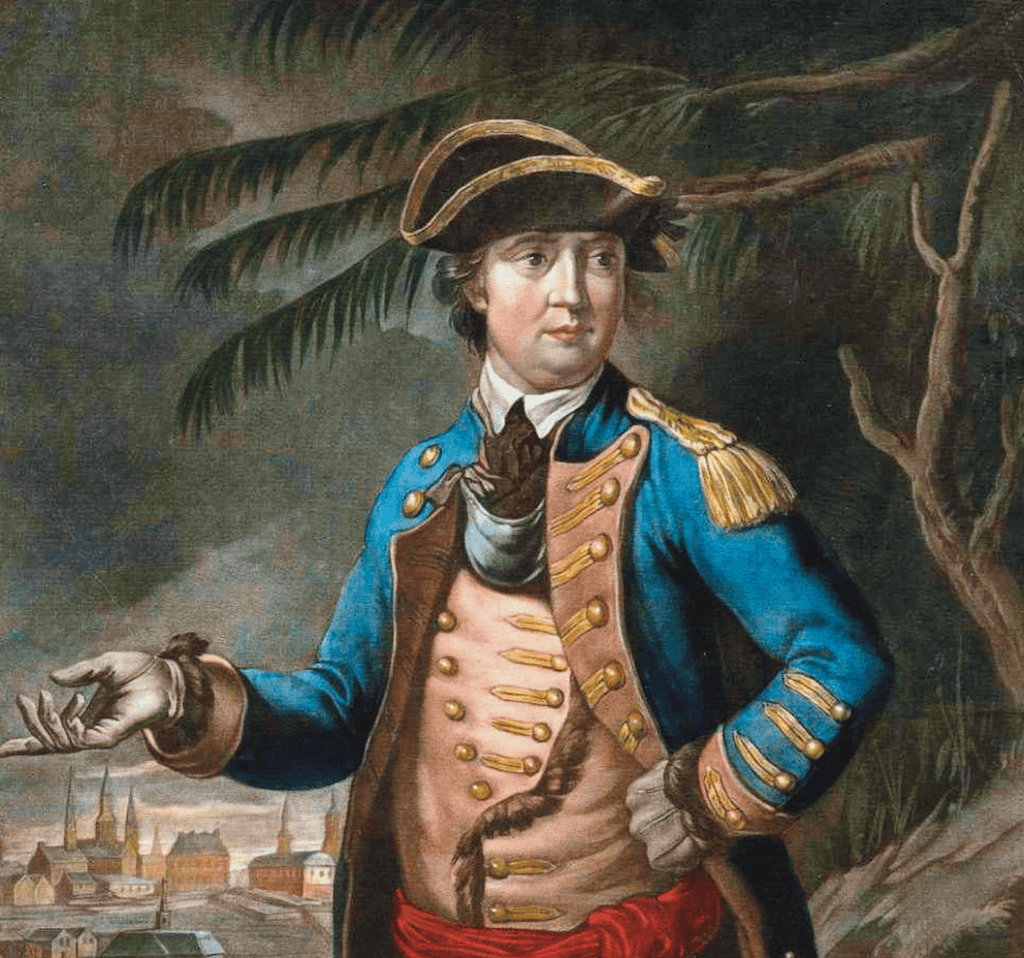
Benedict Arnold was a complex character, and his career has long prompted difficult questions. How could such a brilliant young patriot and successful fighting general in the American Revolutionary War (1775-1783) become the most notorious traitor in US history? For many, the answer lies with the psychological flaws in Arnold’s personality: predominantly his greed for glory and wealth, and an egotistical view of his own abilities that wasn’t universally shared by his compatriots (although Arnold was a pampered pet of George Washington himself – at least until he betrayed his doting mentor in the most despicable way possible).
Born in Connecticut in 1741, Arnold grew up in a comfortably off New England family. The great-grandson of an early governor of Rhode Island, he was running a mercantile fleet when the Revolutionary War broke out in April 1775 – though his lifelong greed for gold was apparent even at this early stage, as he supplemented his legitimate income by smuggling on the side. Following the opening of hostilities at Lexington, Massachusetts, he immediately joined the revolutionary patriots, rising swiftly through the ranks to become one of the boldest and most successful young commanders in Washington’s armies, and eventually attaining the rank of major general.

In May 1775, within weeks of the outbreak of war, Arnold and a small force captured the British garrison of Fort Ticonderoga, New York, with a daring seaborne assault across Lake Champlain. That winter, he almost added Canada to the rebellious United States by an equally bold cross-border raid on Quebec, during which he was severely wounded in the leg. He was wounded again in 1777, while playing a key role in the devastating defeat of the British at Saratoga, and later in the war suffered two more injuries to his left leg, which left him permanently lame and walking with a cane, with one leg shorter than the other.
The plan went wrong before Arnold could carry out his betrayal.
During his prolonged convalescence, envious rivals in Congress accused Arnold of financial misappropriation of cash to fund his lavish lifestyle. While he was cleared of corruption by a Congressional inquiry, followed by a court martial, it is true that the general enjoyed the high life, and living above his means with unwise investments was to become a lifelong habit.
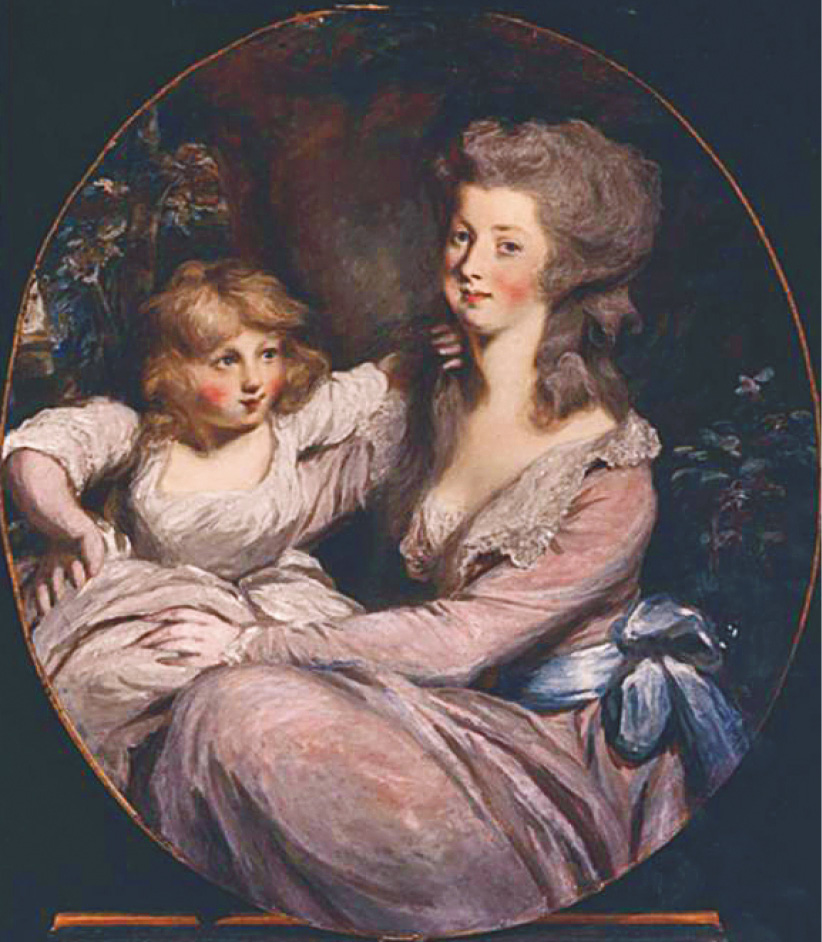
While stationed in Philadelphia, Arnold got to know a prominent local family with Loyalist sympathies, the Shippens, and, his first wife having died, he wooed and married the beautiful young Peggy Shippen. Arnold had become embittered by the accusations of financial corruption, and he resented younger officers promoted over his head, furiously complaining that the charges against him came from rivals envious of his military success. In this mood, he allowed himself to be seduced from his allegiance to the American cause by Peggy, whose previous boyfriend, a British officer named John André, was now chief of British military intelligence. Peggy became a conduit facilitating contact between André and her new husband in letters couched in code and written in invisible ink.
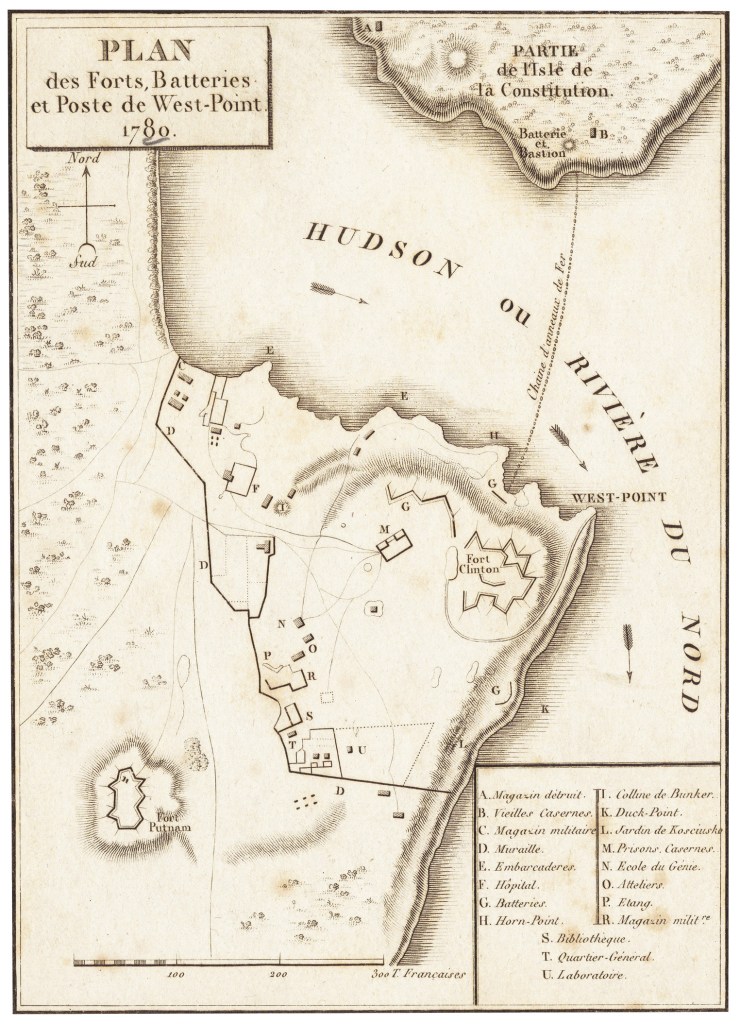
In August 1780, when Washington promoted his protégé to command of the vital fortress of West Point (on the Hudson River, in New York, and later to become the main military training centre of America’s army officers, the US equivalent of Sandhurst), André saw his chance to deal a crippling blow to the American cause. The heavily indebted Arnold agreed to betray the base, and to turn it over to the British for a huge lump sum of more than £6,000 (worth more than £1 million in today’s values) plus an annual pension of £360 (around £60,000 today) and promotion to the rank of brigadier general in the British army.
The plan went wrong before Arnold could carry out his betrayal. André was arrested by an American patrol while carrying letters that revealed Arnold’s treachery. André was later convicted of espionage and hanged on Washington’s orders, while Arnold escaped by boat over the Hudson and reached the British lines. Nobody trusts a traitor, however – and, although the British fulfilled their side of the bargain by paying Arnold his blood money and allowing him to take up a command and fight his former comrades, he was never popular. Many regarded him as a despicable turncoat.

Despite such antipathy, Arnold showed as much enthusiasm in his new role fighting for the British as he had when battling against them. He led a raid that captured the Virginian capital of Richmond, then crossed to his own home state of Connecticut, where he burned the town of New London to the ground and carried out a massacre of captured prisoners after winning the Battle of Groton Heights. But, with a price on his head, he had made America too hot to hold him, and in 1782 he and Peggy arrived in London with their children. Although received by King George III, Arnold was shunned by many in society, and when he returned to North America and tried to restart a commercial career in Canada, he found he was so unpopular that he was forced back to Britain in renewed disgrace.
Arnold spent the rest of his life in London, dying at the age of 60 in 1801. Legend has it that his last words were: ‘Let me die in my old uniform. May God forgive me for having put on another.’ Though despised in the US for his betrayal, four of his sons had distinguished military careers – as British army officers.
Russian renegade: Andrey Vlasov
When Adolf Hitler launched Operation Barbarossa, his invasion of the Soviet Union, in June 1941, a merciless war began that pitched two Great Powers, and two irreconcilable ideologies, against each other. No quarter was asked, or given, as the enormous resources of Russia were thrown into the ‘Great Patriotic War’ in which every citizen was expected to play their part.
One who did more than most for the Soviet cause was General Andrey Vlasov, an up-and-coming star of the Red Army. At the relatively young age of 40, Vlasov had already enjoyed a brilliant military career. He had fought bravely on the Bolshevik side against the Whites in the Russian Civil War (1917-1922), and later served as a military advisor to China – and thus survived Stalin’s purge of the Army’s higher command in the 1930s, as he was out of the country.
When the Germans attacked in 1941, Vlasov was commanding an army near Kyiv in the Ukraine, where he managed to extract his command from a threatened encirclement. That winter, he played a prominent part in the defence of Moscow, receiving the Order of the Red Banner, Soviet Russia’s highest award, and having his picture published in the newspaper Pravda as a hero of the successful struggle to save the capital.
Vlasov was, on paper, the ideal Communist soldier: he had joined the party in 1930, and been given trusted commands as a reward for his loyalty. But, beneath the surface, he resented the tight control that Stalin exercised over all aspects of Soviet life. On leaving China, for example, he had been presented with a watch by Madame Chiang, wife of China’s ruler Chiang Kai-shek, in recognition of his services. On returning to Russia, however, he was forced to give up the watch; and, though he was given a replacement timepiece by General Semyon Timoshenko, later a prominent hero in the war, the humiliation of being forced to surrender his original reward rankled.
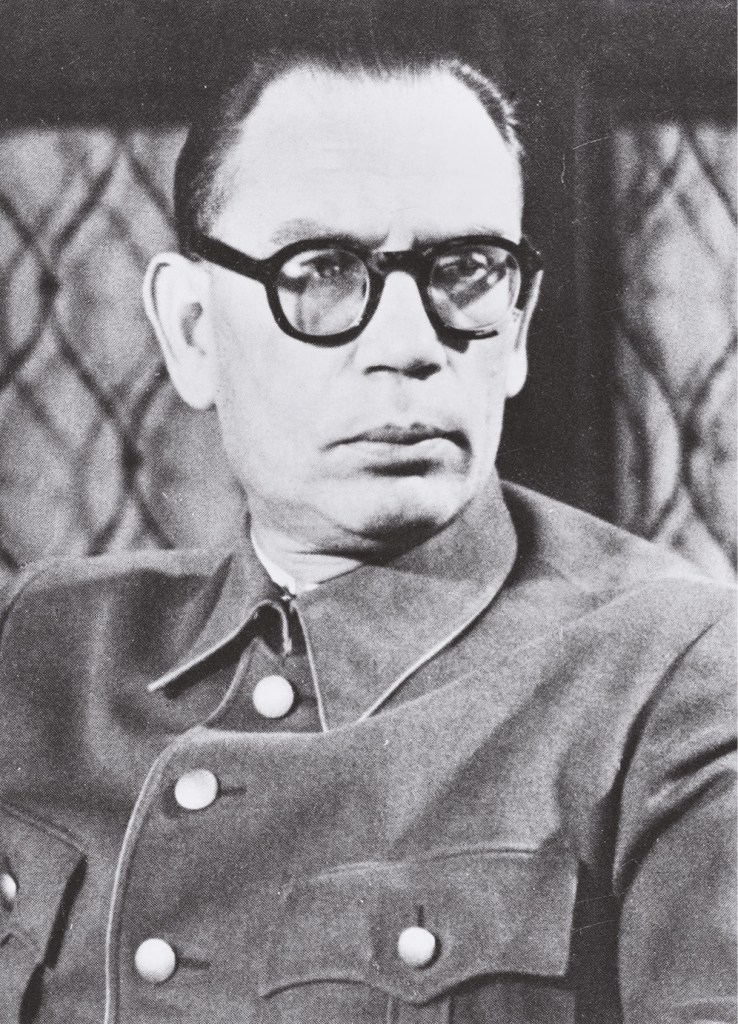
After his role in defending Moscow, Vlasov was given the vital mission of relieving the German siege of Russia’s second city Leningrad (now St Petersburg), as commander of the 2nd Shock Army. Vlasov broke through the Nazi siege lines in the Lyuban Offensive of January-April 1942, but the forces on his flanks failed to support him, and his army was surrounded. Spurning the chance to escape by air, Vlasov went into hiding in German-held territory until he was betrayed by a local farmer and captured in July of the same year.
As a prisoner of war, Vlasov came under the influence of Wilfried Strik-Strikfeldt, a Baltic German officer who had fought for the Whites in the civil war and was now trying to form an anti-Bolshevik Russian Liberation Army. Succumbing to his persuasion, Vlasov was flown to Berlin by the Wehrmacht’s propaganda department as the most prominent defector since the war began.
There was a deep contradiction between Vlasov’s stance as a Russian patriot who merely wanted to overthrow Bolshevism and end Stalin’s rule, and the Nazi goal of defeating and subjugating a ‘racially inferior’ Russia. Although the Nazis were happy to use Vlasov, along with thousands of other POWs, as propaganda puppets, they were at first unwilling to let him form and train an effective army to liberate his homeland from Stalin’s tyranny.
Initially, therefore, although the Germans issued insignia of Vlasov’s ‘Liberation Army’ to potential defectors and dropped over Russian lines millions of his leaflets explaining his decision to defect, Hitler and Himmler refused to let Vlasov and his men actually fight on their side, fearing that a patriotic Russian army would eventually turn against them.

Distrustful of Vlasov’s insistence on maintaining Russian independence, the Nazis did allow his Number 2, a Ukrainian commander named Sergei Bunyachenko, and his men, to fight wearing German uniforms against the Western Allies in Normandy after D-Day, but Hitler stubbornly refused to let them join the war on the Eastern Front.
Only after the tide of war had turned decisively against them, following the disastrous defeats at Stalingrad and Kursk in 1943, did the Germans allow Vlasov to recruit and arm a proper fighting force, although this ‘army’ was only in actual combat against their former comrades once – during the Soviet advance into the Czech lands in February 1945. Soon afterwards, repentant elements of Vlasov’s force actually helped the Red Army seize Prague, while Vlasov himself fled west in an attempt to surrender to the US army.
The Americans handed Vlasov over to the Soviets, and he was tied to a tank and driven to Marshal Konev’s HQ, and from there flown straight to Moscow’s notorious Lubyanka prison, where he and his leading lieutenants were interrogated, tortured, and hanged after a secret ‘trial’. Their collaboration, like that of so many turncoats, had brought them nothing but shame, defeat, and death.
German defectors after Stalingrad
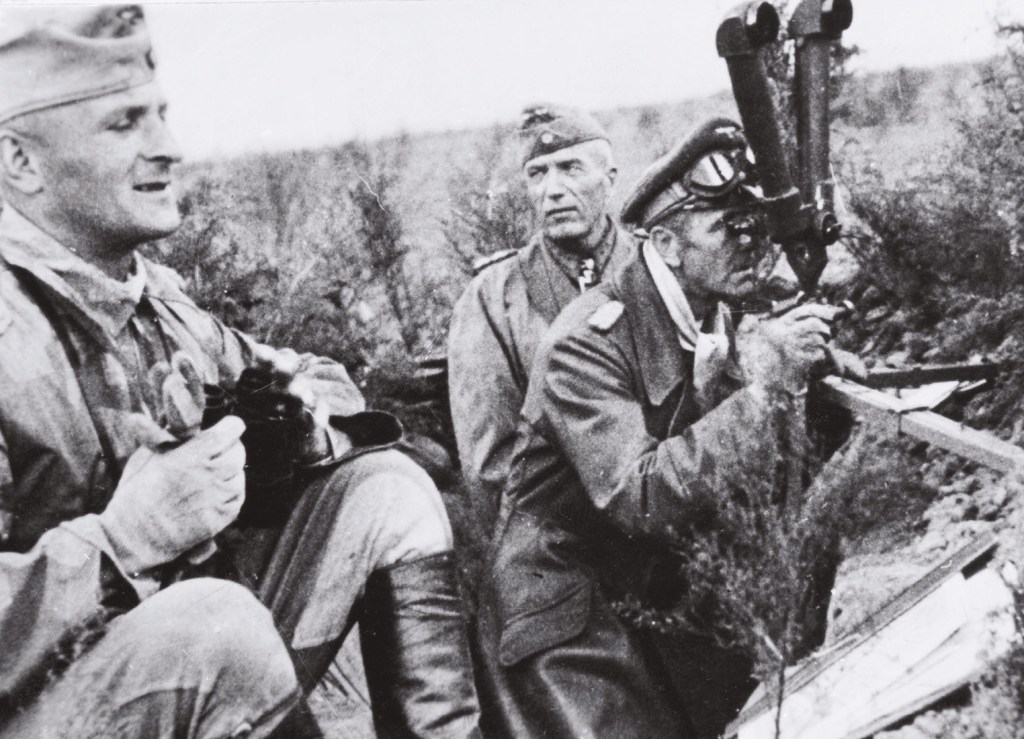
On the German side in World War II, a mirror image of Vlasov and his men was provided by the senior German officers captured after the surrender of the Sixth Army at Stalingrad in February 1943. The commander of the doomed army, Field Marshal Friedrich Paulus, had disappointed Hitler’s expectation that he would commit suicide rather than capitulate, and tamely went into Russian captivity with his staff.
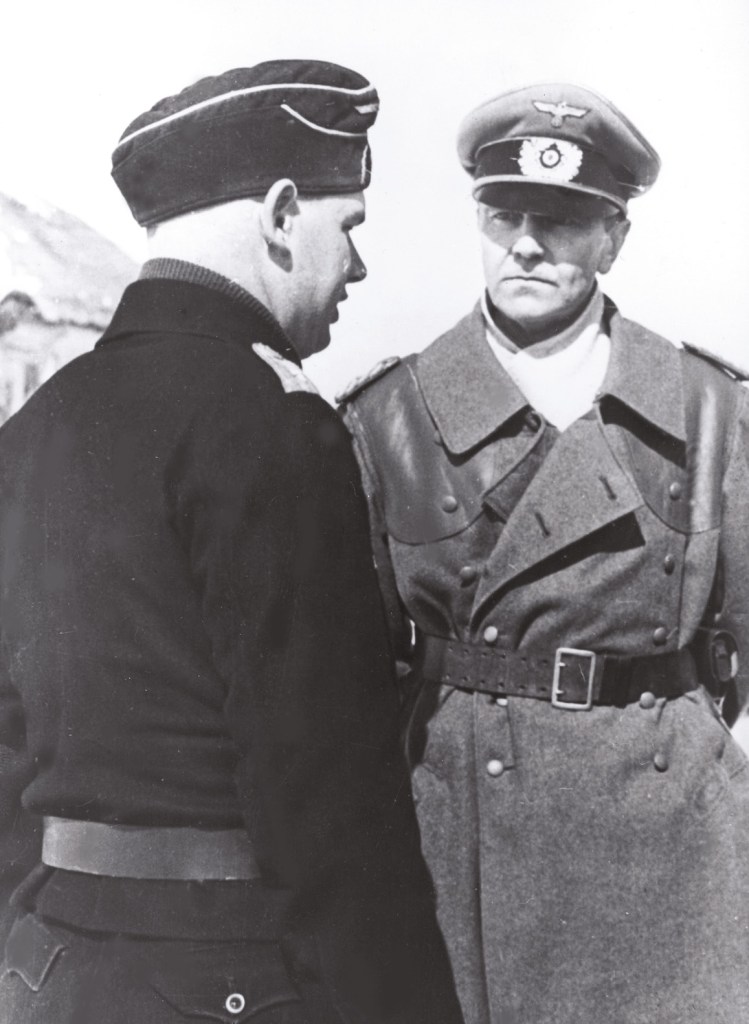
Once there, the German generals divided into two distinct camps. Some, led by Paulus’s domineering chief of staff General Arthur Schmidt, resisted all Russian efforts to persuade them to defect, and stayed loyal to Hitler and their Fatherland throughout their long and gruelling ordeal. Another faction, led by General Walther von Seydlitz-Kurzbach, proved only too willing to collaborate with their captors, and joined forces with exiled German Communists to form a Communist-controlled ‘Committee for a Free Germany’ to conduct propaganda against Hitler and Nazi rule.
Seydlitz’s defection was surprising, as he came from a noble Prussian military family famed for its patriotic nationalism. Two centuries earlier, his ancestor General Wilhelm von Seydlitz had been one of Frederick the Great’s most successful commanders during the Seven Years War – so to find his descendant in cahoots with the Communist enemy came as quite a shock in Germany, where he was bitterly denounced by the Nazis.
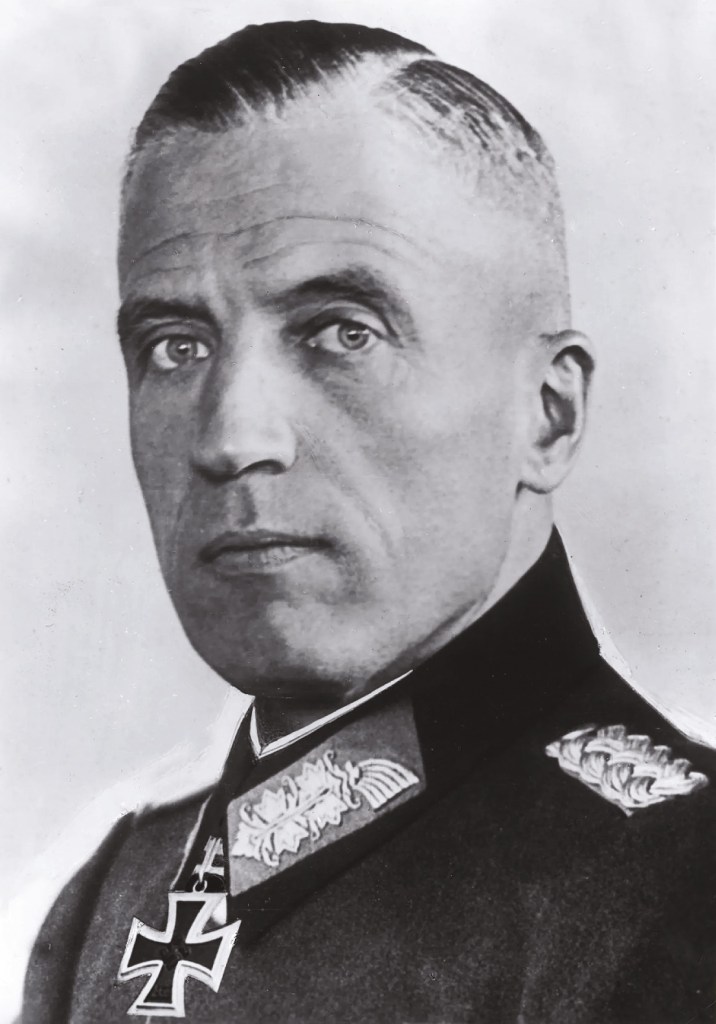
Even before the surrender at Stalingrad, however, Seydlitz had shown signs of disaffection. He had disobeyed Hitler in advocating a retreat by German forces from the embattled Stalingrad ‘cauldron’, and had given his subordinates the freedom to decide for themselves whether to surrender – an act of insubordination that led to Paulus depriving him of the command of his corps.
In captivity, Paulus himself, who had always showed signs of indecisiveness, vacillated again, and still under Schmidt’s influence, at first refused to cooperate with the Soviets. Once separated from his forceful chief of staff, however, he gave in to pressure and joined Seydlitz’s ‘Committee for a Free Germany’, agreeing to work for the downfall of the Nazis. Back in Germany, both men’s innocent families were arrested as punishment for their betrayal.
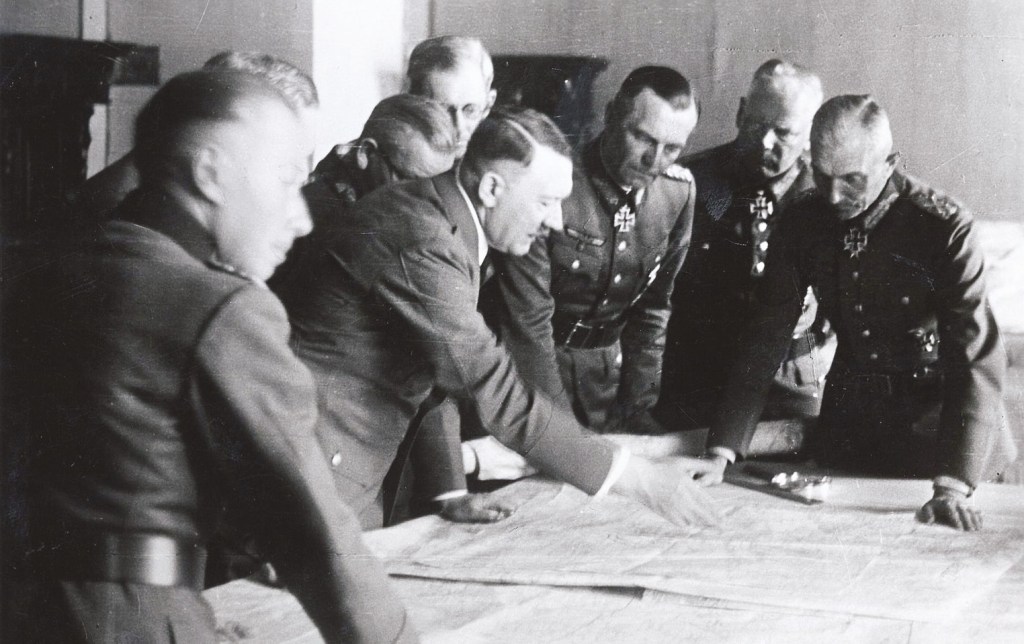
After the war, Paulus remained under Soviet control – apparently willingly. He gave evidence against the Nazis at the Nuremberg Trials, lived in Communist East Germany, and never saw his wife again. He became head of the East German Military History Research Institute in Dresden, spoke in favour of Soviet policy for a neutral Germany in the Cold War, and died in 1957 of multiple sclerosis on the anniversary of his surrender at Stalingrad.
Seydlitz’s defection did not much profit him. After the war, he was charged by the Russians with war crimes, and spent six years in gaol. In 1955, he was freed, and returned to West Germany along with the 5,000 other Stalingrad veterans, including Schmidt, who had survived Soviet captivity. Shunned by his former comrades, and deprived of his army pension for his betrayal, Seydlitz died alone and friendless in 1976.
As the Elizabethan courtier Sir John Harington so correctly observed: ‘Treason never prospers, for if it does, none dare call it treason.’
Nigel Jones is a historian, journalist, and broadcaster, who has published widely on topics ranging from the Tower of London to the Valkyrie Plot to assassinate Hitler.
In the next issue of MHM: In the final part of his series, Nigel Jones examines the careers of the generals who turned traitor in revolutionary France.
All images: Wikimedia Commons, unless otherwise stated