Subscribe now for full access and no adverts
Did a connection exist between medicine and pharmacy as practised in pharaonic Egypt and medieval Wales? I undertook a pilot study to explore whether there is any evidence that these two strands of transmission overlapped, and if any healing concepts or practices passed from ancient Egypt, either via Classical sources or by a more direct route, to medieval Wales.
Welsh traditions
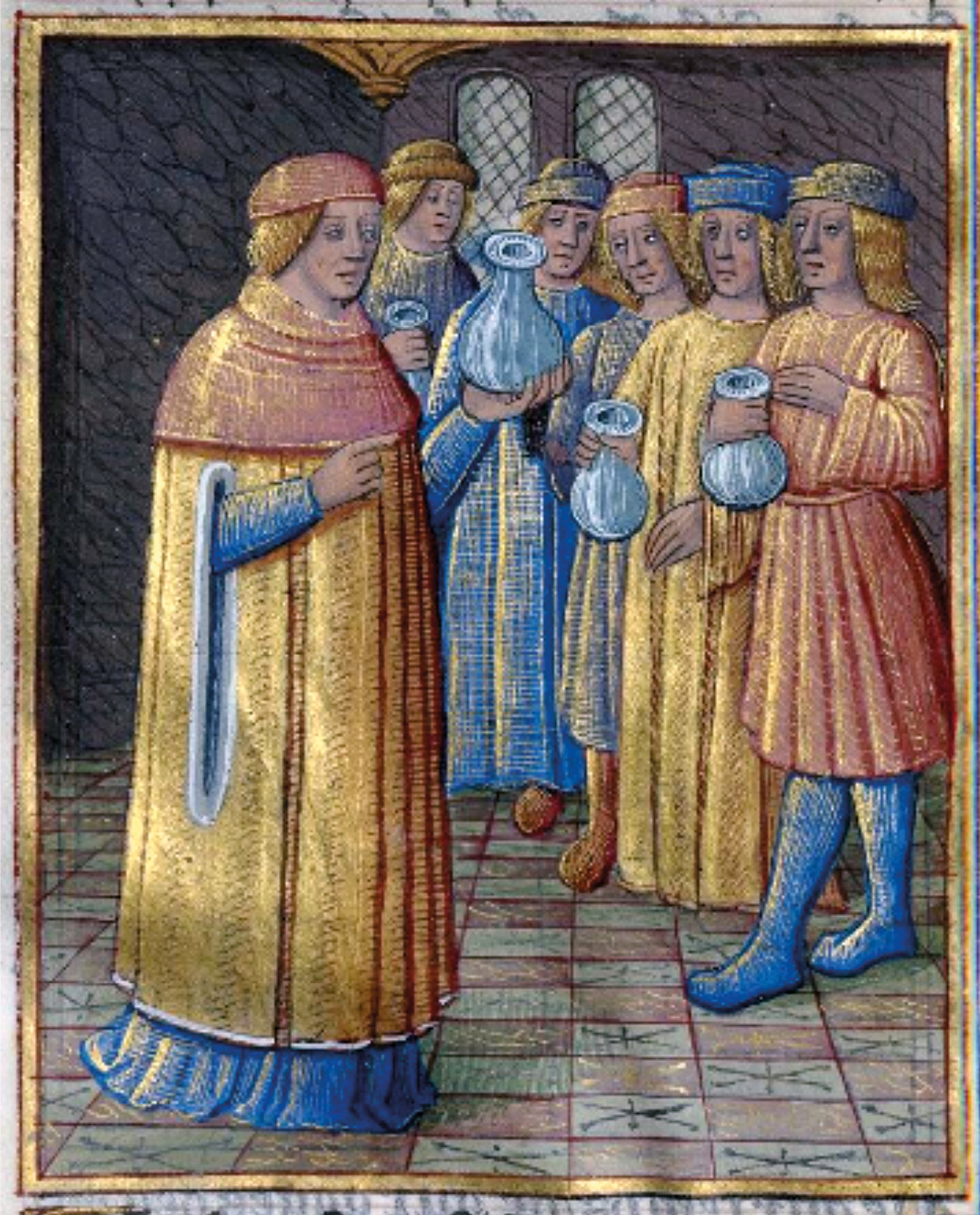
Wales, one of the four countries comprising the United Kingdom, has a rich tradition as a centre of early medicine and pharmacy. Medical manuscripts written in the Welsh language date from c.AD 1400 and include glossaries, recipes, and health advice. They belong to a scholastic rather than folkloric tradition, and probably reflect a medical system that was practised in Britain from at least the 12th century AD.
Studies have indicated that this medical system was largely derived from a European tradition, which itself owed much to Classical medicine preserved and transmitted via Greek, Latin, and Arabic manuscripts. To some extent, these Classical traditions are themselves a continuum of the medicine and pharmacy passed directly from ancient Egypt through Latin and Greek sources. However, there are some indications that the transmission route from Egypt to Wales may have been more direct.

MEDICINE AND HEALING TREATMENTS IN MEDIEVAL WALES
Legend and historical evidence
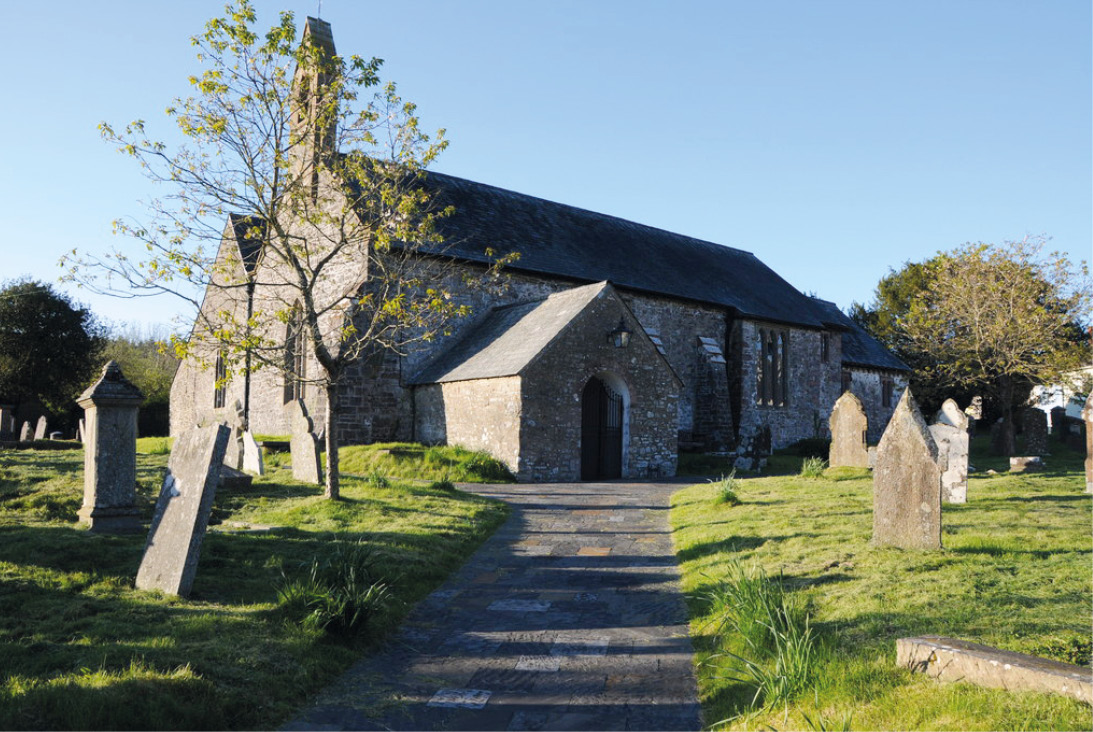
Today, Myddfai is a small village in a farming community in the county of Carmarthenshire, but in medieval times it was a famous centre for medical and pharmaceutical treatments where the Meddygon Myddfai (Physicians of Myddfai) practised their skills. The tradition of these healers is preserved in a famous legend and in the historical record.
The historical context
There is a close association between the legend of the Physicians of Myddfai and the historical literary sources of medical practice and knowledge in medieval Wales. Earliest historical references to treatments found in medieval medical works address a range of issues: hygiene; prognosis and diagnoses; treatment by drugs, diet or surgery; uroscopy, craniotomy, and lithotomy; the association of medical treatment with astrology; and the use of plant and animal drugs.
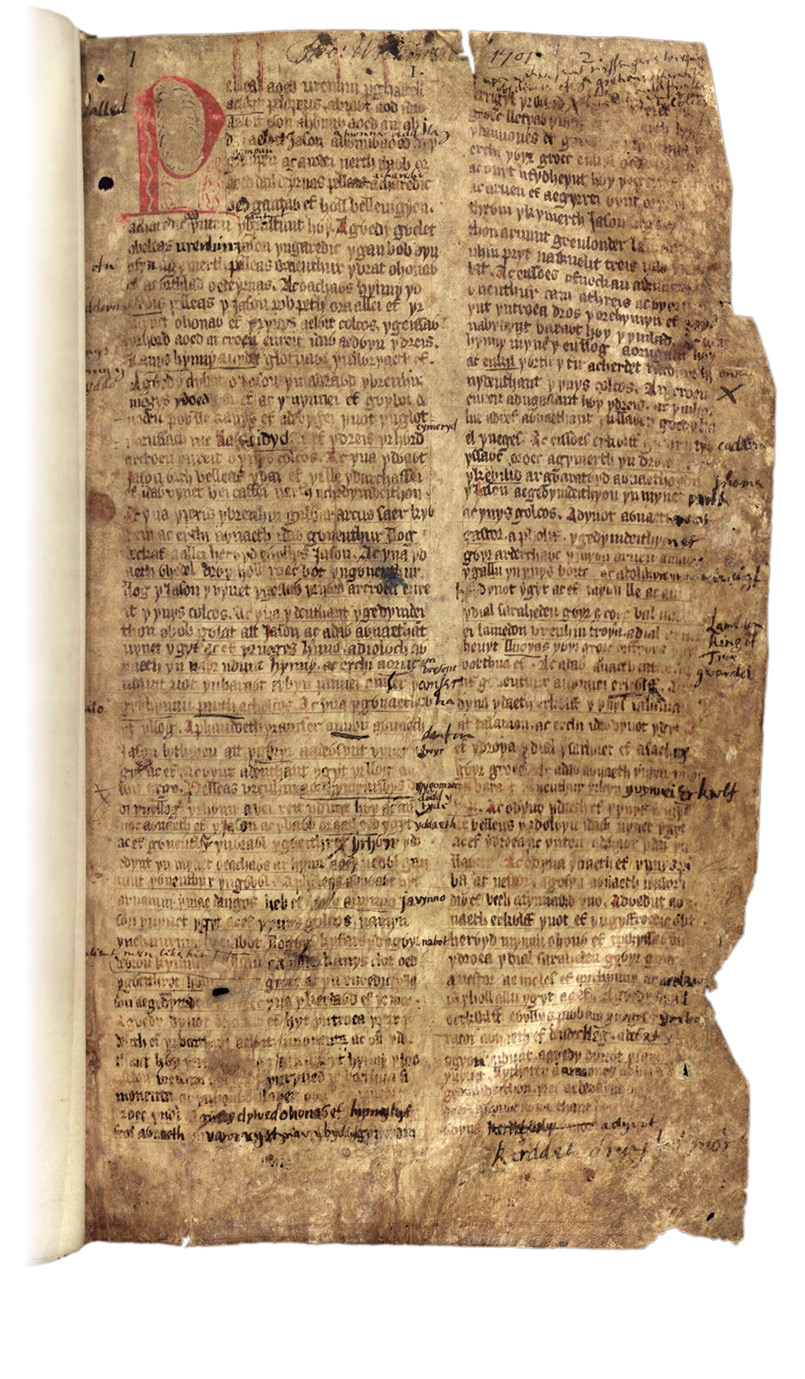
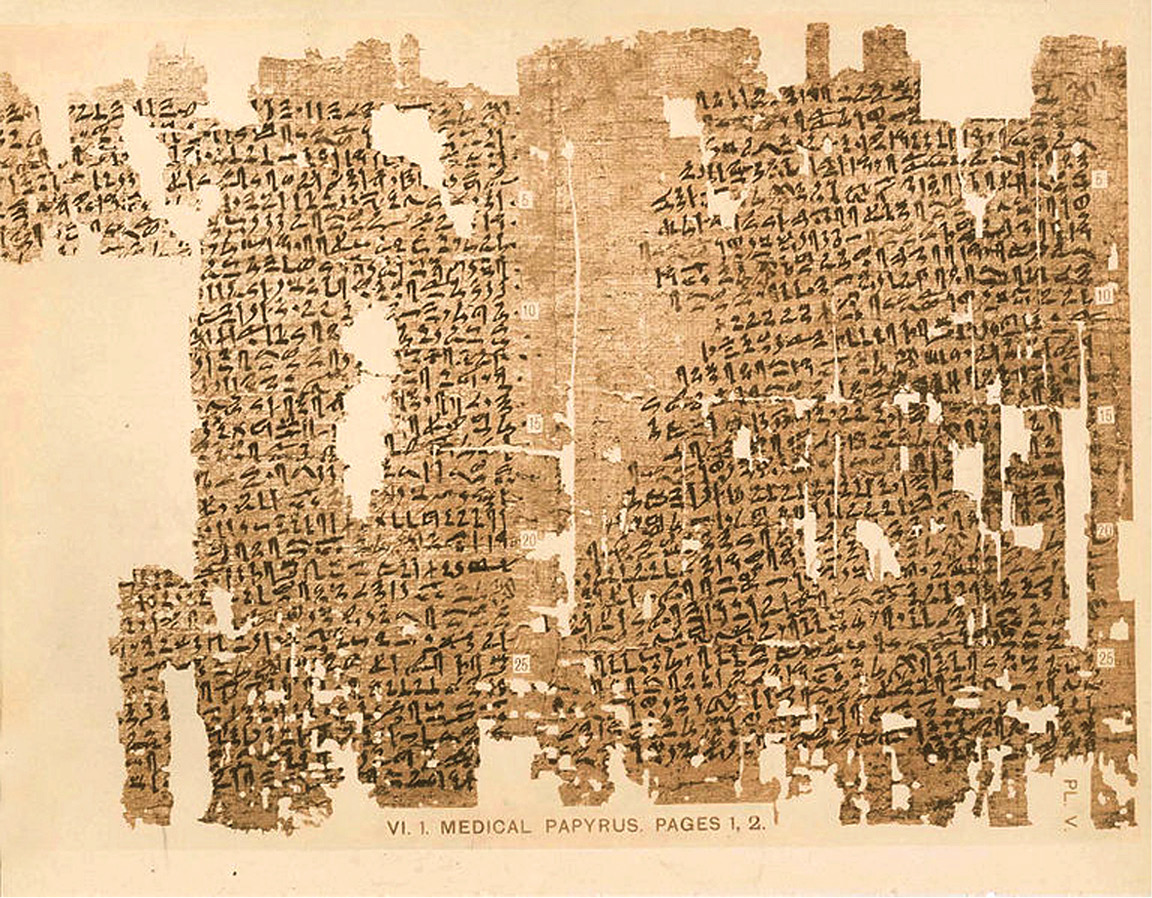
Scholars have undertaken careful analytical studies of the four earliest-known medieval works written in Welsh (14th century AD) facilitated by Luft’s translation (2020). These have indicated that the manuscripts probably describe a practical medical system, closely aligned to contemporary European medicine. Some remedies are based on magical concepts, but the majority provide practical treatments, including simple remedies for common ailments, and might still be considered therapeutically viable today.
The most famous Welsh source for medieval medicine is the Llyfr Coch Hergest (The Red Book of Hergest), a large vellum manuscript (c.AD 1382-1410) originally discovered at Hergest Court in Herefordshire. Now in the library of Jesus College, Oxford, it comprises prose and poetry, and includes the Mabinogion, a collection of pre-Christian Celtic folktales.

The legendary Physicians of Myddfai
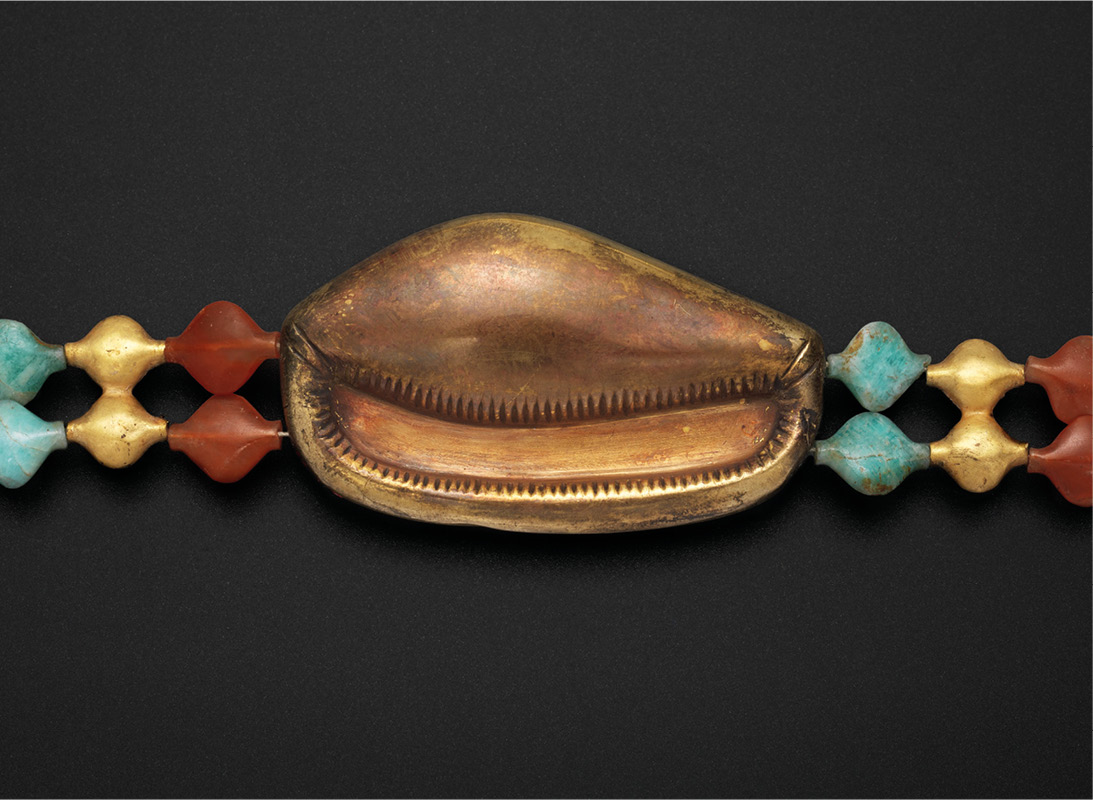
The abundant flora found on the mountains that encircle Llyn y Fan Fach, a lake situated some five miles south of Myddfai, includes ferns, bog plants, lichens, bulbs, and flowers. According to tradition, these were the most important source for the Meddygon’s pharmaceutical remedies, although some exotic ingredients (see an example below) were probably imported from the Middle East, India, and the Orient, perhaps via the nearby seaport of Tenby.
The legend of the Lady of the Lake, originally probably an oral tradition, relates the story of the Meddygon. The earliest modern account is provided by Richard Fenton (1747-1821) in his Tours in Wales 1804-1813.
The story centres around the marriage of a local farmer to a beautiful ‘fairy’ lady who emerges from the lake. Subsequently residing at a local farm, they raise three sons, but when conditions stated by the girl’s father at the time of their marriage are not met, she and her dowry of animals return to the depths of the lake. However, she occasionally returns briefly to contact her sons and teach them the medicinal properties of the local plants and herbs. Having this unique knowledge, they and their descendants become the famed Meddygon Myddfai.
Part of a European tradition, this legend focuses on the role of an otherworldly lady who provides healing remedies, emphasising the ability of an individual from another world to hand over to mortals some specific healing knowledge that will generally benefit humanity.
These physicians, however, were not confined to legend and literature. Early records clearly identify them as members of a family of healers descended from Rhiwallon, a famed physician who served the great Welsh leader Rhys Gryg, Lord of Dinefwr, in the 13th century AD. These highly regarded, successful medical practitioners doubtless derived their herbal knowledge from several sources, including Classical, Arabic, and early European medical texts, popular and local oral traditions and folklore, and their own personal discoveries and therapeutic treatments.
The descendants of the Physicians: a continuing tradition
Some farms and families associated with the Meddygon Myddfai still exist today. Although David Jones (c.AD 1717) and his son John Jones (d. 1739), buried in the churchyard of St Michael’s Church, Myddfai, were the last family members to practise as physicians in the Myddfai area, the medical tradition continues, with some descendants of the original family now pursuing careers as physicians elsewhere. The Physicians of Myddfai Society holds an annual conference to explore the history and traditions of Welsh medicine.

Transmission of medical traditions
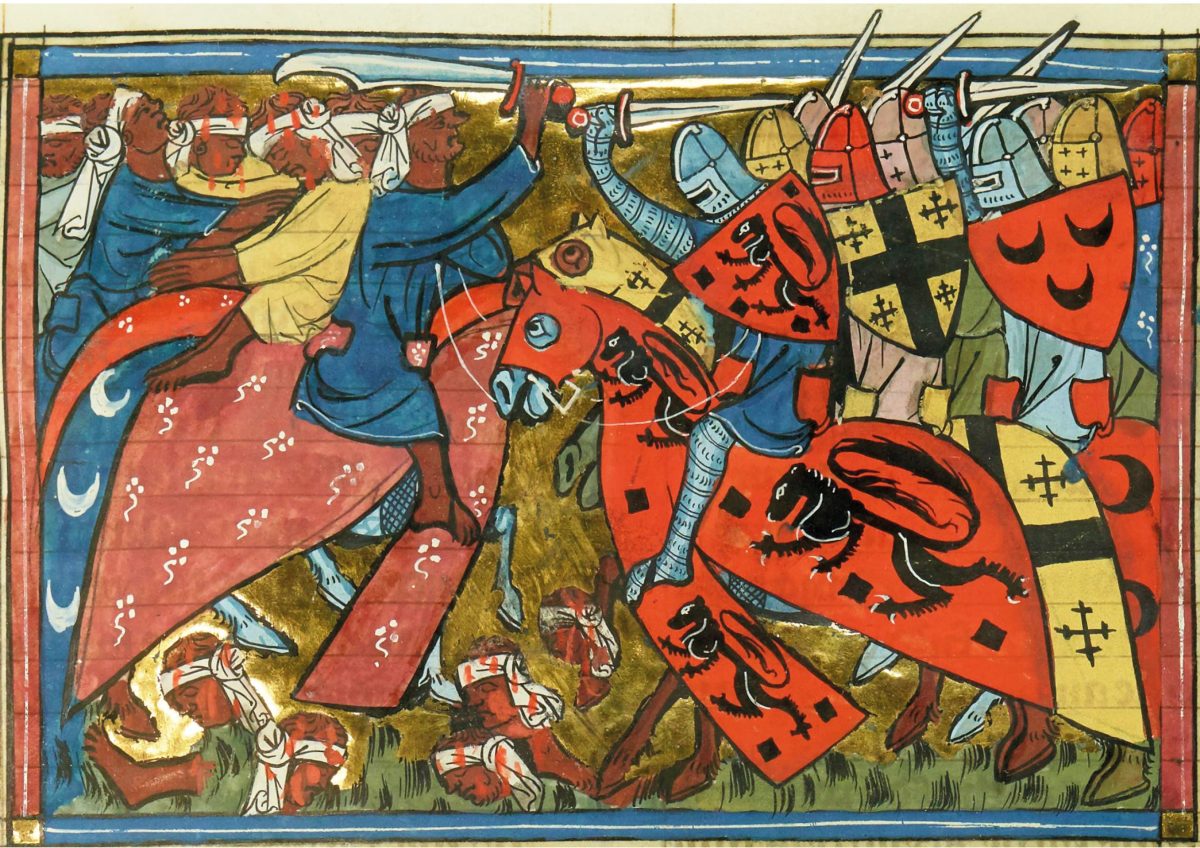
The Celtic expansion into Central and Western Europe (c.800 BC-AD 500) brought new medical traditions. These were gradually amalgamated with herbal treatments preserved in the Classical and Arabic sources, introduced into Western Europe during the Crusades.
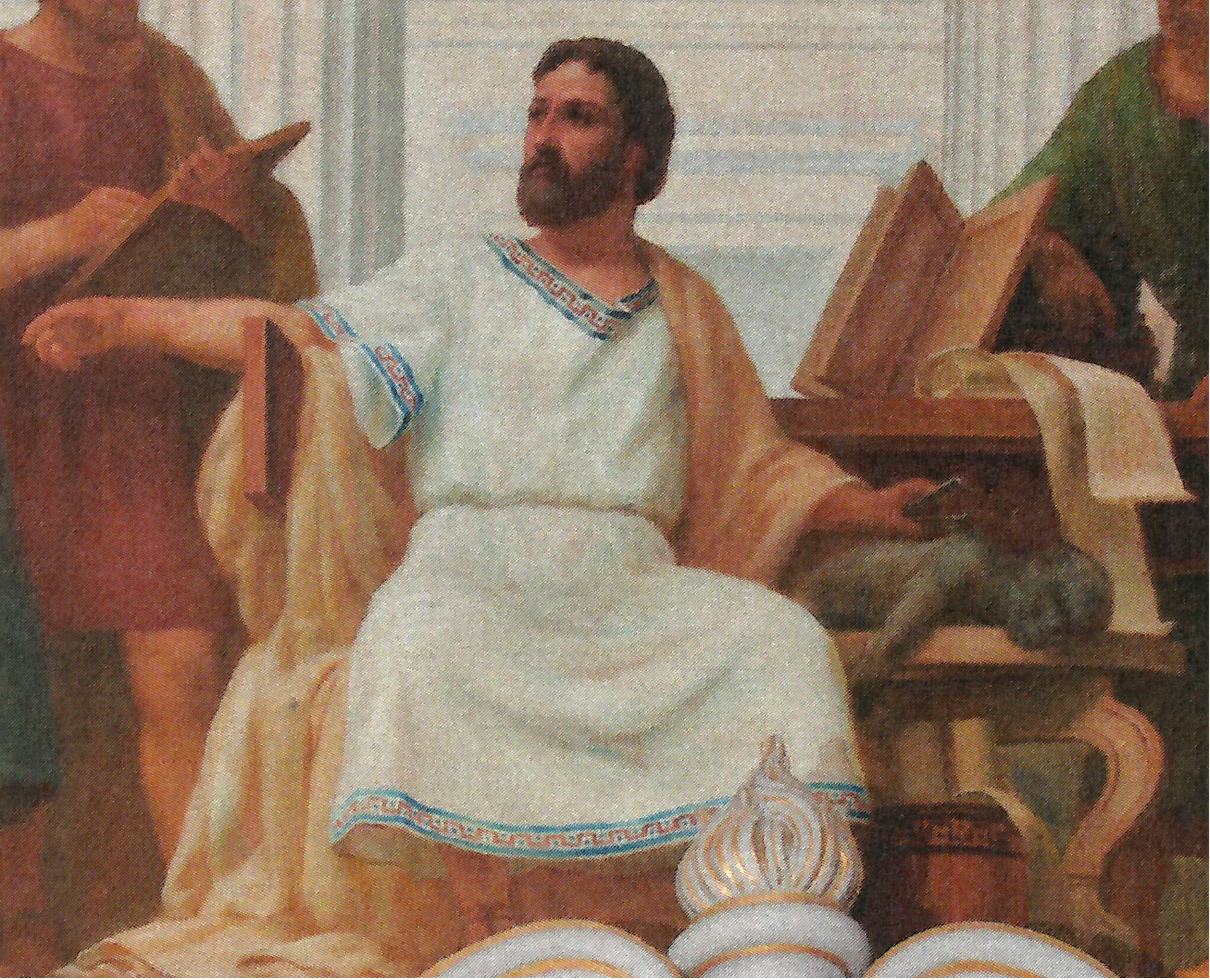
Herbal treatments from the Graeco-Roman era (332 BC-5th century AD), recorded in the writings of Pliny the Elder, Scribonius Largus, Marcellus Empiricus, Dioscorides, and Macer Floridus, were later transmitted to Europe where they profoundly influenced medicine and pharmacy. The ‘herbals’ found in European medieval literature contained the names and descriptions of plants with their properties and descriptions, as well as their medicinal uses. Greek writers such as Theophrastus and Dioscorides (whose Herbal contained elements taken from earlier Egyptian medical sources) provided European botanists with models for plant nomenclature and record-keeping (glossaries) of plant names.
As part of this tradition, Welsh medieval medicine included Classical knowledge, partly derived from Hippocrates (c.460-375 BC) and Galen (129-c.216 BC). Hundreds of remedies followed the Classical formula: a rubric, indication, composition, preparation, and comments on usage and effectiveness. However, this was combined with earlier, locally developed remedies. Altogether, reference is made to 50 clinical conditions, ranging from simple to serious, with the recommended use of a broad spectrum of drugs. Ninety-five of the listed vegetable and animal ingredients have been identified.


The ‘Pharmacy in Ancient Egypt Project’
A methodology developed at the University of Manchester since 1973 combines historical and scientific research to investigate disease in ancient Egyptian human remains. Supported by a research grant from the Leverhulme Trust, this approach has been expanded to investigate plant- based remedies used in ancient Egypt.
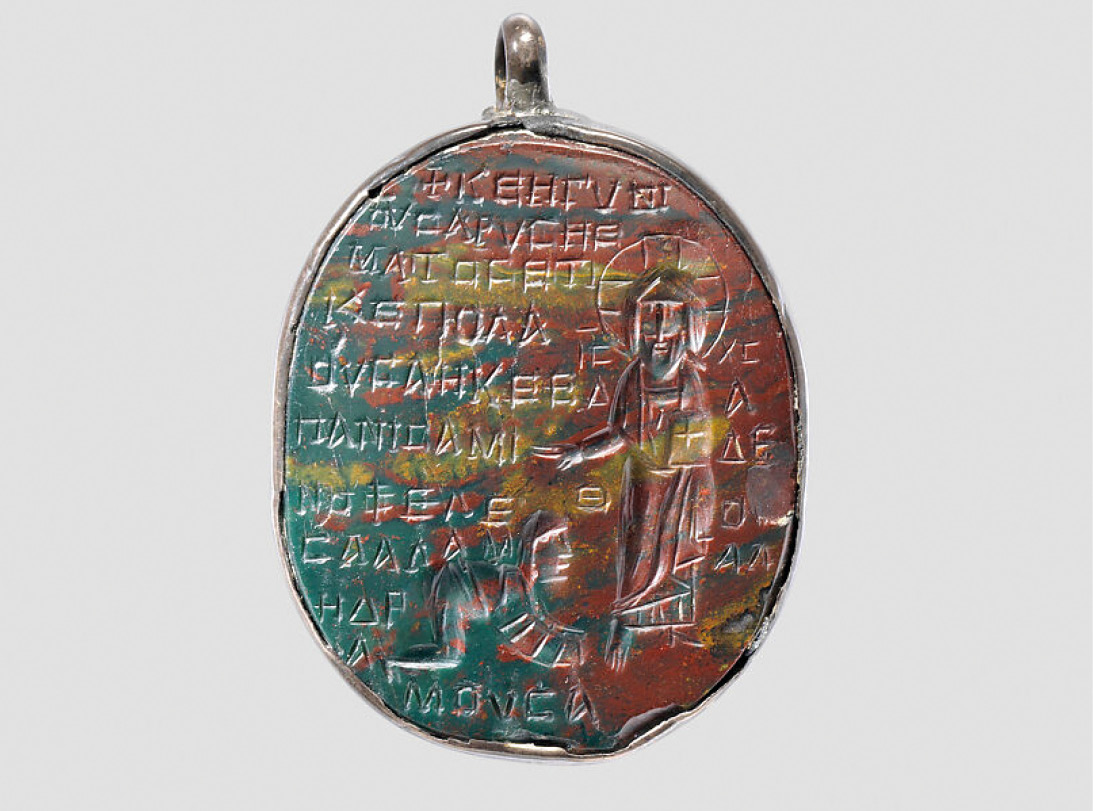
Previous research either examined translations of therapeutic regimes in the 12 extant medical papyri, or focused on botanical studies of ancient and modern plant remains from Egypt. Manchester’s innovative approach revisited the papyri, identifying whether earlier translations of the pharmaceutical ingredients are accurate. It investigated existing plant remains to identify those that would have been used in ancient remedies, and plant remains were scientifically analysed to determine if the ancient treatments were accurate and therapeutically efficacious.

A thousand ancient Egyptian prescriptions (c.1850- c.1200 BC) were analysed and compared with contemporary standards and protocols. This added new knowledge, establishing which plants were actually grown and used in ancient Egypt, and identifying the external geographical sources (the Near East, Libya, Nubia or southern Mediterranean lands) and likely trade routes for ingredients grown elsewhere.
[Pharaonic] pharmacy… had a therapeutic value on a par with drugs used in ‘Western’ medicine…
A named ingredient in a translation was checked to see if it could have worked in the way the prescription indicated. Today, a forensic chemist would analyse a sample to acquire this information, but ancient Egyptian potions and ointments are not readily available, so the remedies had to be reproduced from the recipes in the papyri which record the ingredients, method of preparation, and dosage necessary for reconstitution.
A comparison of the efficacy of the ancient remedies and modern treatments shows that 64% of the same ingredients are found in both pharaonic prescriptions and Martindale’s The Extra Pharmacopoeia (1977), when drugs were still prepared in dispensaries. In addition, some 67% of the instructions that the medical papyri give for the preparation of remedies comply with the standards and protocols for major medicines given in the British Pharmaceutical Codex (1973). Prior to this study, it was usually claimed that most Egyptian medicine and pharmacy were based on ‘magical’ placebos. This was clearly not true; to a considerable extent, the pharmacy was reproducible, and had a therapeutic value on a par with drugs used in ‘Western’ medicine over the past 50 years.
The Manchester research also contradicted the widely held belief that the Greeks invented pharmacy. The Egyptians had viable pharmaceutical treatments some 1,800 years earlier, and many traditions in ‘Western’ medicine were derived from the pharaonic system.
Some possible connections between Pharaonic and Myddfai medicine
There appear to be some specific similarities between medicinal and pharmaceutical treatments in pharaonic Egypt and medieval Wales. Both relied on accurate knowledge of anatomy, they sometimes used multiple substances in a single remedy, and they employed uroscopy to identify disease through the colour, translucency, and smell of the patient’s urine. Also, both advocated a wide range of remedies that contained plant and animal ingredients, some of which are still regarded as efficacious and included in modern pharmacopoeias.
Both used external and internal applications (infusions, inhalations, and pills) and solvents to extract the active herbal principle for infusions delivered to the patient via water, ale, wine or milk. The profession of healer and medical expertise were passed down within the physician’s family. His primary role was to heal the sick, but he developed his skills as an investigative practitioner too, applying knowledge gained from personal experience and observation while treating his patients.
Egyptian and Welsh traditions both emphasised the role of amulets, sacred formulae, and incantations in healing the sick, although this is notably absent from the Graeco-Roman sources. The use of ‘bleeding’ was widely used in Greek medicine but does not occur in Egyptian or Welsh traditions. However, whereas Welsh medicine is essentially based on Galen’s humoral theory, this system is never mentioned in the Egyptian sources.
Two case studies of treatments in pharaonic and Welsh medieval Sources
The following demonstrate the similarity of some techniques and remedies in the two traditions:
(a) Toothache: Both attributed toothache to a fictitious ‘tooth-worm’, an identification probably first suggested in a Sumerian (Mesopotamian) text (c.3000 BC). Papyrus Anastasi (IV) identifies the worm as its cause.
(b) Cumin as a medicinal ingredient: Egyptian sources recommend cumin (Cuminum cyminum) as a carminative remedy for ulcers, abscesses, and gum infections. Papyrus Ebers 742 states: ‘Another [remedy] for the treatment of a tooth that is eating in the opening of the flesh: cumin, terebinth, carob. To be made into a powder and applied to the teeth.’
Cumin is also an ingredient in Welsh medieval remedies. Plant remains have been discovered in Roman military camps in the British Isles and the Rhine frontier zone of the Roman Empire. Not a native of these regions, cumin was presumably imported from the Middle East.
Egyptian physicians in Roman Wales?
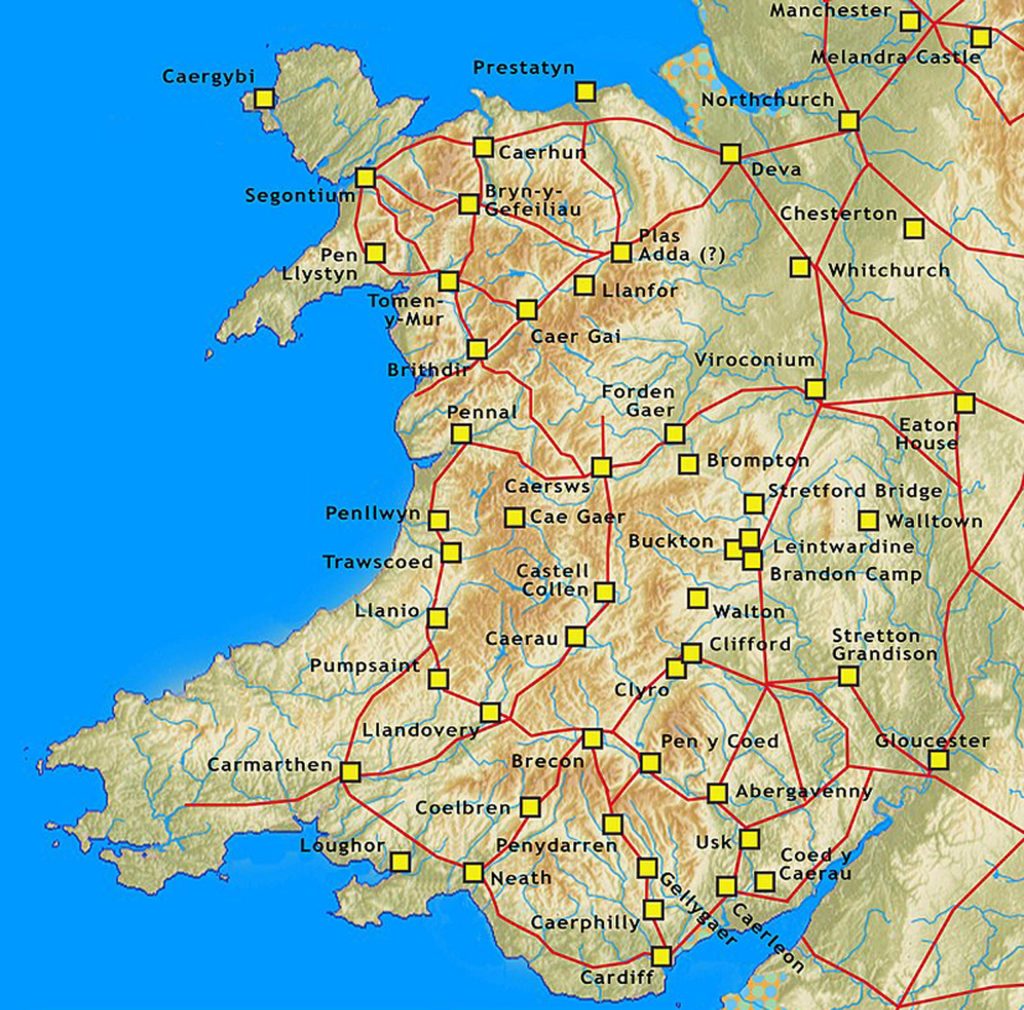
Welsh medieval medicine incorporated both local and Classical/early European traditions. However, some more direct transmission from Egyptian pharaonic medicine may also have occurred. Although Egypt’s influence on medieval Wales may have come indirectly via Classical and Arabic medicine, pharaonic medical knowledge may have been more directly disseminated in Myddfai (and perhaps more widely in Britain) by foreign (perhaps Egyptian) physicians who possibly accompanied Roman military forces to Britain. It is likely that medical personnel were present at Alabum, a significant Roman site situated at Llandovery not far from Myddfai. Excavations have revealed two forts (c.AD 70 and c.AD 130), and the site may also have accommodated a settlement, suggesting that it was a centre of some importance, where a sizeable population probably benefited from the provision of a hospital.

Professor A Rosalie David is Emerita Professor of Egyptology and former Director of the KNH Centre for Biomedical Egyptology at the University of Manchester, Honorary Research Associate at the McDonald Institute for Archaeological Research, University of Cambridge, and a Vice President of the Egypt Exploration Society. She has been awarded the OBE for services to Egyptology and Fellowships of the Royal Society of Arts and the Royal Society of Medicine.
Further reading:
• R Barlow (ed.) (2018) Transactions of the Physicians of Myddfai Society 2011-2017 (The Physicians of Myddfai Society).
• R David and R Forshaw (2023) Medicine and Healing Practices in Ancient Egypt (Liverpool: Liverpool University Press). Reviewed in AE 140.
• F Getz (1998) Medicine in the English Middle Ages (Princeton, NJ: Princeton University Press).
• D Luft (2020) Medieval Welsh Medical Texts – Vol.1: The Recipes (Cardiff: University of Wales Press).