Subscribe now for full access and no adverts
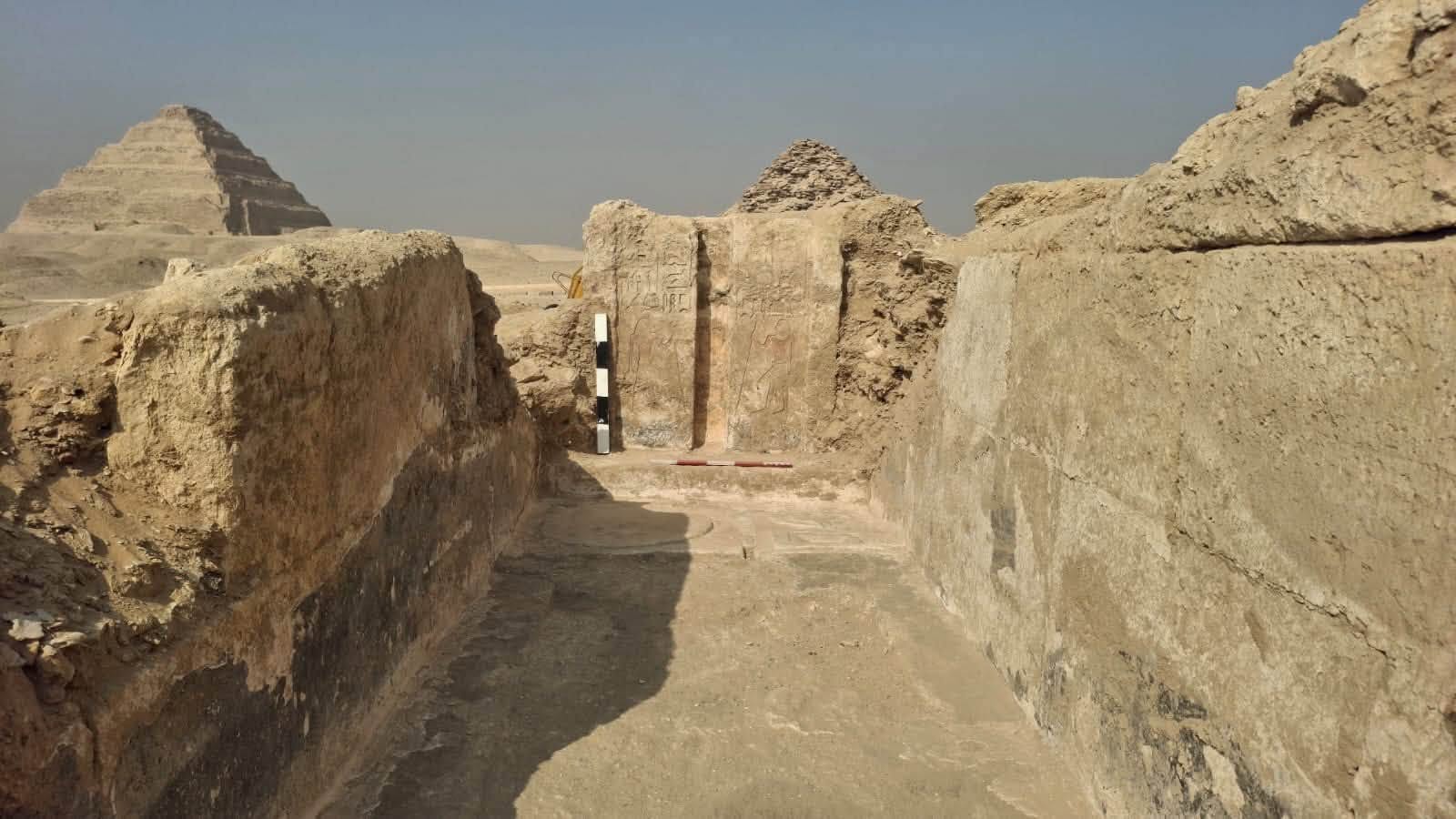
Hesyre (also rendered as Hesyra or Hesy) was a high court official during the reign of King Djoser (c.2667-2648 BC), one of the earliest rulers of the Third Dynasty. He held the prestigious title of ‘Overseer of the Royal Scribes’, and is widely regarded as the earliest recorded dentist in history. Our understanding of Hesyre’s life and career comes from his mastaba (S2405), a tomb situated just north of Djoser’s Step Pyramid at Saqqara, an area noted for its early dynastic burials.
Excavation of the Tomb of Hesyre
The tomb was initially identified in the early 1860s by French Egyptologists Auguste Mariette and Jacques de Morgan, who conducted only preliminary work on the mastaba. It was not until the early 20th century that extensive excavations took place. Between 1910 and 1912, British archaeologist James Quibell led two major field sessions at the site. Quibell, known for his collaborations on various digs with prominent figures such as Flinders Petrie, Cecil Firth, and Frederick Green, was supported closely by his wife Annie Pirie Quibell. Annie was a skilled illustrator and author, whose watercolours and drawings, published in the 1913 excavation report, remain important visual records of the site today.
Evidence from the mastaba
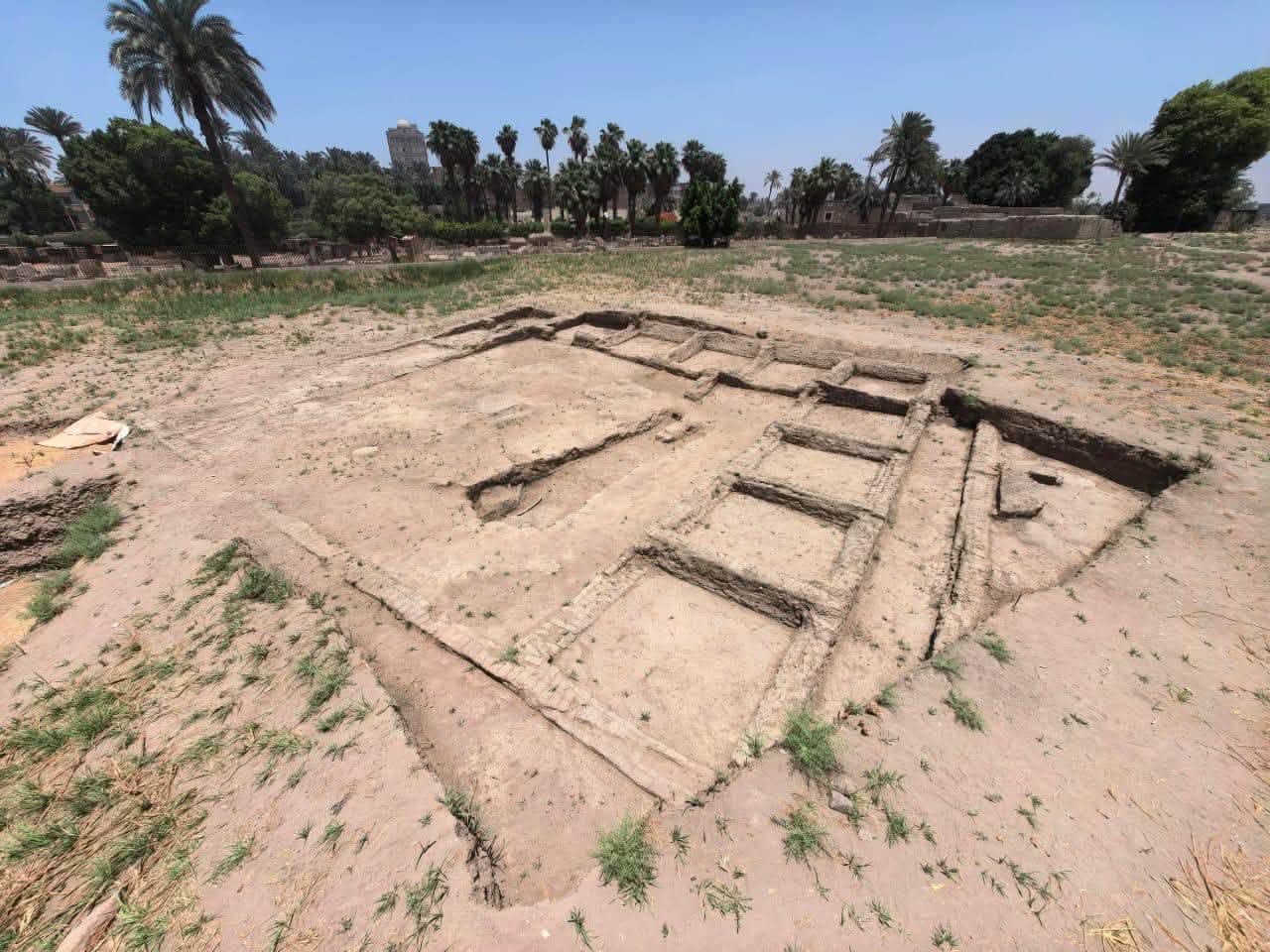
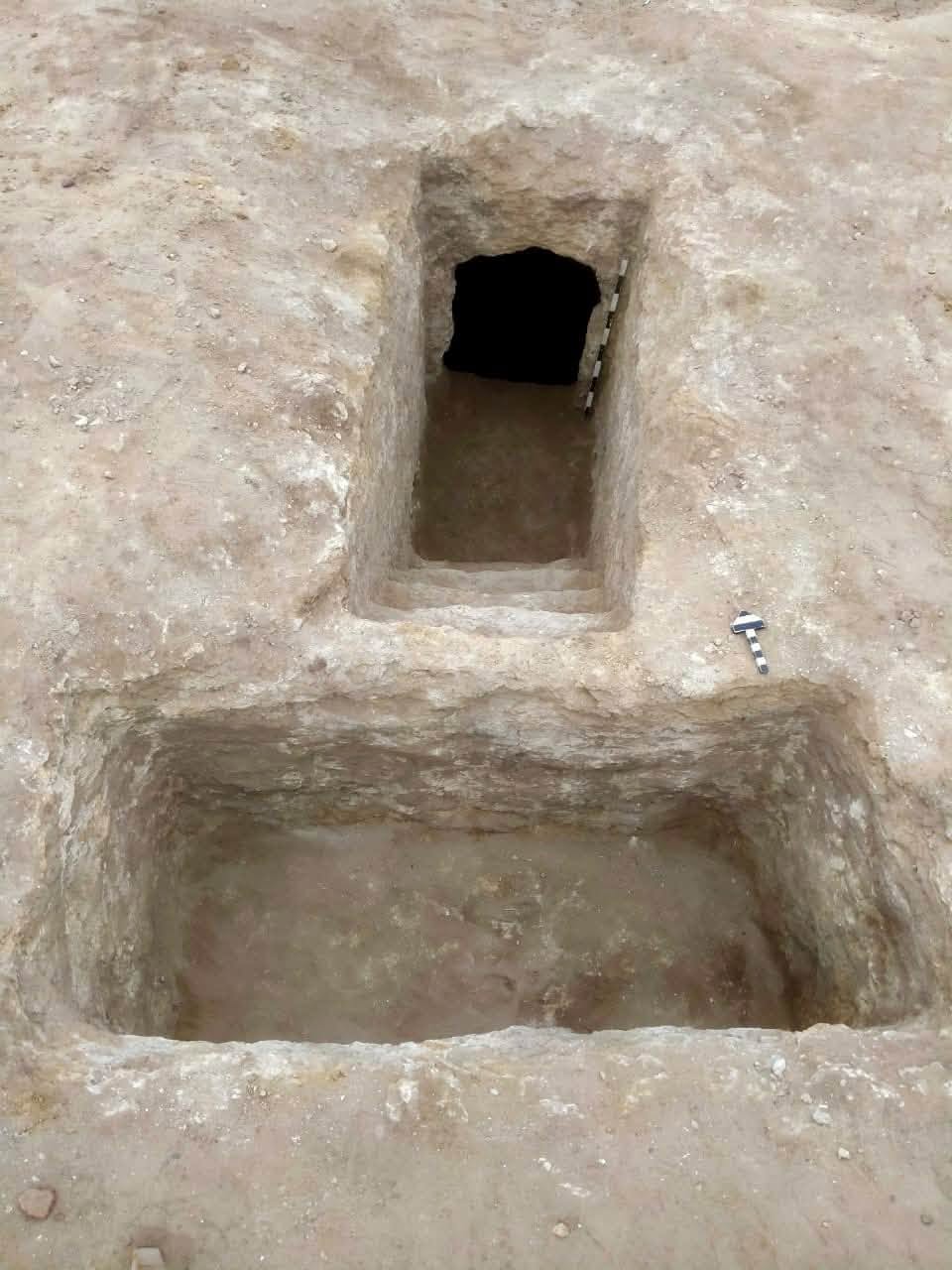
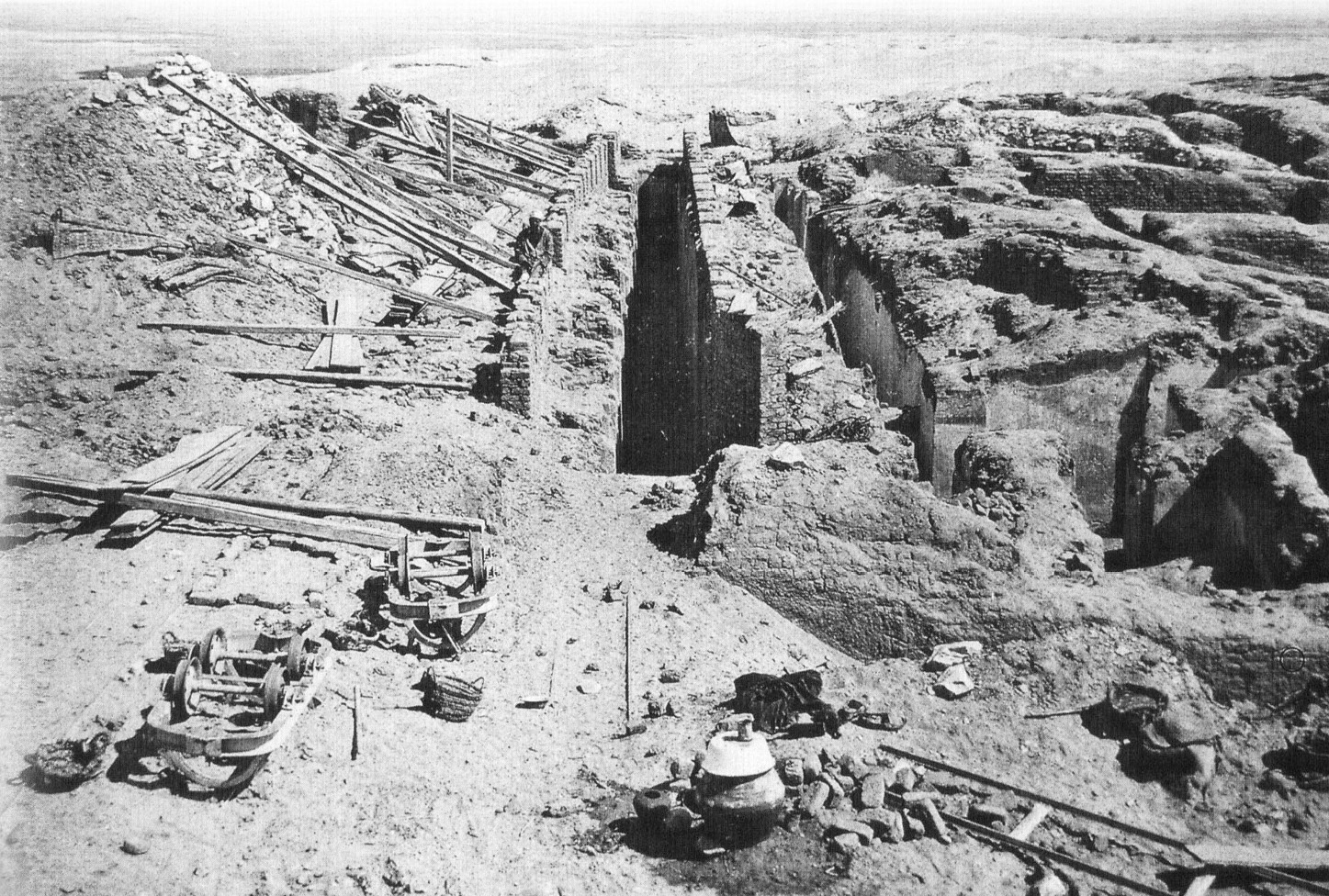
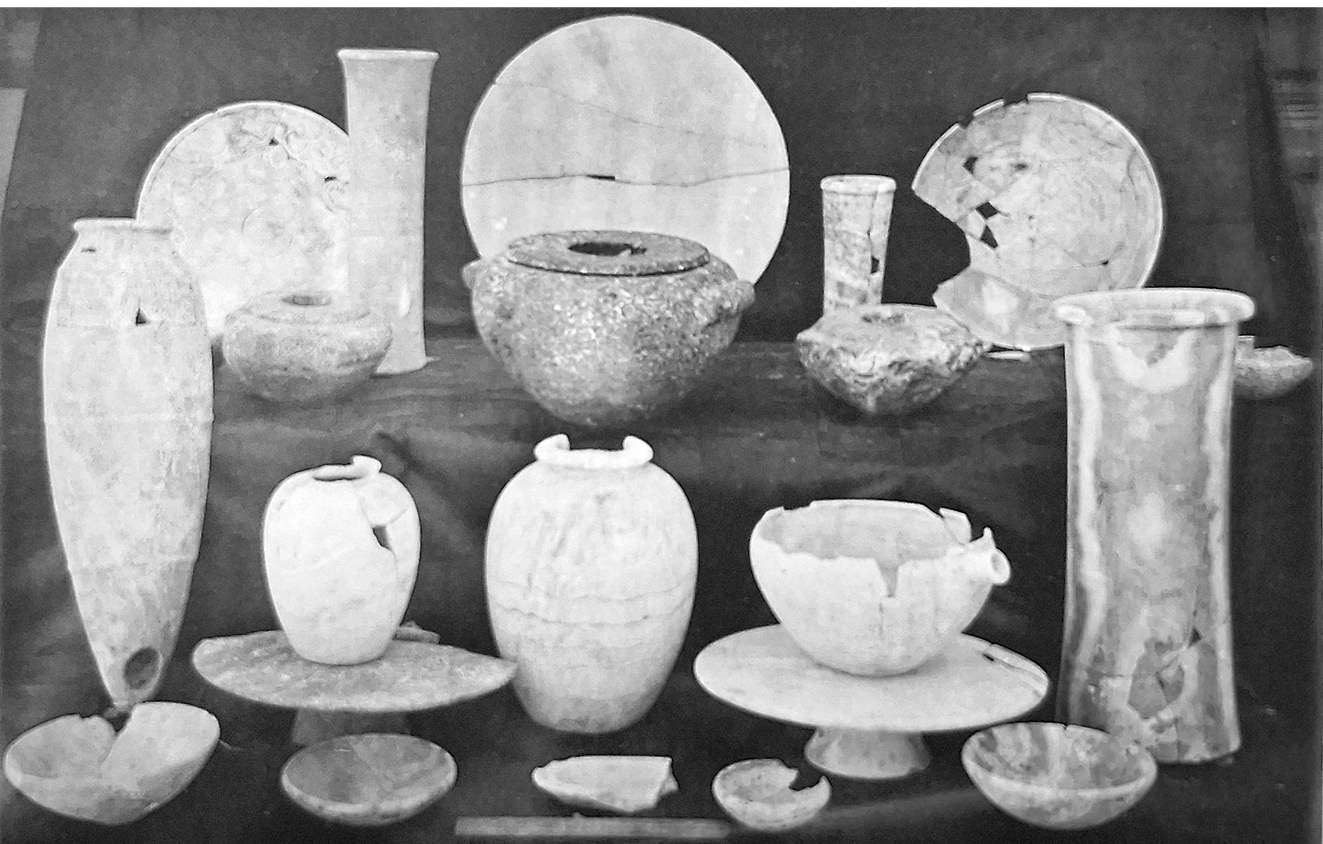
Hesyre’s mastaba is an imposing mud-brick structure, notable for its considerable scale and architectural ambition. According to measurements recorded by Quibell in 1910, the tomb extended 43 metres in length, and stood 5 metres high, even in its partially preserved state. Beneath the superstructure lies a remarkably deep substructure, descending 21 metres below ground, and incorporating a series of storerooms alongside the burial chamber. Within these vaults, archaeologists uncovered artefacts including pottery and stone vessels. Several of the reconstructed vessels were assembled from fragments found widely dispersed throughout the tomb, often across multiple chambers.
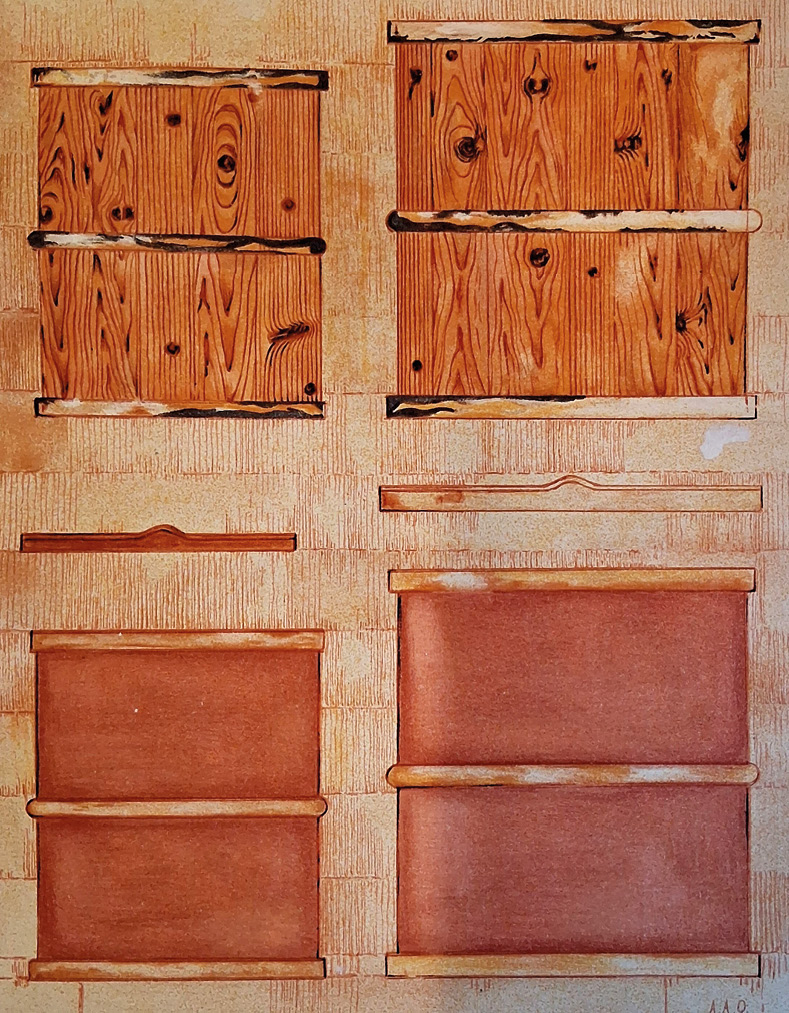
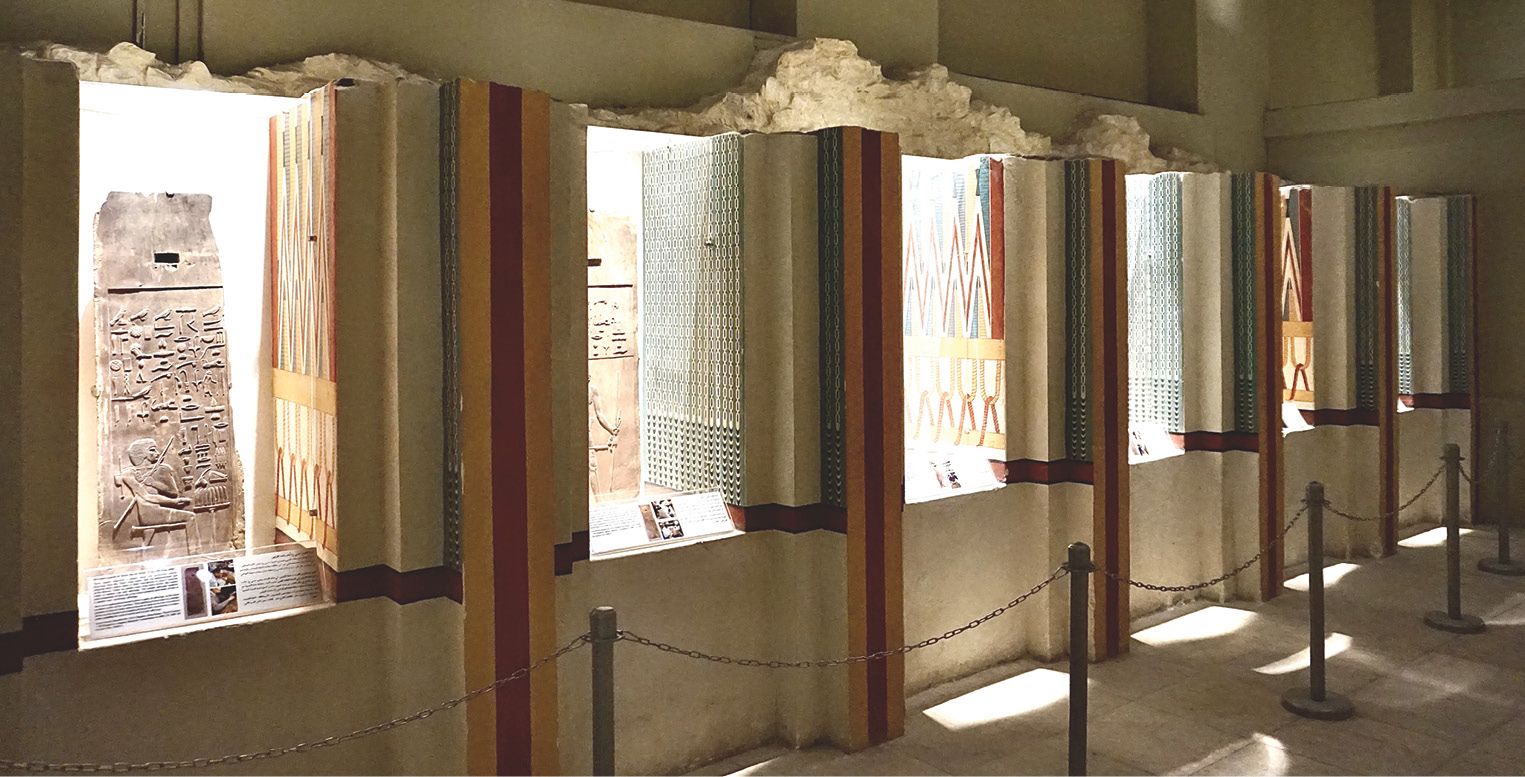
Among the most significant and celebrated discoveries within Hesyre’s tomb is a series of wooden panels, carved from acacia wood (and not cedar as previously believed), and originally installed in the niches along the central painted corridor. These niches still bear traces of painted patterns that imitate woven reed matting, hinting at the tomb’s original decorative scheme. The stylised motifs probably evoke the decorative cloth used in elite settings, including palaces and wealthy residential properties, symbolising luxury and the high status of individuals like Hesyre.
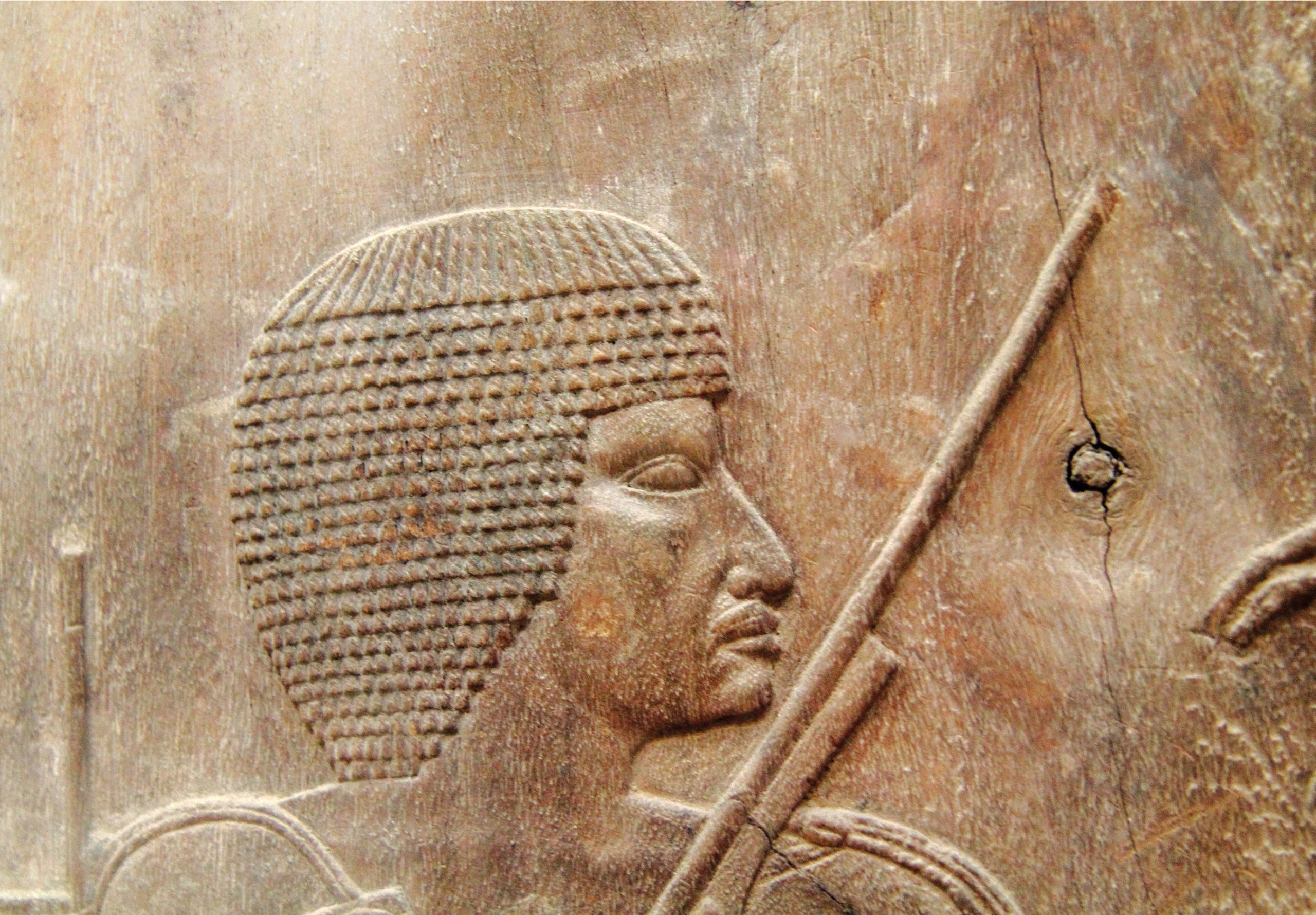
Although 11 panels were originally placed there, only six have survived the ravages of time. These depict Hesyre in a range of poses and garments that reflect his prominence and varied roles. These important artefacts offer an exceptional glimpse into early wooden sculpture, and the development of elite iconography during Egypt’s Old Kingdom.

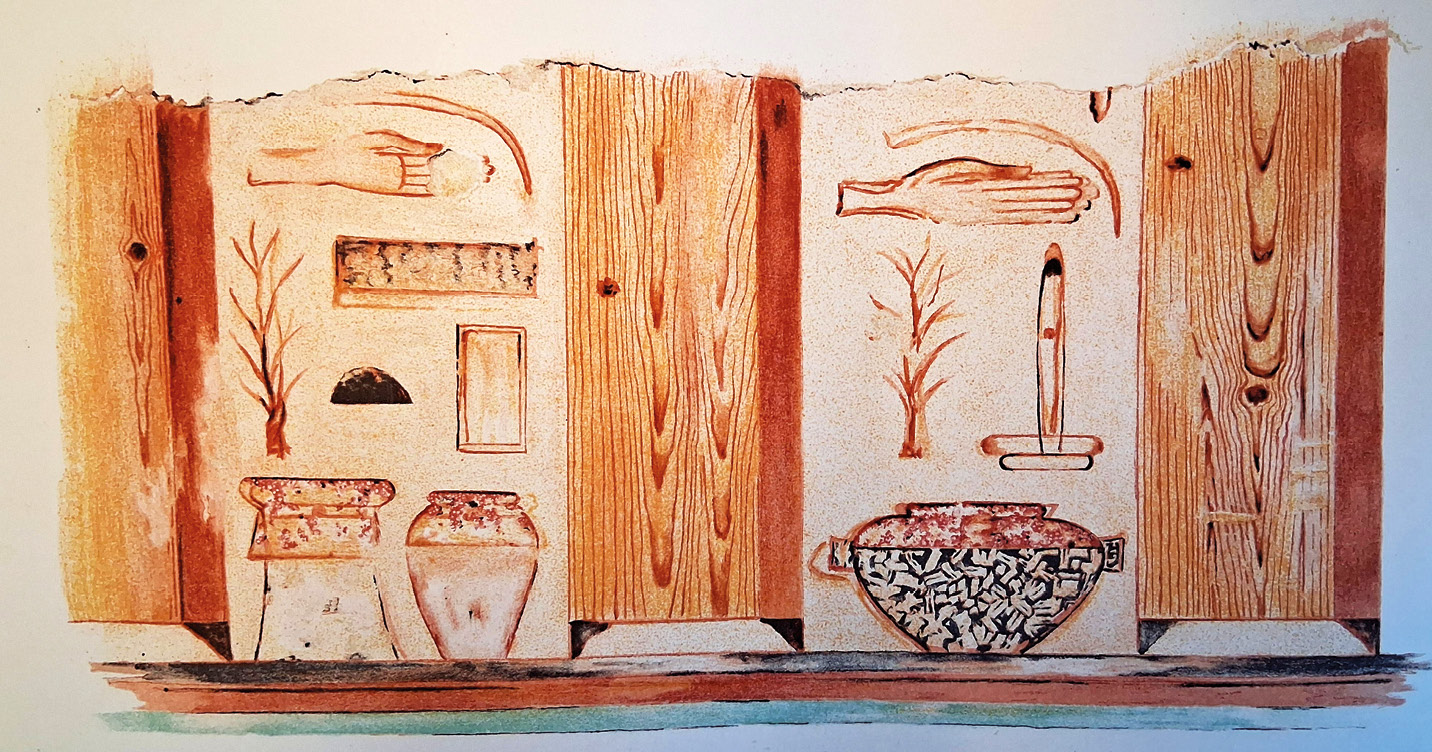
The opposite, eastern wall of the corridor is painted and arranged into three horizontal registers. The lowest of these consists of a smooth red band, framed above and below by black lines. The upper register, best preserved at the southern end of the corridor, appears to depict magazines representing the subterranean storerooms of the tomb. These are filled with jars and pottery vessels, some of which are labelled with hieroglyphic inscriptions identifying their contents as fats and oils.
The central and most prominent register features a long sequence of oblong compartments or trays, filled with depictions of various objects: wooden and copper barrels, carpenter’s tools, measuring devices (possibly standards of length and weight), looms, and domestic furniture. Three board games are also depicted in the middle register: mehen, a serpent table game played with a series of ivory lions and lionesses and coloured marbles; senet; and ‘endurance’. Notably, the renderings of beds and other furnishings resemble actual artefacts excavated from First Dynasty tombs, suggesting continuity in craftsmanship and elite style.
A second corridor lies to the east of the painted corridor. This was once decorated, too, but it had already suffered significant deterioration at the time of Quibell’s excavation, with only faint traces of paint remaining. The entrance to the mastaba is located on the eastern side.
The tomb appears to have undergone several modifications during its construction, including alterations to its internal layout. It is one of the earliest funerary monuments to incorporate a serdab, as well as a complete offering list, features that would become standard in later Egyptian tombs. These innovations reflect the evolving funerary practices and changing religious ideology of this formative period in Egyptian history.
Wooden panels and artistic legacy
The six surviving wooden panels are celebrated for their technical excellence and well-preserved detail. Each measures approximately 110cm high by 57cm wide, and portrays Hesyre at different stages of life and service. The variation in his attire, insignia, and titles across the panels suggests his involvement in multiple ceremonial and administrative functions. The accompanying hieroglyphic inscriptions, finely rendered, provide rich insights into early Egyptian language, court titles, and visual conventions.
Collectively, these panels stand as a testament to the high standards of craftsmanship and symbolic expression that characterised Third Dynasty court art, and they remain among the finest known examples of early wooden relief sculpture.
Today, these panels form the centrepiece of a new exhibition at the Egyptian Museum in Tahrir Square, Cairo. The museum’s curators have restored the panels, and recreated the original corridor setting, allowing visitors to appreciate the artwork in a spatial arrangement approximating its original context.

Role in society
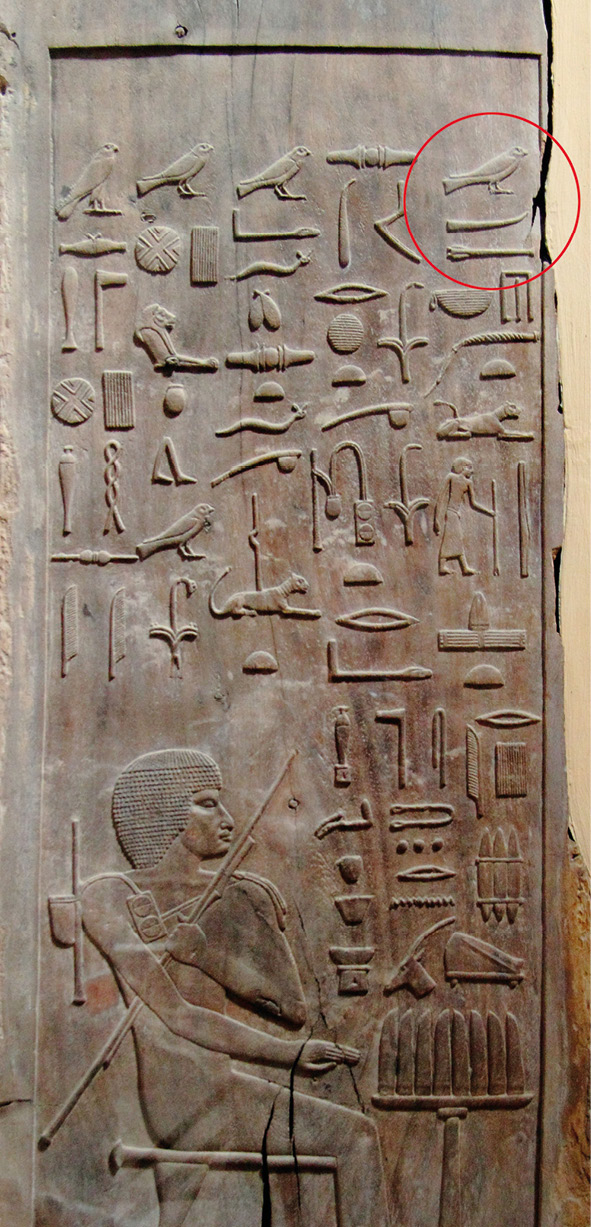
One of the best-preserved panels (CG1426) features the earliest known depiction of a man seated before a table laden with bread. Above him is a concise list of food offerings and a register of his numerous titles. In his left hand, he holds a medu staff, symbolising authority, along with a sekhem sceptre, a traditional emblem of power and high office. While Hesyre’s primary duties were secular, he also held several prominent religious titles, reflecting the ancient Egyptian practice of merging civil and religious authority within a single individual.
Among his religious roles, Hesyre served as a priest of Horus at Pe, specifically Horus the Harpooner, an early, martial aspect of the god, renowned for spearing enemies in mythological clashes. He was a priest of Min, one of Egypt’s most ancient deities who was associated with male sexual procreativity, and revered as a protector of the eastern desert regions throughout dynastic history. Additionally, Hesyre held the title of Priest of Mekhit, a relatively obscure goddess who may have functioned as a general protector deity.
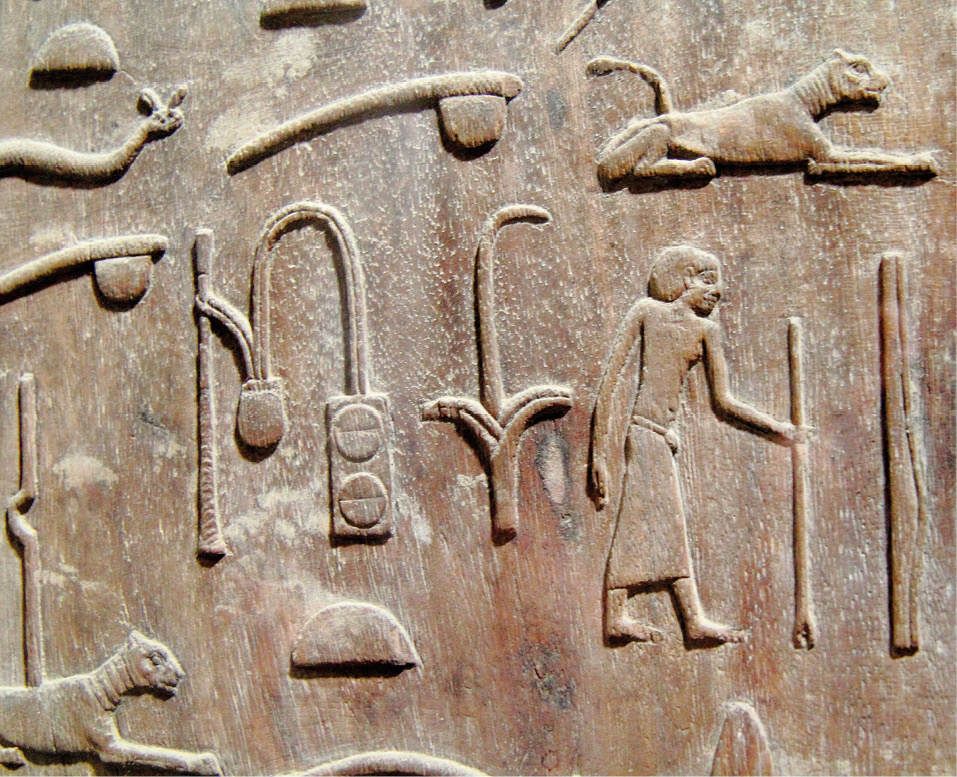
His civil positions were equally prestigious. As ‘Overseer of the Royal Scribes’, Hesyre headed a distinguished administrative body integral to the functioning of the early Egyptian state. On each panel, he is depicted with a scribal kit, including an ink palette, a small drawstring sack of pigments, and a reed brush holder, emphasising his status within this elite profession. As head of this select group, Hesyre would have belonged to one of the highest tiers of government.
He bore the title ‘Great One of the Tens of Upper Egypt’ as well, a designation that probably indicated a provincial leadership role, possibly akin to a regional governor. Another title, ‘Chief of Tribute’, implies responsibilities in fiscal management and resource redistribution, key aspects of Egypt’s centrally managed economic system.

Medicine and dentistry
Among Hesyre’s many titles, those related to medicine and dentistry are perhaps the most intriguing. On panel CG1426, he is designated as the ‘Chief of Dentists and Physicians’, identifying him as the earliest recorded individual associated with the field of dentistry. This title places Hesyre at the forefront of a developing medical profession in early dynastic Egypt, and suggests that his role extended beyond administration to include responsibilities in healthcare.
Medical practice in Egypt developed early, and is well-attested through both textual and archaeological sources. For instance, the Stela of Merka, a high official from the end of the First Dynasty, lists among his titles that of ‘Scorpion Doctor’, suggesting early specialisation in certain types of healing. Although the main extant textual sources, the medical papyri such as the Ebers and Edwin Smith, were written several centuries after Hesyre’s lifetime, they probably drew on much older traditions. It is therefore plausible that practitioners like Hesyre had access to early medical texts or teachings, even if the written sources from his time have not survived.
Supporting this idea is an inscription in the Fifth Dynasty mastaba of Washptah, which refers to a chest containing papyrus scrolls on healing practices, clear evidence that a written medical tradition was already established by that period. The hundreds of prescriptions recorded in the later papyri, addressing ailments from headaches to injuries, reflect a sophisticated pharmacopoeia whose roots may well have extended back to Hesyre’s era. In contrast to general medicine, the existence of a specialised dental profession remains ambiguous. Only about ten individuals from ancient Egypt are known to have held titles related to dentistry, and nine of these date to the Old Kingdom. The exact meaning and scope of these titles remains unclear, and their disappearance from the historical record in later periods raises questions about the continuity of dental care as a recognised profession.

Operative dental procedures appear to have been exceedingly rare, if performed at all. The medical papyri provide some of the most comprehensive insights into how the Egyptians approached dental issues, and while these texts include several remedies related to conditions of the teeth and supporting soft tissues, they are largely pharmaceutical in nature. One group of treatments appears aimed at stabilising loose teeth, possibly due to periodontal (gum) disease, by applying mixtures of minerals and plant materials around them. Alternatively, these substances may have been intended as primitive fillings for cavities in decayed teeth. Another set of prescriptions addresses oral infections, including ulcers, abscesses, and gum inflammations. Some of these formulations included substances with antibacterial properties such as honey and ochres, suggesting an empirical, if limited, understanding of symptom relief, even when the underlying causes of disease went untreated. However, many other constituents of the prescriptions would appear to have little or no known pharmacological efficacy.
Taken together, the available evidence suggests that if Hesyre engaged in any form of dental care, it probably involved the preparation and application of medicinal remedies, rather than operative or surgical interventions. While these treatments would not have cured dental disease nor significantly slowed its progression, they may have offered short-term relief from pain and discomfort. Nonetheless, his title remains a remarkable testament to the formal recognition of healthcare roles in early Egyptian society, and to the long-standing human concern with managing pain and disease.
Portraits or idealised representations?
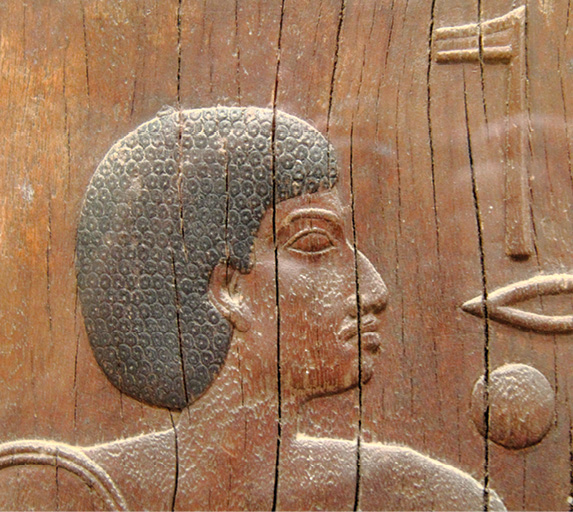
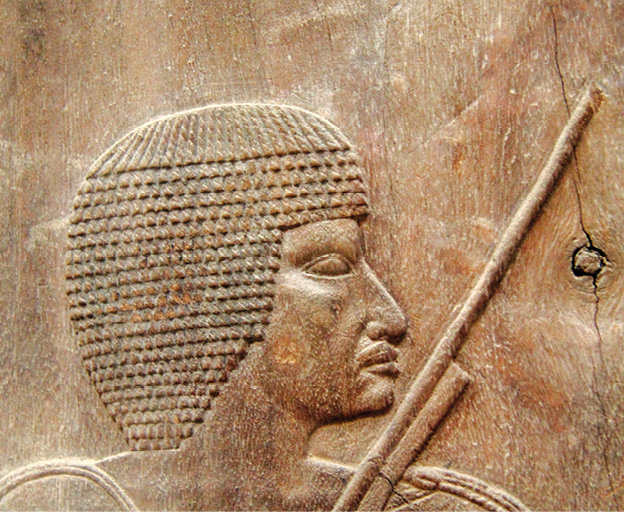
The wooden panels appear to portray Hesyre at different stages of life, prompting the question: do these images reflect true likenesses, or are they idealised representations intended to convey his status and eternal identity? While they are unlikely to be portraits in the modern sense, the panels do exhibit a degree of individualisation. Subtle variations suggest an awareness of age progression and shifting status, making these works both unusual and significant within the context of early Egyptian art.
Each panel also shows Hesyre wearing a different style of wig, variations that may correspond to distinct official functions or ceremonial roles, highlighting his prestige and versatility in royal service. In ancient Egypt, wigs were powerful symbols of status and were luxuries accessible only to the elite. Their presence affirms Hesyre’s high social rank, wealth, and refinement. While they may reflect changing fashions, the differing hairstyles could also represent an early artistic effort to distinguish aspects of personal identity or stages in his career, even within a highly symbolic and idealised tradition.

Identification
The physical remains of Hesyre have never been found. It is believed that his tomb was entered and looted at least twice in antiquity, possibly resulting in the destruction or removal of the body. If an attempt had been made to preserve the body of Hesyre, it may not have been very successful, as during the Third Dynasty mummification was still at a rudimentary stage. Bodies were wrapped in linen bandages treated with natron and liquid resin, but evisceration, the removal of internal organs, was not yet practised, resulting in poor long-term preservation.
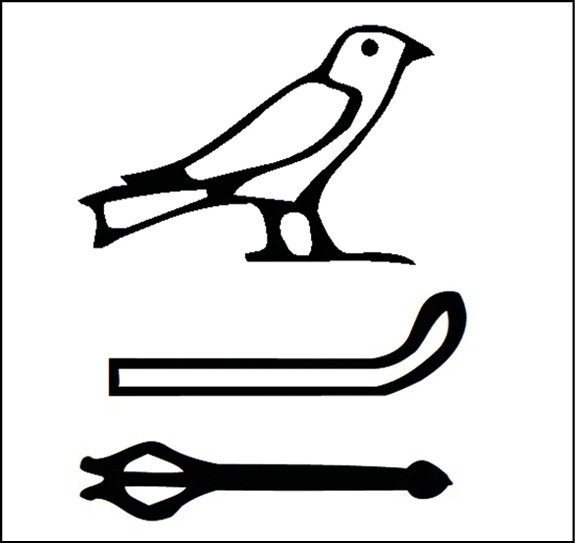
Among the debris recovered from the tomb’s substructure were two small black clay seals bearing remnants of the name Netjerikhet, Djoser’s Horus name, and inscribed within a serekh. These seals provide important evidence for dating the tomb to Djoser’s reign, a conclusion further supported by stylistic analysis of its construction and decoration. Also discovered was a worn dagger handle carved from polished long bone, probably of animal origin. Despite its deteriorated condition, it retains a partial inscription identifying the owner as ‘Hesy, Overseer of the Royal Scribes, Greatest of the Tens of Upper Egypt’.
The legacy of Hesyre
Hesyre stands as a significant figure in Egypt’s early Old Kingdom, offering unique insight into the social, administrative, and artistic developments of the Third Dynasty. His mastaba, notable for its scale, architectural features, and artistic programme, contributes meaningfully to our understanding of early funerary practices and elite self-presentation. The wooden panels from his tomb are among the earliest and most refined examples of wooden relief sculpture in ancient Egypt, combining technical excellence with a degree of individualisation rare for the time. They reflect Hesyre’s broad range of responsibilities in civil governance, temple service, and medical care, including the earliest known reference to a dental practitioner.
While much about Hesyre’s life remains unknown, the remains of his tomb offer a rare and informative glimpse into the social, artistic, and administrative world of early dynastic Egypt.
Further reading:
• R J Forshaw (2013) ‘Hesyre, the first recorded physician and dental surgeon in history’, Bulletin of the John Rylands University Library of Manchester (Ancient Medical and Healing Systems: Their Legacy to Western Medicine supplement) 89(1): 181-202.
• J E Quibell (1913) Excavations at Saqqara 1911-12: the tomb of Hesy (Le Caire: imprimerie de l’Institut français d’archéologie orientale).
• W Wood (1978) ‘A reconstruction of the reliefs of Hesyre’, Journal of the American Research Centre in Egypt 15: 9-24.
Roger Forshaw is an honorary lecturer in Biomedical Egyptology at the University of Manchester, and a former dental surgeon. He studied Egyptology at the University of Exeter and later obtained his MSc and PhD at the University of Manchester. He has published on the Saite Period, the role of the lector in ancient Egyptian society, and medical and dental care in ancient Egypt. His latest publication, Medicine and Healing Practices in Ancient Egypt, was co-written with Rosalie David.