Subscribe now for full access and no adverts
While the last pharaoh of Egypt – Cleopatra VII – is renowned, little is known about the children she shared with two of the most-celebrated men of Rome: Gaius Julius Caesar and Mark Antony. Her dramatic death with Mark Antony in 30 BC is usually considered to be the end of her story, yet four of her children survived her.
Caesar and Caesarion
The exact date of Cleopatra’s birth is unknown. Marriage between siblings was prevalent in the Ptolemaic Dynasty, and internecine rivalry took a deadly form. After the death of her father Ptolemy XII Auletes in 51 BC, Cleopatra faced the rival aspirations of two brothers and a sister, all hungry for power. This was the complex family scenario that confronted Julius Caesar when he arrived in Egypt in 48 BC.
The young Cleopatra whom Caesar encountered in Alexandria was undoubtedly unlike the women of Rome. The royal women of the Ptolemaic Dynasty had long shared power, some even ruling in their own right. In a city famed as a centre of scholarship, Cleopatra would have been highly educated, and was known for her intellect and her command of languages. In Roman society, by contrast, women were subordinate to men. To the Romans, Cleopatra’s position as ruling queen would have been seen as unnatural, and the Ptolemaic tradition of incest considered abhorrent.
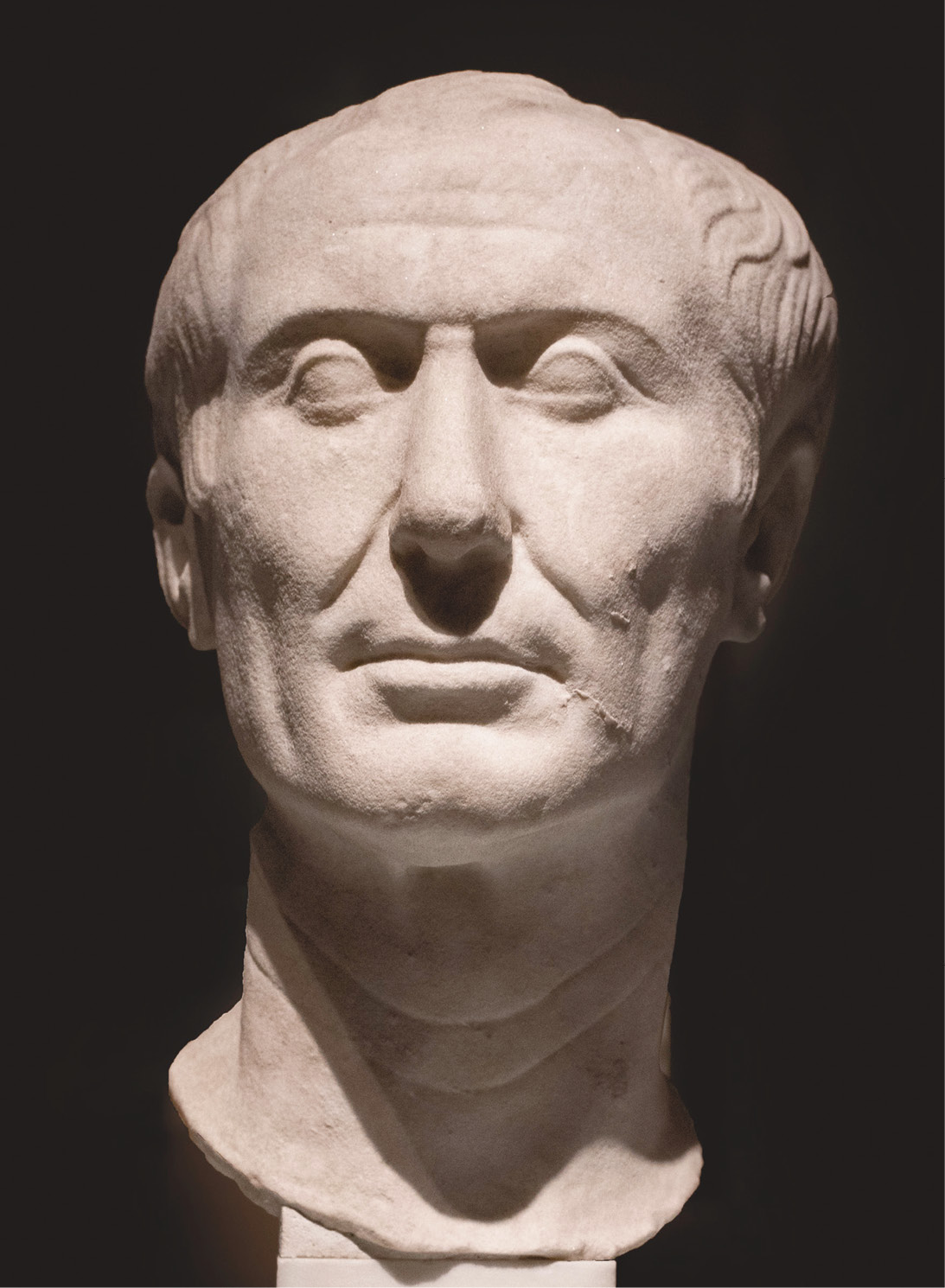
Caesar lingered in Egypt after helping Cleopatra establish herself as ruler of Egypt alongside her younger brother Ptolemy XIV. Shortly after Caesar departed in 47 BC, Cleopatra bore his son: Ptolemy Caesarion (‘Little Caesar’). Although Caesar already had a wife back in Rome, he appears to have acknowledged Caesarion as his son. Cleopatra and their child joined him in Rome, where they stayed in his riverside villa from 46 to 44 BC. In an unpopular move, Caesar erected a golden statue of her in the Temple of Venus Genetrix. When Caesar’s assassins struck on 15 March 44 BC, however, Cleopatra lost her protector. She returned to Egypt, and after the mysterious death of her brother Ptolemy XIV, became ruler alongside Caesarion as Ptolemy XV.
Cleopatra maintained the independence of her kingdom and her relationship with Rome, but these were challenging times. Caesar’s great-nephew, adopted son, and heir Octavian was a rising power, and would have considered Caesar’s natural-born son a threat.
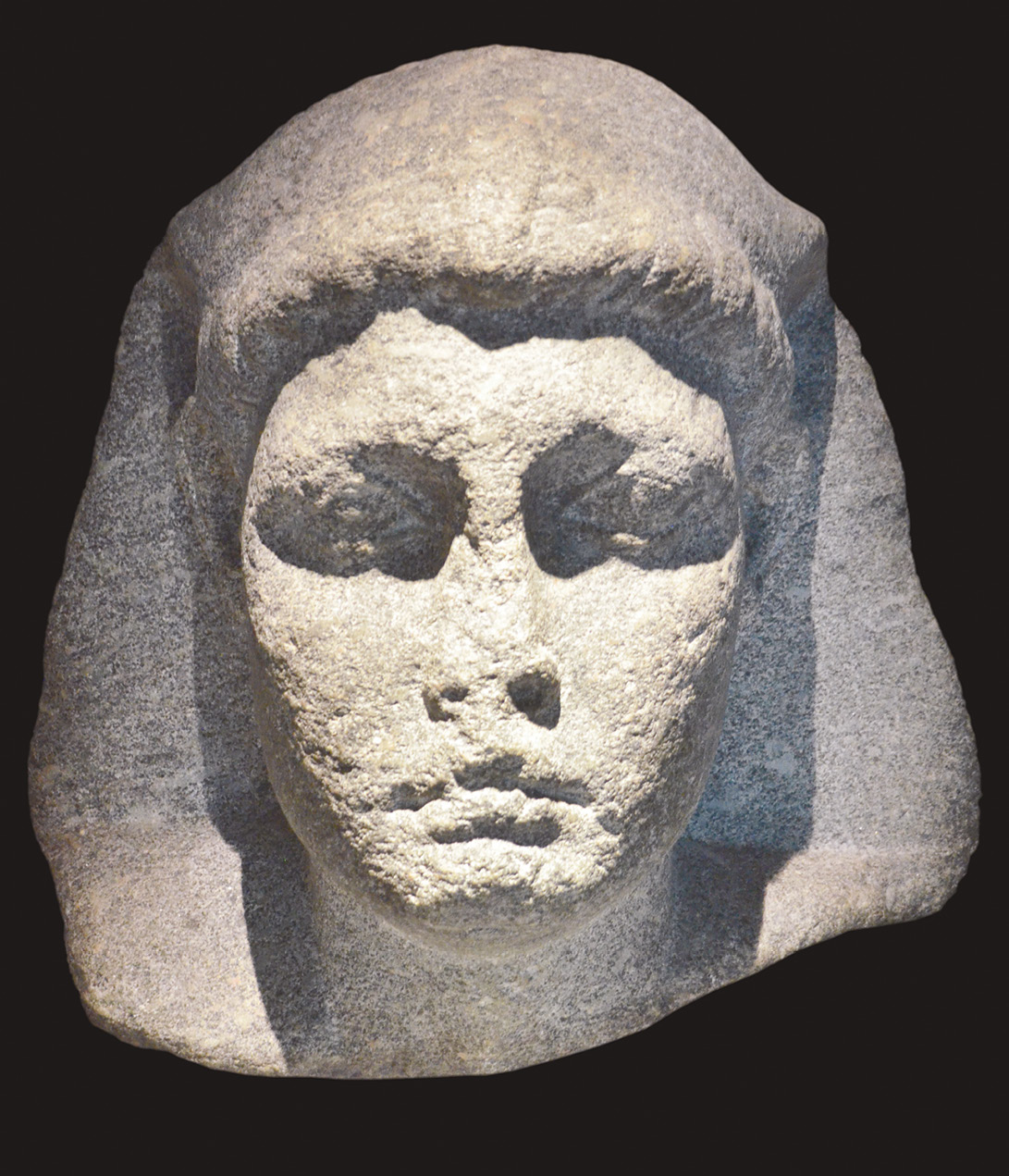
Mark Antony
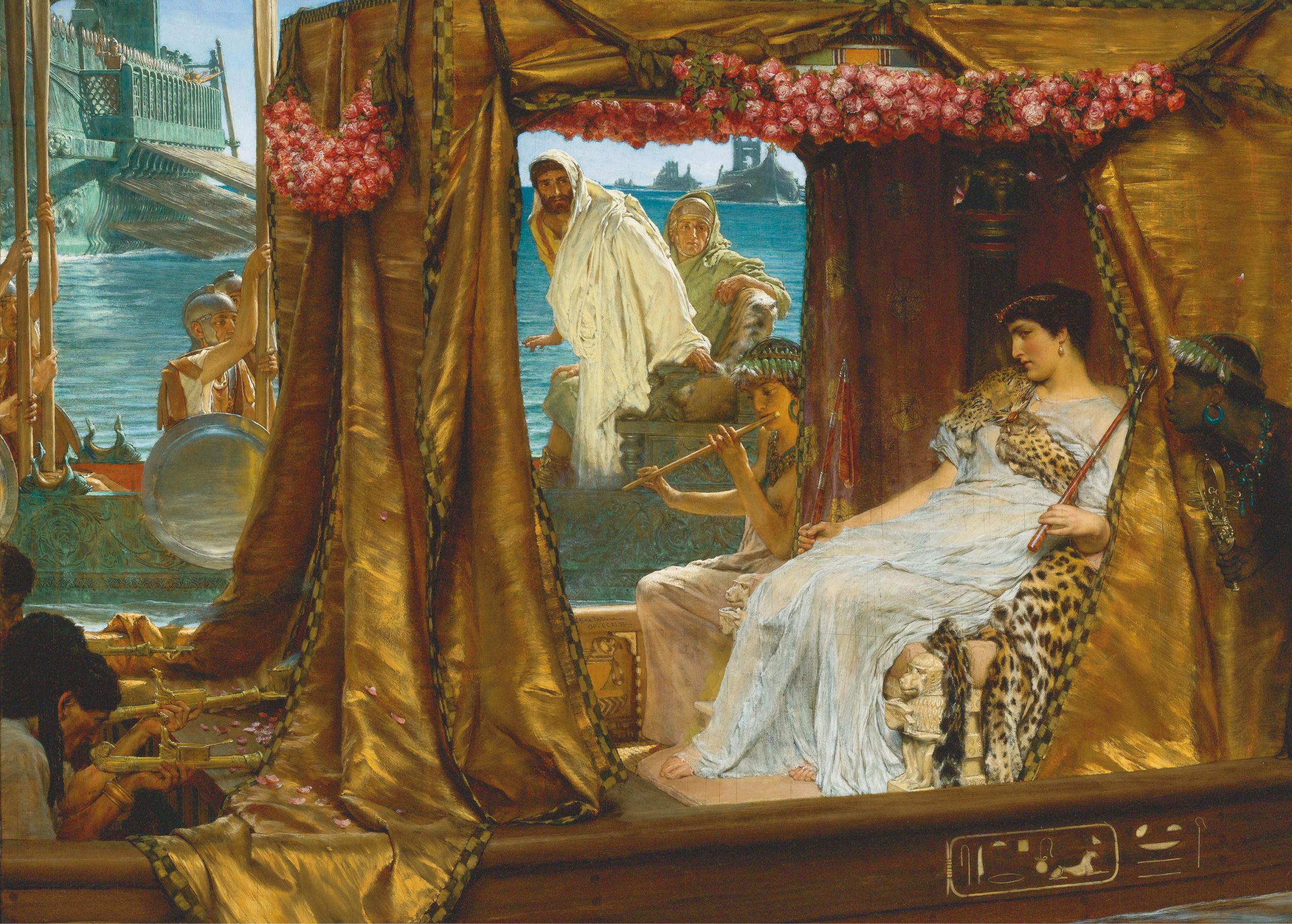
In November 43 BC, Octavian and Mark Antony formed a triumvirate with a third senator, Lepidus, giving themselves almost absolute power over Rome and its provinces. Keen to conquer the Parthians to the east, but in need of troops and funds, in the summer of 41 BC Mark Antony summoned Cleopatra to a meeting at Tarsus on the Mediterranean coast. She ensured her arrival would be spectacular, sailing in a luxury barge in the guise of Aphrodite/Isis to meet her ‘consort’ Dionysus/Osiris (Mark Antony). This meeting was immortalised by artists such as Lawrence Alma-Tadema, and by Shakespeare in Antony and Cleopatra. Antony accepted Cleopatra’s invitation to winter in Alexandria. Their relationship flourished, and they indulged in an extravagant lifestyle. Political events in Italy, however, caused Antony to return to Rome and to his wife Fulvia, but he left Cleopatra secure as the sole ruler of her kingdom.
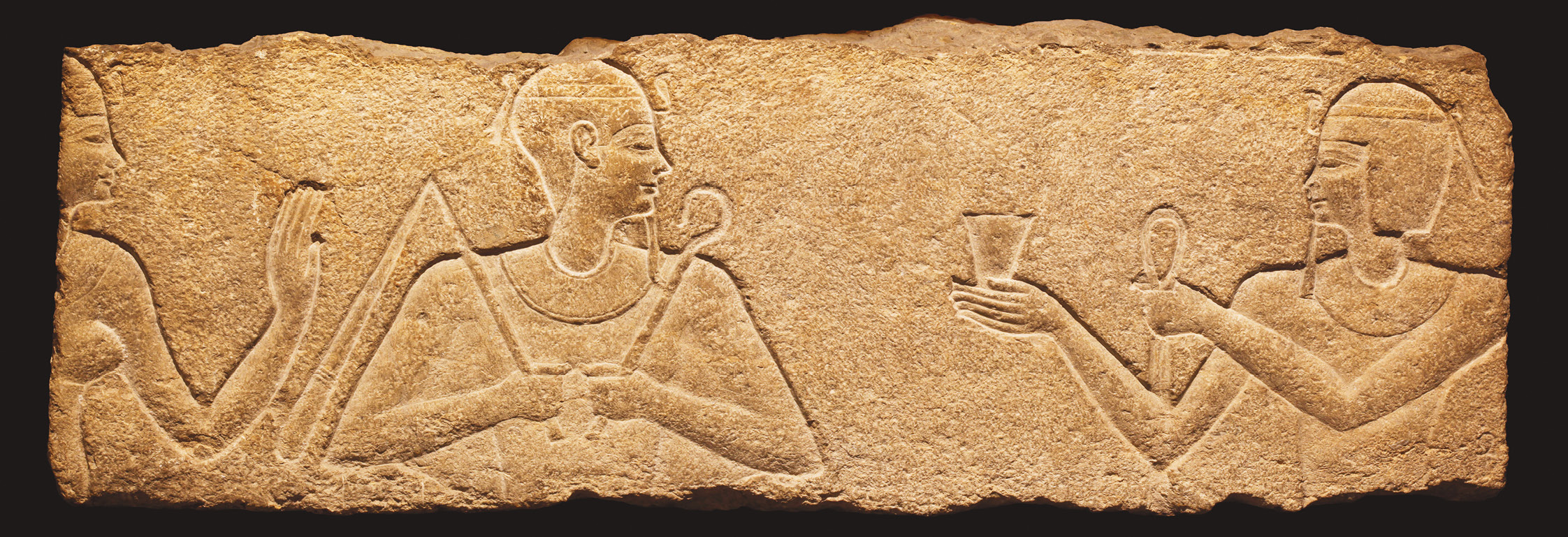
In September 40 BC, Octavian and Mark Antony met in Brundisium, and reconciled after a period of estrangement. Fulvia had died and, under the agreement they forged, Antony gained command of the eastern empire, as well as marrying Octavian’s older sister Octavia Minor. But earlier that year, Cleopatra had given birth to twins Alexander Helios and Cleopatra Selene II – the sun and the moon. Antony must have first encountered his new children in 37 BC, when he met Cleopatra in Antioch to discuss his campaign against the Parthians. Their relationship resumed, Cleopatra returned to Alexandria, and another son, Ptolemy Philadelphus, was born in 36 BC.
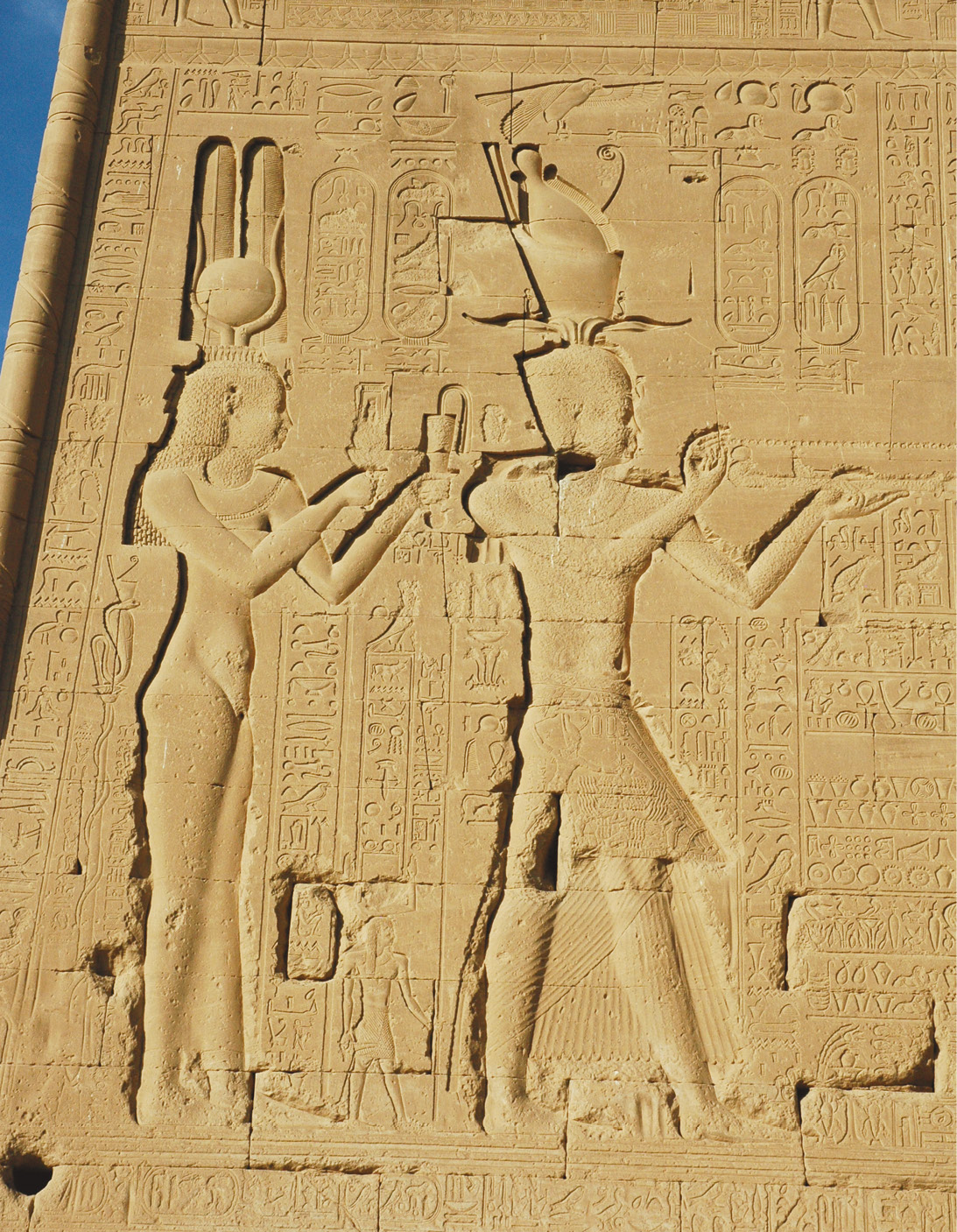
Antony abandoned his Parthian campaign in 34 BC and returned to Alexandria with his oldest son, Marcus Antonius Antyllus (‘the Archer’), who was about the same age as Caesarion, and was the half-brother of Cleopatra’s youngest three children. In a lavish public ceremony called the ‘Donations of Alexandria’ (reimagined by the modern Greek poet C P Cavafy in his poem ‘Alexandrian Kings’), Cleopatra was declared ‘Queen of Kings’ and ‘Queen of Egypt, Cyprus, Libya, and Syria’. Caesarion was proclaimed the legitimate heir of Julius Caesar and co-ruler of Egypt, ‘King of Kings’, and ‘King of Egypt’. Cleopatra’s other children received territorial grants. Alexander Helios was declared King of Armenia, Media, and Parthia; Ptolemy Philadelphus was granted Syria, Cilicia, and Asia Minor; Cleopatra Selene II became Queen of Cyrenaica and Crete.
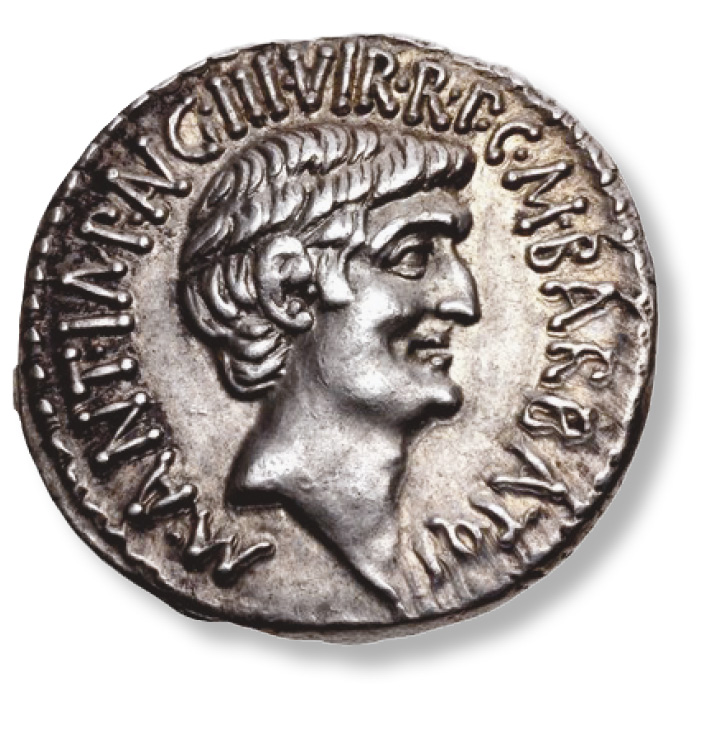
Above & below: A denarius commemorating the Second Triumvirate with the head of Mark Antony on one side, and that of Octavian on the other. Images: Byzantium565, CC BY 4.0 via Wikicommons

The end of a dynasty
Antony’s prolonged sojourn in Alexandria, and the handing over of Roman territory to Cleopatra and her children, were deeply unpopular in Rome, and soured his relations with Octavian further. Octavia divorced Antony, and in 31 BC Octavian declared war on Cleopatra for ‘behaviour inappropriate for a Roman ally’ – thereby avoiding a declaration of war against another Roman.
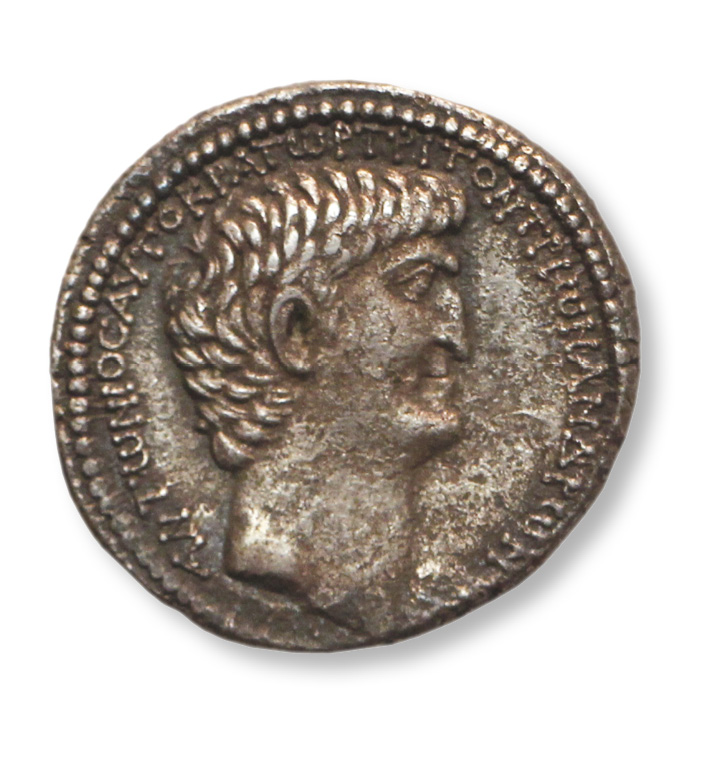
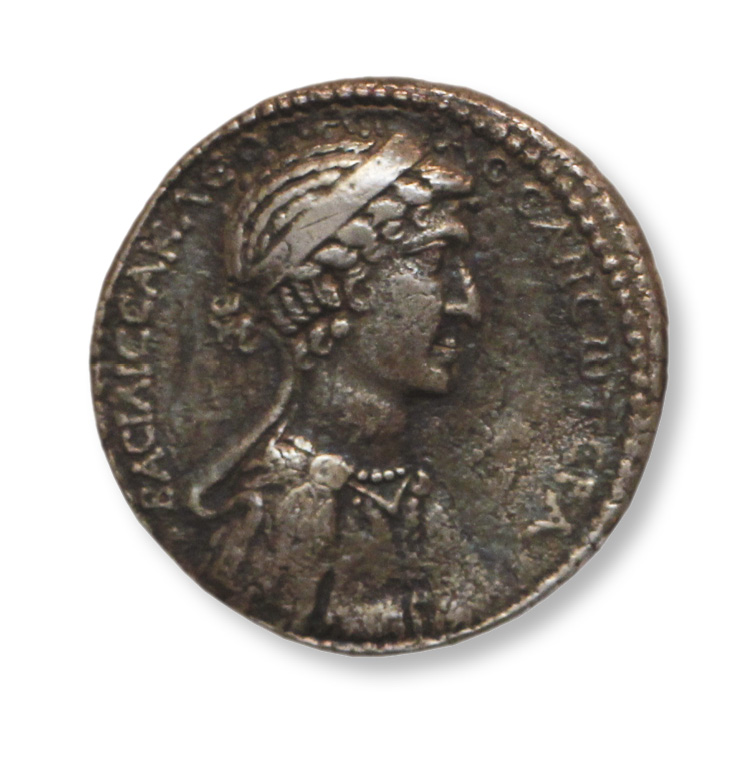
Above & below: A tetradrachm depicting on one side the head of Cleopatra VII, and that of Mark Antony on the reverse. Images: Sailko, CC BY 3.0 via Wikicommons
On 2 September 31 BC, the naval forces of Antony and Cleopatra were defeated by Octavian’s fleet at Actium, off north-west Greece, and Antony and Cleopatra retreated to Alexandria. While Antony lapsed into depression, Cleopatra tried to protect her children’s legacy. She sent messages to Octavian, offering to abdicate in favour of Caesarion, and may have considered trying to escape to India. It was all to no avail. In the summer of 30 BC, Octavian arrived in Egypt, and Antony’s troops deserted him. Antony committed suicide, and Cleopatra followed suit, realising that her position was untenable, and that, as Octavian’s prisoner, she would be displayed in his military triumph in Rome.
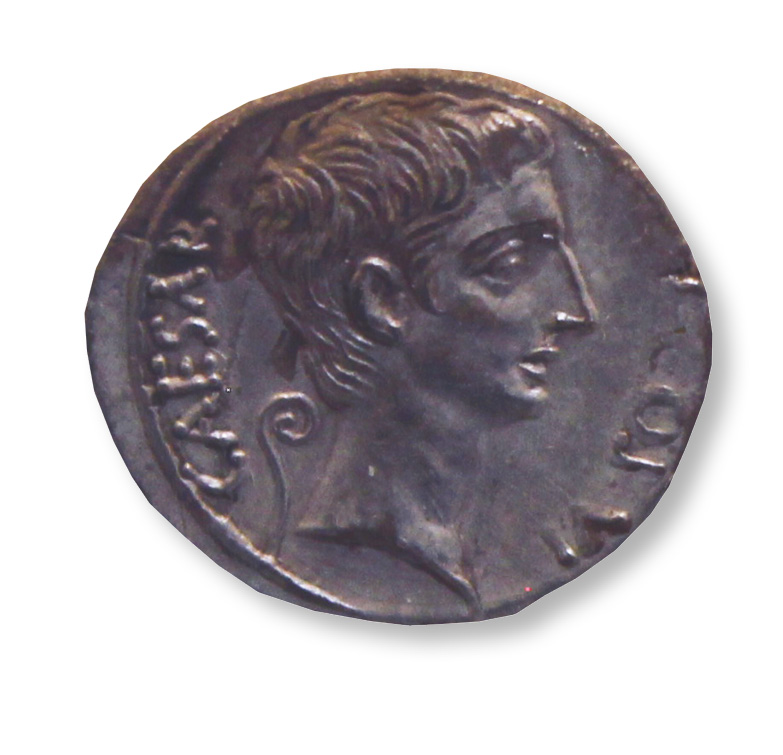
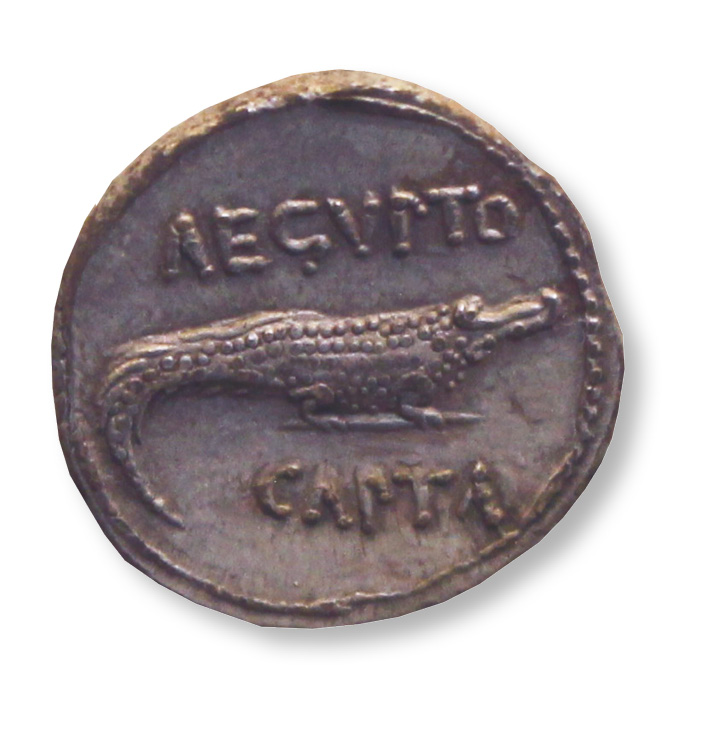
Above & below: Silver denarii issued by Octavian to celebrate his victory over Egypt. Images: Sarah Griffiths
Aftermath
The fates of Caesarion and Antyllus were determined swiftly. Caesarion, then about 17, was persuaded by his tutor to negotiate with Octavian, but, as the natural son of Caesar, he was too great a threat. Octavian had him executed at the end of August, with Antyllus, who was betrayed by his tutor, beheaded on the same day.
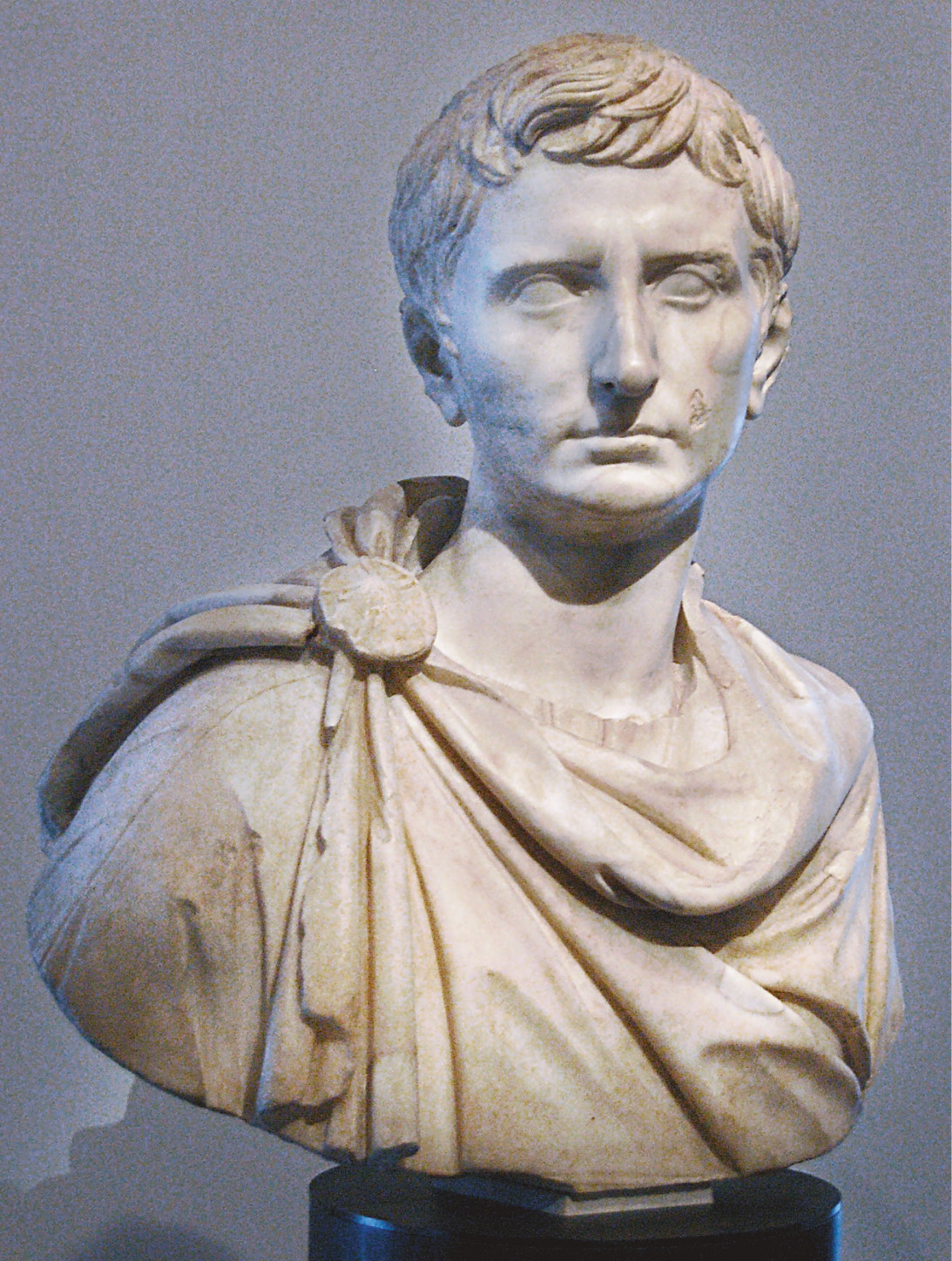
Octavian was now the supreme ruler of the Roman world. For now, the younger children – Cleopatra Selene II, Alexander Helios (then aged 10), and the 6-year-old Ptolemy Philadelphus – were spared and taken to Rome to be raised by his sister, Mark Antony’s former wife Octavia. Perhaps their age and possible future usefulness saved them. It is particularly sobering to consider what distress they suffered from the dramatic death of their parents, the murder of their two half-brothers, and the loss of their luxurious home.
The children arrived in Rome in the summer of 29 BC. Alexander Helios and Cleopatra Selene were displayed in Octavian’s military triumph celebrating his victory over Egypt, along with the other spoils of Egypt, and an effigy of Cleopatra. Their younger brother, Ptolemy Philadelphus, did not participate, perhaps due to his age. However, he may already have died, as he is not mentioned again. Alexander Helios, too, disappears from the historical record. At a time of high infant mortality, their deaths would not be unusual. Cleopatra Selene was then the sole survivor of Cleopatra’s children.
The last Cleopatra
Octavia’s house on the Palatine Hill must have been a busy one. Cleopatra Selene joined her half-siblings – Iullus Antonius (Antony’s other son by Fulvia), Antony’s daughters with Octavia (Antonia Major and Antonia Minor), and Octavia’s children from her first marriage (two daughters called Marcella and her son Marcellus). In Rome, Cleopatra Selene would have had many reminders of the defeat of her parents. Her mother’s statue remained in the Temple of Venus Genetrix, and the spoils of Octavian’s Egyptian triumph were displayed in public places. Egyptian motifs became popular in Roman decoration. Her education undoubtedly continued, and – as the daughter of a queen, as someone who had been declared a queen herself, and with a father who was from a venerated Roman family – her lineage must have been recognised.
There were several other youngsters in Octavia’s household. One was Gaius Julius Juba, the son of King Juba I of Numidia, whom Caesar had defeated. The young Juba II, thought to have been born around 48 BC, was taken to Rome by Caesar. After Caesar’s death, custody passed to Octavian. As a youngster, Juba participated in some of Octavian’s military campaigns, and became a noted scholar and author. Cleopatra Selene and Juba had much in common: both were orphans of North African heritage, raised in Rome, and well educated. In 25 BC, they were married (Cleopatra Selene was 15, and Juba 23 at the time) and the poet Crinagoras of Mytilene celebrated their marriage in an epigram.

A new beginning
By this time, Rome controlled all of North Africa. Octavian, now ‘Augustus’, created the new kingdom of Mauretania from two former kingdoms. Augustus must have had a high regard for Cleopatra Selene and Juba, for he then appointed them rulers of this new client kingdom – a role for which they would have been perfectly suited.

Mauretania supplied Rome with many valuable products: grain, fish, timber, and purple dye among them. It had two capital cities: Volubilis, now lying in Morocco; and Iol (now Cherchell), on the coast in present-day Algeria. The latter became Cleopatra Selene and Juba’s main capital, and was renamed Iol Caesarea in honour of Augustus. Under their leadership, Caesarea became a cultural and multicultural centre. Embellished with a royal palace, a forum, a theatre, temples, works of art, and a lighthouse, it may well have been modelled on Alexandria under Cleopatra Selene’s guidance. Juba continued his intellectual pursuits and worked to secure the kingdom’s borders. Volubilis also prospered. Today, it is a busy archaeological site, drawing many visitors to see the Roman remains.
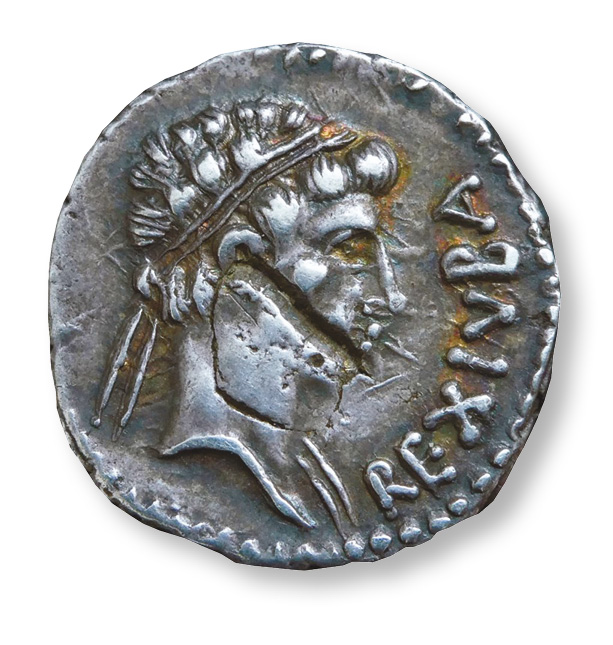
Above & below: A denarius featuring the heads of Juba II and Cleopatra Selene II. Image: Classical Numismatic Group, LLC, cngcoins.com
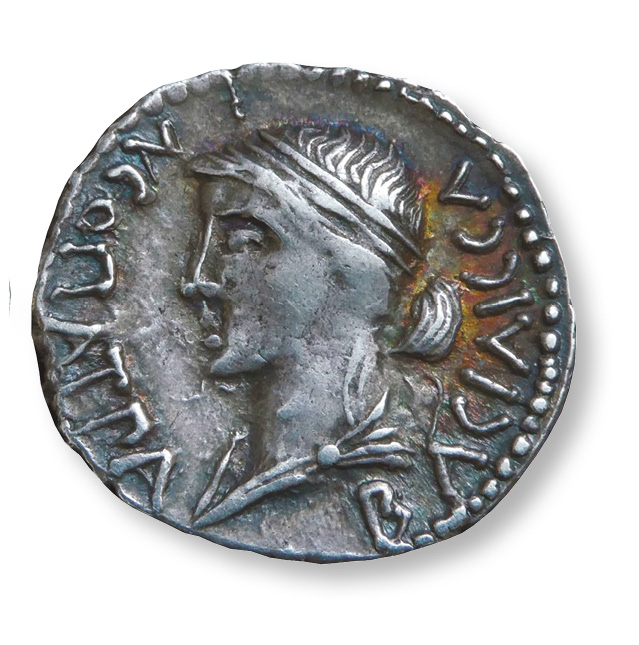
Juba and Cleopatra Selene are both shown on coins they issued, and appear to have been equal partners. Cleopatra Selene is styled ‘Queen Cleopatra’, and Egyptian imagery is often used: clearly, she had not forgotten her heritage. Her close family ties in Rome and her political position make it likely that she visited Rome periodically. The couple’s son, named Ptolemy after his mother’s maternal forebears, was probably born between 13 and 9 BC. It is also possible that the pair had daughters, including perhaps one called Drusilla.
Cleopatra Selene ruled with her husband for about two decades. The date of her death is believed to have been around 5 BC, the year of a lunar eclipse, making her 35 at the time. Crinagoras wrote a poem in her honour again, this time lamenting her death and alluding to the eclipse:
The moon herself, rising at an early eve, dimmed her light, veiling her mourning in night, she saw her namesake, pretty Selene, going down dead to murky Hades. On her she had bestowed the beauty of her light, and with her death she mingled in her own darkness.
In 1 BC, Juba remarried, taking as his consort Glaphyra, the daughter of the King Archelaus of Cappadocia. However the marriage ended a year later when she divorced him to marry a son of Herod the Great.
Cleopatra VII’s descendants
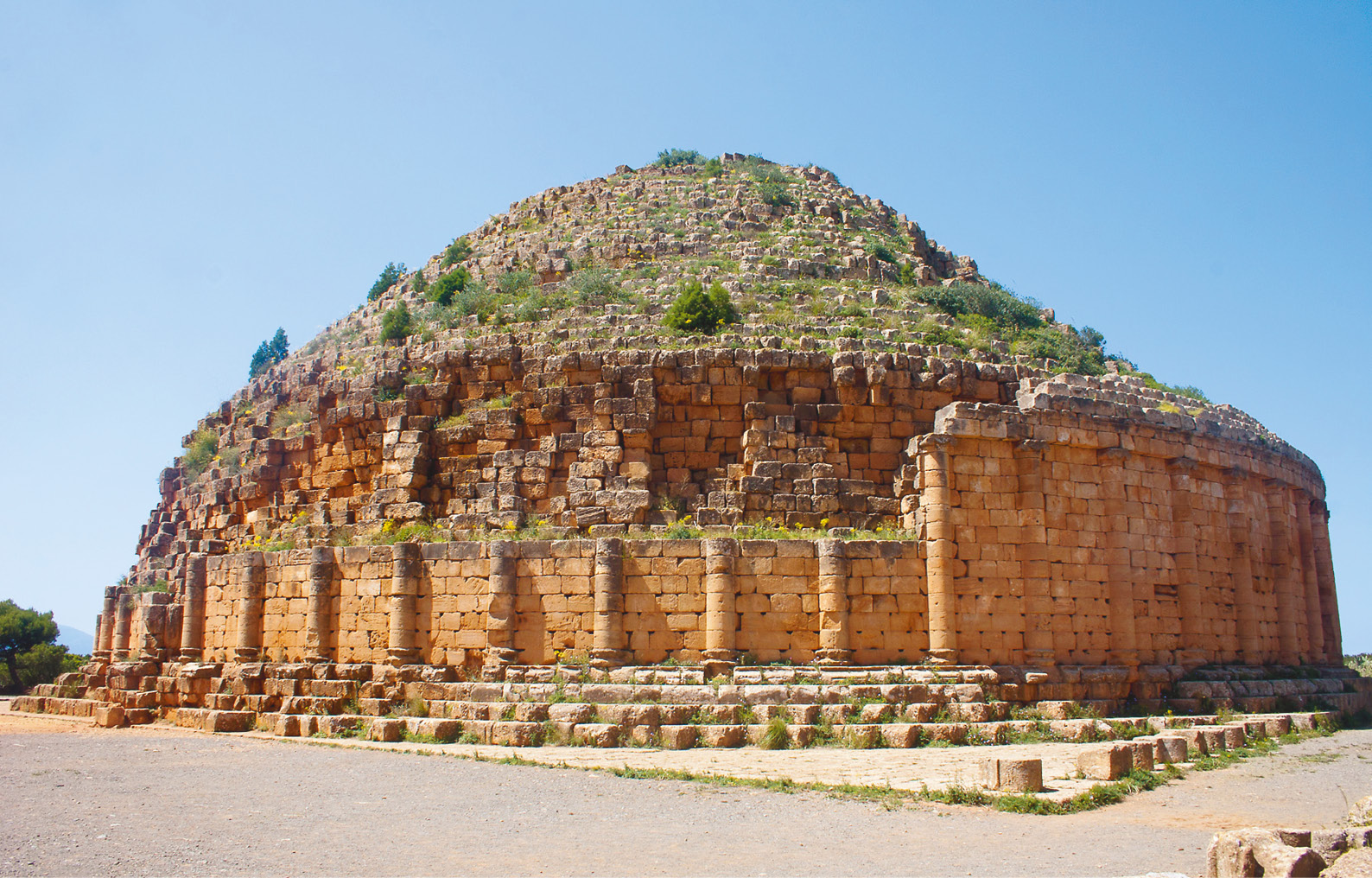
After Cleopatra Selene’s death, Ptolemy ruled alongside his father, then alone after Juba’s death in AD 23. Cleopatra Selene and Juba were buried in the royal mausoleum in Libya, which closely resembles the mausoleum of Augustus in Rome.
Ptolemy attracted scant attention, possibly because he remained faithful to Rome. Little is known about his family, although it has been suggested he married a lady called Julia Urania, and that possibly the Drusilla believed to be his sister may have been his daughter.

Ptolemy appears to have been a capable ruler and was known for his good looks, which may have contributed to his undoing. Around AD 40, he was called to Rome by Caligula, who as a great-grandson of Mark Antony was a close relative. There, Caligula had Ptolemy murdered, perhaps fearing he was a rival. After Caligula was assassinated in AD 41, Claudius dissolved the Kingdom of Mauretania in AD 44 and annexed it for Rome.
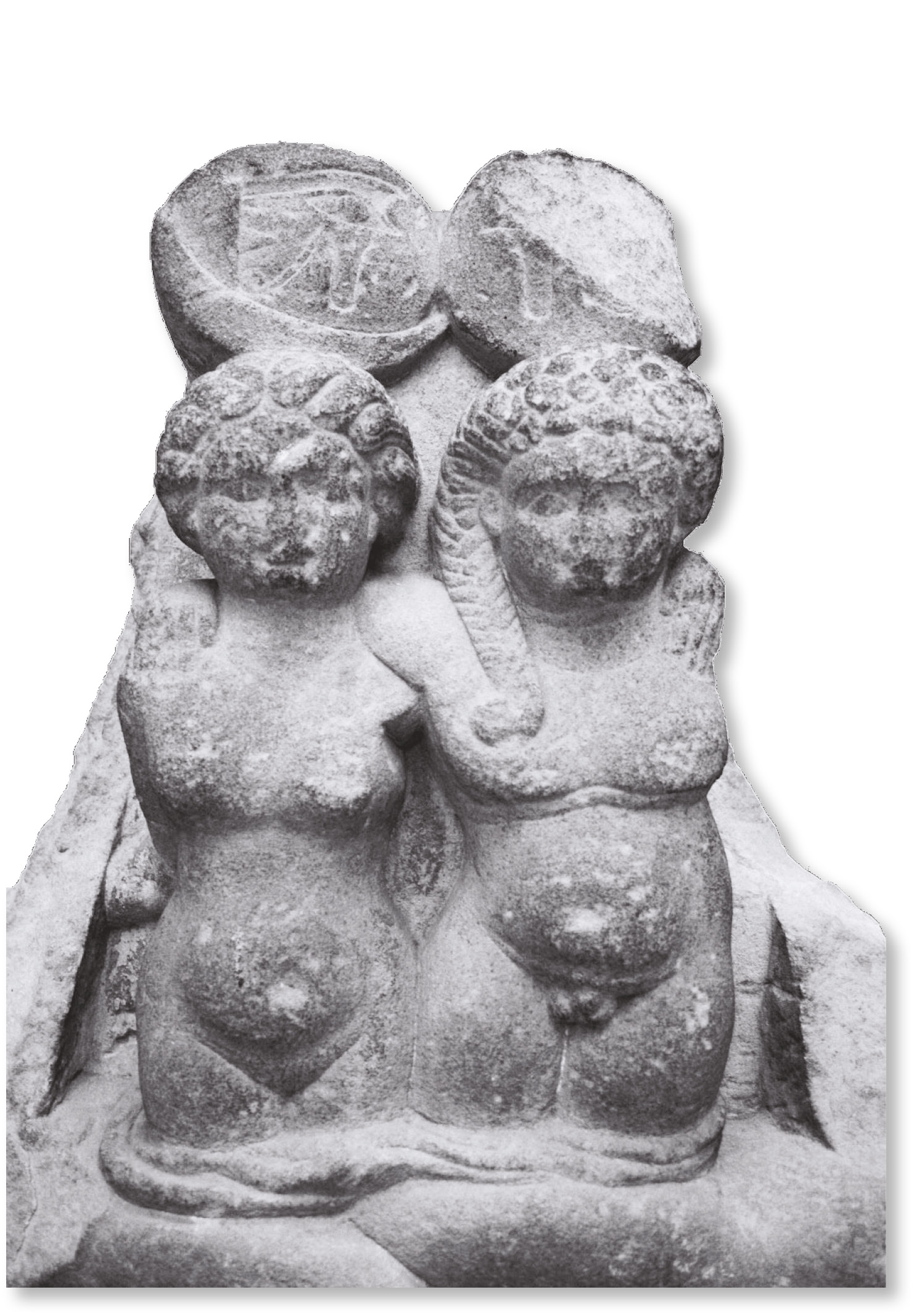
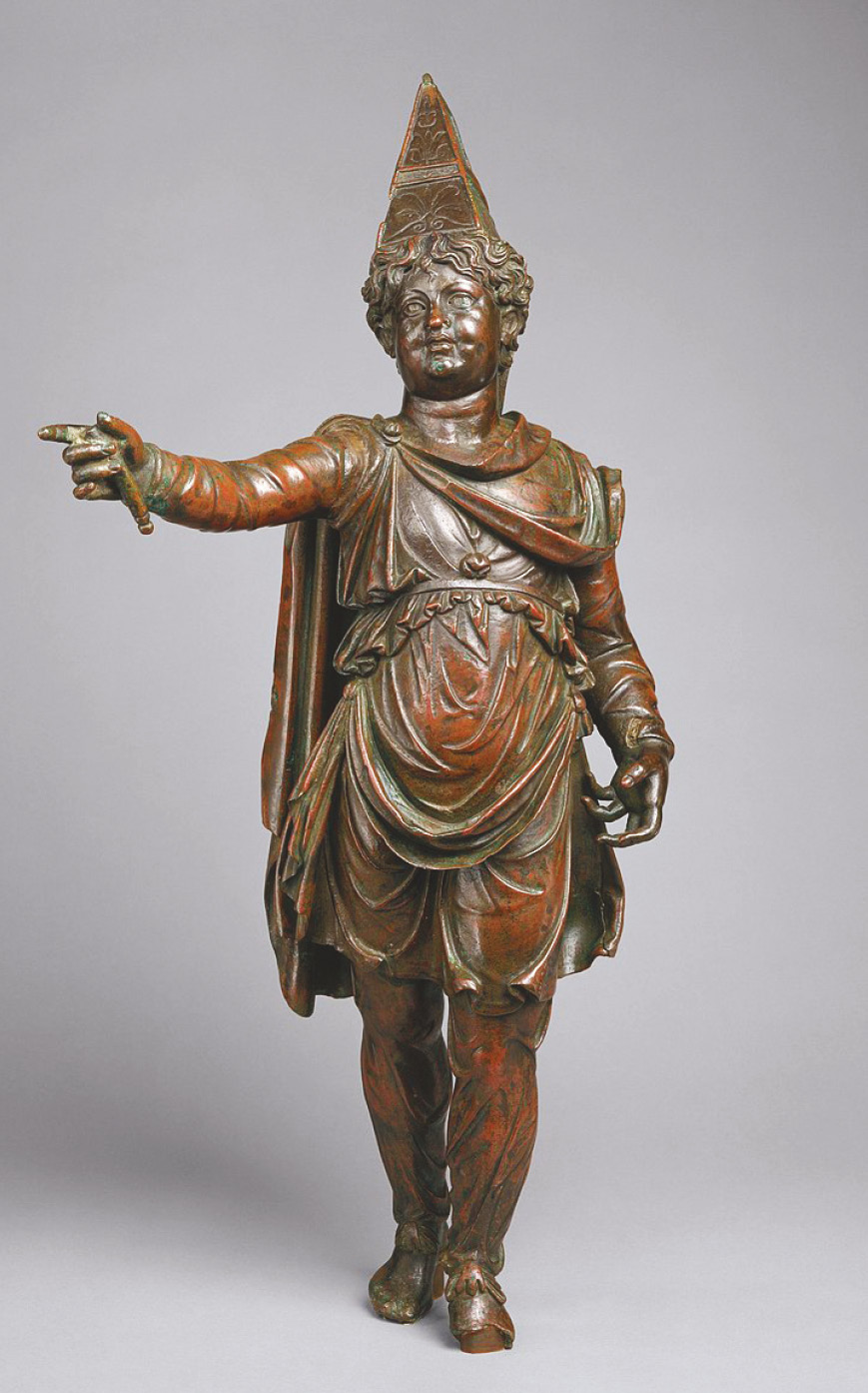
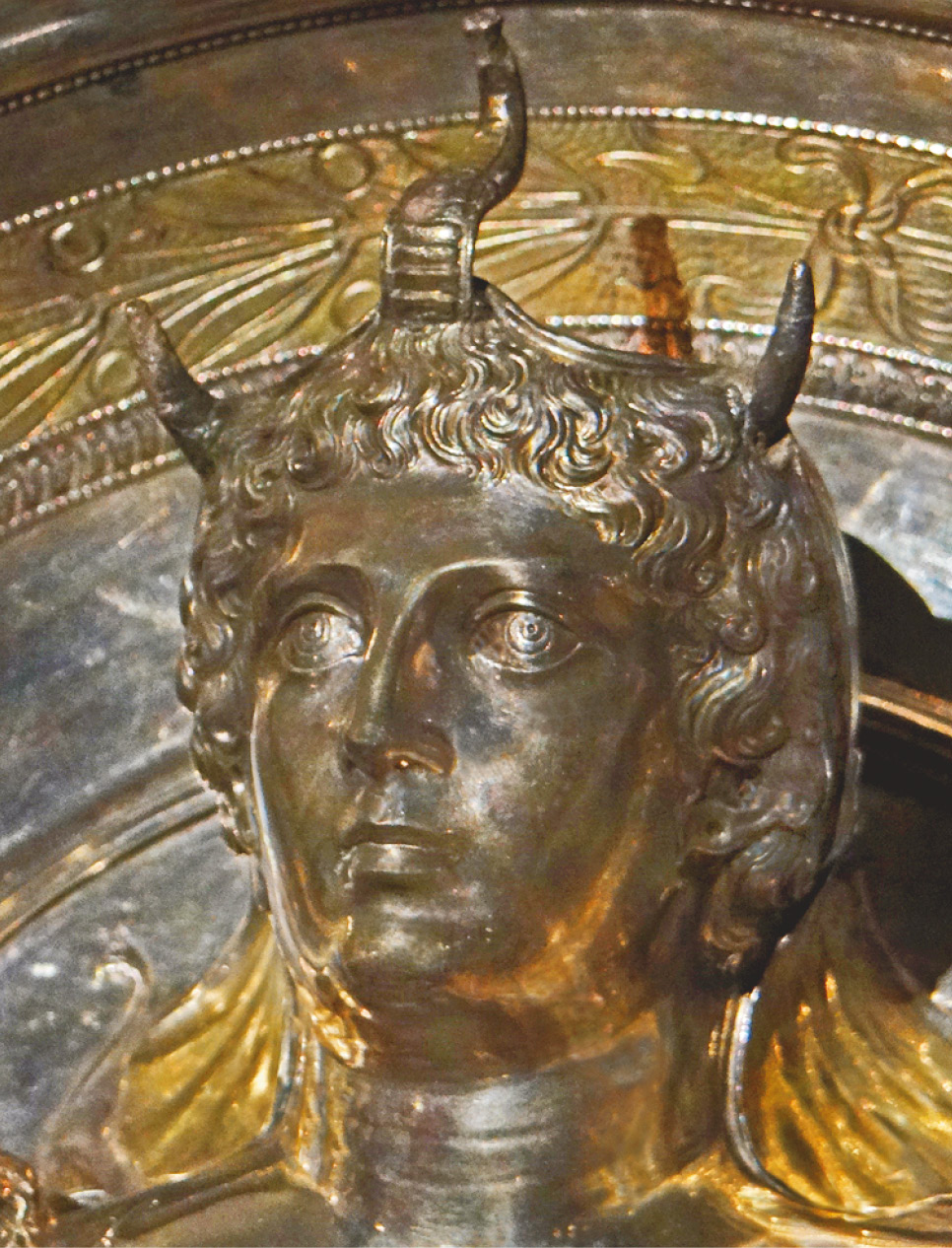
Despite her fame, Cleopatra’s children and grandchildren were largely overlooked in antiquity, and their lives remain intriguing but elusive. A sandstone statue found in the Temple of Hathor at Dendera that depicts two naked children may depict the royal twins, and a bronze statue of a child in elaborate costume may represent Ptolemy Helios. Images of Cleopatra Selene, Juba, and Ptolemy feature on coins. Busts and statues of Juba and Ptolemy of Mauretania survive, and Cleopatra Selene is believed to be represented in a marble bust. Some branches of Cleopatra Selene and Juba’s family may have continued. Zenobia, the 3rd-century queen of Palmyra, claimed to be related to Cleopatra. It is certainly tantalising to contemplate that the descendants of Cleopatra and Antony survived for some time, and may even be alive today.
Diana Bentley holds degrees in law and commerce, and has written articles for newspapers, magazines, and websites on subjects including law, travel, and history (particularly ancient Greek and Roman culture). She is also the author of The Seven Wonders of the Ancient World, published by the British Museum Press.
Further reading:
• J Draycott (2023) Cleopatra’s Daughter: Egyptian princess, Roman prisoner, African queen (London: Bloomsbury).
• D W Roller (2018) Cleopatra’s Daughter and Other Royal Women of the Augustan Era (Women in Antiquity series; Oxford: Oxford University Press).
• D W Roller (2003) The World of Juba II and Kleopatra Selene: royal scholarship on Rome’s African frontier (London: Routledge).
• S Walker and P Higgs (2001) Cleopatra of Egypt: from history to myth (London: British Museum Press).