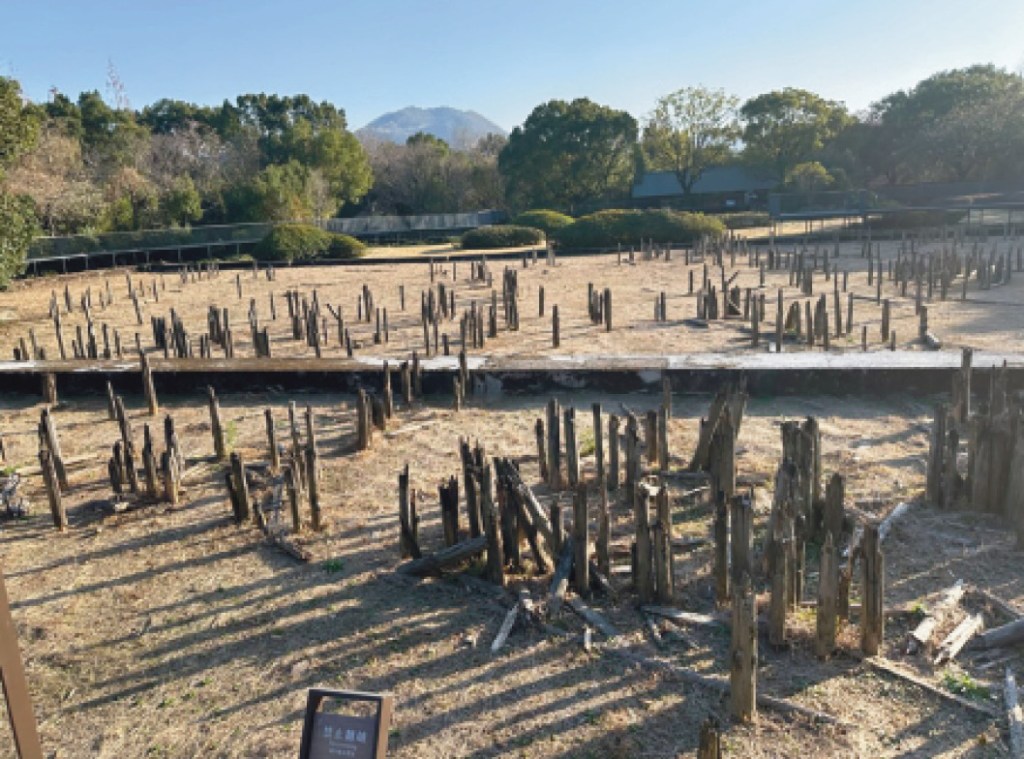
Archaeology as immersive historical simulation

When I began studying archaeology nearly 70 years ago, my professor illustrated his lectures with the aid of glass slides projected through an antediluvian machine known as an epidiascope

When I began studying archaeology nearly 70 years ago, my professor illustrated his lectures with the aid of glass slides projected through an antediluvian machine known as an epidiascope


Students of military history find much to fascinate in the subject: strategy, tactics, weapons, uniforms, battles, and the lives of the great generals. Exactly how wars come about and the ethics of combat may seem secondary issues, yet they are woven into the history
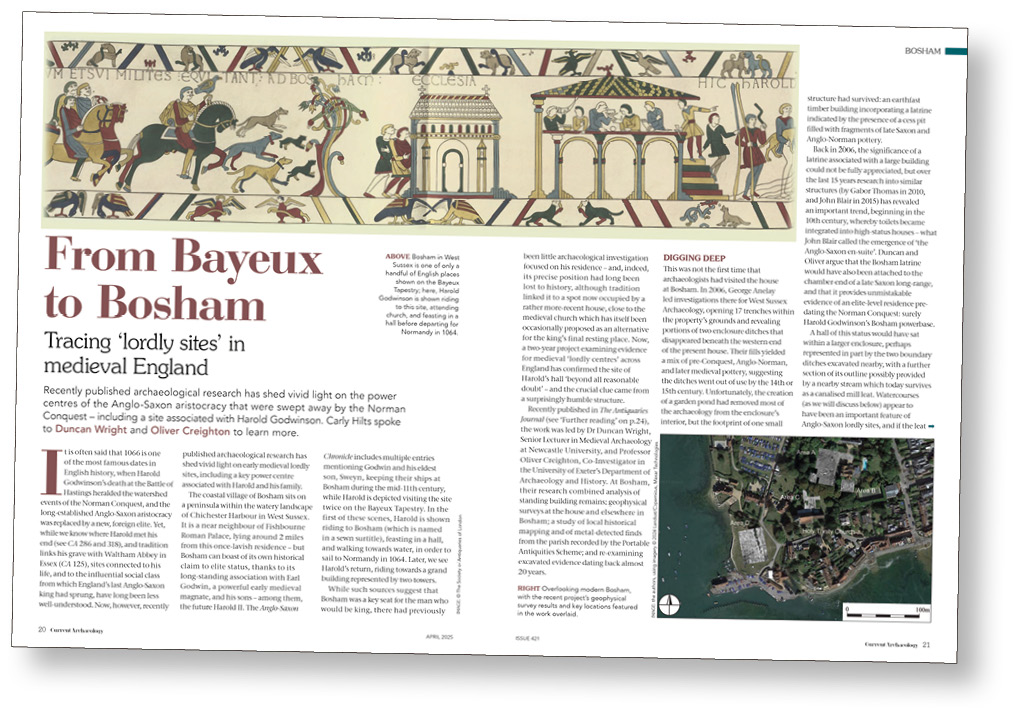

The news that the Bayeux Tapestry will be making a once-in-a-lifetime visit to Britain from September 2026 until July 2027 made me think about sites associated with the Norman Conquest that might be of interest to the readers of Current Archaeology
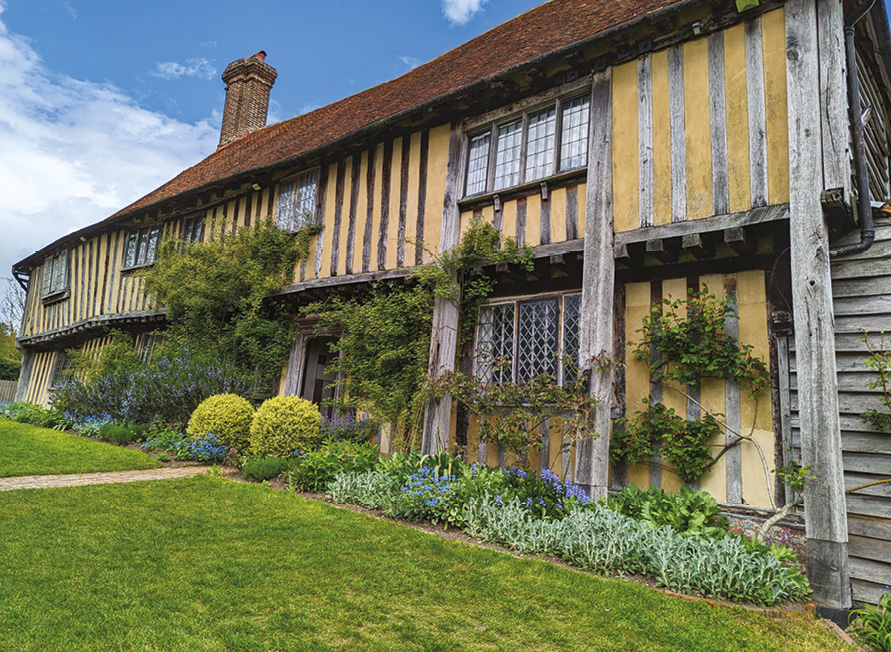

It is said that reading is to the mind what exercise is to the body, so as well as trying (but not always succeeding) to keep the body trim by going for a short run every day, Sherds also (more successfully) sets aside time to spend with a book in the evening.

Under the rather ponderous headline ‘Revealing Misunderstandings about Stewardship of Our Ancient Churches’, Historic England has just published the results of its survey into public awareness of the crisis facing the nation’s places of worship. The results show that people are blithely unaware that many are at risk of closure and sale.
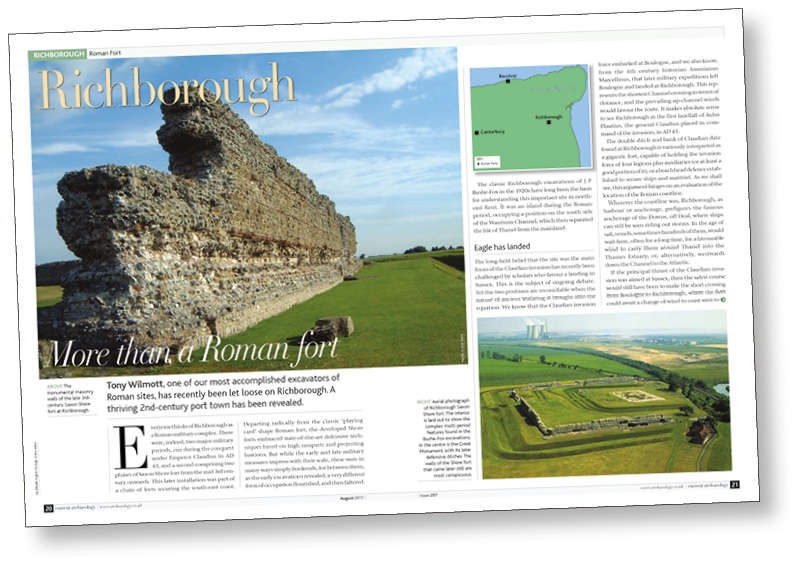
Following on from last month’s column, here I continue my survey of the Saxon Shore forts of south-east England: a series of fortifications on both sides of the English Channel thatwere established in the late 3rd century AD to defend Britain against the incursions of Saxon raiders
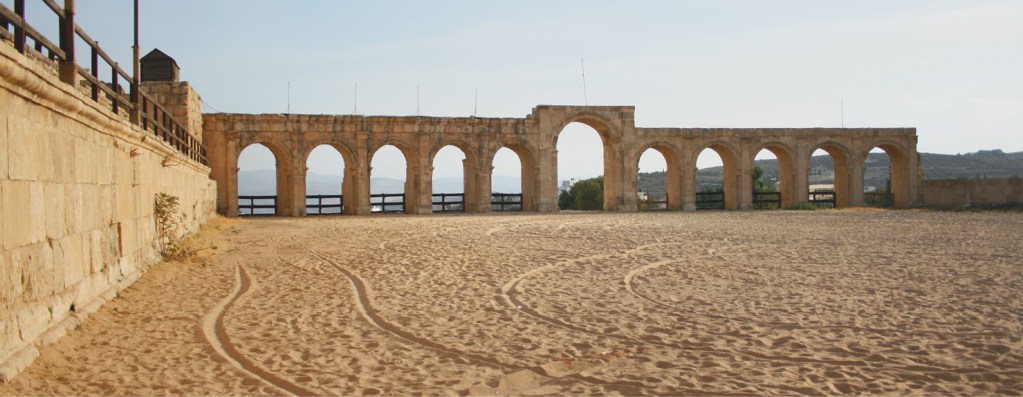
The discovery of a mass grave in the Jordanian city of Jerash (ancient Gerasa) has provided evidence of the impact on the population of the Justinian Plague. A newly published study of the burial site has revealed that at least 230 individuals were hastily buried on top of each other, rather than in individual graves, within the city’s abandoned hippodrome
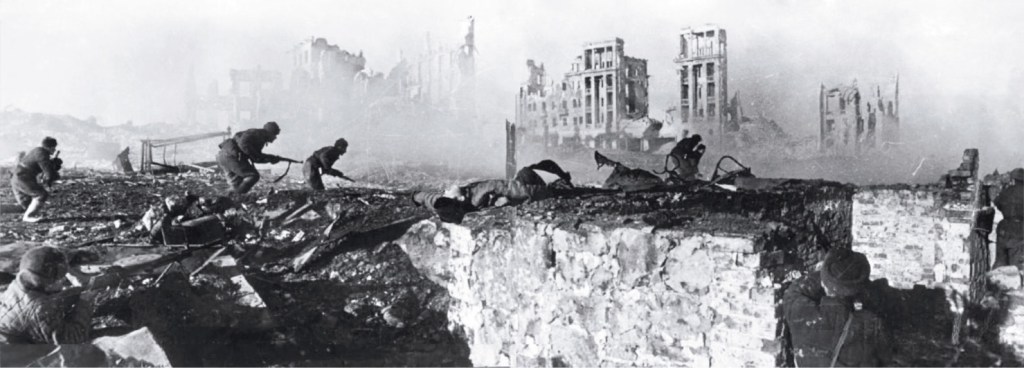

The narrative about the rise and fall of civilisations and their infrastructures is still omnipresent in scholarship about past cities. It is a story that sells well.

The 6th Shanghai Archaeological Forum has just drawn to a close, and it is time to reflect on its many highlights. This year, the field trip was scheduled on the first day, and we were given the choice of visiting freshly uncovered shipwrecks and the new Shanghai Museum, or to take the bus south to visit two key sites: Jingtoushan and Hemudu.
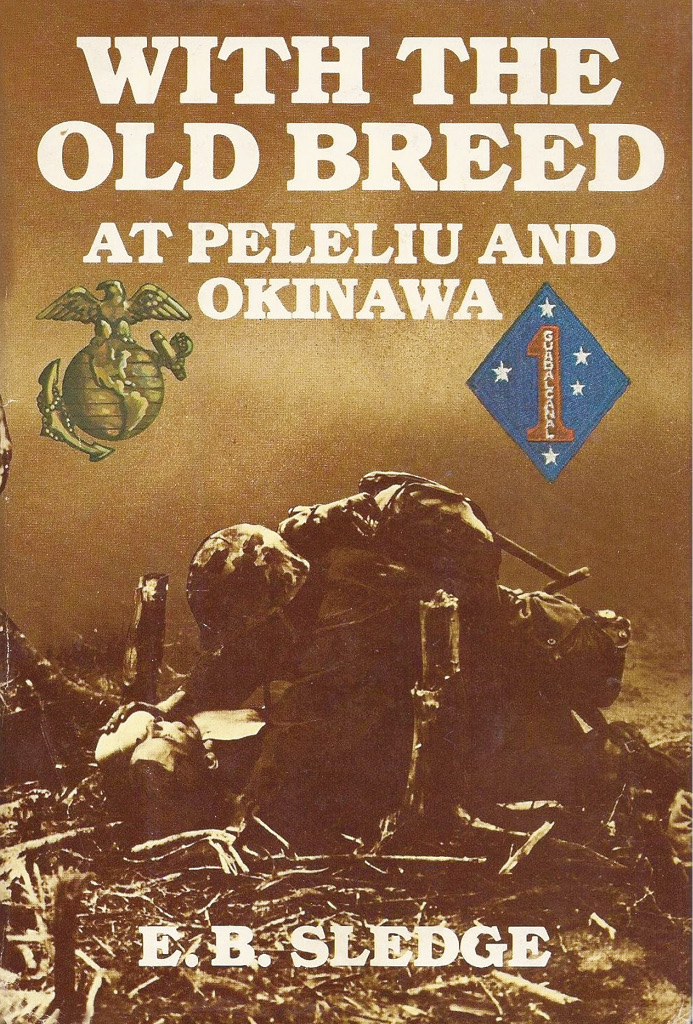
With the Old Breed is a harrowing, visceral account of a US Marine’s combat experience fighting the Japanese in Peleliu and Okinawa in 1945. Together with Robert Leckie’s Helmet for My Pillow, it provided the material for HBO’s acclaimed 2010 television series The Pacific. Excellent though the latter was, the book offers much more.
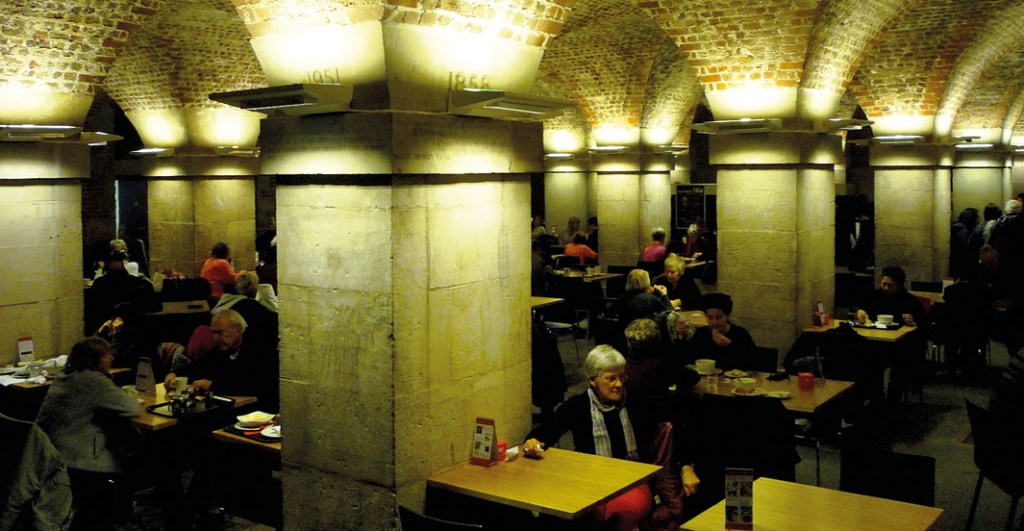
Organisations in the heritage sector welcomed January’s news that the Department for Culture, Media, and Sport was going to invest £1.5 billion in capital funding for the arts, cultural, and heritage sectors in England (the other three home nations have yet to say whether they will be making similar investments)

The Saxon Shore (litus Saxonicum) was a military command consisting of fortifications built on both sides of the English Channel, which were established in the late 3rd century AD to defend Britain against the incursion of Saxon raiders. Its nine English forts are mentioned in the Notitia Dignitatum, a document that details the administrative organisation of the late Roman Empire.
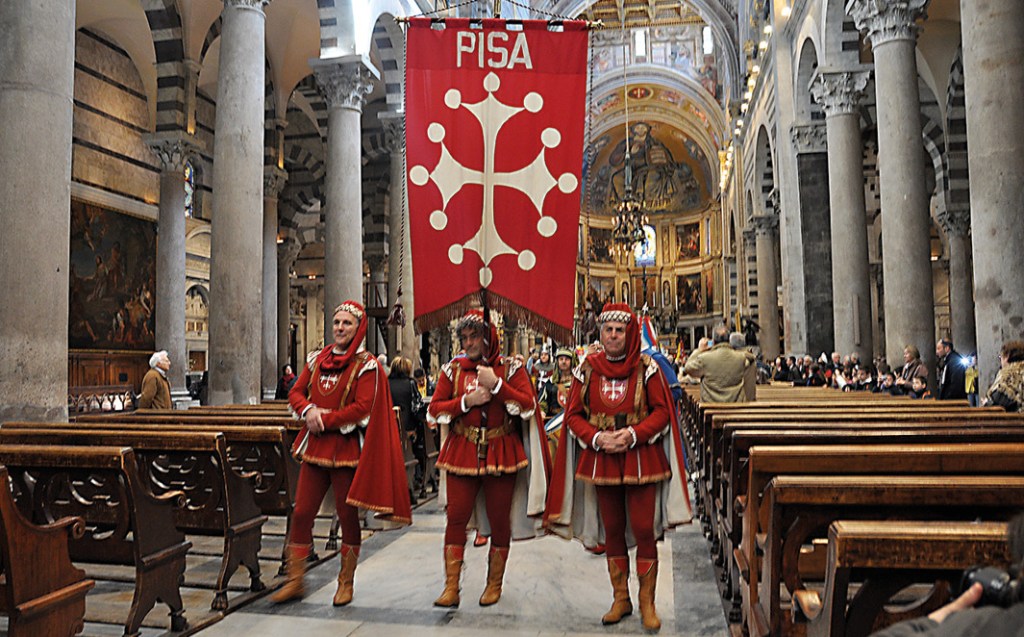
Diarmaid MacCulloch, the eminently readable author of numerous books on ecclesiastical history, gave his bestselling work on the history of Christianity the provocative subtitle ‘The first three thousand years’, making the point that there is much in Christian ritual and iconography that is drawn from pre-Christian practice.
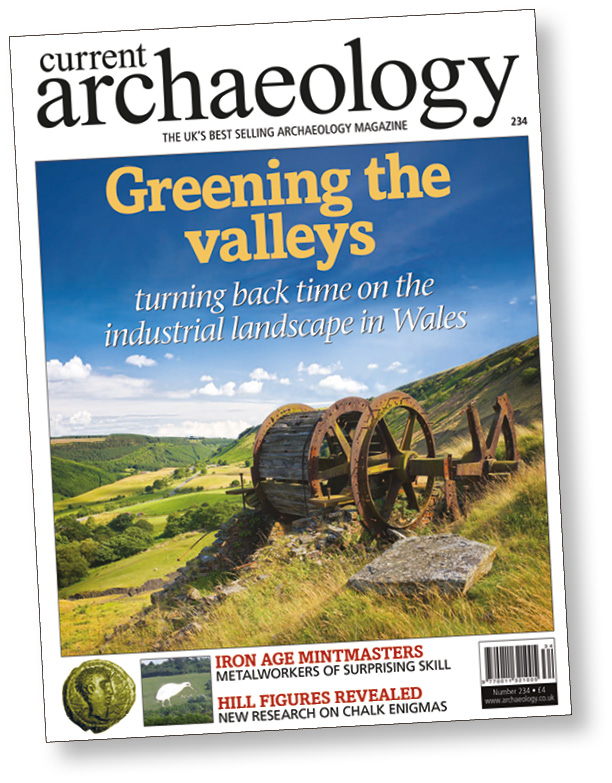
Last month’s column explored prehistoric mines, and this month I will follow up on the topic by visiting medieval and modern examples that have been examined in past issues of CA. The range is wide: from Welsh slate to English coal, and from salt in the Midlands to tin in the south-west.
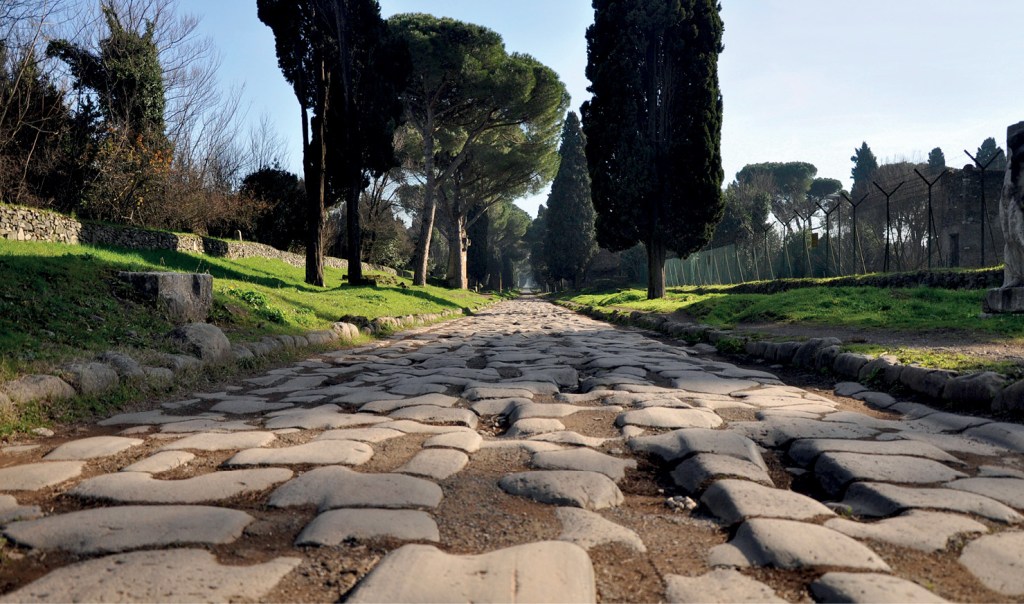
A comprehensive road system underpinned the exceptional degree of mobility and trade that characterised the Roman Empire, and much of the modern road system in Europe and the Mediterranean region is built on top of Roman constructions. Roman roads are also among the earliest relics of antiquity to be studied and mapped.

At the time of writing, I am anticipating a memorable occasion in December: the 6th Shanghai Archaeology Forum. These meetings begin with the announcement of the winning nominees in two categories: field discovery and research achievement.

A little urbanism can be a dangerous thing. Sometimes all it takes is a patch. In the modern world, for all its cities, there are still many places where one does not need to travel far to meet landscapes of villages, fields, and farm animals.
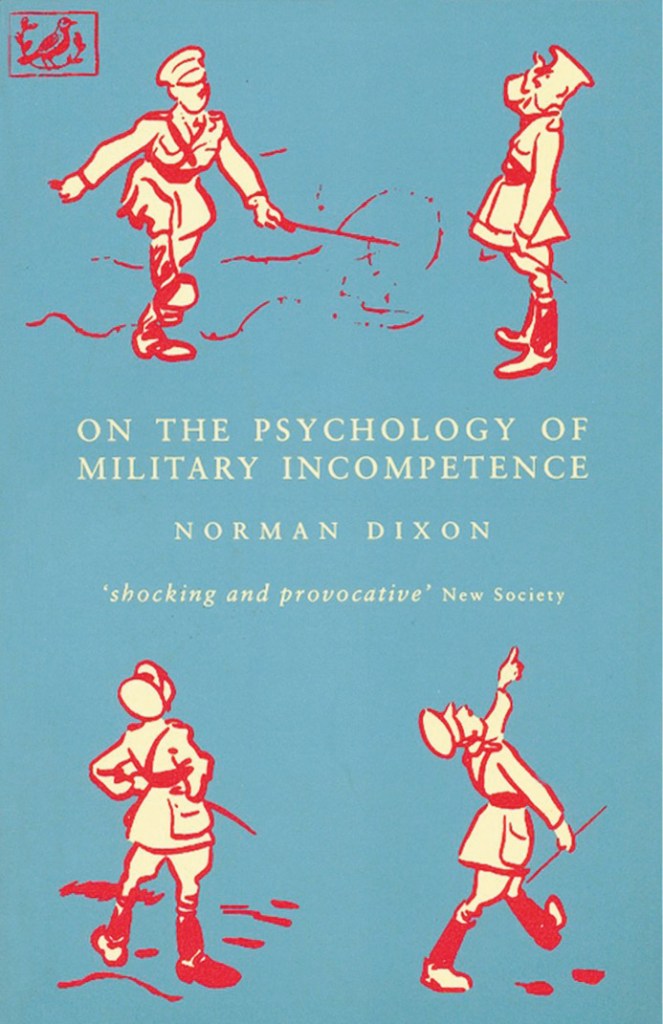
Nick Spenceley reconsiders On the Psychology of Military Incompetence by Norman Dixon.

Since CA 428, my columns have focused on prehistoric Britain, and while researching these I read about a series of mines dating to the Neolithic and/or Bronze Age. This is a fascinating rabbit-hole to climb into, and next month I will follow it with an exploration of medieval and modern mines.

A sign that Sherds saw in a bookshop recently claimed that ‘reading is cheaper than therapy’, but universities in the UK are reporting the opposite: that students suffer stress when asked to read.