
The view from Vienna

Last year, in Vienna, we visited the salt mines at Hallstatt and the site beside the Danube where the Venus of Willendorf was discovered.

Last year, in Vienna, we visited the salt mines at Hallstatt and the site beside the Danube where the Venus of Willendorf was discovered.
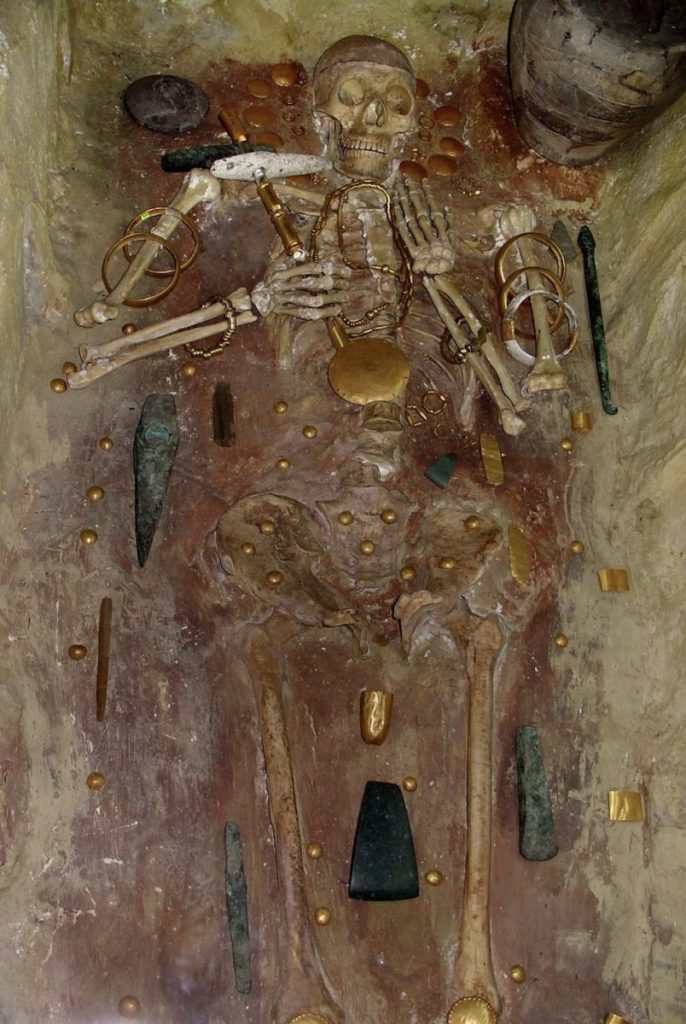
For the first time in human experience, a substance could be melted and converted into something new. If you set off by car from the Volga River to Hungary, you will have
When I began studying archaeology nearly 70 years ago, my professor illustrated his lectures with the aid of glass slides projected through an antediluvian machine known as an epidiascope
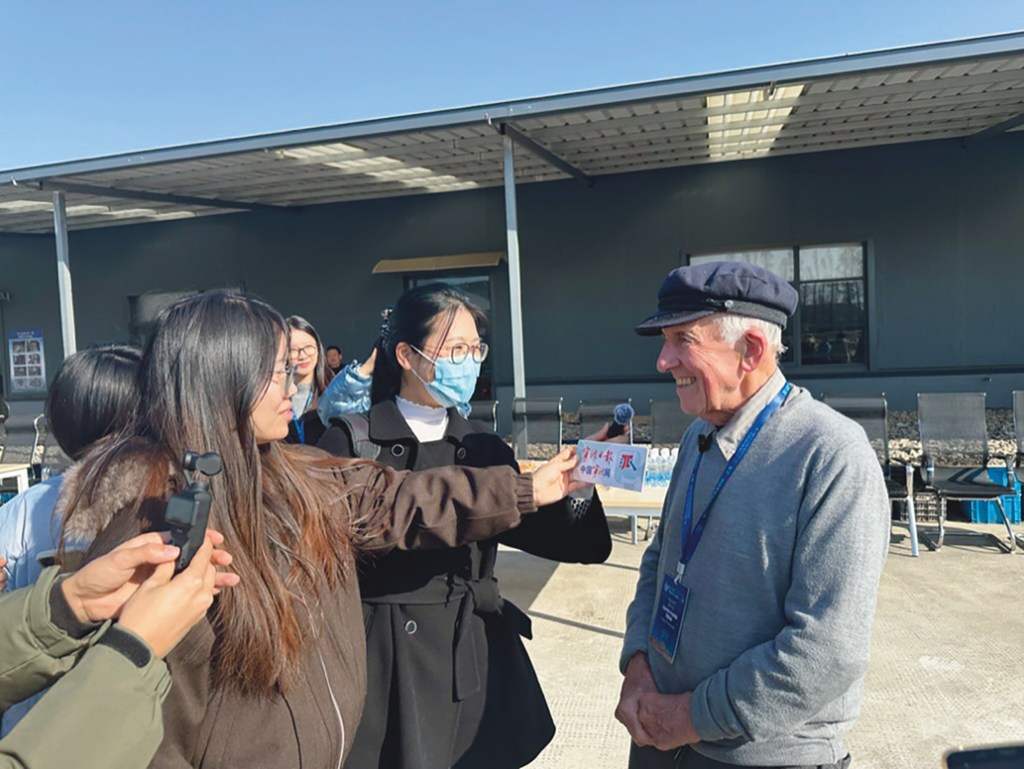
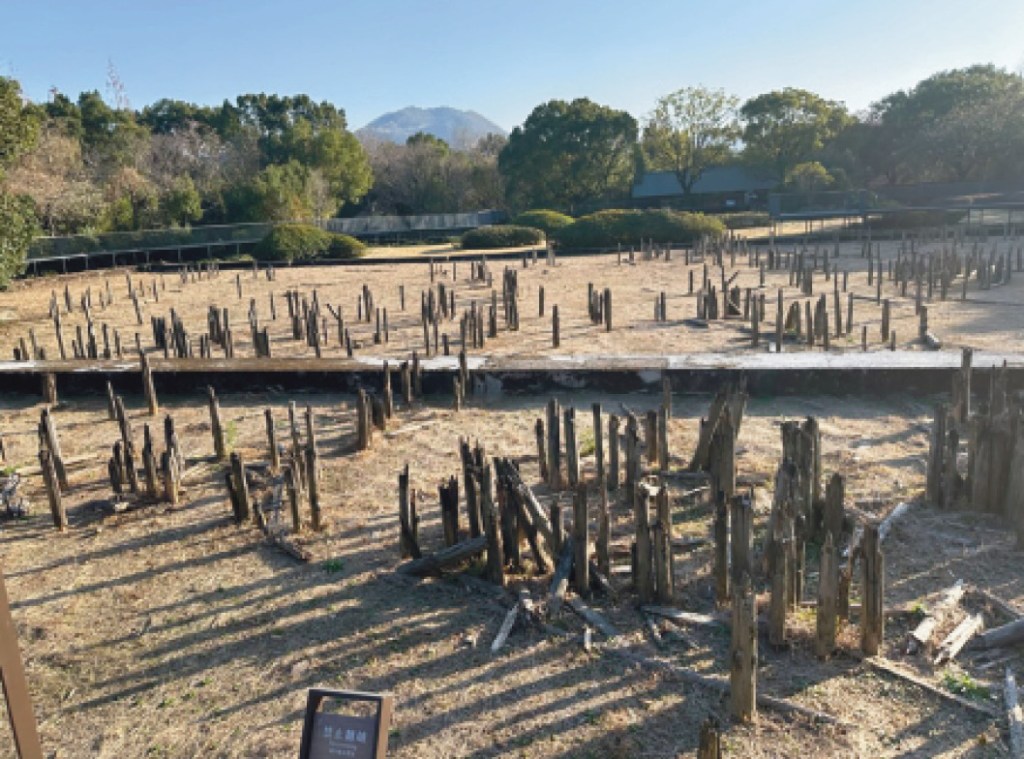
The 6th Shanghai Archaeological Forum has just drawn to a close, and it is time to reflect on its many highlights. This year, the field trip was scheduled on the first day, and we were given the choice of visiting freshly uncovered shipwrecks and the new Shanghai Museum, or to take the bus south to visit two key sites: Jingtoushan and Hemudu.

At the time of writing, I am anticipating a memorable occasion in December: the 6th Shanghai Archaeology Forum. These meetings begin with the announcement of the winning nominees in two categories: field discovery and research achievement.
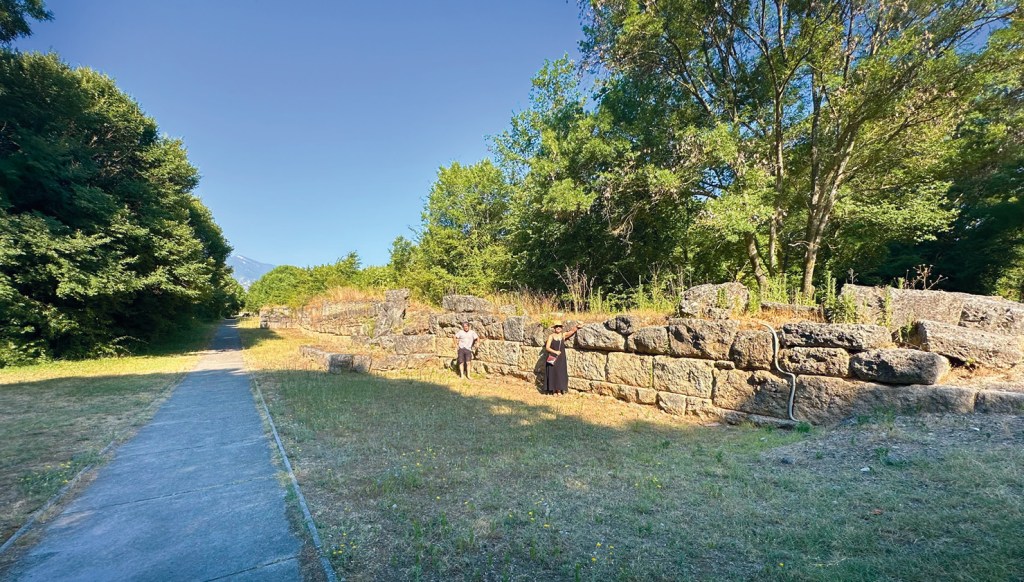
On 1 August 1960, I visited Mycenae for the first time. In my diary I described it as a terribly moving experience, seeing the shaft graves and the famed treasuries of Atreus and Clytemnestra. Looking back, what I recall most clearly was the romance of it all.

Yesterday, I was able to cross off another archaeological site from my ‘must-see-one-day’ list. It was Hallstatt, the settlement that has given its name to the early Iron Age of Europe’s past. First, I was lucky to visit the Natural History Museum in Vienna, where there is a major section devoted to this site.

A recent Netflix documentary, Secrets of the Neanderthals, has attracted a massive worldwide audience, and taken a major step forward in dealing with the widespread myth that Neanderthals were brutish and backward. As we now know from comparing their DNA and ours, we can count them among our remote ancestors.

A few years ago, Sarah Paris – then a graduate student at Cambridge University – asked if she could access the human skeletons from Khok Phanom Di in order to study the mortuary use of red ochre. I excavated this great Neolithic site in 1985, and I willingly agreed. Last year, she completed her doctoral dissertation and at the last Indo-Pacific Prehistory Association meeting in Chiang Mai, Thailand, she won the prize for the best presentation by a graduate student.
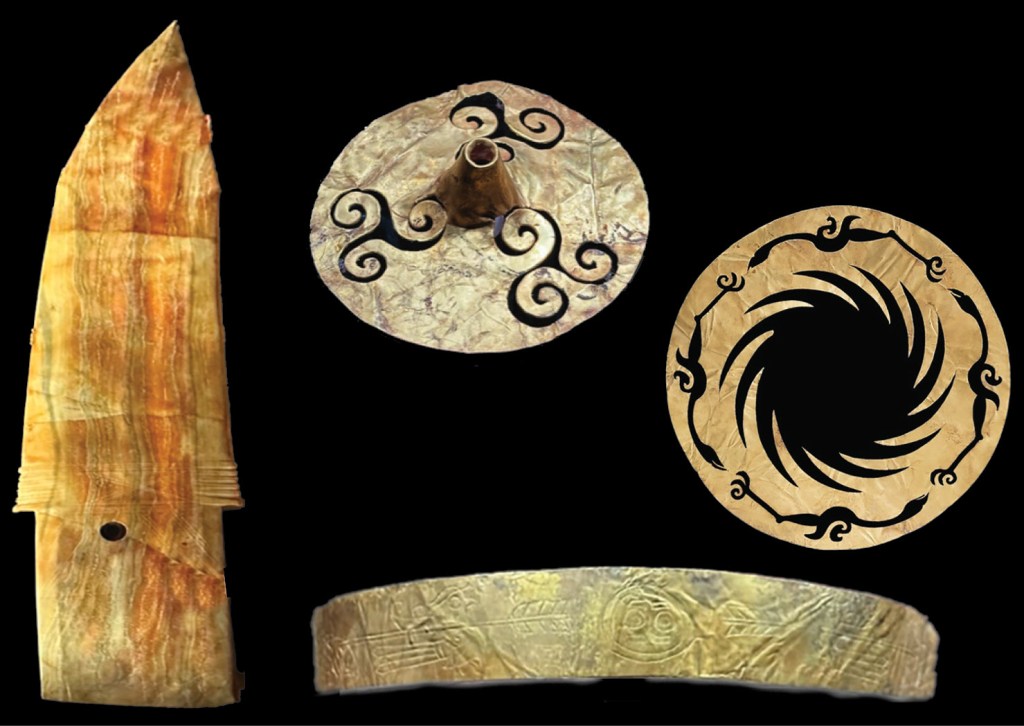
I have already described here the new discoveries at Sanxingdui, the great city that commanded the Sichuan Plain in China from 1200 BC (CWA 110). However, I cannot refrain from returning to it, because a couple of months ago a most welcome and unexpected email arrived.
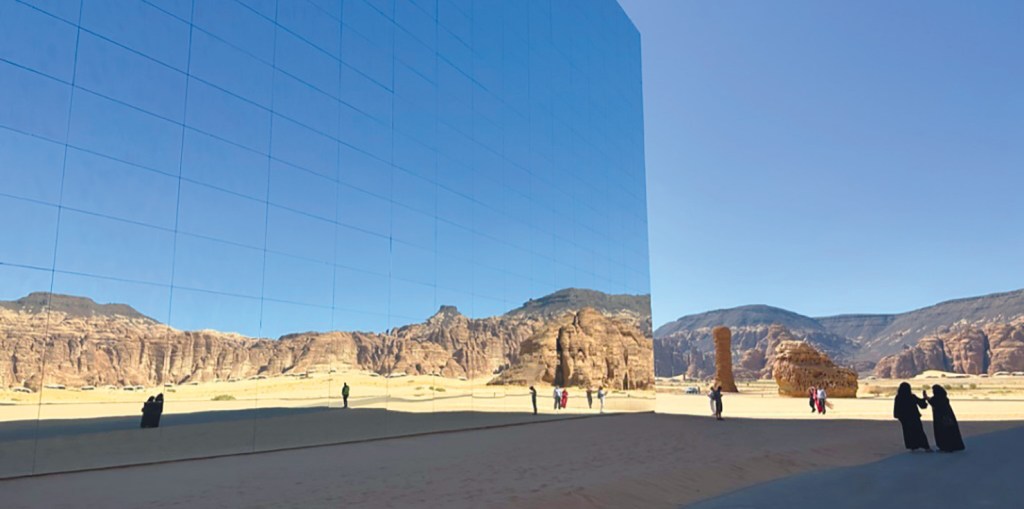
AlUla is an oasis town in north- western Saudi Arabia with a deep historic past as a major stepping stone for the traders who brought frankincense and myrrh north into Egypt and the Levant.
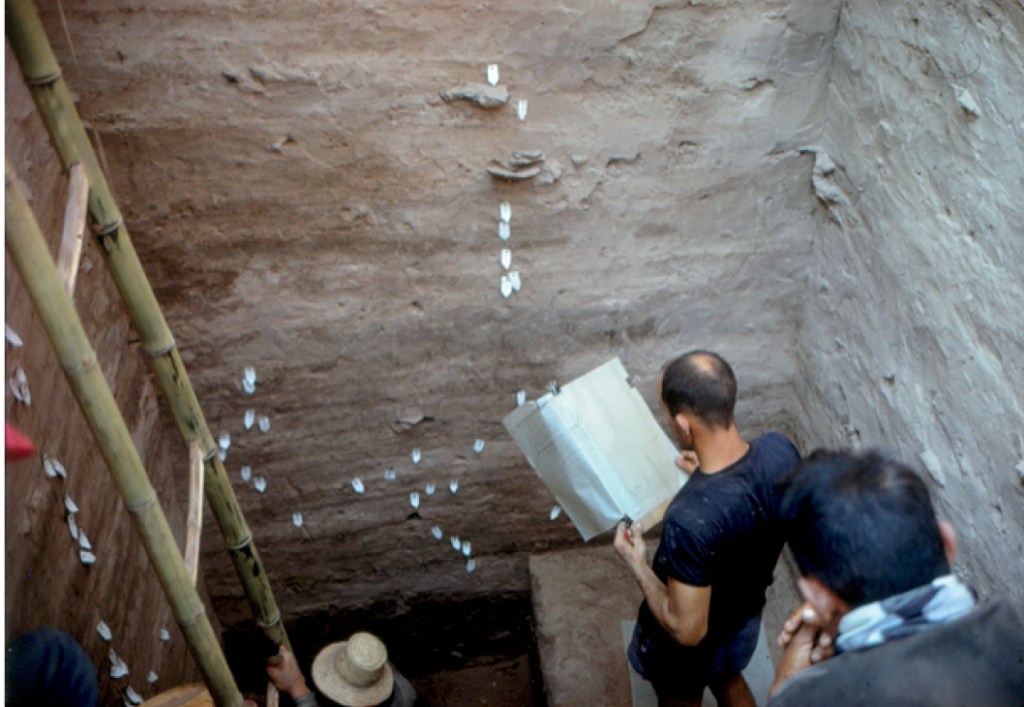
My first experience of fieldwork in Southeast Asia found me in Roi et province of Northeast Thailand. It was a total accident that led me to this spot. The mighty Mekong River was then in the early stages of being seriously affected by the construction of hydro dams on its tributaries.
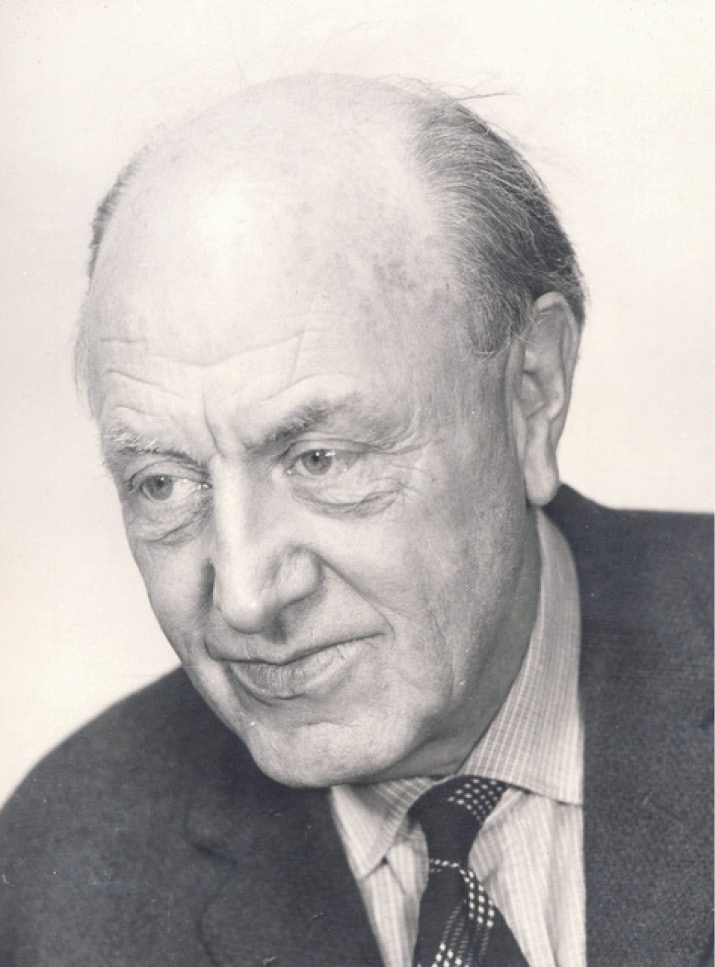
I would like to dedicate these pages to my PhD supervisor, Eric Higgs. After studying at the London School of Economics, he bought a hill farm in Shropshire at the outset of the Second World War, and spent the following decade rearing sheep and cattle, with the objective, he once told me, of breeding miniature versions of the former.

I was delighted to be invited to the fifth Shanghai Archaeology Forum last December, happily revived after the COVID closedowns. This meeting is becoming a major fixture in the archaeological calendar, for every two years the advisory committee is asked to adjudicate all the nominations for field discovery and research awards.
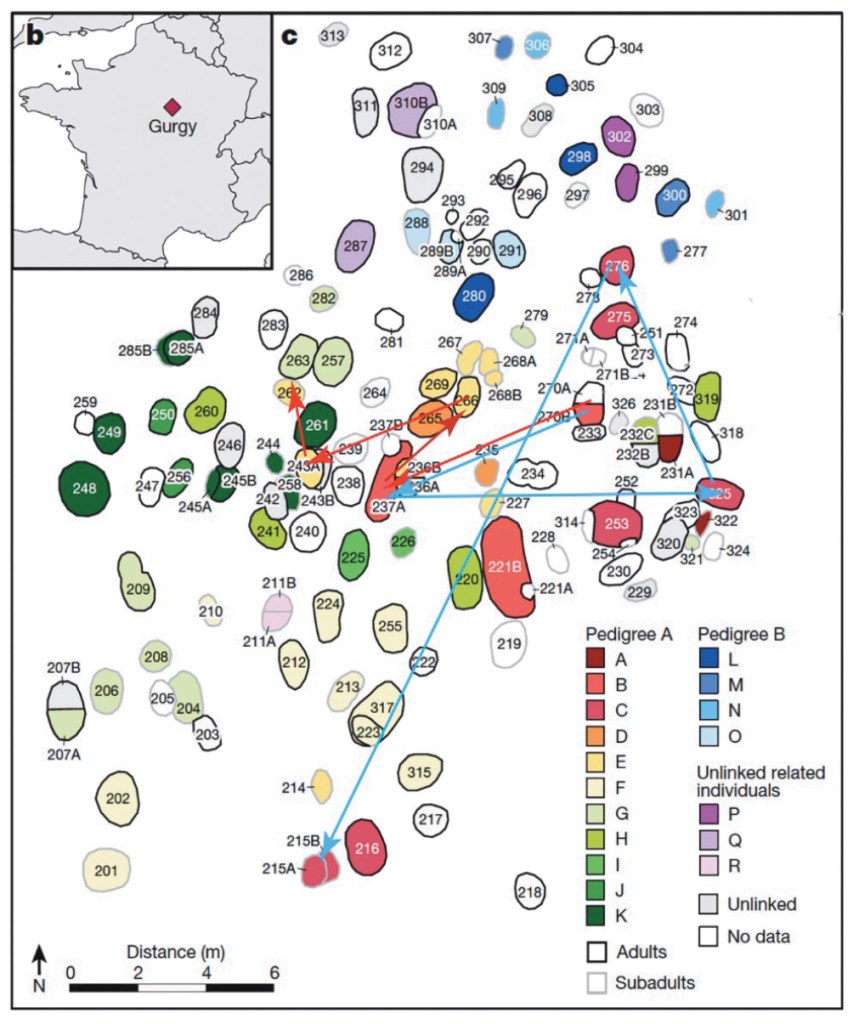
There has, of late, been a veritable tsunami of results from recent research that are literally transforming prehistory before our very eyes.
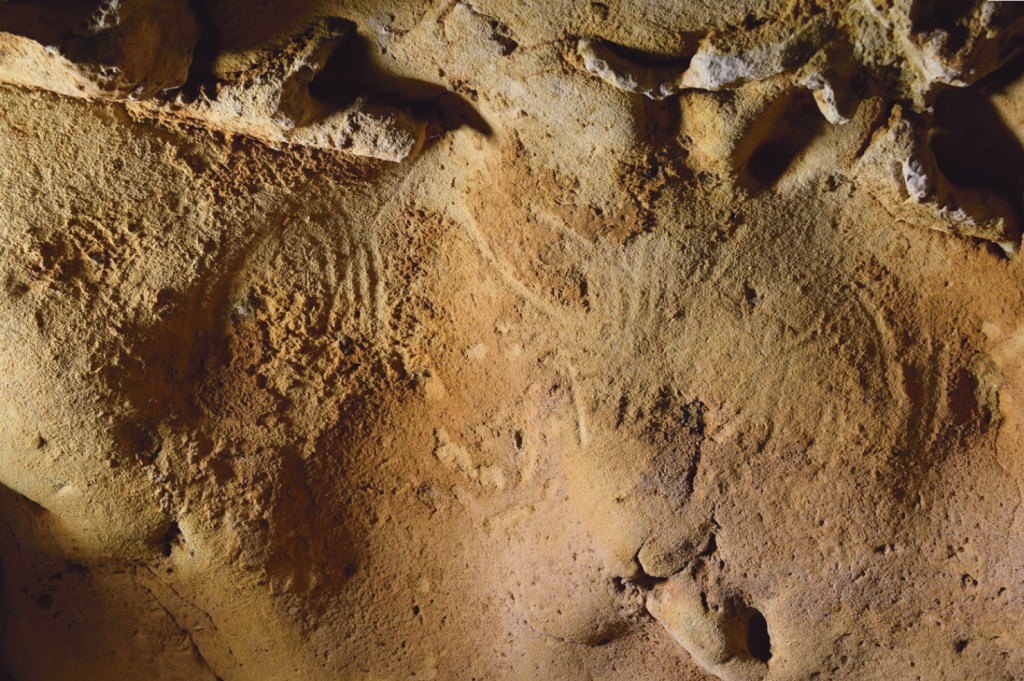
He told us that he was a speleologist, whose girlfriend had just left him. He was in a very sorry state of distress.
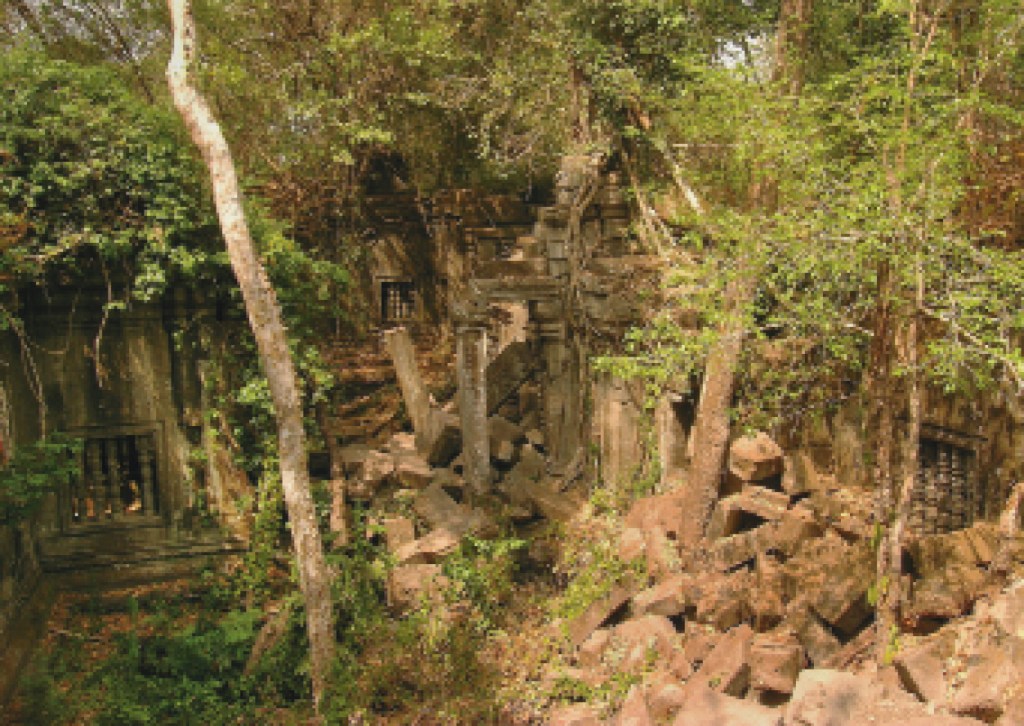
In 1296, the Chinese Emperor Temür Khan despatched a diplomatic mission to Angkor. Zhou Daguan was a member, arriving in August 1296 and leaving the following July. On his return, he wrote
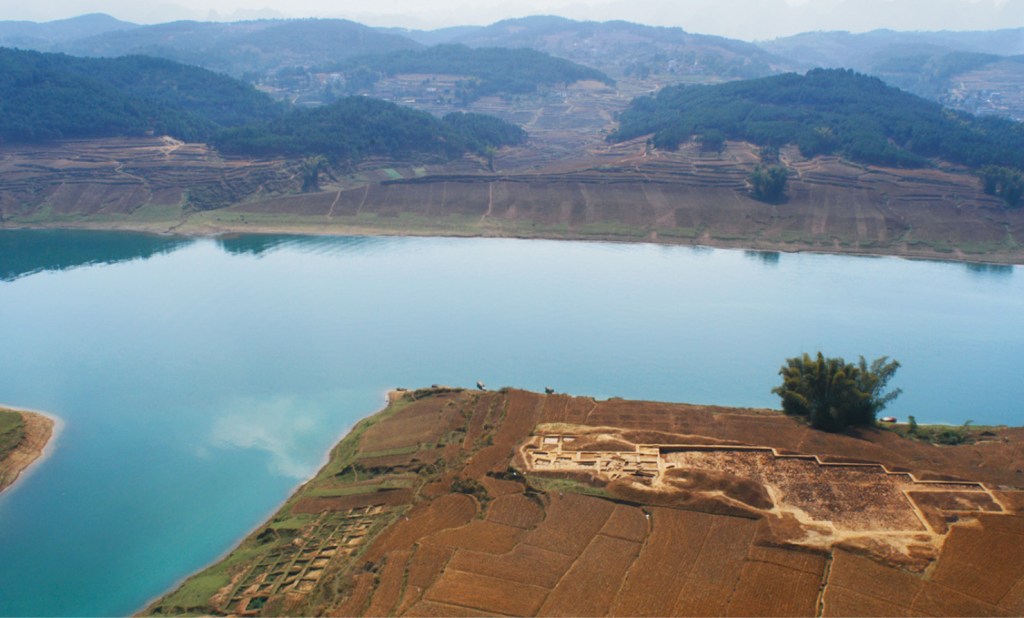
Ever since the redoubtable Madeleine Colani explored the wonderful karst country of Hoa Binh Province, west of Hanoi in northern Vietnam, a century ago, the hunter-gatherers of Southeast Asia have received rather
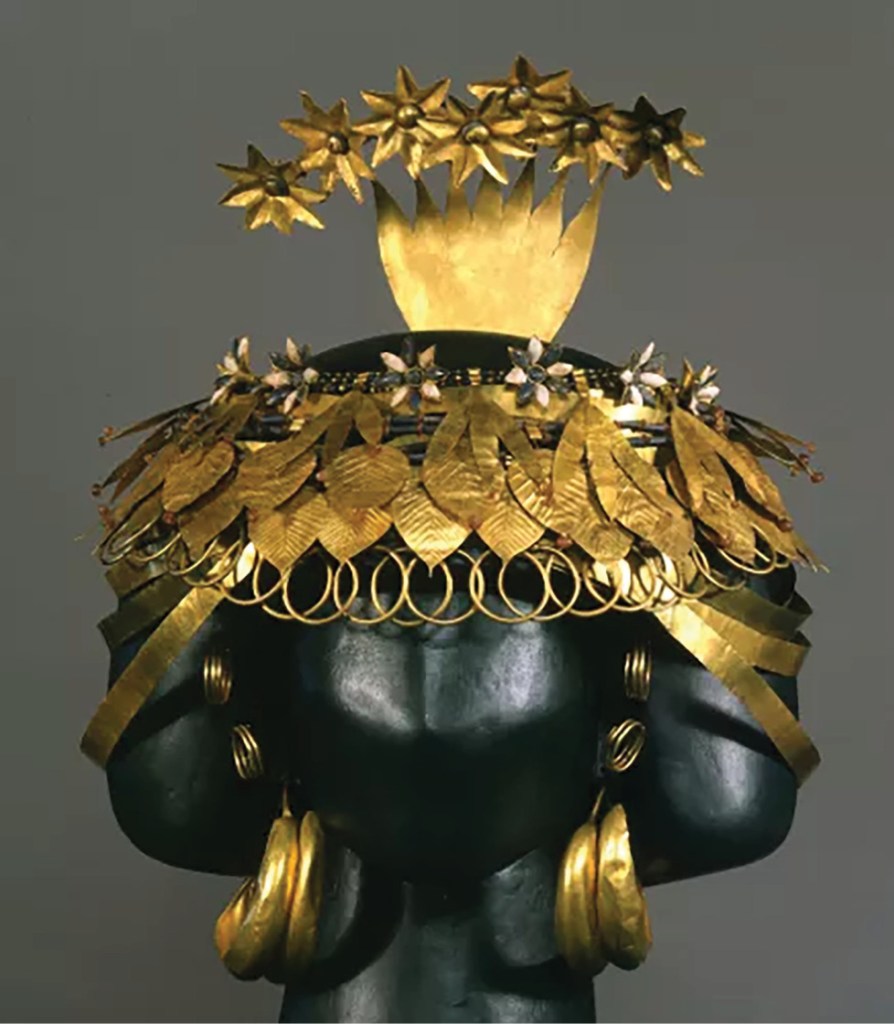
When COVID-19 reached New Zealand, all my plans to continue excavating and attend conferences ground to a halt. So I turned my attention to writing my memoir, Digging Deep: a journey into
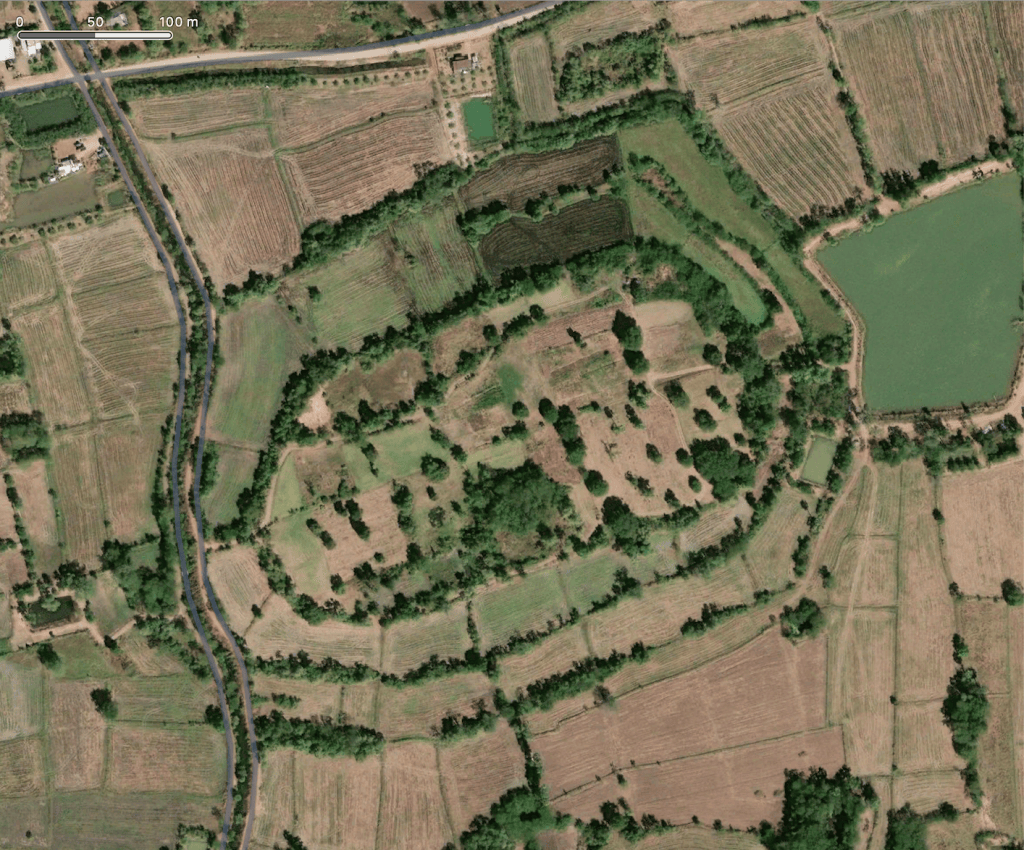
In 1950, Peter Williams-Hunt published a paper in Antiquity entitled ‘Irregular earthworks in eastern Siam: a review’. A former RAF pilot, he had pored over wartime aerial photos taken of the extensive
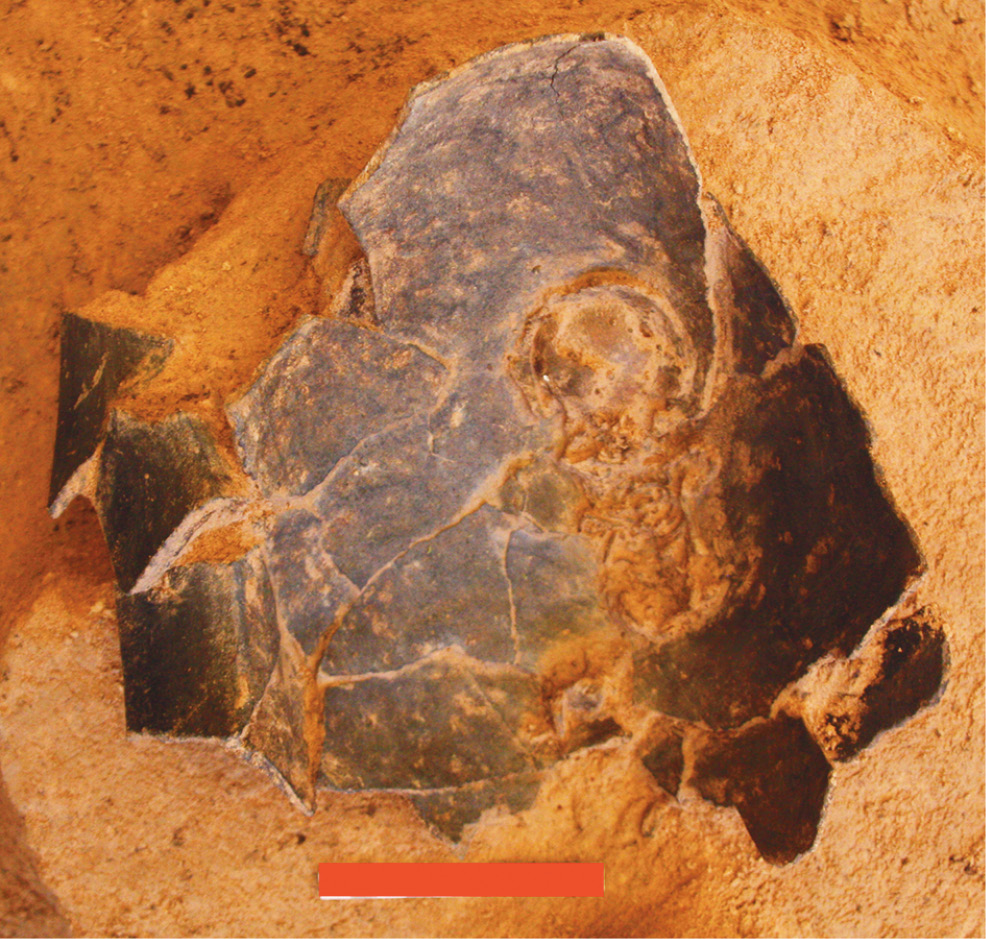
I doubted if Daeng would find anything of interest within. An hour later, she was revealing the smallest skeleton I have ever seen.

Myanmar is a newcomer to the study of South-east Asian prehistory. Twenty years ago, I joined a group of colleagues to visit, at the invitation of the Myanmar government, the first Bronze Age site to be discovered there.

An infant who died at birth during the fourth Bronze Age phase was interred with a hen’s egg over the left hand; perhaps the infant was holding it when placed in the grave. What better symbol can be found for the regeneration of life itself than an egg?