Subscribe now for full access and no adverts
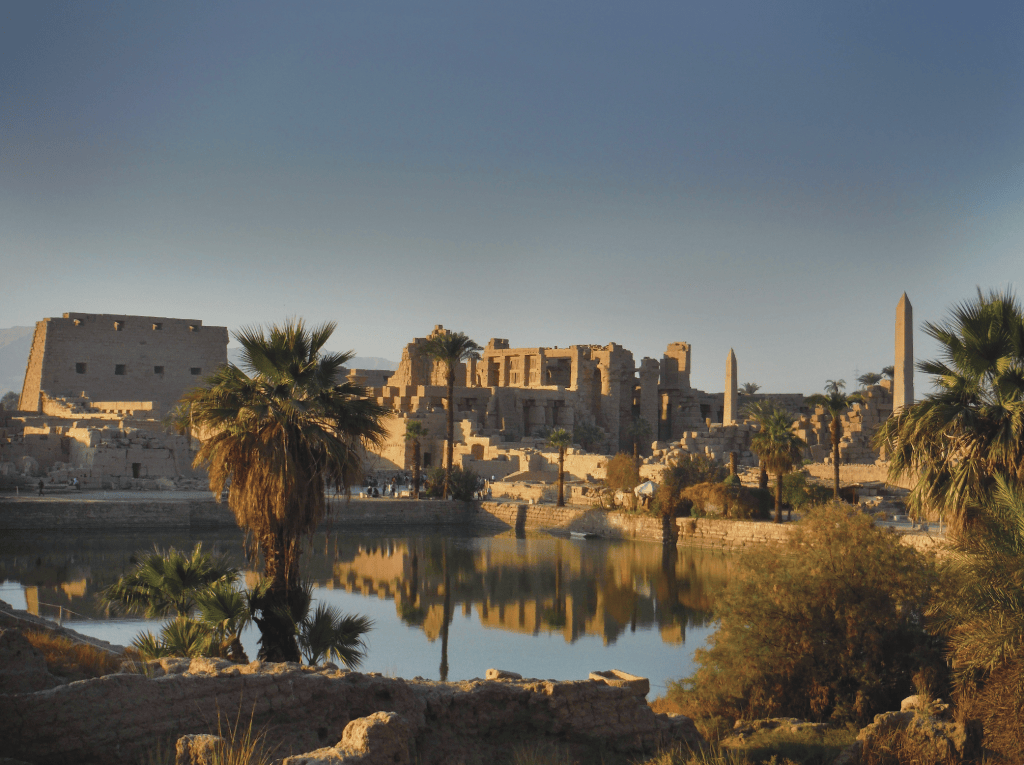
Recent research at the Karnak temple complex near Luxor, Egypt, is offering new insights into the site’s origins and the development of the surrounding landscape over its 3,000 years of use. The famous religious site has been subject to excavations for almost 150 years, but palaeogeographic research has been limited. Now a new study, recently published in Antiquity (https://doi.org/10.15184/aqy.2025.10185), has carried out the most comprehensive geoarchaeological survey at Karnak to date. The international team of researchers analysed 61 sediment cores taken from within and around the temple area, as well as examining tens of thousands of ceramic fragments to help date their findings.
This research showed that the temple complex, which is built on a fluvial terrace surrounded by river channels, could not have been occupied permanently until after c.2520 BC, due to regular flooding from the Nile, suggesting that the earliest occupation at Karnak probably dates to the Old Kingdom. By this time, the river channels had formed an island of high ground in what is now the east/south-east area of the temple precinct. Over the years, the river channels on either side diverged, leaving more space for the complex to develop. There are also signs that ancient Egyptians may have shaped the river themselves by dumping sand into channels, perhaps to create more land for construction.
This new understanding of the landscape around Karnak has striking parallels with an ancient Egyptian creation myth found in Old Kingdom texts, which features a creator god manifesting as high ground emerging out of ‘the lake’. It is possible that this location – the only known example of such elevated land emerging from water in this area at the time – was chosen for its similarities to this scene, although there is no way to know for certain.
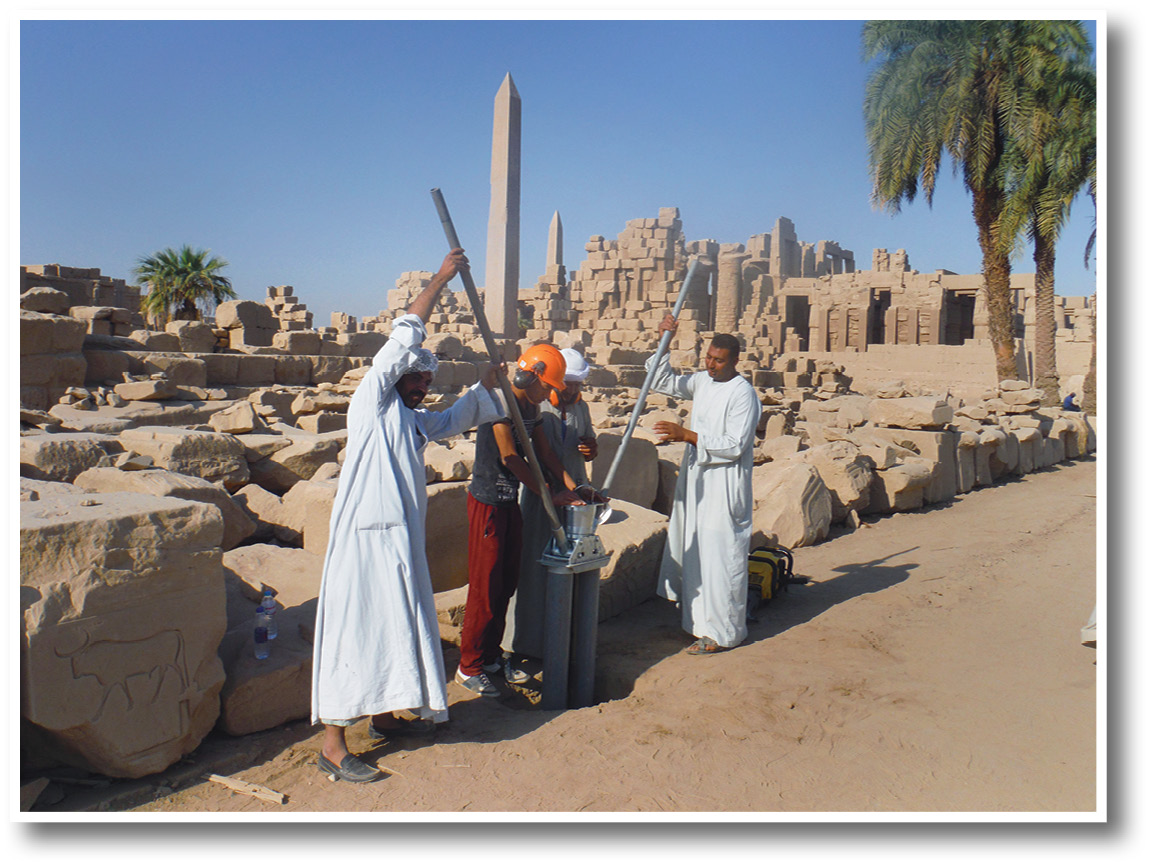
Text: Amy Brunskill / Images: Dr Ben Pennington

Please send your images to cwa@world-archaeology.com. They must be high resolution (300 dpi) and in landscape format, ideally 20cm high by 30cm wide.