Subscribe now for full access and no adverts
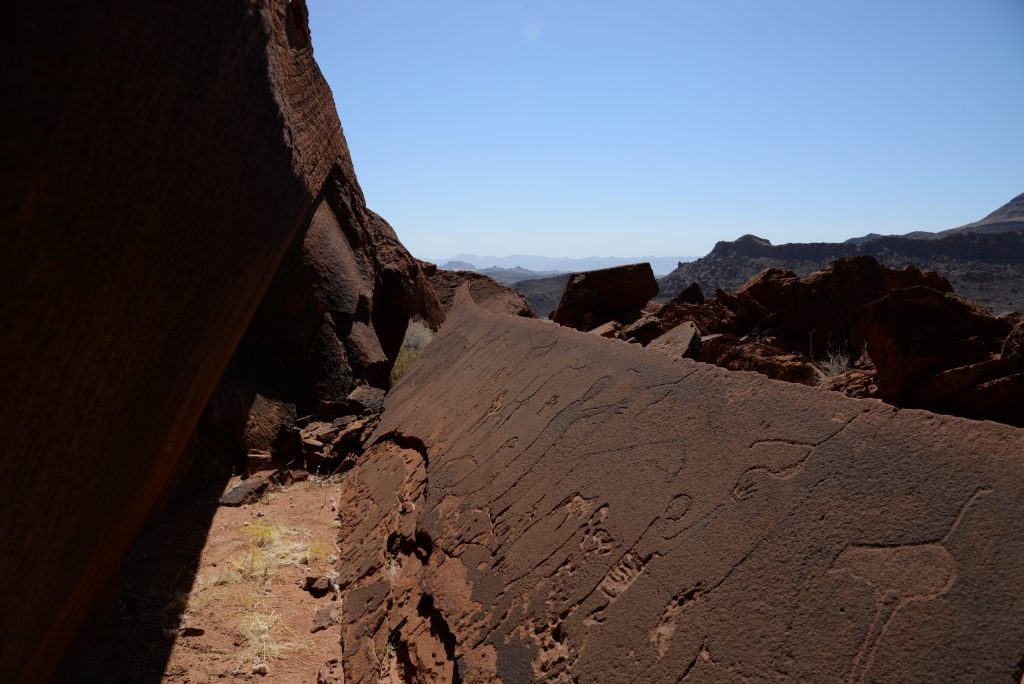
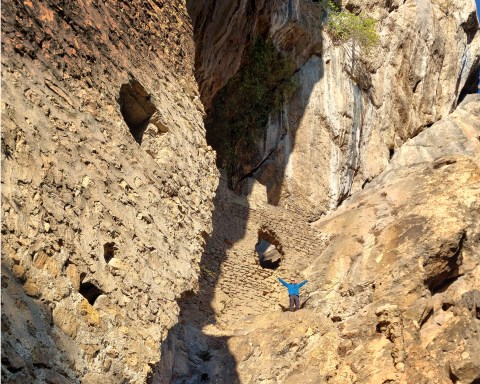
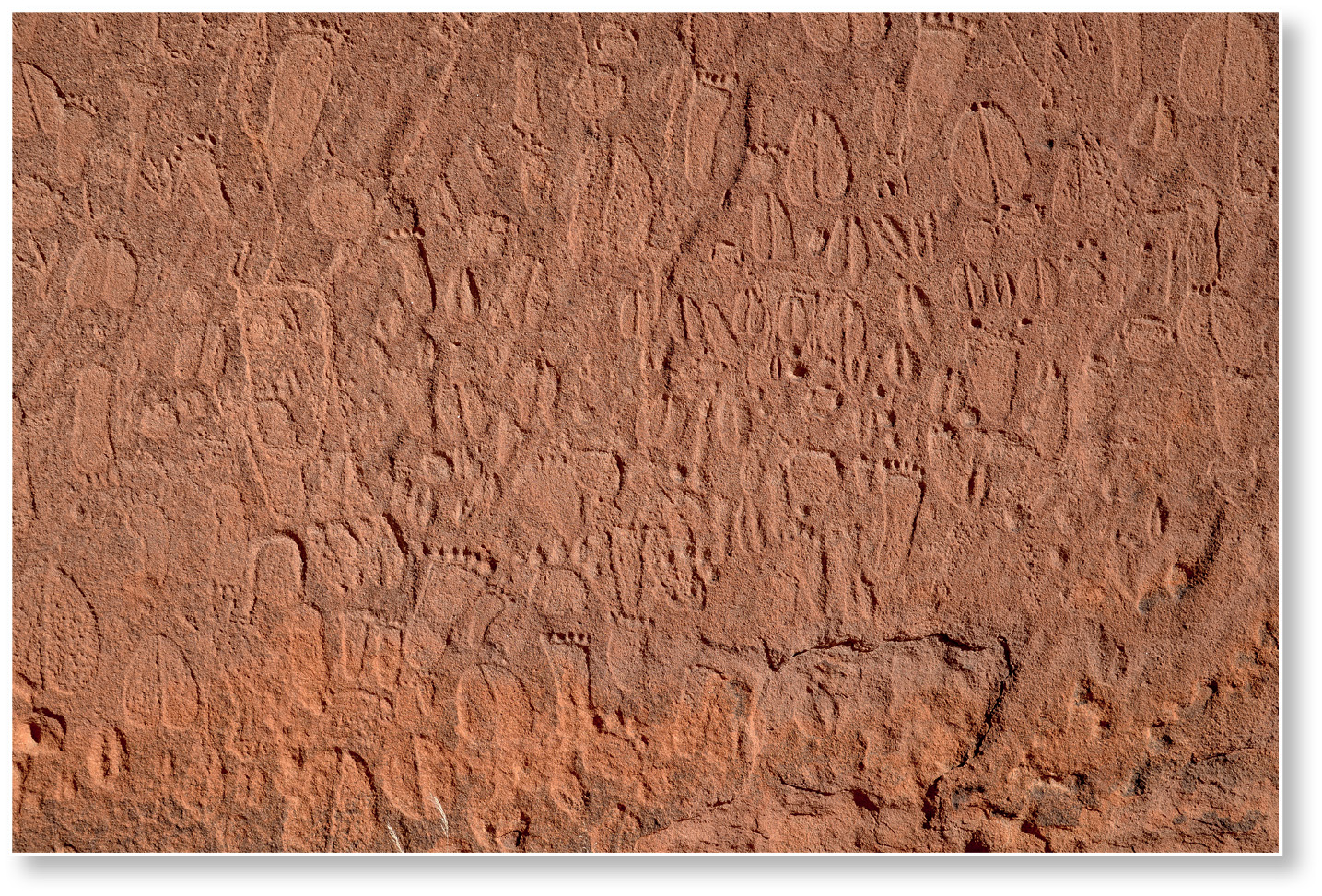
Analysis of human and animal footprints carved into rock faces in Namibia has revealed that they contain a wealth of hidden details. Engravings of human and animal tracks are found in prehistoric rock art around the world, but these images are often overlooked, grouped together with other geometric motifs. However, the authors of a new study suspected that they were not simply generic designs but had the capacity to convey additional information to an accomplished track reader. To test this theory, they enlisted the help of three indigenous tracking experts from the Kalahari Desert to analyse engravings from two rock-art sites in the Doro! nawas mountains in central Western Namibia, dating to the Late Stone Age.
Remarkably, the experts were able to identify not just the species, but the sex and age group of the animal depicted, and even which limb the track represented, in over 90% of the 513 engravings they analysed. Human feet make up 20% of the tracks recorded; among the rest, 39 species of animals are depicted, including herbivores, felines, predators, birds, and primates. Interestingly, a far greater diversity of species is represented than in images of the animals themselves in the rock art of this region. Male juveniles appear to make up a large portion of the human prints, while most of the animal tracks belong to adults, and males are more common among most, but not all, species. Notably, almost all of the tracks – animal and human – are singular, with very few forming ‘trackways’ or extended trails. The reason behind these patterns remains a mystery, but it is clear that the tracks are not random; the engravers had extensive knowledge of the natural world and expressed this in their art. The research, which has been published in PLOS ONE (https://doi.org/10.1371/journal.pone.0289560) demonstrates how much more there is to learn from studies of prehistoric rock art, and how valuable the knowledge of indigenous experts can be.
Text: Amy Brunskill  Images: Andreas Pastoors, CC-BY 4.0
Please send your images to cwa@world-archaeology.com. They must be high resolution (300 dpi) and in landscape format, ideally 20cm high by 30cm wide.