
Subscribe now for full access and no adverts
Finding lost farmsteads
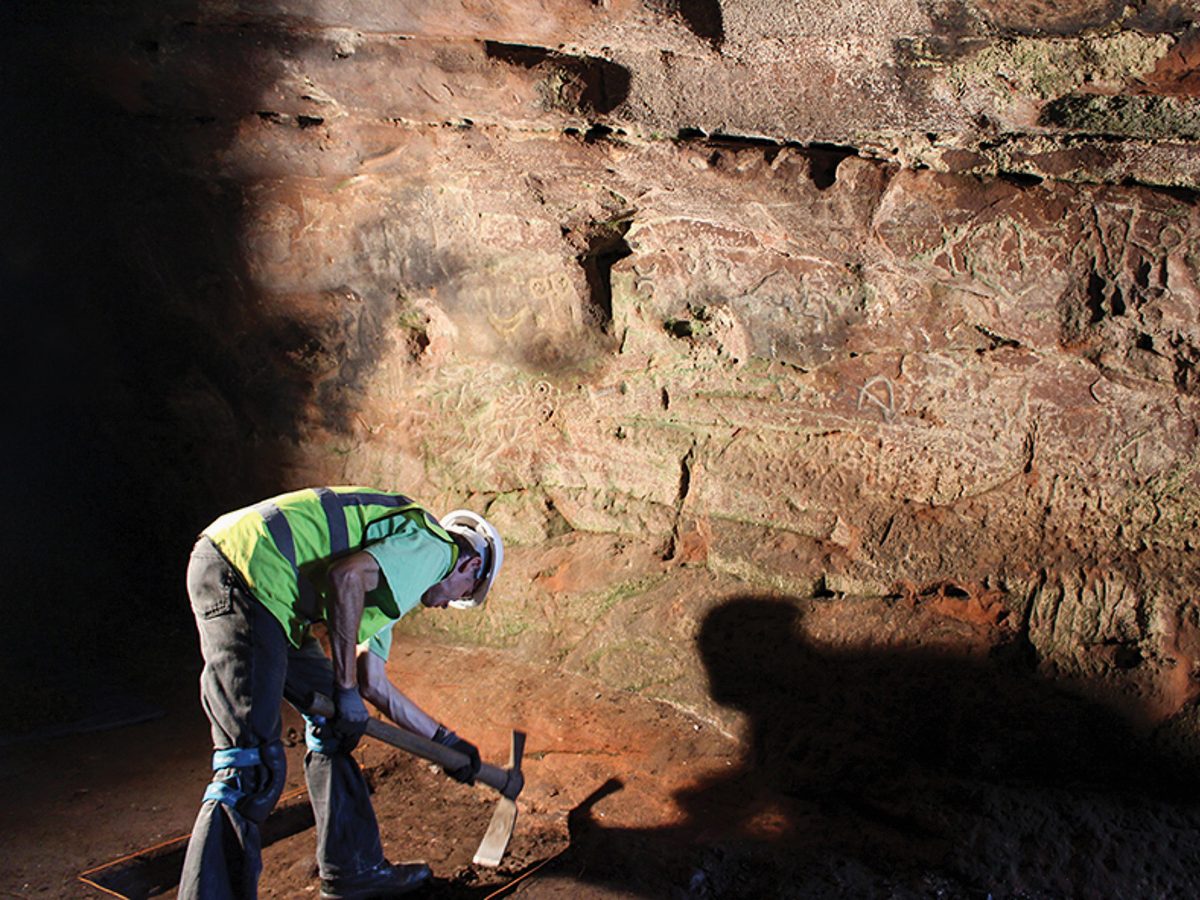
I was intrigued by the article on South Yorkshire (‘Fields and farmsteads’, CA 424) and the reference to the absence of evidence of farming and occupation of the area between the late 10th century and the 16th/17th centuries (here). It occurred to me that the 11th century saw two big changes in England which might account for the absence of farmsteads. First, there was the large-scale establishment of monastic houses, and South Yorkshire had its share; and, second, there was widespread sheep farming associated with those houses. The grasslands of the Magnesian ridge would surely have suited large-scale sheep farming, while leaving little if any trace of farming or farmsteads for archaeologists to discover.
If evidence of occupation then starts turning up in the 16th century that would fit neatly with the dissolution of the monasteries and the sale of their lands.
As to the ‘Romeward Bound’ lyrics [‘Letters’, CA 424]? Marvellous, simply splendid – I had to sing it to get the full effect!
Bob Britnell, Canterbury, Kent
Oldest Boulton & Watt engine
I am a regular reader of Current Archaeology, and enjoy learning about the wide range of topics covered.
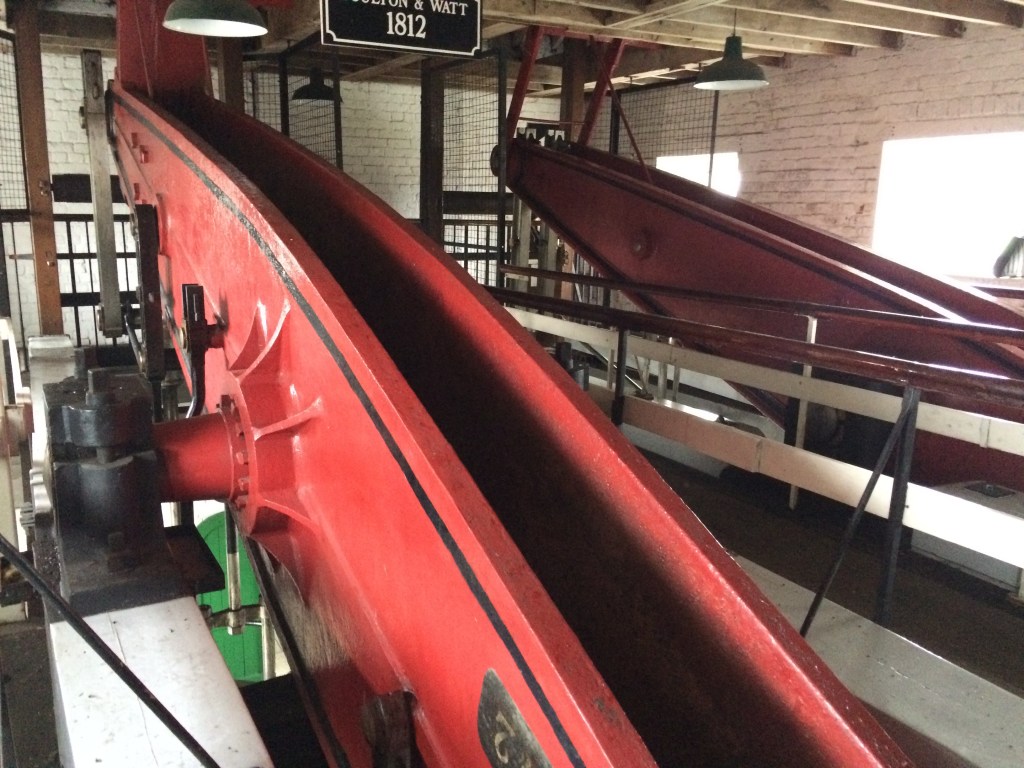
The recent article on water pumping stations (‘Turning on the waterworks’, CA 421) included a photograph of the Boulton & Watt engine in Kew, dating to 1820, stating that ‘it is now the oldest working beam engine in the world’.
I have reason to believe that this statement is not correct and that one of the engines at the Crofton Beam Engines site in Wiltshire is older, and in addition it is still capable of doing the job for which it was intended. Please see http://www.croftonbeamengines.org/about/engines-overview, where it is claimed that the first of the two engines was purchased in 1802 from the West India Dock Company.
Jill Turner, Wiltshire
CORRECTION ‘Turning on the waterworks’
Jill is correct in her letter above. In CA 421 we wrongly named the Boulton & Watt engine in Kew as the oldest working beam engine in the world; the one at Crofton Beam Engines in Wiltshire actually holds this title.
Edible Archaeology
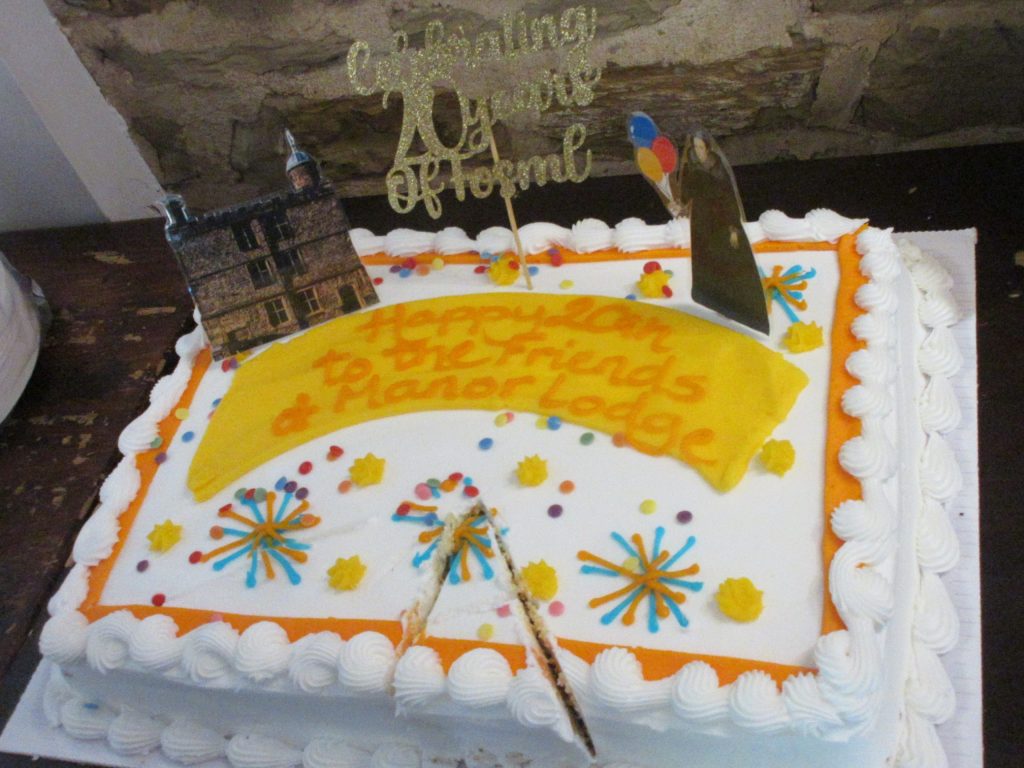
On 9 April, the Friends of Sheffield Manor Lodge celebrated our 20th anniversary, with speeches and lunch, followed by a very special and sparkly cake. The remains of Sheffield Manor Lodge were open on the day, and Friends were able to view the fresh interpretation of the Turret House with its fine 16th-century plaster ceilings. The Lodge was in the Great Park, which extended down to Sheffield Castle, both of which were homes of George, the 6th Earl of Shrewsbury, and places of confinement for Mary Queen of Scots for about 14 years.
The Friends have been led by historian David Templeman since 2004, and more recently they have worked in partnership with the Green Estate CIC. The Friends help support this special site, put on events, and much more – see http://www.fosml.org.uk.
Ruth Morgan, Hunter Archaeological Society
CA ONLINE: What you shared with us this month
Peter Savin @pete_savin
A fantastic birthday present from @sfletcherauthor of a framed photograph of my first front cover for @CurrentArchaeo. This will proudly hang on the wall.

Joe Flatman @joeflatman.bsky.social
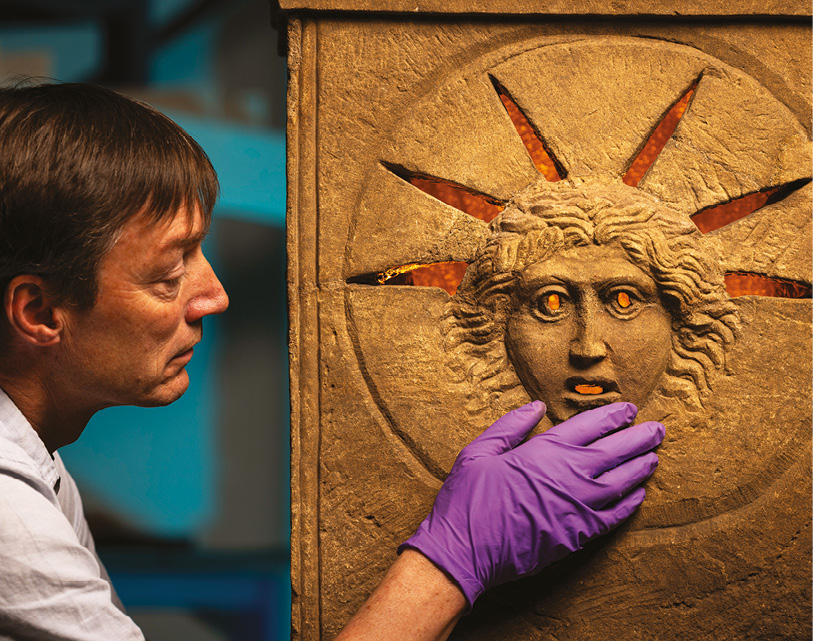
It’s a #FindsFriday @currentarchaeology.bsky.social #TOWIE spectacular! [In CA 424] my column visits #Essex, specifically #Colchester. The city is stuffed full of fantastic #Roman #archaeology, including Britain’s only known chariot-racing circuit. @currentarchaeology.bsky.social
National Museum of Ireland @NMIreland
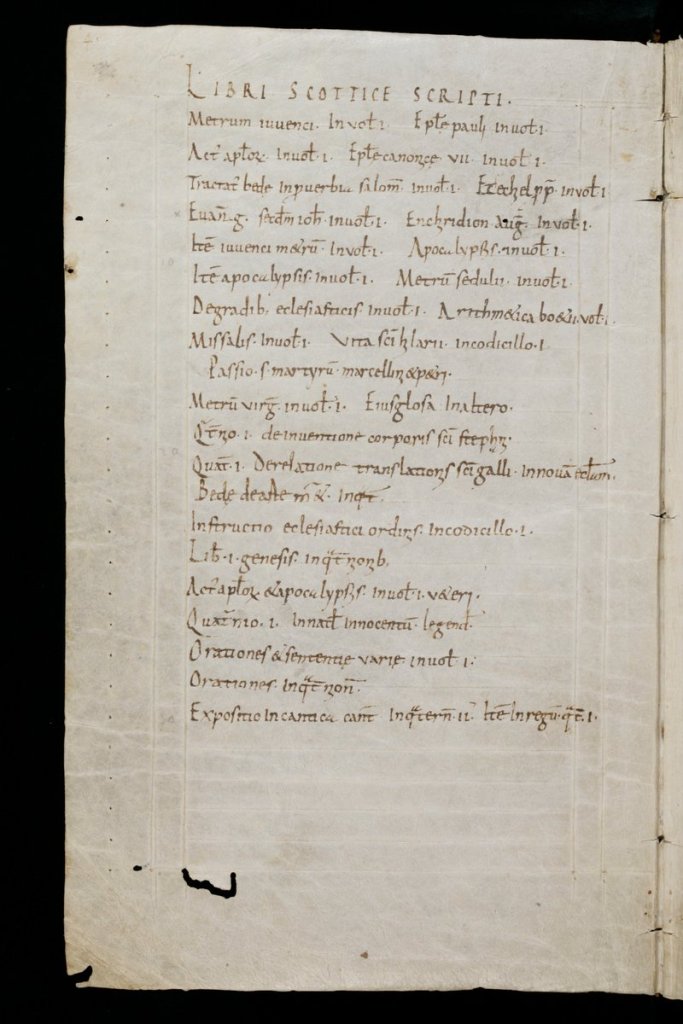
How did early medieval Ireland connect with the Continent? From sacred texts to sea routes, explore the cultural currents that linked Irish monks to Europe. Read about the major new exhibition at the National Museum of Ireland @CurrentArchaeo.