Subscribe now for full access and no adverts
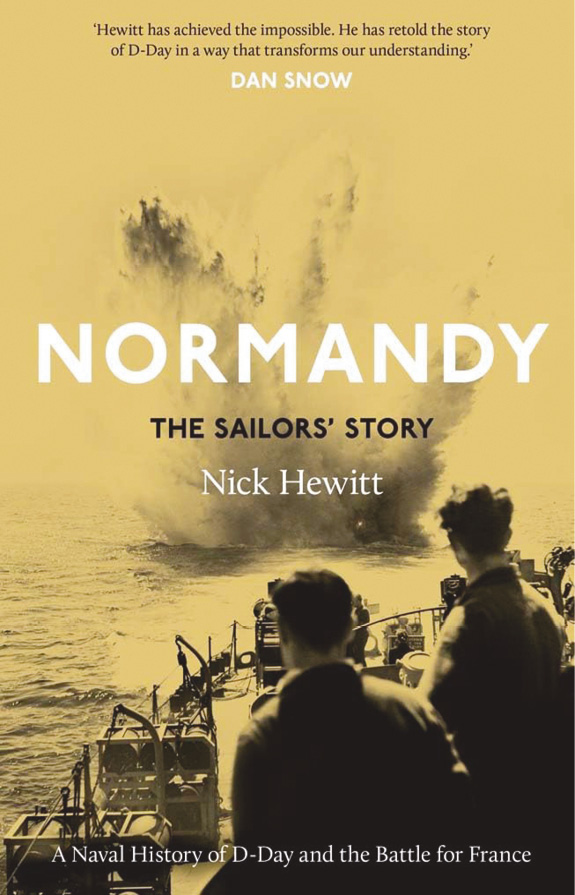
REVIEW BY CALUM HENDERSON
The Battle of Normandy has been covered extensively in the 80 years since it took place. But less well remembered is the naval campaign that accompanied it, the subject of this new book by Nick Hewitt, formerly of the National Museum of the Royal Navy in Portsmouth and now a historian for Orkney Islands Council. As Hewitt demonstrates, the Allied navies played an absolutely essential role in ensuring that the 1944 invasion of northern France, and later Germany and the Low Countries, was a success.
They did so by ferrying in an enormous quantity of men and matériel in the months after D-Day, often in extremely unfavourable weather conditions, all while protecting the perilous coastal supply line from continued enemy attacks. This campaign, which Hewitt calls ‘The Battle of the Seine Bay’, lasted not just one day but for most of the summer that year, and in the author’s opinion was the most important naval campaign in the West during the entire war, second only to the Battle of the Atlantic.
Hewitt takes us through each stage of the campaign, from the preparations in the months before, through to Operation Neptune (the landings on D-Day itself) and the long aftermath. What emerges is a campaign that was meticulously planned and unprecedented in its scope and complexity, but still extremely vulnerable to not just violent weather but also an enemy that even by the last year of the war had by no means given up the fight.
Race against time
Back in 1940, following the scuttle from Dunkirk, it was almost inconceivable that there would be a huge Allied invasion of the European continent just four years later. The journey to D-Day was indeed a long, hard slog, and success was never guaranteed. Hewitt spends the early chapters of this book detailing the extensive work readying the landings, such as the procurement of some 7,000 ships – everything from fragile plywood landing craft to vast destroyers – and the training of 200,000 sailors from Britain, Canada, the United States, and elsewhere.
This period was tough and stressful, and there is a palpable sense from Hewitt’s account that, although by this stage the Allies were clearly winning the war, time was still against them. There were some major disasters during the rehearsal period, most notably Operation Tiger. More than 750 US servicemen were killed during this large-scale training exercise off the Devonshire coast in April 1944, when an Allied convoy was attacked by E-boats of the Kriegsmarine. The combination of the tides and the weather also gave the Allies an extremely narrow window of opportunity in which to put their plan into action.
And yet, just two months after the Tiger disaster, one of the most difficult of all military operations – a massive landing on to heavily fortified enemy beaches – was successfully pulled off. Admiral Bertram Ramsay, commander of Neptune and obviously a hero of the author, put the success solely down to the planning, and Hewitt gives us a clear idea of how just comprehensive this was. Throughout the book are several excellent maps, detailing the armada to its full extent. Every one of the ships had a specific place to go and job to do.
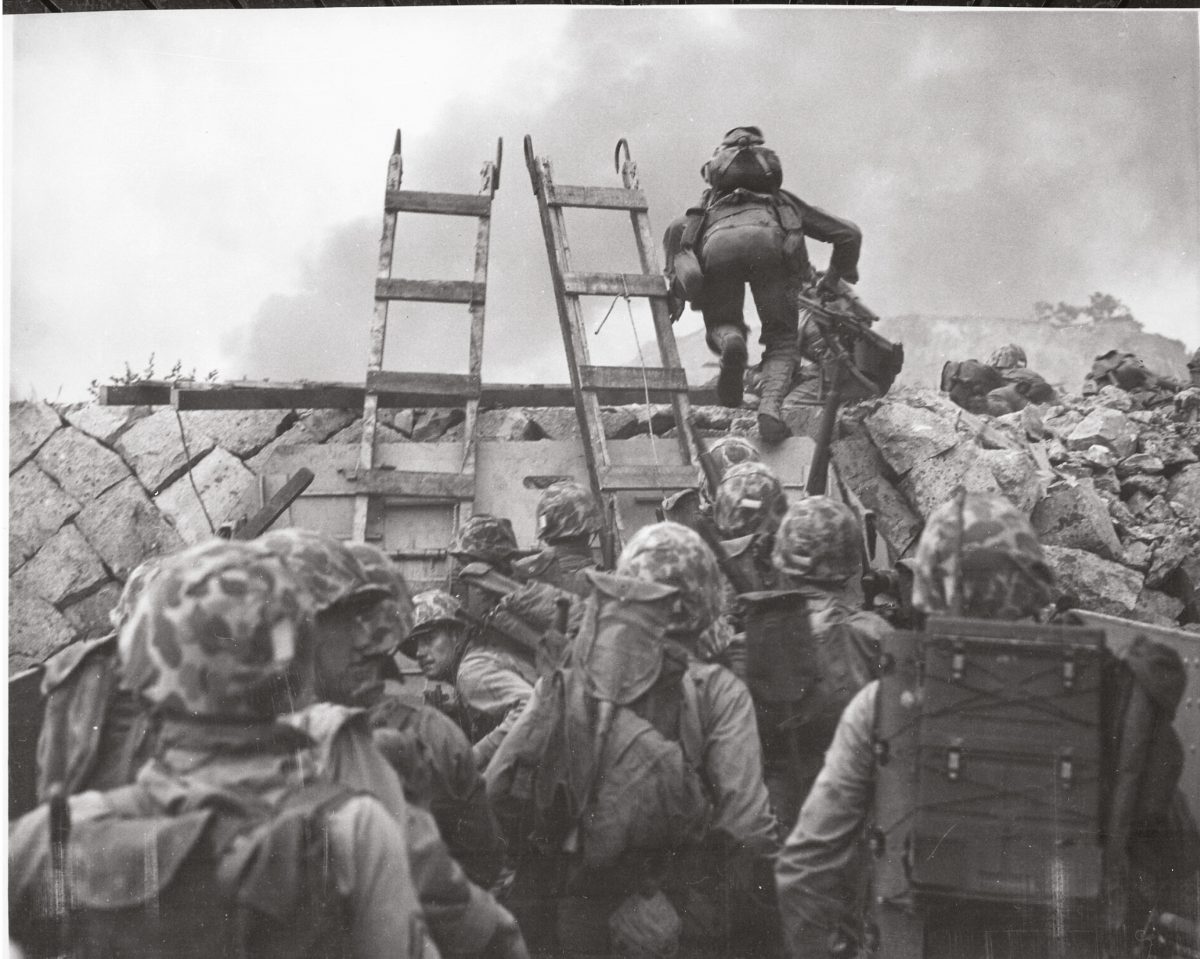
The landings were still costly, of course. Hewitt explains simply that the high casualties at Omaha Beach were down to an all-too-brief naval bombardment beforehand. ‘The US Army had insisted, against advice, that shelling not begin until after daybreak,’ he writes. This allowed ‘just 35 minutes of bombardment before H-Hour.’ With soldiers pinned down, American destroyers steamed in close to shore – regardless of safety – and began shelling the Germans ferociously. Even Omar Bradley, commander of the US First Army, was later to admit that the navy ‘saved our hides at Omaha’.