
Subscribe now for full access and no adverts
Rain of Ruin: Tokyo, Hiroshima, and the Surrender of Japan
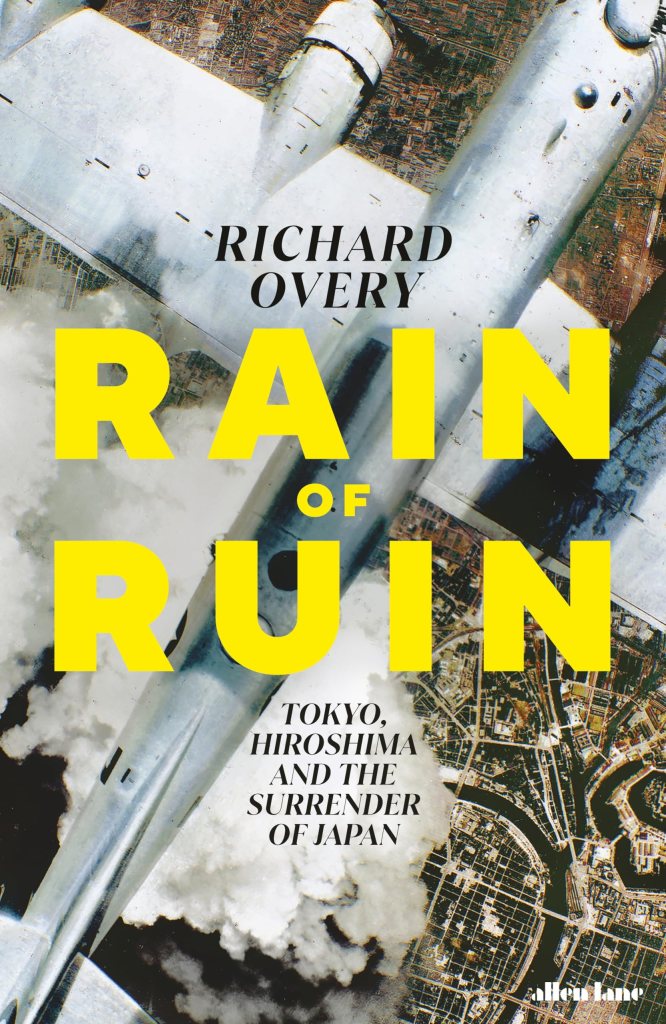
At the end of the Second World War, hundreds of thousands of Japanese civilians died in a final outburst of violence from the air. Richard Overy reopens the debate on the atomic bombings of Hiroshima and Nagasaki in August 1945, showing the complexities behind the decision to drop the bombs, and how the concept of ‘surrender’ was entirely foreign to Japanese culture.
Rain of Ruin: Tokyo, Hiroshima, and the Surrender of Japan
Richard Overy
Allen Lane, hbk, 208pp (£20)
ISBN 978-0241700693
Steel Lobsters: Crown, Commonwealth, and the Last Knights in England
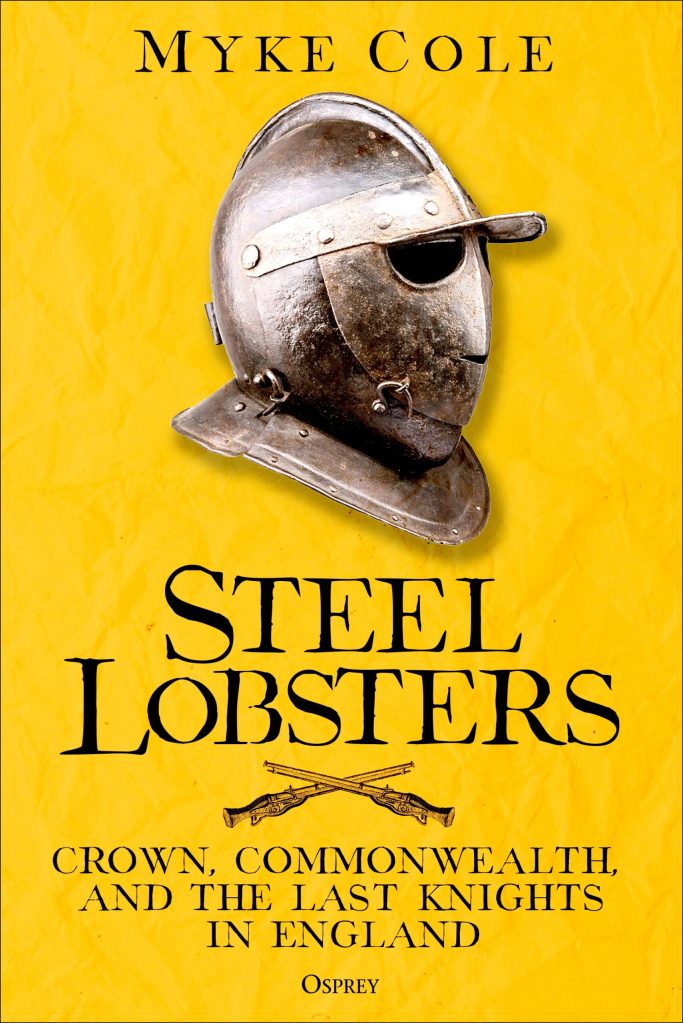
The British Civil Wars ushered in a new era of warfare, as uniformed musketeers and pistol-wielding cavalry took over from the knights that had dominated the European battlefield for centuries. Myke Cole investigates Sir Arthur Hesilrige’s Regiment of Horse, the ‘Steel Lobsters’, the last fully armoured knights in England.
Steel Lobsters: Crown, Commonwealth, and the Last Knights in England
Myke Cole
Osprey Publishing, hbk, 272pp (£25)
ISBN 978-1472863584
The Nazi Mind: 12 Warnings from History
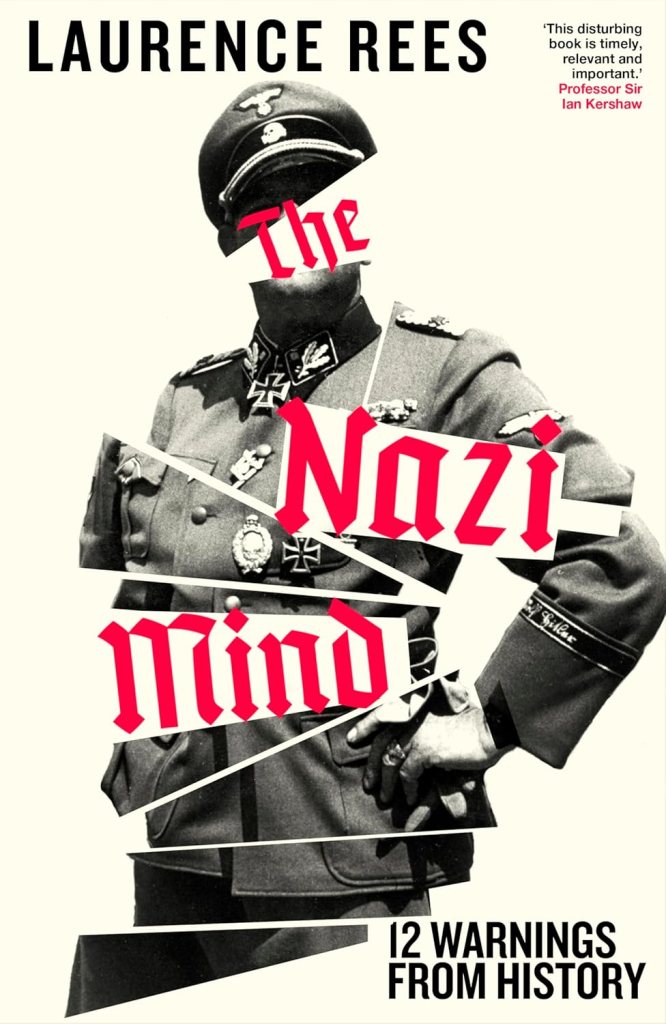
How could the Nazis have committed the crimes that they did? Why did the commandants of the death camps willingly oversee mass murder? And how could ordinary Germans tolerate all that went on? Laurence Rees combines history and the latest research in psychology to help answer some of the most perplexing questions surrounding the Second World War.
The Nazi Mind: 12 Warnings from History
Laurence Rees
Viking, hbk, 448pp (£25)
ISBN 978-0241740811
Ring of Fire: A New Global History of the Outbreak of the First World War
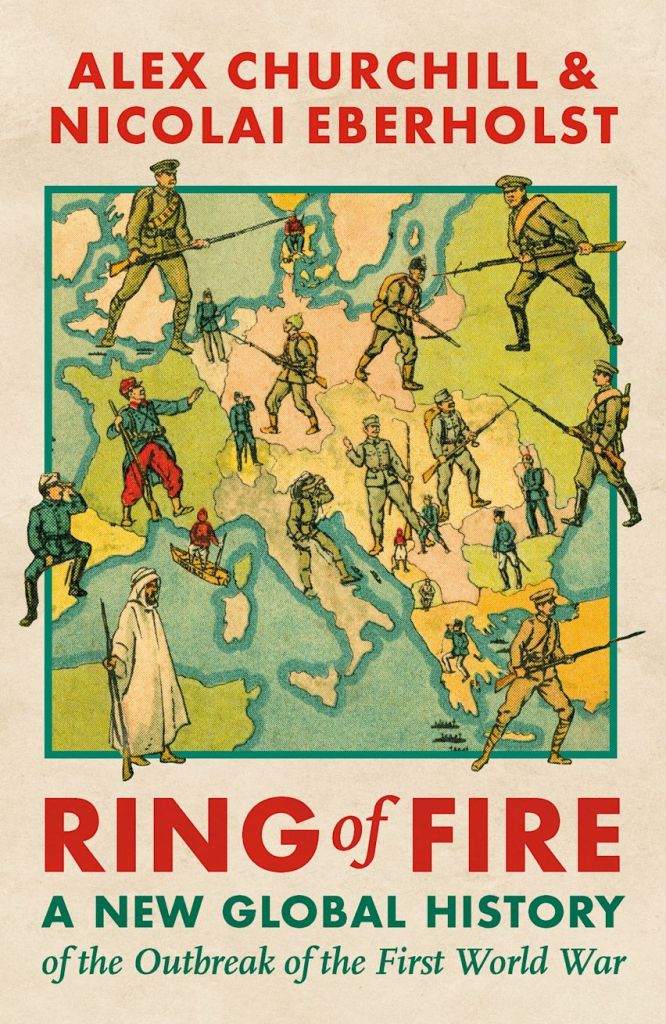
Across the capitals of Europe, no one really understood the calamity that was about to erupt in the summer of 1914. In this new global history, Alex Churchill and Nicolai Eberholst offer ‘the people’s view’ of WWI’s outbreak, with an eye-witness-based account of the events of 1914 around the world.
Ring of Fire: A New Global History of the Outbreak of the First World War
Alex Churchill and Nicolai Eberholst
Apollo Books, hbk, 528pp (£30)
ISBN 978-1035903429
Mission Europe: The Secret History of the Women of SOE
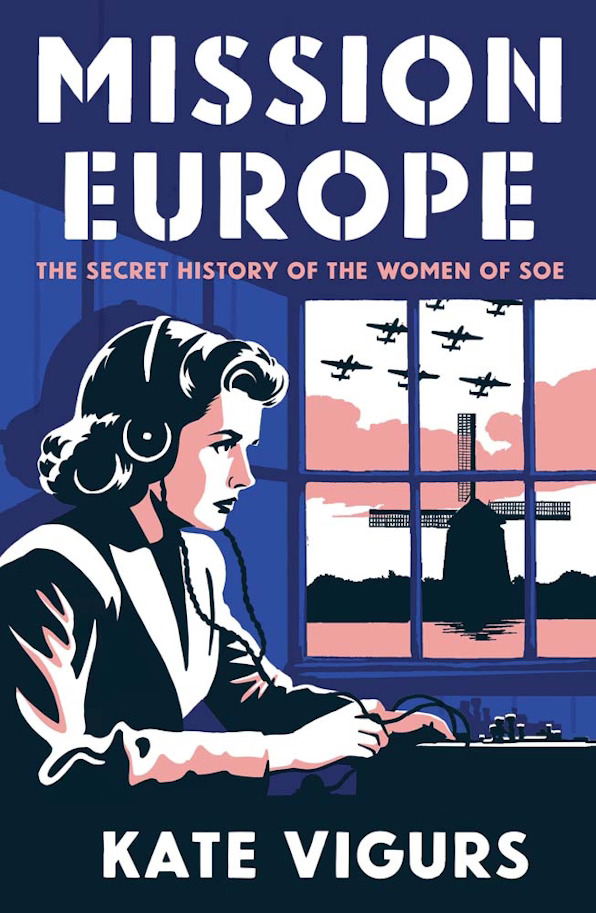
Across the Continent during World War II, Britain’s Special Operations Executive recruited women to ‘set Europe ablaze’. The actions of F-Section in France are renowned, but what happened to those working as agents and saboteurs elsewhere? Kate Vigurs tells the stories of the lesser-known women who worked in different parts of Europe to keep the fire of resistance burning.
Mission Europe: The Secret History of the Women of SOE
Kate Vigurs
Yale, hbk, 384pp (£20)
ISBN 978-0300272697
No More Napoleons: How Britain Managed Europe from Waterloo to World War I

After the Napoleonic Wars, a fragile peace emerged in Europe – but, after decades of conflict, Britain’s economy was crippled by debt. Andrew Lambert shows how British policymakers – through a wily defence policy and the use of naval power – rebuilt the country’s finances and established military dominance around the globe.
No More Napoleons: How Britain Managed Europe from Waterloo to World War I
Andrew Lambert
Yale, hbk, 512pp (£25)
ISBN 978-0300275551
PODCASTS
Cold War Conversations: Surrounded and captured in the Korean War
The Battle of the Imjin River, fought between China and UN troops in April 1951, is one of the most famous engagements of the Korean War. On this episode of the Cold War Conversations podcast, presenter Ian Sanders hears the remarkable story of Tommy Clough, who at the time of his death last autumn (at the age of 93) was one of the last survivors of the battle. Clough and his regiment were cut off from their brigade by more than 10,000 Chinese troops. Outnumbered and outgunned, they dug into a hilltop for three days, repelling attack after attack, before eventually being captured. Clough, who was just 19 at the time, discusses how he survived one of the most brutal battles in modern history.
Cold War Conversations: Surrounded and captured in the Korean War
Ian Sanders and guest Tommy Clough
https://coldwarconversations.com/
Ancient Warfare Magazine The most influential weapon in the Ancient World

Spears, daggers, bows, and axes were all once essential hunting tools for civilisations around the globe, but they proved equally useful when tribes turned on one another and began fighting history’s earliest-known wars. The Ancient Warfare podcast team – including regular MHM contributor Marc DeSantis – debate what they think was the most influential weapon in the Ancient World. From the Roman gladius (the iconic sword used by foot soldiers) to the powerful composite bow, these are weapons that changed the course of history as much as the men who fought with them.
Ancient Warfare Magazine The most influential weapon in the Ancient World
Jasper Oorthuys, Marc DeSantis, and others
https://ancientwarfare.libsyn.com/