Ancient Egypt news in brief

June 14, 2026
This article is from Ancient Egypt issue 155


Subscribe now for full access and no adverts

• Egypt, rather than East Africa, may have been the region where the ancestors of modern apes and humans emerged according to researchers, following their discovery of fossil remains of an ape in the Qattara Depression dating back 18 million years.

• The upper part of a colossal statue thought to be Ramesses II has been uncovered at Tell Faraun, the site of the ancient city of Imet (Sharqia Governorate). The fragment, weighing between 5 and 6 tons, may have been moved to the site from Pi-Ramesses. 
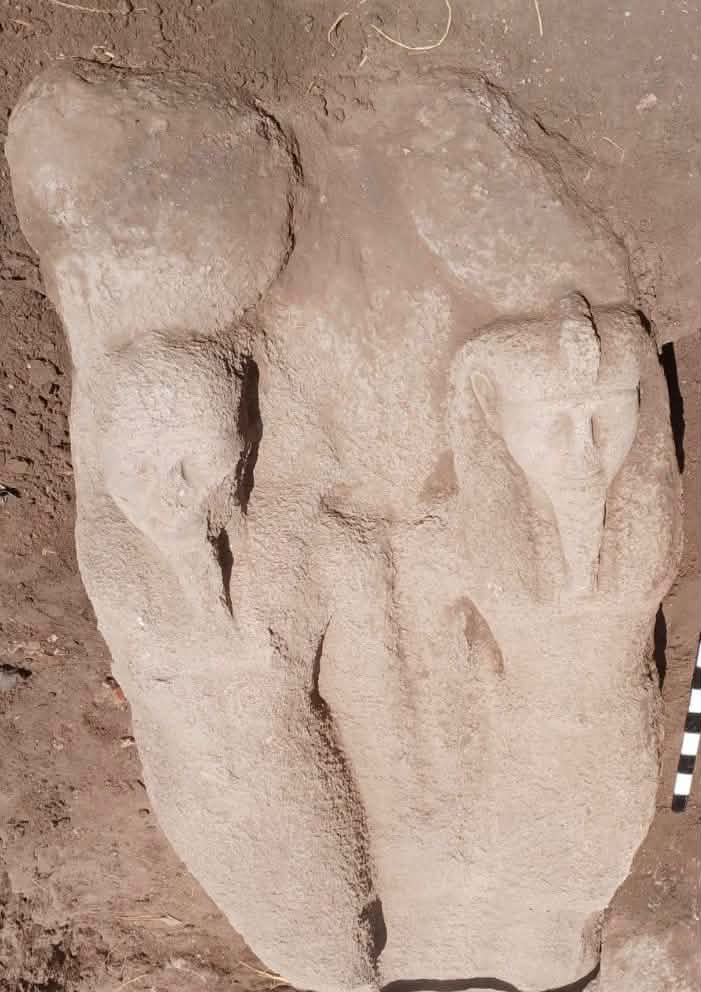
The fragment of a colossal statue thought to be Ramesses II, unearthed in Tell Faraun. 

• The tombs of Amenhotep, also known as Raboya (TT416) and Samut (TT417), at the el-Khokha necropolis (Luxor West Bank) will shortly be open to the public following extensive restoration work.
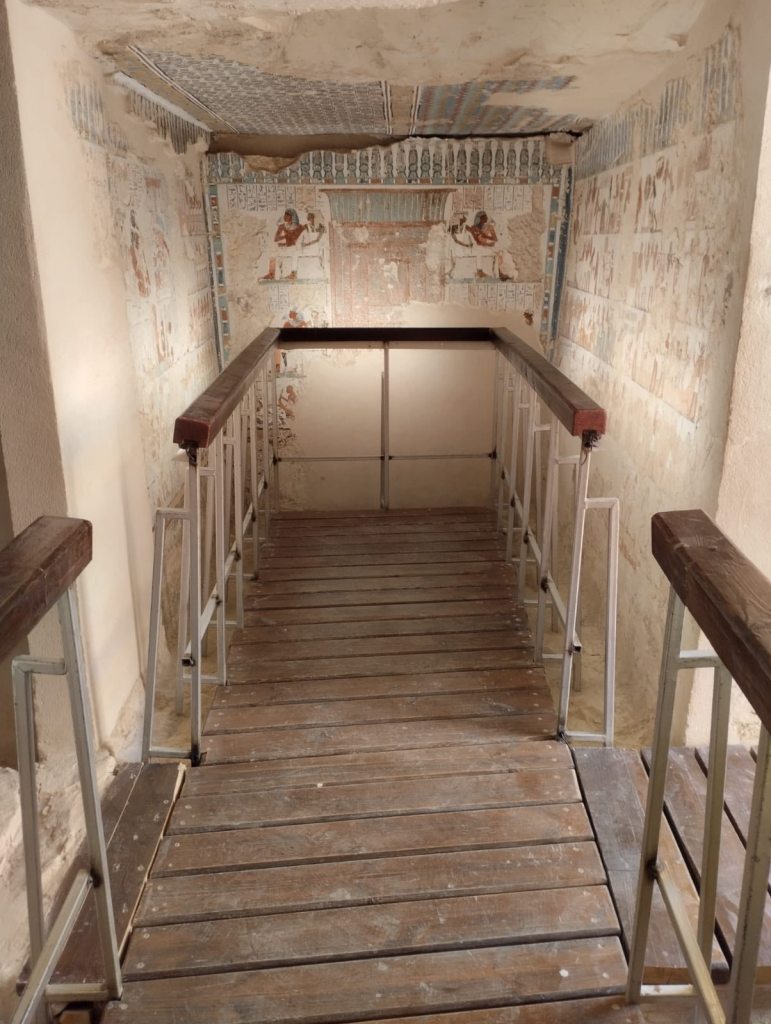
One of two newly opened tombs at the el-Khokha necropolis at Luxor. 
Text: Sarah Griffiths / All images: Ministry of Tourism and Antiquities

By Country

Popular
UKItalyGreeceEgyptTurkeyFrance

Africa
BotswanaEgyptEthiopiaGhanaKenyaLibyaMadagascarMaliMoroccoNamibiaSomaliaSouth AfricaSudanTanzaniaTunisiaZimbabwe

Asia
IranIraqIsraelJapanJavaJordanKazakhstanKodiak IslandKoreaKyrgyzstan
LaosLebanonMalaysiaMongoliaOmanPakistanQatarRussiaPapua New GuineaSaudi ArabiaSingaporeSouth KoreaSumatraSyriaThailandTurkmenistanUAEUzbekistanVanuatuVietnamYemen

Australasia
AustraliaFijiMicronesiaPolynesiaTasmania

Europe
AlbaniaAndorraAustriaBulgariaCroatiaCyprusCzech RepublicDenmarkEnglandEstoniaFinlandFranceGermanyGibraltarGreeceHollandHungaryIcelandIrelandItalyMaltaNorwayPolandPortugalRomaniaScotlandSerbiaSlovakiaSloveniaSpainSwedenSwitzerlandTurkeySicilyUK

South America
ArgentinaBelizeBrazilChileColombiaEaster IslandMexicoPeru

North America
CanadaCaribbeanCarriacouDominican RepublicGreenlandGuatemalaHondurasUSA

Discover more from The Past

Subscribe now to keep reading and get access to the full archive.

Continue reading