
Subscribe now for full access and no adverts
Standing nearly seven feet tall, and possessed of terrifying brute strength, Peter the Great was a giant of Russian history in more ways than one. To many, he was the great moderniser: a bold and innovative thinker, whose vision of a more enlightened Russia – based partly on his travels as a young man – saw the country attempt (not always successfully) to abandon ancient traditions and instead embrace dramatic reforms of its institutions and manners along more rationalist, scientifically informed Western European lines. In this view, Peter’s elegant new capital of St Petersburg – his ‘Window on the West’, built at enormous cost on the remote, mosquito-ridden Baltic coast of the Gulf of Finland (see the infographic here) – takes centre stage as the greatest memorial to the Father of Modern Russia.
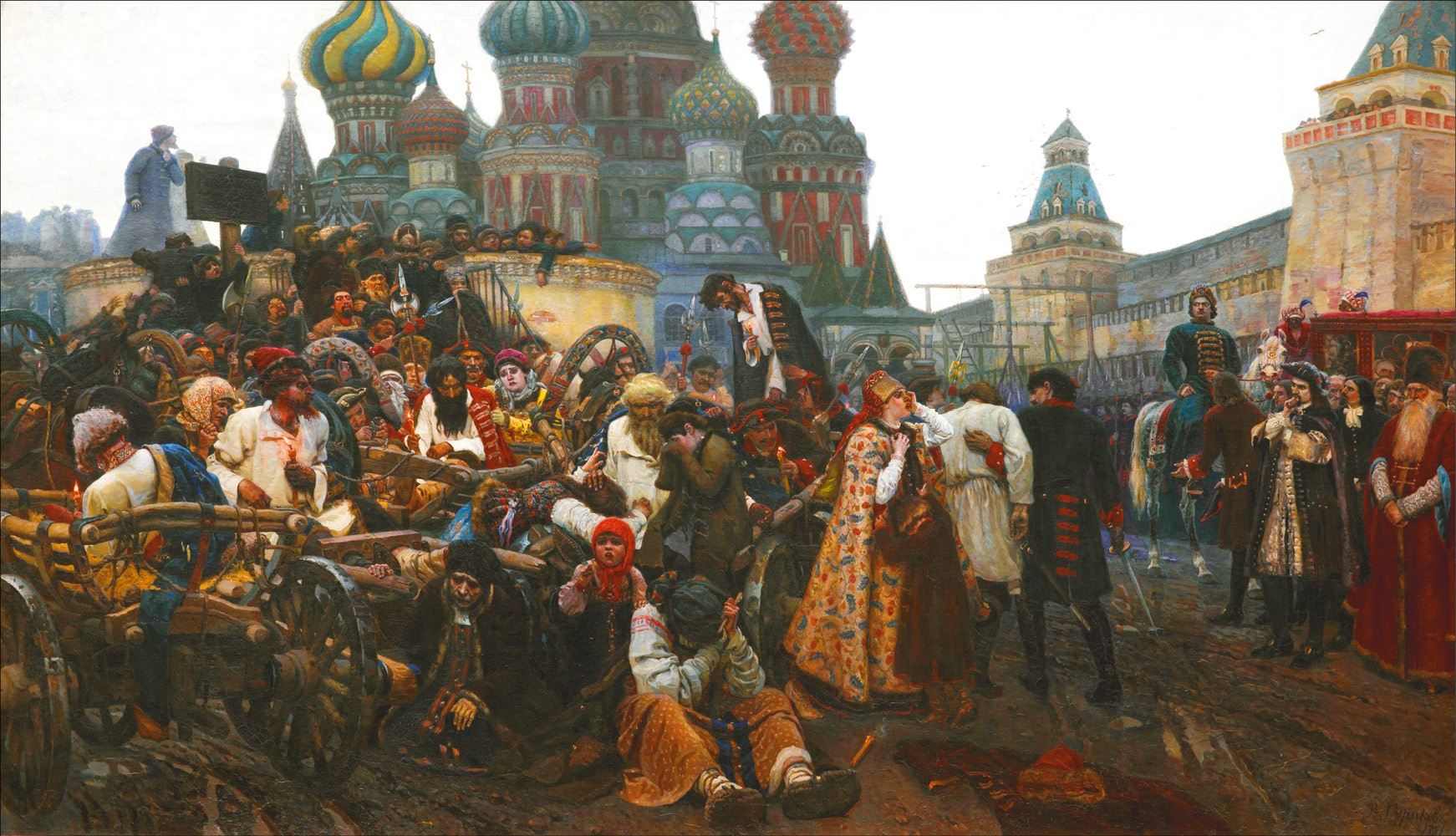
To others – perhaps more discomfitingly – he was the great tyrant: a high-living autocrat, whose well-documented depravity and unshakeable will to power were matched by quite astonishing reserves of cruelty and a degree of callousness that would allow him to torture and execute even his own son. In this view, it is his personal involvement in the merciless and sadistic mass torture of hundreds of members of the streltzi (the country’s outdated and troublesome military elite) which is most emblematic of his despotic 43-year reign.
Both views of Peter are, of course, correct in their own way. But as we discover over the next 14 pages, it is likely that his ‘greatness’ would not have echoed so resoundingly down the centuries without the addition of a third quality – his genius as a military commander – nor that his example would have provided the template so eagerly adopted by all of Russia’s subsequent so-called ‘strongman rulers’, up to and including the present day.
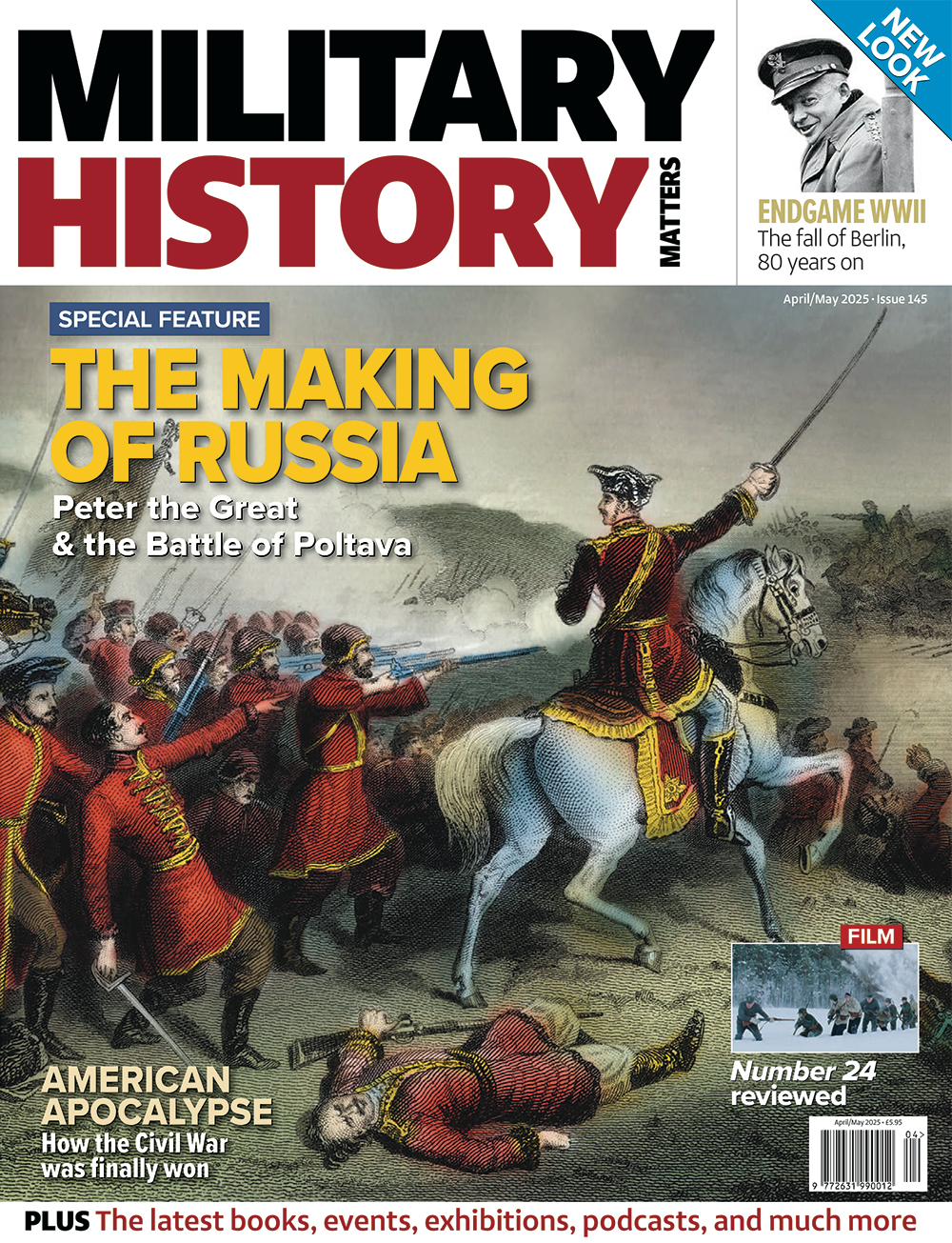
In our special feature for this issue, Stephen Roberts first traces the life of this towering figure in Russian history, then looks in detail at the Battle of Poltava – the 1709 clash of arms in modern-day Ukraine that established Russia for the first time as a major power on the European stage.
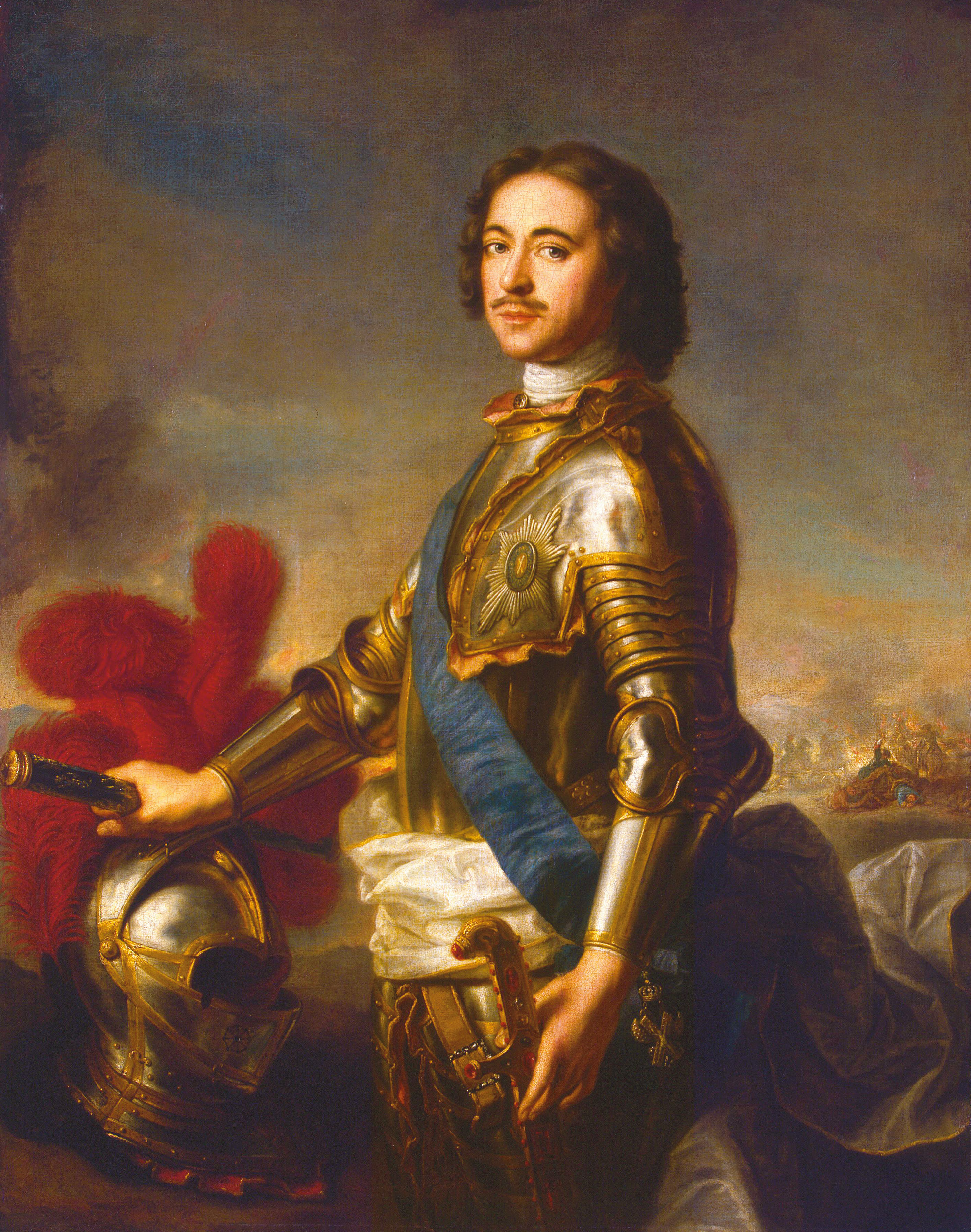
Peter the Great: 1672-1725
Peter the Great, the first Emperor of all Russia, was born in Moscow in 1672, and died almost exactly 300 years ago, on 8 February 1725, at the age of 52. He was the son of the second Romanoff Tsar, Alexei (or Alexis) Mikhailovich – whose two campaigns against the Poles (1654-1667) saw him acquire Smolensk, almost all of Lithuania, and some of Ukraine, even if his war against Sweden (1656-1658) was less propitious. The child of Alexei’s second marriage, Peter himself would turn out to be an intelligent, ruthless, and headstrong ruler.
When Alexei died in 1676, the throne passed first to his eldest son Feodor, Peter’s half-brother – but his reign was brief, with him dying in 1682. Feodor had named the 10-year-old Peter his successor in preference to his natural brother, the weak-minded Ivan. There followed an insurrection of the influential elite military corps known as the streltzi (or streltsy), masterminded by Ivan’s sister, Grand-Duchess Sophia (1657-1704), who engineered in July 1682 the joint crowning of Ivan (as Ivan V) and Peter (as Peter I), with herself as regent. Meanwhile, Peter was also given a Swiss tutor, François Le Fort (1656-1699), who would play a key role in helping him transform Russia into a major European power.
In 1689, Peter married Eudoxia (1669-1731), a member of the noble Lopukhin family – and, perhaps buoyed by this, demanded that his half-sister resign her position as regent. Although initially uncertain of his chances, he soon gained the upper hand. He was supported not only by his partisans and by foreigners in the Russian service – with Le Fort and the Scottish-born general and rear admiral Patrick Gordon prominent among them – but also now by the streltzi, who defected, forcing Sophia’s capitulation and incarceration in a convent (where she died in 1704).
Although Peter paid lip-service to Ivan’s precedence, it was obvious now where power rested: he was effectively sole ruler – and, following Ivan’s death in 1696, no further pretence was needed. The early years of Peter’s reign were spent in a process of self-education, technical and military. He formed close relations with members of the foreign ‘colonies’ in Moscow, and prepared for future campaigns by taking part in war games.
Westernisation
Peter’s first priority was organising an army on European lines. He worked hard to create a navy, too, of armed and mercantile persuasions. His first conflict with China (1689), resulting from the incursions of Russian pioneers into the Amur region, was settled by the Treaty of Nerchinsk, which obliged the Russians to withdraw. He appreciated the handicap of having only one port, with Archangel shut off from the Baltic by Poland and Sweden. For his fleet’s sake, he declared war on Turkey (1695-1696), launching expeditions against Azov, the fortress commanding the Sea of Azov and the northern entrance to the Black Sea. The first land foray was unsuccessful – but the second, supported by the navy, resulted in its capture in July 1696.
Peter wanted to gather information, by seeing countries benefiting from ‘civilisation’ at first hand – so, after he’d quashed a revolt of the fickle streltzi, who resisted change, he departed Russia incognito in April 1697 as part of a ‘Grand Embassy’ (1697-1698). Headed by Le Fort, this had the undeclared aim of recruiting allies for further campaigns against the Turks. In the process, Peter became the first Russian monarch to travel abroad, his experiences in France, England, and the Netherlands steeling him to ‘Westernise’ Russia. The three Baltic provinces were visited, along with Prussia and Hanover, before he reached Amsterdam – where bizarrely, at Zaandam, he laboured as a common shipwright.

While in the Netherlands, he praised William III, who’d taken the English throne in the Glorious Revolution of 1688, and credited him for his own military exploits: ‘It is your military genius that has inspired my sword,’ he told the king, ‘and the noble emulation of your exploits has aroused in my heart the first thoughts I ever had of enlarging my Empire.’ He studied astronomy, natural philosophy, anatomy, surgery, and geography, then absorbed more knowledge for three months in London and Deptford – before, in 1698, he ‘carried’ 500 English engineers, surgeons, artificers, artisans, and artillerymen to give him badly needed expertise.
In June 1698, another anti-reform revolt by the naturally conservative streltzi brought him home to Moscow from Vienna. Gordon already had things under control but Peter nevertheless disbanded the troublesome institution, with hundreds of its members being either executed or deported. Eudoxia, implicated in the revolt, was divorced and suffered the same fate as Sophia, banged up in a convent. Peter’s reforms continued apace, or perhaps began in earnest, as he reformed the press, published translations of foreign works, and established naval and other schools. Trade was opened up, and the national church reorganised, while changes in dress, manners, and etiquette were enforced in a thoroughgoing Westernisation.
Having failed to get the Western powers to continue the Turkish war beyond 1699 and the Treaty of Karlowitz, Peter began preparing for war with Sweden – the prize being possession of the Baltic coast.
War against Sweden
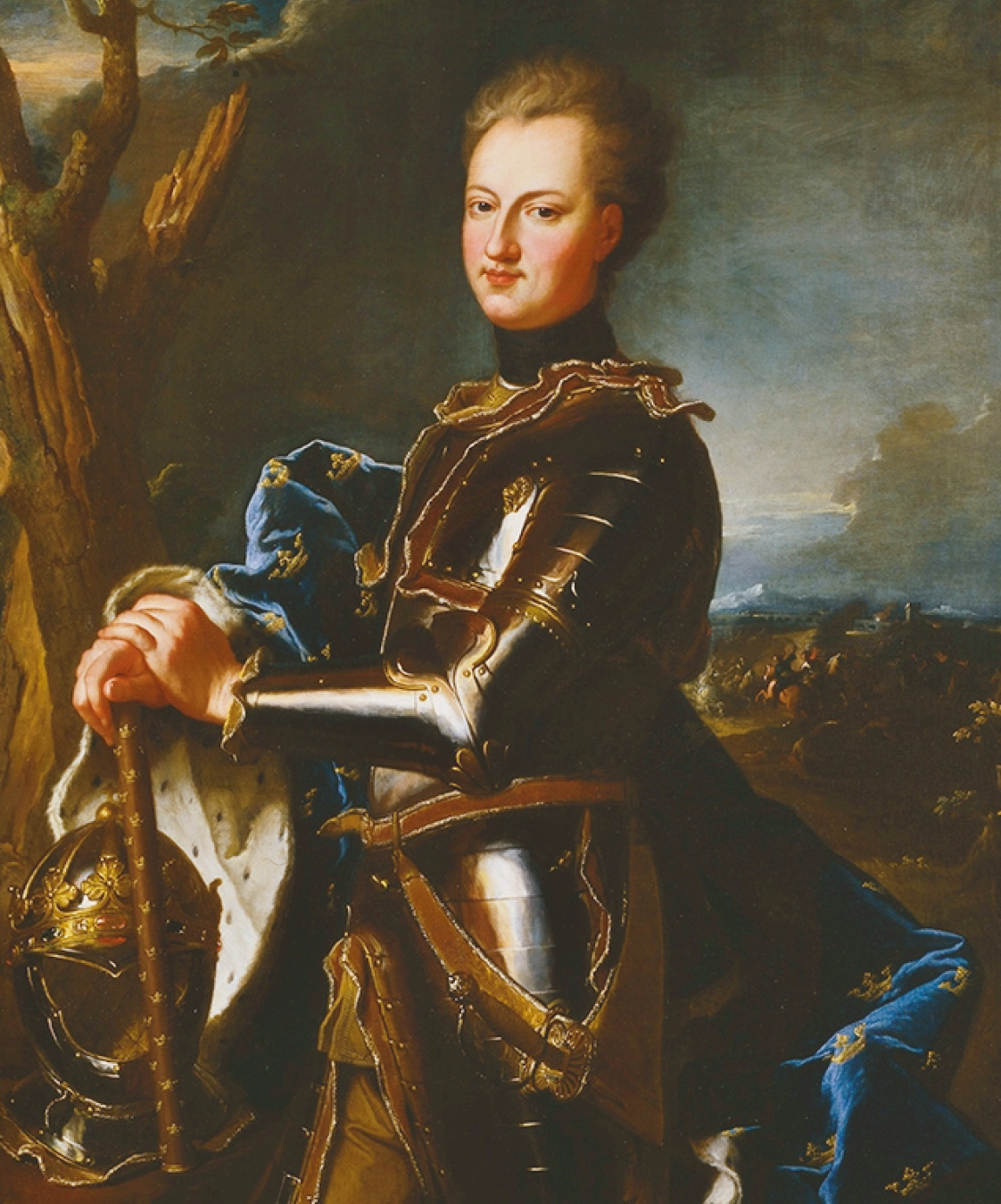
Gustavus Adolphus, Sweden’s king from 1611 to 1632, had used the Thirty Years War (see MHM 137, December 2024/January 2025) to make his country a Great Power, dominating the Baltic. It was a short-lived primacy, however, as Sweden found it lacked the resources to take on the likes of Prussia and Russia. Peter’s own life and reign was played out mainly with two Swedish monarchs: Charles XI (reigned 1660-1697) and Charles XII (1697-1718). The latter ascended the throne aged almost 15, and proved himself a worthy successor to Adolphus, with his reign dominated by the Great Northern War (1700-1721), as Russia, Poland, and Denmark opposed Sweden’s Baltic hegemony.
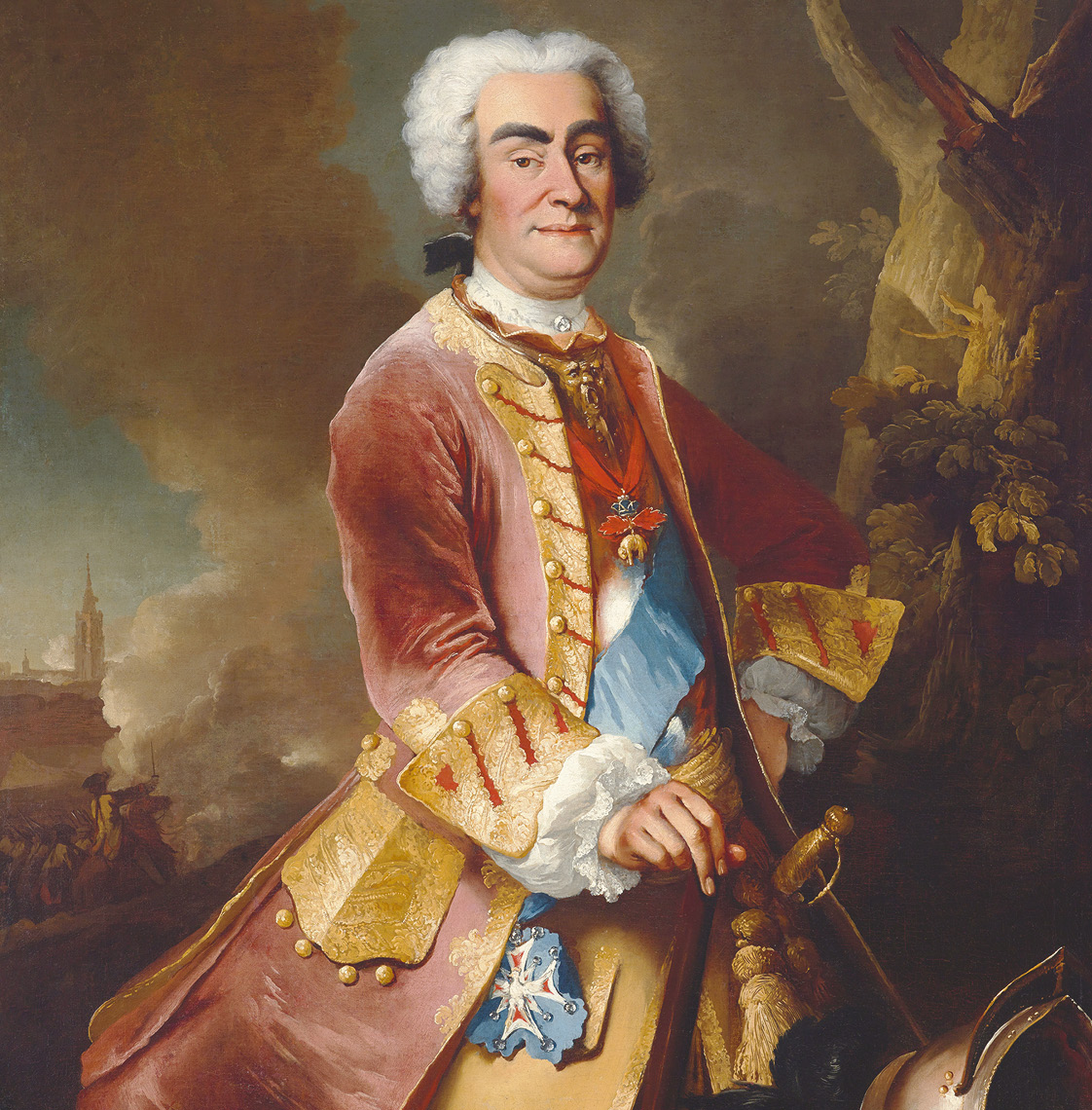
The Swedish Empire was formidable. By 1697, however, its power was under threat, with a northern consensus determined to knock it from its place atop the Baltic pedestal. The new king of Poland, Augustus II the Strong, Elector of Saxony (1670-1733), wanted the Swedes reduced and lost Polish lands (such as the Baltic region of Livonia, covering most of modern-day Latvia and Estonia) restored; while the Danes, who’d also lost several territories, were similarly looking for revenge. For his part, Peter was intent on a Baltic port for Russia’s growing trade, and would happily take on Sweden to help achieve his overriding ambition of modern Russian statehood.
The moment was coming – and the death of Charles XI (on 5 April 1697) and accession of his 14-year-old son as Charles XII provided an opportunity. Saxony and Denmark agreed a defensive alliance in March 1698, and before long Peter had joined with Augustus II and the new Danish king, Frederick IV. The hostilities commenced in 1700, with a Danish invasion of Schleswig and Augustus’ attack on Livonia. In response, Charles made an unexpected landing near Copenhagen, causing the Danes to drop out (via the Treaty of Travendal, signed on 18 August 1700). The Saxons then attacked the Baltic port of Riga, while Peter’s troops besieged Narva (in Estonia), his cavalry having devastated the countryside thereabouts.
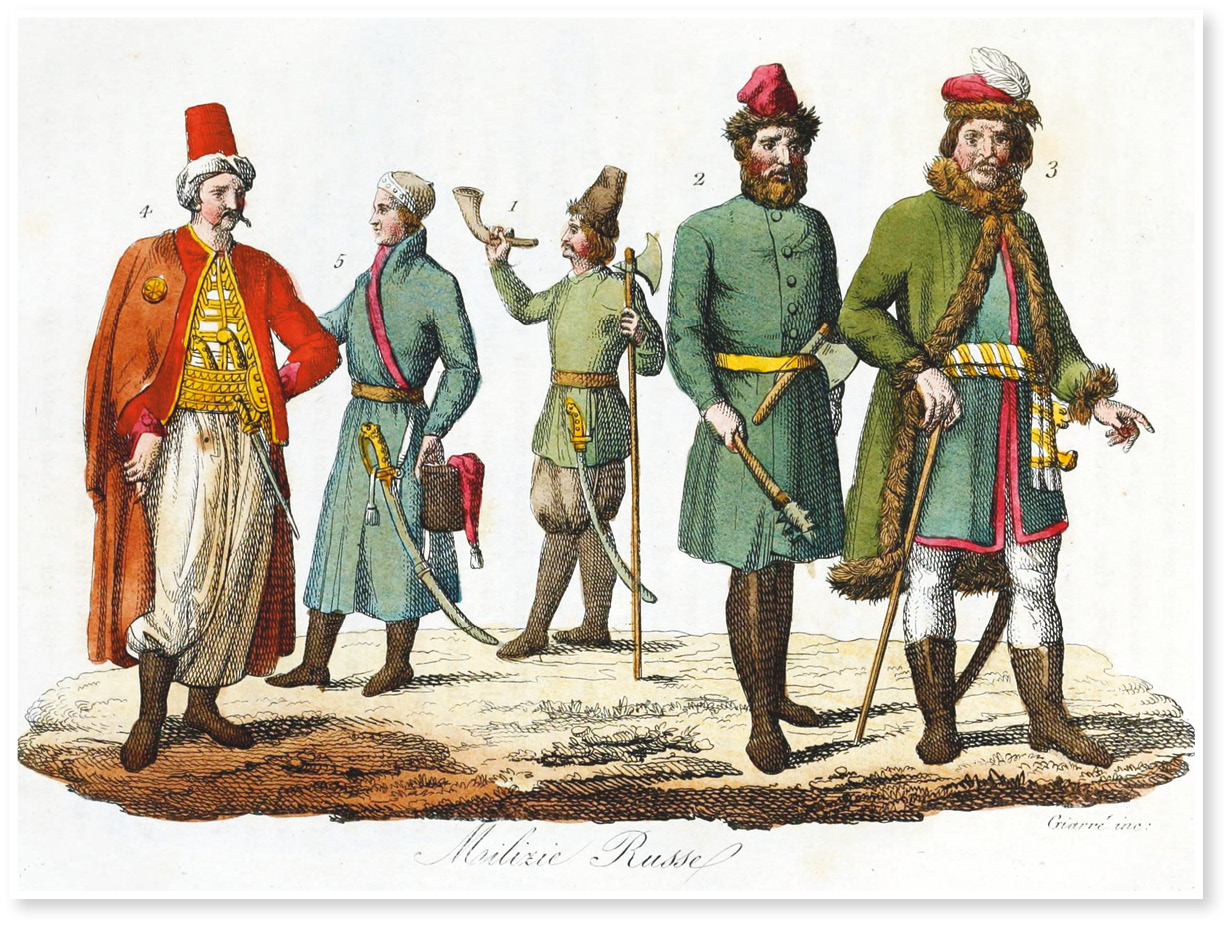
Things did not go well for the Russians, however. Charles landed with a relief army of 10,500 troops, and defeated more than 40,000 Russian regulars and militia at the Battle of Narva, on 30 November 1700. Peter himself departed before battle was drawn, perhaps safe in the knowledge that Charles wouldn’t hastily attack a force almost four times its size. He was proven wrong when Charles unexpectedly threw his infantry at the Russian lines during a snowstorm. In the debacle, Peter’s army lost 8,000 killed and wounded, with Swedish casualties fewer than 2,000.
Instead of pursuing the Russians, who Charles figured posed little threat after Narva, the Swedes looked west to the Saxons, who still sported a strong field army in Poland. Charles relieved Riga, then invaded Poland, with the next six years occupied by his attempts to defeat Augustus II, which eventually forced the latter to sign the Treaty of Altranstädt (September 1706), end his alliance with Peter, and abdicate.
Despite defeat at Narva, Peter recovered. In January 1702, he defeated a weak Swedish army at the Battle of Errestfer, and quietly absorbed a chunk of Ingria, the historical region at the head of the Gulf of Finland – where he established the foundations of his new capital, St Petersburg, at the mouth of the Neva (see the infographic here). He’d used the lull wisely, making conquests, establishing his Baltic power with a fleet, and creating a well-trained and supplied army along European lines. There’d be a second battle at Narva, more correctly the Siege of Narva (June-August 1704), at which the Russians avenged the 1700 battle and took the city – though the capable Scottish mercenary Field Marshal George Ogilvie did most of the actual besieging, while Peter marched south to Dorpat, which fell on 13 July 1704. Narva itself fell on 9 August, a bloodbath ensuing as the Swedish commander declined Peter’s surrender terms.
Again the situation was shifting – and once Charles had agreed his treaty with Augustus, he was bound to seek a reckoning with the expansionist Peter. The Swedish king was marching again in September 1707, advancing towards Moscow before veering south into Ukraine, where his secret ally, the Cossack hetman (supreme military commander) Ivan Mazepa (1639-1709), had promised a full-scale anti-Russian uprising. Mazepa achieved worldwide fame courtesy of a Byron poem, published in 1819. In 1708, however, his rebellion failed to materialise, leaving the Swedish army potentially exposed.
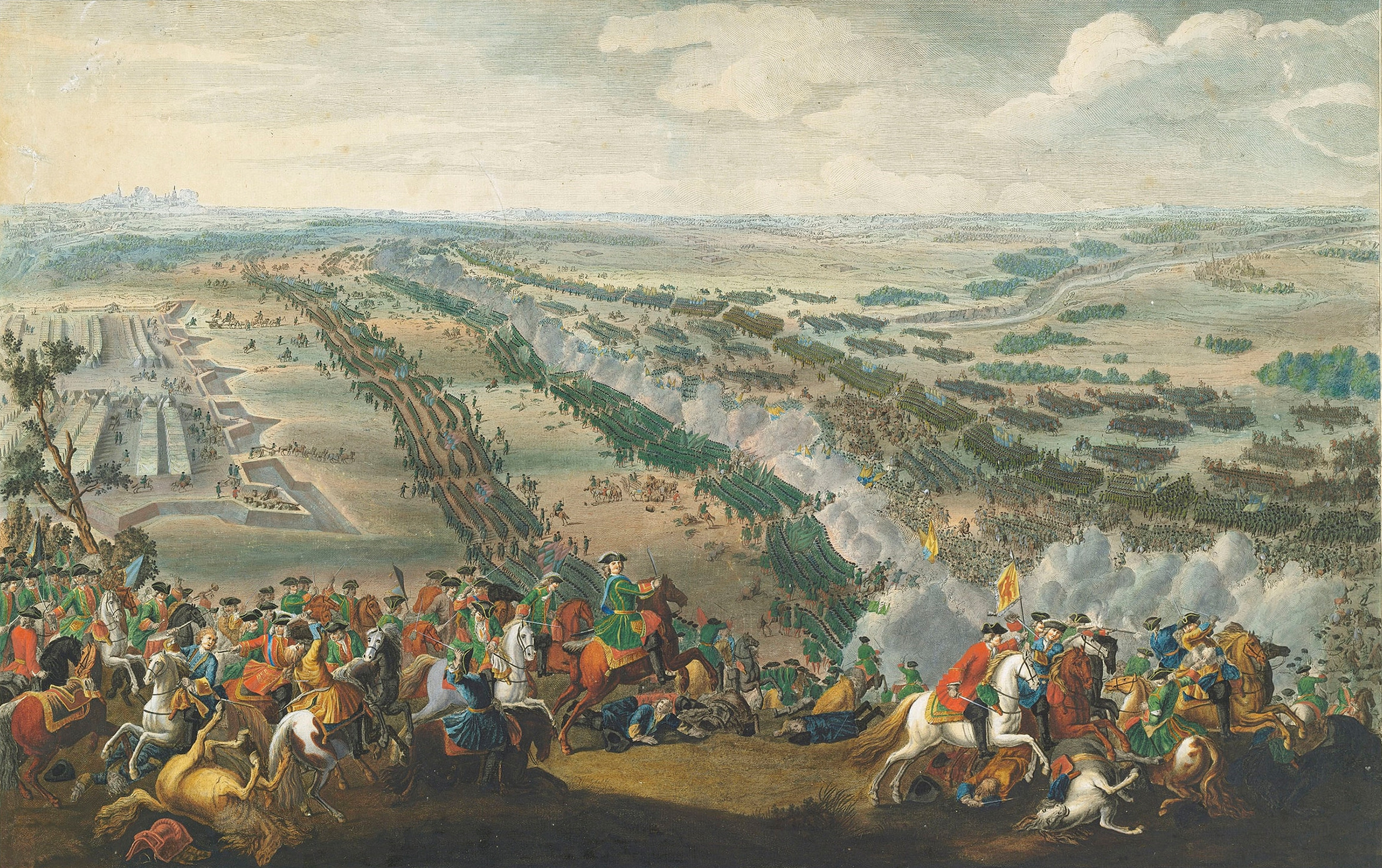
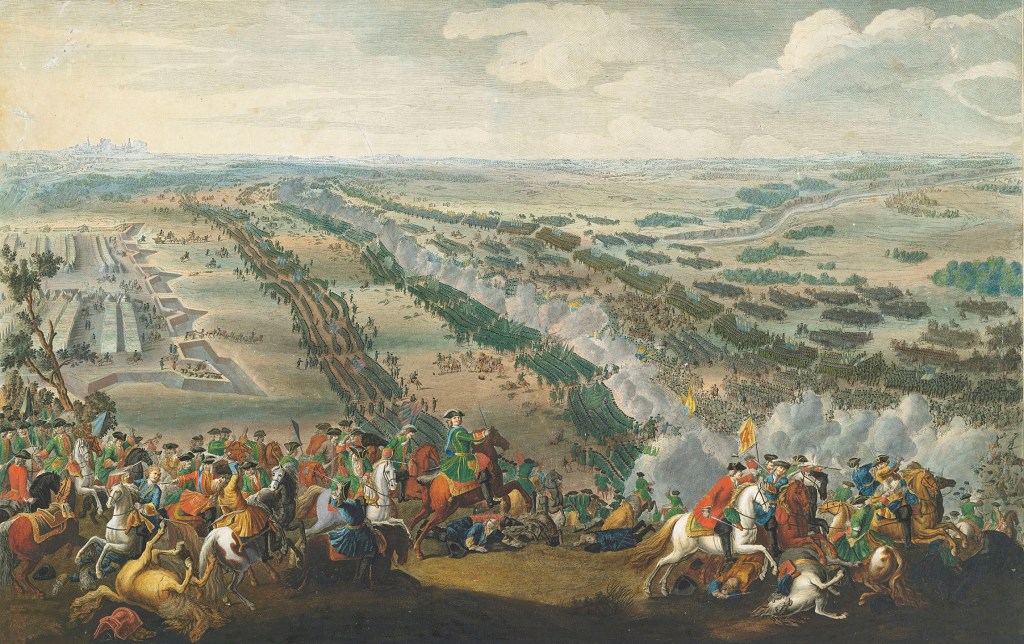
For their part, the Russians were not idle, intercepting and defeating an auxiliary Swedish corps commanded by Adam Lewenhaupt (1659-1719), which was moving ponderously south from Livonia with supplies for Charles’ army. It would be in attempting to seize the city of Voronezh, 350 miles south of Moscow, that Charles embarked on a siege of the stronghold at Poltava, which was on his route of march. Peter’s destiny was to lead his main army to the rescue of Poltava, and to achieve one of Russian history’s decisive battles (see accompanying article here). He would be facing a Swedish army commanded by Carl Gustaf Rehnskjöld.
In the lengthy conflict with Sweden, Russia had come off second-best – until, that is, Charles’ army, exhausted by long marches and lack of provisions, was routed by superior Russian forces at Poltava on 8 July 1709. With the Swedish army broken up and a large portion captured, it was the moment that marked the breaking of Charles’ power, and the emergence of Russian dominance in the north. The significance of the victory was not lost on Peter, who boasted in rather parochial fashion: ‘Now indeed with God’s help the final stone has been laid in the foundation of St Petersburg.’ He would go on to grab the whole of the Baltic provinces and some of Finland in 1710 – but, again, the story was not over. For his part, Charles found refuge in Ottoman territory, where he plotted his comeback – and, two years after Poltava, succeeded in inducing the Turkish Porte to declare war against Peter.

Renewed conflict
Peter prepared for resumed hostilities with Turkey (1710-1711) which, at Charles’ behest and with additional pressure from France, declared war. Peter posed as the champion of the Balkan Christians, promising to protect them from the Ottomans and attempting to foment revolts. In this latest war, however, Peter, despite alliances with Moldavia and Wallachia, was severely stretched. Advancing to the River Pruth, a tributary of the Danube, he was surrounded by a much larger Turkish force, and was forced to concede the Treaty of the Pruth (July 1711), which saw Azov lost to the Porte, while Charles was permitted to return to Sweden.
The war with Sweden continued vigorously in Pomerania, on the Baltic’s southern shores, but without Charles. Indignant at the Turko-Russian treaty, he’d opted to stay in Turkey, where he remained for three more years, not returning to Sweden until 1714 – by which time Peter had occupied all of Livonia, Estonia, Ingria, Karelia, and Finland.

The war dragged on for several more years, with Russia joining Saxony, Poland, Denmark, Prussia, and Hanover fighting against Sweden. Peter’s great adversary, Charles XII, was finally shot during a military expedition to Norway in December 1718, and was succeeded by his sister Ulrika Eleanora (reigned 1718-1720). After this brief female interregnum, Ulrika Eleanor’s husband Frederick I became Swedish king from 1720 to 1751, his reign overlapping with the final years of Peter’s. Better relations with Russia were sought, and the Great Northern War was finally concluded with the Treaties of Stockholm (1719-1720) and the Treaty of Nystad (30 August 1721), which dealt specifically with Russian matters.
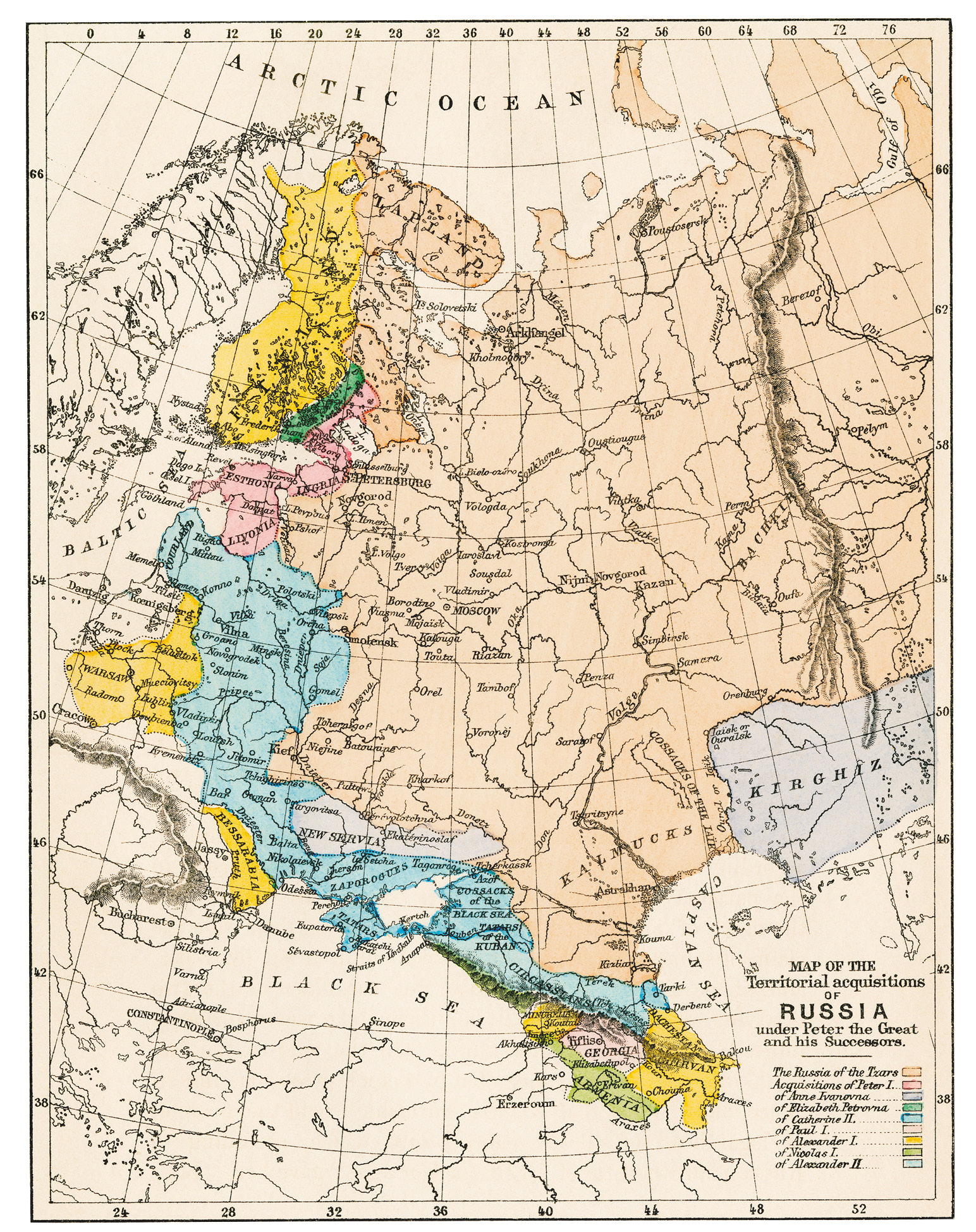
Sweden formally ceded Livonia, Estonia, Ingria, part of Karelia, and a number of Baltic islands including Dagö and Oesel. For its part, Russia restored Finland and paid 2,000,000 rix dollars. The main legacy, however, was the final destruction of Sweden’s Baltic dominance and the emergence of Russia as a European Great Power: that was Peter’s achievement. He’d achieved his main purpose, opening a ‘window’ on the Baltic, which unlocked avenues with the West. Russia now had its place at the top table of European powers.
In 1712, Peter had married his mistress, ‘Catherine’ – correctly Marta Skavronskaya (c.1684-1727), the daughter of a Lithuanian peasant and wife of a Swedish dragoon – who would become Empress Catherine I on Peter’s death, in 1725. At the same time as the nuptials, the Russian capital was moved to St Petersburg. Peter outlined his ruling philosophy of service in a letter to his son Alexis, dated 11 October 1715: ‘I have not spared and I do not spare my life for my fatherland and my people… Two things are necessary in government, namely order and defence’.
The insistence on ‘order’ became ominous for Alexis. In 1716-1717, Peter was touring Europe again with his Tsarina – but shortly after condemned his son, who was less enamoured with some of his reforms. Alexis’ outspokenness made him the focus of opposition and led to his imprisonment and death in a cell from torture (1718). Many nobles, implicated in Alexis’ opposition, were brutally suppressed. In 1722, Peter passed a law empowering the monarch to appoint his own successor. His tussle with Alexis had perhaps informed this, though it was a right Peter didn’t make use of.

Final years
In 1722, Peter took advantage of Persian infighting to begin a new war on his south-eastern frontier, which would see Persia cede the southern and western shores of the Caspian Sea to Russia in return for military aid. Mostly, however, Peter’s last years were spent beautifying and enhancing his new capital of St Petersburg, while also disseminating knowledge and education. His reforms included administrative centralisation, and the replacement of the old Council of the Boyars with a governing senate (1711) – with nine members appointed by the tsar, new government bureaus (dubbed ‘colleges’) established (1718), and nobility forced to serve the state rather than be self-serving, with a hierarchy of offices set up. There was encouragement of trade, industry, and education (the Academy of Science was opened the year after Peter’s death). The church was subordinated to state control by abolishing the patriarchate, and establishing in its stead a synod (1721) composed of bishops, but cannily presided over by a layman (Procurator of the Holy Synod). Although not all Peter’s reforms were finished, and some were implemented hastily and prematurely, the innovations did much to drag Russia from its stupor.
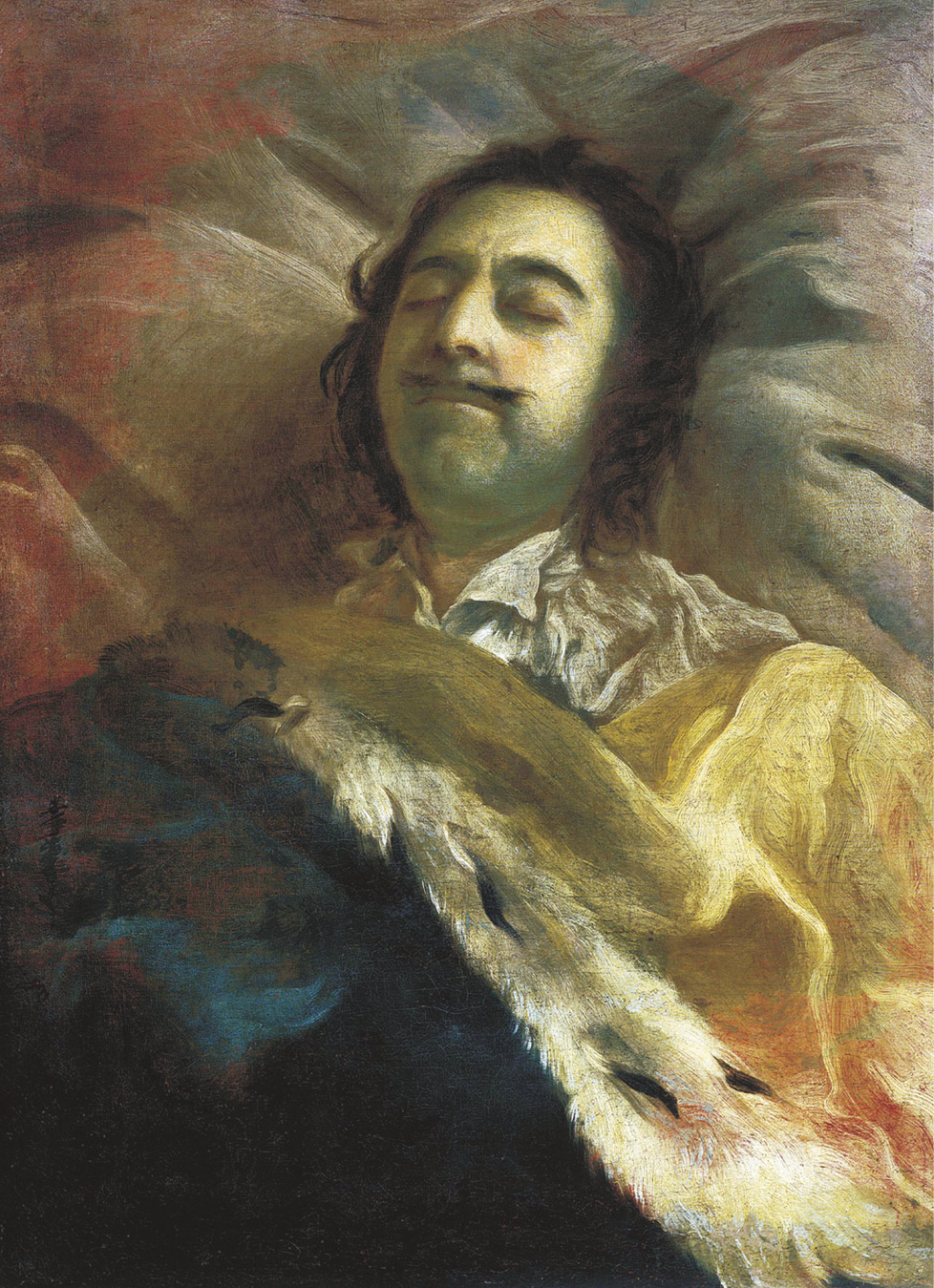
In autumn 1724, Peter fell seriously ill and died in double-quick time. Catherine, his second wife, succeeded him as Catherine I (not ‘the Great’, who was her granddaughter-in-law Catherine II). Two of his last acts were perhaps typical – dispatching the Danish-born navigator Vitus Bering to explore waters (later to be known as the Bering Strait) off north-east Siberia, and founding the Academy of Sciences in St Petersburg, where the original resident membership comprised 13 Germans, two Swiss, and a Frenchman.
Further reading:
• Peter the Great: His Life and Work (R Massie, Apollo/The Romanovs Series, 2022)
• Peter the Great (J Abbott, Ginger Classics/Makers of History Series, 2023)
All images: Wikimedia Commons, unless otherwise stated
You can read the second part by Stephen Roberts here and find Calum Henderson's infographics here