
Subscribe now for full access and no adverts
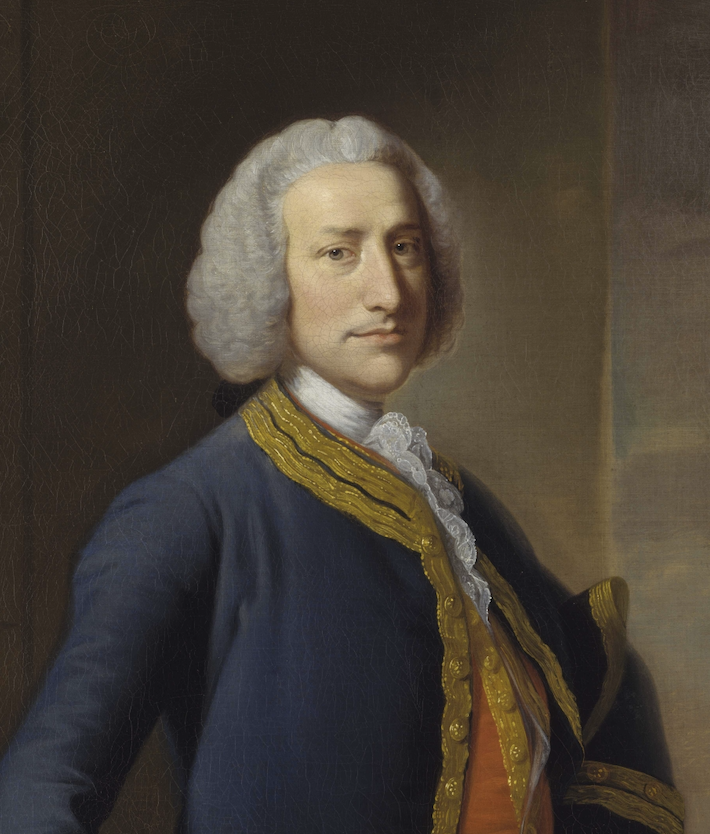
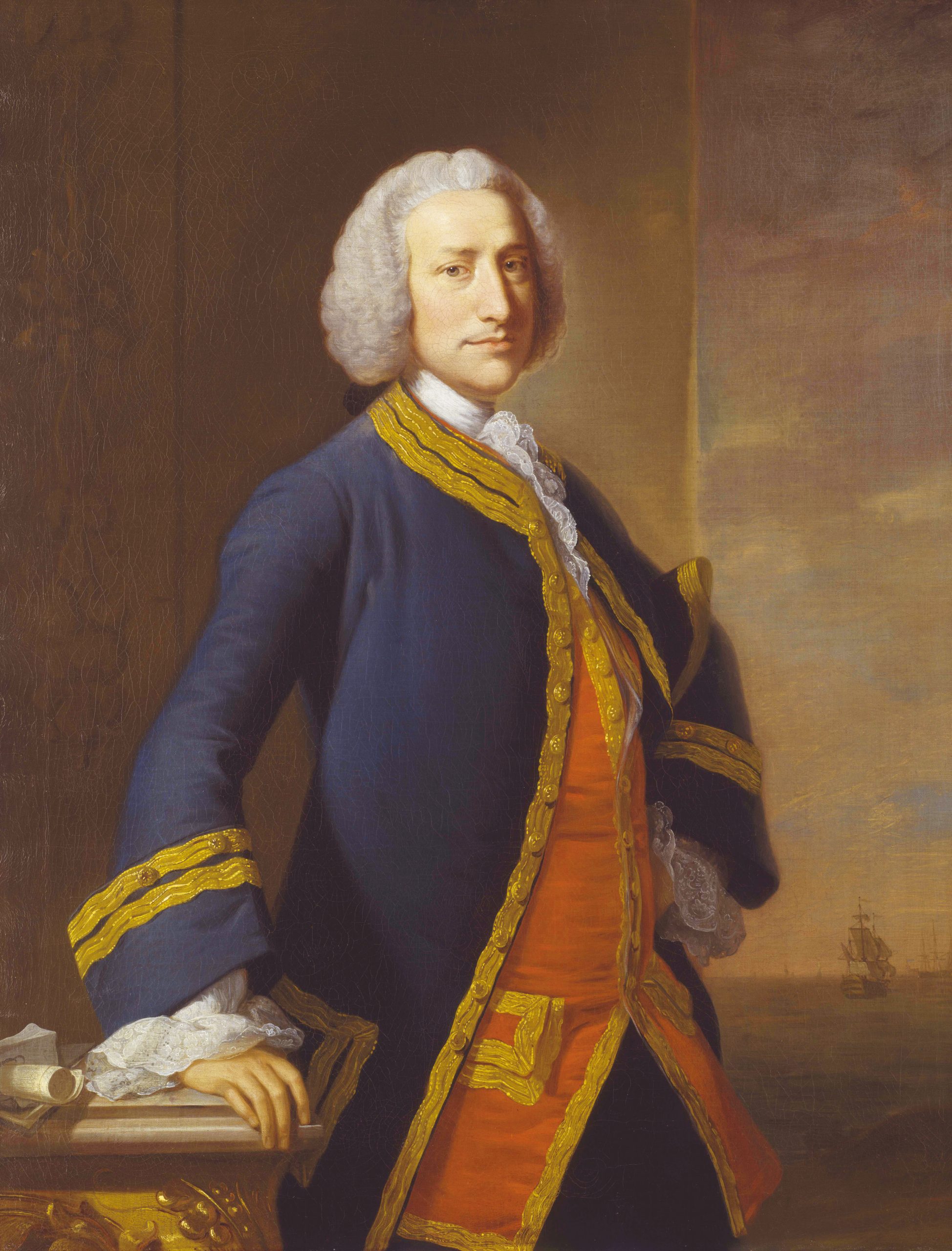
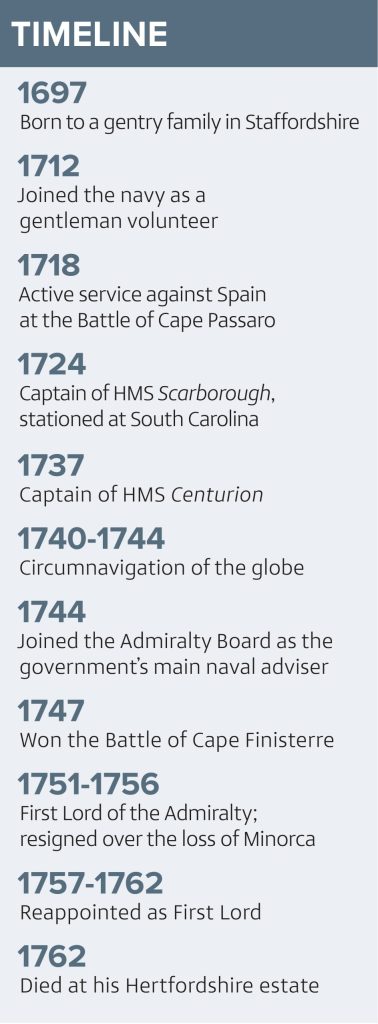
Admiral George Anson played a critical role in the transformation of Britain’s navy in the mid-18th century. A hundred years earlier, the country that emerged from the Civil Wars possessed a fleet appropriate to a medium-sized European power. Yet on the eve of the Seven Years War (1756-1763), Britain was in a position to contend with France for global pre-eminence.
Anson is best known for his circumnavigation of the globe, an epic journey that lasted almost four years: it was only the second time that a British naval expedition had achieved this feat, following Sir Francis Drake in the Elizabethan era. But it was in the corridors of power that Anson made his most enduring mark. Successfully moving from command at sea to a senior role in government, he used his influence to turn the navy into an empire-building force.
Forging a career
Born into the Staffordshire gentry in 1697, Anson did not come from a naval background. Once he had decided on a maritime career, however, a combination of natural ability and family connections helped him win rapid promotion. Joining the navy as an unpaid ‘gentleman volunteer’ at the age of 15 in 1712, he benefited from the patronage of his uncle, the Earl of Macclesfield, a future Lord Chancellor. Macclesfield’s protégé, the Earl of Hardwicke, who was to serve in the same post, became Anson’s father-in-law after he made a late marriage in 1748. These associations proved invaluable as he progressed to senior naval rank and then to a high-level career in Whitehall.
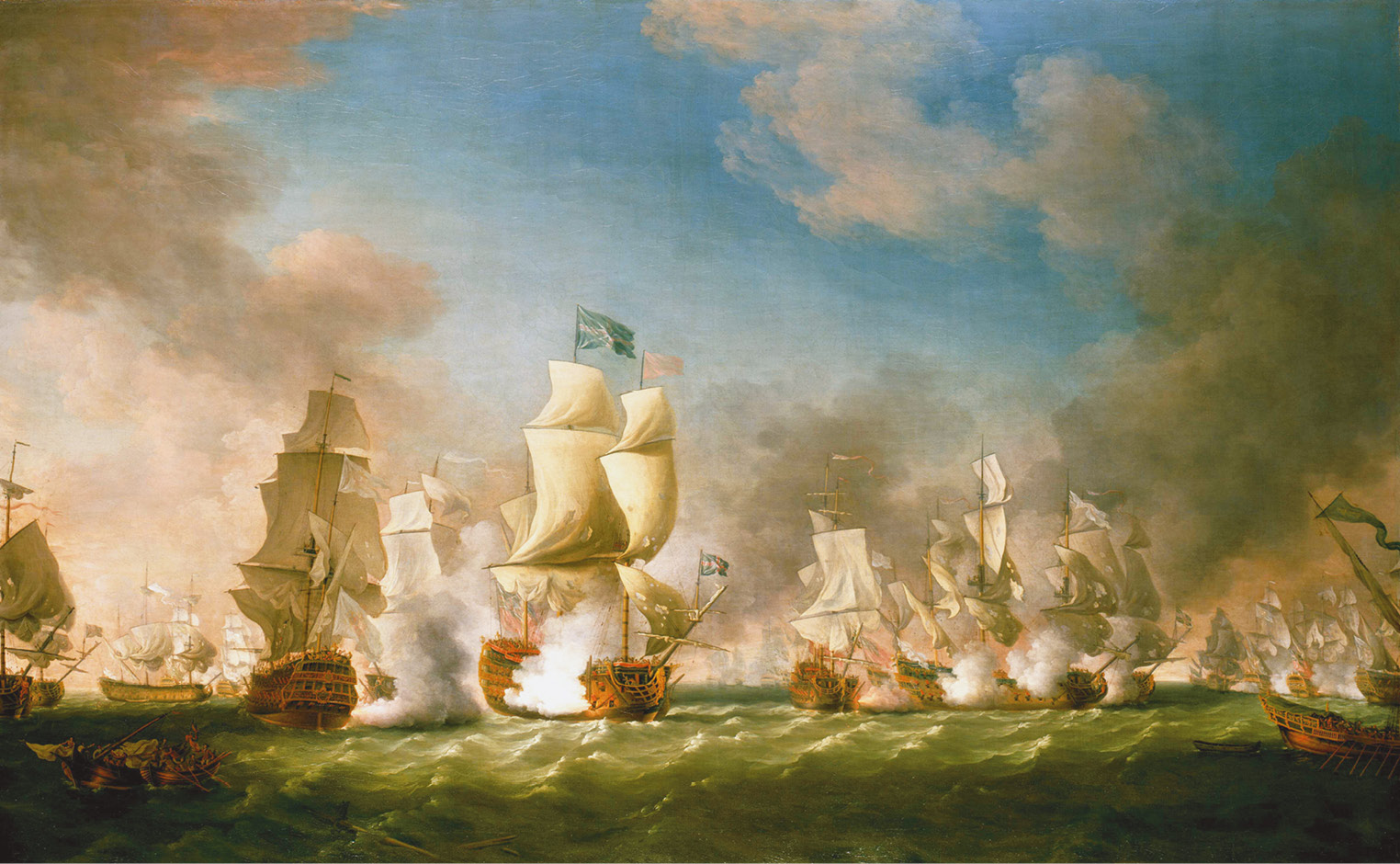
Anson gained his first experience of naval combat in August 1718 at the Battle of Cape Passaro, off Sicily, where a fleet commanded by Admiral Sir George Byng scored a decisive victory over the Spanish. The flexibility of Byng’s tactics – ordering a general chase of the enemy rather than approaching in standard battle-line formation – made a keen impression on the young Anson’s thinking. It was a mark of favour that he afterwards served on the admiral’s flagship.
Anson’s first important command was as captain of the frigate HMS Scarborough, off the North American coast, where his task was to protect trade with the British colony of South Carolina. In two stints on this isolated station, totalling nine years, he learned to make his own decisions. The posting proved extremely lucrative, too. Through winnings at cards, a game in which he excelled, Anson accumulated enough money to invest in property. By 1737, when he took command of the 60-gun HMS Centurion, Anson was experienced, confident, and independently wealthy.
The outbreak of war with Spain two years later gave Anson the opportunity to prove himself in action. Now a commodore, he was tasked with attacking enemy settlements along the Pacific coast of South America and capturing the treasure galleon which sailed each year between Mexico and the Philippines. The Centurion was to be accompanied by five other warships and two supply vessels. After sailing around Cape Horn and completing his mission, Anson was given the option of returning home across the northern Pacific rather than retracing his route along a hostile coast. It was a brief that would take the expedition on a voyage around the world.
Circumnavigation
Anson’s circumnavigation in 1740-1744 is justly remembered as one of the most heroic exploits in the history of the navy. Yet it was also marked by enormous losses – only one ship, the Centurion, completed the voyage, and barely one-tenth of the original crew members survived.
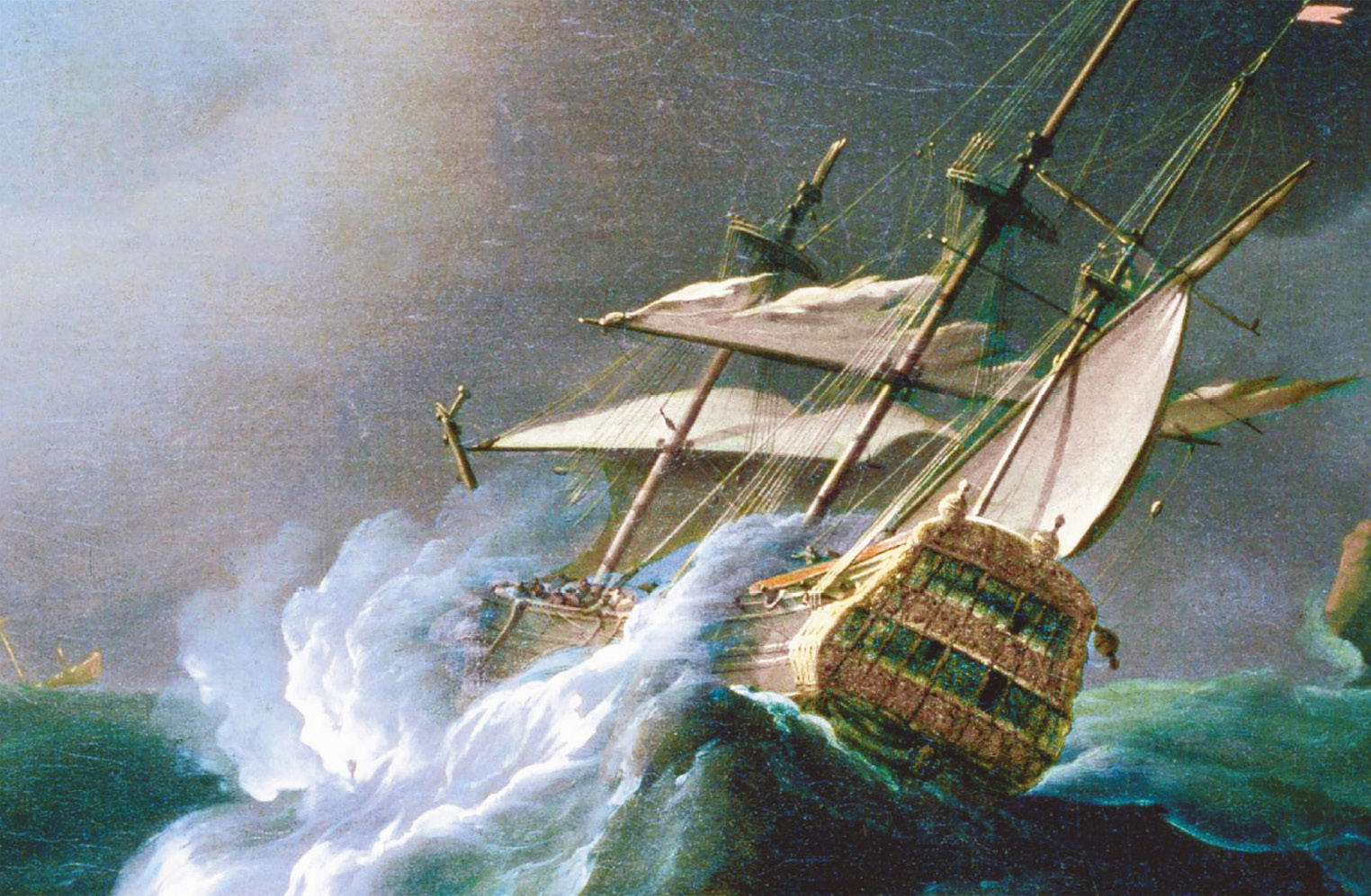
The mission was dogged by problems from the start. A delayed departure meant that the notorious passage around Cape Horn had to be tackled at the stormiest time of year, causing two ships to turn back. Then HMS Wager – subject of a best-selling 2023 book by David Grann – was wrecked off the coast of Chile and the crew subsequently mutinied.
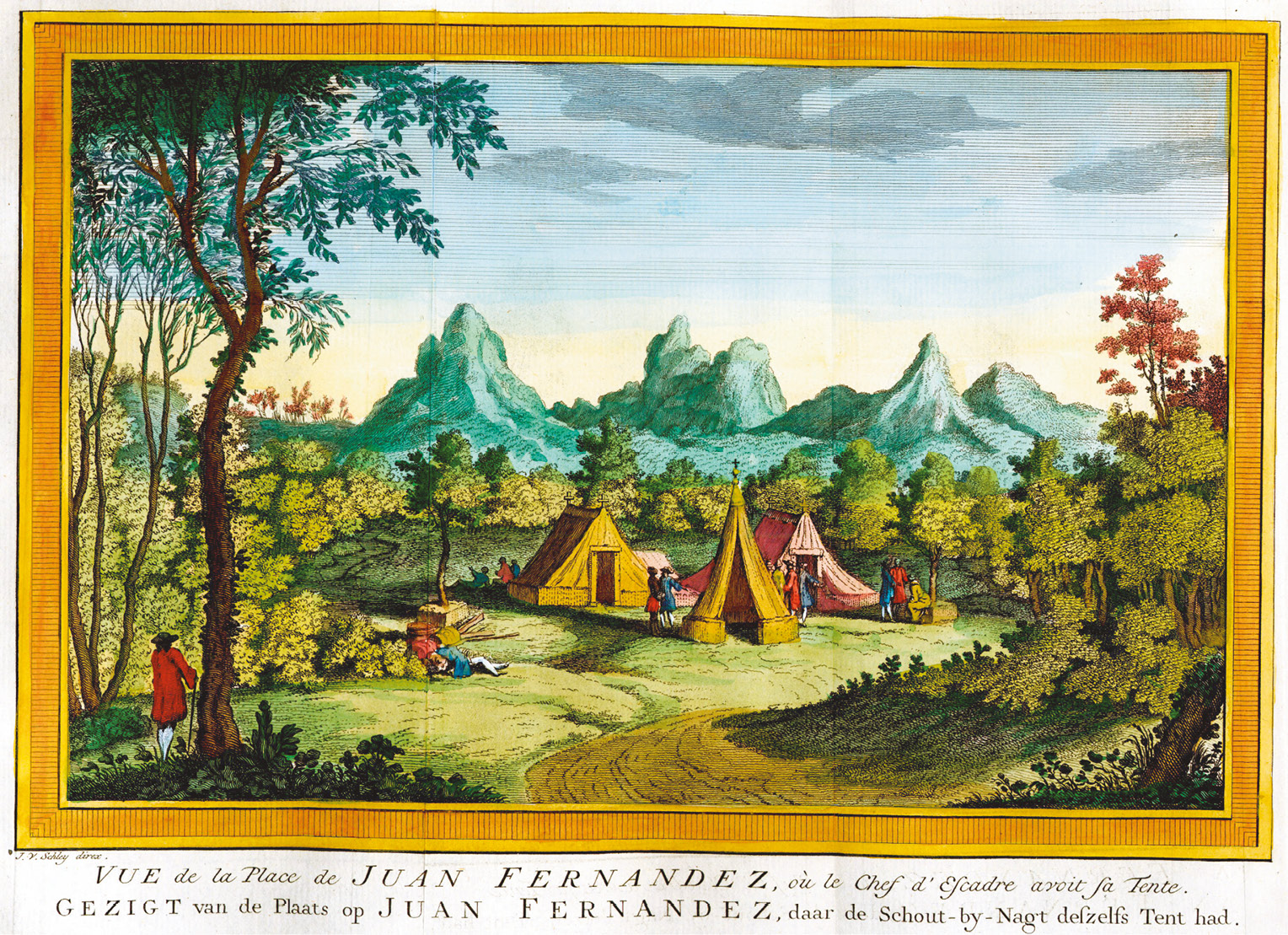
The death rate from disease was high, due in part to a failure to understand the link between scurvy and a shortage of fresh fruit. Many of the soldiers assigned to the expedition were ageing veterans who were poorly equipped to cope with the rigours of the journey. By June 1741, when the depleted force found temporary shelter off the coast of Chile on the Juan Fernández Islands – the location that inspired Robinson Crusoe – two-thirds of the ships’ complement had died, leaving barely enough men to crew the remaining ships.
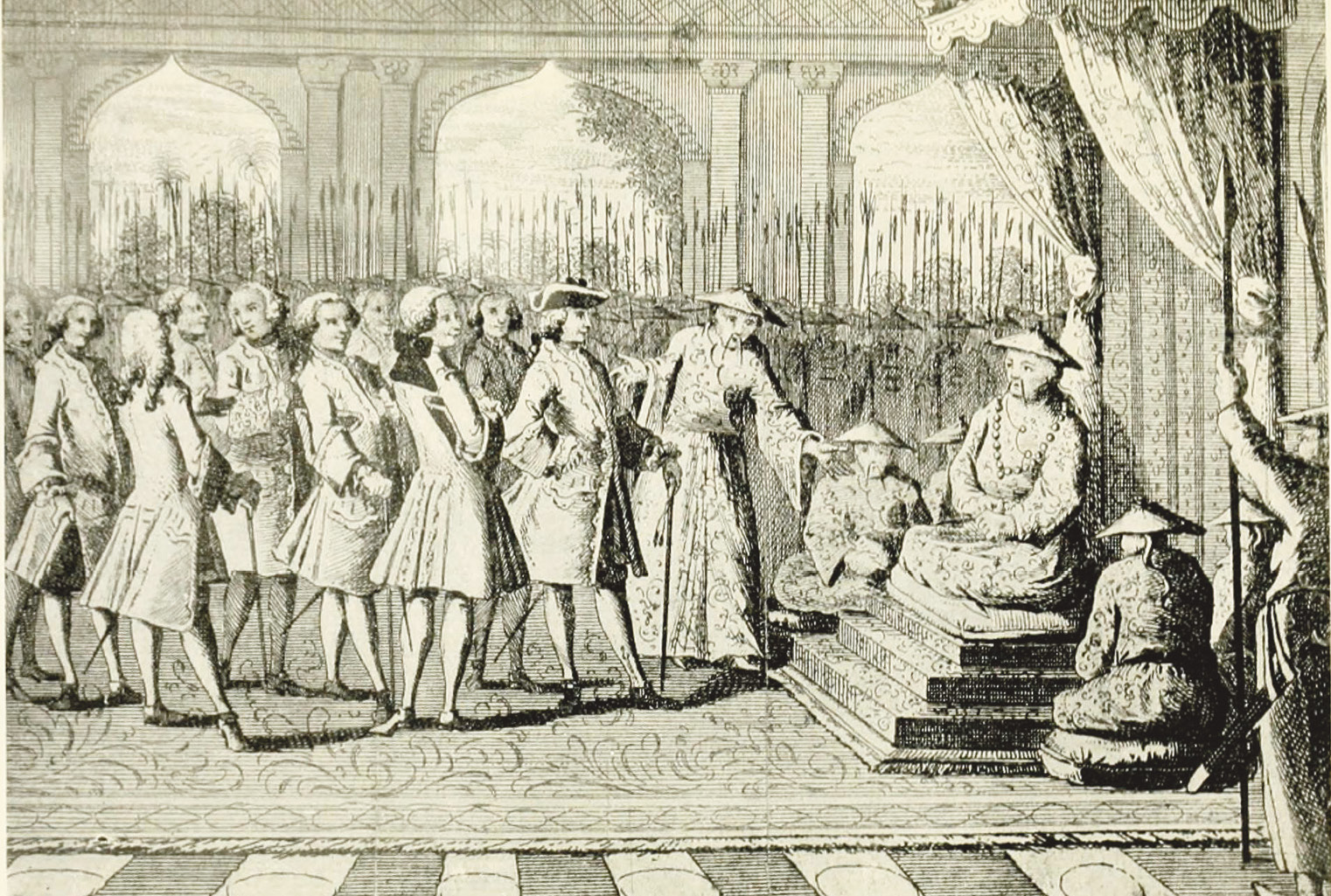
These setbacks meant that Anson risked an assault on only one Spanish port: Paita, on the coast of Peru. By August 1742, only the Centurion was remotely seaworthy and so Anson took the decision to cut his losses and transfer the surviving sailors to it. After arriving at Tinian in the Marianas to undertake much-needed repairs, the ship was twice blown out to sea in a storm. With a supreme effort, the crew regained control and made landfall at Macau, a Portuguese trading post under Chinese authority, where the refit was eventually carried out.
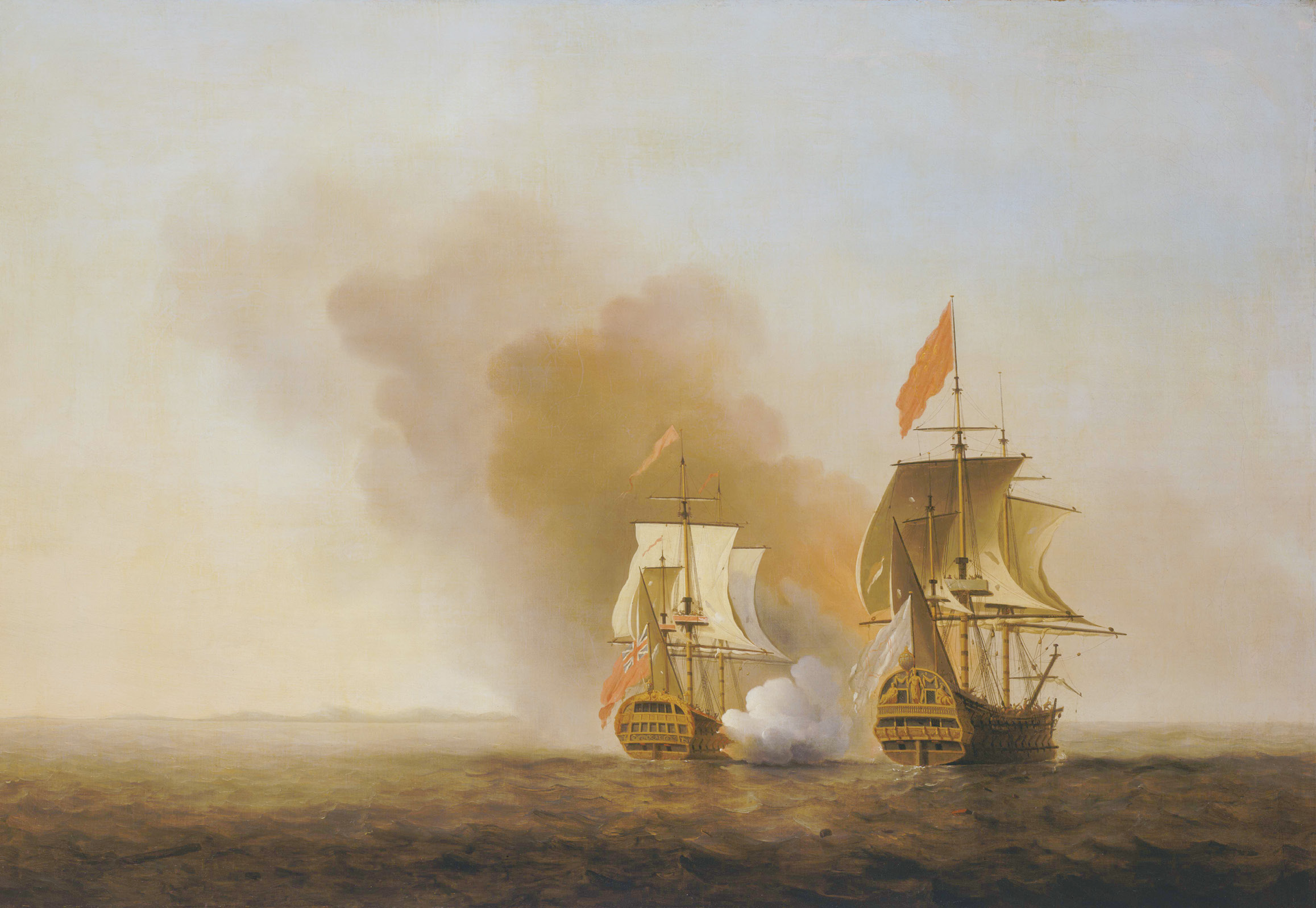
Against the odds, in June 1743 the expedition succeeded in capturing the Spanish galleon Nuestra Señora de Covadonga, the ‘prize of all the oceans’, off the Philippines. It was a stroke of luck – the Centurion had just 227 aboard, including 30 boys, whereas a normal crew was closer to 400. Nonetheless, they had greater skill and motivation, backed by superior firepower. Closing with the Spanish ship, Centurion’s 24-pounders fired merciless broadsides while marksmen aloft picked off enemy officers and gunners. The haul of 34.5 tonnes of silver allowed Anson to salvage something from what had always been an overly ambitious mission.
Notwithstanding the severe losses, and a protracted legal dispute over prize money, Anson was hailed as a celebrity. His odyssey helped to launch him on a second career in government, starting with his election as a Member of Parliament and appointment to the Admiralty Board before the end of 1744. Seven years later, he reached the pinnacle of his career as First Lord of the Admiralty, a role that carried with it a seat in the Cabinet. For the last 18 years of his life, Anson would in effect be the government’s principal adviser on naval matters, his influence extending into almost all aspects of maritime affairs.
Victory at sea
When Anson joined the Admiralty, the navy was far from occupying the globally dominant position that it would attain later in the century. Apart from Admiral Vernon’s capture of Porto Bello in Panama, in November 1739 (see MHM 140, June/ July 2024), its recent performance had been mediocre. In the key areas of tactics, leadership, and warship design, it was unequal to the demands of fighting in distant waters. A humiliating defeat off Toulon, four months before Anson returned home from his circumnavigation, highlighted the navy’s weaknesses. The two senior figures, Admiral Mathews and Admiral Lestock, blamed each other for the disaster, leading to a series of courts-martial and the dismissal of Mathews and several captains.
In his final major operation, Anson partially restored the navy’s credibility as a fighting force. As commander of the Western Squadron, in May 1747 he won a stunning victory over a French fleet off Cape Finisterre, on the north-west coast of Spain. He was not the first admiral to appreciate that, given the prevailing westerly winds and the lack of a major French base on the Channel coast, there was a strong case for stationing a powerful force to police the western approaches to Britain. But in his hands the concept became a reality. Such a squadron could intercept an invasion attempt, protect British shipping, and attack any enemy warships that entered the area.
Alerted by an effective intelligence network to the imminent appearance of a French convoy, Anson put to sea. He drilled his ships, introduced additional signals to make his intentions clearer, and briefed his captains thoroughly. On sighting the French merchant ships and their naval escort, Anson ordered his squadron to form line of battle. As he bore down on the enemy ships, they broke formation, whereupon he ordered a general chase.
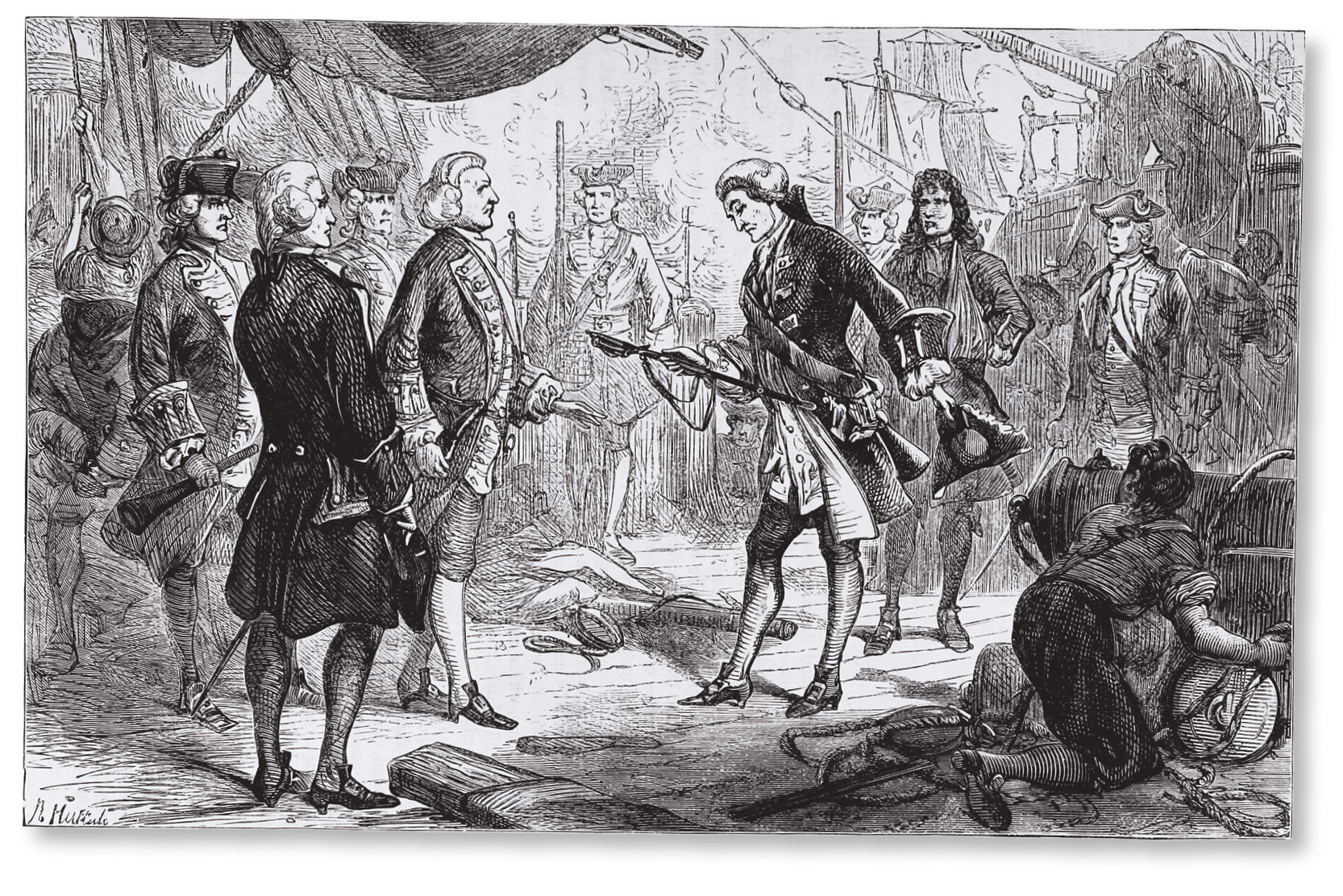
Anson had clearly learned the lessons of Passaro, almost three decades earlier. The aim was the disruption and destruction of the enemy war fleet, followed by the annihilation or capture of the merchant vessels under escort. By the end of the day, the British had taken 18 French ships, together with prize money worth almost £756,000 – equivalent to £132 million today. More significant for the future, among the captured vessels was the 74-gun L’Invincible (see below). Described by Anson in a report to London as ‘a prodigious fine ship’, its cutting-edge design would have a profound effect on British warship construction.
L’Invincible
L’Invincible started its career with the French navy in 1744. Wider in the bow and narrower in the stern than traditional British vessels, and with a narrow vertical rudder, it was larger, faster, and more manoeuvrable. Its 74 guns were spaced out across two decks, enabling it to take on slower three decker ships whose lower gun ports were often submerged in heavy seas. Renamed HMS Invincible after being captured by Anson at Cape Finisterre in 1747, it provided a design template for the next generation of Royal Navy warships, including HMS Victory and others that took part in the Battle of Trafalgar.
Invincible sank in the Solent in 1758. More than 200 years later, an impressive collection of artefacts was salvaged from the wreck. In recent years, these provided the core of the interactive travelling exhibition Diving Deep: HMS Invincible 1744, which has brought the ship’s story to a wider audience.
Naval reformer
From the mid-1740s onwards, most of Anson’s time was taken up with overhauling the navy’s ships, personnel, and systems. Reform of the officer corps, in order to improve discipline and efficiency, was one of his main concerns. A compulsory retirement scheme for underperforming senior officers facilitated the promotion of more able captains. Naval ranks were linked to their equivalents in the army for the first time. All of this brought a growing sense of order.
Another significant development was the introduction of uniforms in 1748. Hitherto officers had worn their own clothes, with no visible distinction of rank. The blue coat with white waistcoat and breeches, soon to become familiar across the navy, helped to raise the status of officers. Discipline was tightened by extending the powers of courts-martial. This closed a loophole that had been highlighted during Anson’s circumnavigation, when the Wager’s crew members could not be prosecuted because they had mutinied after the loss of their ship.

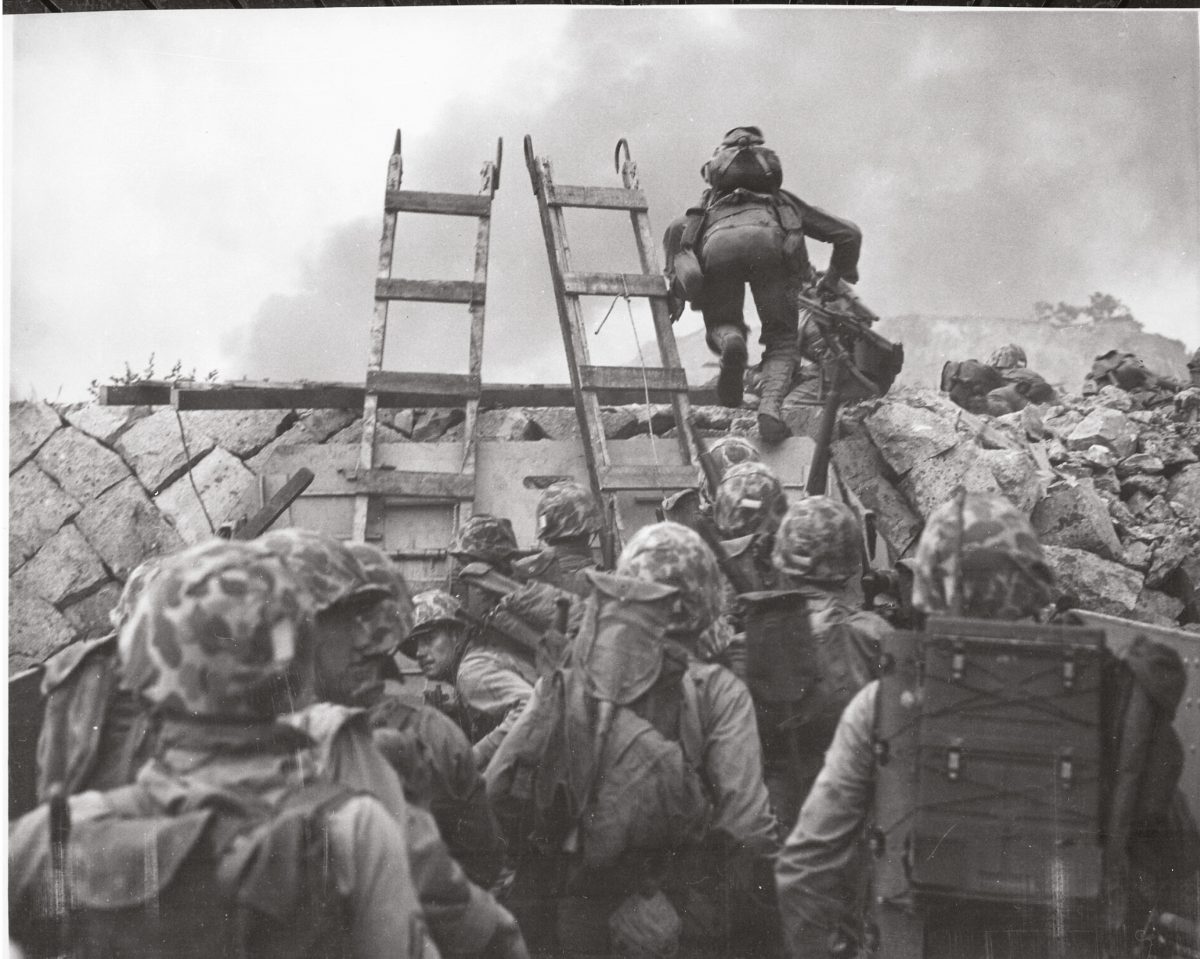
Another important step was the reorganisation of the marines – the uniformed force who acted as sentries and fought as infantry both at sea and in amphibious landings. In an anomaly that made for administrative confusion, they had previously been under army authority and had been disbanded when hostilities ceased. From 1755, they became a permanent force, firmly under naval control.
Anson oversaw modest improvements in sailors’ health as well. He supported the founding of purpose-built naval hospitals, the first of which was opened at Haslar, near Portsmouth, in 1753. Anson appointed as its chief physician Dr James Lind, whose researches into the causes of scurvy would later prove instrumental in the distribution of citrus fruits to the fleet.
It was a larger as well as a better organised navy that confronted France when hostilities recommenced. By 1756, Britain had more than 90 ships at its disposal, more than twice the size of the French navy, increasing to 300 by the end of the Seven Years War. This was achieved by giving more work to private shipbuilders; Anson never really addressed the historic overmanning and inefficient working practices of the royal dockyards. He had some success in recruiting sailors but, even so, their numbers failed to keep pace with the commissioning of new ships. Desertion, a consequence of low pay and poor conditions, continued to be a serious problem.
Readiness is all
Anson’s own career was almost terminated at the start of the Seven Years War, when he was in his late fifties. His popularity evaporated as a result of public and political outrage at a setback in the Mediterranean, for which he was held partly responsible. In May 1756, Admiral John Byng – son of the commander under whom Anson had served at Cape Passaro – was sent to relieve the besieged island of Minorca. He was not allocated enough ships because of Anson’s insistence on retaining a large force to guard against a possible French invasion of Britain, which never materialised. For this, Anson was forced to resign as First Lord of the Admiralty, though he returned to office eight months later following a reconstruction of the government.
At any rate, Anson was more fortunate than the hapless Byng, who was court-martialled for his role in the Minorca debacle. Convicted for not doing his utmost to save the garrison from the French assault, he was executed by firing squad. Ironically, pleas for clemency were in vain because of rules introduced earlier by Anson himself, which prescribed the death penalty for any commander found guilty of cowardice or negligence in the face of the enemy.
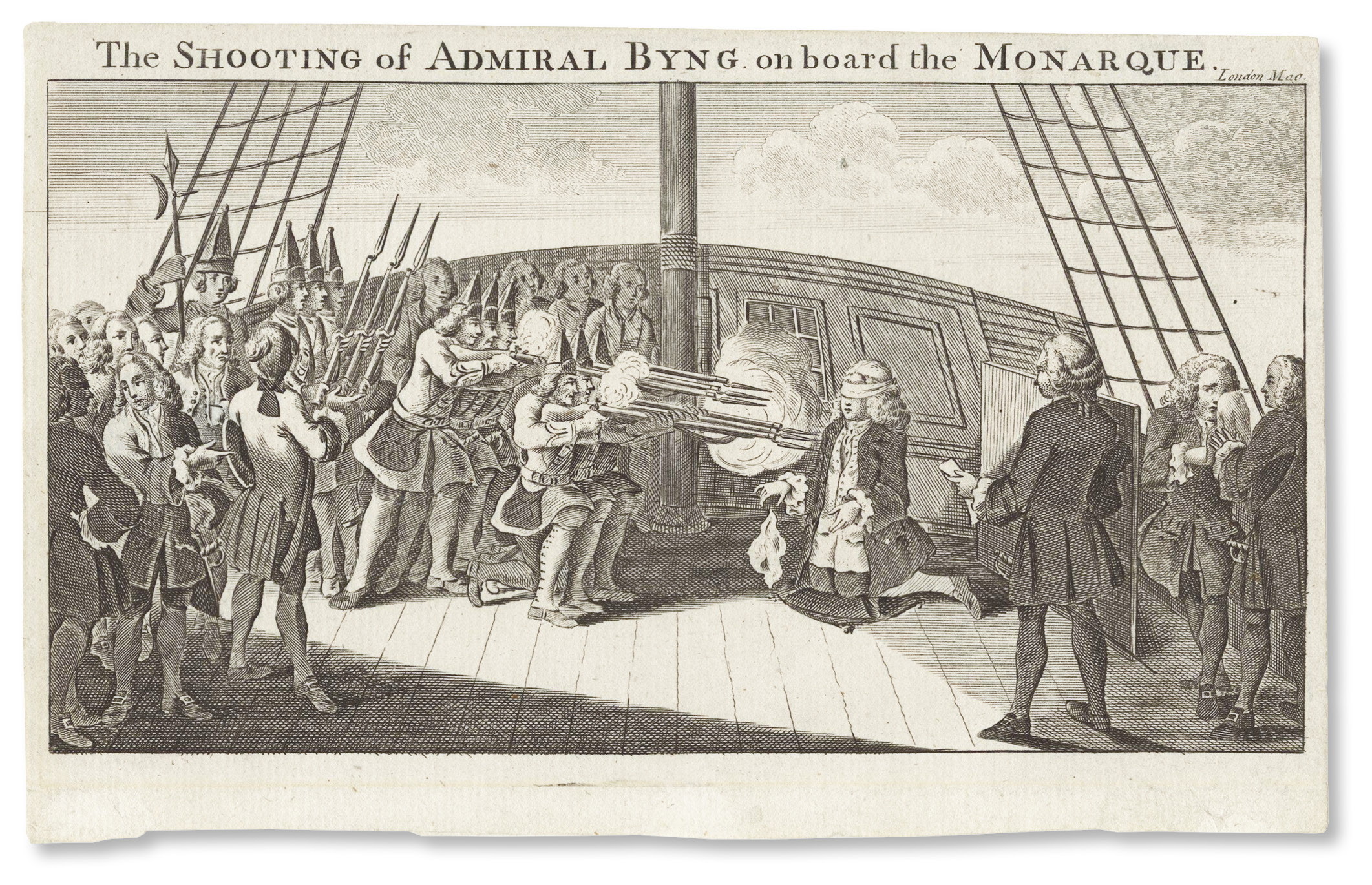
In his second term at the Admiralty, Anson formed an effective partnership with the key figure in the new administration, war minister William Pitt, and the army commander-in-chief, Sir John Ligonier. It was Anson who organised the fleet – headed by a survivor of his circumnavigation, Admiral Charles Saunders – that carried General Wolfe’s force to take Quebec in 1759. He provided the resources that made possible a continuous blockade of the French fleet at Brest – a logistical feat that enabled Admiral Edward Hawke to win the key naval battle of the war later that year at Quiberon Bay (see MHM 117, August/September 2020).
Anson died suddenly in June 1762. He had prepared the groundwork for another blow that would be struck by the navy, two months after his death. After Spain belatedly entered the war on the French side, Anson conceived a daring scheme to capture Havana, the main Spanish base in the Caribbean. The operation succeeded, thanks to his insistence on sending the British task force along a little-used route on Cuba’s northern coast, denying the enemy advance warning of its approach. The fall of Havana, and of Manila shortly after – another expedition in whose initial planning Anson had been involved – signalled the end of the Seven Years War at sea.
More than any of his contemporaries, Anson made Britain’s navy ready for the demands of the war. His determination to have the best available ships and personnel, combined with his insistence on high professional standards and aggressive battle tactics, made him the outstanding naval commander of his time. By the time of his death, Britain had a navy capable of taking on all challengers and projecting power around the globe. A new generation, of whom Horatio Nelson was the most outstanding figure, would build triumphantly on the foundations that Anson had laid.
Graham Goodlad has taught history and politics for more than 30 years. He is a freelance writer and a regular contributor to MHM.
Further reading:
• Anson: Royal Navy Commander and Statesman, 1697-1762 (A Bruce, Helion & Co, 2023)
• Anson’s Navy: Building a Fleet for Empire 1744-1763 (B Lavery, Seaforth, 2021)
All images: Wikimedia Commons, unless otherwise stated