Subscribe now for full access and no adverts
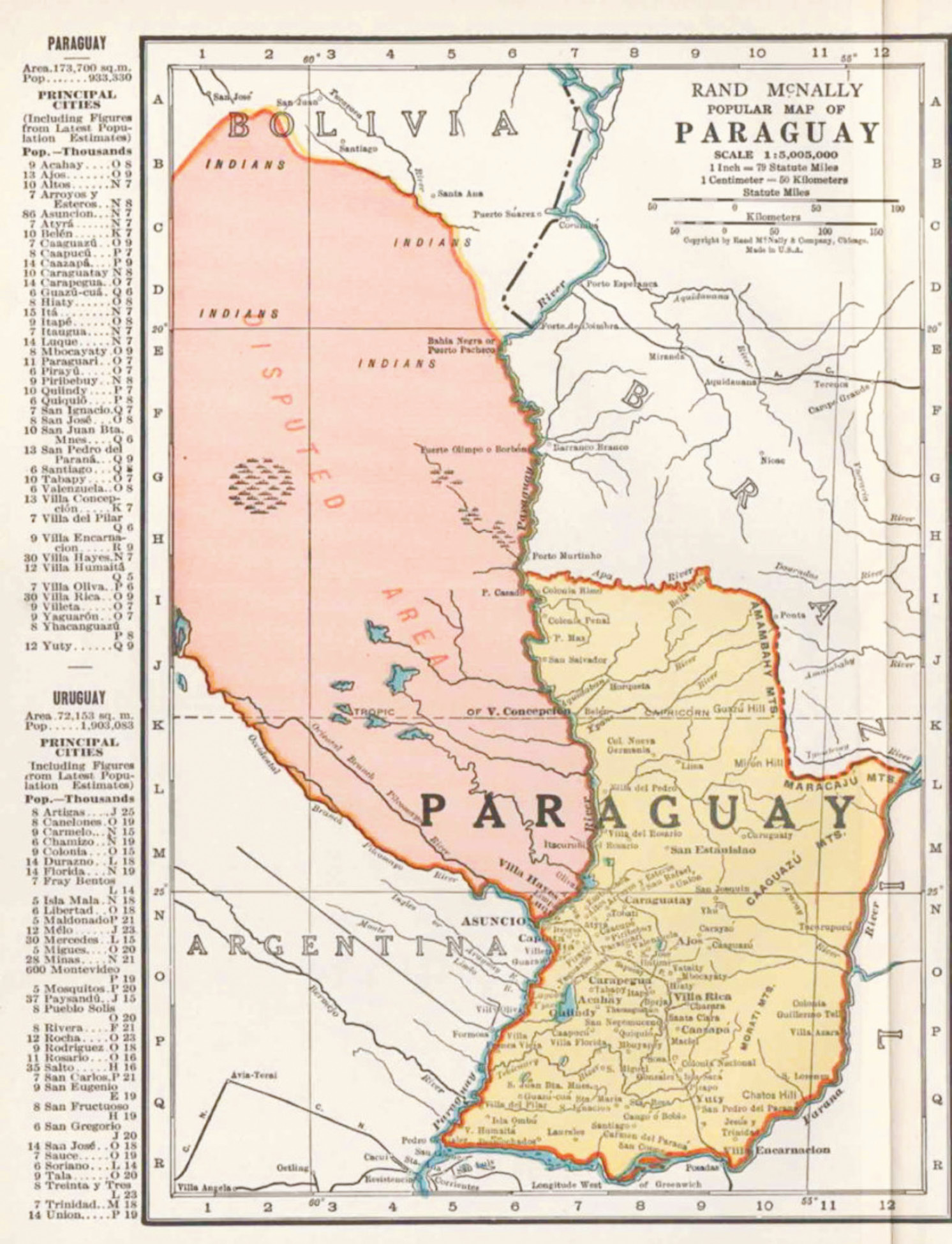
South America’s bloodiest armed conflict of the 20th century was also the continent’s first ‘modern’ war. Known as ‘The War of Thirst’ (la guerra de la sed), it was fought in 1932-1935 between the landlocked countries of Bolivia and Paraguay over the disputed region of the Chaco Boreal – a vast lowland wilderness that at some 100,000 square miles is larger than the whole of the UK.
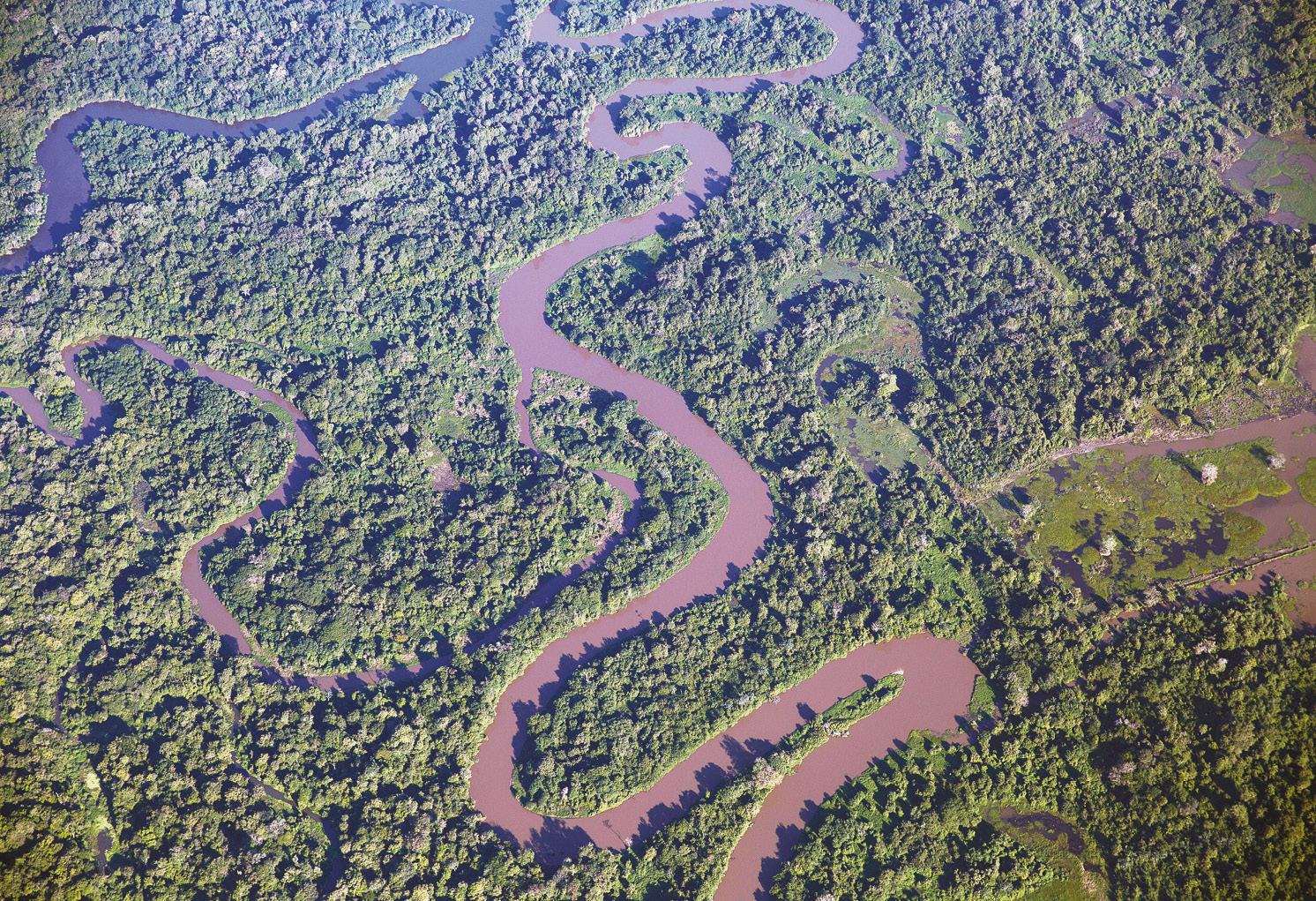
This Grande Verde – or ‘Green Hell’, as it was sometimes called – covers two-thirds of Paraguay west of the mighty Paraguay River, which flows north–south, and north of its almost equally mighty western tributary, the Pilcomayo River, but is home to just 2% of the country’s population. Temperatures here can soar above 40°C, as the land rises eventually westwards towards the Andes. It is a world of jaguars and vampire bats, of deadly snakes and endless thorn forests, through which the only proper road, the Trans-Chaco Highway, was not built until 1961.

The conflict came about partly as a result of Bolivia’s determination to gain what it saw as all-important access to the Atlantic by way of the Paraguay River (following the country’s loss of its Pacific coastline to Chile in 1884) and partly because of the petroleum deposits thought to be contained within the region. Paraguay had also lost territory to Brazil and Argentina in recent decades (following the Paraguayan War of 1864-1870) and was not prepared to surrender an untapped area of potentially vital economic importance to another more populous neighbour.
As a result of these tensions, both sides had for years been building outposts, or miniature forts (known in Spanish as fortins) in the region – but these were hardly formidable defences. Indeed, the Paraguayan forts were described by Reginald Thompson, the British journalist who covered the war for The Morning Post, as ‘little more than mud enclosures in which the garrisons of a corporal and three men would be lucky to share a cast-off 1910 Argentine rifle between them’. He also noted the damaging effect of the climate on the Bolivians, whose lungs were better adapted to the ‘bright thin air of the mountains’.
The path to conflict
War was narrowly avoided in December 1928, when the Paraguayans overran the Bolivian outpost of Fortin Vanguardia, in the extreme north-east of the Chaco, killing several Bolivian soldiers. Further south, Bolivia retaliated by seizing Fortin Boqueron (later the site of the war’s first major battle) at the cost of 15 Paraguayan lives. In 1929, after international mediation, the forts were exchanged and fighting postponed – but the pathway was set, as both countries mobilised for a larger war.
Paraguay desperately rearmed. With a population of just 880,000 (only a third that of Bolivia), its leaders were understandably concerned. In 1924, its army had just 2,381 soldiers, 131 officers, 37 cannon, and 26 machine-guns. For its part, Bolivia’s much larger armed forces had been trained by the German general Hans Kundt, a veteran of World War I, and possessed an ample supply of arms funded by loans from American banks. Tensions were heightened by Paraguay’s authorisation of 21 Mennonite religious colonies, housing 6,000 settlers, in the Chaco. ‘Is even Paraguay going to push us around?’, demanded Bolivia’s president Daniel Salamanca, adding: ‘War should be an adventure for Bolivia. Let us go to the Chaco, not to conquer or die but to conquer!’
Prior to the rapid increase in troop numbers following mobilisation, Bolivia’s army had roughly 8,860 men, 600 officers, and 88 aircraft. For its part, Paraguay now had some 2,635 soldiers, 690 NCOs, 701 officers, 668 sailors, 49 artillery pieces, 24 mortars, and just eight planes. Its soldiers were so poor they were nicknamed the pata pelada (‘the unshod’) and carried canteens made from cow horns.
Although war would not formally be declared until the following year, full-scale hostilities began on 15 June 1932 at the remote and only recently discovered Lake Pitiantuta, on whose shores the Paraguayans had built the Fortin Mariscal Carlos Antonio Lopez (named after the country’s first president). Unaware of the fortin’s existence, Bolivia’s own president Salamanca ordered the lake to be taken, leading to a bloody struggle for its control. On 28 June, the Bolivians held it against a counter-attack – but, on 16 July, it was recaptured by 350 Paraguayans using mortars. Terrified, the Bolivians deserted in droves.
Battle for Boqueron
Following events at Lake Pitiantuta, President Salamanca went on the offensive, ordering the capture of three Paraguayan fortins in the region – at Corrales, Toledo, and Boqueron. Corrales consisted of 60 men, some mud huts, and a cattle pen surrounded by barbed wire. With its defenders outnumbered seven to one, it was abandoned on 27 July. Toledo’s 30 men withdrew the following night. Three days later, Boqueron fell after six hours of fighting. While raising the Bolivian flag there, its troops were ambushed and their commander Aguirre was killed. The Bolivians had neglected to pursue their opponents, or even to check that the enemy had retreated.
By September, Boqueron was held by around 600 Bolivians with 41 machine-guns, two Krupp field-guns, a Schneider mountain-gun, and two useless anti-aircraft guns. A few weeks earlier, the Bolivian 50-man garrison at Huijay had surrendered to a surprise attack, and their commander had immediately deserted: the prisoners told the Paraguayans that Boqueron’s garrison was twice its actual size.
The key figure of General José Félix Estigarribia was promoted to commander of the First Corps and ordered to retake Boqueron on 1 September – but this first major Paraguayan offensive of the war began badly. On 8 September, Estigarribia’s forces were attacked by two fighter planes as they had failed to conceal their advance. The next day, they relied on an inaccurate map, drawn by a member of the garrison, which did not show that the Bolivians had built new forward defences. Only one Paraguayan reserve company was available – but the commanders could not bear to miss the fight.
At 9:45am, a Bolivian battalion from the 14th Infantry was ambushed and captured, many of its members shot before they could leave their trucks. By 11 September, two of the three Bolivian guns were out of ammunition, while there were now 42 Paraguayan guns arranged against them. Bolivian planes dropped medicines and bullets to the garrison – but most of it was destroyed on impact, and some fell into Paraguayan hands. All the Bolivians got was 916 cartridges, 110 pounds of jerk beef, and a sack of bread.
On 12 September, 2,000 Bolivians attempted to relieve the garrison – but only 58 made it through. Inside, there was a lack of drinkable water. One well had been destroyed by artillery; the other was surrounded by snipers – so it was only safe at night and paths to it were clogged with corpses. The Bolivians slaughtered their mules and crawled into no-man’s land to collect canteens.
On 14 September, the 6th ‘Boqueron’ Regiment of 1,800 men arrived, mostly comprising military cadets and policemen from Asunción, Paraguay’s capital. On 16 September, Estigarribia attacked with 7,500 men, but the inexperienced Boqueron Regiment broke and ran when they were attacked in the rear by 700 Bolivians trying to break in: the Bolivians failed largely because two-thirds of their number took no part in the attempt.
Estigarribia next decided to use his artillery instead of infantry assaults. Inside the fortin, the Bolivians had a barrel of disinfectant to treat their wounded – but that ran out, along with the anaesthetics. Machine-gunners used urine to cool their weapons. With ammunition so low, the Bolivians were ordered to shoot at point-blank range only. On 20 September, an airdrop was attempted – but anti-aircraft fire forced the pilots to drop their supplies behind Paraguayan lines. The following day, a company of the Bolivian 14th Infantry managed to escape intact to the outpost of Yucra. By contrast, the 6th Cavalry lost half its strength escaping.
Bolivia’s army commander Carlos Quintanilla promised a relief force that never fully arrived. On 22 September, he admitted that Boqueron’s garrison had food for just one day – but thought it could be supplied by air. Two days later, he stopped the garrison from breaking out on the basis that they had just received 150kg of beef jerky – when actually it had been dropped on the Paraguayan lines.
On 26 September, a Paraguayan infantry assault failed due to inaccurate artillery-fire. Two days after that, the Bolivian commander announced they had enough ammunition for ten more minutes of fighting. By now, the remaining well was filled with bodies and surrounded by machine-guns. On 29 September, the Bolivians repelled another assault at point- blank range – this was their last defiance. That evening, 20 officers and 446 soldiers surrendered. After the firing stopped, the battlefield was said to have filled with butterflies licking sweat off the dead. Surviving Bolivians were so dehydrated that some thought the bottle-shaped borracho trees had eaten their comrades.
Bolivian offensive
Boqueron was a disaster for Bolivia: nearly all its experienced soldiers had been captured or killed right at the war’s start, while valuable engineering equipment was also lost. Determined to regain the initiative, Bolivia’s commander Kundt sent his 7th Division (3,600 men in six infantry and two cavalry regiments, all reduced to one battalion) under Colonel Gerardo Rodriguez against Fortin Nanawa, which was garrisoned by the 2,500-strong Paraguayan 5th Division under Lieutenant Colonel Irrazábal, and fortified with barbed wire and mines by two White Russian generals, Ivan Belaieff and Nicolas Ern, who had joined the Paraguayan army in the 1920s.
After a number of delays, Kundt divided his force for the attack on 20 January 1933 into three columns: the northern route was blocked by heavy rain, but he refused to change his plans. As a result, that column spent the first day of fighting stuck in the mud. Meanwhile, the second column was driven off by machine-gun fire, trying to drive the Paraguayan left flank back. The third column attacked from the south – but not until the other columns had retreated.

On 21 January, the northern column attacked, but the other two were too exhausted to help. On 23 January, a hundred dismounted Bolivian cavalrymen finally took the Nanawa–Gondra road, the Paraguayans’ supply line – but without support, they soon lost it to 1,000 Paraguayan reinforcements. Irrazábal wanted to retreat, but Estigarribia refused and sent further reinforcements. Next day, the Bolivian southern column almost overran the Paraguayans’ field kitchen, but were driven back by cooks and orderlies.The northern column shelled the defensive position known as the ‘Isla Fortificada’, driving the defenders away. They refused to attack till the next morning, however, by which time it had been reinforced, and the Bolivian shells ran out. On 26 January, the Paraguayans crawled to within 100m of the enemy trenches and ambushed them. They were repelled, but both sides were exhausted. Nanawa held – though it could easily have fallen had the Bolivian columns not attacked separately.
On 4 July, Kundt tried again to take Nanawa – this time with 7,600 men against 6,000 Paraguayans, in an all-out assault using artillery, aviation, tanks, and flamethrowers. Again, they would attack in three columns: on the northern and southern flanks, while a third was pinning down the centre. Again, it would end in disaster for the Bolivians. A mine dug under the Isla Fortificada in 40°C heat failed to destroy it, as the sappers had miscalculated the distance. The southern column had six flamethrowers, but all were taken out by snipers. It also had two tanks, whose crews were injured by metal fragments from armour-piercing bullets. The northern column nearly broke through, but Kundt refused to release his reserves. The next day, the Paraguayans retook the land they had lost, repelling the Bolivians until 8 July, when Kundt gave up. Six hundred Paraguayans and around 2,000-3,000 Bolivians were left dead or wounded.
Flank, surround, capture
It was now Estigarribia’s turn to go on the offensive, repeatedly outflanking and besieging Bolivian units, until they were driven to surrender by thirst. On 16 September, 536 Bolivians were captured at Campo Grande and 346 at Pozo Favorito at the cost of just 43 dead and 100 wounded Paraguayans. On 11 December, the Bolivian 4th and 9th Divisions surrendered at the decisive Battle of Campo Vía: 4,856 soldiers, 8,000 rifles, 500 automatic weapons, 25 mortars, and two tanks were captured, while 2,686 Bolivians died; only 1,500 escaped.
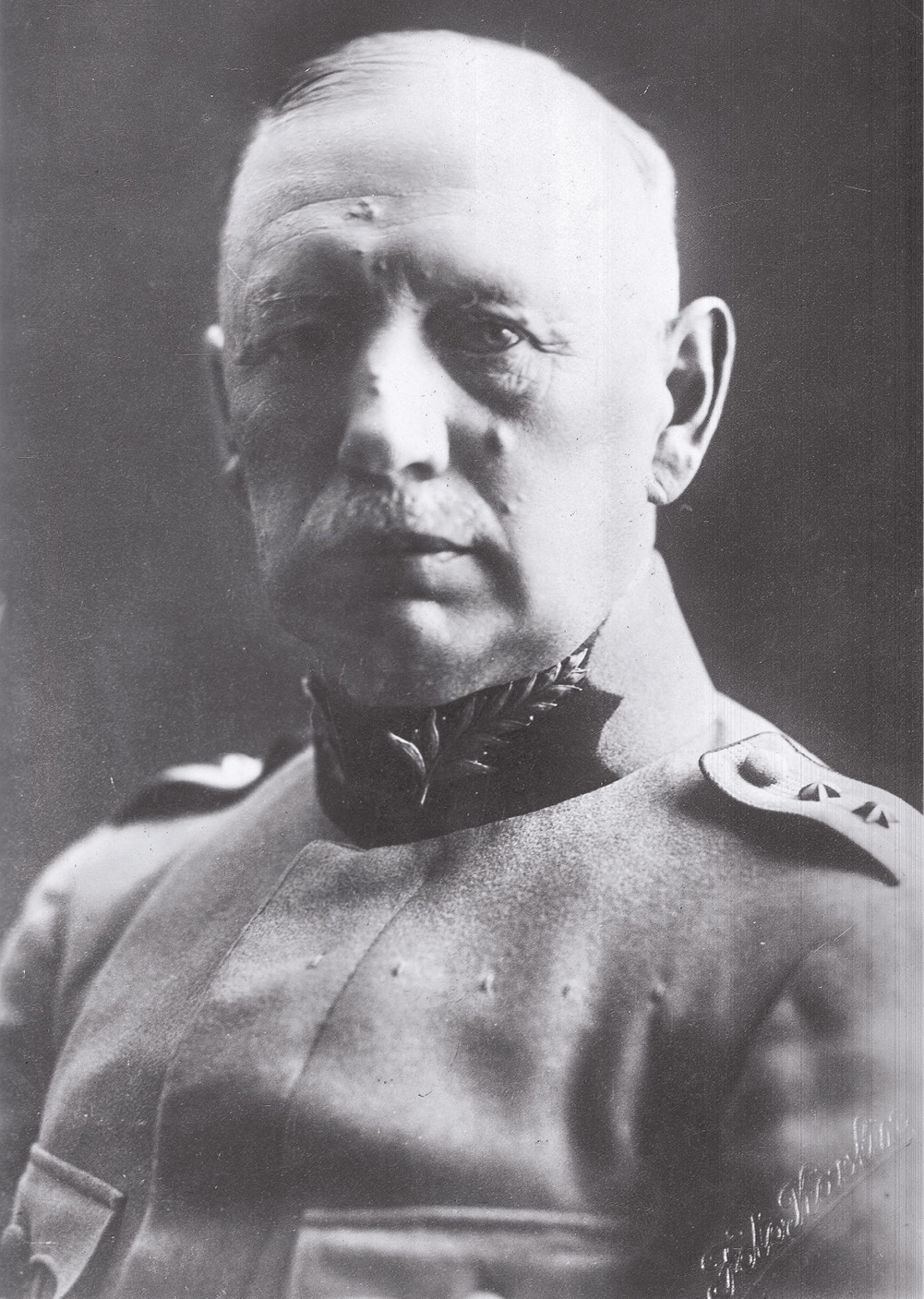
Bolivia’s army was led by General Hans Kundt, a Prussian veteran of World War I. Image: Wikimedia Commons/Alamy
Following this defeat, Kundt was relieved of his command. Salamanca had offered reinforcements, but Kundt had refused: ‘We do not need to mobilise one soldier more,’ he said. ‘We are in an excellent situation. So much so that I have granted leave to 500 of the veterans.’ The Paraguayans had fooled the Bolivians by cutting a path through the bush, laying grass on the path to hide it from aircraft. A local native Bolivian agent told Commander Major Juan Ayala about the trail, but was dismissed as ‘a liar who only wants to get food’.
By now, Bolivia had 7,000 men in the Chaco against 20,000 Paraguayans.
On 20 December, in the south of the region, the Bolivian HQ at Muñoz fell. Bolivian morale was so low that the machine-gunners who were supposed to shoot deserters fired one round and then joined the fleeing garrison.

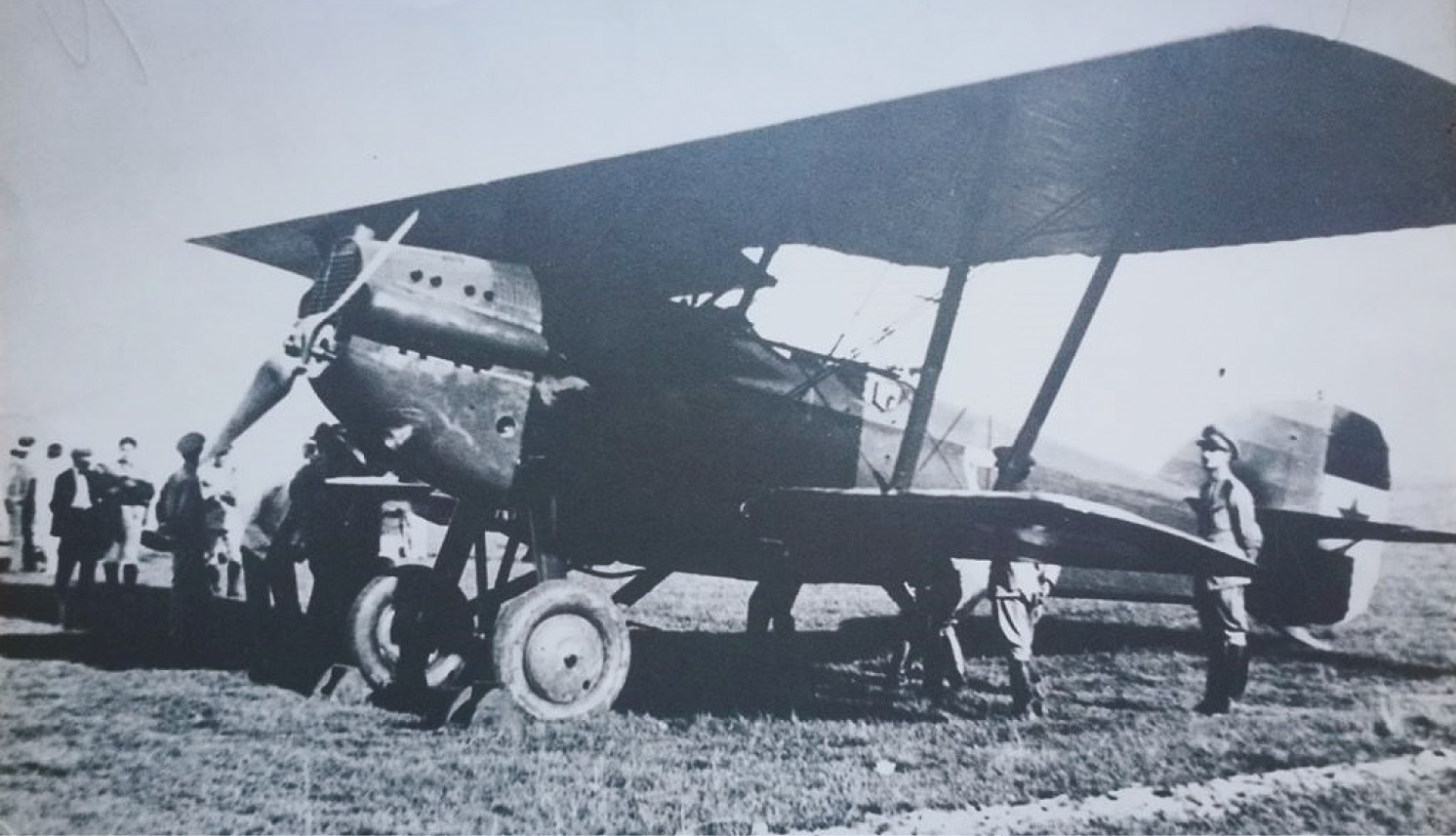
The war staggered on. In August 1934, Estigarribia feinted towards the Bolivian oil-fields at Santa Cruz, when his real target was their HQ at Ballivian, on the Pilcomayo River. By November, 12,000 Bolivians had been moved 275 miles away, weakening Ballivian. On 14 August, 7,000 of them were captured in a night attack. On 16 August, Ballivian itself fell. Eight thousand Bolivians had died and $3m worth of munitions were taken. Paraguayan casualties were under 3,000. In an unusual footnote, the battle also saw history’s last dogfight between biplanes.
On 17 November, 4,000 Bolivians surrendered at El Carmen after a four-day siege; 2,669 died, again mainly from thirst as the wells had been seized. Just 2,000 had escaped. Originally, only the 1st Reserve Division was trapped. But, on 14 November, the 2nd Reserve Division broke through Paraguayan lines, and became trapped themselves. Worst of all, Bolivia had stripped Ballivian of troops to relieve El Carmen on the very day it surrendered – leading to the loss of both.
Paraguayan troops now outnumbered those of Bolivia by 35,000 to 15,000. By December, they were just 30 miles from the Bolivian supply hub at Villa Montes. In February, they would try and fail to storm it – but now it was the Paraguayans fighting in unfamiliar terrain with long supply lines.
A bloody reckoning
The war ended finally with a truce arranged on 12 June 1935. The Paraguayans were just 15km from the Bolivian oilfields. Oil may not have been the main reason for starting the war, but it did finish it. In the war’s final half-hour, Bolivians pointlessly fired on Paraguayans, apparently to deter them from breaking the armistice.
Some 52,000 Bolivians and 36,000 Paraguayans had died, a quarter and a fifth of each country’s army, and 2% and 3% of their respective populations. More died of disease than in combat. Paraguay got three-quarters of the Chaco – much of it desert – while Bolivia was given a corridor to the Paraguay River and a port (Puerto Casado). Chaco natives were nearly exterminated, because both sides thought they were spies. One per cent of the Bolivian population was captured (21,000 soldiers and 10,000 civilians) along with 28,000 rifles, 2,300 machine- guns, and $10m worth of ammunition – sufficient to supply the Paraguayan army for 40 years.

The key to victory
Why was Bolivia so decisively trounced when it had a population three times that of Paraguay? Paraguay had been aided by Italy and Argentina, who did not want Bolivia to become too powerful. Argentina provided invaluable information about Bolivian nocturnal troop movements, plus two interest-free loans. More than 60 White Russian officers helped Paraguay, too.
Bolivia’s commander was a Prussian WWI veteran, General Hans Kundt, who had trained the Bolivian army for decades. Unfortunately for Bolivia, he thought airmen were prone to exaggerate, so ignored warnings about Paraguayan encirclements. He had never visited the Chaco before the war, and would often disperse his men in simultaneous attacks, wasting Bolivian strength. He also acted as his own chief of staff, never appointing an intelligence officer; his officers suspected that he did not ask for more troops to make life easier for his ally, President Salamanca.
Bolivia had long had a terrible military record, losing much territory over the years to neighbours – including its coastline, taken by Chile in 1884. Astonishingly, according to its chief of operations, the Bolivian army lacked a single document about the Chaco till August 1931, and had not bothered to study the earlier skirmishes in the region in 1928. Few Bolivian officers studied abroad – unlike Paraguayan officers, who proved tactically less conservative – while many Bolivian reservists lacked experience and discipline. Stories relate how Bolivian army drivers would sometimes stage breakdowns and take long breaks while soldiers were dying of thirst.
While the Paraguayan soldiers were used to the Chaco’s climate, their Bolivian adversaries were mainly from the Andes, and found conditions oppressive. To make matters worse, Bolivia had no Chaco railways, while five Paraguayan railways connected the Chaco to the Paraguay River. As a result, it took a fortnight for Bolivian soldiers to reach the front, while Paraguay could move in reinforcements in just four days.
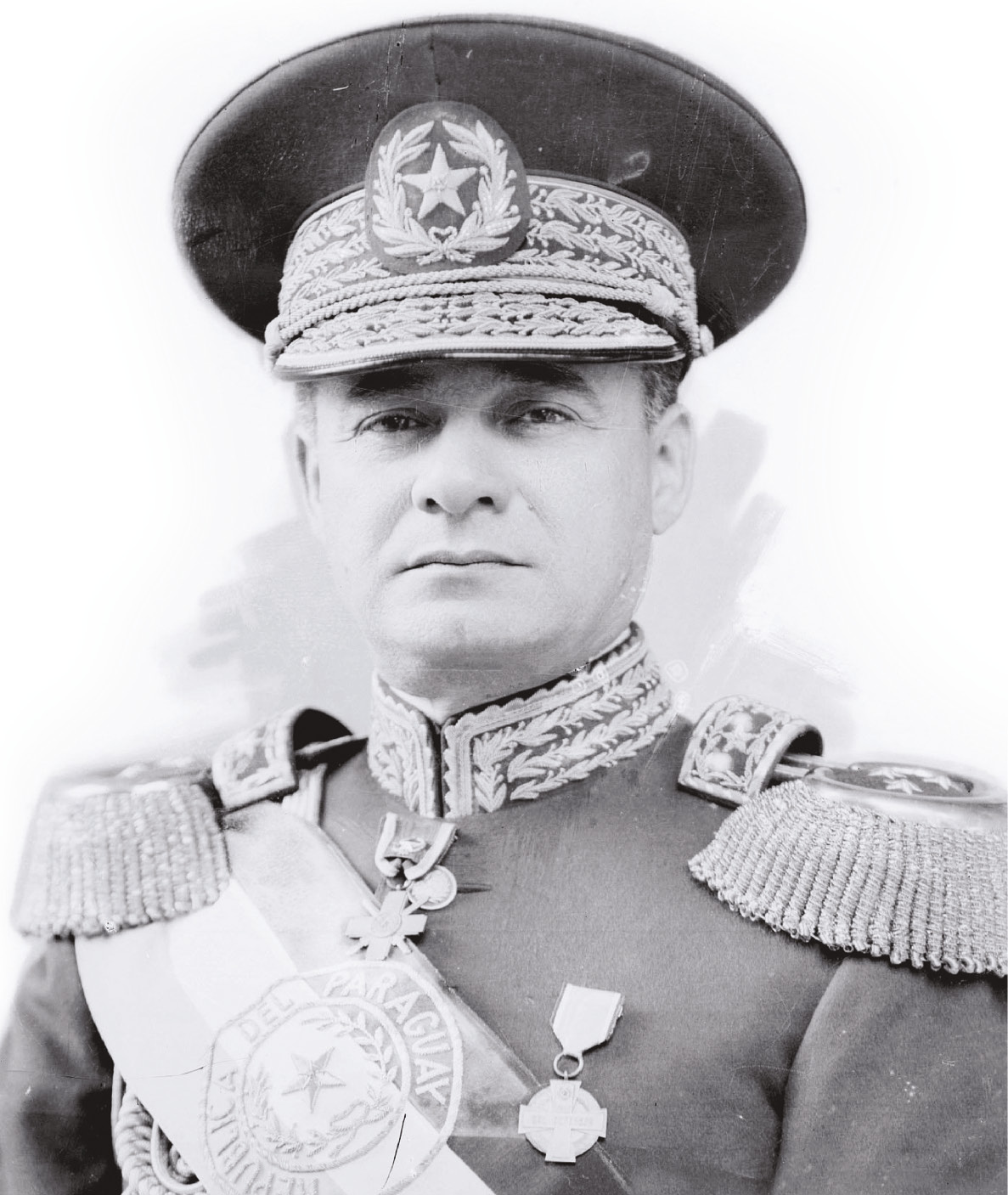
By contrast, Paraguayan commander José Estigarribia understood the key to victory: ‘This will be the war of thirst and I shall drink to victory.’ During the war, he was promoted to general, and then to commander–in-chief. Afterwards, he served as his country’s president from 1939 until his death in a plane crash the following year.
Under his leadership, Paraguayan soldiers would stalk the Bolivian tanks (Paraguay had none), remaining under the guns until the crew members came out for water (tanks could reach 60°C inside), then slaughtering them with machetes and grenades.
One reason Paraguayans were more determined is that they risked losing two-thirds of their country – having already lost a quarter of their territory in the Paraguayan War of 1864-1870 (in which they were defeated by a triple alliance of Argentina, Brazil, and Uruguay). Bolivia only mobilised 60,000 men, and never had more than 40,000 in the Chaco, while Paraguay sent every man it could, and women even donated their wedding rings for the war effort. There was also a racial element: Bolivian officers were mostly white, of Spanish or other European ancestry, while their soldiers were 90% native, mainly speaking Aymara and Quechua. By contrast, the Paraguayan army was far more homogeneous.
In the final analysis, perhaps the journalist Reginald Thompson summed it up, when he wrote: ‘The Bolivians were not fighting the Paraguayans. Powerful interests needing outlets to the sea fought the Paraguayans, using patient Indians as their instruments.’