Subscribe now for full access and no adverts
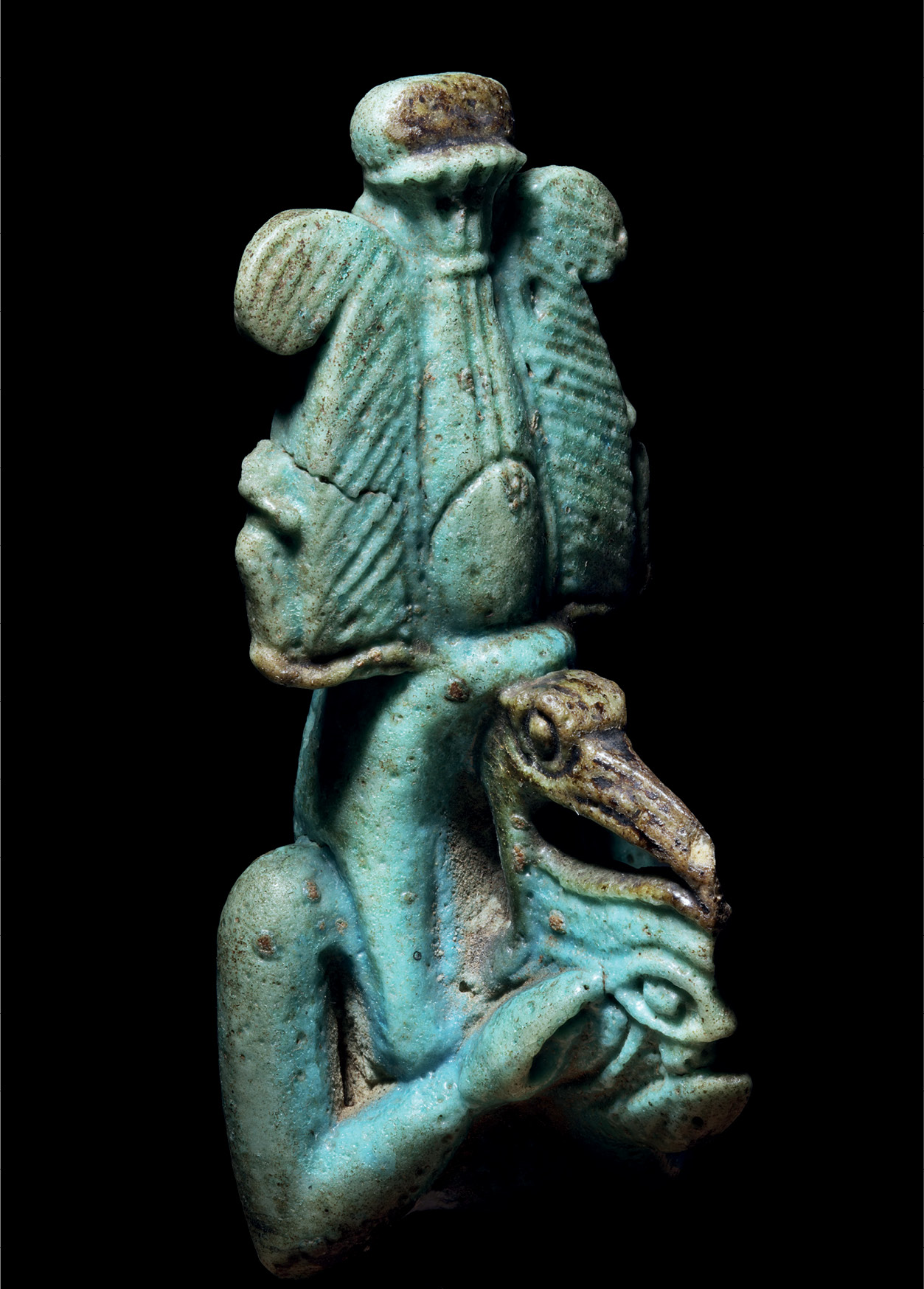
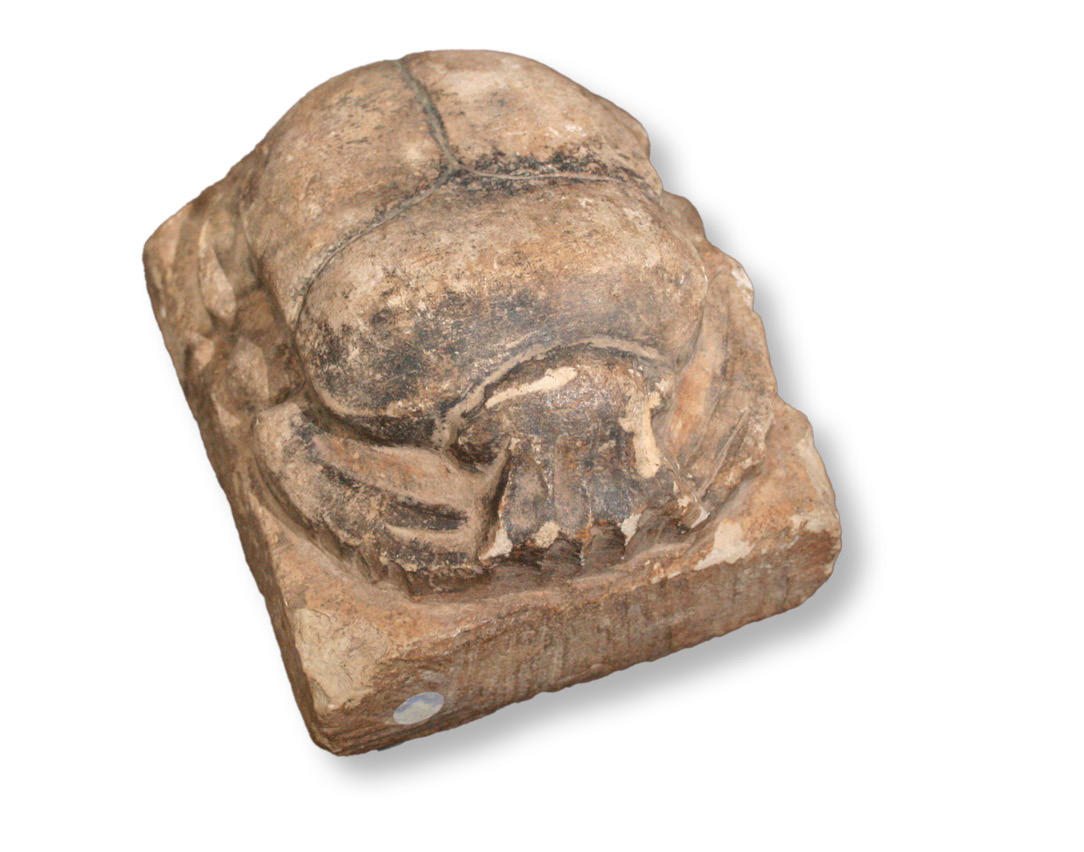
You don’t have to look far to find the influence of animals in ancient Egypt. Divine figures combining human bodies with the heads of a bewildering array of creatures rank among the most famous – and haunting – images to survive from antiquity. Some members of this pantheon remain well-known today, such as Anubis, the funerary god often shown with the head of a jackal, or Horus, who took the form of a falcon and became closely associated with kingship. Other deities are less familiar to modern audiences, like Khepri, who was associated with the rising sun, and was frequently shown in the guise of a scarab. Such figures are merely the tip of the pyramid when it comes to ancient Egyptian deities that were routinely shown with hybrid human and animal features. The very act of combining these elements to create divine beings speaks volumes about the importance of these creatures to ancient Egyptians. At the same time, their behaviours offered food for thought when attempting to puzzle out the workings of the cosmos. Khepri’s association with the rising sun, for example, owed much to the scarab beetle’s tendency to emerge from the earth rolling huge balls of dung.
Of course, animals were not just a source of intellectual nourishment, and their significance for all manner of everyday needs and activities is hard to overstate. These varying roles are currently being explored in the Garstang Museum of Archaeology’s Creatures of the Nile exhibition, hosted at the Victoria Gallery & Museum of the University of Liverpool (see ‘Further information’ box below). While paintings, sculpture, and amulets show the ways that ancient Egyptians could represent creatures, the materials they used can also reveal much about the ways these species were exploited. Combining this with ongoing research into how and why the range of species present in the region changed over time illustrates the complex relationship between the animal kingdom and the human ones that emerged in the Nile valley. Here, we will delve into just a few of the intriguing impacts that animals had on ancient Egypt, and vice versa.
Creature comforts
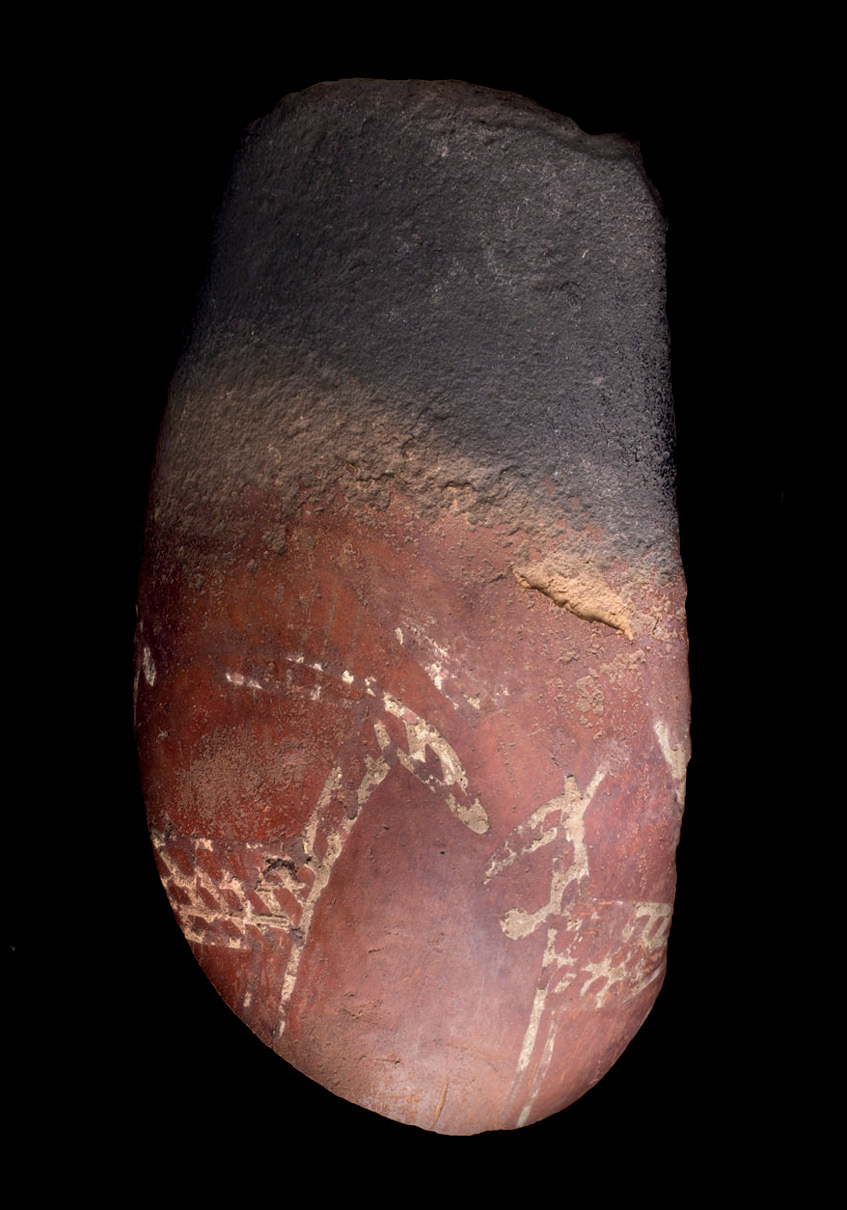
‘Animals are, of course, incredibly important to humans’, says exhibition curator Gina Criscenzo-Laycock. ‘We interact with them in many different ways, and this is particularly true of the ancient world. To take ancient Egypt and Sudan as an example, animals were used as food, beasts of burden, for companionship as pets, in war, and as raw materials. They are such a resource. Bone is very versatile: when an animal was butchered for food, the intention was to use everything; nothing would be wasted. When you aren’t manufacturing things out of, say, metal or plastic, you have to use materials that are readily available to make tools, clothing, and so on. Something you see time and again in the archaeological record is how many of the things that people were using originated from animals. So, in a practical sense, they were essential for everyday life.’
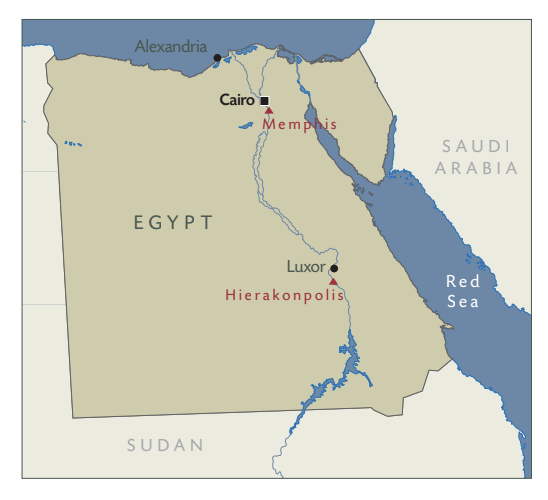
‘Another element is the way that people used animals to express ideas, which is best illustrated by those animal-headed gods. The combination is really intended to harness the power suggested by the animal – the divine element – to a degree of human agency. For the most part, it is not a case of animals themselves being worshipped, although there are a few exceptions. The Apis bull, for example, was a real, living animal that was revered at Memphis. When it comes to the animal-headed gods, the choice of creatures being represented isn’t random: the intention was to communicate specific ideas. A lot of these ideas are now lost, because animal gods first emerged during the prehistoric period when – as the name suggests – we don’t have any written sources to explain their roles. What we do know is that the different regions making up what is now Egypt and Sudan had different animal gods. As Egypt became unified, starting in around 3100 BC, these different deities were brought together as well. There was no attempt to impose one group’s god over another’s. Instead, they could all be worshipped at the same time. The only big exception to this came much later on in the Armana period, around 1350-1330 BC, when the unconventional pharaoh Akhenaten changed state religion to worship the sun disc, Aten.’
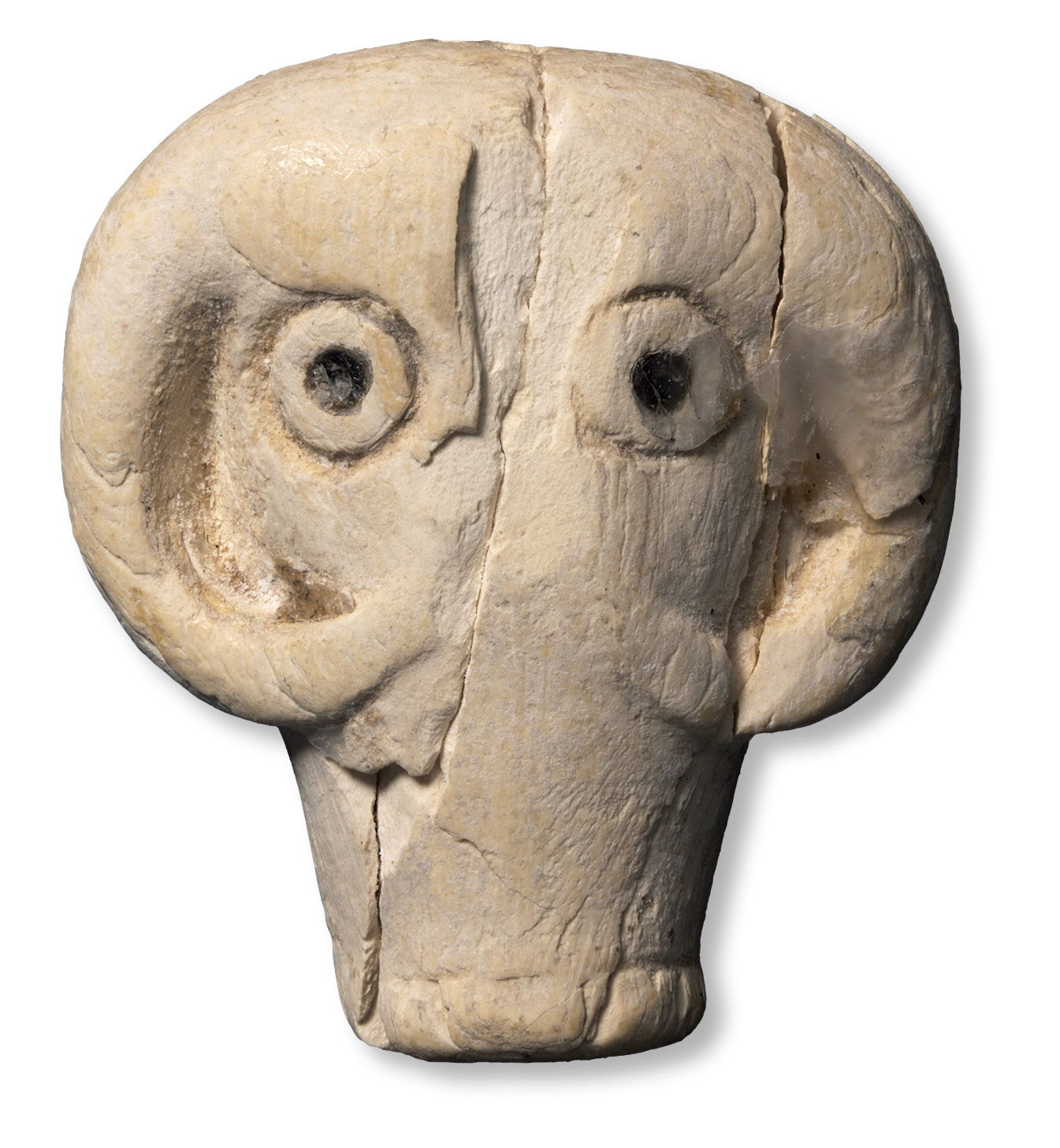
One example of a deity that can be traced back to the Predynastic period (c.5000-3000 BC) – the era before ancient Egypt became unified – is a falcon god. This originated in Hierakonpolis, which was a major centre in this period, and whose Greek name translates as ‘city of the hawk’. Given that this god shares the attributes of Horus, and a major temple was later dedicated to him at Hierakonpolis, it is tempting to see them as one and the same. Here, though, a note of caution is needed. All of our information about Horus comes from written sources that were compiled many centuries later, so even if this Predynastic god evolved into Horus, we do not know if the early inhabitants of Hierakonpolis called him the same name, or even associated him with similar roles.
‘Egyptian history spans such a long time period that ideas did develop’, says Gina. ‘You have to be very careful about taking later written information and applying it back in time, because things could change so much. We can see that, even during the period when written sources exist. One example comes from the spells in the Book of the Dead. This is a weird text that was intended to help the dead negotiate the afterlife. The first version we get is the Pyramid Texts, which were written in some Old Kingdom pyramids and in many ways are the weirdest version of all. Then these spells appear as the Coffin Texts, and finally on papyrus as the Book of the Dead. Because we have these different versions, we can see places where ancient scribes had copied out a chunk of earlier text and then added an explanation for it – showing that they were trying to work out what it meant. But when we look at surviving earlier versions of the text, we can see that these explanations aren’t always right. Human beings constantly reinterpret their own past and the world around them; ancient Egypt was no exception to that.’
When it comes to Horus, there is no doubt that the god ultimately enjoyed a close link with kingship. While the falcon is unquestionably a majestic bird, it would be hard to argue that it was inherently more regal in nature than – say – a lion. In this case, though, the triumph of Horus might tell us more about the history of Hierakonpolis. Assuming that there is a link between Horus and the Predynastic falcon god, it seems reasonable to suspect that his royal connotations can be traced to the kings from the Hierakonpolis region playing a key role in unifying Egypt and becoming its first rulers. Given these circumstances, it seems only natural that their emblem would assume a connection with kingship.

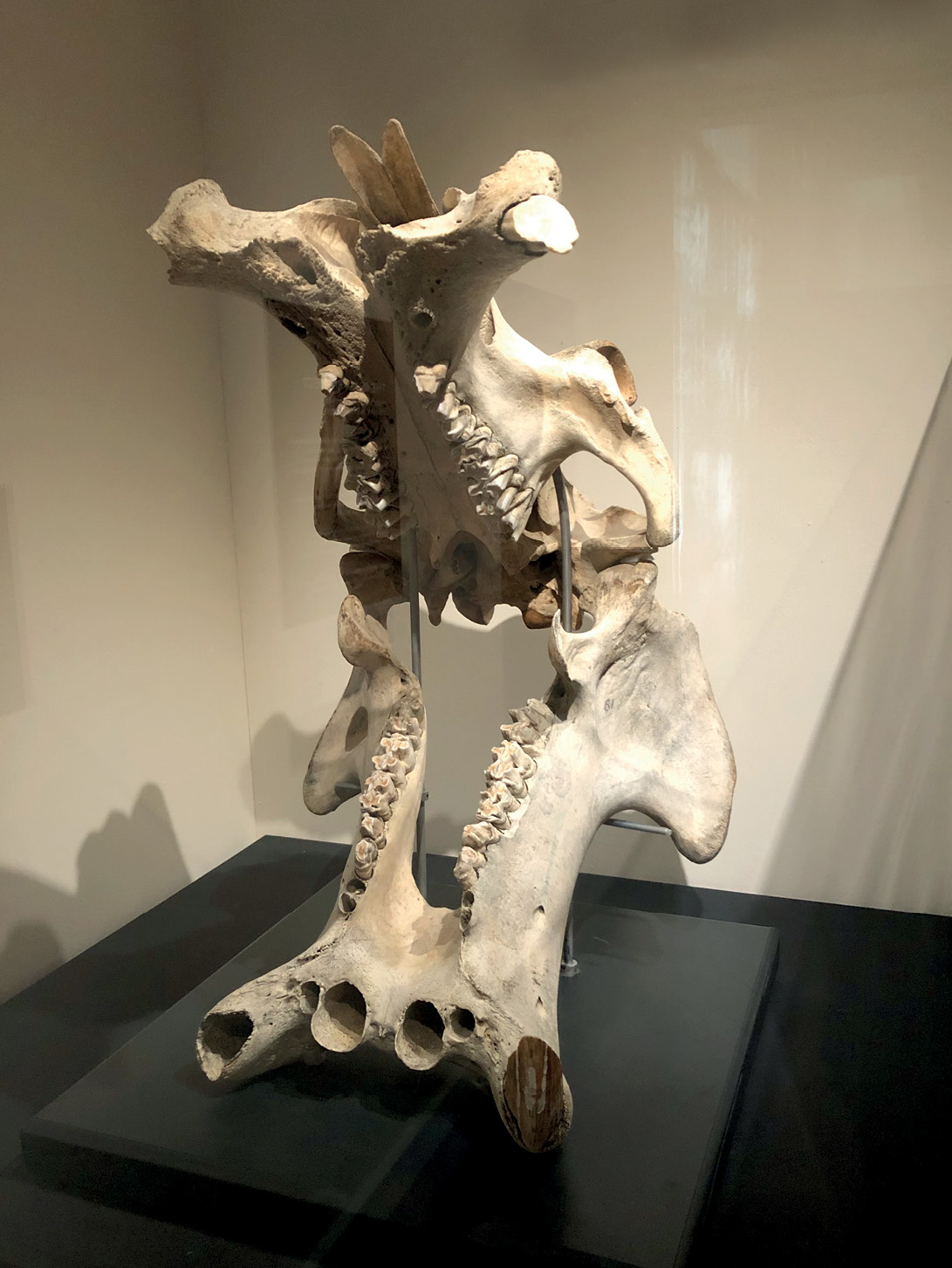
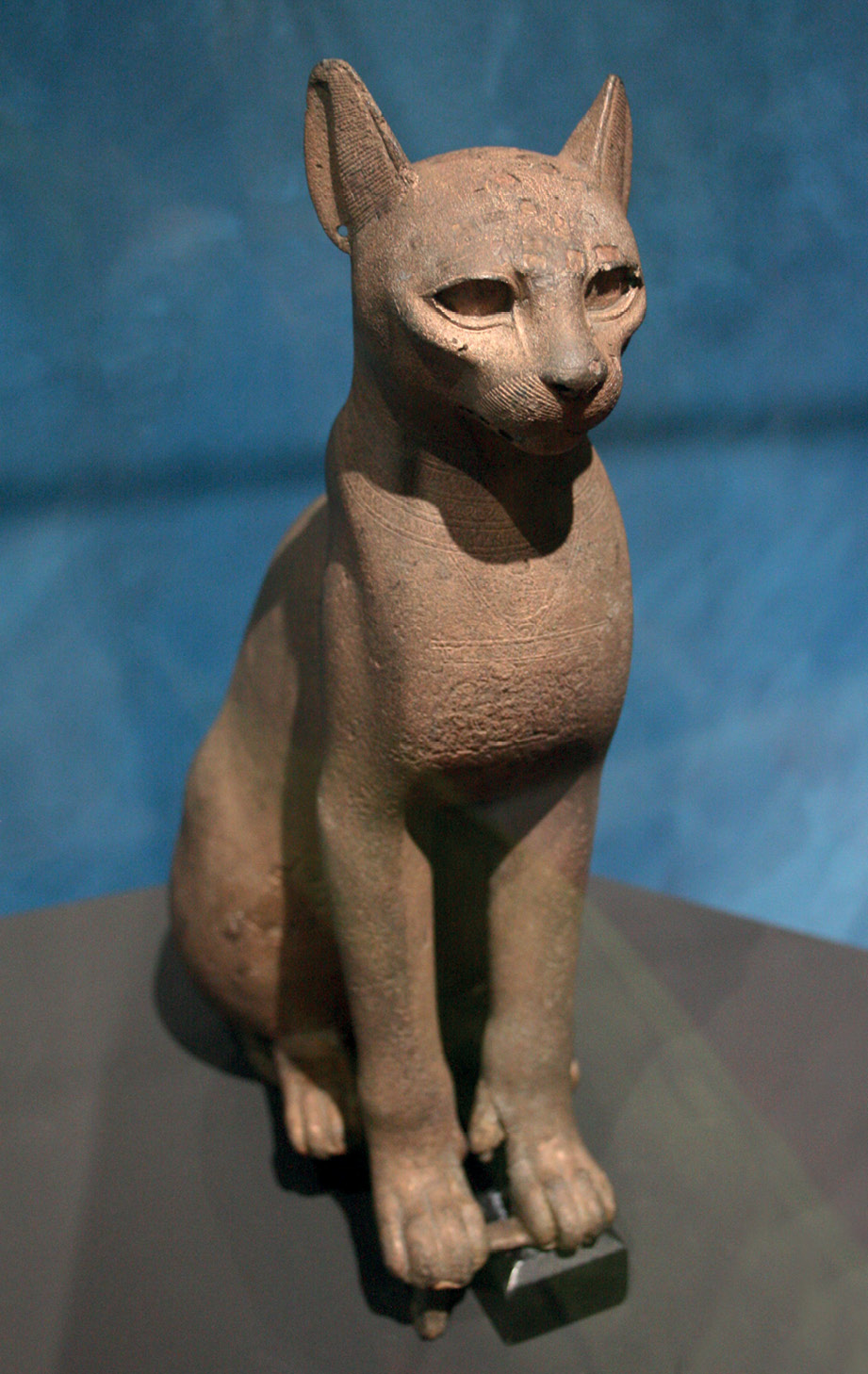
In other cases, it is the natural habits of the creatures themselves that prompted their association with a particular divine role or ideal. ‘Some are obvious’, says Gina, ‘such as gods that feature hippos. You can see a hippo skull in the exhibition, and it’s a reminder of how physically powerful and dangerous these animals can be. Hippos are closely associated with Taweret, who was the goddess of childbirth and mothers. Now, at first glance, you might think “Well, how does a hippo represent maternal nature?” But what is being emphasised here is protective power: female hippos will defend their young with incredible ferocity. They are even known to take out crocodiles if they attack their calves. As a human, you are going to want a powerful force like that on your side during a dangerous time like childbirth. One expression of this is that you get little figurines of Taweret, which were intended as amulets to provide symbolic protection for the owner. Taweret could be shown as a pregnant hippo, sometimes with the tail of a crocodile, to make her appear even more formidable.’

‘In other cases, the choice of animal for a god is slightly more oblique. The ibis bird associated with the god Thoth is a good example of this. Thoth represents things like wisdom, learning, and writing, but I don’t think there’s any suggestion that the ibis is particularly clever. One possibility is that this bird was chosen because Thoth also has a connection with the moon, and the beak of the ibis evokes a crescent moon. We can’t be certain, because we don’t have ancient writings from any period that make this a connection, but it does offer a satisfying explanation. Another animal that is connected with Thoth, though, is the baboon. Just as with the hippo, looking at a baboon skull reveals how powerful and dangerous these creatures can be. Here, though, it is probably the social nature of the animal and its high intelligence that the ancient Egyptians were referencing. So the selection of animal gods was not based on physical power alone, but also on knowledge of their behaviours, which came from careful observation of the natural world. You can also see this close attention reflected in some of the very finest artefacts showing animals: the details are so precise that they demonstrate a genuine familiarity with the creatures.’
Animal afterlives
Ancient Egyptian views of the afterlife meant that animals also had a role to play among the dead. Indeed, mummification itself was not reserved purely for humans. During the New Kingdom, the tradition arose of mummifying each Apis bull after it died, and then interring them in a special underground repository at Saqqara. While such treatment might be considered appropriate for a deity, plenty of other animals were subject to mummification, too, as offerings to the gods that had appropriated their attributes. Animals are widely represented in human tombs as well, although generally in the more nature-friendly guise of paintings or figurines.
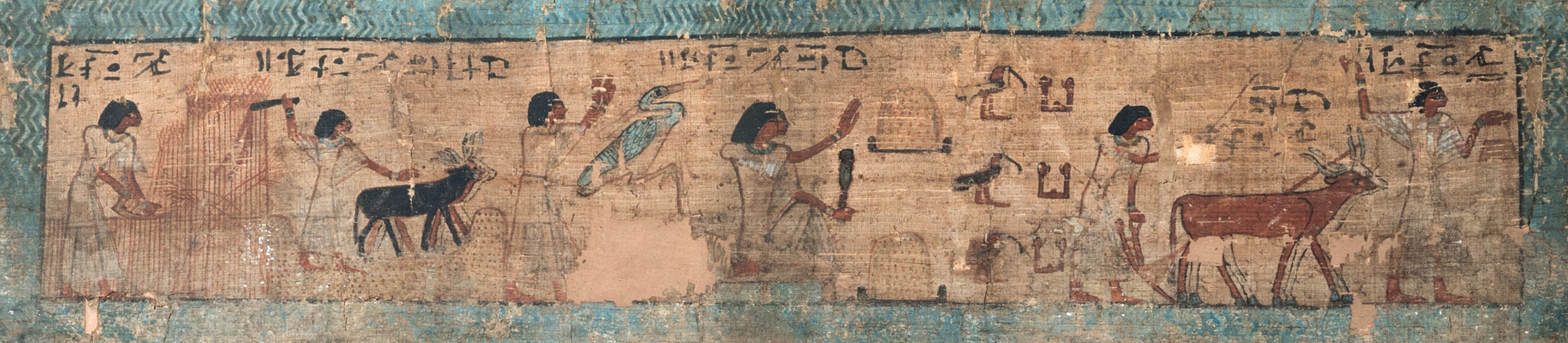
‘People think that the ancient Egyptians were obsessed with death, but I don’t think that’s right,’ says Gina. ‘They were obsessed with life. And they wanted that life to continue after their death for all eternity. Because of that, all of the things that were important during life were just as important in death. You can see tombs that are full of scenes of cattle, because on one level people needed to eat in the afterlife, and the presence of these images meant that they magically had food. But showing large numbers of cattle also highlighted the tomb owner’s wealth and status. It’s similar with images of fishing and hunting, which were a way of illustrating the accomplishments that had been undertaken in the deceased’s name. Animals appear in the Book of the Dead, too, while we also have one tomb stela in the exhibition that, as far as I know, is the only one ever discovered – out of the hundreds of thousands that are known – showing agriculture and daily life. It seems like this choice of scene was an innovation of the owner, but it didn’t catch on, and for 2,000 years no one copied it. We don’t know the context, but maybe it was considered deeply inappropriate to do this.’
Stepping out of line in the afterlife could be a matter of grave consequence. The greatest fear in the minds of many preparing to travel to the world beyond life would have been another animal hybrid – in this case combining the head of a crocodile with the forequarters of a lion and the rear of a hippo. This was Ammut, the devourer of souls and ultimate death for those unfortunate enough to incur her wrath. The deceased would encounter Ammut after passing through what were known as ‘the hours of the night’, which brought them to the very edge of the afterlife. There, their heart would be weighed against the feather of truth, with Ammut standing by to consume the heart of those who failed the test. Animals, then, offered a way to embody fears of a terrifying end for those who strayed too far from the path of righteousness in life.
Climate of change
The climate is another crucial factor when considering how humans and animals interacted. It was in around 3000 BC that rainfall in the Sahara region began to change, transforming what was then a lush savannah, roamed by animals like elephants and giraffes, into the formidable desert that we are familiar with today. This striking change in the landscape beyond the Nile floodplain broadly overlaps with the period when Egypt began to develop into a unified kingdom. ‘It is probably not a coincidence that human society was changing at the same time that the environment was changing,’ says Gina. ‘Lower resources would have been pushing both people and animals closer together into areas that remained habitable – especially the Nile valley. It’s very difficult to unpick exactly what happened, but you can see greater social stratification appearing in the archaeological record, with a shift from graves that appear fairly equal to some really impressive ones as local kingdoms emerge and Egypt moves towards unification. All of this coalesces during a time of immense climate change.’

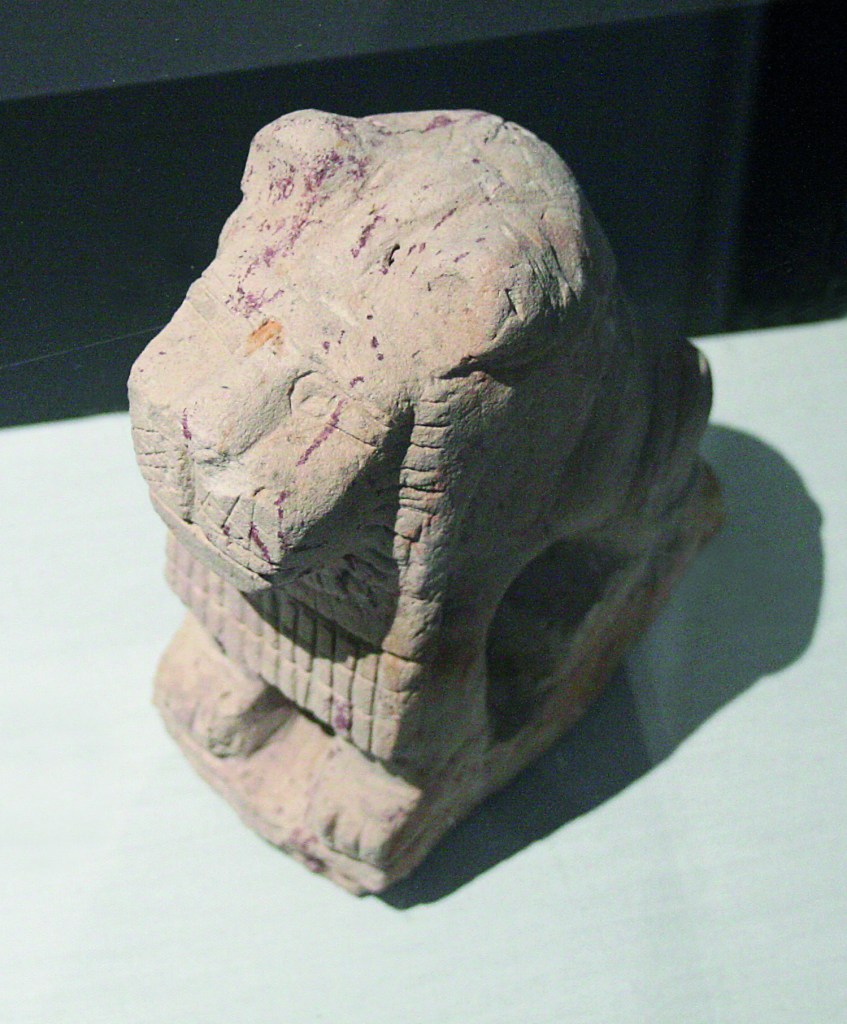
Archaeological material is currently being combined with climate modelling for the Leverhulme-funded ‘Biodiversity in Egyptian Archaeology during Societal Transitions’ or BEAST project, which is exploring when and why animal species appeared in and disappeared from the Nile valley. ‘Many animal species either vanished from or suddenly appeared in the archaeological record between the later Neolithic period, in about 6000 BC, and today,’ says Juliet Spedding, exhibition collaborator and post-doctoral researcher with the BEAST project. ‘Some of these animals are ones that people might not necessarily associate with Egypt, like the buffalo and rhino, which disappeared in about 4000 and 3100 BC respectively. The giraffe also goes quite quickly, in around 2860 BC, and so does the lion, in 2695 BC. That is more surprising, perhaps, because the goddess Sekhmet is part lion and one of the truly iconic Egyptian deities, who had an ancient popularity that continued well beyond the local extinction of the lion.’
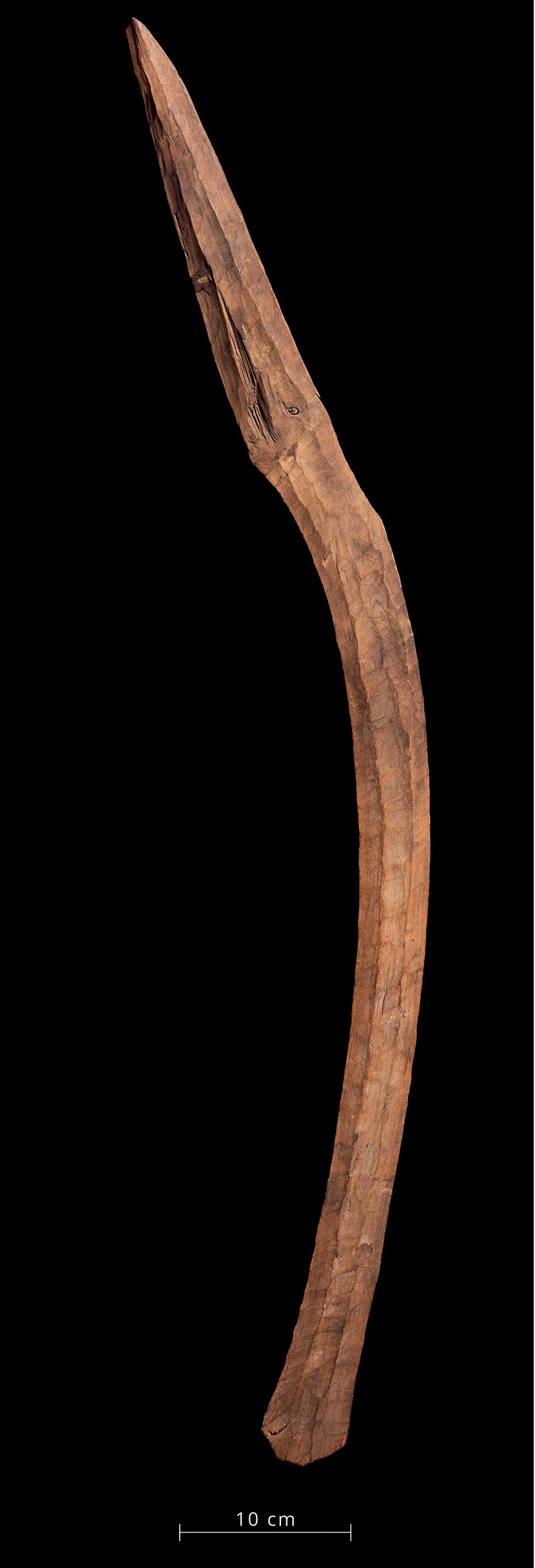
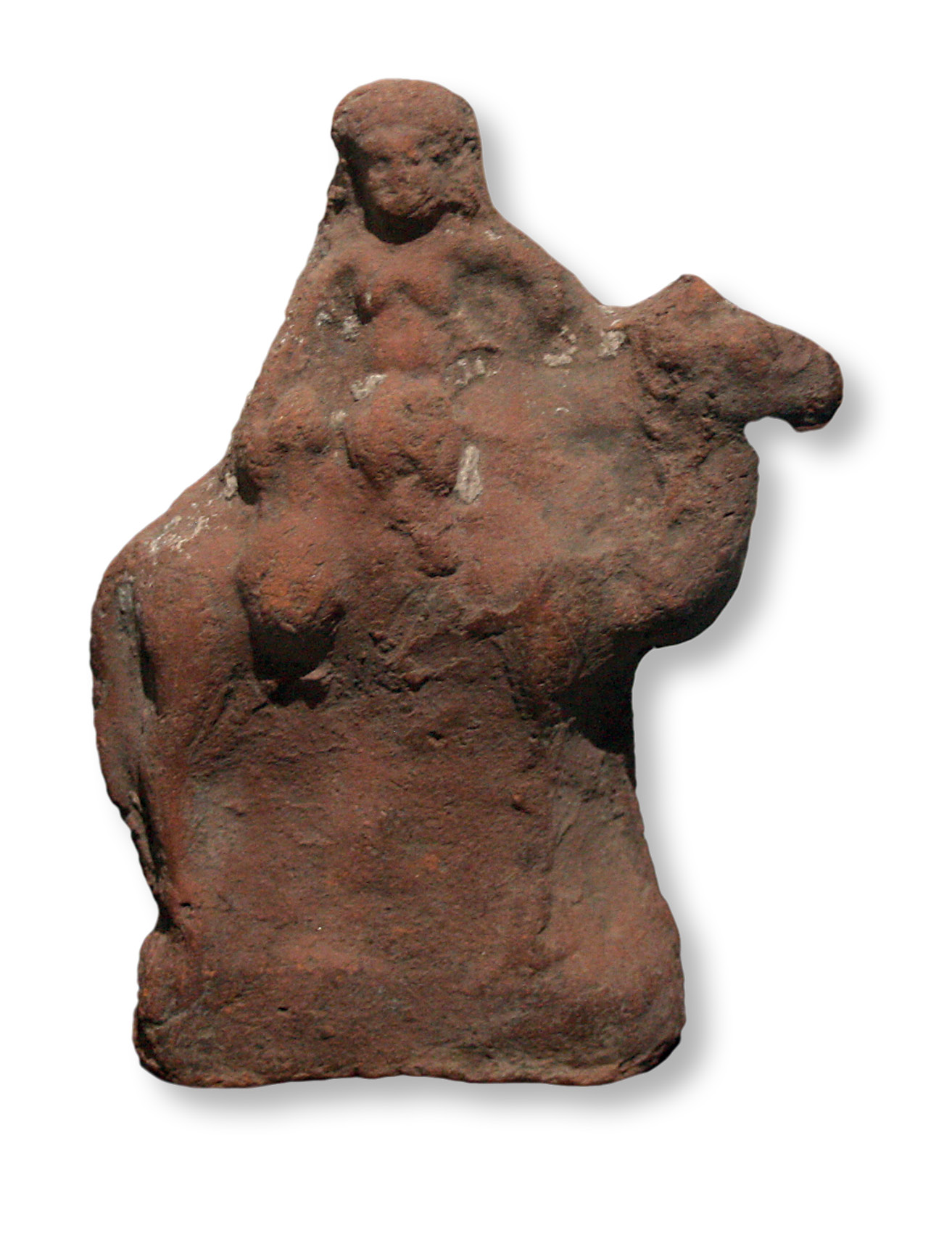
‘The horse, by contrast, was introduced to Egypt by humans. It is famous from scenes featuring horse-drawn chariots dating to the reigns of Ramesses II (c.1279-1213 BC) and Tutankhamun (c.1332-1322 BC), but horses were only brought from the Levant by the Hyksos in around 1650 BC, during a period when they ruled northern Egypt. This arrival opened up a range of new avenues for ancient Egyptians. Obviously, you have conflict, with the chariots essentially serving as mobile archery platforms. This modernised warfare, because it introduced a new technology that the Egyptians adopted, ultimately enabling them to conquer as far as Aleppo in modern Syria. The chariot created new hunting opportunities, too, by making it possible to keep up with creatures like ostriches. Despite its iconic status in modern Egypt, the camel was another newcomer, and didn’t arrive until 664 BC, probably from south-western Asia. Before the camel was introduced, the donkey was the main beast of burden. It was domesticated way back in time, and can still be found working in Egypt today.’
‘Of course, people needed water and fodder for domesticated animals like donkeys and cattle. So, as rain levels dropped and the savannah became desert, wild animals would have been squeezed into the ecological niche presented by the Nile valley, bringing them into competition with domesticated species. One question is whether some of the animals that vanished might have survived if humans and their domestic species hadn’t also been present. We know that certain animals were hunted in huge numbers, such as elephants and hippos for their ivory. There are texts talking about as many as 120 elephants being killed in a hunt: think about what that would do to things like bloodlines. Reducing the bloodlines pushes animals into smaller groups and increases interbreeding, making the population much more vulnerable to disease. It looks like that was essentially what wiped out the mammoths, and it could have happened again to the elephant in Egypt in 2630 BC.’
For all that animals had a profound influence on ancient Egypt, then, so too the human inhabitants of the Nile valley could have a decisive impact on the creatures that called it home.
Further Information:
• The Creatures of the Nile exhibition will run until 5 October 2024 at the University of Liverpool’s Victoria Gallery & Museum. For more details, see www.liverpool.ac.uk/garstang-museum/exhibitions-and projects/creatures-of-the-nile.
• CWA is grateful to Gina Criscenzo-Laycock, Juliet Spedding, and Alison Cornmell.