

Subscribe now for full access and no adverts
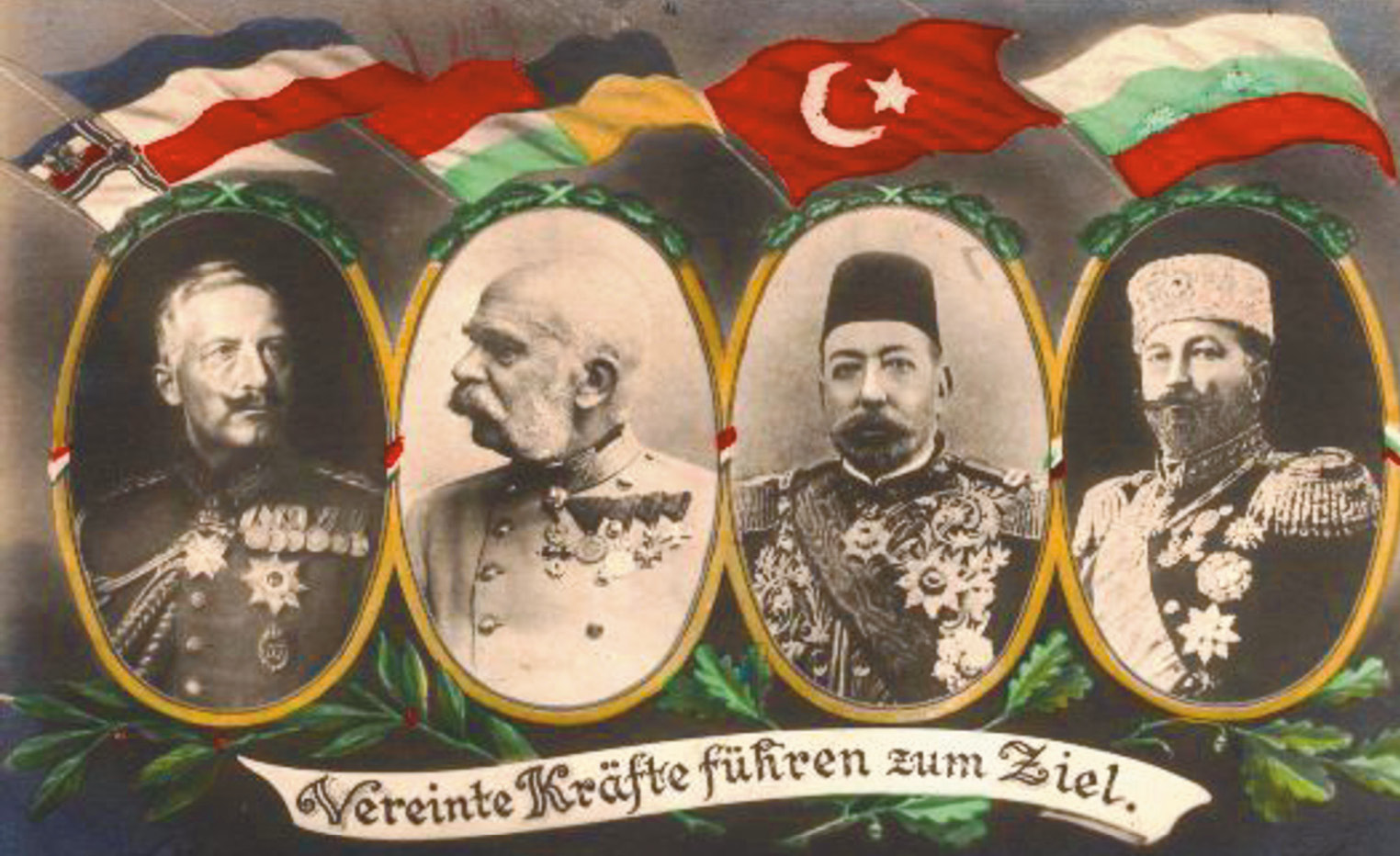
World War I began amid the tangled national and ethnic rivalries of the Balkans, and the region remained of immense strategic importance throughout the four-year conflict. Of the new states to emerge from the decline of the Ottoman Empire in the late 19th century, Bulgaria was arguably the most important. In the summer of 1914, the rival alliance systems were keen to secure it as an ally. It was the most populous Balkan state, with the best army in south-east Europe. It also occupied a critical geographical position, astride the main overland route linking Ottoman Turkey with Germany and Austria-Hungary.
Yet Bulgaria was not to be taken for granted. It would side with the combination of countries that was most likely to deliver its long-held desire for territorial gain. In September 1915, its ruler, King Ferdinand I, finally agreed to join the Central Powers. It was a move that initially produced some battlefield successes. In the longer term, however, it led to Bulgaria’s growing submission to German dictates, internal tensions, and military defeat.
The highest bidder
For decades, Bulgaria’s ambitions had centred on Macedonia, to which Serbia and Greece also laid claim. In the first Balkan War of 1912-1913, the three countries temporarily overcame their rivalry to join Montenegro in a loose alliance against the Ottoman Empire. A dispute over the spoils led to a second war, which lasted from June to August 1913 and culminated in a heavy Bulgarian defeat. The gains it had made in the earlier conflict were wiped out. Bulgaria lost Macedonia to Greece and Serbia, and Southern Dobrudja, on the western Black Sea coast, to Romania.
This was a severe blow for a state that had once been dubbed the ‘Prussia of the Balkans’. Bulgaria had enjoyed the patronage of Russia since emerging from Ottoman rule in 1878. The Balkan Wars showed that it could no longer count on help from the tsarist regime. Accordingly, it now swung towards the Central Powers.
The main consideration for Bulgaria was that Germany and Austria-Hungary were better placed than the Triple Entente powers of Britain, France, and Russia to grant it control of Macedonia. In the words of Prime Minister Vasil Radoslavov, ‘Bulgaria cannot be denied its historical and ethnographic rights. It cannot exist without Macedonia, for which it has shed so much blood.’ Bulgaria was also encouraged by the Anglo-French failure at Gallipoli and the Russian defeat at Gorlice-Tarnów: 1915 seemed the year when events were starting to move in favour of the Central Powers.
An effective ally?
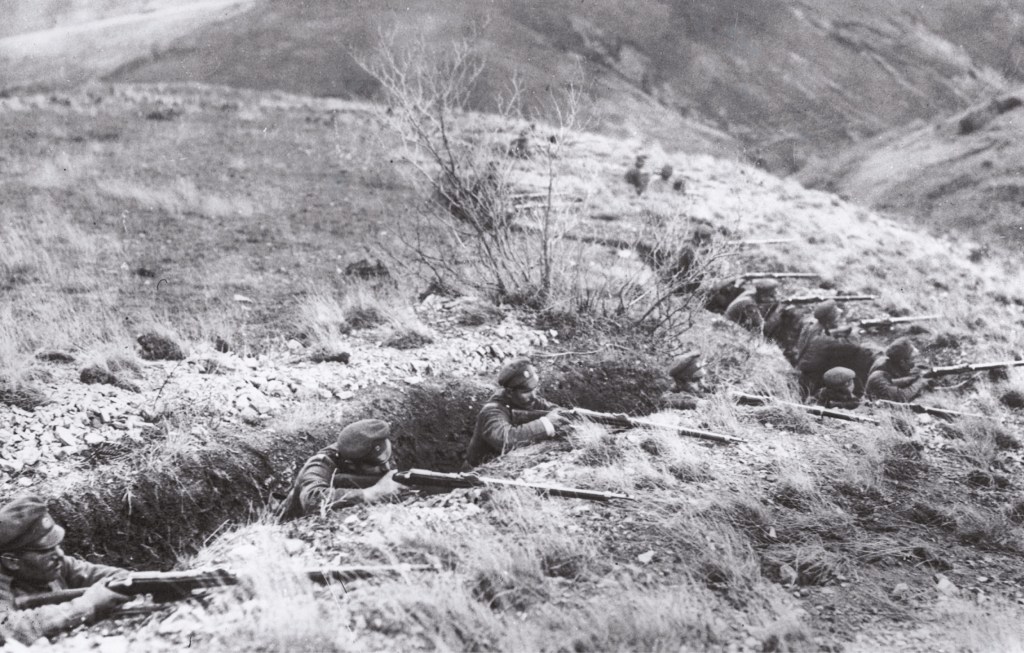
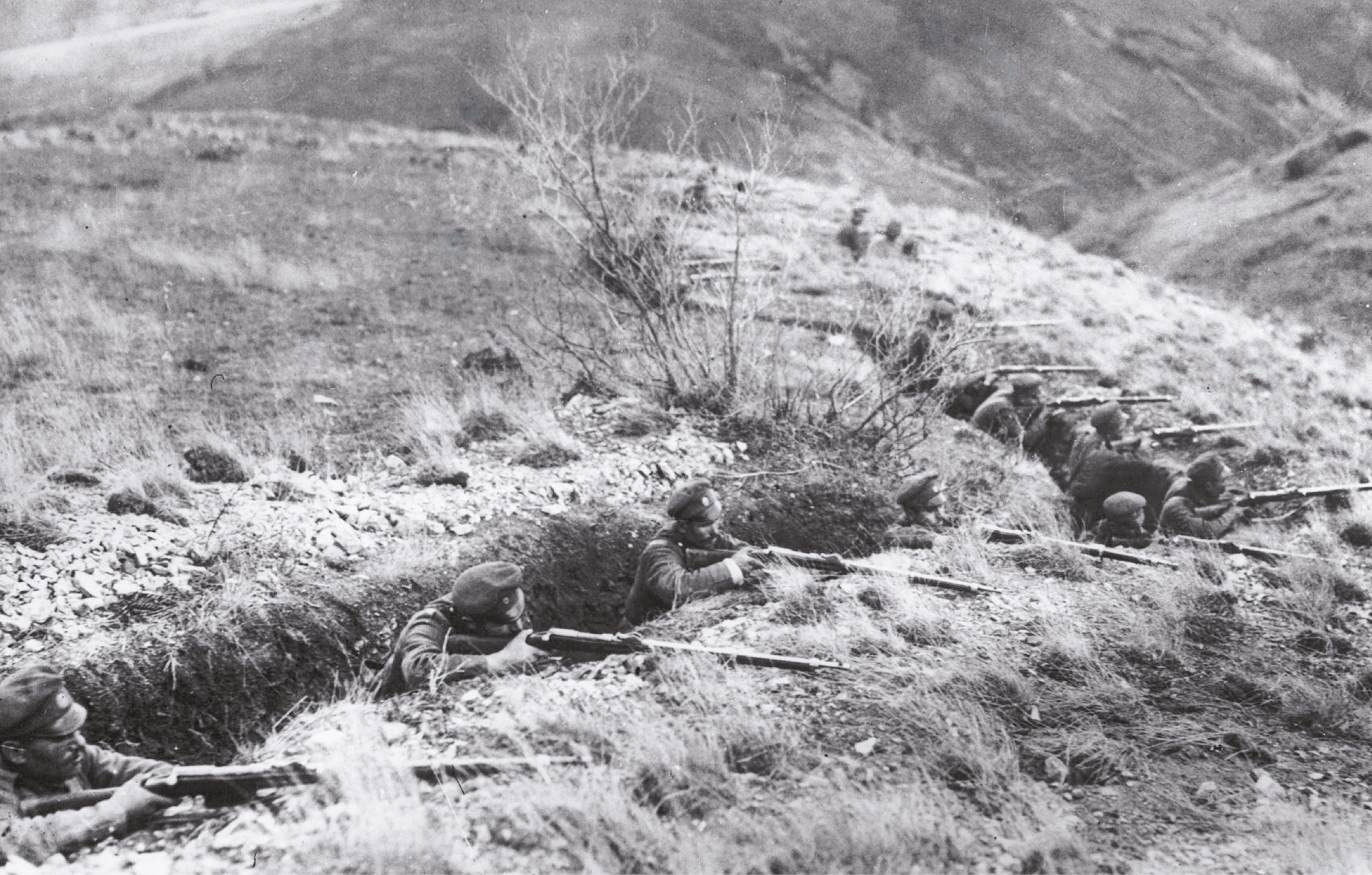
In many respects, Bulgaria was an asset to the Central Powers. Efficient mobilisation enabled it to raise an army of more than 600,000 men – equivalent to 12 per cent of the population – rising to around 900,000 by 1918. Bulgarian forces consisted of a front-line army, in which all able-bodied men between 21 and 23 were liable for service, a reserve army for men aged 24-40, and a national militia (or home guard) for those aged 41-46. Bulgaria fielded a total of 11 infantry divisions, a cavalry division, and technical and auxiliary units such as sappers and signals.
A Bulgarian infantry division consisted of 24,000 infantrymen – equivalent to a corps in other European armies. They were armed with the five-round Mannlicher M1895 8mm bolt-action rifle, also used by Austro-Hungarian troops, or older versions of the same weapon. Attached to each division were 24 Maxim 8mm machine-guns and two cavalry squadrons totalling 250 horsemen. They were well-supplied with artillery, with 72 quick-firing 75mm Schneider-Canet field-pieces and between eight and 12 mountain-guns.
Training was efficiently managed, with those called up for the infantry spending two years in the standing army and 18 months in the reserve, while artillerymen served for three years. The Balkan Wars had provided Bulgaria’s troops with worthwhile battlefield experience. In contrast to most other Continental armies of the period, Bulgarian officers tended to be drawn from the same lower social strata as the regular soldiers. This reduced the barriers between the ranks and tended to produce cohesive units capable of withstanding the hardships of life at the front.
Below the surface, however, there were some weaknesses. Many weapons were manufactured in France or Russia, making it difficult to obtain ammunition or replacement parts after Bulgaria joined the Central Powers. Although the possibility of annexing lost territory had some appeal, many Bulgarians were reluctant to fight against fellow Slavs. Socialist ideas had already gained a foothold in this poor, predominantly agricultural society. These spread to the army as the tide turned against Bulgaria in the later stages of the war.
The mobilisation of a high proportion of the workforce left roughly one-third of Bulgaria’s farmland uncultivated in the second year of the war. This contributed to a shortage of food, which would become a serious problem. Soldiers’ morale was undermined by concern for the communities and families they had left behind. The military authorities’ instinctive resort to corporal punishment in cases of insubordination did little to lift the fighting men’s spirits.
The German high command implicitly recognised the limits of its new ally’s reliability by stationing two infantry brigades inside Bulgaria. The ostensible reason was to support the establishment of a submarine base on the Black Sea. However, Chief of Staff Erich von Falkenhayn later admitted that it was an internal security measure, prompted by fear of pro-Russian sentiment among the Bulgarian population.
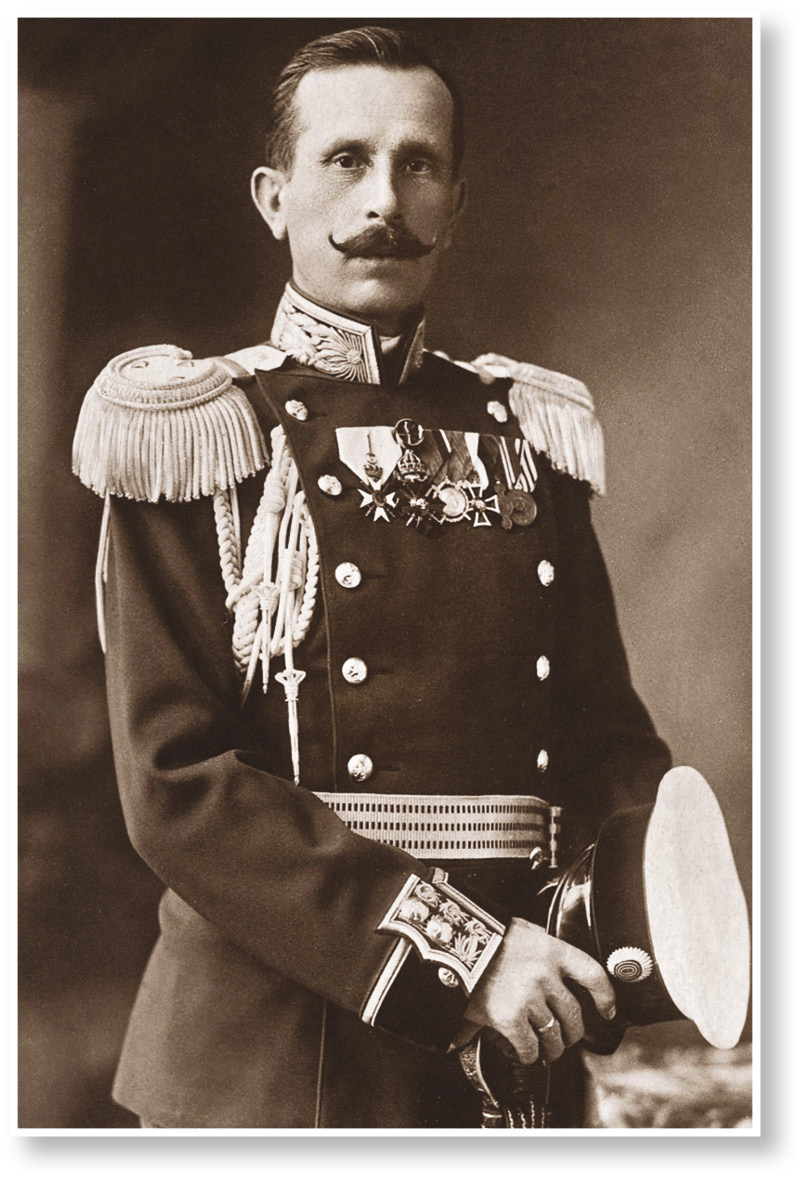
Ferdinand I of Bulgaria (1861-1948)
A member of the German aristocratic house of Saxe-Coburg-Gotha, Ferdinand was elected Prince of Bulgaria in 1887. In 1908, taking advantage of turmoil in the Ottoman Empire, he proclaimed his country’s independence and declared himself king or tsar. Although ridiculed for his flamboyant manner, behind an eccentric, pompous exterior there lurked a shrewd political brain. ‘Foxy Ferdinand’ was the driving force behind Bulgaria’s intervention in the Balkan Wars of 1912-1913 and the decision to join the Central Powers in 1915. During World War I, he did not act officially as commander-in-chief but exercised influence over Bulgarian military operations. Defeat led to his abdication and exile in Germany.
From success to stalemate
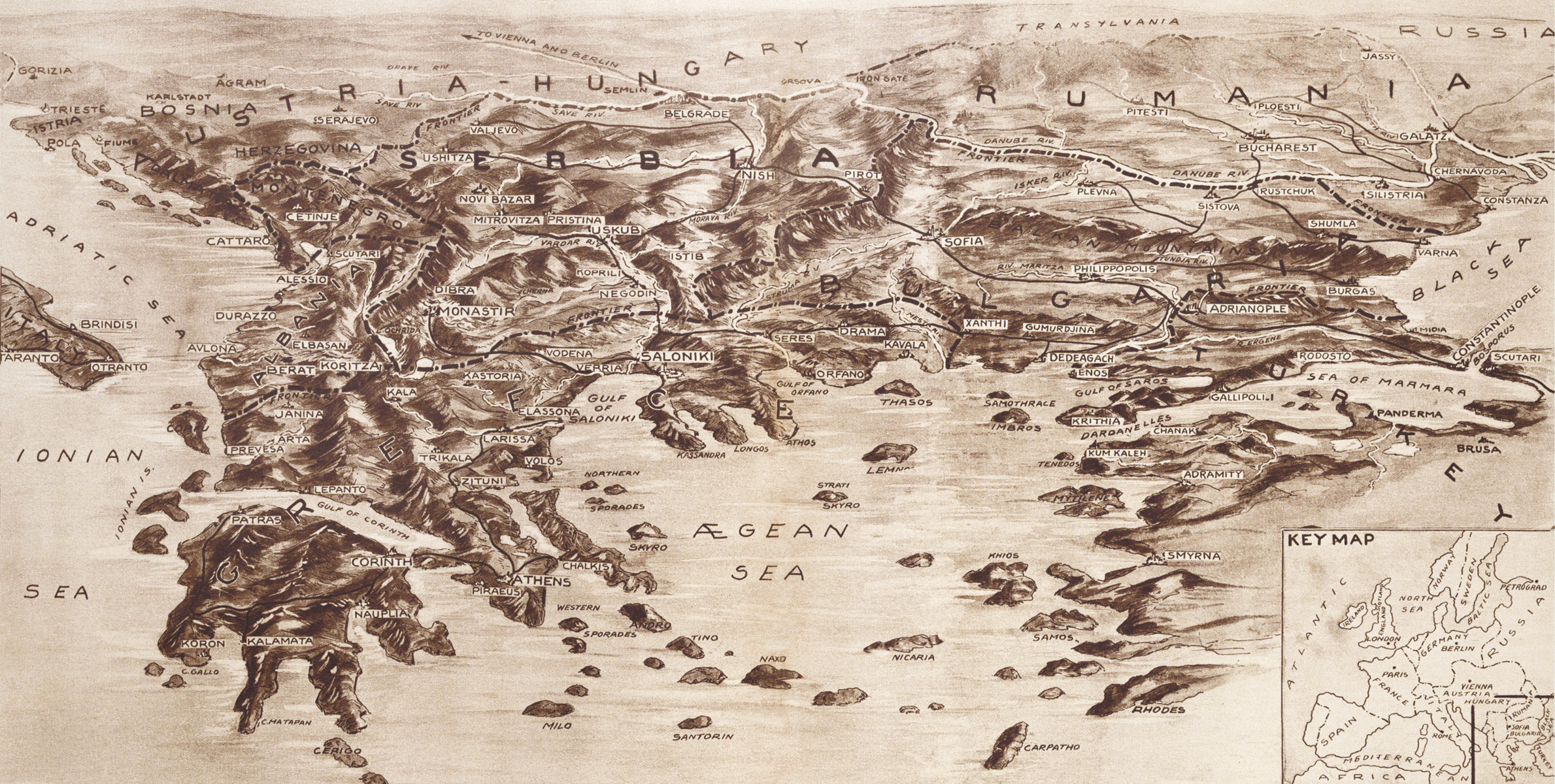
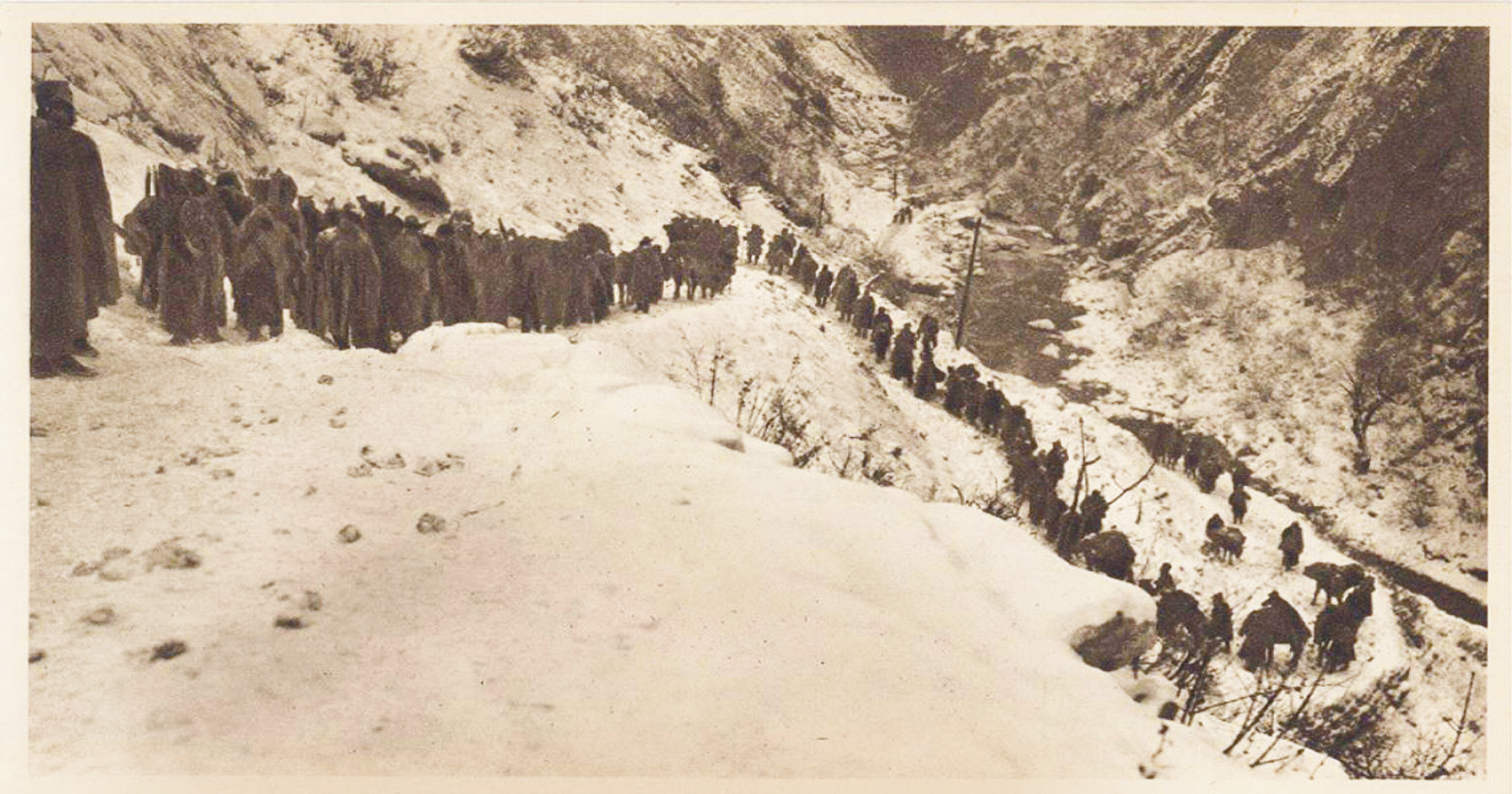
Cooperating with their German and Austro-Hungarian allies, the Bulgarians enjoyed initial success as they invaded Serbia in mid-October 1915. Two Bulgarian armies entered from the east, capturing the country’s wartime capital Niš, and pursuing the Serbians into Kosovo. Progress was slowed by poor roads and bad weather, but the Bulgarians took a series of towns in northern Macedonia, culminating in the seizure of Bitola (Monastir). With Austro-German forces pushing in from the north, the Serbian army was forced into a harrowing winter retreat over the Albanian mountains.
By December, the Bulgarians had annexed Macedonia. They also succeeded in halting the advance of an Anglo-French expeditionary force, whose members landed at Salonika (Thessaloniki) in neutral Greece and aimed to drive northwards up the River Vardar valley to take the pressure off their Serbian allies.
The aftermath, however, revealed the unequal power relationship between Bulgaria and Germany. The Bulgarian commander-in-chief General Nikola Zhekov urged an all-out bid to crush the numerically inferior Entente force as it fell back to Salonika. For a variety of reasons, the German high command refused to support the proposal. Not only might it drive Greece into the arms of the Entente, it also raised the possibility that a territorially satisfied Bulgaria might have no incentive to stay in the war. Moreover, if British and French units withdrew from the area, they might be transferred to fight Germany on the Western Front.
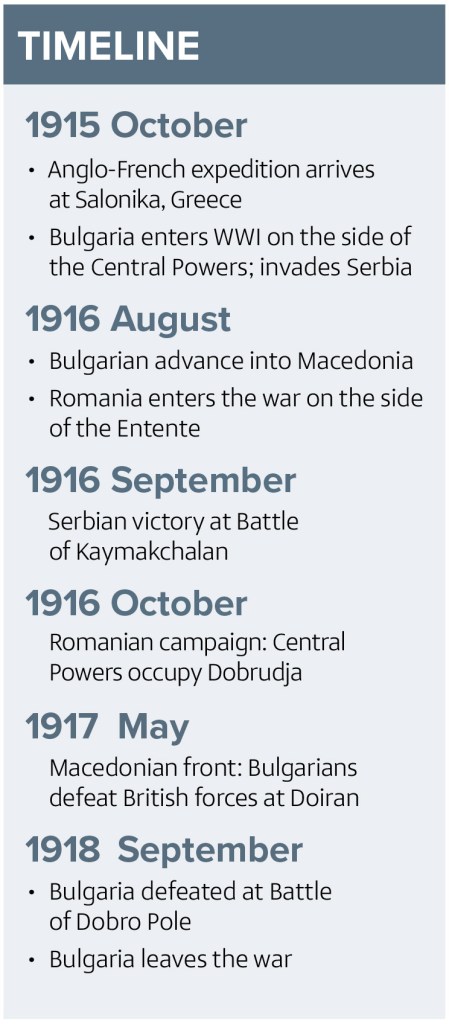
Unable to overrule its senior alliance partner, Bulgaria became bogged down in a prolonged defence of the Macedonian Front that progressively sapped its strength. The Bulgarians supplied the bulk of the forces there, alongside German, Austro-Hungarian, and Ottoman contingents. Then, in August 1916, as it seemed likely that Romania would join the Entente, Germany finally allowed a Bulgarian advance into Greek-held Macedonia.
The invasion met with mixed results. The Bulgarians made headway in eastern Macedonia, but in the west problems in manoeuvring heavy artillery over difficult terrain hampered their advance. Casualties mounted as the Entente strengthened its presence in the region. This was partly due to the Bulgarian infantry’s tendency to make bayonet charges without adequate prior artillery bombardment of enemy positions. In September, the Serbians drove the Bulgarians back at the Battle of Kaymakchalan, and two months later Entente forces regained control of Bitola.
In the autumn of 1916, Bulgarian troops took part in a joint expedition into Romania, headed by German Field Marshal August von Mackensen. The operation culminated in the occupation of the rich agricultural region of Dobrudja. It was a major achievement – but one from which Bulgaria failed to benefit. After Romania left the war in May 1918, the Treaty of Bucharest awarded northern Dobrudja to a joint Austro-German-Bulgarian administration. Bulgaria’s claims to exercise sole control of the territory were ignored until September 1918 – too late to make a difference to the outcome of the war.
Holding the line
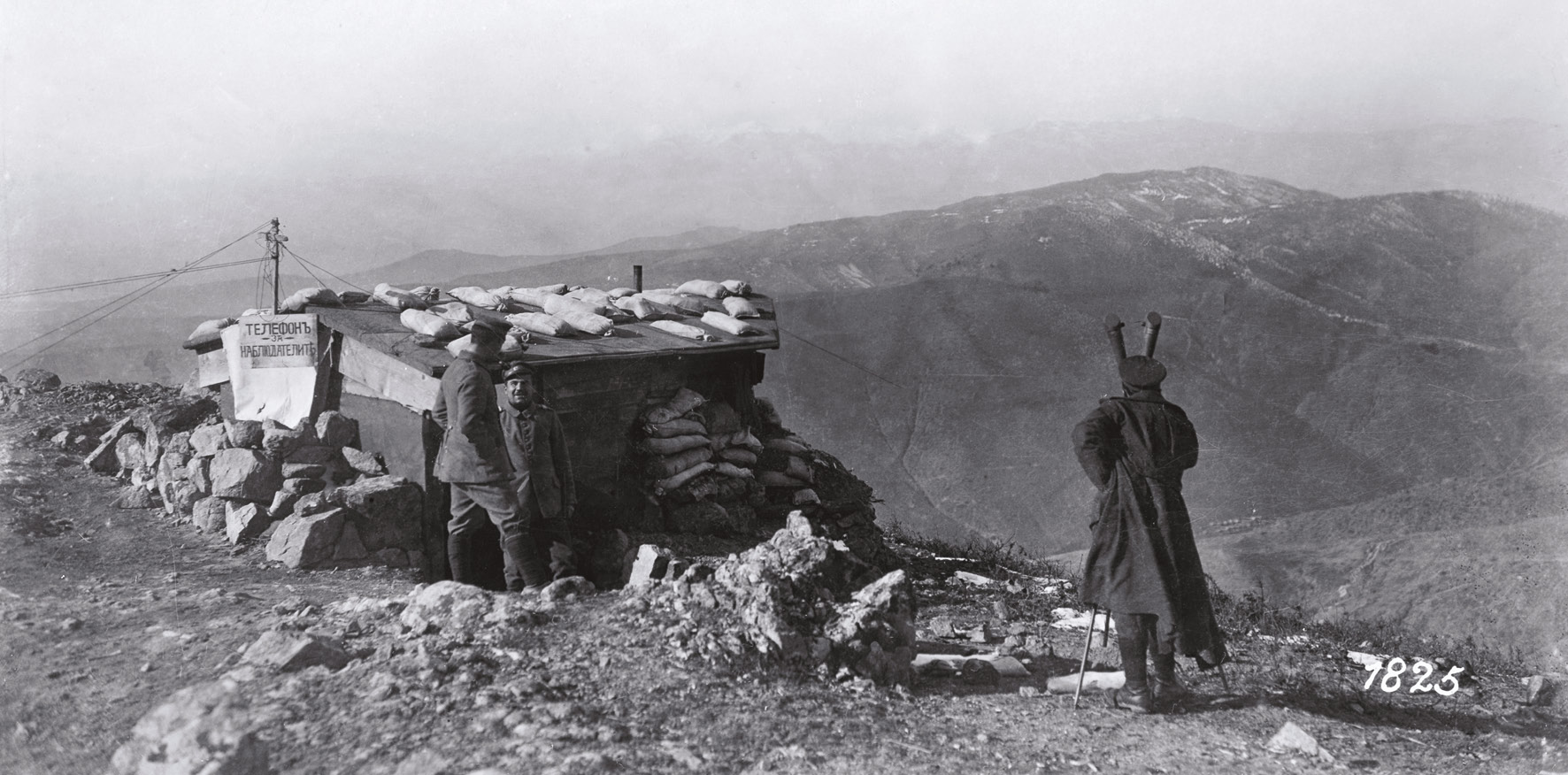
Bulgarian forces held the Macedonian Front during 1917, resisting Anglo-French attacks with a determination that won the grudging respect of their adversaries. West of Lake Doiran, some 50 miles north of Salonika, Bulgarian and German engineers had strengthened the natural defences of this forbidding upland area. The British knew the most prominent enemy observation post as the ‘Devil’s Eye’. Here, a network of trenches, wire entanglements, and concrete-roofed dugouts sheltered the defenders. British forces suffered heavy casualties at the Battle of Doiran in April-May 1917. Their commander, General Sir George Milne, reflected that his men were ‘not a match for the Bulgar in hill fighting’. They lacked the heavy artillery and ammunition needed to make an impression on the enemy fortifications.
By now, however, Bulgaria’s ability to sustain the war effort was in decline. Like the Austro-Hungarian and Ottoman empires (see MHM 147, August/September 2025, and MHM 148, October/November 2025), its ultimate failure can be traced in large part to its relative underdevelopment, combined with poor handling of the economy. Inflationary pressures were worsened by the government’s decision to use foreign credits rather than tax increases to finance the war. The population suffered from severe food shortages, which successive administrative reorganisations failed to overcome. Better-paid German and Austrian troops were able to buy up scarce foodstuffs, leading to understandable resentment.
In November 1917, the army’s food ration was cut by one-fifth. Troops were soon subsisting on poor-quality bread, made from corn meal and indigestible ground corn husks. Uniforms and boots were also in short supply. In July 1918, an officer reported to General Zhekov that his men were ‘naked, barefoot, and hungry. We will wait a little longer for clothes and shoes but… we are not able to hold out much longer.’ Troops began to express their resentment of mismanagement and corruption on the home front. Zhekov reported that soldiers were often heard to say, ‘here we defend the security of the state with our blood, and at home they sell it for money.’
By this point, Germany had withdrawn most of its forces from Macedonia to concentrate on the Western Front. It continued to supply senior commanders and specialists such as artillery crews, but by mid-1918 only three German battalions remained, alongside two Austro-Hungarian and 14 Bulgarian divisions. The Bulgarians were ambivalent about their powerful ally. They respected the Germans’ organisational efficiency but disliked their arrogance. Relations with the Ottomans – so recently the Bulgarians’ imperial overlords – were also strained. The Constantinople government was now pushing for the return of the strategically important Maritsa valley, which it had given to Bulgaria as an incentive to join the war, along with the territory it held in western Thrace.
Macedonian collapse
The Bulgarians bore the brunt of the fighting when a dynamic new allied commander, Franchet d’Espèrey, started preparing a major offensive for the autumn of 1918. This came in an area where the Bulgarians least expected it. Rather than undertaking a more predictable advance from Salonika up the valley of the River Vardar, the French general chose to attack to the west. The target was the 6,000ft-high, heavily fortified ridge of Dobro Pole, whose rugged landscape was pockmarked with trenches, gun batteries, and other obstacles. The aim was to drive the defenders out, then push on to seize the communications centre at Gradsko in northern Macedonia, fatally dividing the Central Powers’ forces in the region.
The operation played to the strengths in mountain warfare of Franchet’s Serbian troops, who could draw on the support of French artillery. It required the attackers to haul heavy guns by night to positions from which they could assail the Bulgarian defences. To achieve this without alerting the enemy was a remarkable feat. On 14 September, in the words of a German officer, the attackers launched an ‘iron storm’ of shells with ‘hurricane force’. Even so, they failed to knock out the machine-gun nests embedded in the limestone cliffs. But with Bulgarian reserves scattered across the front, it was impossible for the defences to be reinforced in time. Over the next 48 hours, Serbian and French troops scrambled up the stony slopes, using flamethrowers against pockets of resistance and driving the Bulgarians back.
The offensive entailed secondary attacks spearheaded by British and Greek forces at Lake Doiran. Still denied the volume of firepower for which they had lobbied, the attackers again suffered heavy casualties at the hands of Bulgarian machine-guns and mortars. One British battalion sustained 65 per cent losses. They had prevented the Bulgarians from transferring their weight to Dobro Pole, but at an unreasonably high cost.
It was a miscalculation by the German theatre commander General von Scholtz that sealed the Bulgarians’ fate. Rejecting a bold proposal for a thrust towards Salonika, he instructed them to withdraw up the Vardar as the French and Serbs advanced. The order to abandon a strong defensive system was greeted with incredulity by the Bulgarians. As they retreated, they were harassed from the air by British DH.9 bombers. Abandoning their equipment and supplies, the demoralised soldiers did their best to escape over mountain paths. By now, they were on the verge of mutiny. In late September, Gradsko fell, cutting links between the Bulgarians and Germans, and soon afterwards French cavalry reached the city of Skopje.
To avoid a Russian-style revolutionary situation developing, the Bulgarians sued for peace. It was clear that Germany and Austria-Hungary, themselves giving way on other fronts, were unable to retrieve the situation. Bulgaria had been the last of the Central Powers to join the war and it was the first to leave. The terms of the armistice were crushing. Bulgaria had to give up the Serbian and Greek territory it had seized during the past three years; the bulk of the army was to be demobilised; and allied forces were to occupy strategic points and communications, giving them access to the north. From the start of the bombardment at Dobro Pole to Bulgaria’s exit from the war, it had been just over two weeks.

Balance sheet
For an army that had been engaged in conflict continuously since 1912, the Bulgarians performed remarkably well. Their soldiers contributed to the defeat of Serbia in 1915, and the occupation of Romania a year later. Bulgarian forces showed great endurance in holding 300,000 Entente troops at bay for three years along the Macedonian Front.
Even with their morale undermined by shortages of food and equipment, the Bulgarians maintained a vital link between the Austro-German and Ottoman sectors of the Central Alliance. But they shouldered a burden which proved too much for a relatively small state, and their allies showed a diminishing capacity and willingness to provide support. Looking back, it is unsurprising that when the collapse came in the autumn of 1918, it occurred so swiftly.
Graham Goodlad has taught history and politics for more than 30 years. He is a freelance writer and a regular contributor to MHM.
Further reading:
• Richard C Hall, Balkan Breakthrough: the Battle of Dobro Pole (Indiana University Press, 2010).
• Alan Wakefield and Simon Moody, Under the Devil’s Eye: the British military experience in Macedonia 1915-1918 (Pen & Sword, 2011).