

Subscribe now for full access and no adverts
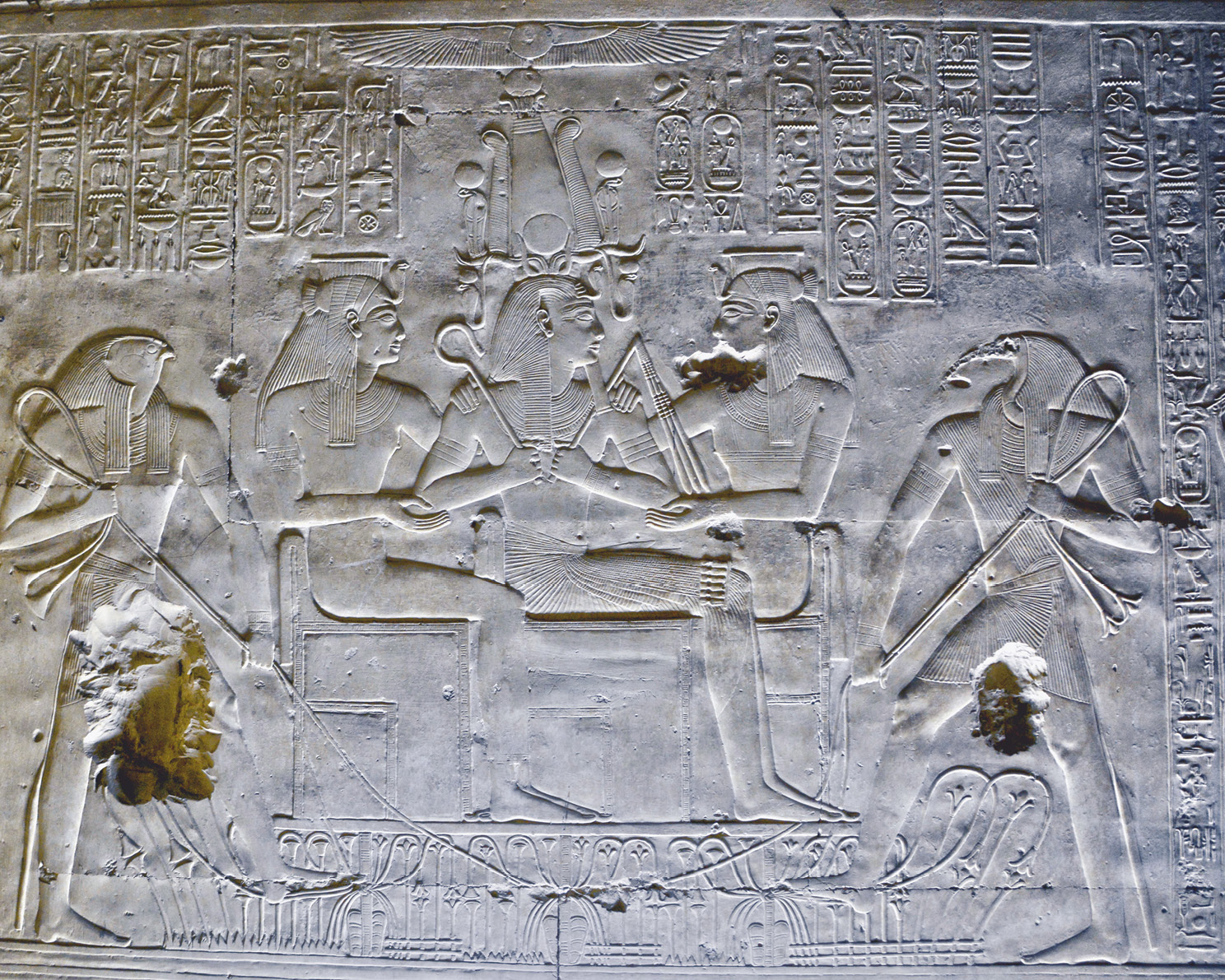
Divine kingship was as old as Egyptian civilisation itself, when the Predynastic kings of Hierakonpolis (Nekhen) ruled as avatars on earth of the falcon god Horus. Pharaoh was entitled the ‘Good God, the Son of Ra’. Egypt’s gods and goddesses were his fathers and mothers. In life he was the incarnation of Horus; in death, his identity fused with Osiris, Lord of the Underworld. But there were limits to royal godhood. Each king inevitably aged, sickened, and died. Many were feeble in body and in mind even before old age overcame them. However, this contradiction between Pharaoh’s human frailty and sublime godhood was not a problem: the divine was understood to inhabit the earthly body, but be quite separate from it. The king’s human self was a mortal vessel containing the divine essence of kingship. Most kings only truly became a god after death.

Cult of divine kingship
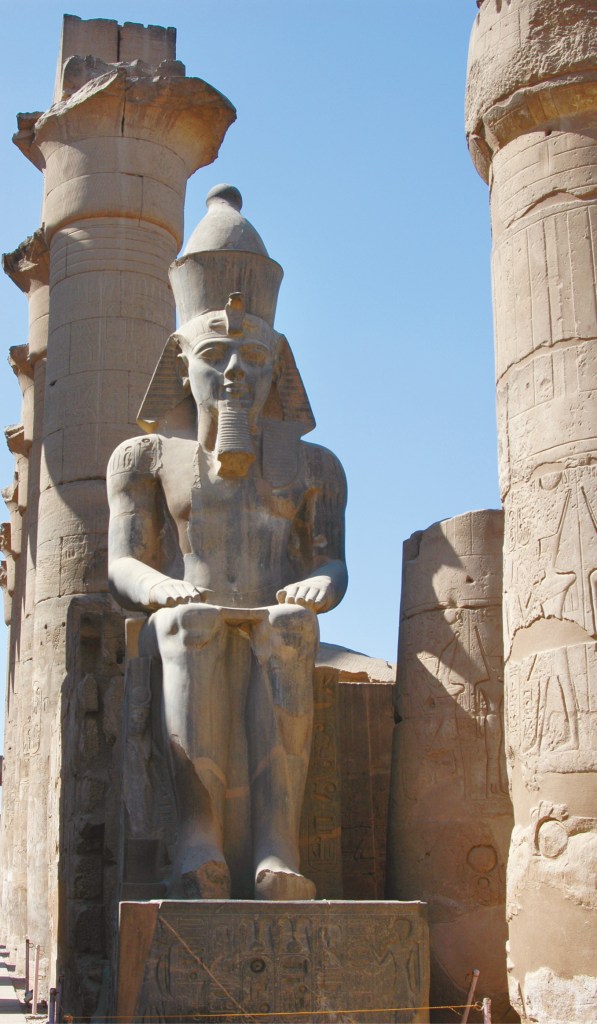
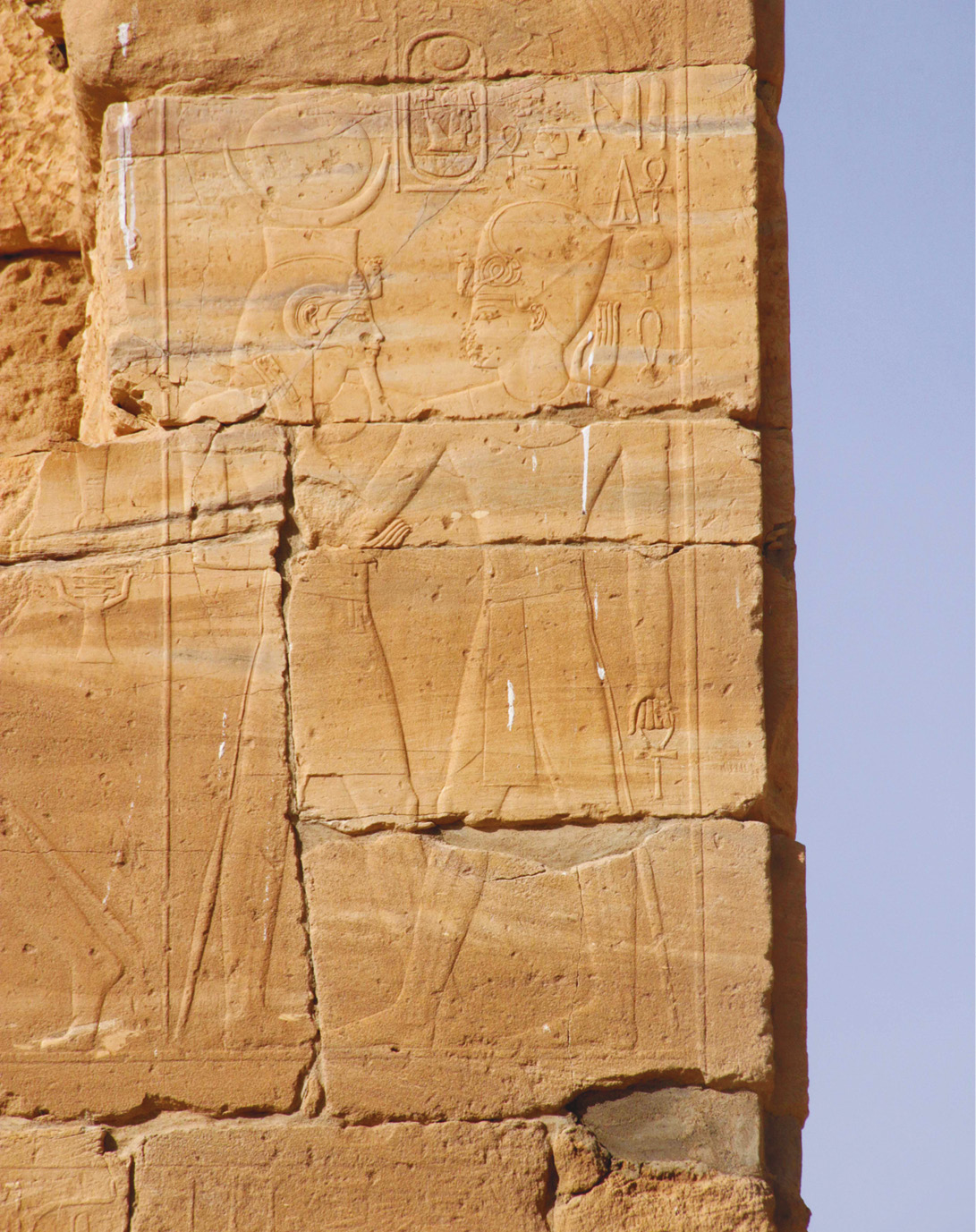
In the New Kingdom, the Egyptians developed a sophisticated ideology of divine kingship that was celebrated in royal cult temples built throughout Egypt and Nubia by the pharaohs of the Eighteenth and Nineteenth Dynasties. Amid the increasing wealth and splendour of Egypt’s imperial age, and the evolution of solar religion during the mid-Eighteenth Dynasty, the cult of divine kingship reached a peak under Amenhotep III, especially during his third decade as he celebrated three Sed festivals, and asserted his status as a living incarnation of the sun god on earth. Amenhotep’s cult took a variety of forms, including dozens of royal colossi and hundreds of smaller statues. Among the most innovative aspects of this programme of self-deification was a special avatar of the deified Amenhotep III, worshipped in his temple at Soleb in Nubia: a moon god named ‘Nebmaatra Lord of Nubia’.
Amenhotep III’s successor Akhenaten embarked on a revolutionary, but ultimately unsuccessful religious reformation by replacing Egypt’s pantheon with the unique solar god called the Aten. Two decades later, amid much turmoil at home and abroad, the last three rulers of the Eighteenth Dynasty – Tutankhamun, Ay, and Horemheb – re-established the old gods and attempted to revive the prestige of Egyptian kingship that Akhenaten had so fatally undermined. Of these kings, only Tutankhamun was born a prince, but all three died without a natural heir, passing the throne from one high official to the next. At last, the throne fell to another high official, a vizier and general named Paramessu – better known to us as Ramesses I, founder of the Nineteenth Dynasty.
Sety I
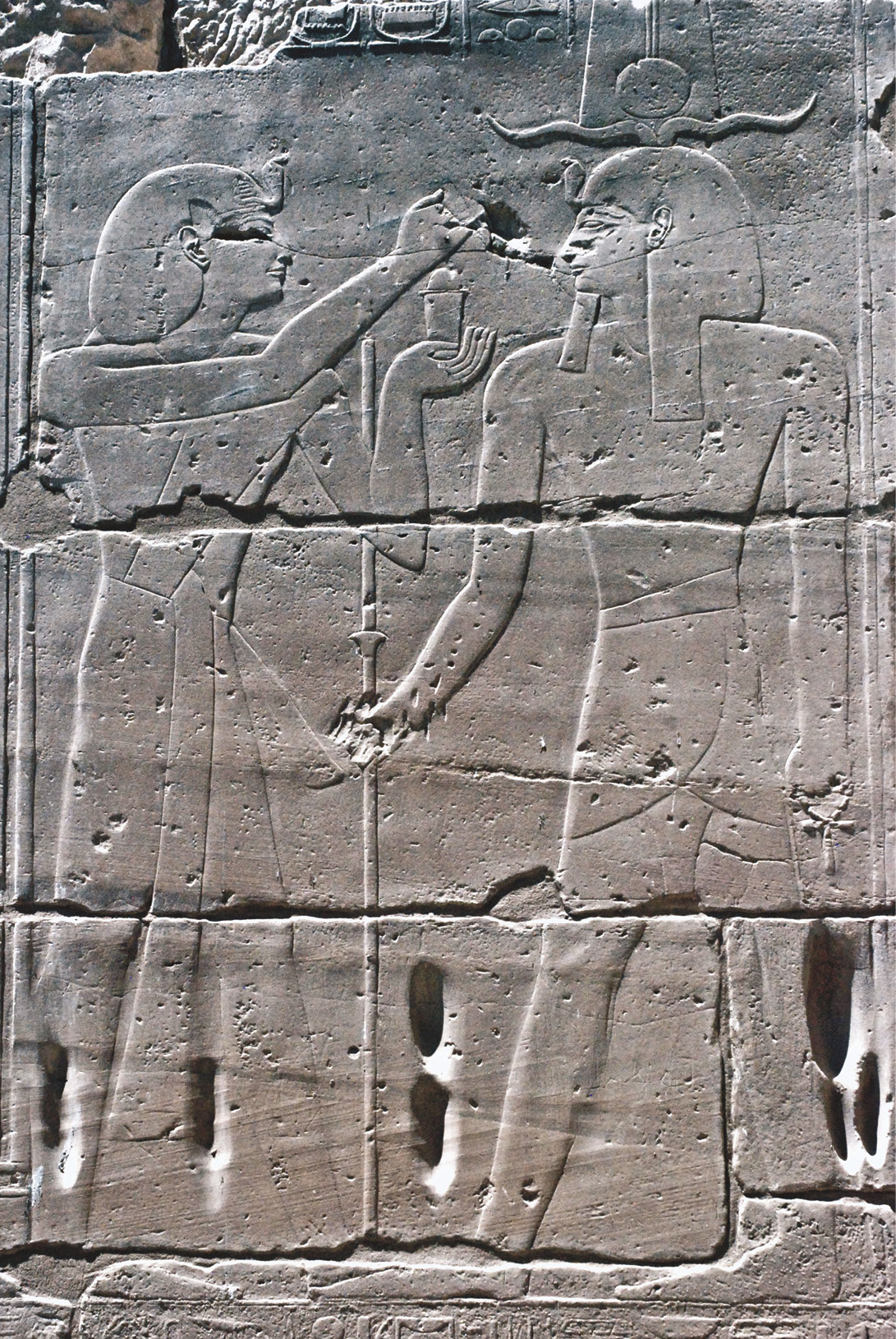
Ramesses I’s reign was all too brief, not even two years, but he had a vigorous heir who assumed power as Sety I. Named after his grandfather, Sety’s son would one day become king as Ramesses II. In the earliest years of the new royal house, it was politically essential for Sety I and Ramesses II to establish their legitimacy to rule. Some might view them as upstarts, lacking pedigree. Ramesses I was the third successive king to assume the throne without royal blood flowing in his veins. Sety I, however, could assert that as Ramesses I had reigned – however briefly – before him, he was the first pharaoh since Tutankhamun to succeed his father.