Subscribe now for full access and no adverts
REVIEW BY JONATHAN EATON
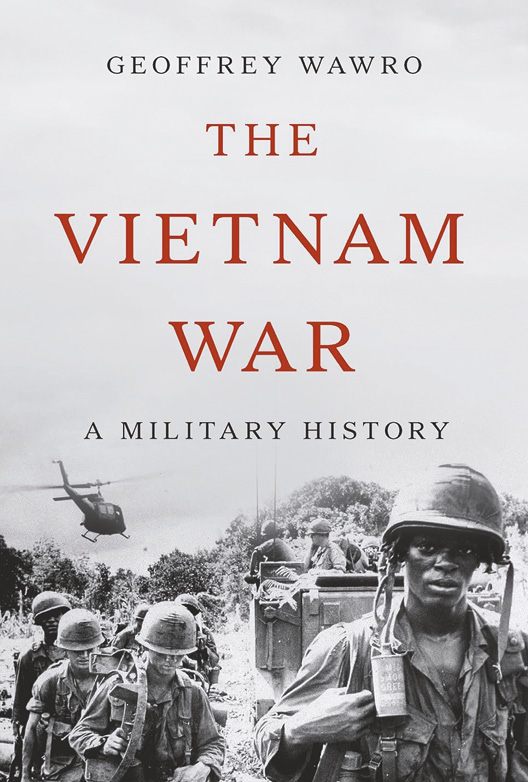
The legacy of the Vietnam War continues to haunt American policymakers for the example it provides of a major power drawn gradually yet inexorably into a grinding conflict with no clear pathway for withdrawal. Claiming to be the first single-volume, comprehensive military history of the conflict, this new treatment is by Professor Geoffrey Wawro, Director of the Military History Center at the University of North Texas and the author of previous studies on US involvement in the Middle East and the First World War in Europe.
Wawro takes a deliberately long view in charting the US involvement in Vietnam, from Eisenhower’s decision-making following the withdrawal of French forces after the defeat at Dien Bien Phu in 1954 through to the fall of Saigon in 1975. Recognising the validity of Clausewitz’s dictum on the relationship between war and politics, he frames the escalation of the conflict through a political lens, particularly through gradual decisions made by the respective administrations of Eisenhower, Kennedy, Johnson, and Nixon.
Initially American policymakers viewed the conflict as necessary in preventing the spread of Communism across south-east Asia, but this desire to avoid being perceived as ideologically ‘soft’ ultimately contributed to ongoing military escalation. Additionally, the ensuing accumulation of US casualties made withdrawal without victory a political impossibility. The sheer scale of US economic and military power blinded consecutive administrations to the danger of fighting a politically committed and agile enemy in terrain of their choosing. South Vietnamese leaders often proved corrupt or overly concerned with internal power struggles, rather than offering inspirational leadership to their people or troops, further hampering US efforts to reduce their own active involvement in the conflict.
The war inflicted a substantial financial toll in maintaining US troops, equipment, and machinery, as well as funding the South Vietnamese army. From the perspective of munitions, 539,000 tons of bombs were dropped on Cambodia alone between 1969 and 1973 – more than three times the amount dropped on Japan during the Second World War. The economic implications of the conflict were severe, leading to inflation in the US and a run on gold reserves, as well as arguably reducing the financial and hardware resources available to face other established or emerging military threats.
Despite the vast resources committed to the conflict, the strategic and tactical blunders made in Vietnam are evident. It is estimated that no more than 1% of US or South Vietnamese ground operations actually made contact with the enemy. Emphasis on body counts as a metric for success vastly overestimated the impact that US campaigns made on the Viet Cong and North Vietnamese, particularly in reducing their will to fight, and contributed to the indiscriminate killing of civilians and atrocities such as the My Lai massacre. The ability of US forces to deliver what were perceived as surgical strikes through the use of aircraft and munitions ignored the effectiveness of enemy guerilla operations and the ability of North Vietnam to sustain a war of attrition over a long period.
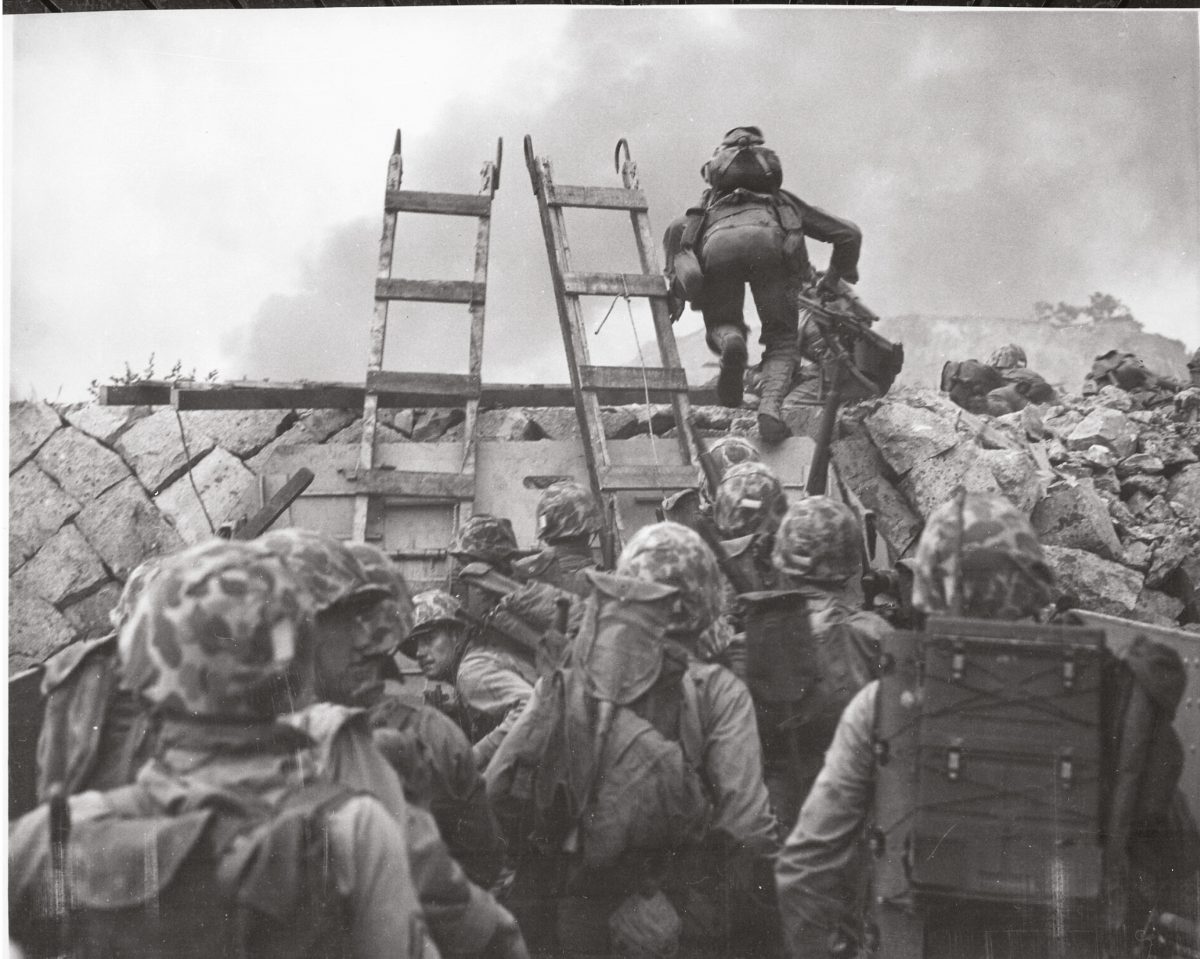
Reliance on ‘airmobile’ operations, using helicopters to ferry troops into combat zones, created a vast logistical infrastructure and placed huge pressure on US supply chains. It is estimated that American vehicles burnt through 45 million gallons of fuel each day. Of 540,000 US troops based in Vietnam in 1968, only 80,000 were directly involved in combat operations. Even after successful clearing operations, Viet Cong and North Vietnamese troops seemed to reappear easily and re-establish themselves in areas once the American military presence had been extracted, with a significant detrimental impact on morale through having to fight across the same terrain on multiple occasions.
Military effectiveness
In contrast to their US counterparts, North Vietnamese troops were poorly equipped and supplied, with extremely limited medical care, chance of evacuation, or opportunities for home leave. Instead, their troops were motivated by a deep sense of patriotism and political will, inculcated by their political officers. This enabled the North Vietnamese and their allies to sustain their military effectiveness while operating in deeply challenging circumstances. Agents embedded in the South Vietnamese military could eavesdrop on secure communications to prepare ambushes or warn of impending attacks.
Failure adequately to grasp the military and intelligence capabilities of the North Vietnamese culminated in the Tet Offensive of January and February 1968. American military and intelligence services failed to appreciate the covert build-up of enemy forces for a surprise attack on multiple bases and settlements across South Vietnam, resulting in more than 32,000 civilian casualties, 200,000 buildings destroyed, 627,000 civilians left without homes, and $1.4 billion of infrastructure damage, as well as unalterably damaging public perceptions of the conflict in the US. While President Johnson sought subsequently to negotiate an American withdrawal after the offensive, Nixon is believed to have thwarted the talks for his own political ends, and therefore to have extended both the conflict and the cost in lives.
As public opinion turned against American involvement in Vietnam, evidenced by vast public protests, discipline and military cohesion began to break down in the theatre. Wawro notes that nearly 50% of American personnel went AWOL in Vietnam at some point during 1970-1971. This was accompanied by a noted increase in drug-use and incidents of ‘fragging’ – attempts by troops to murder their officers – with 209 adjudicated cases recorded in 1970 alone. The journalist John Pilger, embedded at a US Fire Support Base in 1970, noted the air of outright rebellion displayed through the attitude and appearance of the soldiers, along with direct hostility to their officers.
The literature surrounding Vietnam is vast. This single-volume publication provides a grand overview of the conflict spanning the entirety of US involvement, and serves as a useful introduction to the contours of the war and a help to understanding them in their broader setting. It provides a clear analysis of the relationship between decision-making in Washington and the realities of operations on the ground, emphasising how the political context of consecutive presidential administrations during the Cold War ultimately enmeshed US forces within a seemingly unwinnable conflict.
The Vietnam War: A military history
Geoffrey Wawro
Basic Books, hbk, 672pp (£32)
ISBN 978-1541606081