Subscribe now for full access and no adverts
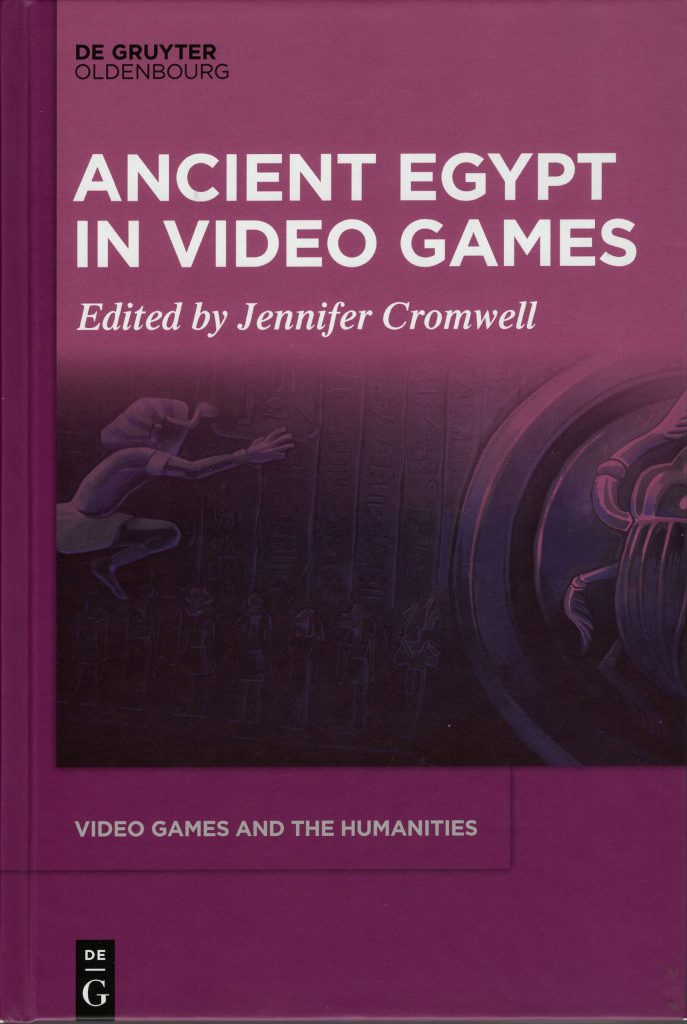
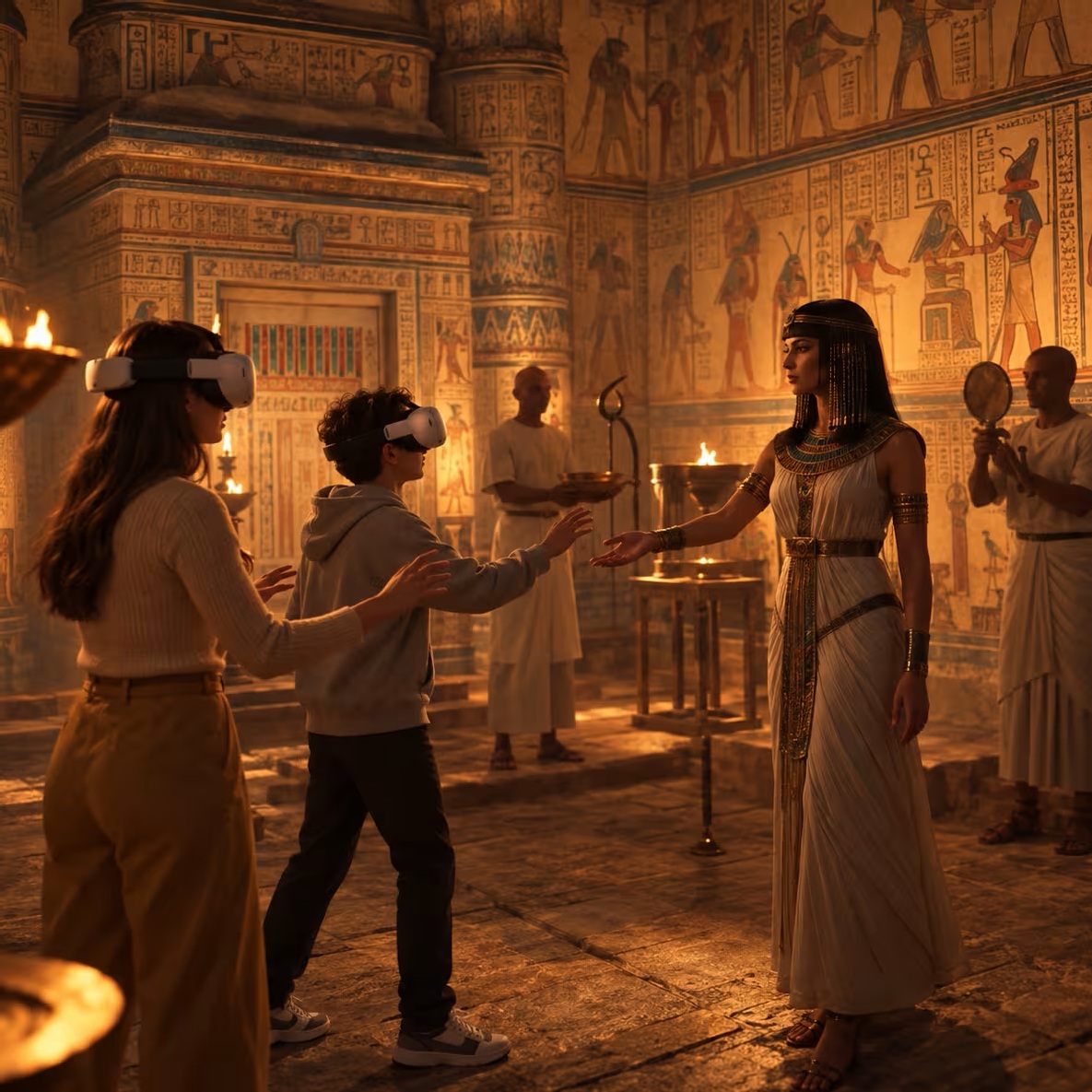
The global video gaming industry – now more than 40 years old – generates more money than the music and cinema industries combined, and is extremely influential. But while there are many studies on ancient Egyptian influences in cultural media, and how such media shapes the popular perception of ancient Egypt, similar studies for games played on a PC or console have been few until now.
In this volume, editor Jennifer Cromwell and 16 fellow authors from a wide range of backgrounds and disciplines, analyse hundreds of video games that feature ancient Egypt either as a setting or influence. These range from the earliest simple games (where ancient Egyptian colours and shapes worked well with the limited technical capabilities of the time) to the big budget action role-playing game Assassin’s Creed Origins (2017), where players can spend many hours exploring the world of Egypt under Cleopatra VII. Other games allow you to build Egyptian cities (Sid Meier’s Civilization VI, 2016), battle the Hittites (Total War: Pharaoh, 2023), fight the gods (Tomb Raider game Lara Croft and the Temple of Osiris, 2014), solve puzzles inside the Sphinx (The Riddle of the Sphinx, 2000), or survive the horror of curses and mummies (Forewarned, 2021).
The massive ongoing development in games technology has led to more complex and more ‘realistic-looking’ games – but are such reconstructions ‘historically accurate’ representations of ancient Egyptian civilisation, or is it enough for games to ‘feel authentic’? This debate is at the heart of many of the papers, in particular that of Abbie Hartman, who acknowledges that games ‘help players engage with ancient history and leave them with a distinct impression of the past’. The danger is that this impression may simply replicate inaccurate historical assumptions made in other popular forms of culture, particularly the idea of Cleopatra as ‘the seductress’, or that aliens built the pyramids (which they do in some games!). Games also have to make money: not all developers will risk losing financially for the sake of historical accuracy. Instead, they use ‘historical verisimilitude’ – presenting history in a way that feels authentic and credible to gamers, allowing them to engage and connect emotionally with the narrative. Briana C Jackson praises the ‘extraordinary accomplishments’ of the AC Origins developers for bringing ancient Egypt back to life, describing their reconstruction of the pyramids as ‘not only authentic, they tread the line of accuracy with some excusable modifications’ .
Each paper includes a bibliography and ‘ludography’, some with illustrations comparing game-play screengrabs to photographs of ancient sites and reliefs, contributing to an important new direction for studies on how ancient Egypt is portrayed and consumed.
REVIEW BY SARAH GRIFFITHS
Ancient Egypt in Video Games
edited by Jennifer Cromwell
De Gruyter Oldenbourg, 2026
ISBN 978-3-1115-3421-3
Hardback, £73