Current Archaeology 409

Description

Highlights:

From the Editor:
At its peak, the Roman army acted as a military, naval, and police force to about a quarter of the population of the Earth. Our cover feature explores its impact on the inhabitants of Britain – and what life was like for the soldiers and their families who were posted here.

If you’ll allow me a moment of nostalgia, our next feature brings a personal pang, as it describes the demolition of a place that hosted one of my first forays into journalism. While working on The Cambridge Student, I spent countless Wednesdays on the New Museums Site – and on our final day in the office in 2009, my co-editor and I took a marker pen and wrote our names on the back of one of the newsroom ceiling tiles (rather earnestly adding C P Scott’s dictum ‘comment is free, but facts are sacred’) before slipping it back into place. With youthful hubris we assumed that ‘our’ tile would watch over other student journalists long after we had graduated. Now, however, that building has been swept away – and fascinating relics of Cambridge’s medieval Augustinian friary have been revealed underneath.

In order fully to understand the past, we need a vibrant, robust heritage sector. Our third feature focuses on such work in Wales, highlighting some of the key sites investigated by the Royal Commission.

Our penultimate piece takes us to Roman London, where a waterlogged cemetery has yielded rare evidence of coffins and a funerary ‘bed’. We then end by examining two strikingly similar Bronze Age burials found more than a century and over 300 miles apart.


Cover Date: Apr-2024, Volume 35 Issue 1

Cover Story

Legion: Tracing the impact – and the experiences – of the Roman army in Britain A major new exhibition at the British Museum shows what life was like for the men, women, and children associated with the Roman military machine – and those they encountered…

Features

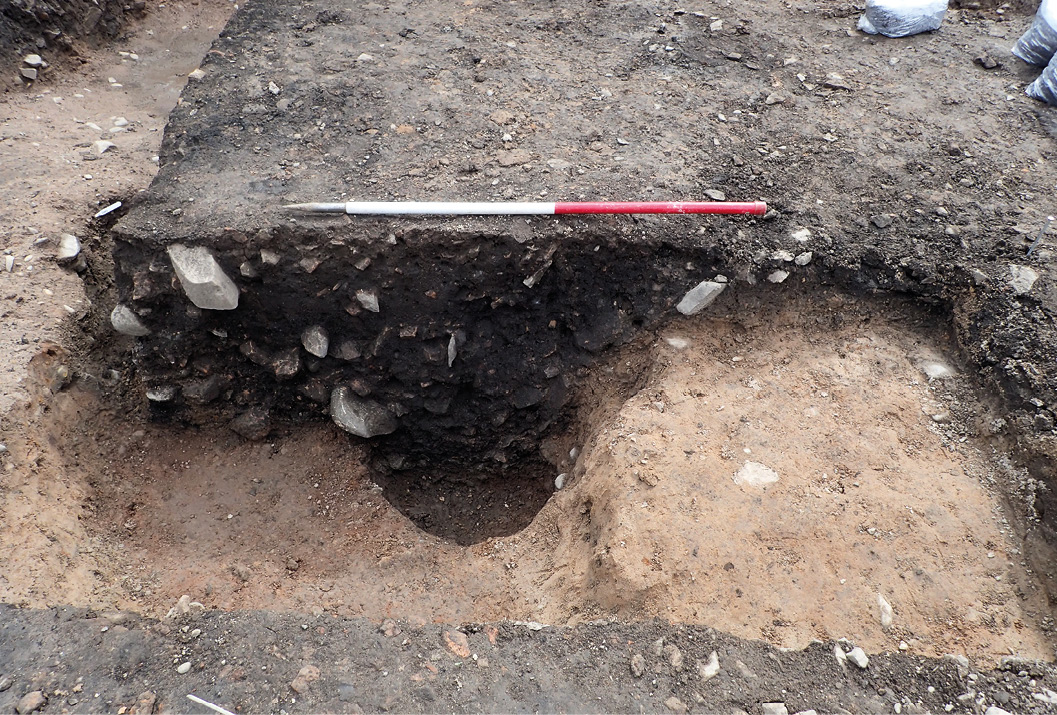
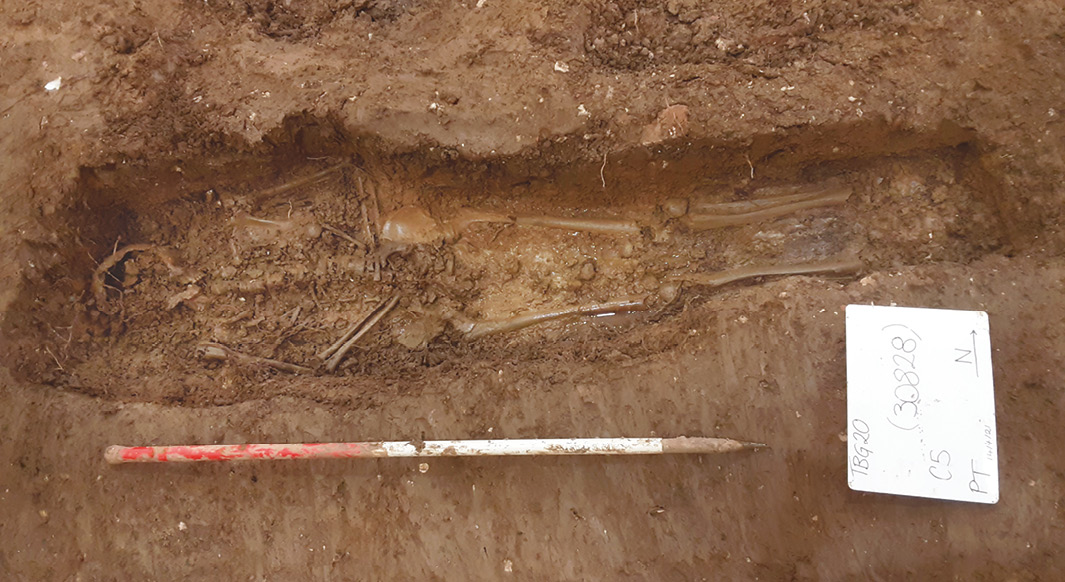
Frame of reference: Rare wooden funerary finds from Roman London Excavations in central London have revealed the remains of a c.2,000 year-old cemetery, where waterlogged soil conditions have preserved an…
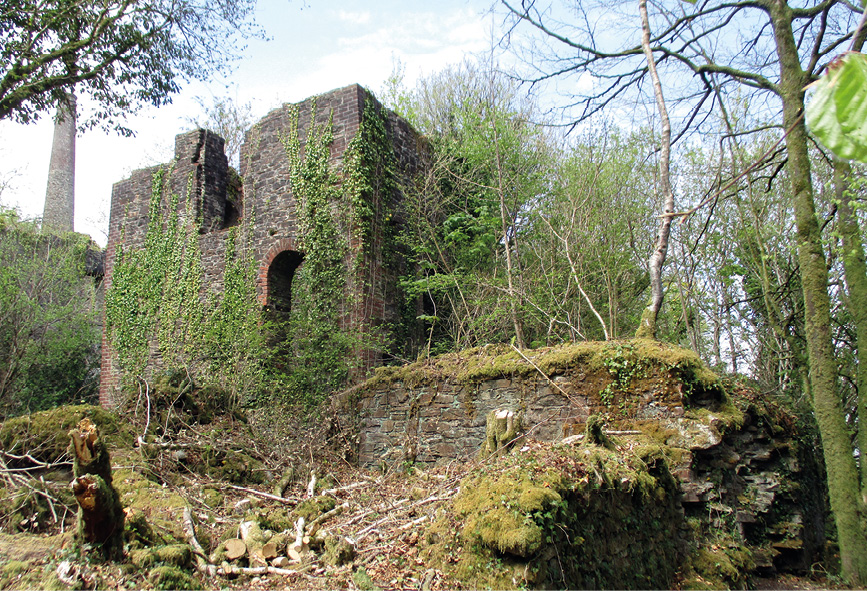
Preserving the past: Highlighting the Welsh heritage sector’s rich history and uncertain future In last month’s ‘Sherds’ column, Chris Catling described the threat to the future of the Royal Commission on the Ancient…
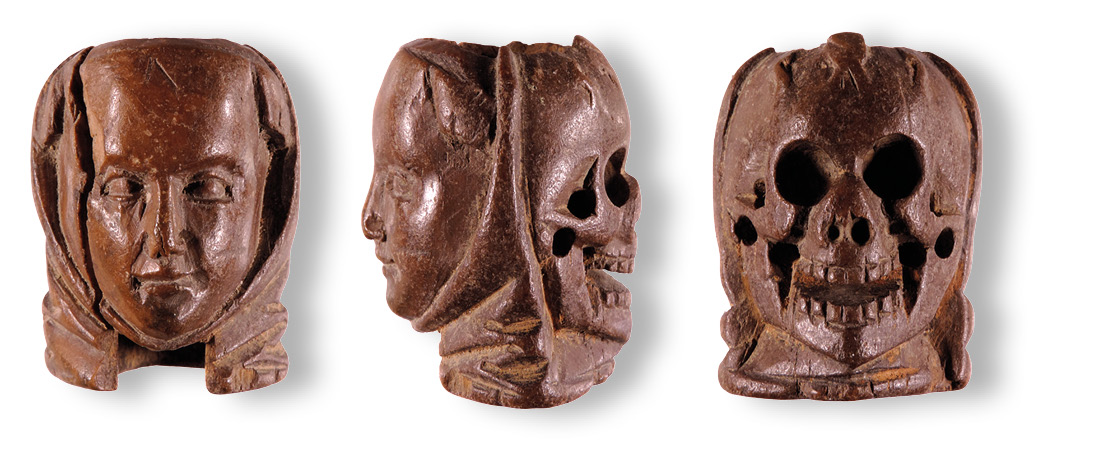
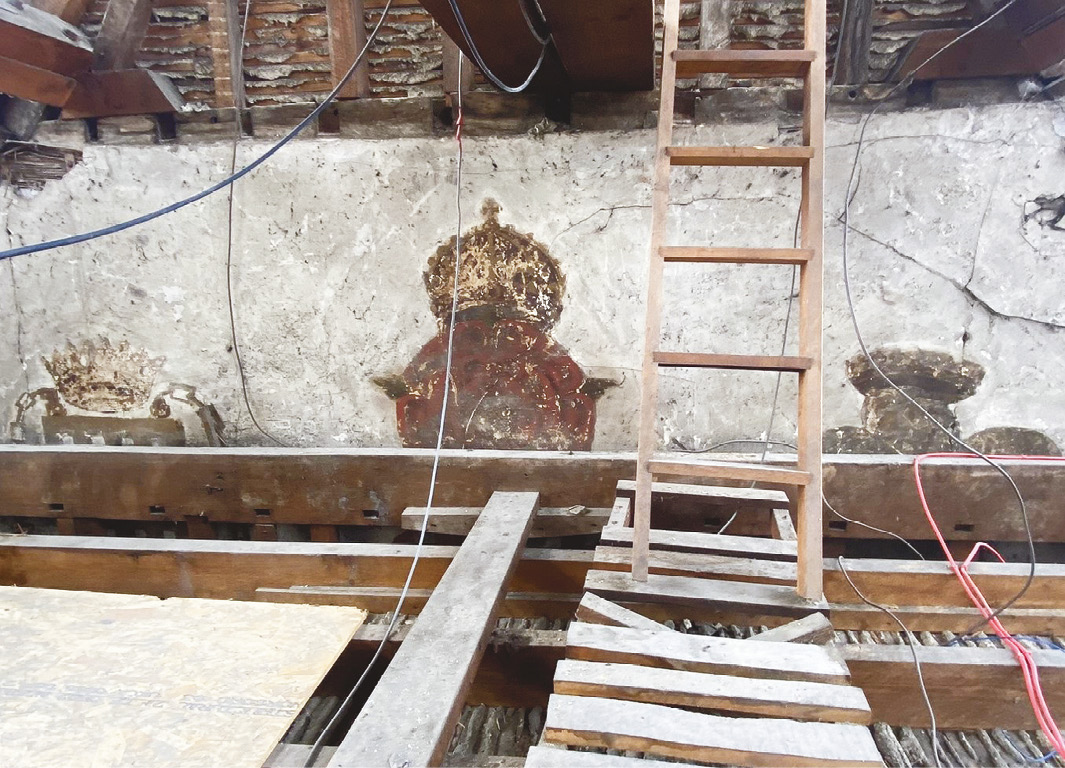
Piety and plague: Exploring evidence for life and death in Cambridge’s Augustinian friary Excavations in central Cambridge have uncovered traces of one of the medieval town’s many religious communities, including remains of the…
Family ties: Examining ideas of kinship in the early Bronze Age New analysis of two Bronze Age burials discovered more than a century – and over 300 miles – apart has…

Comment

Gloucestershire The Cotswolds these days have a reputation as a playground of the rich and famous. The Roman occupation of this…
Access & Navigating Nature Much that is done in the name of access is admirable: lectures are now broadcast to the world; collections can…

News

Views

Current Archaeology’s March Listings: exhibitions, events, and heritage from home There are many brilliant archaeological events on offer over the next few months, including new exhibitions, conferences, and lectures. If…
Museum news The latest on acquisitions, exhibitions, and key decisions.
CA 409 Letters – March Your thoughts on issues raised by CA.
Zimingzhong 凝时聚珍: clockwork treasures from China’s Forbidden City London’s Science Museum is currently home to more than 20 examples of intricately ornate timepieces loaned from the Palace Museum…
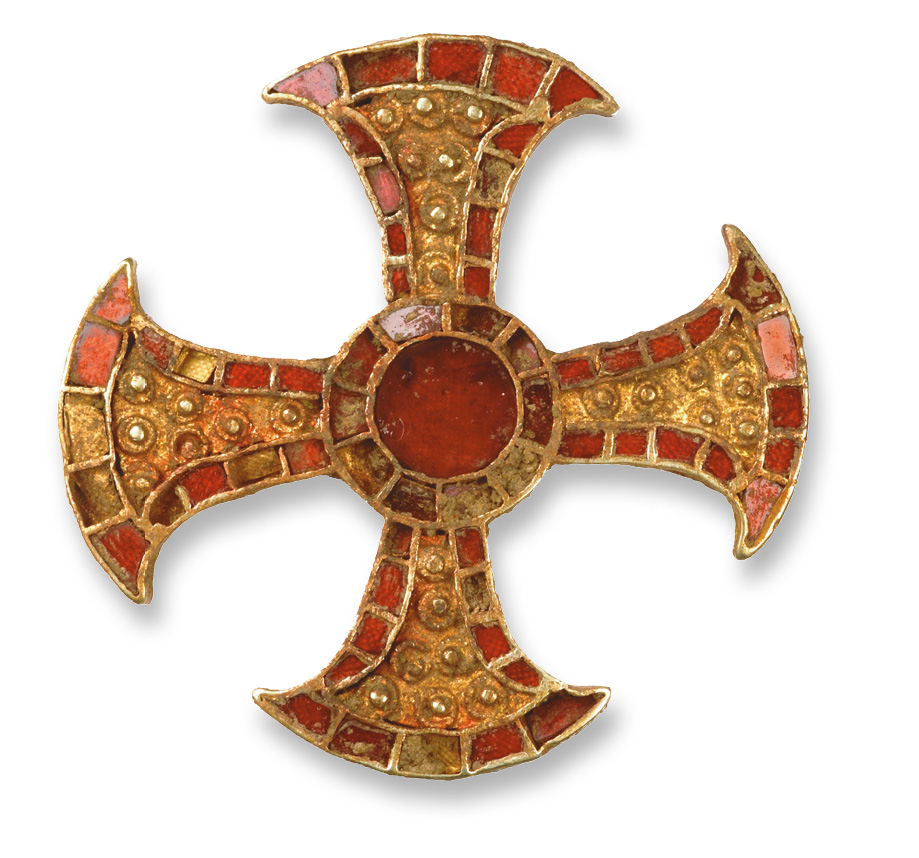
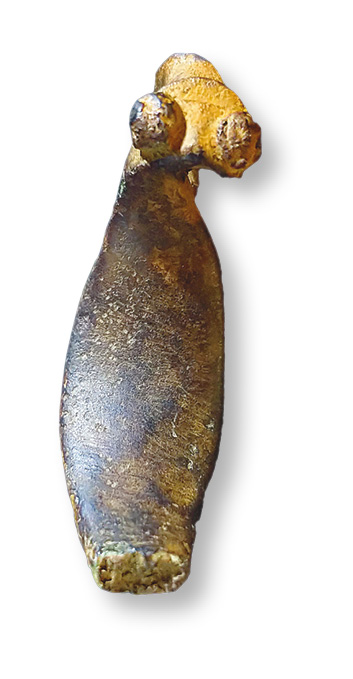
Finds Tray: Fibula brooch This copper-alloy fibula brooch was found by a metal detectorist in 2019, near Cirencester in Gloucestershire, and recently appeared as…
Medieval boat graffiti – Isle of Luing Image: Chris Whitmore On the outer walls of an old parish church, on the small island of Luing in the…
Historic Houses Formerly known as the Historic Houses Association (HHA), Historic Houses has just marked its 50th anniversary, having been formed in…

Reviews

X Marks the Spot: The story of archaeology in eight extraordinary discoveries REVIEW BY AMARA THORNTON Popular histories of archaeology have been published, in one form or another, for centuries. These narratives,…
Prehistoric Sussex REVIEW BY AB In the 1990s, archaeologists excavating in West Sussex made a remarkable discovery: human remains belonging to ancient…
Excavations on Wether Hill, Ingram, Northumberland 1994-2015 REVIEW BY CHRIS JONES This important book is the product of 11 seasons of careful fieldwork by members of the…
Eilean Donan Castle: Exploring a Highland icon, archaeological research excavations 2009-2017 REVIEW BY DEREK ALEXANDER Eilean Donan Castle is indeed a Scottish icon, featuring on many calendars and in movies –…
Making Flour the German Way in Roman Britain: Distribution, use, and deposition of imported lava quernstones and millstones REVIEW BY ROB IXER Broken fragmentary Niedermendig (Banfield convincingly suggests that Mayen is the better term) lava is commonly recorded,…
Life in Early Medieval Wales REVIEW BY HOWARD WILLIAMS A truly stupendous achievement of synthesis and evaluation, Life in Early Medieval Wales is a first…

By Country

Popular
UKItalyGreeceEgyptTurkeyFrance

Africa
BotswanaEgyptEthiopiaGhanaKenyaLibyaMadagascarMaliMoroccoNamibiaSomaliaSouth AfricaSudanTanzaniaTunisiaZimbabwe

Asia
IranIraqIsraelJapanJavaJordanKazakhstanKodiak IslandKoreaKyrgyzstan
LaosLebanonMalaysiaMongoliaOmanPakistanQatarRussiaPapua New GuineaSaudi ArabiaSingaporeSouth KoreaSumatraSyriaThailandTurkmenistanUAEUzbekistanVanuatuVietnamYemen

Australasia
AustraliaFijiMicronesiaPolynesiaTasmania

Europe
AlbaniaAndorraAustriaBulgariaCroatiaCyprusCzech RepublicDenmarkEnglandEstoniaFinlandFranceGermanyGibraltarGreeceHollandHungaryIcelandIrelandItalyMaltaNorwayPolandPortugalRomaniaScotlandSerbiaSlovakiaSloveniaSpainSwedenSwitzerlandTurkeySicilyUK

South America
ArgentinaBelizeBrazilChileColombiaEaster IslandMexicoPeru

North America
CanadaCaribbeanCarriacouDominican RepublicGreenlandGuatemalaHondurasUSA