Subscribe now for full access and no adverts
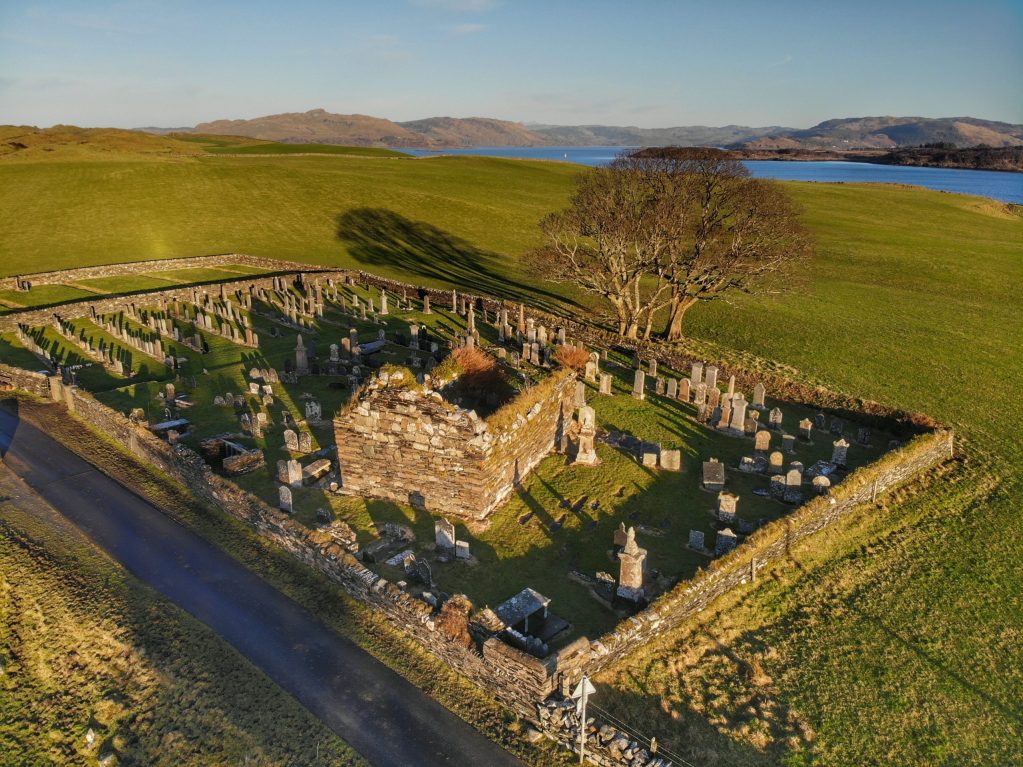
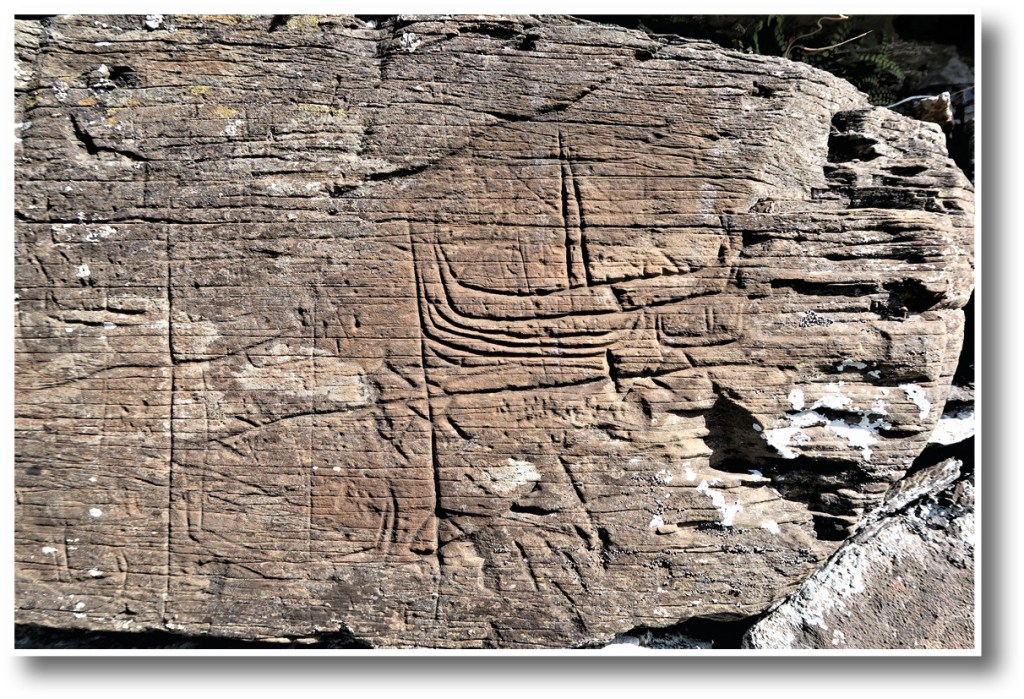
On the outer walls of an old parish church, on the small island of Luing in the Inner Hebrides, are carvings of longships that are thought to date from the 13th century, when Norwegian and Scottish kings were fighting for control of the archipelago. The carvings include two boats with animal-head prows, several more alongside crosses, a vessel with a large square sail and possible windvane, and a series of mini longships. One suggestion has been that they depict the fleet of Scottish king Alexander II in 1249. Another is that they reflect Haakon IV of Norway’s expedition of 1263, which suffered delays, stormy weather, and a skirmish with the Scots forces at Largs, ultimately leading to the Treaty of Perth in 1266, which finally ceded control of the Hebrides to the Scottish Crown. There are similarities between some features of the graffiti and Norse boats of the period, but Luing – with its sheltered bays and medieval highway – would have seen many boats and fleets over its history. The carvings have been drawn and photographed over decades, but never subjected to detailed survey or study. Luing History Group is currently pursuing funding for a digital survey of the church walls using terrestrial and drone photogrammetry, to identify and record all the carvings, inside and out. This will lay the basis for a comparative study aimed at finding out more about the carvings and their historical context.
Please visit https://isleofluing.org/groups/history-group and https://canmore.org.uk/site/22552/luing-kilchattan-old-parish-church for more information.
Text: Dr Mary Braithwaite, Luing History Group