Subscribe now for full access and no adverts
The intricate symbols that adorn Egyptian monuments and papyri stood mute for millennia, their secrets locked away in a forgotten language. Hieroglyphs, with their captivating blend of pictorial and phonetic elements, had tantalised explorers and scholars for centuries, their enigmatic whispers echoing through the sands of time. Then, in the early 19th century, a key turned in the lock, and the once silent voices of pharaohs and priests began to resonate once more. The decipherment of hieroglyphs stands as a pivotal moment in Egyptology, a momentous achievement that revolutionised our understanding of this ancient civilisation.
Unlocking the past
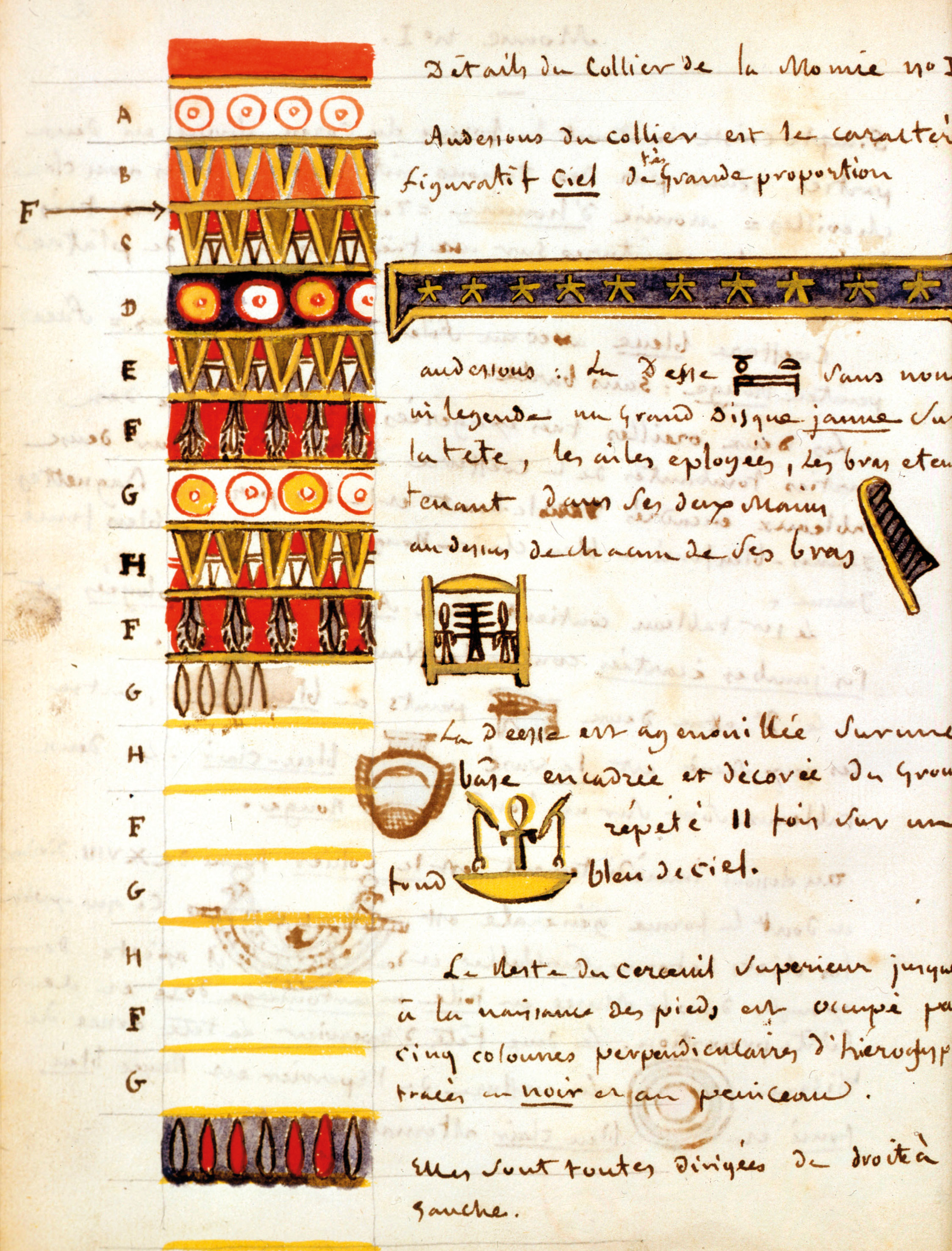
Prior to Jean-François Champollion’s groundbreaking work in 1822, deciphering hieroglyphs had seemed an insurmountable problem. Earlier attempts were often hampered by preconceived notions about the script’s purely symbolic nature and yielded little success. The discovery of the Rosetta Stone in 1799, however, offered a glimmer of hope. This trilingual decree, inscribed in Greek, Demotic (a late form of Egyptian), and hieroglyphs, proved crucial to unlocking the mysteries of the ancient script.
Champollion’s breakthrough
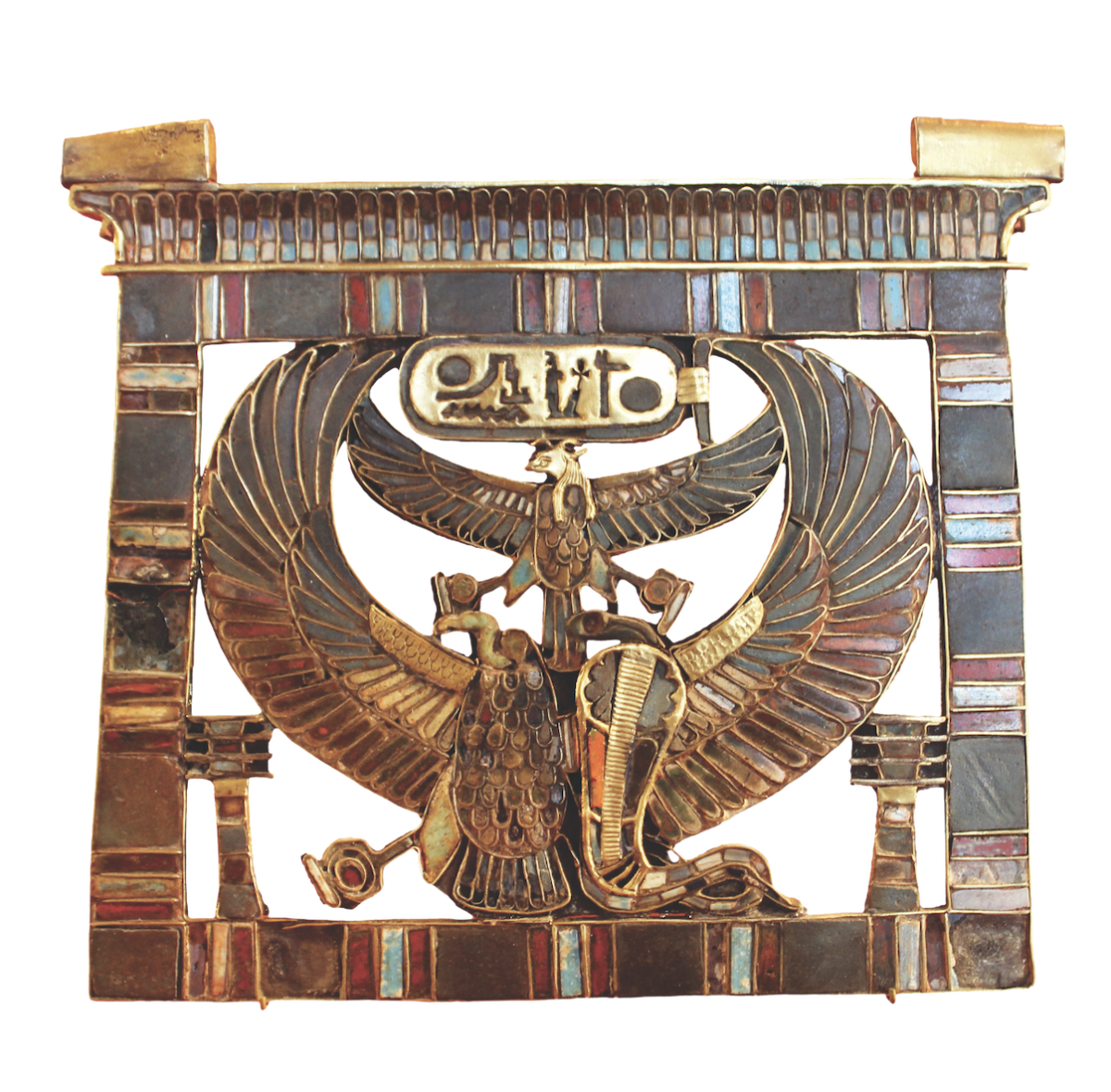
Champollion, a brilliant linguist with an insatiable curiosity about ancient Egypt, devoted years to meticulously analysing the Rosetta Stone inscriptions. He recognised the cartouches – oval shapes enclosing royal names – as potential keyholes to the puzzle. By comparing the hieroglyphs within these cartouches with the known names of Greek rulers, such as Ptolemy and Cleopatra, Champollion painstakingly identified individual phonetic elements within the hieroglyphic system. This breakthrough, announced in 1822, marked the dawn of a new era for Egyptology.
A flood of new knowledge
The ability to read hieroglyphs gave Egyptologists access to a treasure trove of previously inaccessible information. Tombs, temples, and papyri yielded insights into every aspect of ancient Egyptian life: their religious beliefs; their political and social structures; their literature; and even their daily routines. We learned about pharaohs such as Ramesses the Great, whose triumphs and tribulations were etched in stone and papyrus. We also discovered the intricacies of funerary rituals, elaborate myths about gods and goddesses, and poignant tales of love and loss.
A legacy of discovery
The decipherment of hieroglyphs sparked a golden age of Egyptology, attracting scholars from around the world to excavate, translate, and interpret the vast tapestry of ancient Egyptian civilisation. Even today, new discoveries and insights continue to emerge, fuelled by the ongoing efforts of Egyptologists armed with the key discovered two centuries ago by Champollion.