
Subscribe now for full access and no adverts
A community excavation exploring the remains of Derrygonnelly Castle, a 17th-century fortification in County Fermanagh, Northern Ireland, has revealed unexpected evidence of extensive prehistoric settlement, pushing back the known habitation of this site by more than 8,000 years.
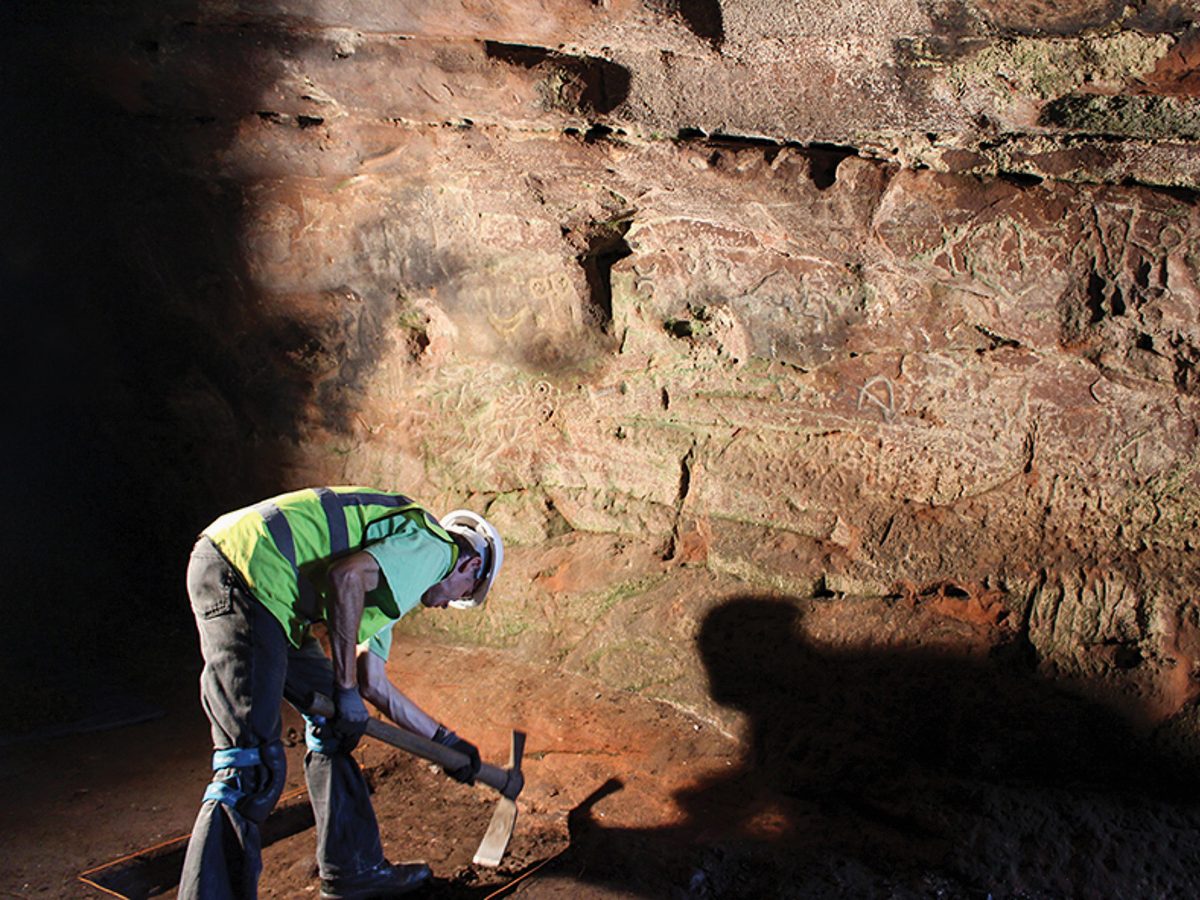
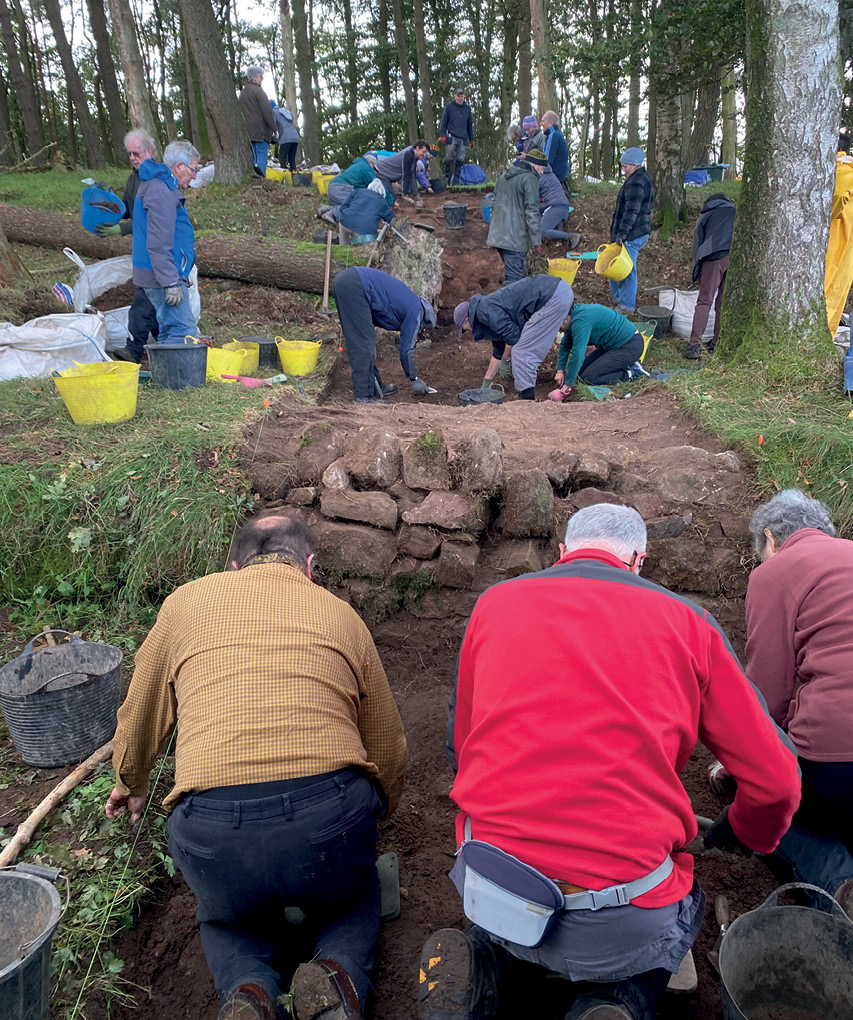
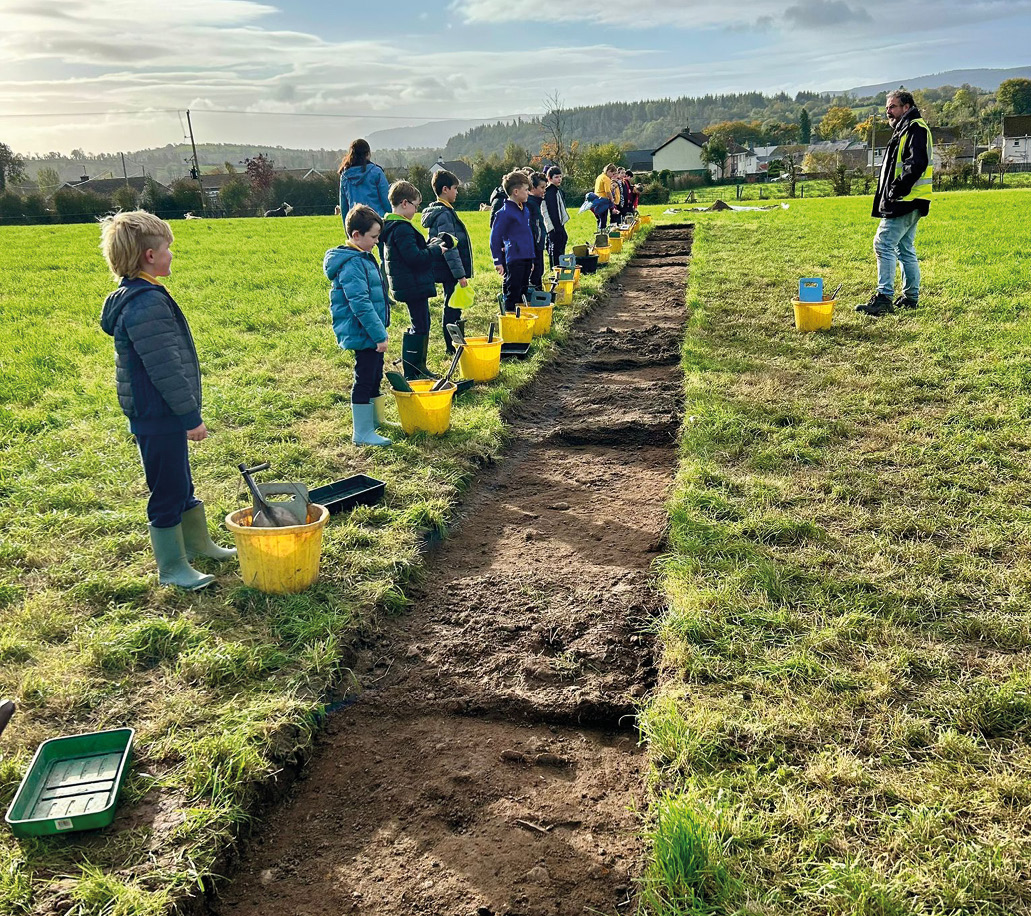
Led by Professor Eileen Murphy and archaeologists from the Community Archaeology Programme Northern Ireland (CAPNI) at Queen’s University Belfast, and funded by the National Lottery Heritage Fund, the dig took place over two weeks this past October and involved many local volunteers, including schoolchildren. The project had set out to uncover evidence of the post-medieval castle that once stood on the site, and it swiftly achieved this aim, revealing a 17th-century ditch that possibly represented a temporary defensive feature, as well as building materials and imported pottery.
More surprising, however, was the discovery of evidence for the site’s occupation during the early Mesolithic period and the Bronze Age. This latter phase was reflected by the footprint of a roundhouse that was picked out by a series of post-holes, one of which had Bronze Age pottery at its base. Meanwhile, early Mesolithic traces took the form of several flint and chert microliths, as well as a chert core indicating that microliths had been made on the site. Early Mesolithic archaeology is scarce in County Fermanagh, so these new finds will add greatly to our knowledge of this period of the region’s past. Located on a plateau next to the River Sillees, the site would have been an ideal location for Mesolithic hunter-gatherer groups looking to catch fish or hunt waterbirds.
Commenting on the finds, Eileen said: ‘There was a huge buzz in Derrygonnelly. Since the castle was erased from the landscape in the early 19th century, people are largely unaware of its existence. The excavation raised awareness of this important site and made many new prehistoric discoveries that will ensure Derrygonnelly is mentioned in future archaeological textbooks. It helped give the local people a sense of pride in their landscape. I really hope that the children involved will remember this feeling and appreciate and care for the monuments they encounter, potentially on their own land, in the future.’
Text: Kathryn Krakowka / Image: Community Archaeology Programme Northern Ireland, Queen’s University Belfast