Subscribe now for full access and no adverts
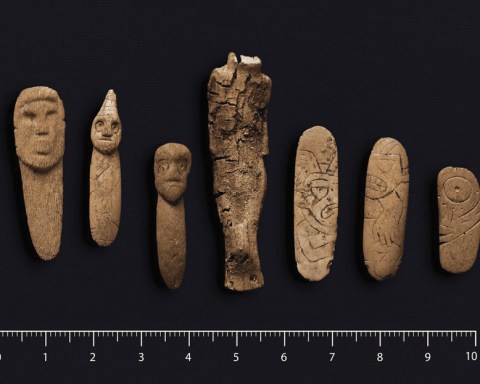
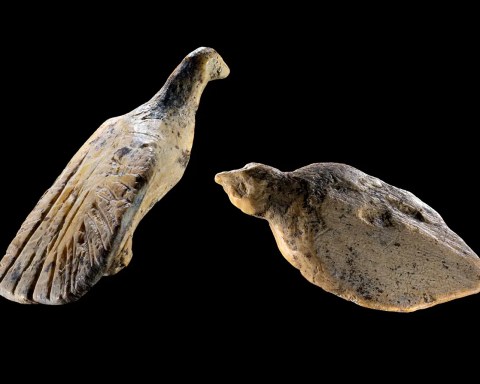
Yersinia pestis has been devastating human populations for millennia, but many questions still surround early strains of the plague-causing bacterium. Now a new study has identified the earliest known plague outbreak anywhere, among hunter-gatherer communities in Siberia c.5,500 years ago.
The researchers analysed dental cementum in the teeth of 46 individuals excavated from four mid-Holocene hunter-gatherer cemeteries near Lake Baikal, in south-east Siberia. Examining the ancient DNA for the presence of pathogens, they found evidence that 18 individuals (39% of the deceased) contained Yersinia pestis DNA, a higher proportion than is seen in some medieval plague pits. Given the high potential for false negatives, where the pathogen DNA is too degraded to detect, the researchers suspect that all of the individuals buried at these sites may in fact have died from the plague. Many of the cemeteries feature a large number of multiple interment graves with no evidence of reopening, suggesting that the deaths occurred at the same time, in keeping with a catastrophic mortality event. No other causes of death are apparent apart from plague infection.
The team identified two distinct plague outbreaks among these communities. The first occurred c.5,500 years ago (at least two centuries after analysis indicates that the Yersinia pestis bacterium emerged), while the second took place 400-600 years later. Investigations into kinship relationships among the deceased reveal that the first outbreak occurred within a single generation and spread among small familial groups, with devastating impact. Children were especially vulnerable, with 8- to 11-year olds the most severely affected, while 20- to 35-year-olds had lower mortality rates, and parents were notably rare in familial groups among the deceased.

It is believed that the infection was initially contracted through skinning, butchering, or consuming raw marmots – the spread of disease from these ground squirrels has historically caused recurrent plague outbreaks in the region – before being transmitted person to person.
These findings, published in Nature (https://doi.org/10.1038/s41586-026-10540-5), reveal important information about the development and spread of Y pestis, showing that outbreaks occurred several centuries earlier than previously thought, and that even these pre-bubonic strains of the plague were lethal. The presence of the plague among hunter-gatherer groups is particularly noteworthy, as it contradicts the belief that Neolithic conditions such as population density, animal domestication, and lifestyle changes were necessary for such zoonotic outbreaks.
Text: Amy Brunskill / Image: Angela Lieverse