
Subscribe now for full access and no adverts
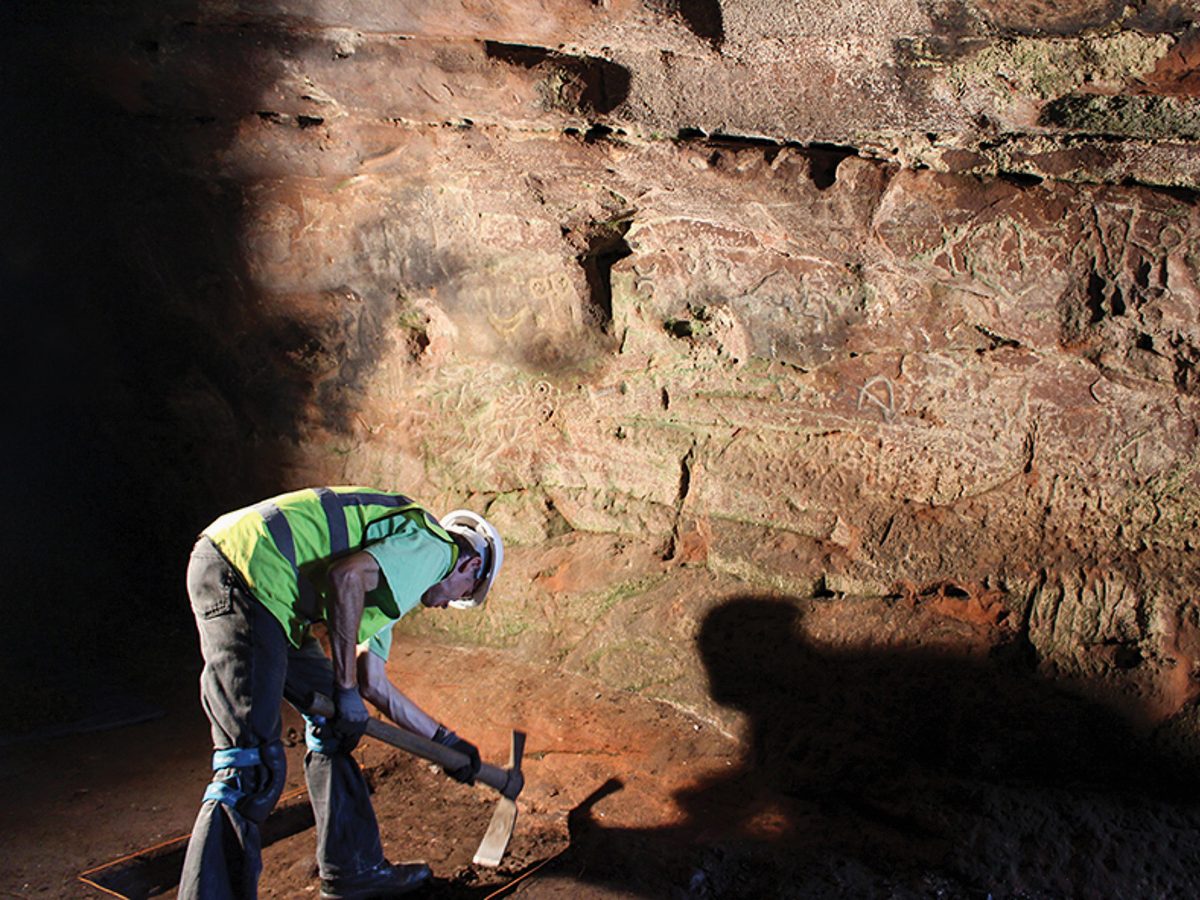
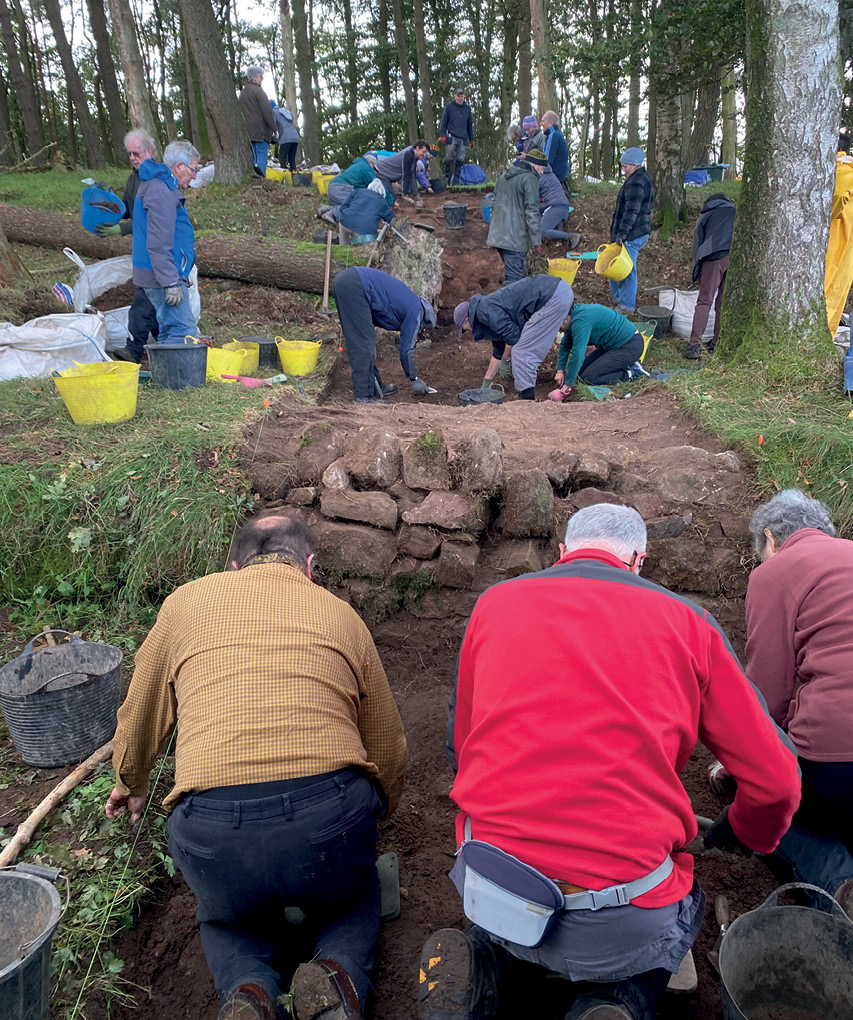
Excavations running at Trelai Park, Cardiff, this summer have uncovered traces of a mysterious structure beneath well-preserved roundhouse remains in the heart of the Welsh capital.
This is the third phase of archaeological work on the site, which is being undertaken as part of the Caerau and Ely Rediscovering (CAER) Heritage Project, a partnership between Cardiff University, Action in Caerau & Ely (ACE), local schools, residents, and heritage partners. Excavations began in 2022, investigating the roundhouse – which dates to 1500 BC and has been described as ‘Cardiff’s oldest house’ (see CA 391) – and recovering finds including a Bronze Age pot, which has since been painstakingly pieced back together. Other objects associated with the house included flint tools, utilised stone, and loom weights.
A second round of excavations followed last year, focused on uncovering the building’s floor. In the final days of that dig, tantalising hints of an even earlier structure were uncovered, lying partially within the plan of the roundhouse. This discovery became the focus of this year’s campaign, which was the biggest yet of the project, and aimed to shed light on the underlying structure’s purpose and significance.
The latest findings suggest that the roundhouse was the second version of an earlier house built in the same area.

However, lying below both structures is an even earlier, possibly ritual monument, which CAER Co-director Dr Oliver Davis of Cardiff University said could possibly be a timber circle where communities might gather at certain times of the year in the early Bronze Age. ‘It’s not an exaggeration to say this is one of the most important middle Bronze Age discoveries in Wales in recent years… The scope and scale of this site continues to astound us.’
In another part of the site, the team uncovered a Bronze Age clay furnace which they believe is only the second of its type to have been found in the UK, and could have been used to create weapons, tools, and jewellery. Alongside it was a clay pot, which was probably used as a funerary urn.
It is hoped that the project will continue next year; for now, some of its findings can be seen on display in Cardiff Museum until September.
Text: Rebecca Preedy / Image: Vivian Thomas