Subscribe now for full access and no adverts
• At Ihnasya (ancient Herakleopolis Magna), an Egyptian team has uncovered the remains of a Roman basilica and a large marble head of the Greek goddess Aphrodite, along with terracotta coin moulds and an inscription of Senusret III (Twelfth Dynasty) – indicating that a Graeco Roman commercial centre was established over earlier pharaonic remains.
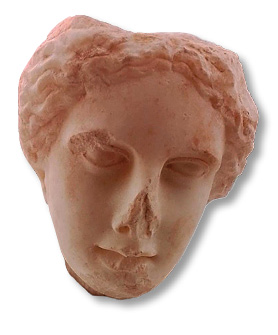
The head of a statue of Aphrodite discovered at Ihnasya.
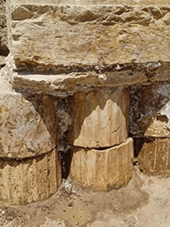
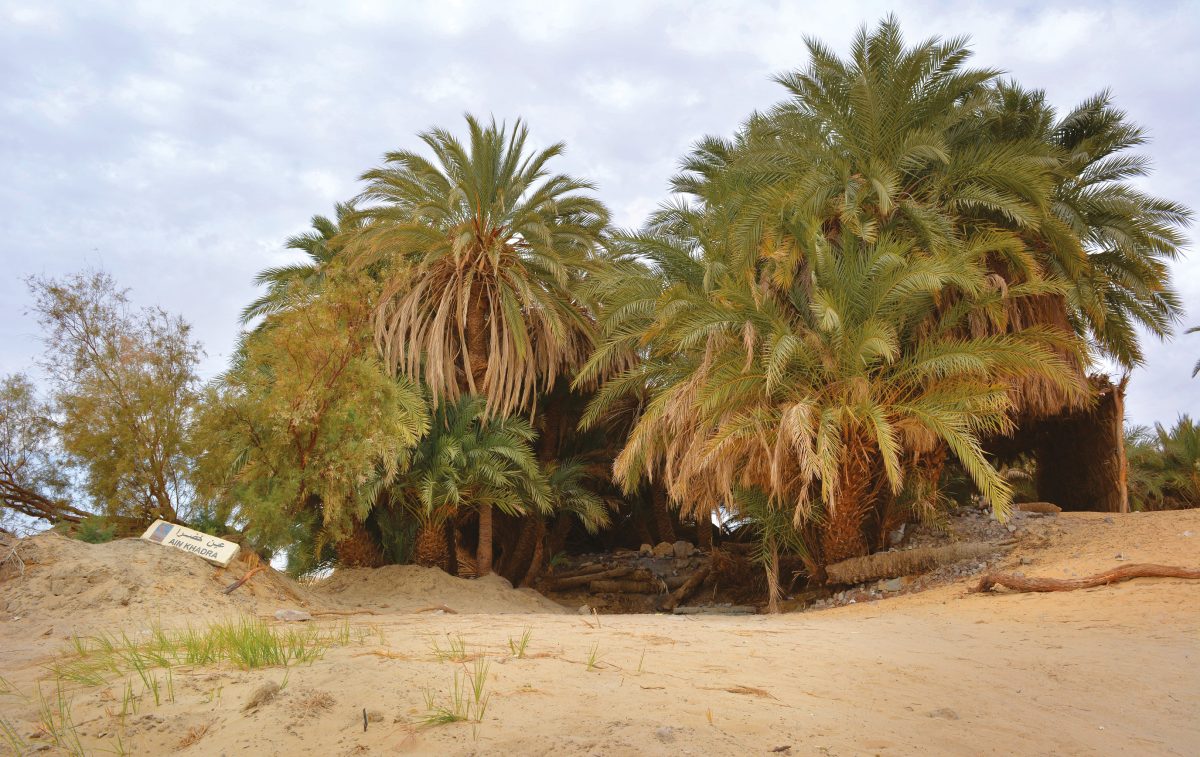
• An Egyptian team excavating at al-Qasr in Bahariya Oasis has recently uncovered new sections of the Saite Period temple, including inscribed blocks that strengthen its attribution to Psamtek I.

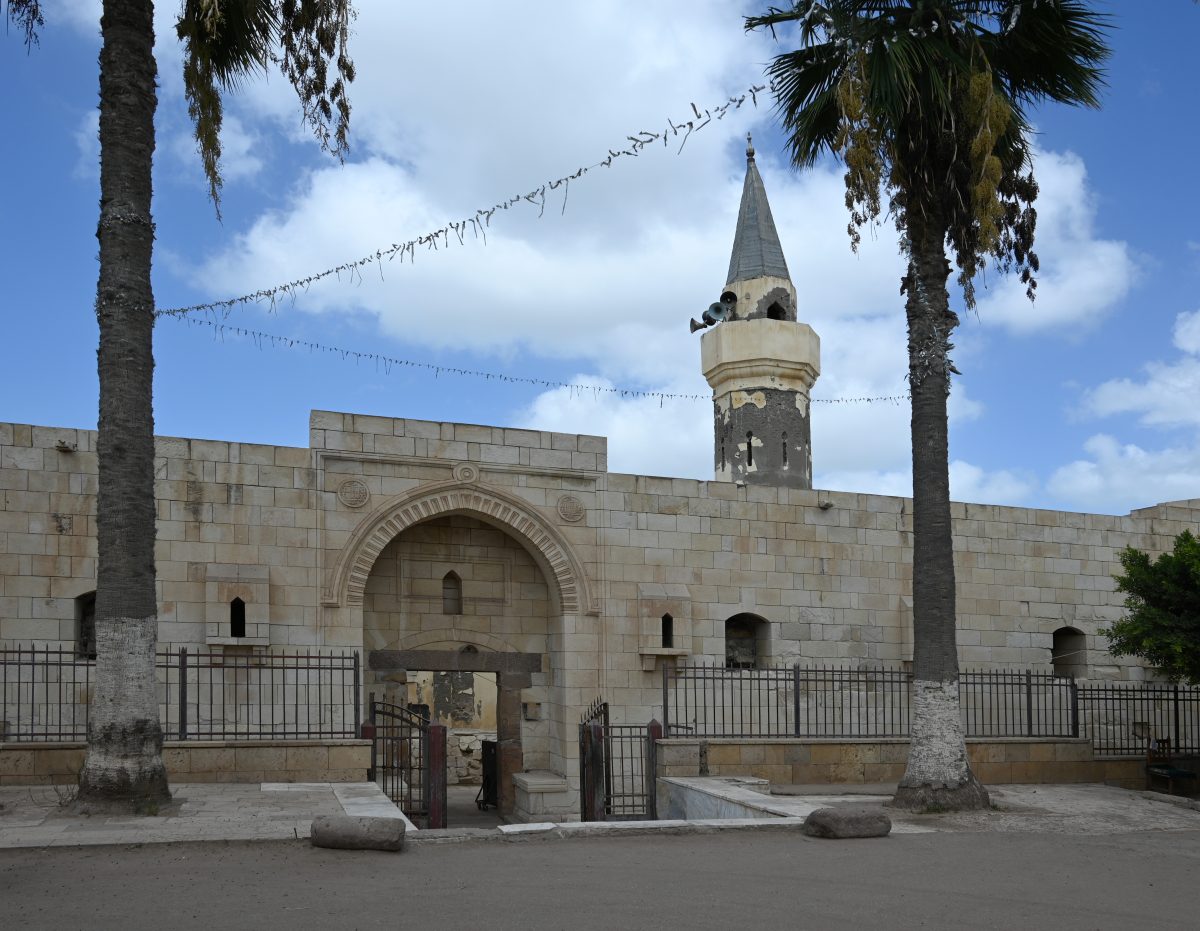
• A joint French-Egyptian mission has uncovered a Mamluk-period integrated water system and the remains of a Mamluk-era mosque near the Citadel of Salah al-Din al-Ayyubi in the historic area of Cairo.
• A bronze ring with a portrait of the Ptolemaic queen Arsinoë III has been found on the northern Black Sea coast (in modern Russia), highlighting the extent of cultural ties during the Graeco-Roman Period.
• A recent bioarchaeological study (published in Frontiers in Environmental Archaeology) suggesting that several Middle Kingdom royal women may have regularly used bows and daggers has been questioned by a number of scholars, who argue that the skeletal evidence cannot be linked conclusively to weapon use.
Text: Sarah Griffiths / All images: Ministry of Tourism and Antiquities