

Subscribe now for full access and no adverts
We are familiar with some of the invading forces that took control of Egypt during its long history, among them the Hyksos, the Persians, and the Romans, but less well-known is the annexation of Egypt by the Palmyrene Empire in AD 270, and the repeated incursions of the Blemmyes.
Rome in crisis
During the middle of the 3rd century AD, the Roman Empire was experiencing major problems which threatened to destroy it. This period is known as the ‘Crisis of the 3rd Century’ or the ‘Military Anarchy’. There were huge tribal migrations and invasions from the north and from the east, peasant revolts, an epidemic of plague and famine, and a quick succession of emperors, leading to instability and currency debasement. Egypt was no longer a major supplier of corn to Rome following the Boucolic Marshes revolt in AD 172, when the priest Isidorus led a rebellion in the Nile Delta against the oppressive taxation of Marcus Aurelius; although the revolt was eventually put down, it left much of rural Egypt outside Rome’s control and severely damaged the Egyptian economy. In addition, the southern Roman frontier was under constant threat from an Eastern Desert people called the Blemmyes, who established a kingdom above the First Cataract (in Lower Nubia), threatening the Thebaid (the 12 southernmost nomes).
There were now three main states within the Roman Empire: Gallic (Gaul and Britannia), Palmyrene (mainly Syria), and the Italian-based empire itself.
Palmyra
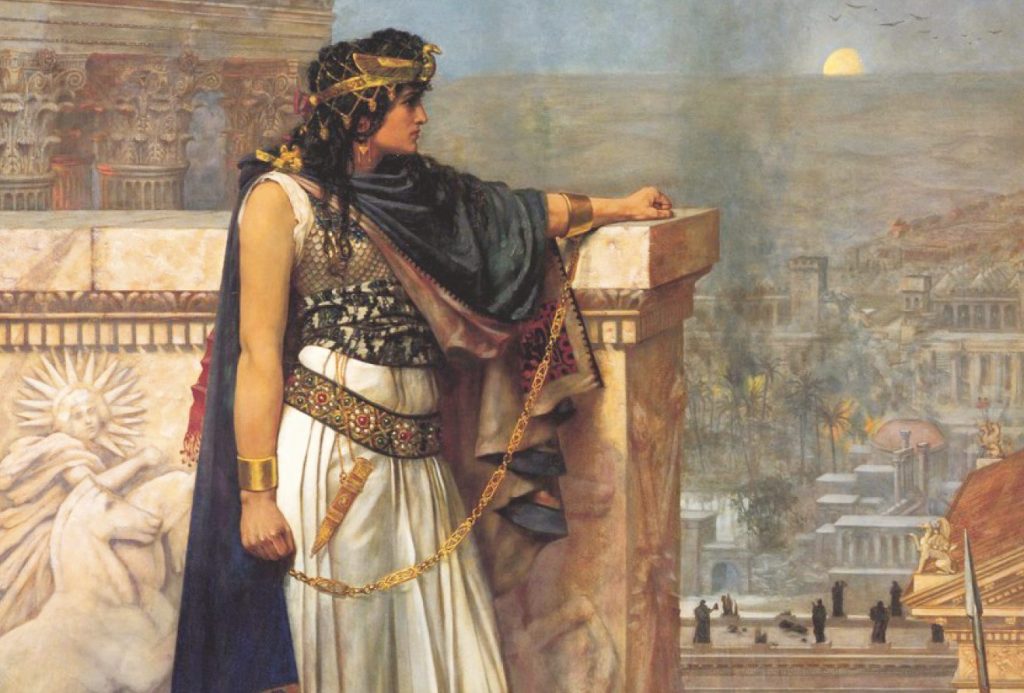
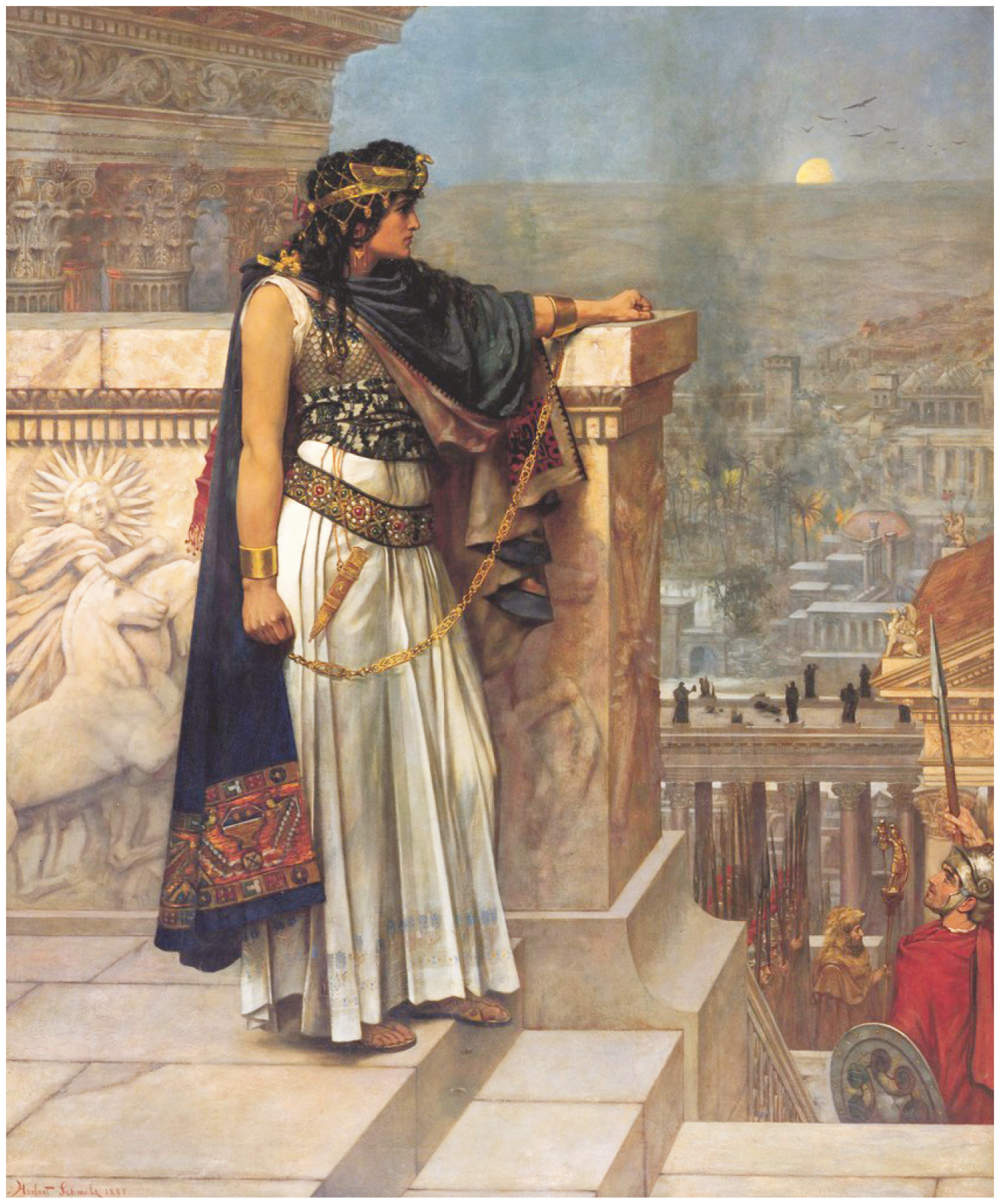
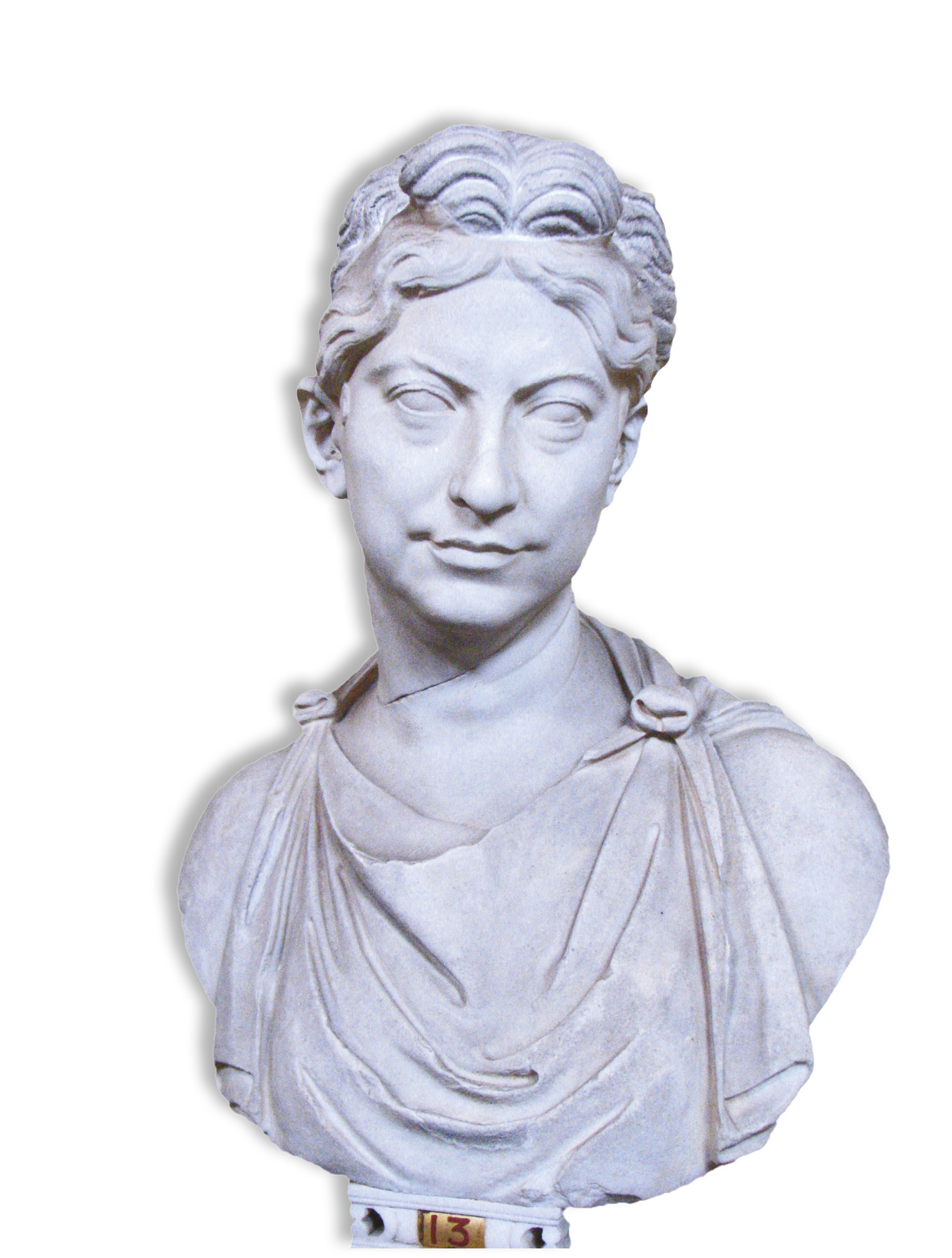
It was into this mêlée that Zenobia, Queen of Palmyra, made her appearance during the reign of Claudius II (AD 268-270). She was the widow of Odaenathus, the Roman governor of Syria, under whom the power of the vassal state of Palmyra had been growing. Palmyra was an important trading centre on the Silk Road, exacting taxes from merchants on their way to Rome. On her husband’s death, Zenobia sought independence from a weakened Rome, annexing modern day Syria and Anatolia, and in the summer of 270 invaded Egypt.
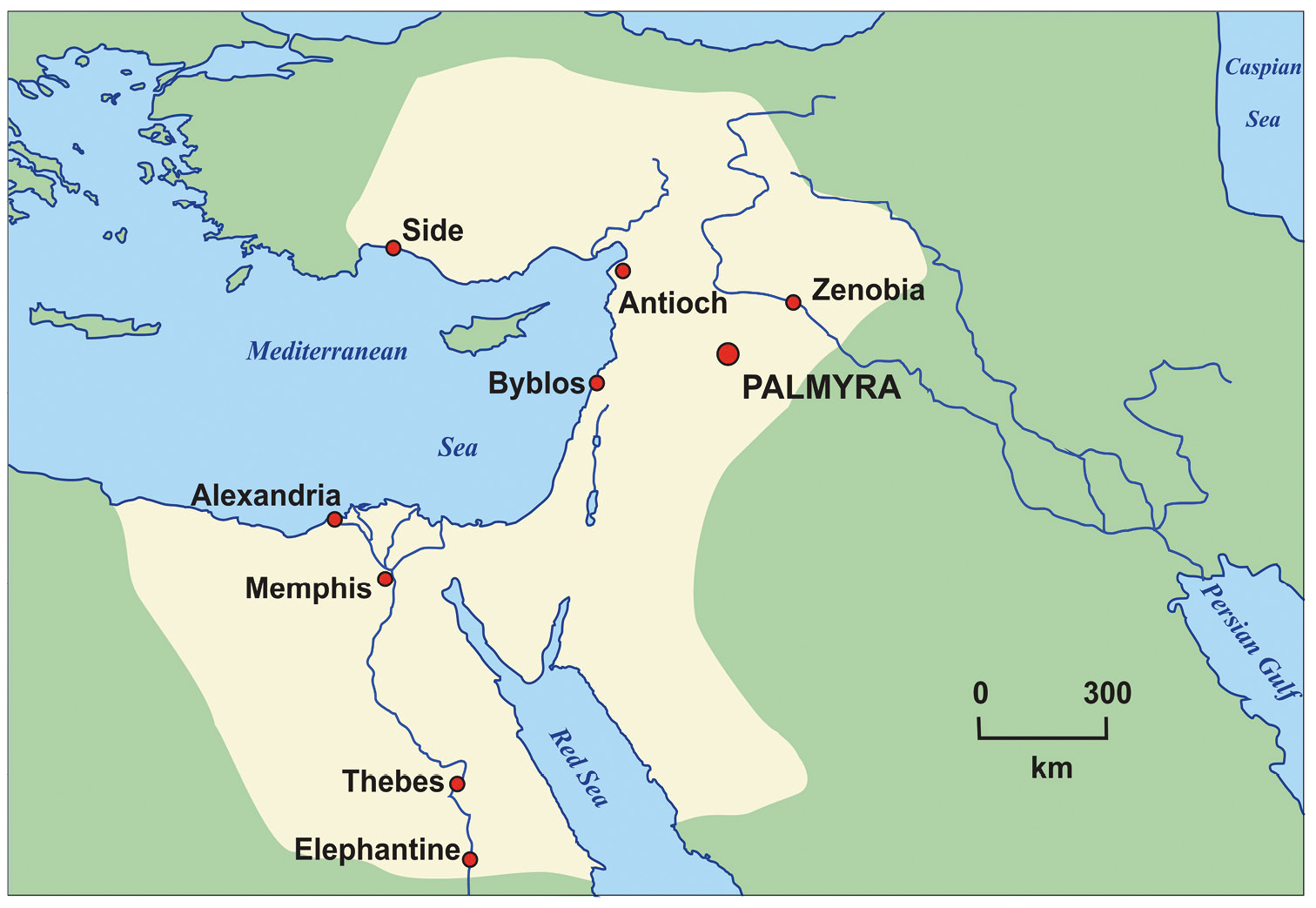
An Egyptian general named Timagenes seems to have instigated a revolt against Rome and invited the Palmyrenes to enter Egypt, which they did so under Zenobia’s Syrian general Zabdas, who led an army of 70,000 men. The Palmyrenes entered Alexandria, where they left a garrison of 5,000 soldiers. The Roman prefect of Egypt, Tenagino Probus, recaptured the city after returning from an expedition by sea against pirates, but this was a short-lived respite. The Palmyrenes regained the city, and Tenagino Probus had to retreat to the Roman fortress in what we now call ‘Old Cairo’ (later rebuilt as the ‘Babylon Fortress’ by Diocletian, c.AD 300). Timagenes captured the fortress and Probus committed suicide, after which Zenobia declared herself Queen of Egypt.

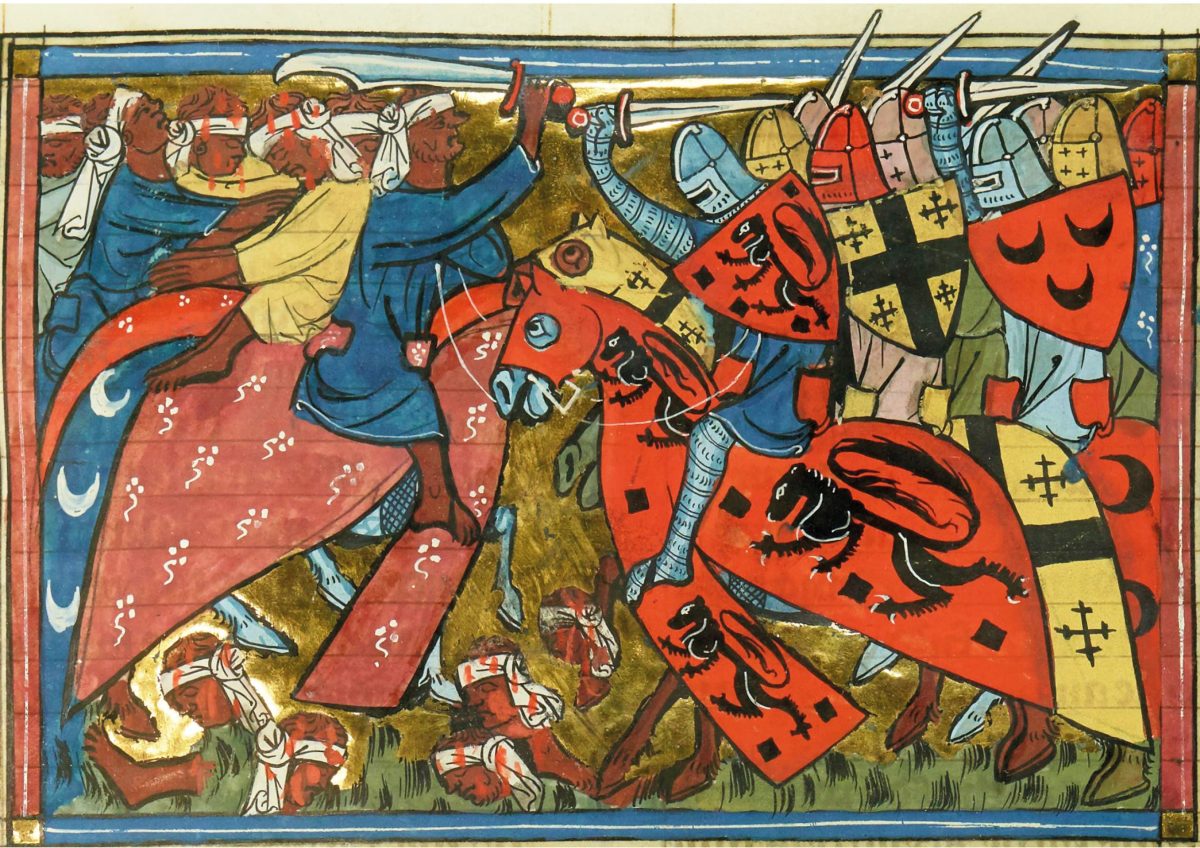
Zenobia eventually met her match in the Emperor Aurelian (270-275), who had already defeated the Vandals, Alemanni, and Goths. He marched his army on Palmyra and after several engagements, from which the queen managed to escape, eventually captured her in May 272. She was taken to Rome, where she was publicly humiliated in Aurelian’s triumph parade in 274. Her eventual fate is unclear, with conflicting sources stating she was beheaded, took her own life by poison, or spent her last days in luxury and peace. Meanwhile, Egypt was restored to Roman rule. The Palmyrene forces were driven out to the Alexandrian suburb of Brucheion, which Aurelian’s army destroyed – along with the walls of Alexandria.
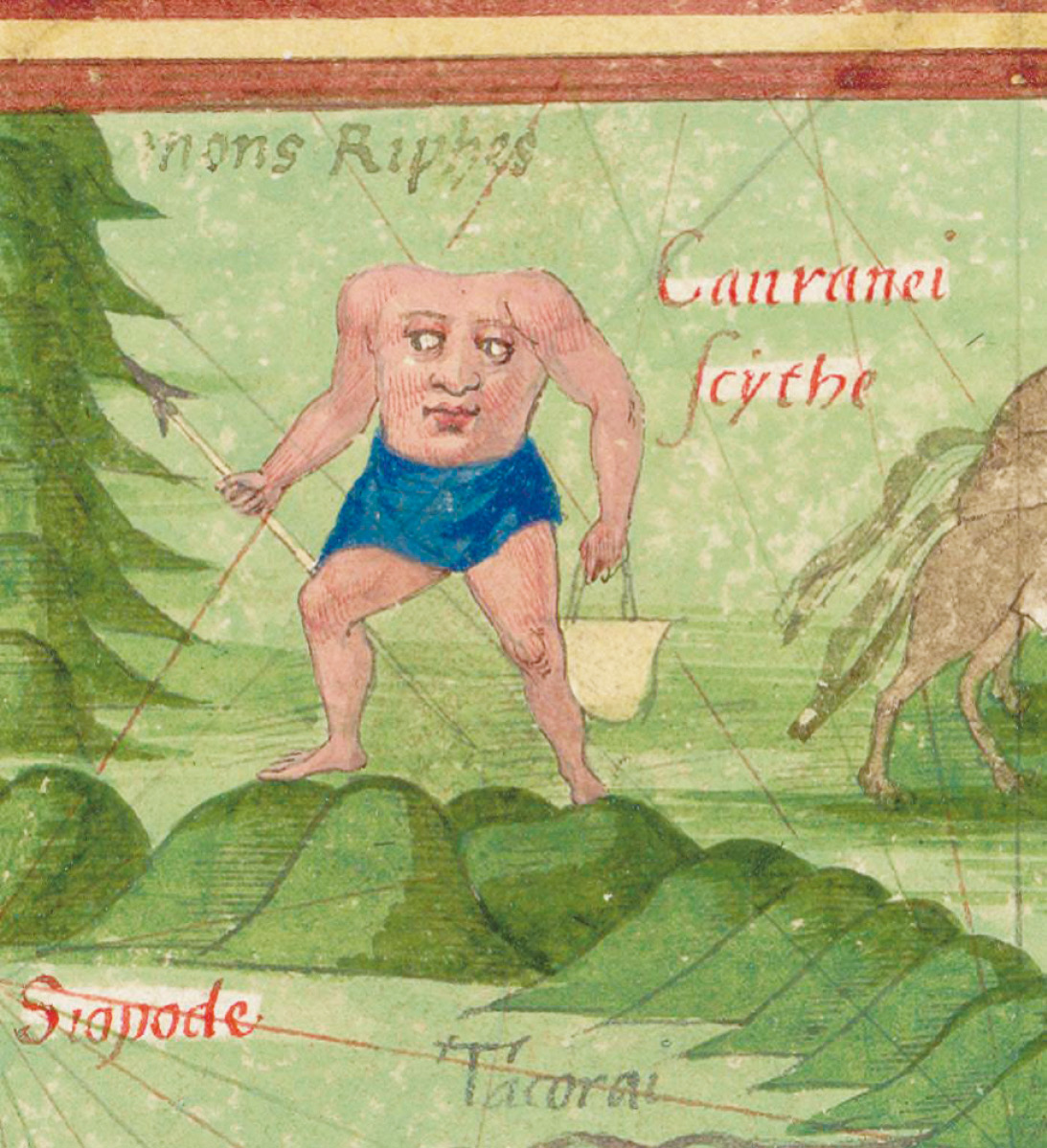
The Blemmyes
Further trouble for Rome came in the form of the Blemmyes, who operated on the southern Egyptian borders and were constantly raiding the Thebaid. Strabo (Geographica) described them as nomadic raiders from south of Aswan (Syene). Later Roman writers considered them typical barbarians. They reached mythical status through the writings of Pliny the Elder who, in his work Natural History, described the Blemmyes as being a North African tribe, ‘their mouths and eyes being seated in their breasts’, and states that they were situated in ‘Aethiopia or Nubia’. Herodotus (in The Histories) called them akephaloi (‘headless’), with eyes in their breasts.
Historically, the Blemmyes appear in written sources from the 7th century BC, and by the 4th century AD had established a kingdom in Lower Nubia, as noted in inscriptions in the Temple of Isis at Philae. The term ‘Blemmyes’, however, probably referred to a wide variety of different groups of people living between the Red Sea and the Nile Valley, rather than one distinct ethnic type. Modern scholars identify them with the Beja people of the Eastern Desert, and they have also been linked to the Napatan people who controlled Egypt in the Twenty-fifth Dynasty.
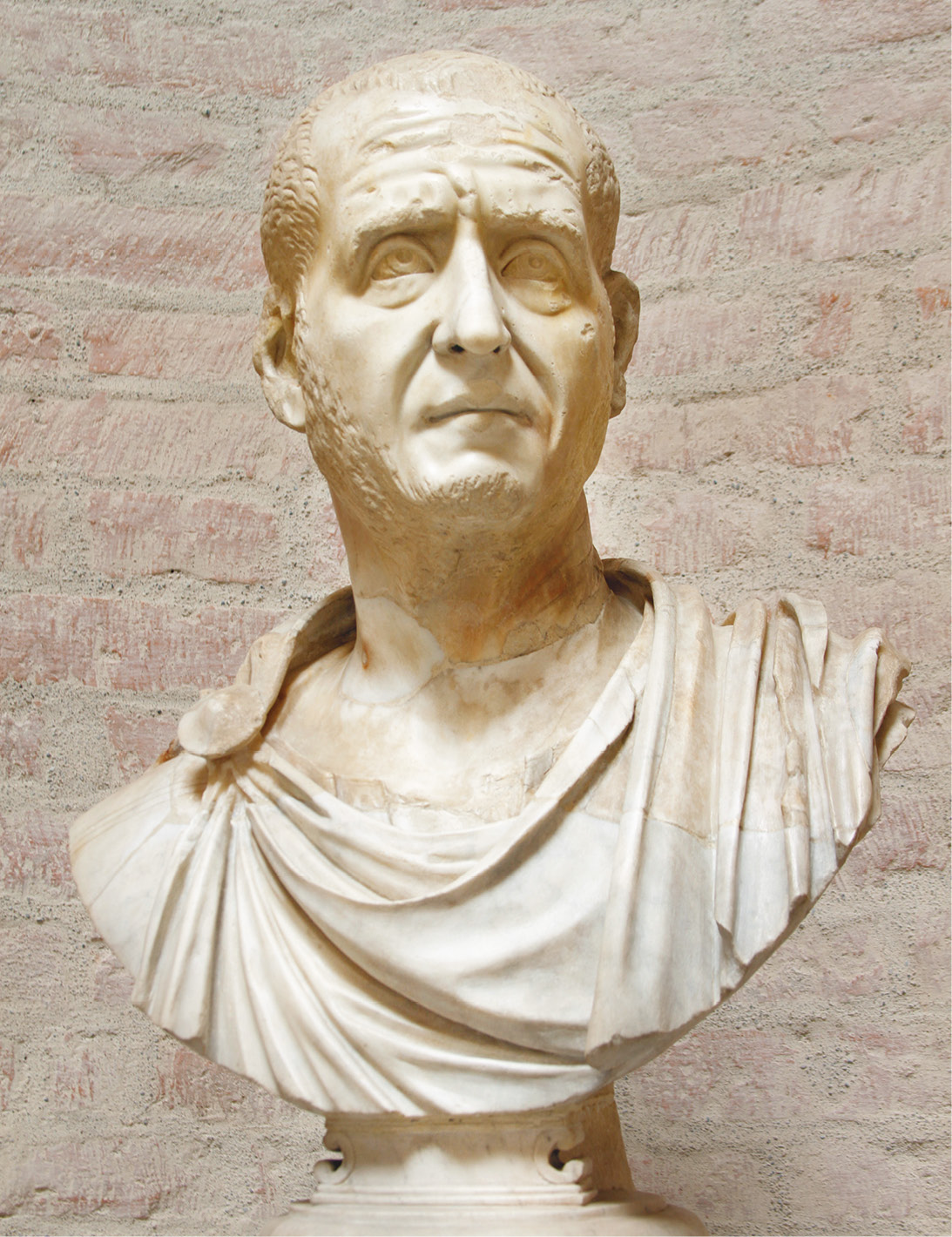
In the 1st and early 2nd centuries, the Blemmyes and other nomadic groups were probably contained by the Kushite kingdom and posed no threat to Roman Egypt. However, as Kushite power began to wane, their influence in the south grew, and in AD 250 the Roman emperor Gaius Messius Quintus Trajanus Decius was forced to repel an army of Blemmyes that had invaded the south of Egypt. According to the Chronicon Paschale, Decius released poisonous snakes and lions at the Egyptian frontiers to ward off the raiders. This clearly did not work, as in 253 they attacked the Thebaid, although they were again defeated, with a further revolt during the reign of Aurelian (Lucius Domitius Aurelianus) in c.265. They may also have formed an alliance with the Palmyrenes during Zenobia’s takeover of Egypt. Although no match for the Roman military forces, the Blemmyes were nevertheless a thorn in the side of Rome, as their activities threatened the all-important production of grain. According to the Historia Augusta, Emperor Marcus Aurelius Probus (276-282) had to order the reconstruction of bridges and canals along the Nile to aid grain-production after driving out the Blemmyes following another raid in the south.
Diocletian
The Blemmyes reappeared about 20 years later in the reign of Diocletian (Gaius Aurelius Valerius Diocletianus, 284-305), the emperor who oversaw the restoration of the Roman Empire following the lengthy period of rebellion and invasion, and who introduced the Tetrarchic system of imperial control (with two emperors or augusti, and their deputies the caesares). A Roman military force was sent under Galerius (Diocletian’s deputy), who expelled the Blemmyes in 294. A new frontier was established at Philae on the First Cataract. The gate and quay attributed to Diocletian at Philae could have been erected by, or in honour of, Diocletian, but the dating is uncertain. A Libyan tribe, the Nobades, was invited in from the Western Desert as a buffer against the Blemmyes, in addition to a Roman garrison.
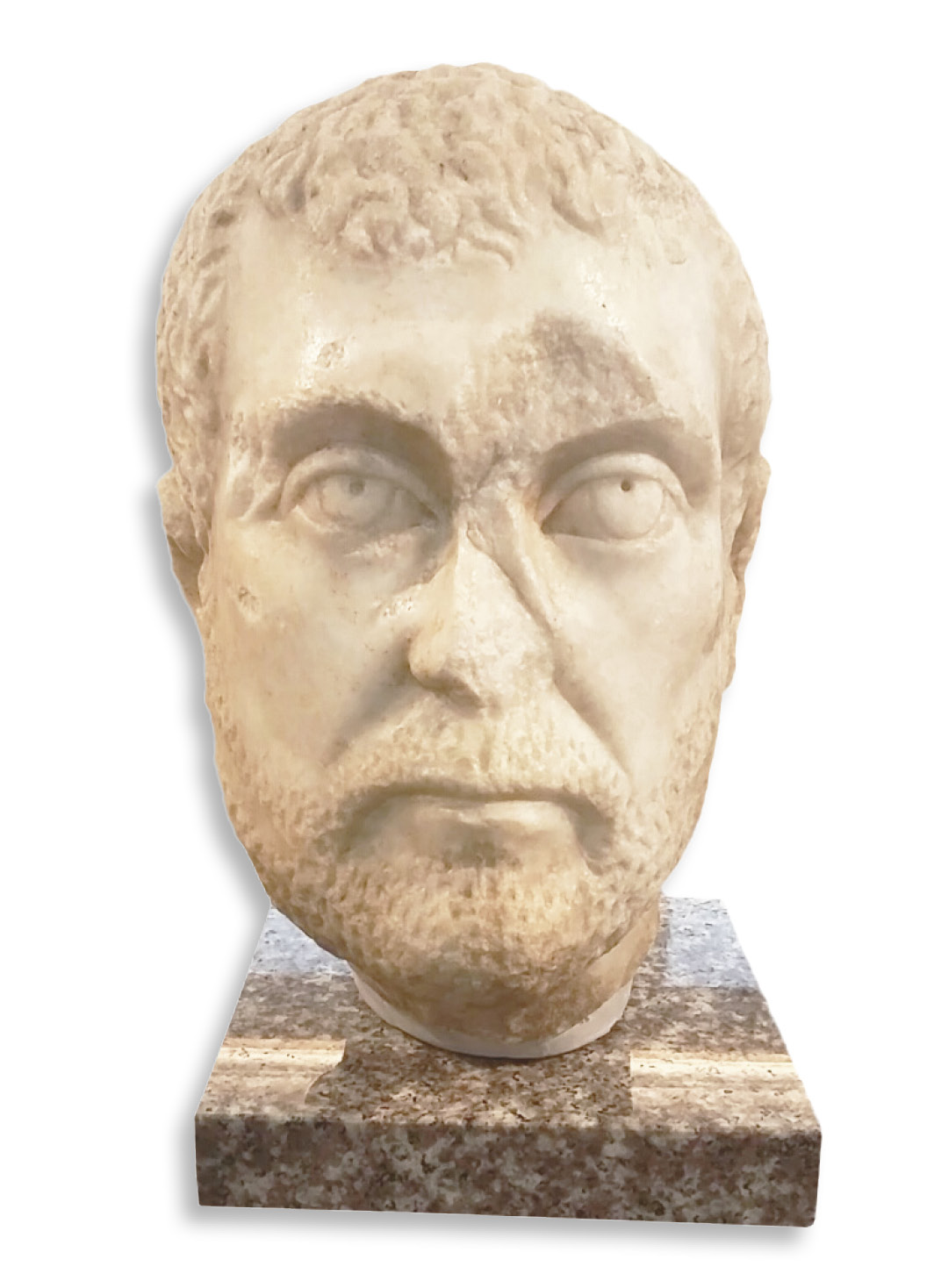
However, another major revolt took place in Egypt following the introduction of a new tax edict (the dates for events at this time is unclear) as part of the economic restitution of the empire. Monetary reform was needed, as well as funds for wars (notably against the Persian threat in Syria). Taxation was based, first, on the productivity of land under cultivation and, second, on individuals, according to a much criticised census of taxable adults. The revolt in Egypt was widespread. The Alexandrians overpowered the Roman prefect, possibly taking advantage of the army’s preoccupation with the defence of Syria.
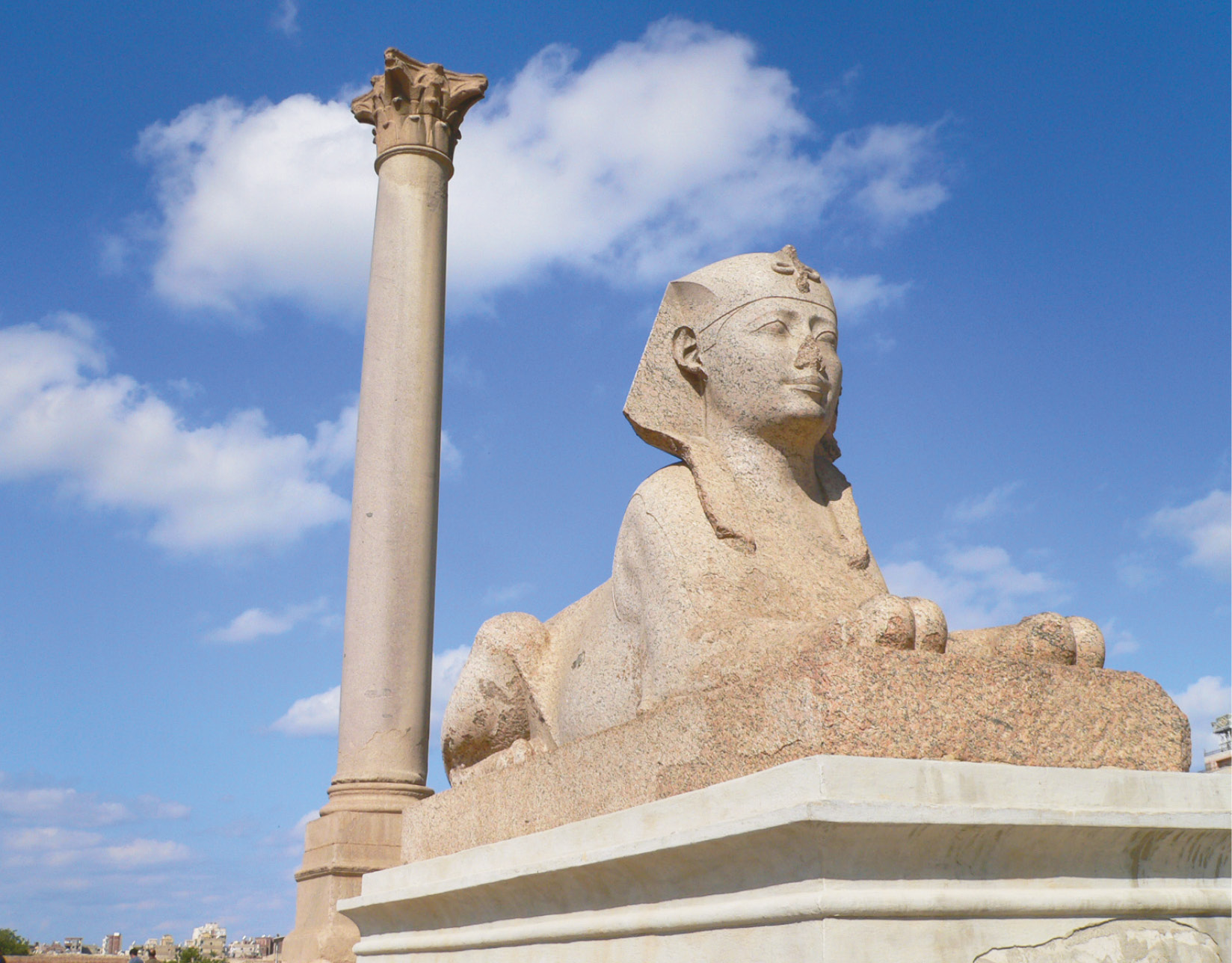
Diocletian hastened to Egypt, where a new emperor, Lucius Domitius Domitianus, had been proclaimed. He rapidly overthrew the cities of the Fayum and the Thebaid, and began an eight-month-long siege of Alexandria, ending in 298 with little mercy shown to the insurgents. Classical accounts relate how the emperor vowed that the slaughter of the city would only stop when the blood reached the knees of his horse, but the horse stumbled to the ground, getting blood on its knees, so the slaughter had to cease. The Alexandrians erected a bronze statue of the horse in thanks for saving the city. There is still a remnant from this time in the form of the erroneously named ‘Pompey’s Pillar’, erected next to the Serapeum in Alexandria. Later Classical authors suggest that Alexandria had suffered so much following the siege that some of the tribute normally destined for Rome was diverted as relief to the city, and that the pillar was erected in thanks. It is curious to see how quickly major political events can be forgotten or reversed.
Luxor temple military fort
The Romans constructed or restructured a large number of forts in Egypt for internal security purposes, as well as to repel foreign intruders such as the Blemmyes. The fort at Luxor must be one of the most intriguing, for two reasons. First, it was incorporated into the existing ancient temple to the extent that the temple seems to act as the spine of the fort. This is a rare occurrence in the Eastern Empire, but not unique: there are two other examples, at el-Lejjun in Jordan, and at Palmyra. Second, an Imperial Cult Chamber was incorporated within what would have been the sanctuary of the divine pharaoh at the time of Amenhotep III. The chamber was raised by about half a metre, and an apse was added with a niche of fine frescoes. In a standard Roman fort, this area would have been the headquarters (principia). Around the walls were what appear to be adoring figures, assumed to be members of the imperial court. The apse into which the frescoes are painted was at one time thought to be a Christian church because of its design, but is now thought to have been constructed during the First Tetrarchy in c.298. The frescoes depict four emperors, which could represent the two augusti Diocletian and Maximius, with the two caesares (Galerius and Constantius Chlorus) flanking the augusti, although there is some uncertainty about this.
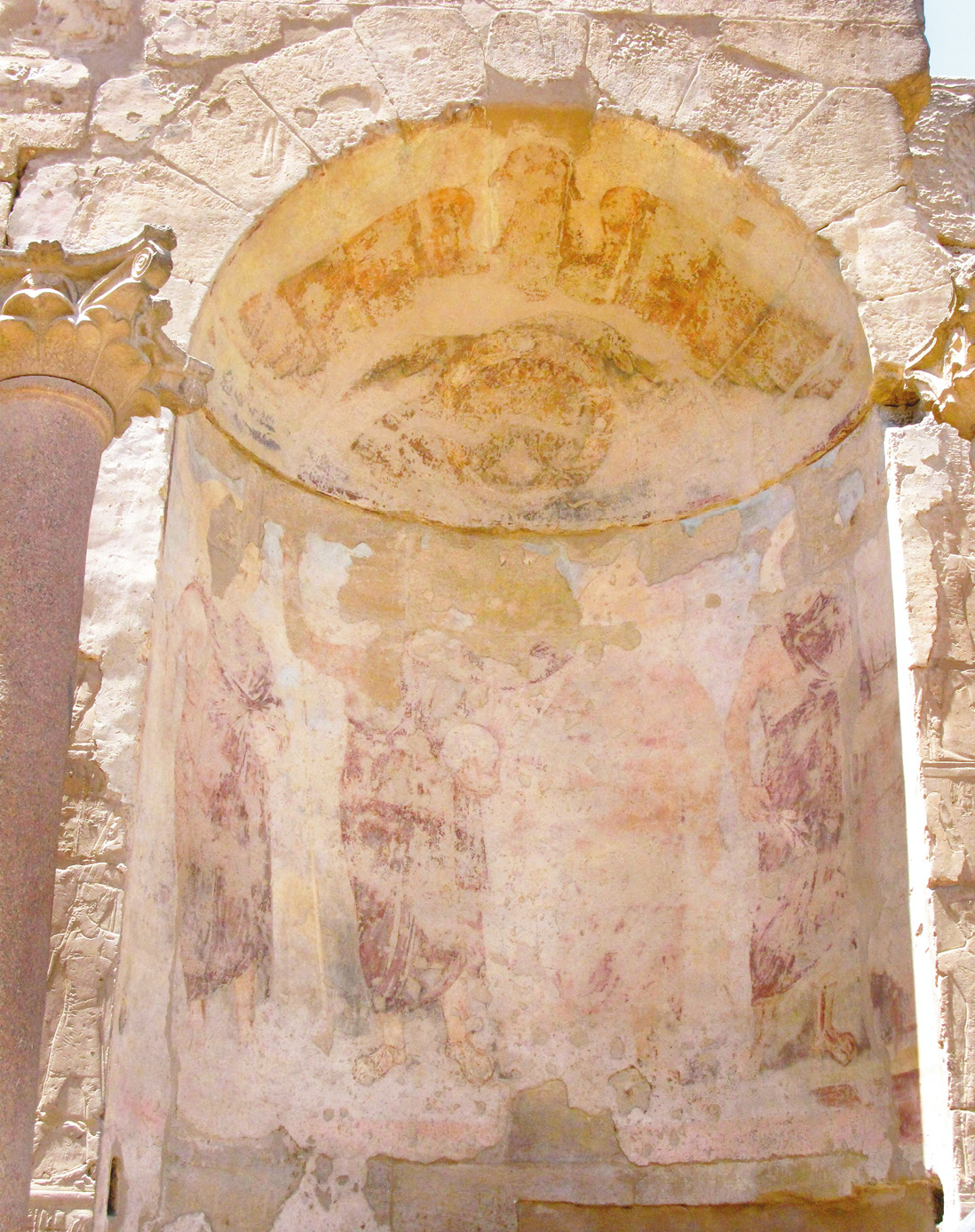
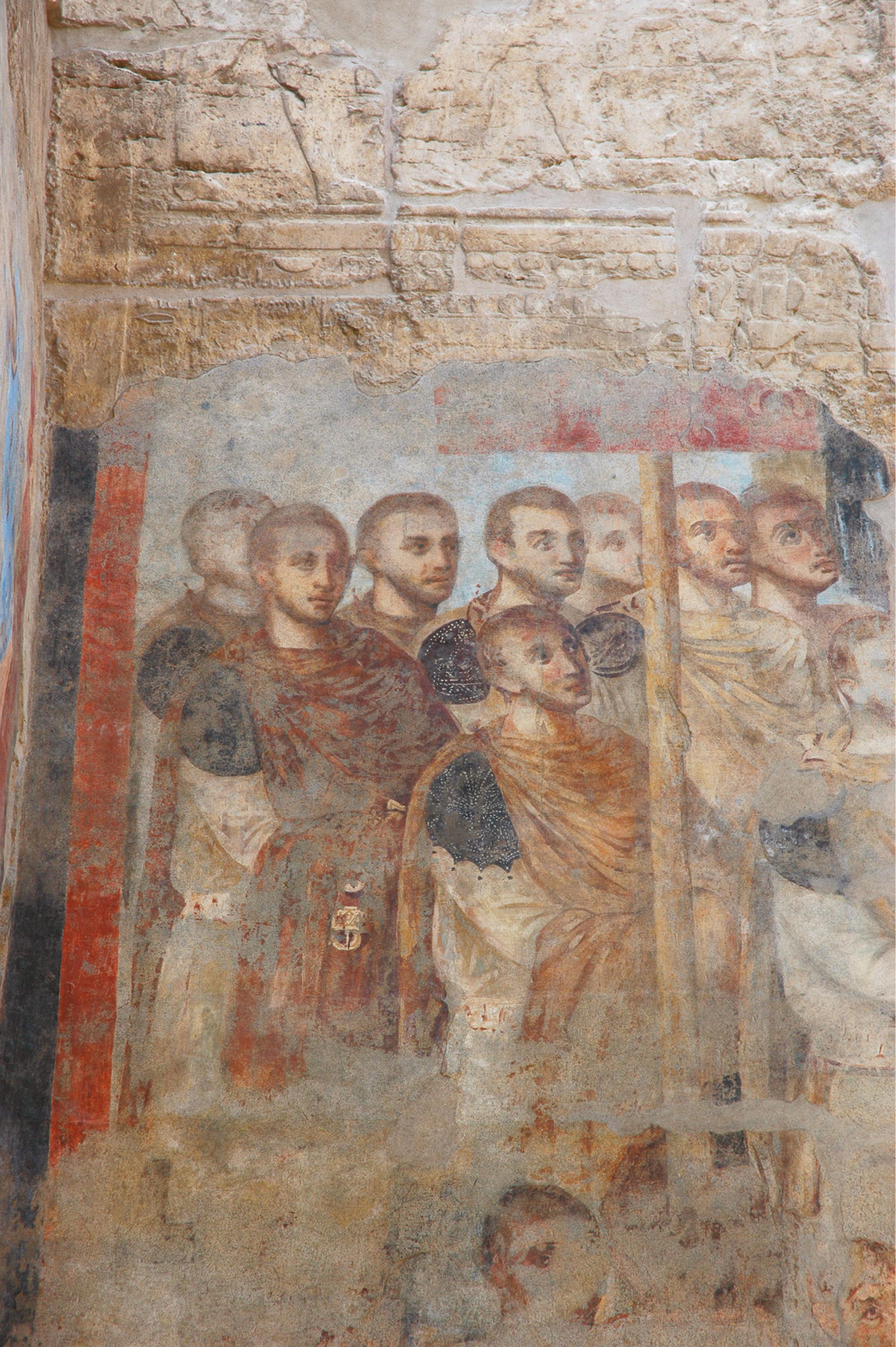
Why build a fort within a pharaonic temple? It must be assumed that the Romans were aware of the symbolic nature of the temple, one of the most important cultic sites to Egyptians, integral to the annual rebirth cycle of Amun during ceremonial processions from Karnak, as well as the birth cycle of the king. It is odd, though, that while the Romans happily adopted or adapted Egyptian gods – to the extent that in some cases (such as the cults of Isis and Serapis) their popularity extended throughout the empire – they nevertheless imposed a fort and imperial cult within one of the most important temples of Egypt. It is possible that they wished to preserve a connection with the ancient cults of the Egyptians, and considered their allegiance to a deified emperor as not that far removed from the rebirth of pharaoh and god. There are imperial cult structures at Karnak and Philae, but these are outside the main part of the temples.

Brilliant conservation and restoration work has been carried out in recent years under the American Research Center in Egypt (ARCE), but the frescoes remain vulnerable to pollution. Other evidence for the fort can be seen in the remains of the two tetrastyles (groups of four columns) marking road junctions within the fort. These may have been topped with statues of the four contemporary tetrarchs. The better-preserved eastern tetrastyle is situated inside the eastern gateway, while that on the western side is further north, with access leading down to the Nile. The five-sided walls of the fort no longer exist, but there are remains of two gateways parallel to the pylons at the northern end of the fort, an eastern gateway, and one to the south parallel to the southern end of the temple. Recent excavations north of the temple have revealed a metallurgic workshop with bronze and copper coins, dating to the 2nd and 3rd centuries, which suggests that there was a thriving city in Luxor at and before the time of Diocletian.
Diocletian and Egypt
By 299, victory had been achieved against the Persians and the Egyptian rebels. A subsequent visit to Egypt by Diocletian enabled him to see the effects of his land reforms, by which the cultivator became the landowner, but was tied to the local village community duties and taxation.
The Tetrarchic system was not to last beyond 324, when Constantine became sole ruler, and Christianity became the state religion. Luxor temple does indeed show some evidence of this in the scant remains of three churches, two on the western side and one (dedicated to St Thelka) outside the eastern pylon.
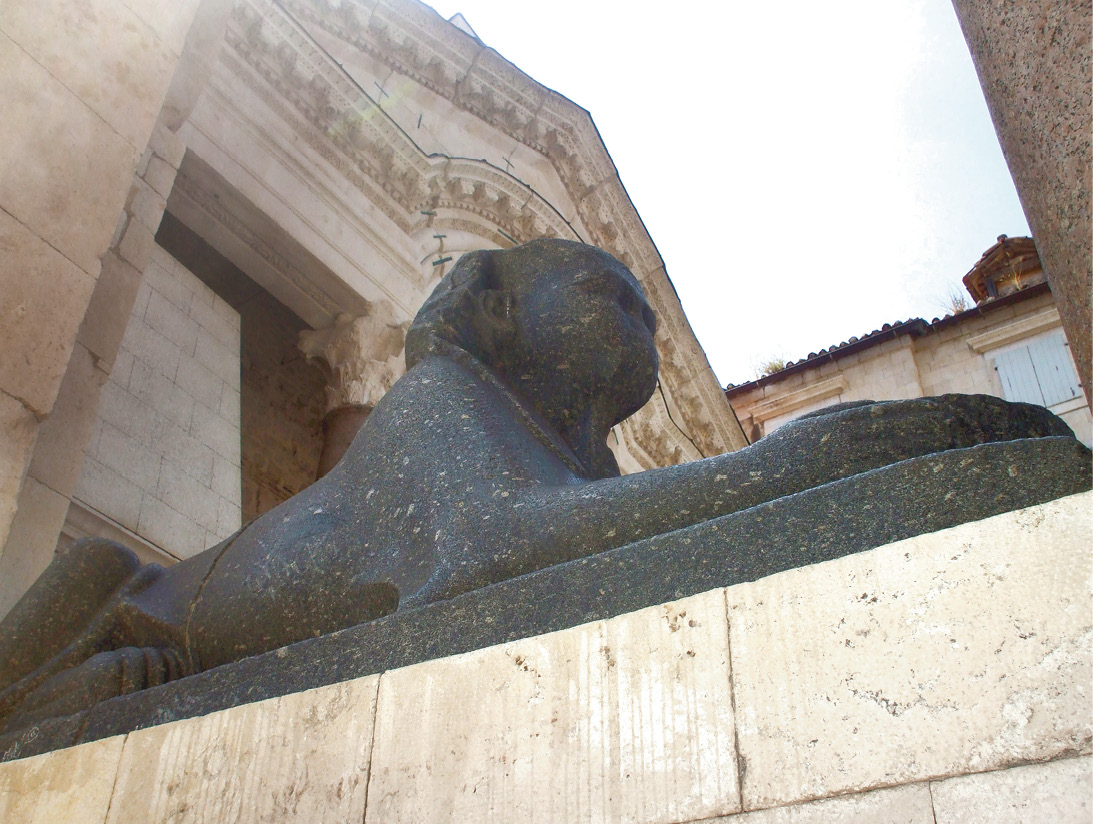
Diocletian was born near Split in the Roman province of Dalmatia (modern Croatia) and, for his retirement, built the magnificent palace that now forms the centre of the town. Around the palace, he set up at least a dozen black granite Egyptian sphinxes, one of which, by the cathedral, is beloved of tourists seeking selfies. It is interesting to suppose that the emperor, despite all the troubles he encountered there, retained a soft spot for Egypt to the extent that he incorporated the sphinxes into his retirement home.
Andrew Fulton studied Theology at the University of Cambridge and holds the Certificate in Egyptology from the University of Manchester. He is a regular contributor to AE magazine, including articles on Vespasian in Egypt (AE129) and the Canaanite Dynasty (AE133).
Further reading:
The Classical sources consulted for this feature included Eusebius, Pliny, the Historia Augusta, Strabo, and Herodotus.
S Williams (1985) Diocletian and the Roman Recovery (Routledge).
J H F Dijkstar (2012) ‘Blemmyes’, in The Encyclopedia of Ancient History (Wiley).
A Bowman et al. (eds) (2005) Cambridge Ancient History – vol.12: The Crisis of Empire AD193-337 (Cambridge University Press).