
Subscribe now for full access and no adverts
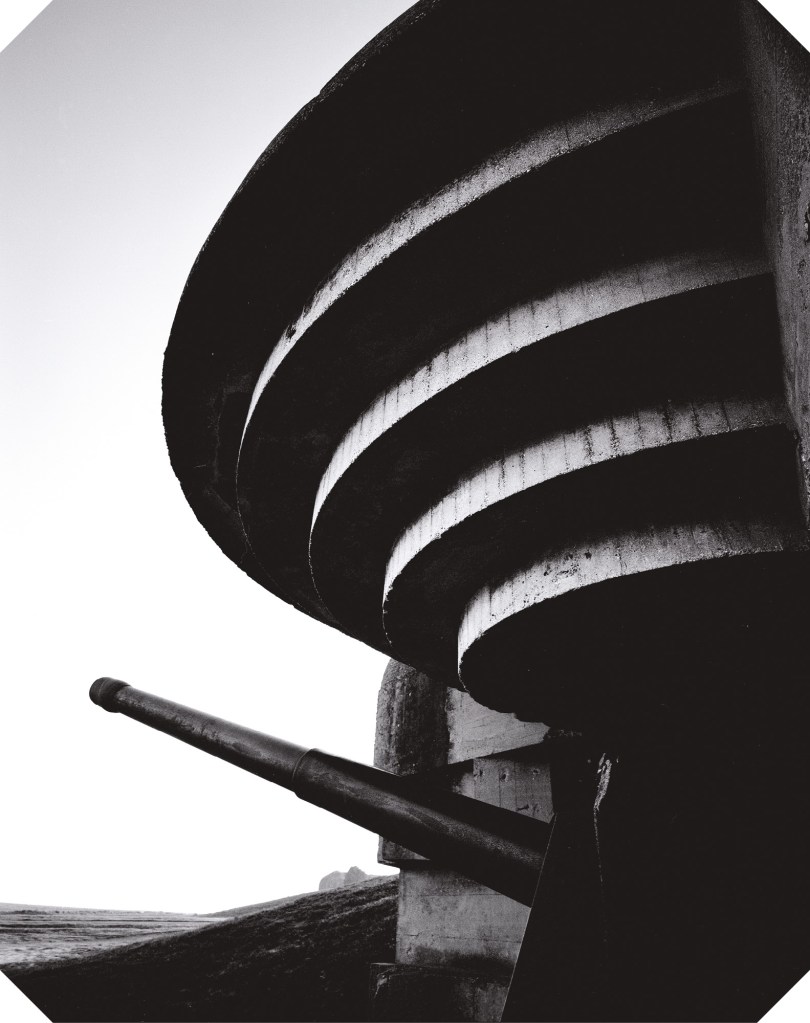
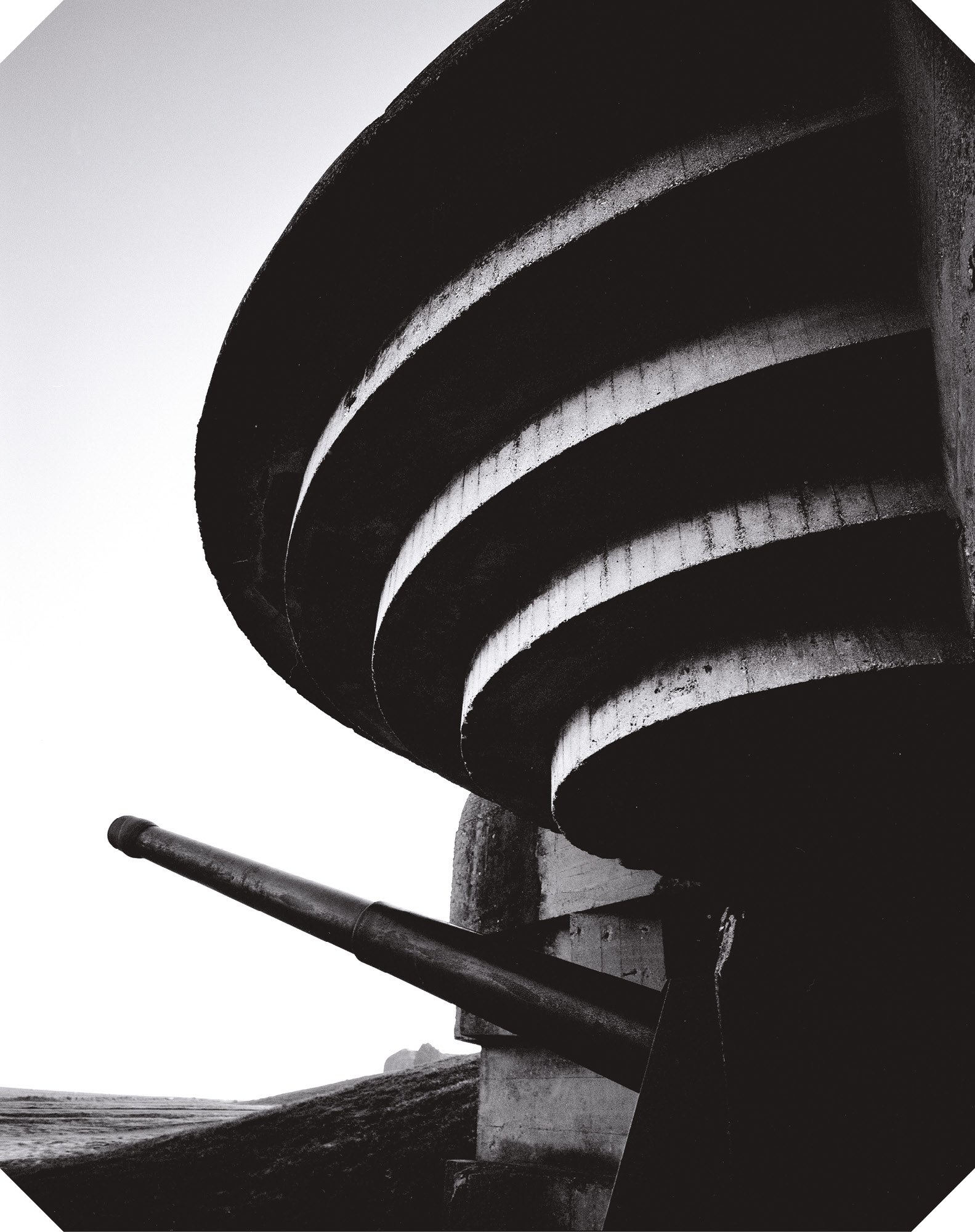
The fortifications of the Atlantic Wall are among the best-known images of World War II. We are all familiar with photographs of long-range coastal guns, protruding from reinforced concrete casemates. They stand above beaches studded with barbed wire and anti-tank obstacles, dwarfing the sentries standing guard next to them. Yet despite the enormous efforts expended on creating these formidable-looking defences, in June 1944 they failed to withstand the Allied armada launched at them from across the Channel. Did Nazi Germany’s strategy for the defence of occupied western Europe stand any chance of success?
Improvising defence
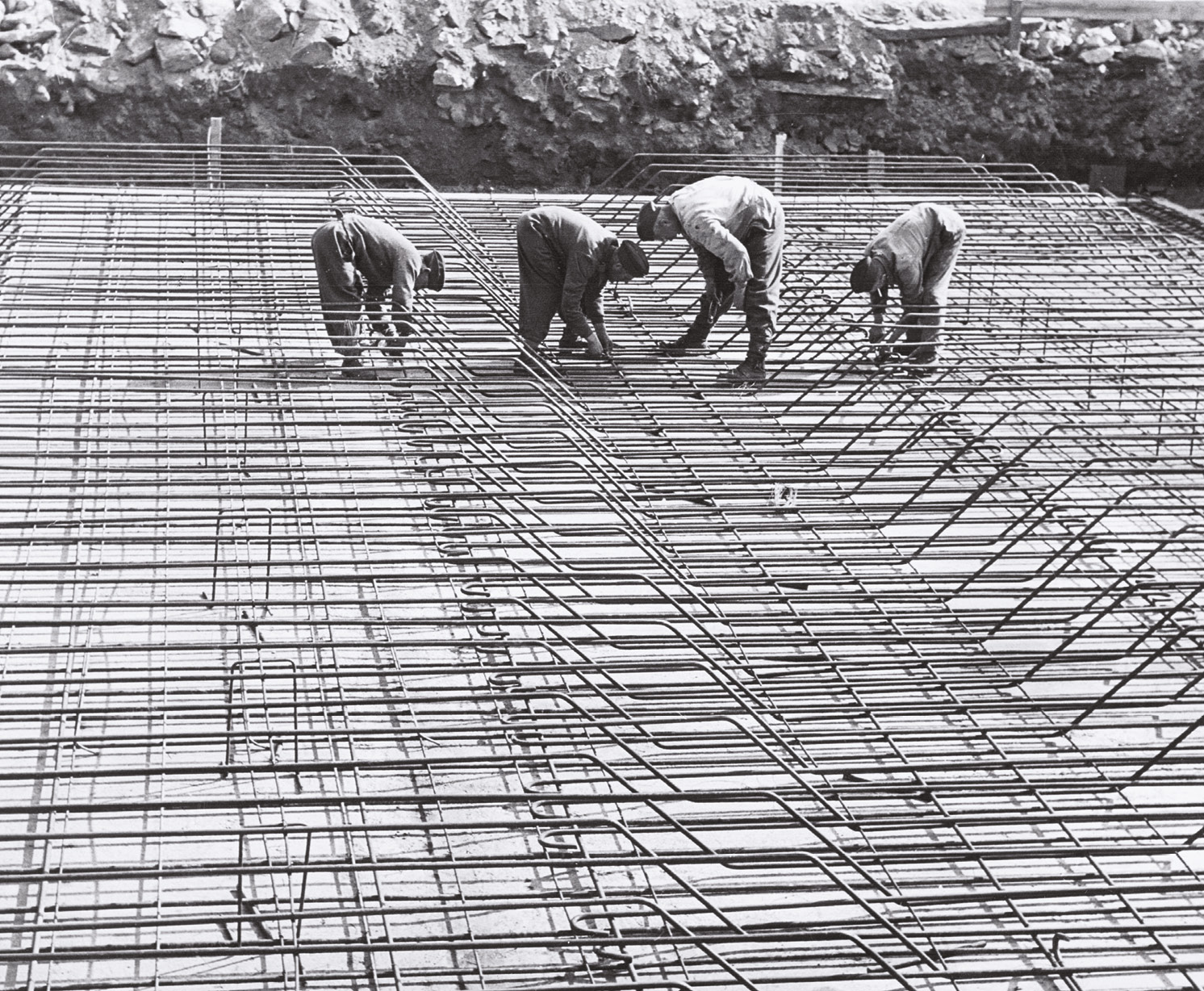
The Atlantic Wall was certainly a remarkable feat of engineering. In trying to protect 2,000 miles of coastline, from Norway to the Pyrenees, the Germans used 17 million cubic metres of concrete and 1.2 million tons of steel to build a series of batteries, bunkers, observation posts, and other structures. More than 200,000 workers – a mixture of volunteers, conscripts, and slave labourers drawn from occupied countries – were employed on the project over a four-year period.
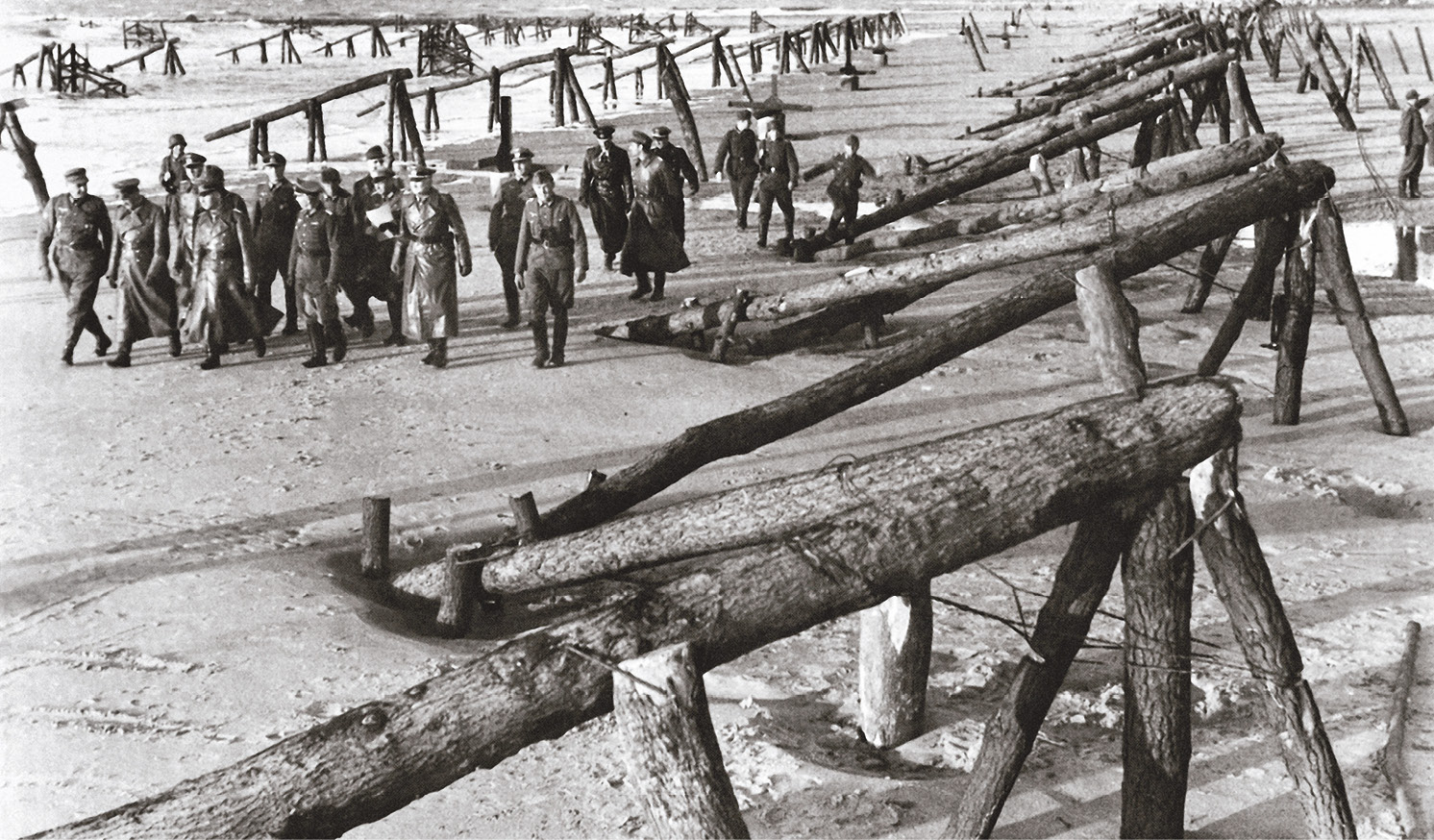
Nazi propaganda trumpeted the Wall’s impregnability, with menacing shots of steel-helmeted soldiers manning gun emplacements in the German press and newsreels. Yet the project had serious flaws. The Wall was the product of improvisation rather than the outcome of coherent forward-planning. Although some work began as early as 1940, following the fall of France, construction did not begin in earnest until the spring of 1942. It was at this point that Hitler’s thinking began to take a more defensive turn, as he started to focus on the growing likelihood of an Anglo-American attempt to break his hold on western Europe. British raids on the French ports of St Nazaire and Dieppe (in March and August 1942 respectively) reinforced his conviction that a more serious attack would come.
Germany’s finite resources meant that the Wall could only ever cover part of the long, vulnerable coastline – so the designers naturally concentrated on those areas where an attack was considered most likely to take place. As late as the autumn of 1943, General Hans von Salmuth, Commander of the Fifteenth Army, likened the fortifications to a ‘thin and fragile cord, which has a few small knots at isolated places such as Dieppe and Dunkirk’. Another critical insider, General Günther Blumentritt, Chief of Staff to the Western Command, noted another key weakness. He described the Wall as ‘a line, a chain of individual works without depth. If the enemy penetrated to a depth of one kilometre, they would be in free terrain.’
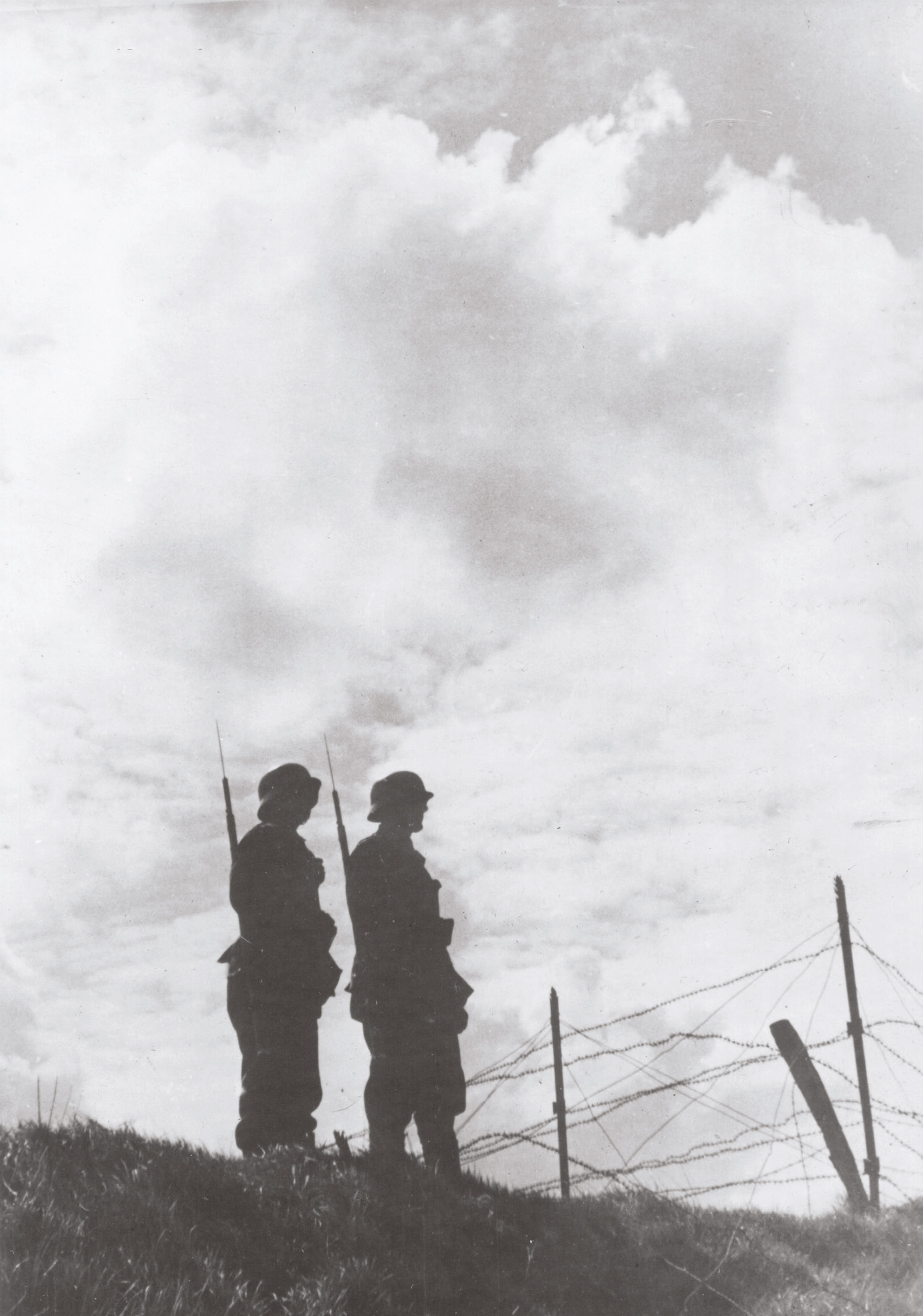
As we have seen over the previous pages, the Reich’s leaders could not be certain where exactly the enemy landings would take place. A combination of Allied deception methods and weaknesses in German intelligence-gathering clouded the picture. Normandy was just one of several possible sites, and was not accorded special importance. Field Marshal Gerd von Rundstedt, Commander in the West 1940-1941 and again from March 1942 until shortly after D-Day, believed that the Pas de Calais would be chosen as the site for the attack. Field Marshal Erwin Rommel, appointed in November 1943 to speed up construction of the wall, on the whole favoured Normandy. Hitler oscillated over time between Calais, Cherbourg, and elsewhere in Normandy as the likely target zone.
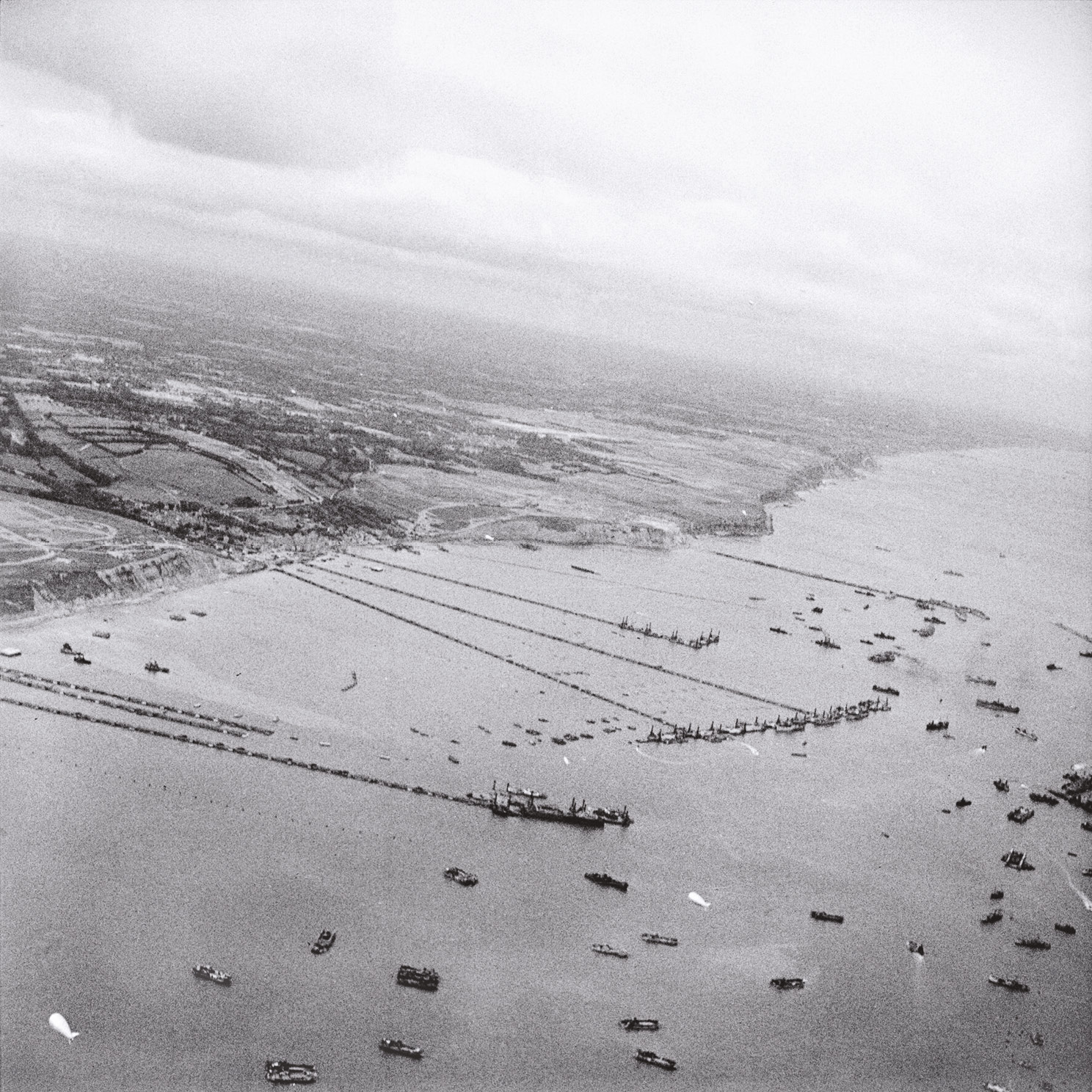
Calais made sense, not only as the shortest crossing point from England, but also because it offered the fastest route to the Rhine and then into Germany. It also afforded port facilities which, the Germans reasoned, the Allies would need to sustain the invasion. They did not anticipate the invention of floating Mulberry artificial harbours, which entailed prefabricated sections being towed across the Channel for assembly off-shore. This extraordinary breakthrough was to transform the potential of the Normandy option, and confound the defenders’ expectations.
Organisational chaos
For all the speculation, however, the continuing drain imposed by Germany’s commitment to the Eastern Front meant that the west took second place. So, despite the Reich’s use of forced labour, there were always insufficient workers to bring the Atlantic Wall project to completion on time. With Anglo-US bombing of German cities escalating by 1943, a section of the workforce was redeployed to the homeland to repair damage.
Another problem was the woeful lack of shells for the coastal artillery. Many of the big guns allocated to the army were captured weapons from a variety of sources, with different calibres, making the supply of ammunition more difficult. Many were virtually obsolete 105mm field-guns mounted on pedestals, capable of firing along the length of an invasion beach but not of engaging ships. French tank turrets, taken in the invasion of 1940, were cemented in places along the wall. The German navy, or Kriegsmarine, which had traditionally been charged with coastal defence, was equipped with better-quality 150mm artillery, but not in large quantities.
The difference in the standard of weaponry issued to the army and navy points to a key underlying weakness of the Nazi state: the byzantine complexity of the chain of command and its dependence on the will of a single erratic individual. Rundstedt was only nominally Commander in the West. He did not have direct control over the Kriegsmarine or the Luftwaffe.

As Inspector of Defences, Rommel reported directly to the OKW, the high command of the armed forces, and to Hitler himself, rather than being subordinate to Rundstedt himself. The Führer could not resist involving himself in the minutiae of fortification design, further slowing down the decision-making process.
Another issue was the anomalous status of the Organisation Todt (see box below), the body charged with actually building the fortifications. It was not required to liaise with the military who would use the structures it created. Frequently, it took its own decisions on what was to be constructed and where. Rommel was unable to issue it with direct instructions.
An exhausted war machine
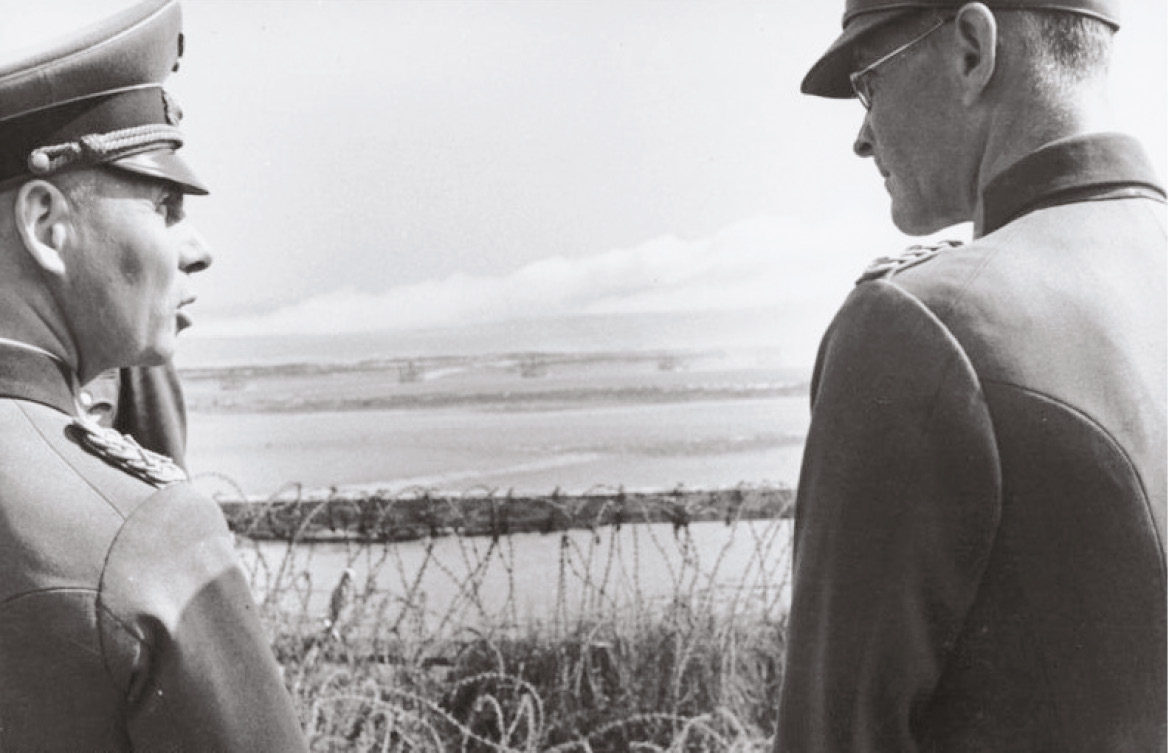
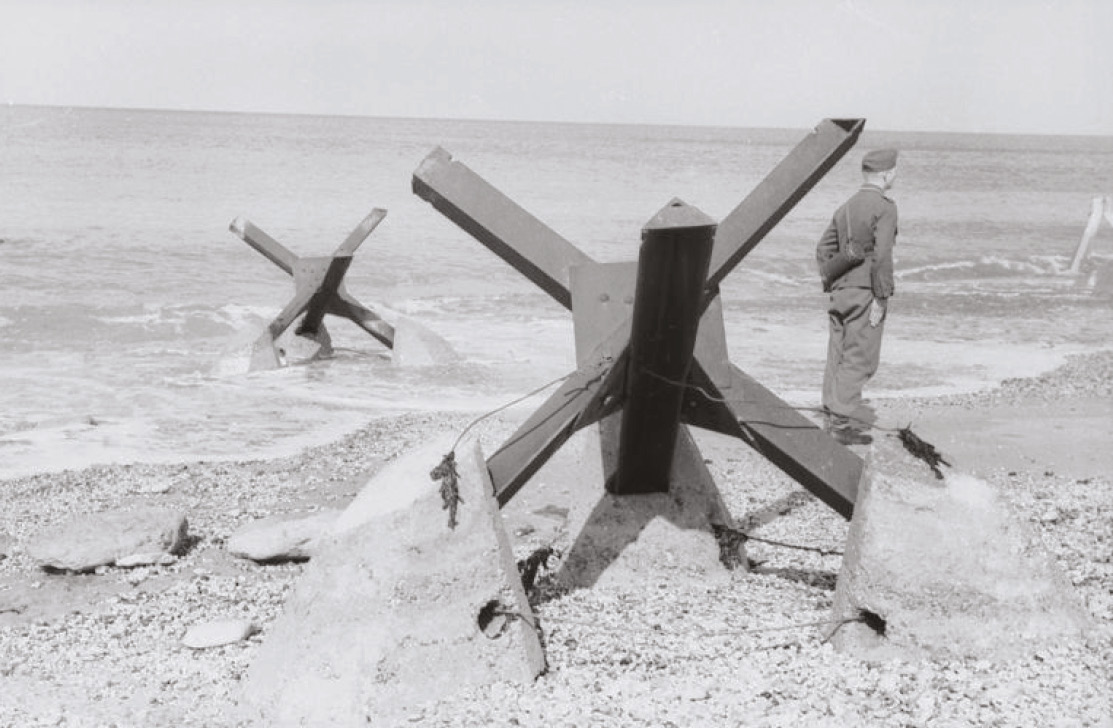
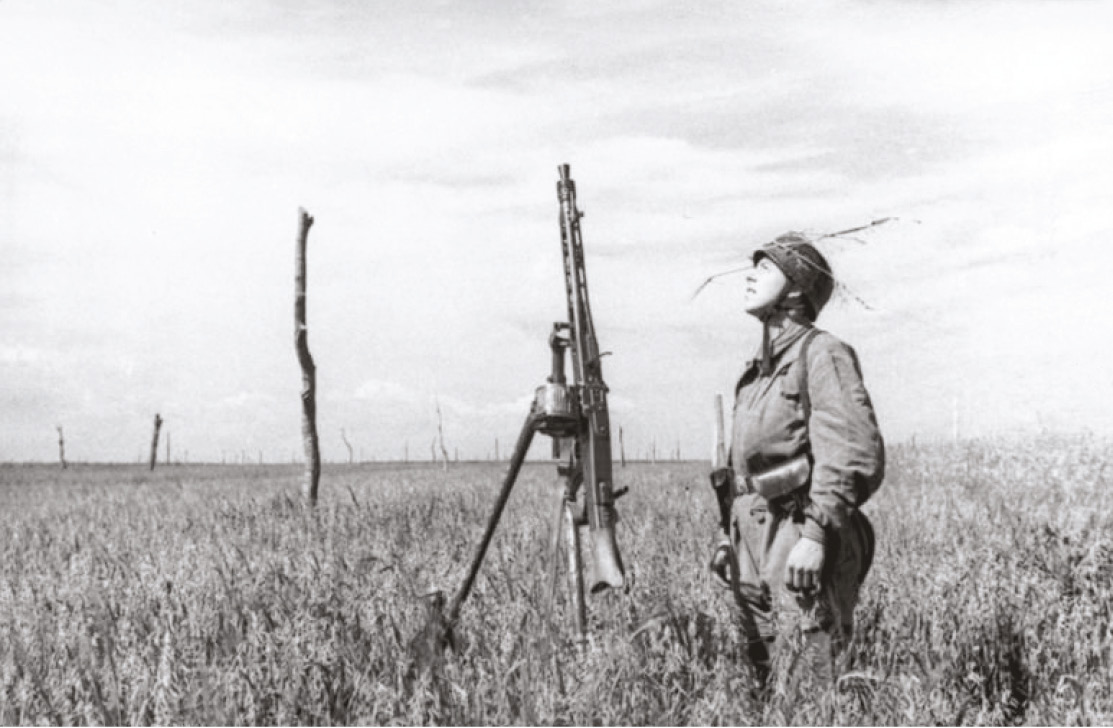
When he first surveyed the construction work at the end of 1943, Rommel was dismayed at the lack of progress. He insisted on a rapid acceleration of the building programme. In his first six months, the number of anti-tank and anti-personnel mines trebled, while a multitude of underwater obstacles, ranging from wooden stakes to steel barriers, was installed. Further inland, to obstruct glider or paratroop landings, numerous pointed stakes (known as Rommel’s ‘asparagus’) were planted, some with explosives fastened to them. Conscious of their exposure to aerial attack, he also pushed for the covering of more guns with concrete shelters and camouflage netting. These were useful improvements – but they did not tackle the fundamental weaknesses of the project.
A related problem was the shortage of soldiers to garrison the coastal defences. On the eve of D-Day, there were just 59 Wehrmacht divisions in France and the Low Countries, compared to 165 fighting an exhausting, losing battle against the Soviet Union. The Western Front tended to be allocated the poorest quality troops, with a large proportion of older, less physically fit men supplemented by foreign recruits of questionable loyalty and stamina.
Contradicting Nazi ideas of so-called ‘racial purity’, these ‘Hiwis’ (an abbreviation of the German word Hilfswilliger, referring to an auxiliary volunteer) included former Red Army soldiers who had changed sides, alongside Czechs, Italians, and others. One-sixth of Seventh Army, which was tasked with defending Normandy and Brittany, consisted of Osttruppen drawn from the Reich’s eastern territories. Although more experienced units, including battle-hardened paratroops, were moved to reinforce the garrisons before D-Day, there were simply not enough of them to make a real difference. These units also came bottom of the priority list when it came to the allocation of limited reserves of motorised transport. They remained heavily reliant on horses and bicycles.
Nor were the other branches of the German war machine able to play an effective supporting role. Luftflotte 3, the air unit responsible for defending France, Belgium, and the Netherlands, had a notional strength of 400 aircraft. In practice, however, the bulk of the fighters were diverted to combat the growing volume of bombing raids on Germany. A shortage of planes, pilots, spares, and fuel would prevent the Luftwaffe from having a presence over the invasion beaches when D-Day came.
Meanwhile, the Kriegsmarine had lost most of its major warships or sent them for repair. All except 37 of the Atlantic seaboard U-boat fleet had been evacuated northwards by March 1944. The Channel force consisted of some 60 miscellaneous craft – a handful of destroyers, together with some torpedo boats, patrol boats, and minesweepers – which were under constant Allied air attack and scarcely able to leave port. It was in no position to challenge the supremacy of the Royal Navy. Hitler’s demand that the German armed forces should ‘throw the Allies back into the sea’ had little chance of realisation.
Divided counsel
From the start, defence in the west was dogged by a lack of unified thinking. Behind Rommel’s insistence on strengthening the coastal fortifications lay a conviction that the Allies must not be allowed to gain a foothold on the beaches. He knew that the most precarious phase of an amphibious operation was the transition from ship to shore. If the Allies managed to get ashore, with their superior material resources they would speedily open a path inland, where it would be almost impossible to defeat them. This was why he urged the stationing of Panzer divisions close to the coast, so that they could add their firepower to that of the fixed gun positions.
General Leo Geyr von Schweppenburg, Commander of Panzer Group West, put forward an alternative. Aware of Allied superiority at sea and in the air, he recommended holding mobile forces back, at a distance from the vulnerable coastline. He argued that they should be moved forward when it became clear where they would be needed.
Rommel strongly disagreed with this analysis, arguing that the Panzers would not be able to reach the battle zone in time to make a difference. His experience of Allied air power in the North African desert had left him without illusions regarding his opponents’ ability to decimate armoured columns from the sky. Rundstedt, however, sided with Schweppenburg’s concept of a mobile reserve, capable of striking a heavy blow where required. He was persuaded that this approach would maximise German forces’ freedom of movement, drawing the invader into a battle of attrition at the end of their supply-lines.
Ultimately the decision on the disposition of forces was Hitler’s. His insistence on retaining control over all aspects of wartime operations resulted in an entirely illogical outcome. Two armoured divisions were held near Paris, with three more in southern France. Rommel was granted operational control of just three Panzer divisions, only one of which – 21st Panzer – could easily reach the Normandy beaches. The remaining four, attached to Panzer Group West, could move only with the Fuhrer’s personal authorisation. It made no sense to anyone who understood the realities on the ground.
When the invasion began on 6 June, Hitler was slow to react. For several hours, he clung to the belief that a landing in Normandy would merely be a diversionary manoeuvre to draw German forces away from the presumed main target area, between Calais and the River Somme. As a result, there was a delay in moving reinforcements that wasted valuable time in the critical early stages of Operation Overlord. Combined with the effects of earlier Allied bombing on the road and rail network, and increased sabotage by the French Resistance, this undermined the chances of rapid deployment of German forces to the Normandy coast.

One man’s folly?
It was not that Germany’s leadership under-estimated the importance of the Reich’s western frontier. In his Führer Directive No.51, issued in November 1943, Hitler had warned of ‘consequences of staggering proportions’ if Britain and the US were able to secure a bridgehead on the Channel coast. But his growing obsession with fixed defences had committed Germany to a construction project that was beyond its already overstretched means.
Since he never visited the Atlantic Wall, Hitler was able to retain his illusions about its strength. Despite his insistence on speeding up the construction programme, the war in the east absorbed most of his energy. As an illustration of this, the May 1942 conference about the Wall, where he ordered more work on defending the French coast and the Channel Islands, was held not in France but at his Vinnytsia headquarters in Ukraine.
The convoluted hierarchy over which Hitler presided made for catastrophically incoherent thinking about defence. This reflected his authoritarian yet disorderly personality. He tolerated overlap and competition between individuals and agencies, partly from indolence in administrative matters, but also to maintain his personal ascendancy through divide-and-rule tactics.
In some ways, it was surprising that the Third Reich should devote so much energy to a vast scheme of static defence. In 1940, it had defeated France, which had mistakenly put its trust in the Maginot Line – the similarly immobile line of fortifications and weapons installations built along the country’s eastern borders in the 1930s. The resources diverted by Germany to building the Atlantic Wall could arguably have been used more profitably elsewhere. The steel alone represented 5 per cent of the Reich’s annual production, at a time when its factories were struggling to produce enough tanks, guns, and ammunition to counter the Soviet juggernaut.
The best that can be said of the Atlantic Wall is that it temporarily held up the Allied invasion forces. This gave the German mobile reserves the opportunity to mount a counter-attack – although, as we have seen, they were hampered in their efforts to reinforce the battle front. From Rundstedt downwards, there was little faith in the effectiveness of the defensive works. Nor did experienced combatants have high hopes of most of the front-line troops. Paul Breslau, a gunner with 21st Panzer Division, recalled that the infantry manning the coastal defences were there to ‘soak up any enemy attack, to slow it down, and to alert us, the inland forces, of the danger. Nobody on earth expected the static divisions to defeat a serious landing.’
Yet this was certainly not the opinion of the delusional individual to whom the German armed forces answered. When General Heinz Guderian, Germany’s leading exponent of armoured warfare, privately warned Hitler of the Wall’s weaknesses in January 1944, the dictator refused to listen: ‘I am the greatest builder of fortifications of all time,’ he raged.
Six months later, a dangerously overstretched Reich would pay a heavy price for the irrationality at the top of its command structure.
Organisation Todt
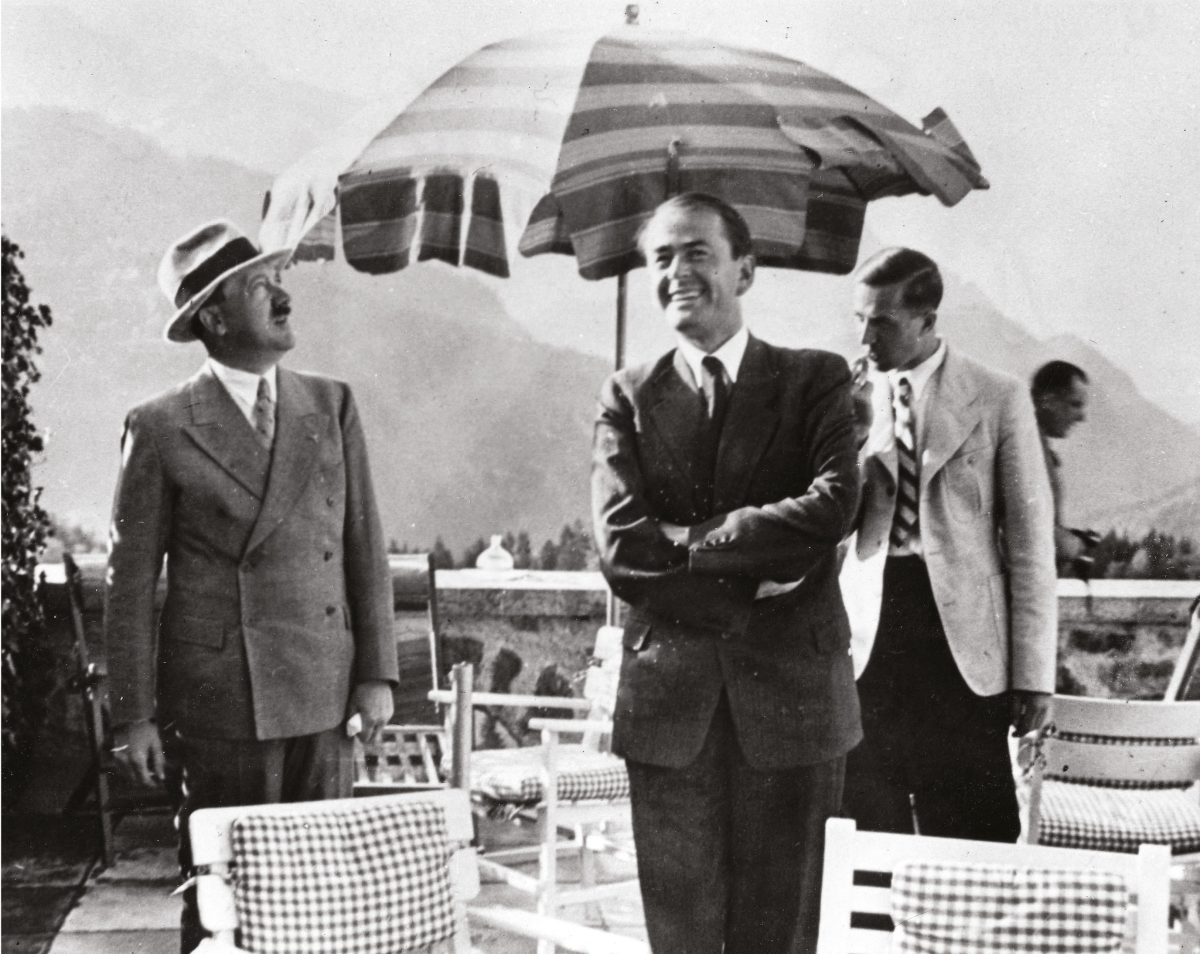
Named after its first head, Fritz Todt (1891-1942), the designer of Germany’s autobahns, Organisation Todt (OT) was responsible for building the infrastructure of the Third Reich. Projects included not only the Atlantic Wall, but also the West Wall (Siegfried Line), U-boat pens, V1 and V2 rocket launch-sites, and underground factories. Although its personnel wore a quasi-military uniform, OT was not subject to the Wehrmacht’s authority. After Todt’s death in an air crash, he was succeeded by the architect Albert Speer, and the organisation came under the armaments and war production ministry. By 1943, OT employed more than a million workers. They included forced labourers from the occupied territories, POWs, concentration camp inmates, Germans who had been rejected for military service, and local volunteers. Working conditions for all except the last categories were harsh and exploitative.
Further Reading:
George Forty, Fortress Europe: Hitler’s Atlantic Wall (Ian Allan, 2002).
Jonathan Trigg, D-Day through German Eyes: how the Wehrmacht lost France (Amberley, 2019).
All images: Wiki Commons, unless otherwise stated

In the next issue of MHM: D-Day, 80 years on: the inside story of 6 June 1944