Subscribe now for full access and no adverts
‘You cannot take it with you’ may be a common piece of wisdom today, but it seems that this sentiment has not always been popular. In prehistory, some people were generously provided for on their journey into death, and funerary finds often extend beyond an excavated skeleton to encompass the objects that accompanied an individual into the ground; traces of rituals, like feasting, that surrounded their burial; and the architecture that was built to house the dead, from humble pits to mighty megalithic tombs. By contrast, material evidence for living communities can be much more ephemeral, placing us in the challenging position of often having a richer dataset for death than for everyday life. It is tempting to take such archaeological evidence at face value, assuming that grand tombs and exotic grave goods were reserved only for kings and princes, while everyone else was buried with rather less lavish attention – or not given a formal burial at all. However, we cannot map modern ways of mourning on to past societies, nor assume that they left us a straightforward record of who was who when they were still alive. Instead, in our recent research (originally published in Antiquity; see ‘Further reading’ below), we argue that, by carefully contextualising ancient DNA evidence with contemporary burial rites, we can develop a new picture of life and death in Neolithic Ireland.

Tombs for Kings?
During the Neolithic, when farming first spread along the Atlantic parts of Europe and more settled lifestyles replaced hunter-gatherer traditions, some of the dead were placed in chambered tombs. Many of these still stand (in contrast to contemporary domestic architecture, little of which remains above ground) and, rather than representing the resting place of just one individual, these were communal monuments containing the remains of multiple people and combining diverse burial practices. Some occupants had been cremated, others were buried unburnt, and some remains were disarticulated and mixed together. Early antiquarians like John Beddoe (1826-1911), who excavated Stoney Littleton Long Barrow in Somerset, tended to interpret these enigmatic arrangements as the burial of a ‘chief’ surrounded by dependents who had probably been put to death to accompany their lord into the afterlife. Today, however, advances in archaeological science offer a much more nuanced view.

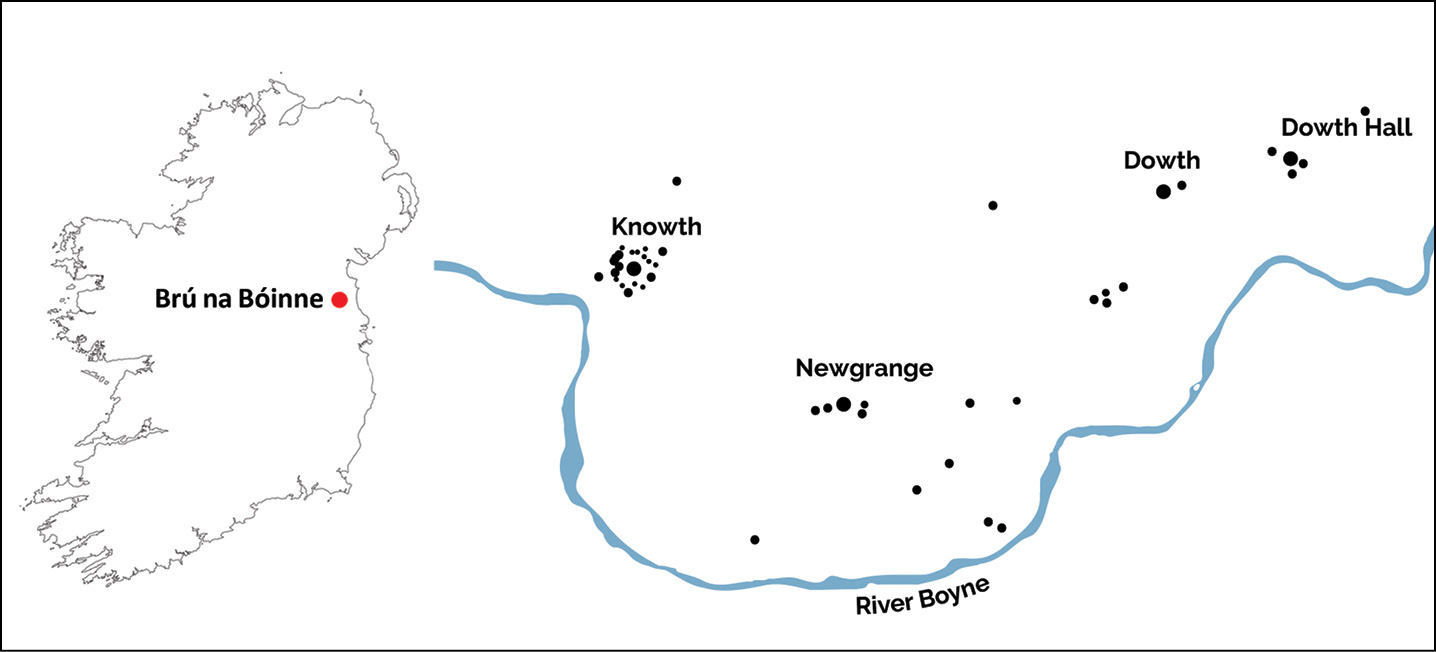
Focusing specifically on Neolithic Ireland, these communal tombs were built in a range of different styles. In the earlier Neolithic (c.3800-3300 BC), three main types were constructed: portal tombs, court tombs, and simple passage tombs. This last form, comprising a burial chamber reached by a narrow passage made from large upright stones and covered by a circular stone or earthen mound, continued to be built into the later Neolithic, but from around 3200 BC it took on a much larger scale. The grandest and most famous Irish passage tomb is probably Newgrange which, along with Knowth and Dowth, forms a UNESCO World Heritage Site located at Brú na Bóinne (Bend of the Boyne) in County Meath. Due to the monument’s imposing size and elaborate architecture, Newgrange has long been thought of as an elite burial place, reflecting increased power differences at this time. The antiquarian Thomas Molyneux expressed this view almost 300 years ago, writing in 1726 that ‘we may easily gather ’twas raised in honour of some mighty prince, or person of the greatest power and dignity in his time’ – and, rather more recently, this enduring interpretation appeared to have been confirmed by two different pieces of new genetic evidence from aDNA analysis (see CA 366).
First, it was found that people buried in some of these tombs were distantly related to each other, suggesting that they came from a specific lineage or set of family dynasties. Second, it was proposed that these lineages formed a select, special group, based on the discovery that one man – represented by a small skull fragment recovered from inside the chamber at Newgrange – had closely related parents, either full siblings or a parent and child. It was argued that the incidence of incest that had produced this individual, who has been called NG10, must have been socially sanctioned because he had been buried at such an important place. Drawing parallels with other past societies such as ancient Egypt, where it appears that sibling marriages were practised in order to keep inherited wealth together, the researchers concluded that Newgrange, like the Pyramids, would have been associated with a ruling elite within Neolithic society.

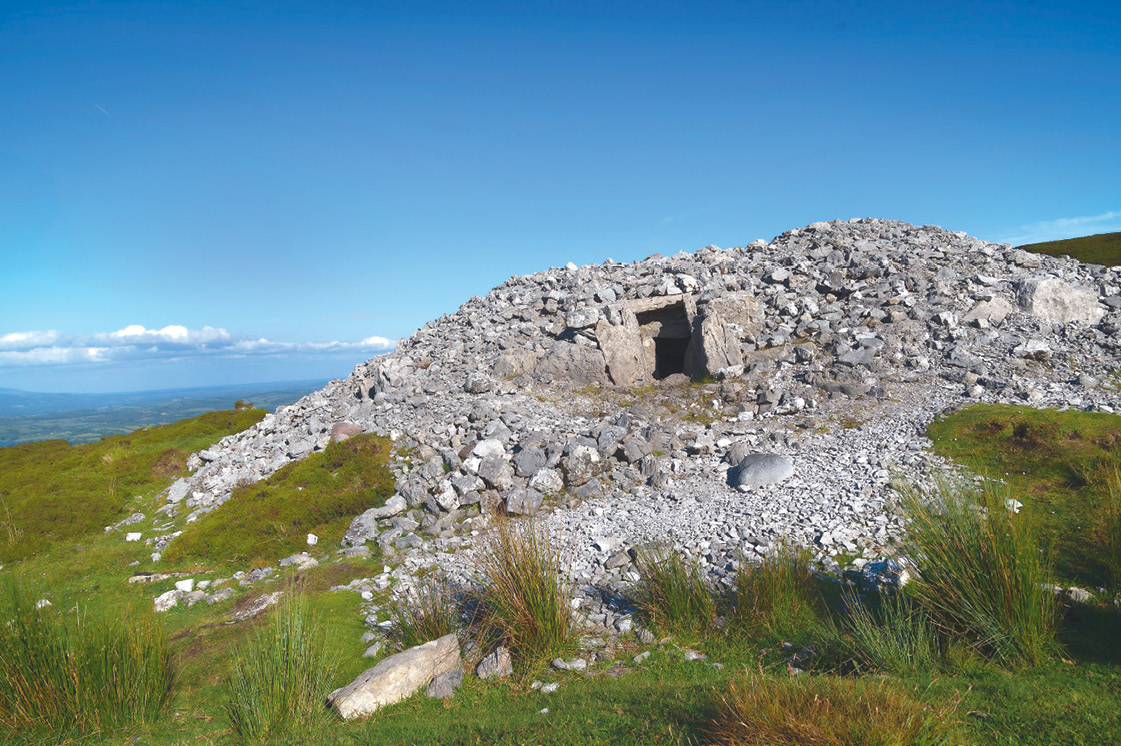
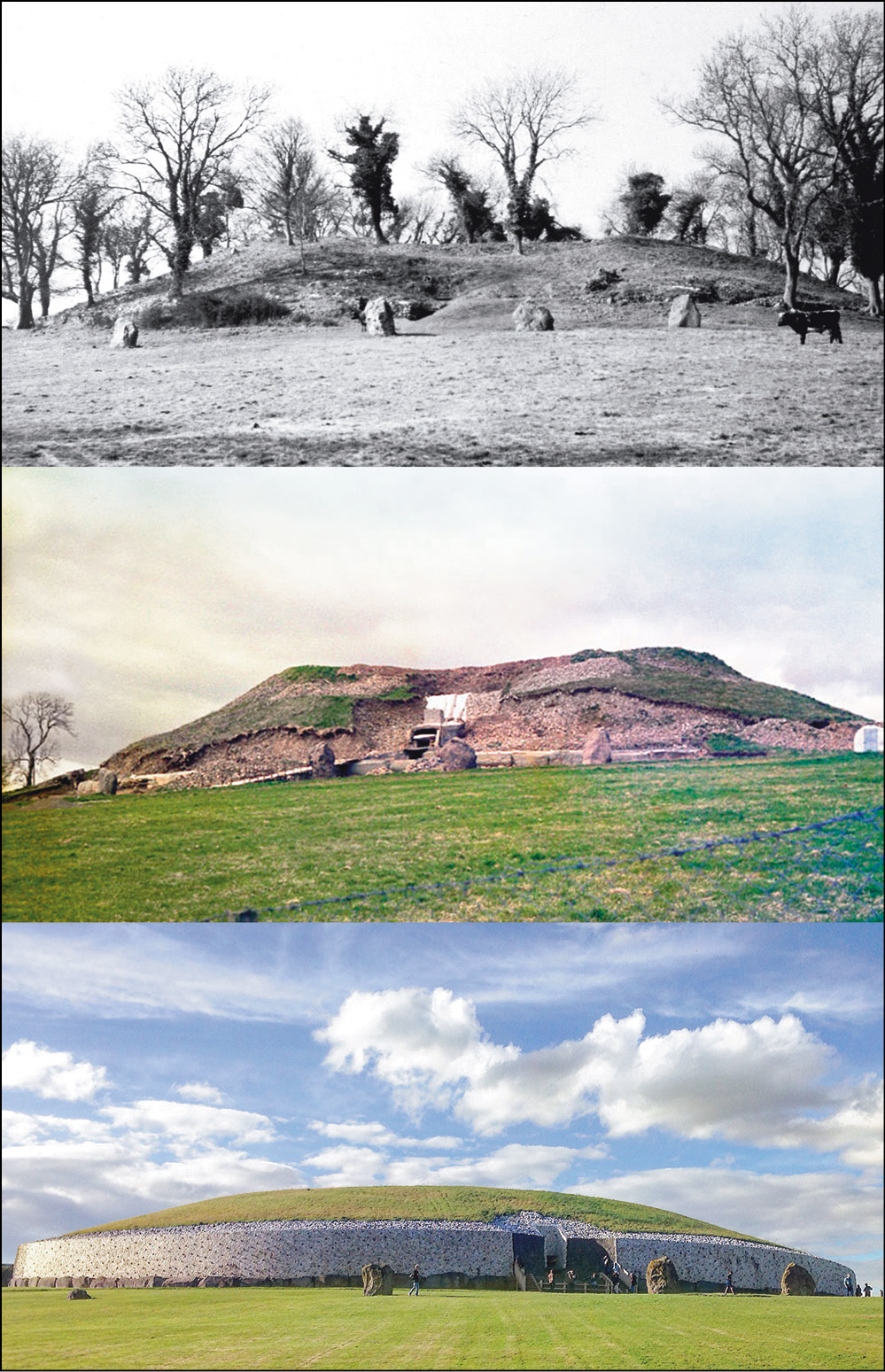
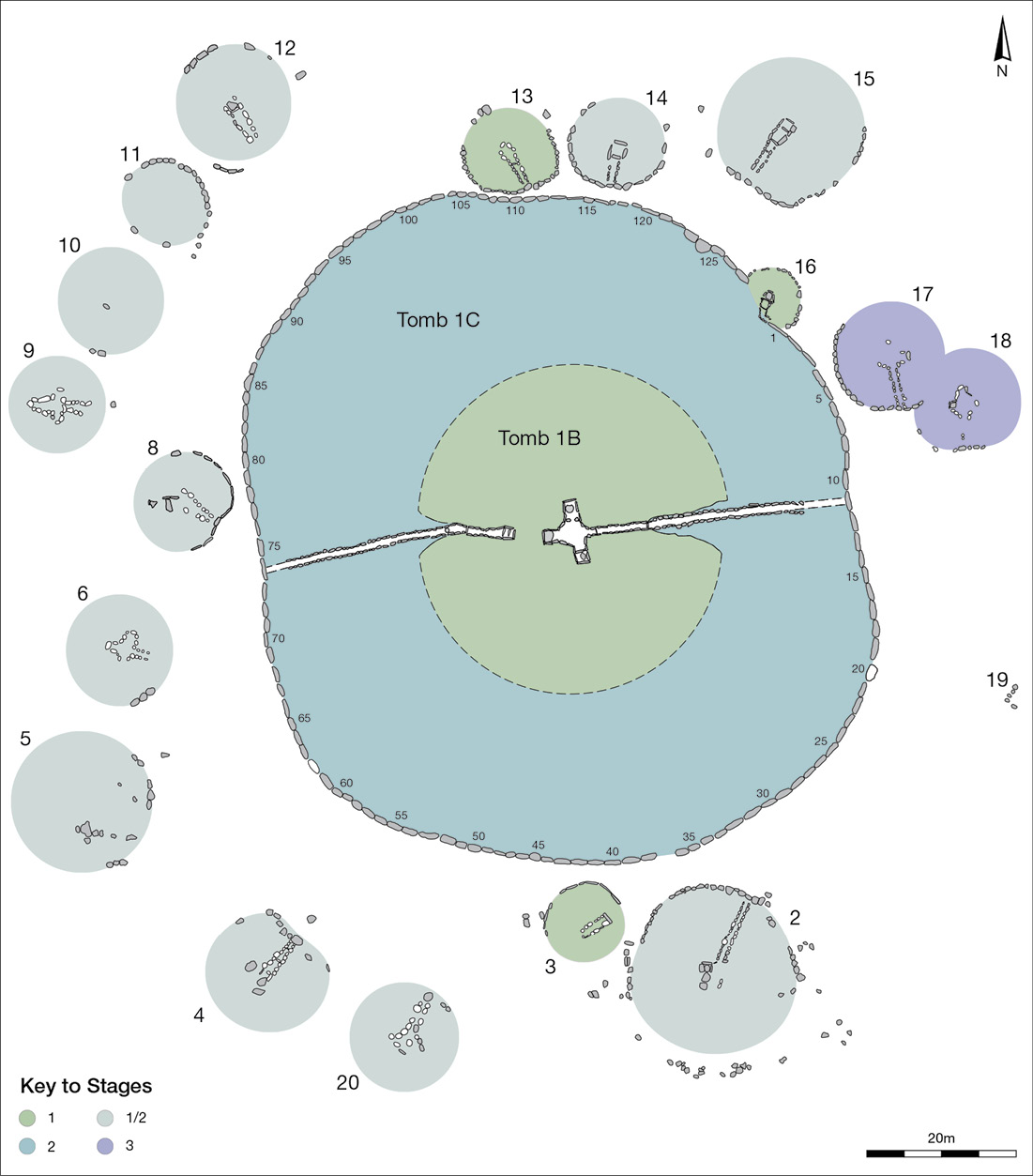
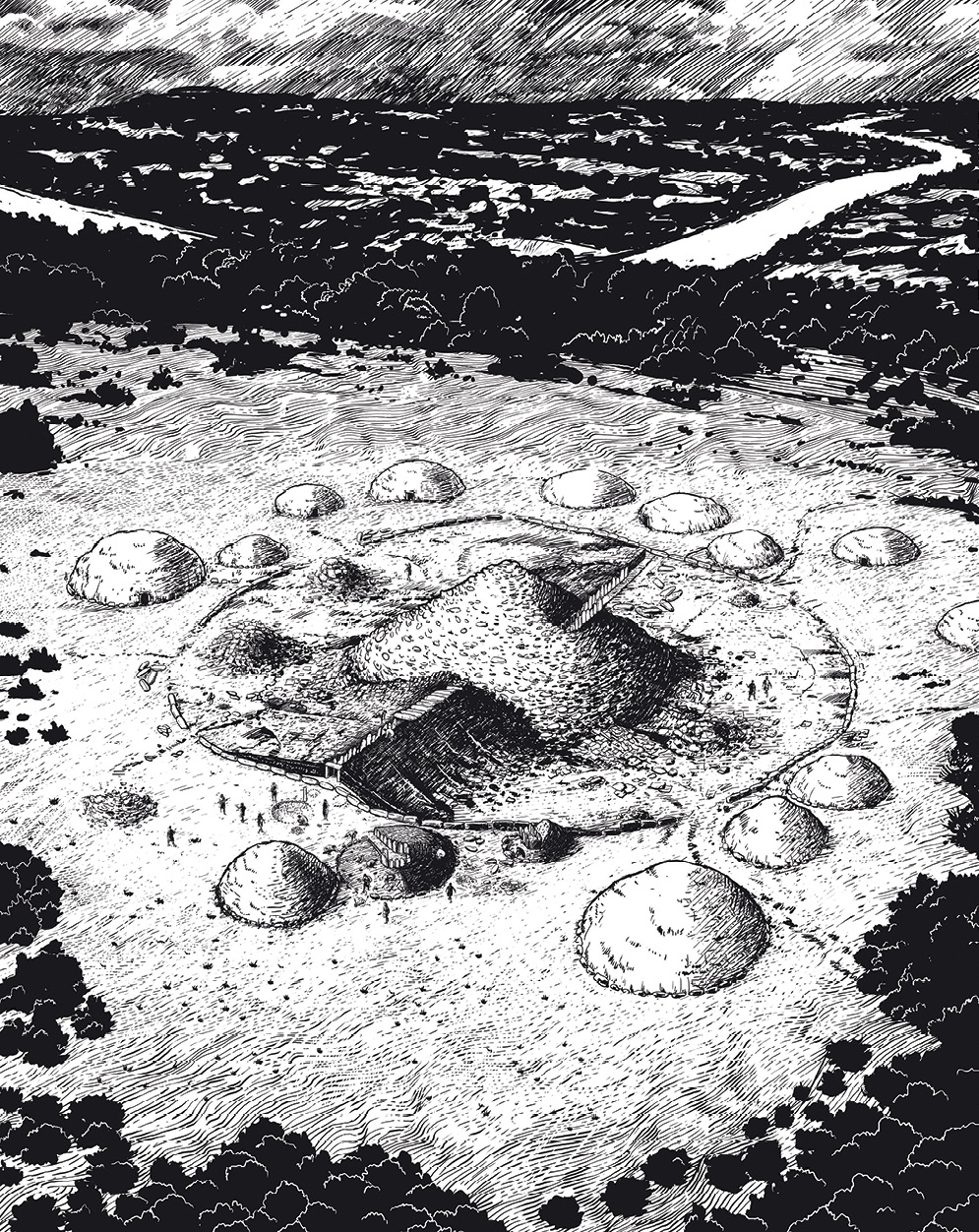
Looking at Newgrange today, with its impressive quartz façade and fine examples of megalithic art, it is easy to be convinced of these arguments. Yet much of what constitutes modern Newgrange is the result of a 1960s reconstruction of an interpretation of the monument’s final phase. During the Neolithic, Newgrange was always in the process of being built. Archaeological evidence attests to it having been constructed in phases over many generations, with clear indications that it was not designed with a single final form in mind (unlike the Great Pyramid of Giza, which was built to a predetermined design c.2600 BC). Similar evidence has come to light at Knowth: we can now tell that its largest passage tomb mound, which covers two back-to-back chambers, was initially built as a smaller monument. Only later were both passages expanded and encompassed within the large earth and stone mound that we see today. At both Newgrange and Knowth, their stones were successively reworked: some were redecorated, with newer megalithic art placed over older motifs, while other elements saw materials being taken from other tombs or older structures and incorporated into the fabric of newer parts of the monuments. These were ongoing projects that saw times of high activity and development interspersed with quieter periods of minimal activity and, significantly, their chambers remained accessible throughout this process.

How the dead were treated
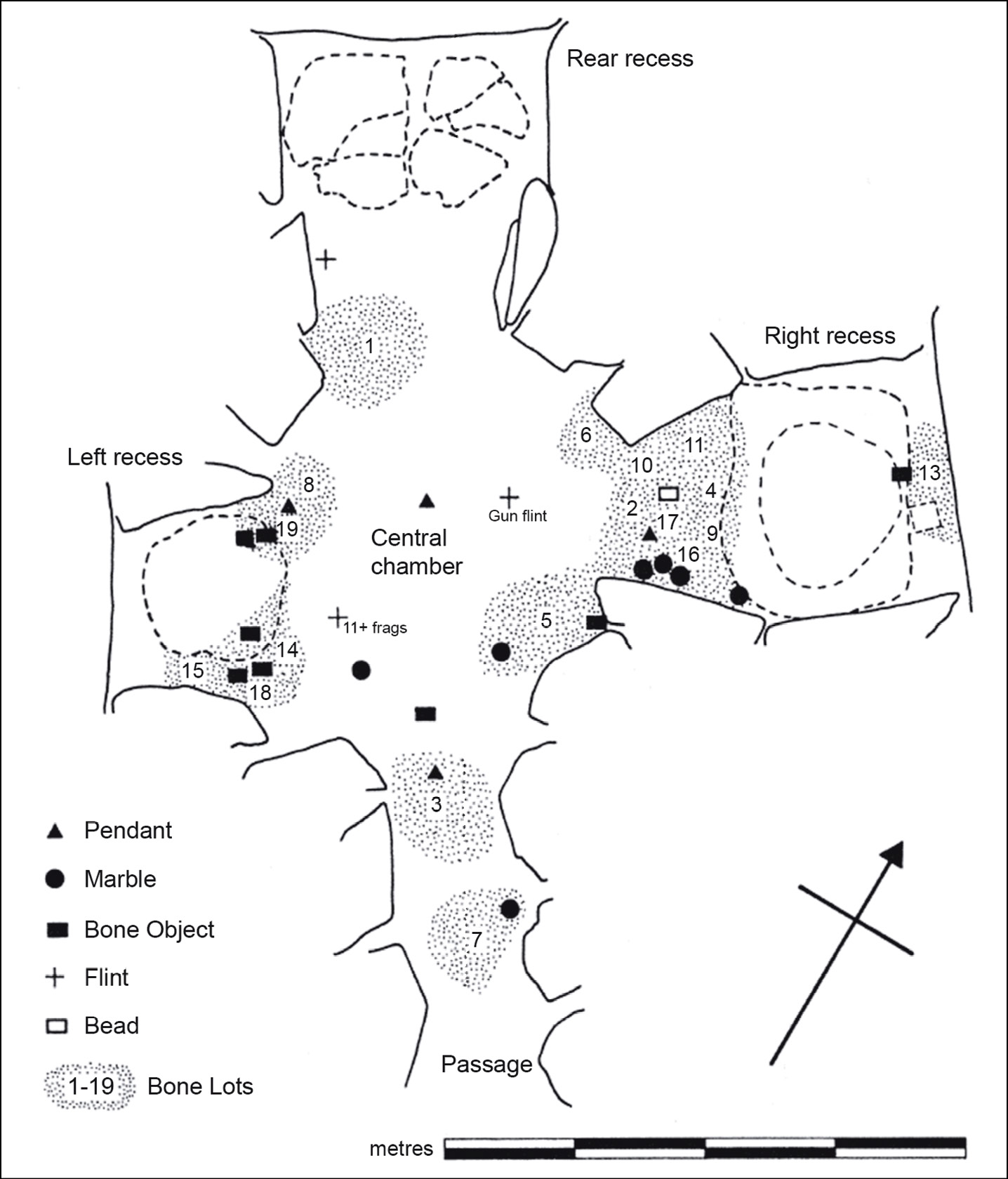
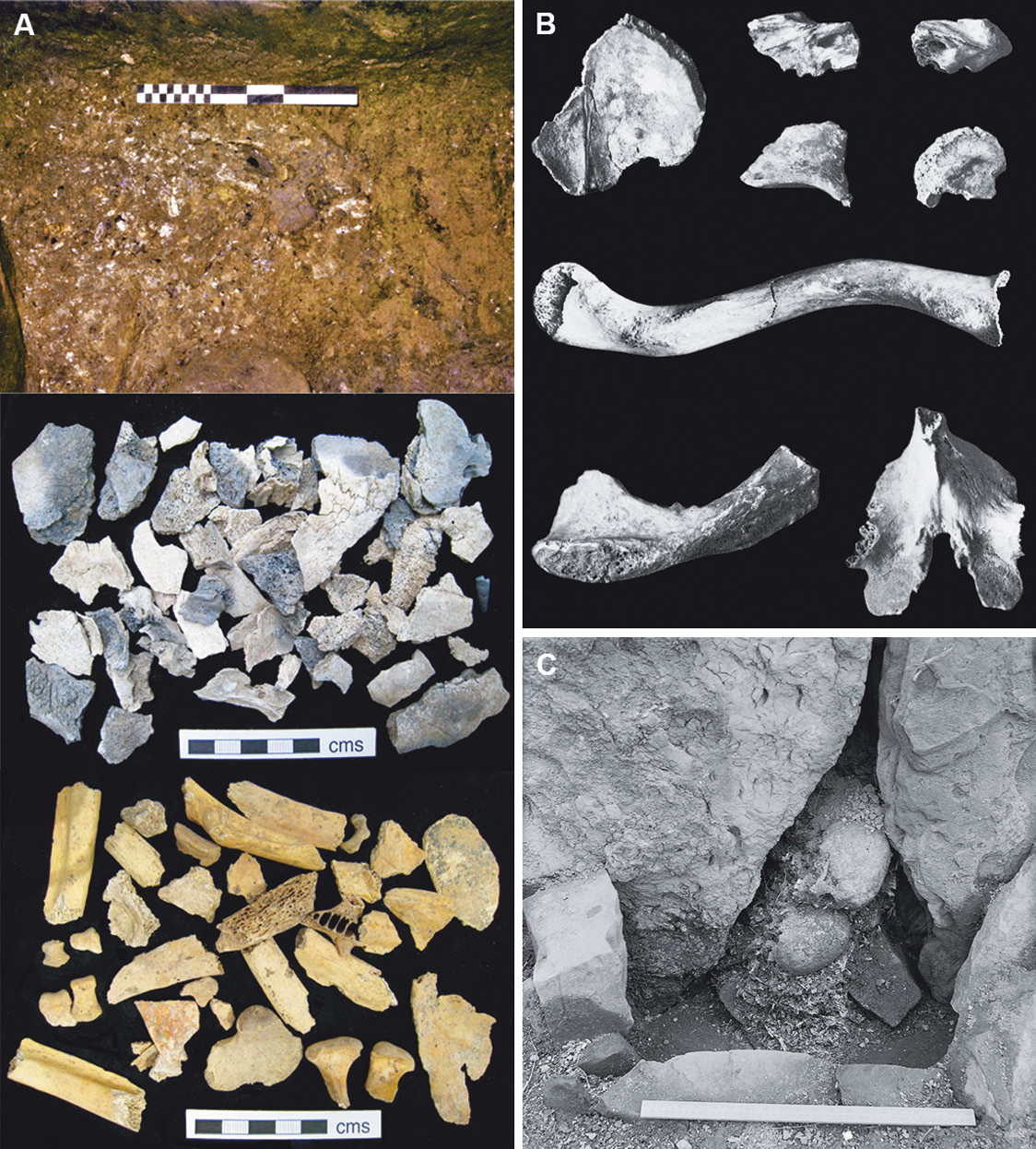
What of the individuals who were entombed within these monuments? Modern osteological analysis of the commingled human remains recovered from passage graves and other tomb-types has found that the dead were subjected to ongoing interventions and manipulation, all of which resulted in fragmentation of the body. Cremation is thought to have been the most common funerary practice in Neolithic Ireland, meaning that – as this rite unfortunately destroys DNA – we are missing genetic information from a large proportion of the excavated population. Often mixed in with these remains, however, are disarticulated fragments of unburnt bone from individuals who may have instead reached their skeletal state through exposure to the environment (excarnation), or thanks to the acts of defleshing and dismemberment that are hinted at by occasional cut marks from stone tools.
Recent radiocarbon dating from University College Dublin found that Newgrange’s occupants had arrived over time (between 3300-3000 BC and 2900-2700 BC), suggesting that bones were circulating outside, perhaps in everyday life, before being placed in the tomb. Whether this processing of the deceased took place near the site or in other locations is debated, but it is clear that human bone was frequently handled, fragmented, and mixed together. Perhaps this long process of transformation was intended to help the deceased enter the realm of the dead. The meaning behind these rites has long been lost to memory, but many researchers have sought ethnographic parallels to help explore the possible motivations behind such drawn-out funerary practices, which are still widely undertaken by many different cultures around the world.
The French sociologist Robert Hertz (1881-1915) was one of the first to take this approach, focusing on the burial traditions of the Dayak peoples of Borneo. Hertz observed that, in a small-scale society, the loss of one of its members left a big gap, which the living chose to process through ritual activity focused on the corpse itself. Between a death and committing the body to its final resting place, both the dead individual and surviving members of their community were considered to be in a liminal zone. This was a transitional time, when both the living and the dead gained new identities, aiding the mourners in coming to terms with their loss.
The Dayak also carried out secondary rites that involved disinterring the body once it had become skeletonised, cleaning the bones, and moving them a new, final place of burial. This activity was marked by a feast that could vary in time from a few weeks after the person had passed away to years later, and the feast itself could last for days or even weeks, providing time for communities to meet, debts to be repaid, marriages to take place, and so on. Sometimes a single figure would be the focus of this celebration, and on other occasions several people could be recovered at once and moved to their new graves. While the individuals receiving this treatment would be remembered, the rites focused just as much on the living, and their end marked the incorporation of the deceased into the community of the dead, or as an ancestor, rather than celebrating or perpetuating any role or status that they may have held in life.
Just as we cannot draw easy analogies with ancient Egyptian dynastic practices, as discussed above, we similarly cannot make direct links between Neolithic Ireland and the funerary rites of the Dayak. Nevertheless, Hertz’s explanation of these lengthy burial traditions is now frequently used in archaeology as a general framework for understanding why people carried out extended processes where the body is returned to and fragmented over time – and, we argue, it gives us a better representation of how the deceased may have been treated at sites like Newgrange.
Questions of kinship
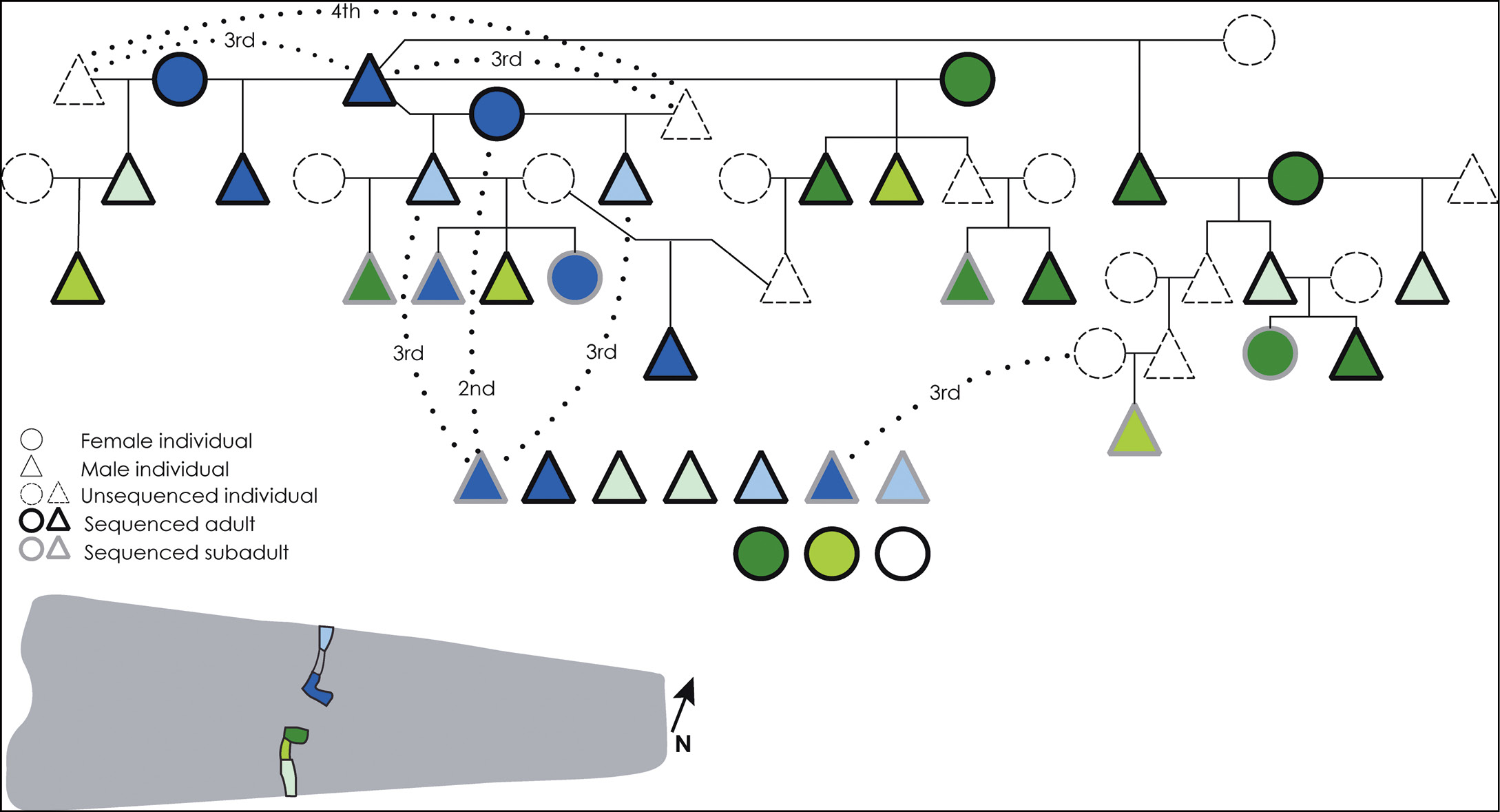
But what of the claim that individuals buried in Neolithic tombs were closely related? Was there a lineage of leaders who received special rites after death? A shared genetic heritage could speak to a small elite stratum sharing similar ways of life, but when we dig deeper into aDNA evidence we find a more complex picture. For the majority of cases in Ireland, we simply do not see the kind of close kin we would expect from a socially separate dynasty. There are rarely mothers, fathers, sons, daughters, nephews, nieces, uncles, aunts, grandparents, or grandchildren buried together at the same tomb. In this, the Irish Neolithic DNA data are quite different from some of the results from nearby Britain. At Hazleton North, an early Neolithic chambered tomb in Gloucestershire, for example, the team led by Chris Fowler of the University of Newcastle found that most of the people buried there came from one extended family, which they reconstructed as four lines of cousins descended from four women who had all had children with the same man (CA 384).
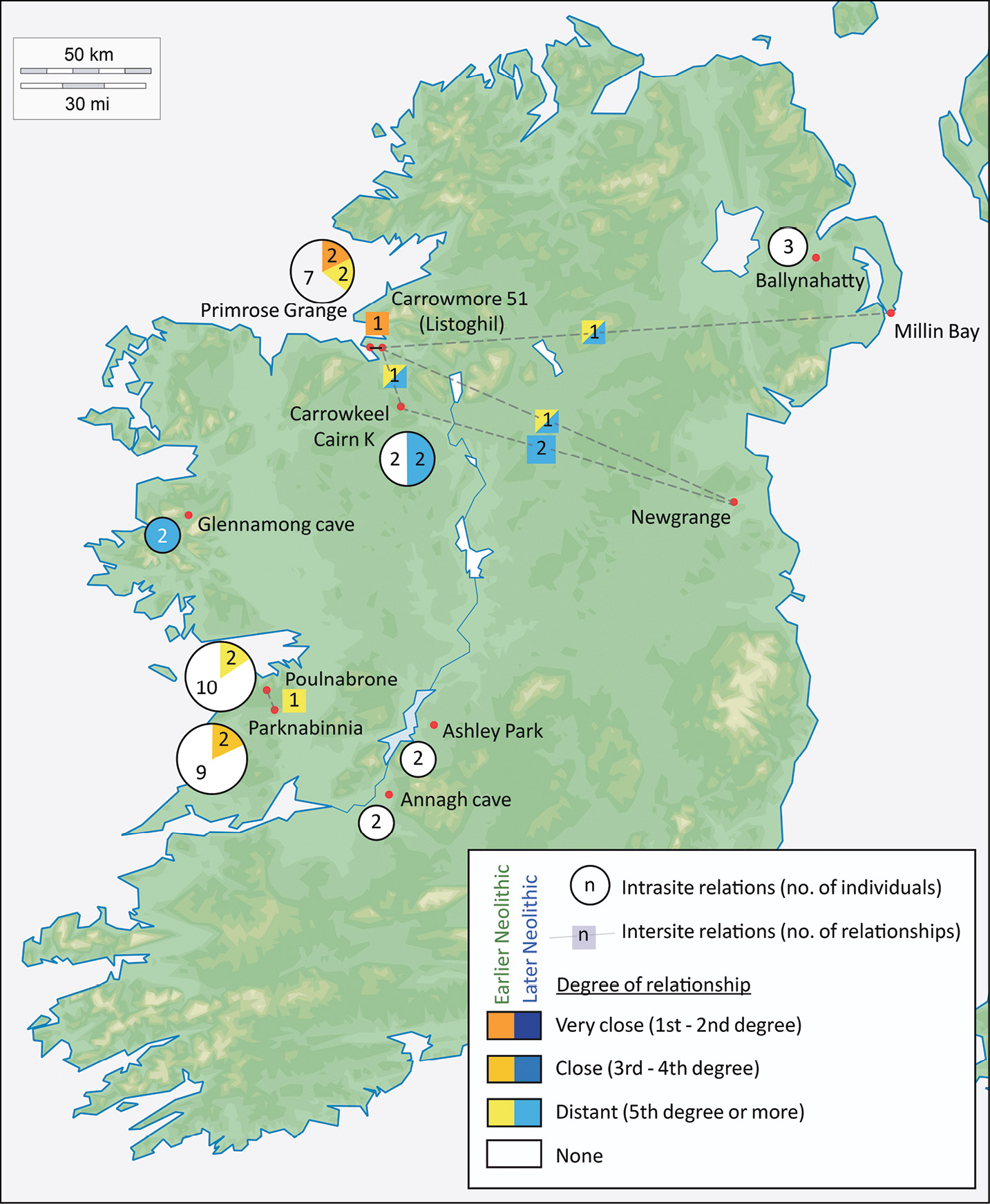
By contrast, the genetic evidence from Neolithic Ireland tells us that entombed individuals are mostly related to the fifth and sixth degree. The degree of relationship is defined by the number of steps or generations between people, so, for fifth-degree relatives, this would include great-great-great-grandparents or first cousins once removed, and sixth-degree relatives would include great-great-great-great-grandparents, or second cousins once removed. These more distant relationships are quite different from clear dynastic lines. More strikingly, the individual known as NG10 is the sole example of a person with closely biologically related parents to be identified among the 166 Neolithic individuals whose genetic data are available for Britain and Ireland.

The few examples we have of closely related individuals – whether found together in a single tomb or interred separately at different burial sites – are all from the earlier Neolithic, and are never found within the developed passage tombs that came later in the period, like Newgrange. The closest relationship identified to-date is a daughter and her father who were buried at the early Neolithic court tomb of Primrose Grange in County Sligo but, for the time being, they remain an unusual outlier. In contrast, the early Neolithic portal tomb of Poulnabrone in County Clare (CA 298) contains 20 generations of burials, but no close biological relationships could be discerned in the genetic results.
Of course, as for most of us today, biological kinship is not the same as social kinship. While our birth families often make up many of our closest relationships, we marry into families who are genetically unrelated to us, adopt children born to others, and form deeply meaningful relationships of various sorts with folks we encounter throughout our lives. Historically, traditions of fostering and apprenticeship have led to children growing up in households other than that of their birth parents, and kinship can also be forged though various exchanges like gift-giving, or in the actions of living together, such as eating the same food or breastfeeding children. We need to be careful, therefore, that aDNA does not become the only tool by which we identify relationships within prehistoric communities.
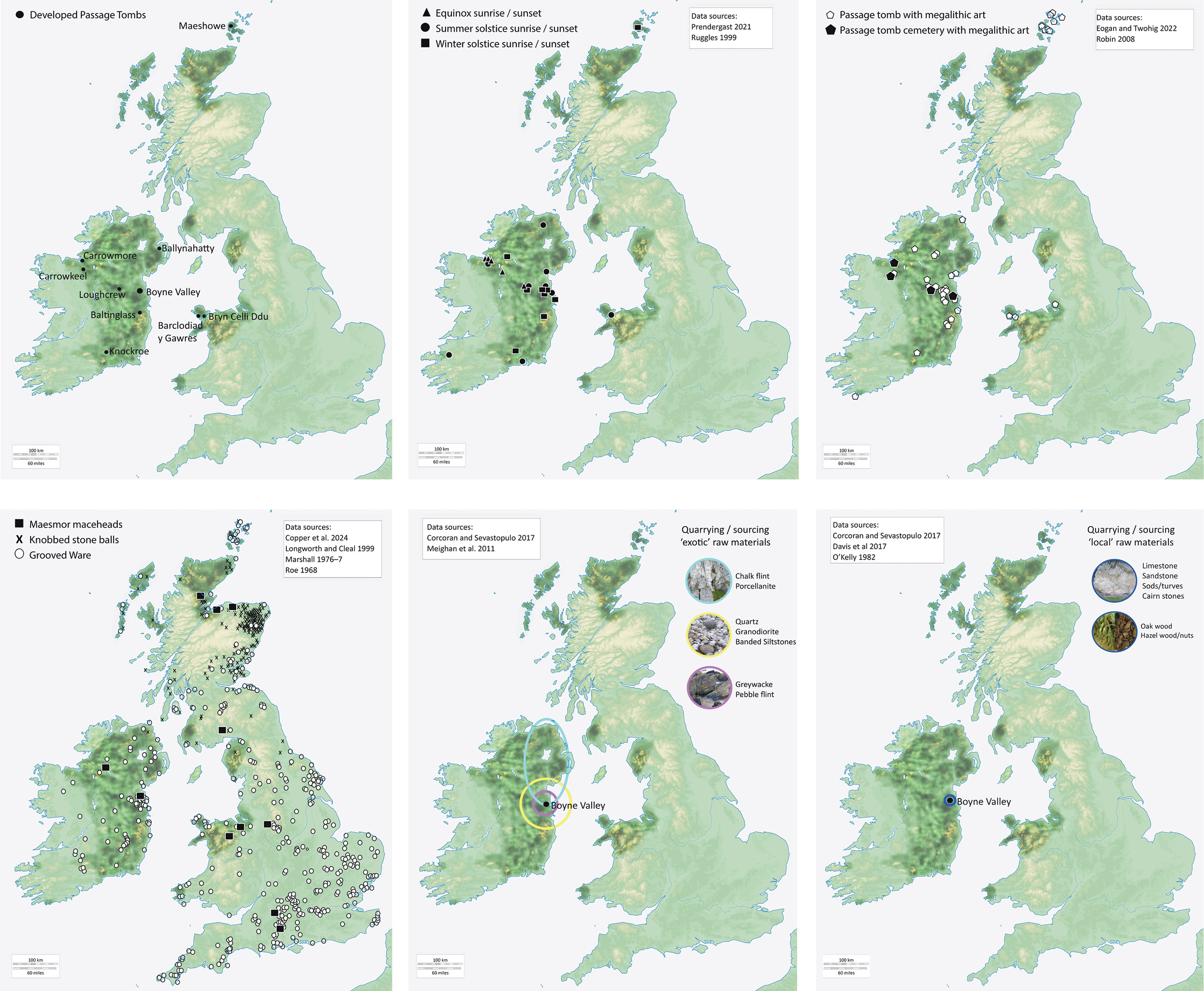
Indeed, there is strong evidence that there were important and widespread networks across Britain and Ireland (and further afield) during the Neolithic. In Ireland, motifs seen in megalithic art suggest contacts with parts of North Wales and Orkney, while objects such as maceheads and carved stone balls are widespread, as is the Grooved Ware style of pottery made at the time of Newgrange, which is thought to have had Orcadian origins before spreading through Neolithic Britain and Ireland. Strontium-isotope analysis on human teeth and cremated bone can tell us more about people’s mobility and, when such analysis has been carried out on individuals from Neolithic Ireland, researchers have regularly found people moving between their place of birth and where they were buried. This all speaks to communities sharing ways of life and death around a wider area, across which contact must have been maintained. No doubt this would have included both biological and social kinship. In total, the evidence discussed here – the piecemeal way that tombs came together, the secondary burial rites practised on the deceased, and the broader archaeological evidence for how people lived – all points away from sites like Newgrange being devoted to one elite dynasty.
Community and society
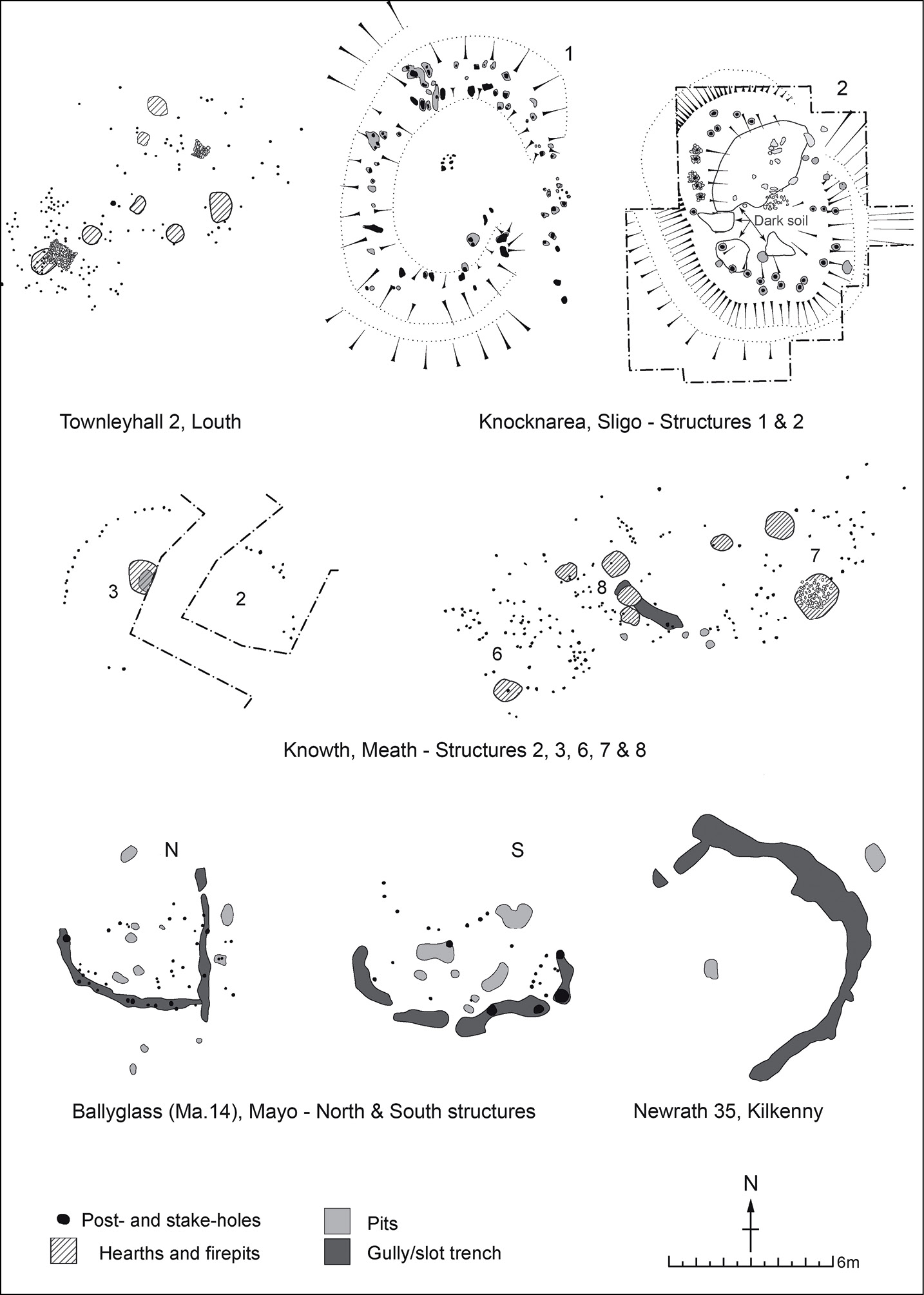
As not everyone was interred in a tomb, there must still have been an element of selection at work, but the fact that most Neolithic people were buried in archaeologically undetectable ways makes it challenging to assess who from their wider society was chosen for inclusion. A person’s age at death or sex do not appear to have been determining factors, nor their physical capacities. Men, women, and children are all found in these contexts, and a child with Down syndrome was among the individuals buried at Poulnabrone portal tomb. The picture emerging from these sites is not one of social or economic hierarchies, and when we turn to archaeological evidence relating to the activities of the living, across Neolithic Ireland this perception remains the same. Non-funerary monuments like causewayed enclosures speak of people coming together to share and redistribute resources such as food, and stable-isotope analysis on human bone from different contexts indicates a largely homogenous diet being the norm, rather than some individuals receiving better, more protein-rich foodstuffs. Domestic architecture and settlements also suggest very little differentiation among the population, with slight and fairly insubstantial buildings contrasting with the monumental scale of the collectively built passage tombs. Together, this all speaks of a society in which few people were marked out through their ownership of goods or houses. And while burial rites treated individuals in vastly different ways, these rites allowed their bodies to circulate among the living, and ended with their deposition and commingling among an even larger community of the dead. All of this reinforces interpretations of a rather flat social structure in Neolithic Ireland.
Ancient DNA is a fantastic tool for revealing genetic links between people, and the new frontier of this science – revealing biological relationships – represents an incredible advance for archaeology’s ability to reconstruct lives even in the distant past. As we have shown here, however, by situating aDNA data within both archaeological evidence and the established frameworks that archaeologists have for understanding burial rites, we can tell a richer story. Rather than imagining competitive elites using Neolithic tombs to establish and maintain their ruling positions, something more human emerges: the desire to mourn the dead in ways that kept kin and communities together in life, death, and the complicated space between the two.
Further reading:
• J Smyth, N Carlin, D Hofmann et al. (2025) ‘The “king” of Newgrange? A critical analysis of a Neolithic petrous fragment from the passage tomb chamber’, Antiquity 99 (405): 672-688; https://doi.org/10.15184/aqy.2025.63.
• N Carlin, J Smyth, C J Frieman et al. (2025) ‘Social and genetic relations in Neolithic Ireland: re-evaluating kinship’, Cambridge Archaeological Journal, First View: 1-21; https://doi.org/10.1017/S0959774325000058.
Source:
• Penny Bickle is Professor of Funerary Archaeology at the University of York.
• Dr Kerri Cleary is Editorial & Research Manager at Archaeological Consultancy Services Unit.
• Catherine J Frieman is an Associate Professor in European Archaeology at the Australian National University.
• Neil Carlin is Associate Professor in the School of Archaeology, University College Dublin.
• Daniela Hofmann is Professor of Archaeology at Bergen University.
• Jessica Smyth is Associate Professor in the School of Archaeology, University College Dublin.