Subscribe now for full access and no adverts
Organisations in the heritage sector welcomed January’s news that the Department for Culture, Media, and Sport was going to invest £1.5 billion in capital funding for the arts, cultural, and heritage sectors in England (the other three home nations have yet to say whether they will be making similar investments). Once the details began to be assessed, however, doubts and concerns started to creep in.
In particular, the new £92 million Places of Worship Renewal Fund looks generous – at first sight. In reality, this is not new money, but a replacement for the UK-wide Listed Places of Worship Grant scheme which, since 2001, has enabled some 13,000 religious buildings to reclaim the VAT levied on fabric repairs.
Last year, the Government announced that the scheme would cease on 31 March 2026, and for the final year claims were capped at £125,000 per place of worship, with a total budget for the year of £23 million – a reduction of 20% on the previous decade’s average rebate of £29.7 million a year. Some 6% of the repair schemes that were already under way suddenly had to find an additional 20% for works in excess of £125,000 – not an easy task when raising funds can take years of effort.
The £92 million allocated to the new scheme over the next four years freezes the cap at £24 million a year, without an allowance for inflation, which has been rampant in the construction sector since 2021. Funds spent on repairs above the cap will now be subject to VAT for the first time, so the scheme will partly pay for itself. Clever people these Treasury types – distributing largesse with one hand while clawing it back with the other.
It was easy to make a claim under the previous Listed Places of Worship Grant Scheme – you just had to submit the relevant receipts online. Historic England will administer the new scheme and has not yet revealed how it will be implemented. The sector fears that the process will become more burdensome on churches, which rely on volunteers and do not have experienced staff who can navigate complex funding applications.
The press release accompanying the announcement claimed that the new fund will ‘give places of worship the same level of financial support from the government as historic houses, monuments, and other heritage sites’, and that ‘as the cost of living continues to affect families across Britain, funding for our treasured cultural venues will ensure vital, affordable, and welcoming spaces are available for communities to come together and celebrate what makes their local area special’.
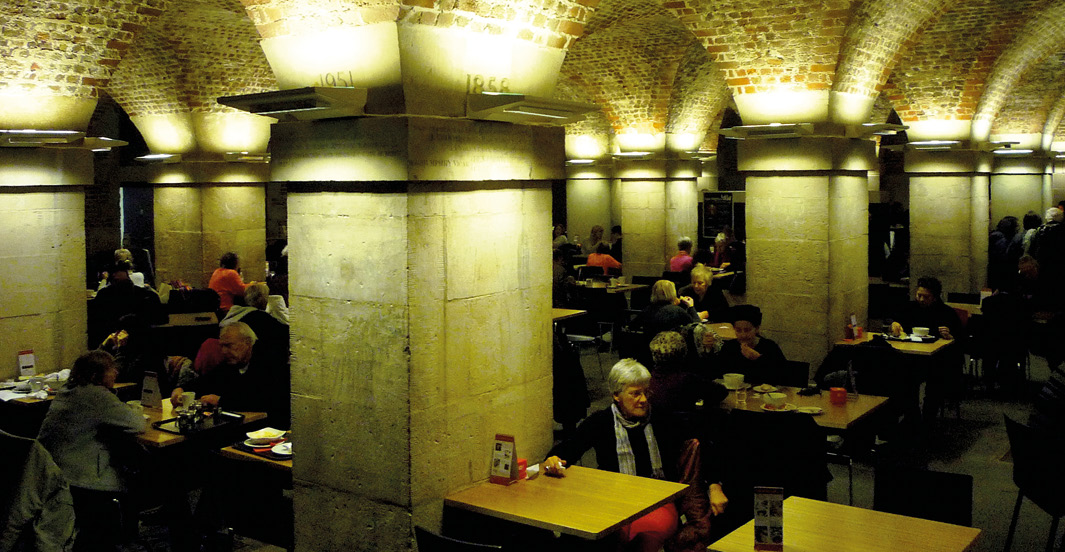
As the National Churches Trust (NCT) has pointed out, places of worship – unlike historic houses and other heritage sites – are already home to numerous activities that support the local community, including foodbanks, Fairtrade shops, post offices, and cafés. Many provide mental health support and warm spaces (literally and metaphorically), offering the poor and the lonely a refuge from the cold and a chance to be part of a community.
A rigorous economic assessment published as ‘The House of Good’ by the NCT in 2020 showed that these activities save the NHS more than £55 billion a year. The least the UK Government could do in return is maintain the minuscule level of support that has been available in the past. Not to do so makes hollow the claim that the new money ‘turns the corner on underfunding over the last decade’ and ‘places culture back at the heart of our national identity’.
Never good enough
Another aspect of the DCMS announcement that caused quiet seething within the sector was the finger-wagging tone. For the last 30 years, politicians have repeatedly chastised the heritage world for not being sufficiently inclusive or accessible, and yet, over the same period, no sector has done more to deliver inclusivity and accessibility.
These achievements seem never to be good enough. In her speech introducing the ‘bumper £1.5 billion package to restore national pride’, Culture Secretary Lisa Nandy once again characterised the sector as falling short of the ideal. ‘Arts belongs to everybody and we are determined to ensure that wherever you live in the country, whatever your background, access to arts and culture belongs to you’, she declared. She praised the outreach work of the Royal Shakespeare Company and demanded that other cultural institutions follow their example and ‘open the doors to the whole community’, as if this were a new idea that the sector had never considered or delivered.
Perhaps the (London-based) civil servants who brief the Culture Secretary, write her speeches, and draft DCMS press releases should get out more and see how much the sector is actually delivering on the ground in churches, chapels, libraries, archives, and museums up and down the country – often providing vital social services well beyond their core remit, filling the gaps where local authorities have made cuts. They might be surprised at what they discover – perhaps then they will begin to celebrate the sector’s achievements, instead of falling back on lazy rhetoric about its alleged failings.
Free entry
Inclusivity and accessibility are underpinned by the policy of universal free admission to national museums and galleries, which was introduced on 1 December 2001. This initiative contrasts with practices in other parts of the world, where two-tier pricing is becoming the norm. The Louvre in Paris, for example, raised admission prices for most non-European visitors by 45%, from €22 to €32, on 14 January 2026. Differential pricing is soon to be introduced at Versailles, the Paris Opera, and Sainte-Chapelle, too.
These prices do not seem to deter tourists. The Louvre received 8.7 million visitors in 2024, the Vatican museums (€20 to €25) 8 million, and the Metropolitan Museum of Art in New York ($30) 5.7 million. The Prado charges €15 and sees 3.5 million visitors a year which, says the Director Miguel Falomir is enough. ‘The Prado doesn’t need a single visitor more’, he told a recent press conference at which he announced that plans were being drawn up to limit the number of admissions to ensure it ‘does not become like the Louvre’.
In the UK, this has reignited the debate about charging for entry to the often-crowded national museums and galleries (the British Museum’s 6.5 million visitors make it the third most-visited in the world). The Treasury considered ending free entry as part of spending cuts in the November 2025 budget. This would have saved the £480 million in grant-in-aid that is meant to compensate England’s 15 museums and galleries for the loss of admission fees (one gallery director famously said some years ago that the amount they received just about paid to switch the lights on – the remaining costs these days are borne by special exhibitions, café and shop sales, and sponsorship).
Generating an income is more difficult for provincial museums such as the Museum of Oxford, where the local authority has introduced a new £4 entry charge, aiming to eliminate its £100,000-a-year deficit. The £152,000 grant that the museum receives from the City Council has been described as a ‘generous subsidy [that] is not sustainable and cannot continue’.
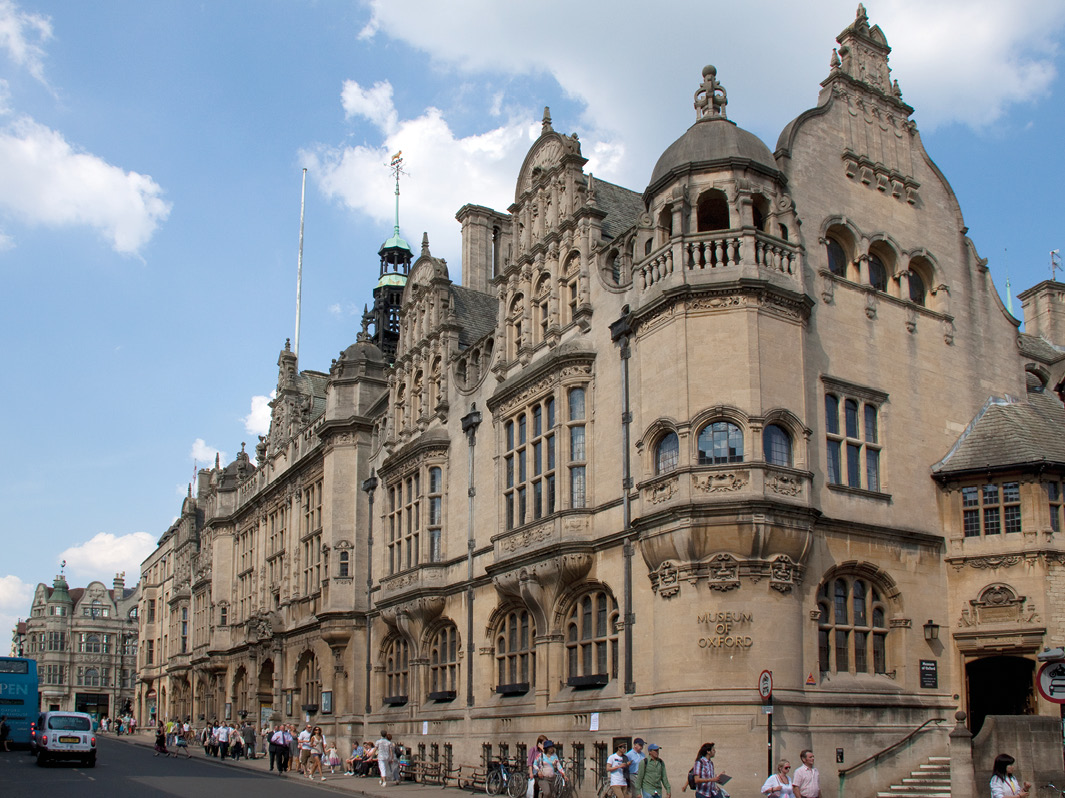
The Save Our Museum campaign argues that the aspiration for the museum to be self-sustaining is unrealistic, and that it was not set up to be a charged-for attraction: ‘the museum was designed to engage and represent communities, to welcome and open up the city’s history to schoolchildren, families, and all of the diversity this incredible city of ours has on offer’ (Culture Secretary, please take note).
Oxford’s campaigners might gain succour from the news from Banbury, where 3,700 residents signed a petition opposing the district council’s plan to cease funding the town’s museum. ‘Recognising how passionately residents feel about the museum’s special role in the community’, the authority has now decided to maintain funding at the current level in 2026/2027, reducing by c.£25,000 a year over the ensuing three years, giving time for the trustees to find additional support for the museum’s future.
In an age when Government budgets for just about any kind of expenditure are measured in billions of pounds, these cultural subsidies are tiny, but the value they give back to the community is huge.