Subscribe now for full access and no adverts
According to an Egyptian legend, honey was born from Ra’s tears, which explains why the ancient Egyptians ascribed so many virtuous properties to this natural product. From the earliest times, it was incorporated in food and used in medicine, mainly to heal wounds and to treat coughs. But, if its therapeutic properties are universally known, as well as its sweetness, honey also had, in the eyes of Egyptians, some quite unusual beneficial properties. This article will explore them and check whether their effectiveness can be proved or disproved by modern science.

A natural contraceptive?
Many medical and medico-magic treatises have come down to us from ancient Egypt. One of the most ancient is the Kahun Papyrus, written at the end of the Middle Kingdom (c.1850-1750 BC). Mainly focused on gynaecology, it includes simple methods to avoid becoming pregnant. One of these prescriptions, the text of which is unfortunately very incomplete, proposes pouring honey, probably mixed with other ingredients, into the patient’s vagina:
“Another preparation. … a henu-vase of honey. [This] will be introduced in her vagina. Prepare this with a solution of natron”.
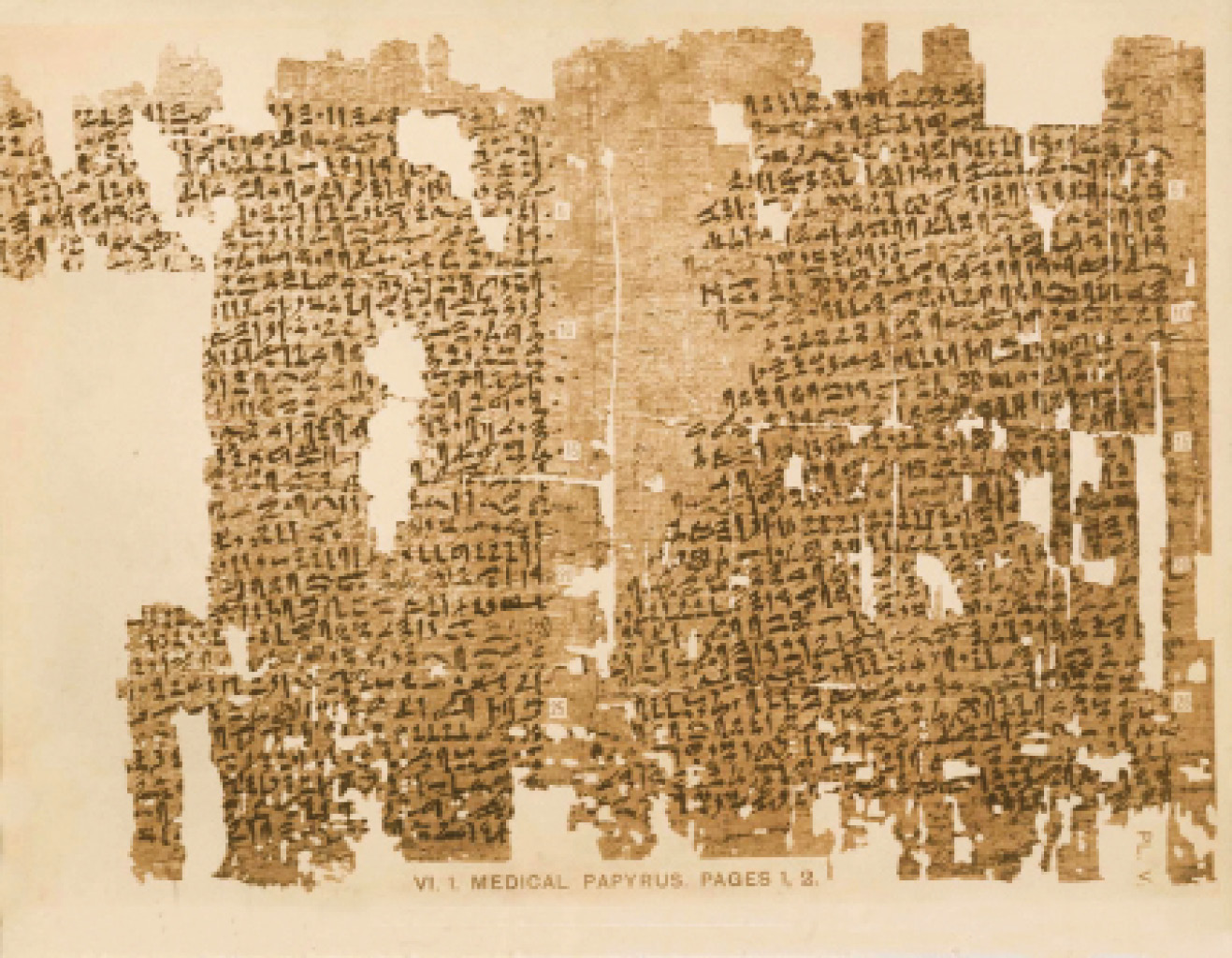
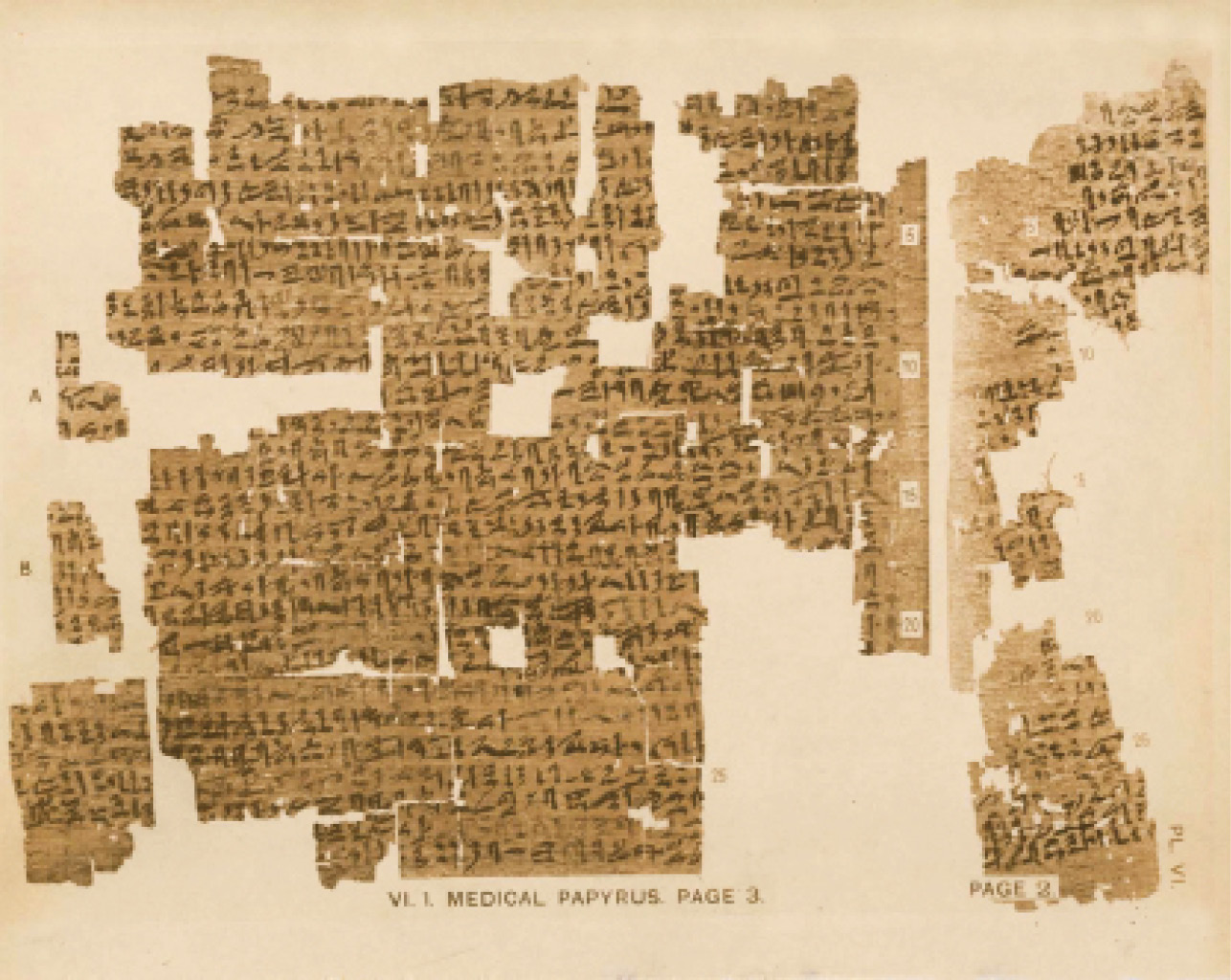
Although it is not possible to know what other ingredient(s) were recommended, we may note that as well as honey, the potion included natron, which was traditionally used by embalmers to desiccate bodies in preparation for mummification. And, as improbable as this seems, the chances of success of such a procedure were high. Dr Richard-Alain Jean, an independent medical researcher and author of a very interesting article about contraception and experiments designed to determine the spermicidal properties of different products, highlighted the fact that simple contact of the sperm with honey and natron was enough to immobilise and kill them. These two components break the cell membranes, and produce a reduction of arterial pressure, which provokes the death of the cells by osmotic imbalance.
Another prescription, in the later Ebers Papyrus, recommended honey to prevent pregnancy. Measuring slightly more than 20 metres long, this medical treatise was written at the beginning of the New Kingdom (c.1550 BC) and comprises some 700 prescriptions from different scholars, dealing with a wide range of illnesses and pathologies. One of these was addressed not to all women, but to mothers who did not want further pregnancies:
To cause a woman to stop being pregnant, be it one, two or three years: part of acacia, colocynth, dates, finely ground in a hin of honey; fibres are moistened therewith, introduced into her vagina.