
Subscribe now for full access and no adverts
To enter Cressing Temple is to step back from the hurly-burly of modern Essex into a remarkable haven of timeless tranquillity in the form of a former manor that was granted to the Knights Templar in 1136 and has remained almost unchanged since. It is home to two magnificent buildings – the Barley Barn, built 1205-1235 (officially the oldest standing timber-framed barn in the world) and the Wheat Barn, built 1257-1280. Both form part of an estate that was acquired by Essex County Council in 1987 to protect and conserve the site as a centre for conservation studies and public engagement. The Great Storm of 15/16 October 1987 then stripped the roofs, leaving the new owners with the unexpected cost of replacing 90,000 peg tiles.
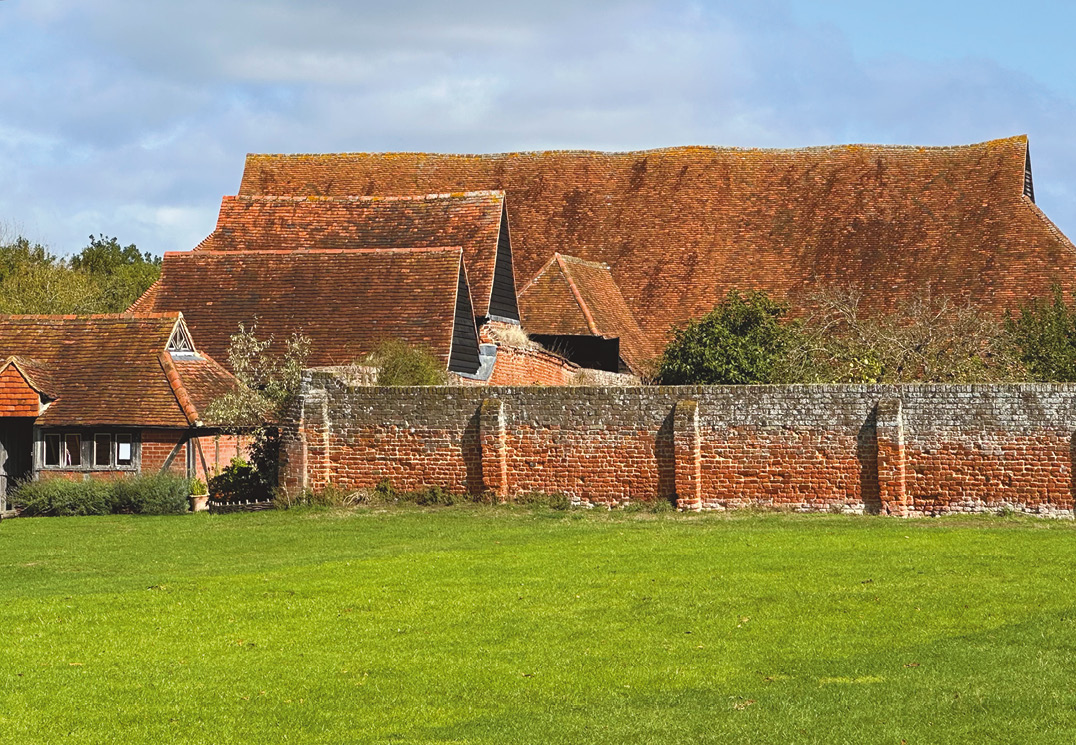
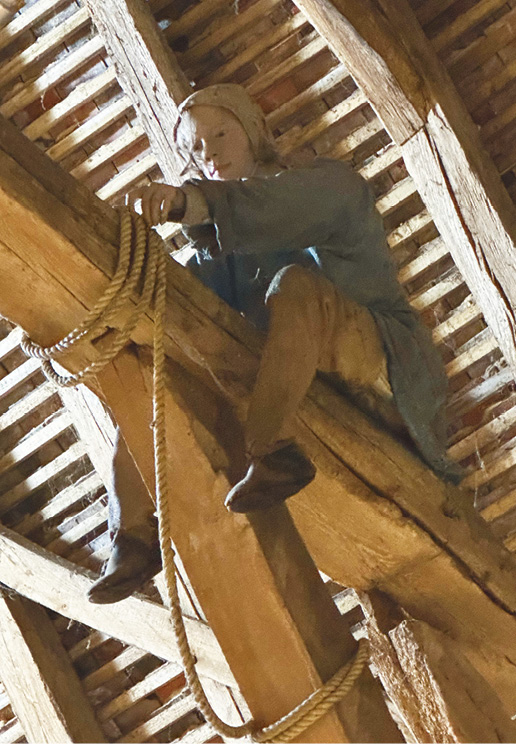
Tucked into one corner of the Wheat Barn, dwarfed by the mighty aisle posts that help to support the huge weight of the roof (about 55 tons per barn), there is a small exhibition dedicated to the pioneering work of Cecil Hewett (1926-1998), along with copies of his trademark isometric drawings and an example of the kind of models that he built to help understand medieval carpentry. Hewett’s firm belief that the barns were built in the 13th century proved to be controversial in 1969, when he published his landmark study, The Development of Carpentry, 1200-1700, but the advances in tree-ring dating techniques that took place a decade later were to prove him right.
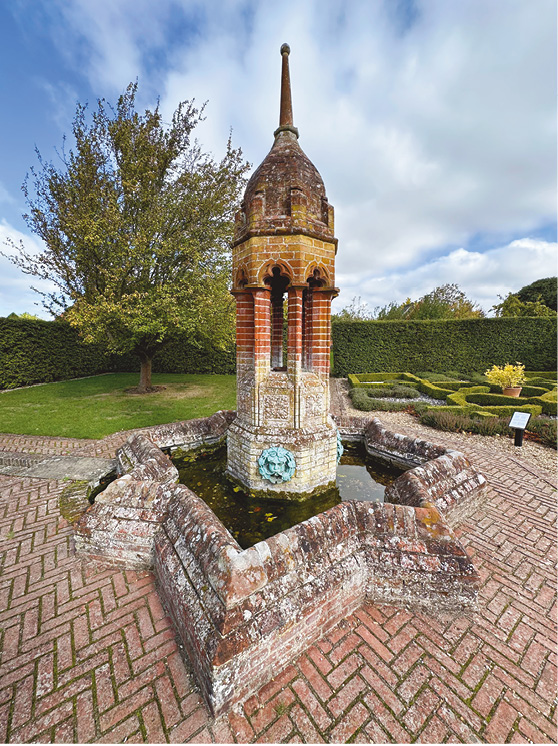
Along with the barns, the site includes a Tudor walled garden: all that remains of the mansion built by Sir John Smyth, who acquired the manor in 1550. The Friends of Cressing Temple have made this garden their own, using evidence from 16th-century manuscripts to inform the planting and design. The Friends now maintain the garden, along with a community vegetable garden and heritage orchard, and they also offer guided tours of the whole site.
Recently the Friends have embarked on a new ‘Working Farm’ project. This will see the restoration and display of the antique farm machinery that is scattered around the site in various farm buildings. Videos will enable visitors to see how the equipment was used, highlighting the ways in which farming life changed before and after the age of mechanisation.
Further information: https://thefriendsofcressingtemple.org
Images: Christopher Catling

Is there a society that you would like to see profiled? Write to theeditor@archaeology.co.uk