
Subscribe now for full access and no adverts
There were nine sailmakers in West Coker at the start of the 19th century, and the bleaching fields around the Somerset village were white with canvas sheets laid out in the sun. ‘Coker canvas’ became the generic name for the best-quality sailcloth, wherever it was made. In 1813, it became the ‘Navy standard’.
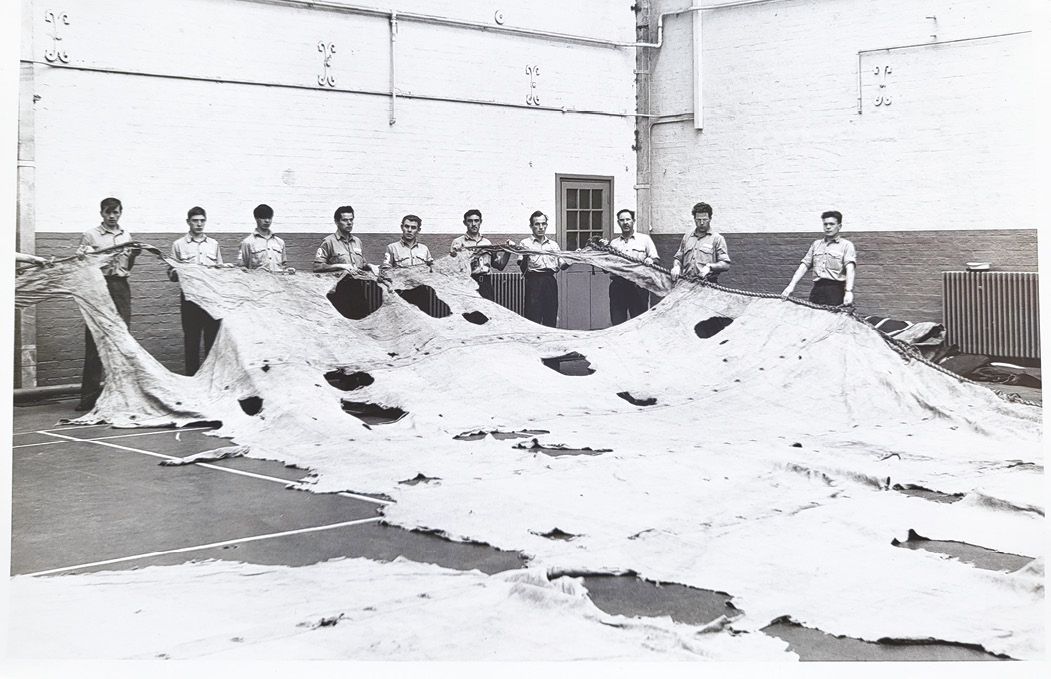
Coker canvas gained its superior qualities by virtue of being ‘bucked in the yarn, not in the sail’. Yarn used to make the canvas was waterproofed by being boiled in an unsavoury stew of animal skins and intestines before it was woven. This increased its ability to buck (cast off, or shed) sea spray and heavy rain and resist ice and snow in Arctic waters.

In the 19th century, ships each required several acres of sail, made up by sewing together 30 or more individual pieces of canvas, each about 100ft long and 2ft wide. Coker canvas was supplied to both fleets in the battles of 1812-1815 between the American and British navies, which encouraged the rapid expansion of the Somerset-based industry. West Coker had become the centre of manufacture because the local soils were perfect for growing flax and hemp, the raw materials used for canvas twine, though, as demand grew, local manufacturers increasingly imported their raw materials from the Baltic.
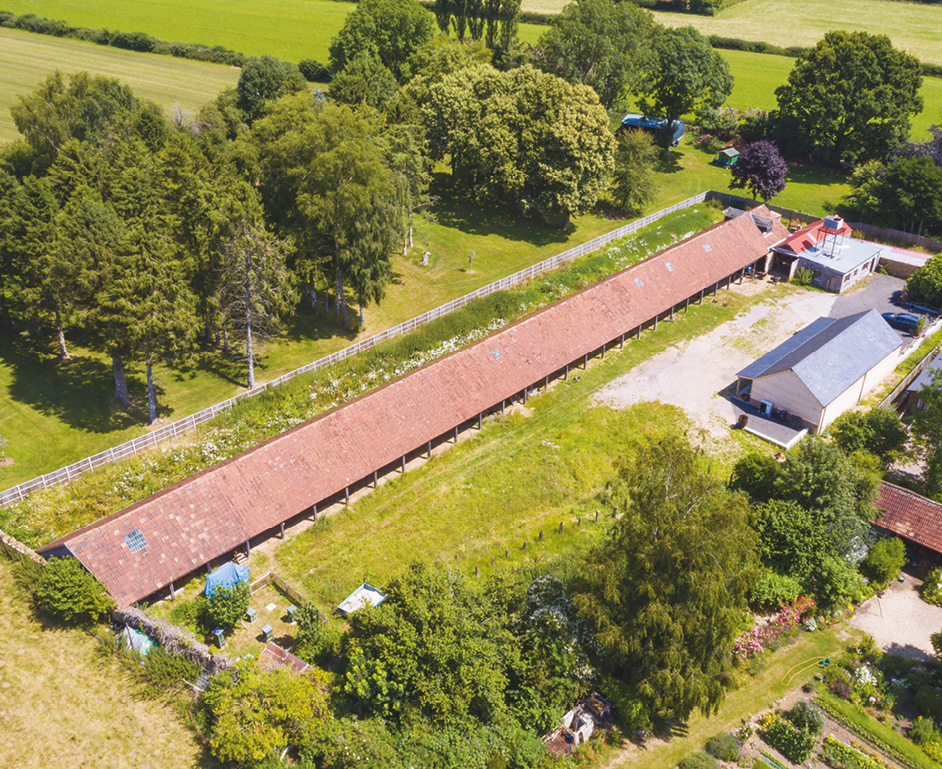
Steam-powered vessels killed the sailcloth trade, but Dawes Twineworks, in the centre of West Coker, survived up to 1968 by producing yarn for use in making tent canvas, windbreaks, and webbing. The Victorian twineworks (listed at Grade II*), with its 300ft twine walk and much of its original machinery, was then mothballed until 2005, when its heritage importance was recognised. At this time, conservation work began under the management of the Coker Rope & Sail Trust, which now opens it as a visitor attraction, with guided tours and a small museum and café.
Though listed as ‘an endangered craft at risk of extinction’ by the Heritage Crafts Association, the art and skill of making Coker canvas has undergone a recent revival, thanks to the Isle of Wight-based firm of Ratsey & Lapthorn, which once made sails for yachts competing in the America’s Cup and continues to make traditional sails for luxury yachts – as well as canvas travel luggage.
Further information: https://westcoker.net/home-page/ropewalk/

Text: C Catling / Images: Graffeg Publishing; Coker Rope & Sail Trust; National Museum of the Royal Navy

Is there a society that you would like to see profiled? Write to theeditor@archaeology.co.uk