
Subscribe now for full access and no adverts
Gustavus Theodore von Holst was born in Cheltenham, Gloucestershire, just over 150 years ago, on 21 September 1874. (He changed his name to plain Gustav Holst because of anti-German feeling during the First World War.)
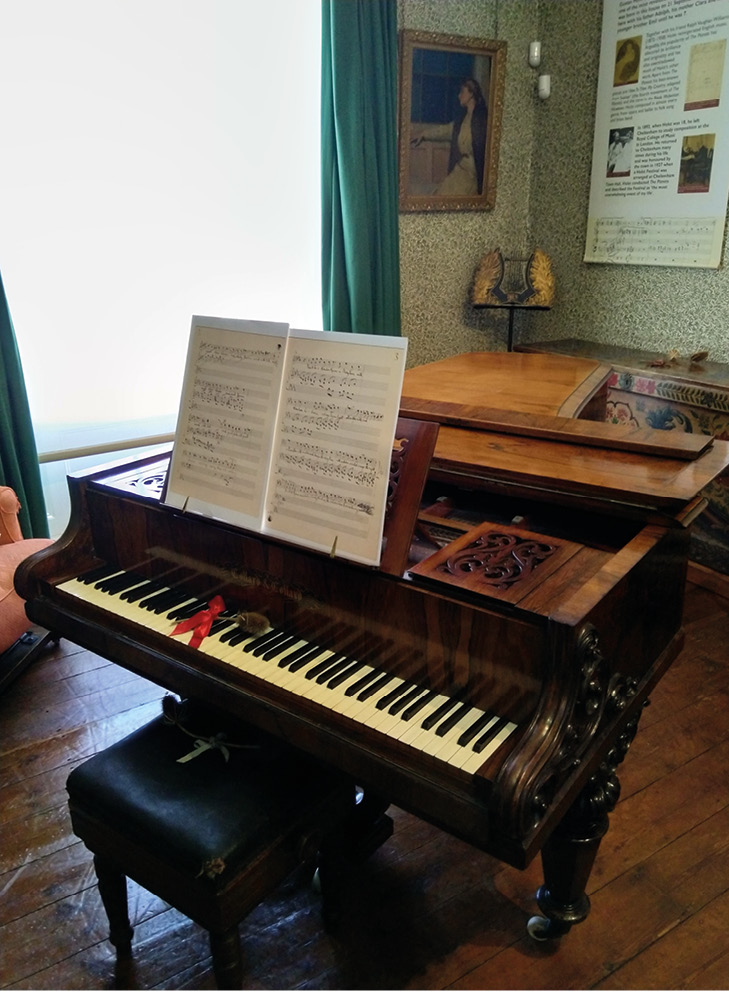
His birthplace is now a small independent museum, run by volunteers who do everything from winding clocks and gardening to tuning the grand piano that fills the front room. This was the instrument on which Holst composed The Planets between 1914 and 1916 at his home in Thaxted, Essex – the place to which he escaped during holidays from teaching at St Paul’s Girls’ School in Hammersmith (for whose students he composed the folk-influenced St Paul’s Suite in 1912-1913).
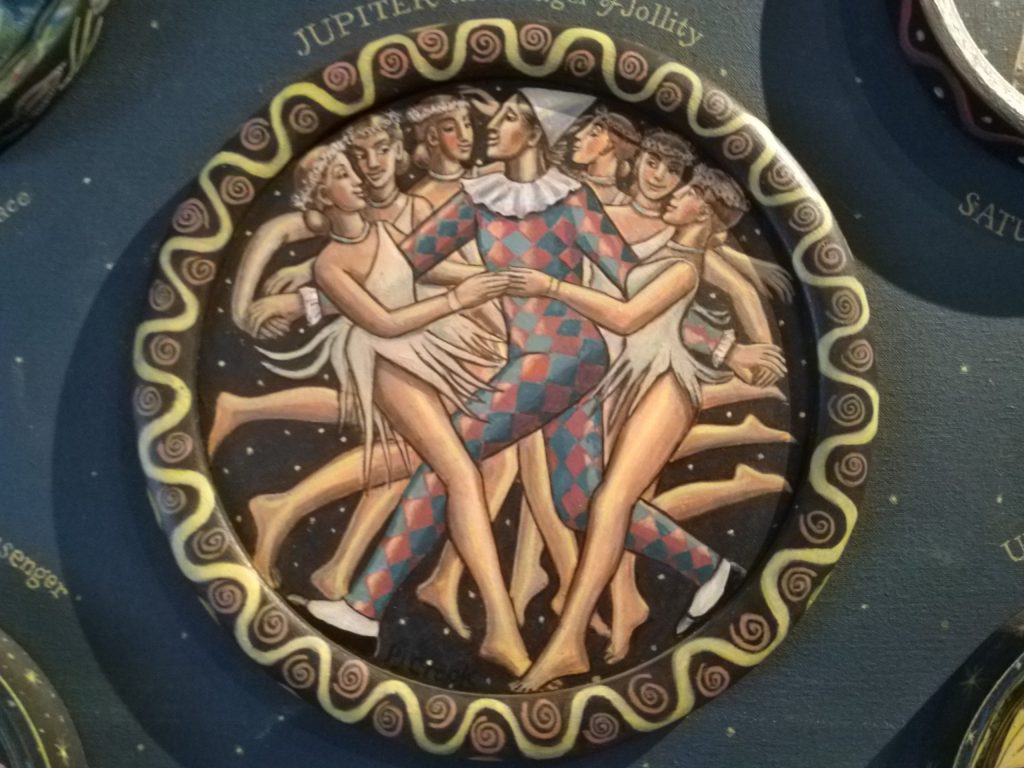
The Planets was considered at the time to be too musically radical for audiences to consume in one sitting, so early performances were limited to a selection of the seven movements. By 1920, however, word had spread and the suite was being hailed as a masterpiece: Holst was on his way to the international fame that this shy man never welcomed nor enjoyed.
Because the Holst family only lived at the house for eight more years after Gustav’s birth, the museum tells the story of all its residents, from the conventional middle-class families of the Victorian era to the bohemian art students who rented its rooms in the 1960s – just before Holst’s daughter Imogen led the campaign that resulted in the house becoming a museum in 1975 (she also donated the piano).
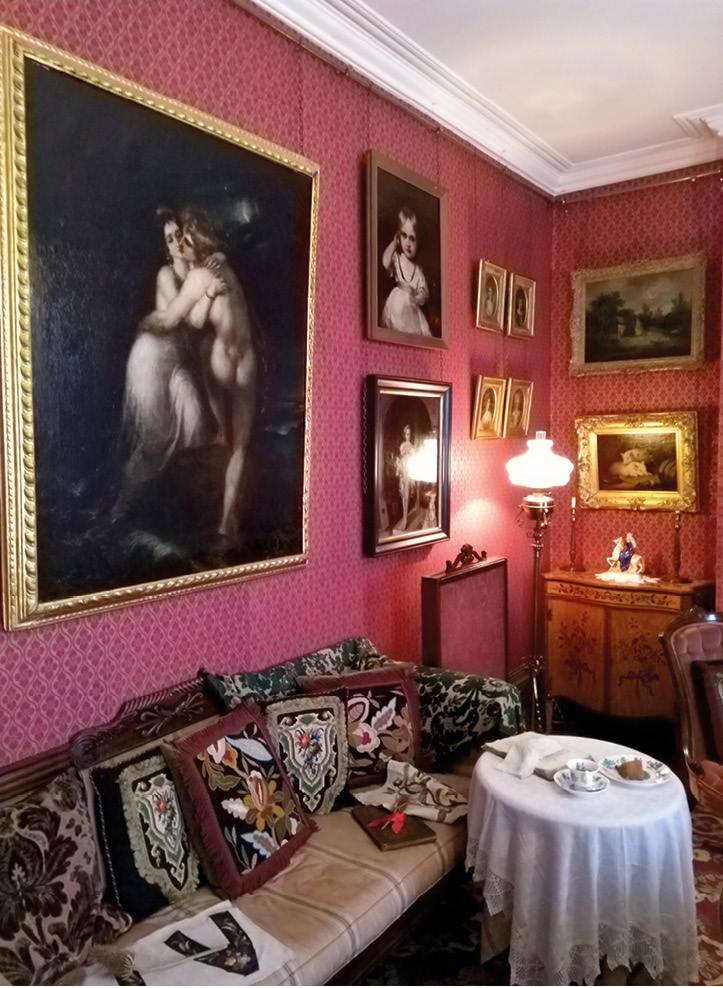
You might be forgiven for thinking that the wildly dramatic paintings on the walls of the first-floor drawing room were produced by those students. They are, in fact, much older: the work of Theodor von Holst (1810-1844), Gustav’s great-uncle. Their supernatural and darkly erotic themes reflect the fact that Theodor studied under Henry Fuseli (1741-1825), best known for his psychologically searing painting The Nightmare (1781).
The museum is planning a special exhibition of Theodor’s work in 2026 – a good reason for visiting; and, if you live in Cheltenham or nearby, the Holst Victorian House is always keen to recruit new volunteers.
Further information: https://holstvictorianhouse.org.uk
Text & Images: Christopher Catling

Is there a society that you would like to see profiled? Write to theeditor@archaeology.co.uk