Subscribe now for full access and no adverts
Bayeux Tapestry to come to London
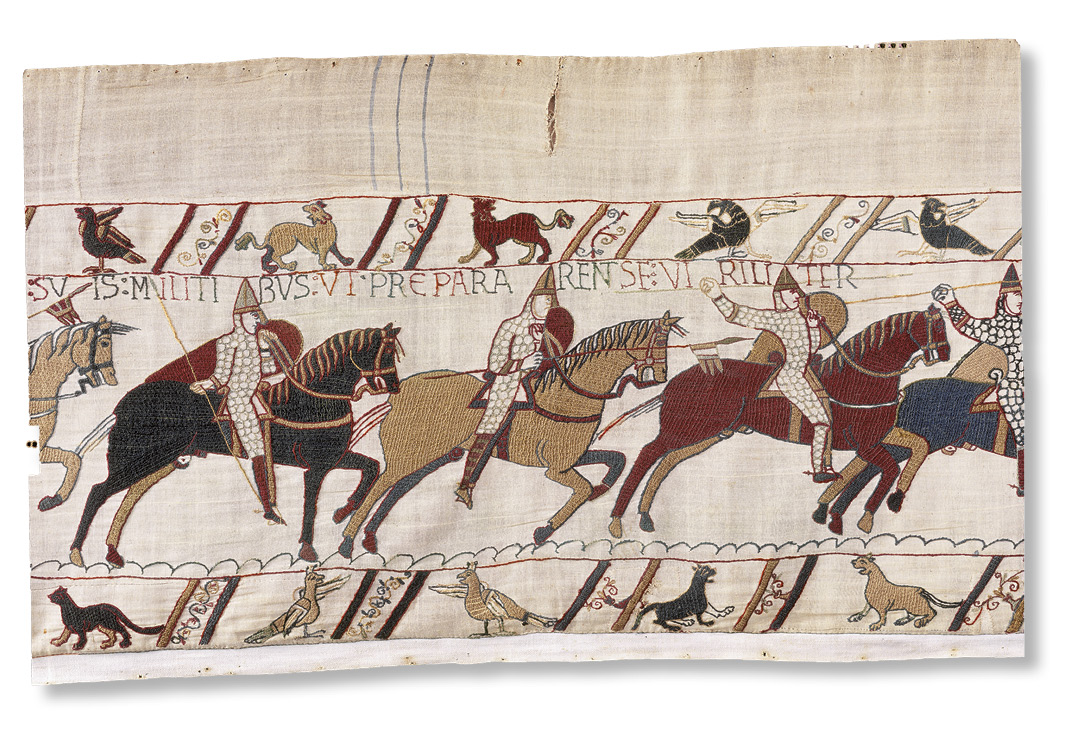
The Bayeux Tapestry is set to return to England for the first time since its creation almost 1,000 years ago, following a historic loan agreement announced by the UK and French governments.
The 70m-long (230ft) embroidery features 58 scenes and Latin text, created with colourful woollen yarn on a linen base, which depict events between 1064 and 1066, culminating in the Battle of Hastings. Although thought to have been created in Britain, it presents a Norman viewpoint, supporting William I’s claim to the English throne. Its details offer invaluable insights into 11th-century architecture, armour, and seafaring, as well as glimpses of everyday life and important locations like Harold Godwinson’s stronghold at Bosham, West Sussex (see CA 421).
The Tapestry will be displayed at the British Museum in autumn 2026 as part of a major exhibition exploring this watershed period of history, together with objects from the museum’s collections and other loans. In exchange, artefacts from the institution’s collections representing all four nations of the UK – including some of the Sutton Hoo treasures and the Lewis Chessmen – will be loaned to museums in Normandy, France.
Alfred in Exeter
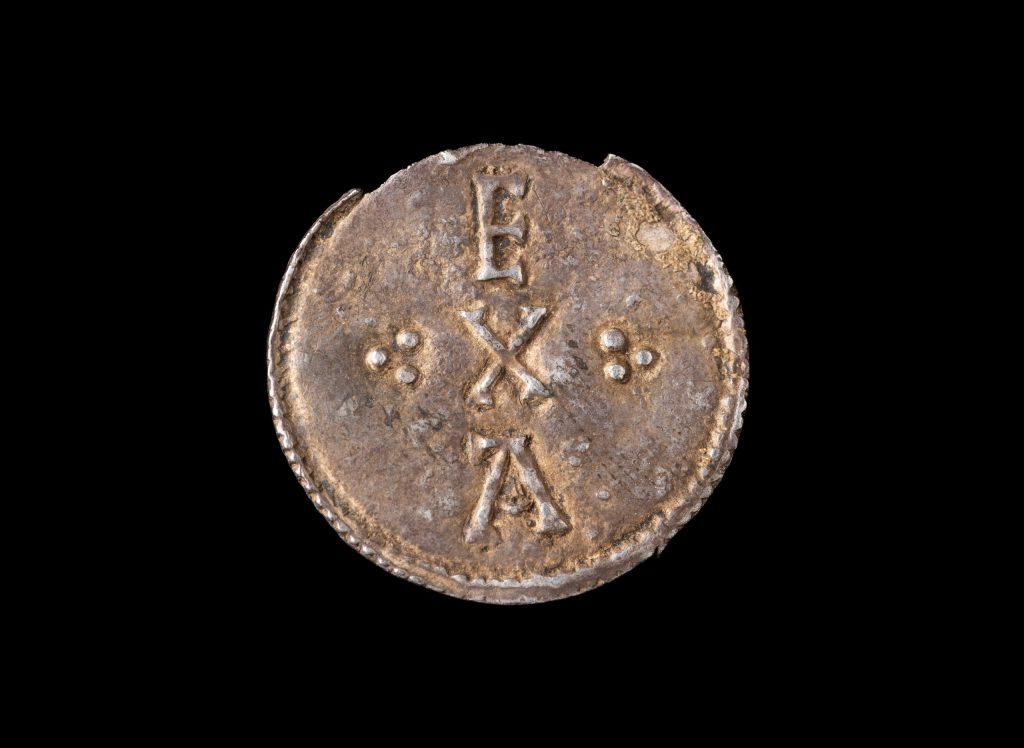
Also returning ‘home’ is a silver penny of Alfred the Great, representing the earliest coin-type issued in Exeter, which was recently acquired by Exeter City Council’s Royal Albert Memorial Museum & Art Gallery (RAMM).
Minted c.895-899, the penny bears the text AELFRED REX SAXONUM (Alfred King of the Saxons) on one side and, on the other, EXA (Exeter), the earliest-known use of the Anglo-Saxon settlement’s name. It had travelled a long way from its place of origin, however, and was ultimately buried as part of the Cuerdale Hoard of Viking silver that was discovered near Preston, Lancashire, in 1840. Since then the penny has passed through numerous private collections, but recently came up for auction, and the RAMM was able to purchase it.
Only two other examples of this type of coin are known, both now housed in the collections of the British Museum. One of these was also found within the Cuerdale Hoard, while the other comes from a cache of 883 Anglo-Saxon pennies that was discovered at Morley St Peter, Norfolk, in 1958.
For more information about the RAMM, see http://www.rammuseum.org.uk.
Becoming Shakespeare
The importance of ‘home’ – or, rather, William Shakespeare’s hometown – forms a key theme, too, in a new permanent exhibition that has recently opened at Shakespeare’s Birthplace in Stratford-upon-Avon.
Combining historical narratives, audiovisual experiences, and displays of artefacts contemporary with his lifetime, Becoming Shakespeare traces the Bard’s early influences – from his family and local surroundings to his education and contemporary Warwickshire society – examining how these may have shaped his worldview and his celebrated ability to understand and express the human condition.
Entry is included in admission to Shakespeare’s Birthplace; see http://www.shakespeare.org.uk for more details.
New exhibitions
Magna Carta 1225
Burlington House, London
Until 19 September 2025
http://www.sal.org.uk/event/magnacarta
Romans, Britons & Abingdon: after the oppidum
Abingdon County Museum
Until 28 September
http://www.abingdon.gov.uk/abingdon-county-hall-museum/museum-whats-on
Seeds of Time: Scottish gardens 1600 to present day
Fort George, Inverness
Until 20 October 2025
http://www.historicenvironment.scot/visit-a-place/whats-on
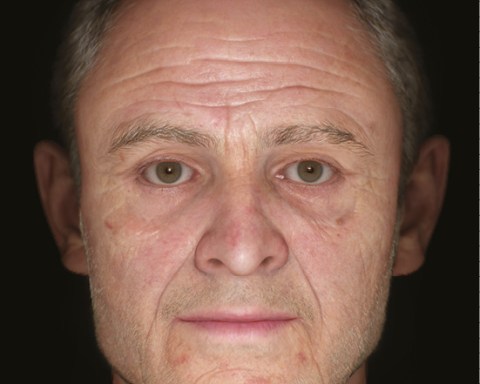
Edinburgh’s First Burghers: revealing the lives and hidden faces of Edinburgh’s medieval citizens
St Giles’ Cathedral, Edinburgh
Until 30 November 2025
http://www.edinburgh.org/900/event
The Dig: a story unearthed
Sutton Hoo, Woodbridge
Until 25 January 2026
http://www.nationaltrust.org.uk/visit/suffolk/sutton-hoo/events
Last chance to see
A Day in the Life: meet the people who lived in Thame before you
Thame Museum
Until 31 August 2025
http://www.thamemuseum.org