
Subscribe now for full access and no adverts
Marie Antoinette is a combination of icon and enigma, her story often reduced to a vertiginously coiffed silhouette, an anecdote about cake, and a tragic death beneath the guillotine. Between glamorous fashion-plate and emblem of tone-deaf extravagance, though, stands a much more nuanced figure, and Marie Antoinette Style, a recently opened exhibition at the V&A in London, searches for the real woman behind the glitter, while exploring the carefully curated images that were as much a part of her life as her legacy.
Visitors encounter the young Maria Antonia, who left her native Austria at the age of 14 for a diplomatic marriage and swiftly changed her name, her appearance, and even her style of walking (perfecting the ‘Versailles Glide’) to fit in with the French court. Successive transformations were equally dramatic, and the exhibition traces the queen’s journey from fashion influencer to reviled scapegoat to the doomed figure of Prisoner No.280, as well as her posthumous reinvention as a muse for modern designers and film-makers.
To help bring this kaleidoscopic characterisation into clearer focus, the V&A draws together over 250 objects, including rare survivals from Marie Antoinette’s own possessions (most of which were looted, sold, or lost during the French Revolution). These include the queen’s Wardrobe Book, open at a page documenting the 101 silks that had been purchased in 1782, representing just some of the new gowns that she would have ordered that year. Marie Antoinette’s vast collection of dresses was rifled during the storming of the Tuileries Palace in 1792, and only a few fragments survive, but the exhibition includes two of her shoes and a black lace collarette (all touchingly tiny), complemented by a colourful array of court gowns owned by the queen’s contemporaries. Poignantly, the only complete garment associated with Marie Antoinette to be found in the displays is the simple chemise that she wore during her final imprisonment.

The queen’s jewels are better preserved, as many were smuggled abroad when the royal family tried to flee in 1791. Those on show are astonishingly opulent, including rings, gem-encrusted bows and shoe buckles, and a pendant with a pearl the size of a grape. Even the more intimate objects that visitors encounter later, such as the queen’s spittoon and other toilet items, are made from silver and gilded porcelain. When viewed alongside the ribbon-adorned gardening tools with which she played out peasant fantasies at her rural retreat in the grounds of Versailles, they highlight the stark social stratifications faced by her subjects.
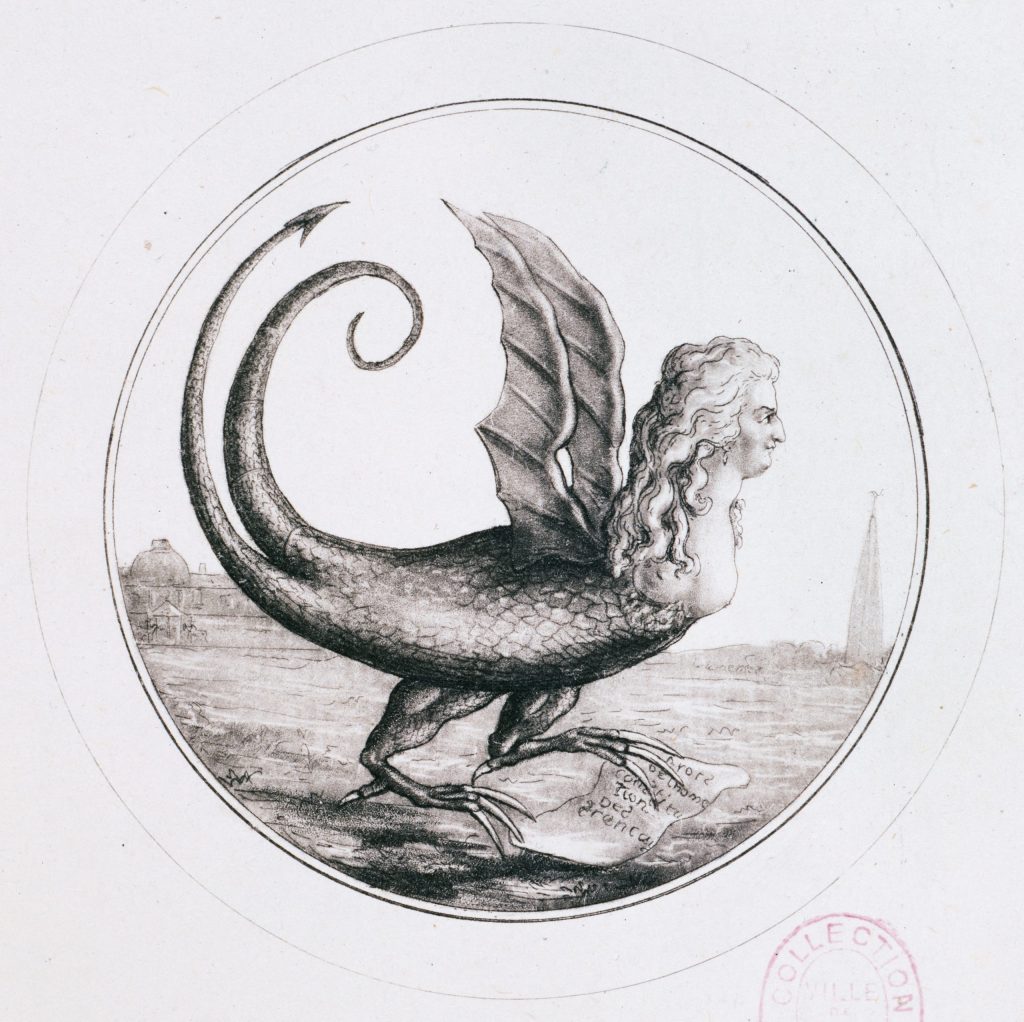
As public discontent grew, Marie Antoinette became a lightning rod for this resentment, fuelled by savage satires and sexually explicit pamphlets. Until this point in the displays, visitors have been surrounded by tinkling music and pastel colours, but they then pass through an ominously humming dark red tunnel to be confronted by a guillotine blade (reputedly the one that severed the queen’s head) that was displayed in Madame Tussaud’s ‘Chamber of Horrors’ for over a century, as well as a photograph of her wax death mask (which was lost in a fire in 1925). These items highlight how Marie Antoinette’s death attracted macabre fascination, but the same space also includes the chemise mentioned above, and the queen’s prayer book, in which she wrote an anguished final note on the morning of her execution.
Emerging from this space into the colourful final displays exploring Marie Antoinette’s cultural afterlife feels like coming up for air, but even amid this burst of life and colour, you do not forget the woman at its heart, nor the modern resonances of political violence, celebrity, and social inequality. There is a lot of substance to Marie Antoinette Style.
Further information: Marie Antoinette Style is at the V&A Museum in London until 22 March 2026. See http://www.vam.ac.uk/exhibitions/marie-antoinette for more details.
Images: courtesy of CC0 Paris Musées, Musée Carnavalet – Histoire de Paris/© Victoria and Albert Museum, London