Subscribe now for full access and no adverts
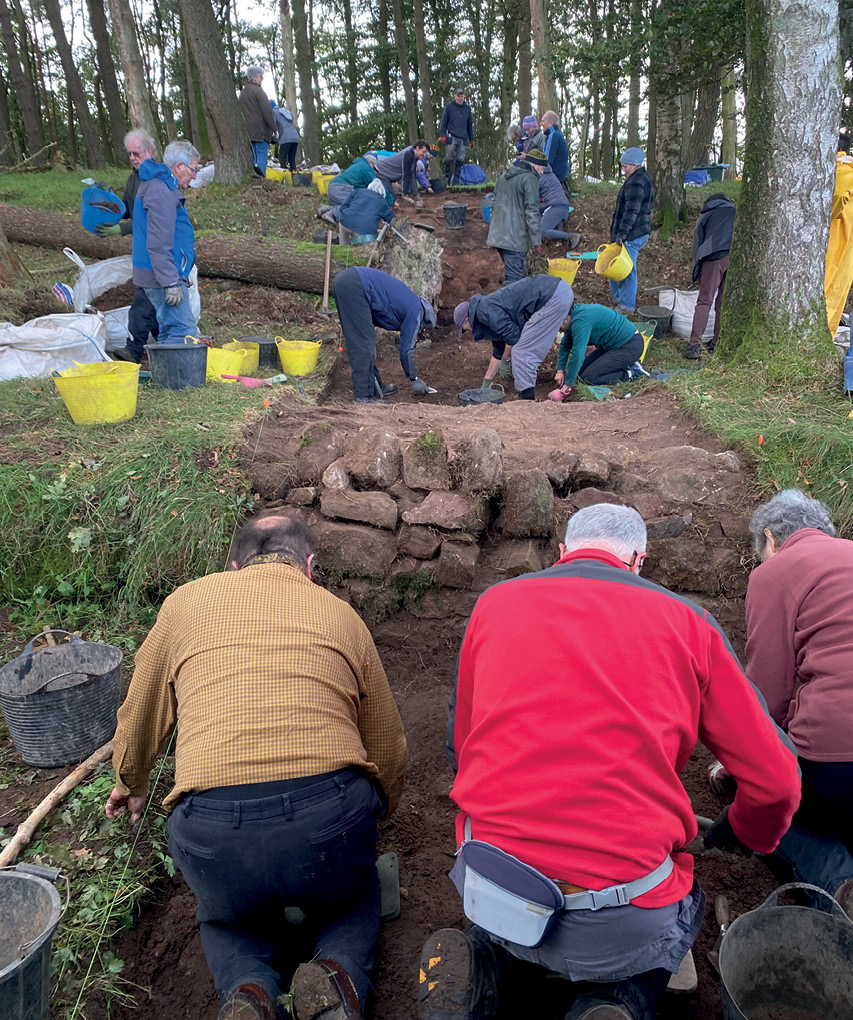
Located close to Arundel in bucolic Sussex, the villages of Burpham and Wepham have classic Anglo-Saxon names – but their residents recently helped to uncover a story stretching far before and beyond the early medieval period. In 2024 and 2025, Worthing Museum partnered with Worthing Archaeological Society (WAS) and local volunteers to carry out a major series of excavations within Burpham parish, digging more than 30 test-pits in private gardens and opening five large trenches over the enigmatic defensive ditch of the promontory fort that gives Burpham its name. These combined efforts recovered 17,000 artefacts, helping to tell a new history of how both villages developed – though the earliest finds from the Burpham Big Dig date to a period long before humans called this area home.
These were a series of fossils – sea urchins and sponges – from the Cretaceous chalk on which the Downland parish sits. The presence of these marine species highlights how much the landscape has changed since they lived 70 million years ago – and, in fact, it is likely that at least some of the fossils may have been found higher up on the Downs and brought back by curious locals before they were lost in garden plots, providing a tangible link between the area’s distant and much more recent past.
The oldest human-made finds, meanwhile, were flint tools, including tiny microliths, from the Mesolithic period. They speak of early hunter-gatherers moving through the riverine landscape around Burpham, hunting game and fowl and probably (though we have no direct evidence from the Big Dig) using traps to catch fish and eels in the Arun. The largest number of worked flints, though, dates to the Neolithic, demonstrating that the earliest farmers in Britain were present here c.6,000 years ago, clearing woodland for their livestock to graze. A particularly fine find from the parish is a pristine Neolithic flaked axe, which was discovered during a field-walking survey in 2025. Its raw material was almost certainly extracted from the chalk at one of the substantial flint-mining complexes that are known to have operated on the Downs above Worthing, just 2 miles (3km) to the east (see CA 389).


Rethinking ramparts
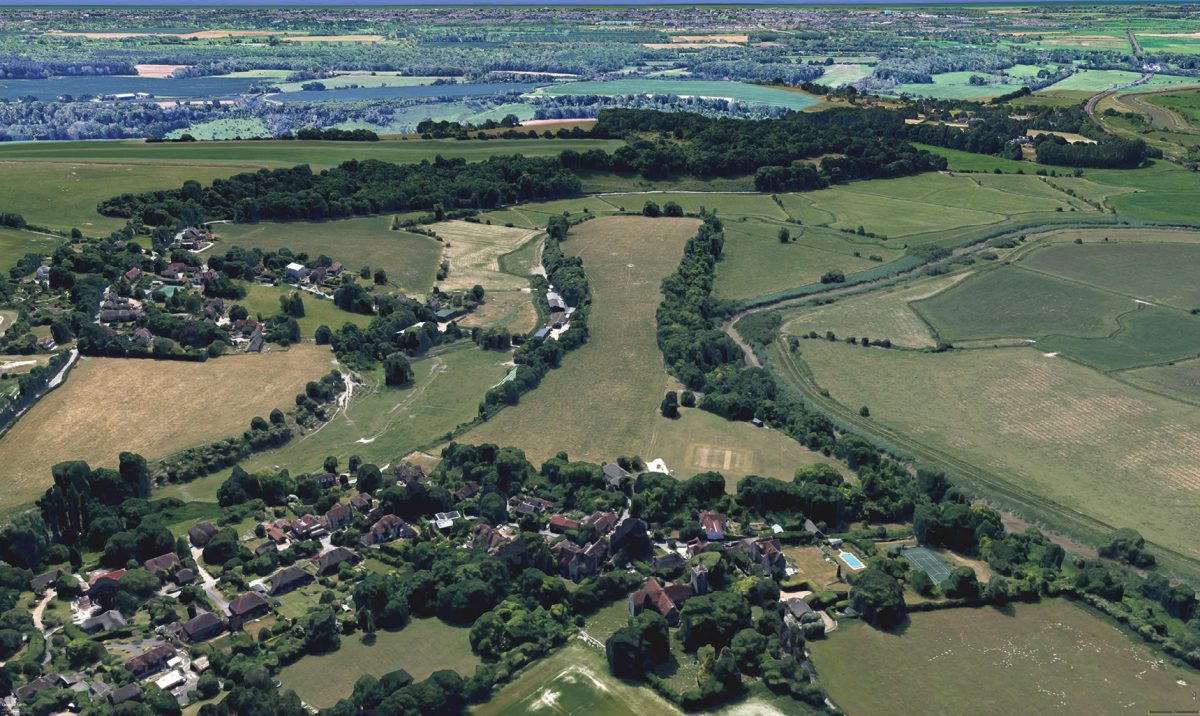
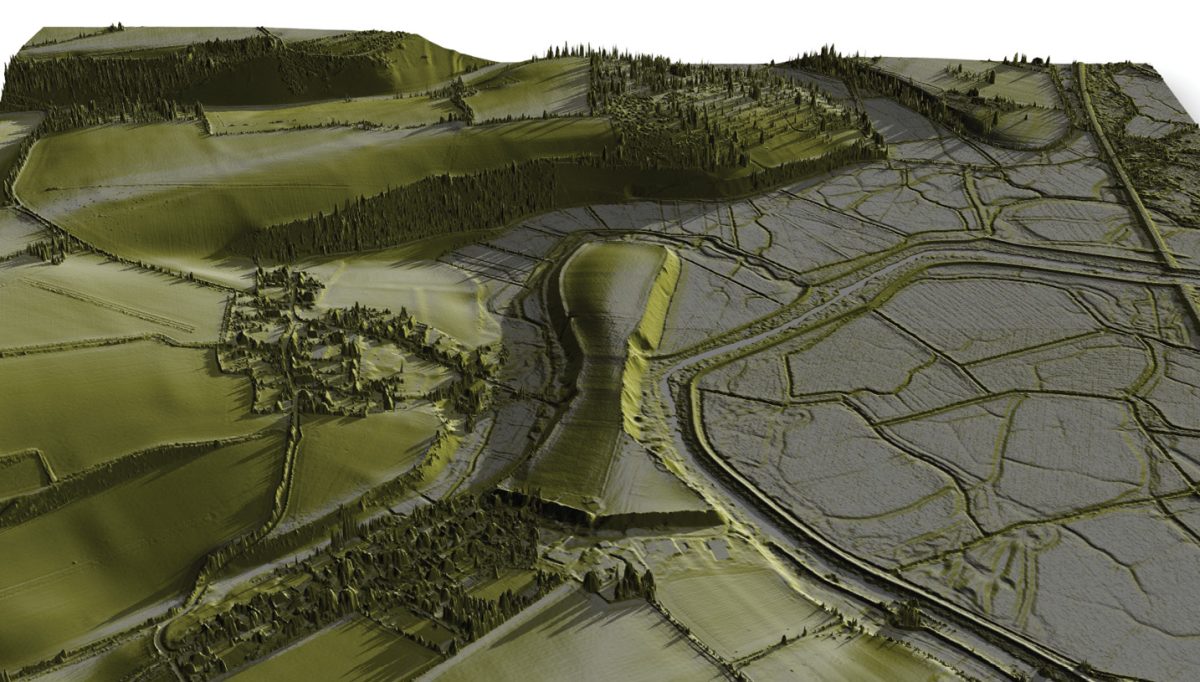
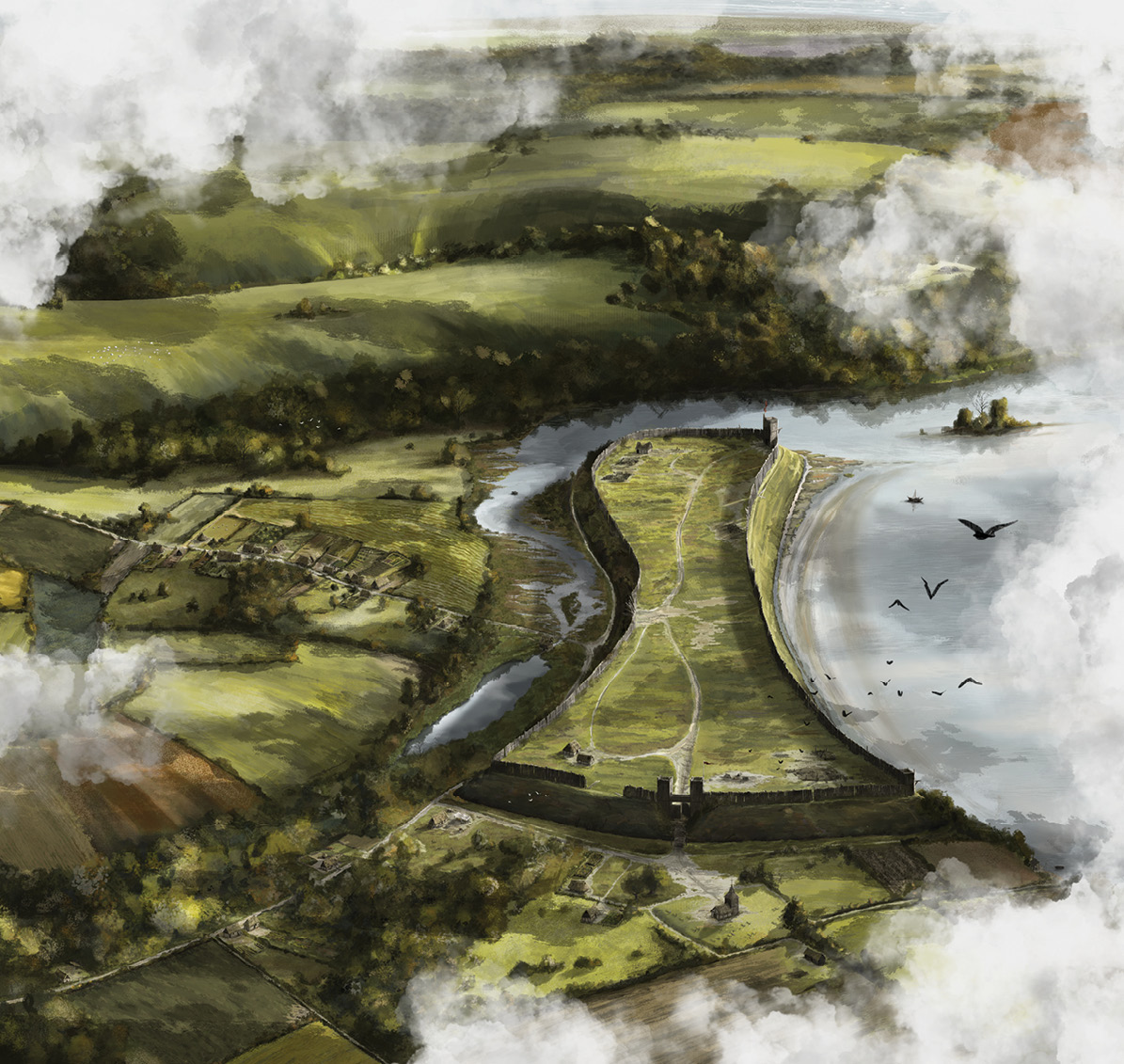
Perhaps the project’s most surprising insights relate to the medieval period, and to the large promontory fort, or burh, from which Burpham takes its name (meaning ‘settlement by the fort’). There have been suggestions that the earthworks have Iron Age origins, though there was a complete lack of pottery, or other finds, of this period during the Big Dig. We do, at least, know that the fort was in existence by c.AD 900, as it is recorded in the Burghal Hidage, a list of fortifications begun by Alfred the Great and continued by his son and successor Edward the Elder, in response to the great Viking raids of the 9th century.
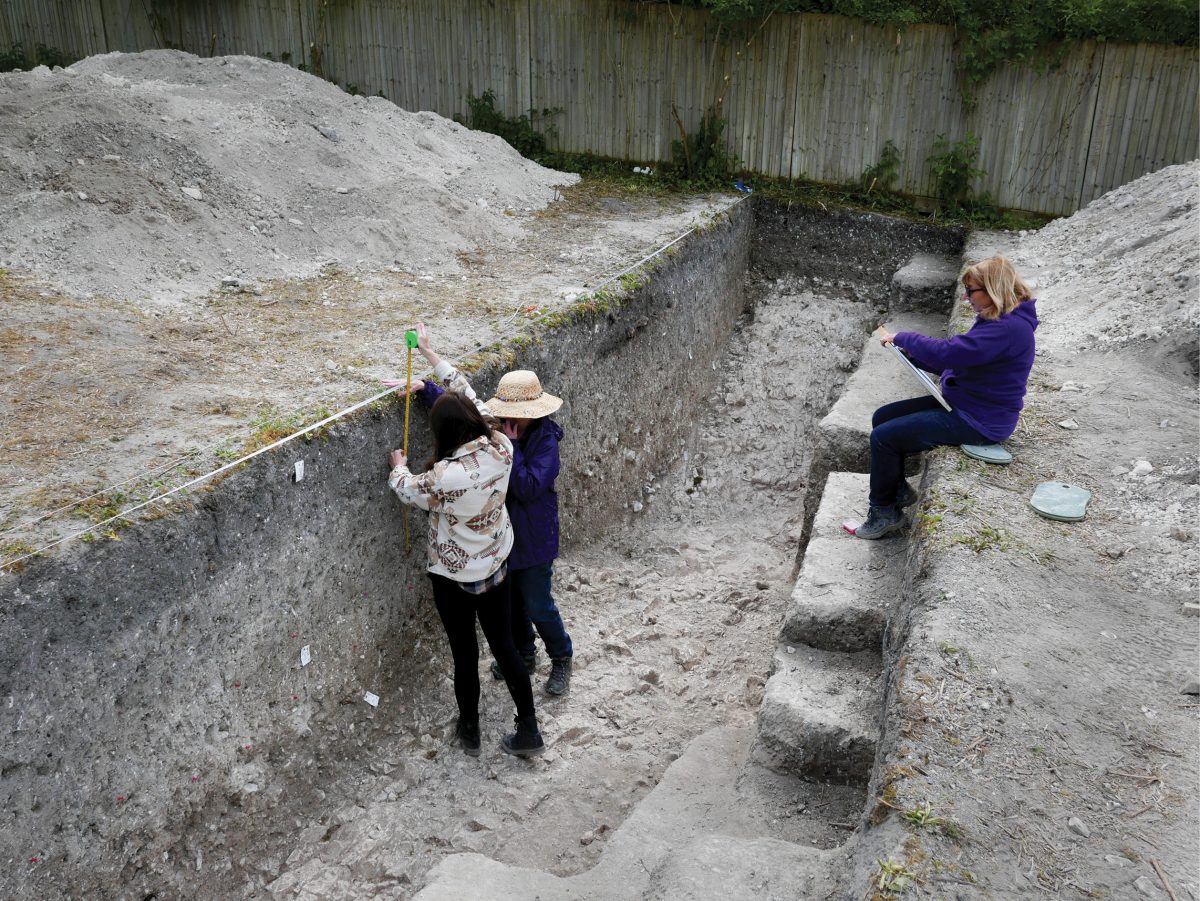
Burpham was a middling-sized burh, rated at 720 hides, and was clearly positioned to control the movement of ships through the Arun Valley. The Big Dig saw the first substantial excavation of its defensive ditch, opening Trenches A-E over the infilled boundary. Completely unexpectedly, these suggested that the 8m-high rampart that we see today is not Alfredian at all – though its core may be. Rather, the earliest dated pottery from the very bottom of the monumental ditch actually dates to c.AD 1225, indicating that it had been made deeper and wider, removing any earlier material, some 300 years after it is recorded in the Burghal Hidage. The spoil from this recutting was then thrown on to the rampart, increasing its height to its present form.
What motivated these works? Our current theory proposes a connection to the First Barons’ War, when rebellious noblemen invited French forces to invade, with a view to deposing King John and replacing him with Prince Louis, son of the ruler of France. The local link is provided by William d’Aubigny, 3rd Earl of Arundel, who was a favourite of King John before switching allegiance to Prince Louis (eventually returning to the royalist fold after the French army was defeated at Lincoln). Could d’Aubigny have ordered the burh’s refortification, or might villagers have done it under their own initiative in these turbulent times? Either way, it raises intriguing questions about the established narrative that Arundel Castle (founded c.1067) replaced Burpham as the major fortification guarding the Arun Valley. Might this instead suggest that the burh had been maintained after the Norman Conquest? We also shed light on the fortifications’ later life: once the 13th-century conflict had ended, it seems that the ditch was used as a rubbish dump, slowly filling with soil, broken pottery, and other unwanted items over the centuries. By the 1600s, and quite possibly earlier, it seems there were houses standing on level ground where once there was a deep, wide ditch.
As mentioned above, the names of Wepham and Burpham both suggest early medieval origins, and following our excavations it does appear that both settlements were founded in the post-Roman period. Despite significant evidence of Roman-era activity within the wider parish, during the Big Dig we found a grand total of four pottery sherds and a single worn coin of this period. Instead, the earliest archaeological evidence of organised settlement that we identified emerged at Wepham, dating to either side of the Norman Conquest. Interestingly, more than 90% of the Saxo-Norman pottery excavated during the project came from three test-pits in Wepham, with very little seen in Burpham. This has led us to conclude that Wepham was the earlier of the two villages. Adding to this picture, the long, narrow, terraced gardens at Wepham may represent surviving burgage plots, again from around the Conquest period. Their original owners would have been able to grow their own food in exchange for maintaining fortifications, roads, and bridges – might the people of Wepham have been the original builders of the burh? If so, it seems that Burpham only began to grow as a village in its own right after the local church was built after 1066. Alternatively, its earliest phase could have been located inside the ramparts, though this raises the question as to why the settlement moved outside the earthworks at all.
Potted history
While offering interesting early medieval clues, the garden plots also presented us with challenges. It seems that their soil had been turned over many times during repeated episodes of ploughing, gardening, and modern landscaping. As a result, we found a marked lack of intact stratigraphy across both villages, and the test-pits produced very few large pieces of pottery. Smaller fragments were plentiful, though – we excavated a total of 6,600 sherds across all test-pits and trenches, weighing in at 51kg (112lbs). The vast majority of excavated ceramics were produced locally throughout all periods, but there was a handful of notable imports from the Continent, too – including a single foreign example for the period of the Norman Conquest: a sherd of Pingsdorf pot from the Rhineland.
Unlike the Wepham-focused pattern of earlier wares, High Medieval (AD 1200-1350) pottery emerged from all but one test-pit, showing a clear intensification of occupation from this period. In a few plots, this activity seemed to run seamlessly from the Saxo-Norman period, but in others it appears to have begun at this time, suggesting considerable expansion of both the population and buildings within the parish, especially in Burpham itself. Cooking pots dominated ceramics for this period, with few bowls or storage jars, and nearly all seem to have been made at kilns within the Arun Valley area.

There was a significant drop in pottery sherds dating from 1350 to 1425, a clear indication of the impact of the Black Death on the local population. As pottery expert Dr Luke Barber notes, however, ‘Although Burpham parish shows a downturn in the quantities of pottery for this period most plots appear to continue in occupation… ceramics spanning 1350-1425 are poorly understood in Sussex, mainly due to the scarcity at most sites… the Burpham Big Dig assemblage includes many sherds that bridge this gap.’ After the plague had passed, though, we see an upturn in sherd numbers again, including pots made in kilns at Chichester, Graffham, and Binsted (all in West Sussex). Meanwhile, a single piece from a Raeren stoneware mug produced in Belgium (1500-1525) indicates that trade links still existed but were not much used.
As expected, more than 50% of the excavated ceramics are post-medieval or early modern in date (1600-1900): pottery of this period is hardier than most older fabrics and was mass-produced for a larger population. Locally produced red earthenware pottery continued to be a significant proportion of the ceramic finds, though it was mainly now being used as flowerpots for growing herbs. Due to vast improvements in transport, from roads to the introduction of canal and railway networks, though, large quantities of ceramics from across Britain and further afield were also flooding into Burpham parish at this time. These included stoneware bottles for beer or spirits and salt-glazed pottery from Bristol, kitchenware from Sunderland, and stoneware butter dishes imported from Normandy. We found a single small sherd of hand-painted Chinese porcelain, too: part of a saucer belonging to a household of reasonable means.

Work and play
As for metalwork, the majority of such finds were nails. This was not particularly surprising, given the nature of these long-established villages and the ubiquitous use of nails in construction. The excavated areas also produced a large amount of metal-working slag, demonstrating a burgeoning localised industry to produce nails and agricultural tools that we know endured until relatively recently – there were three blacksmiths working in Burpham up to the 1950s.
The trenches over the burh ditch uncovered a range of buckles, mostly dating from the 1400s-1600s, including a lovely decorated example of c.1425. A big surprise, though, was the lack of coinage across the whole project – as mentioned above, we found just one Roman coin (c.AD 350), and the only other coin was a penny of 1984. Perhaps the parish’s historic residents preferred to pay for commodities in kind or through hyper-localised bartering.
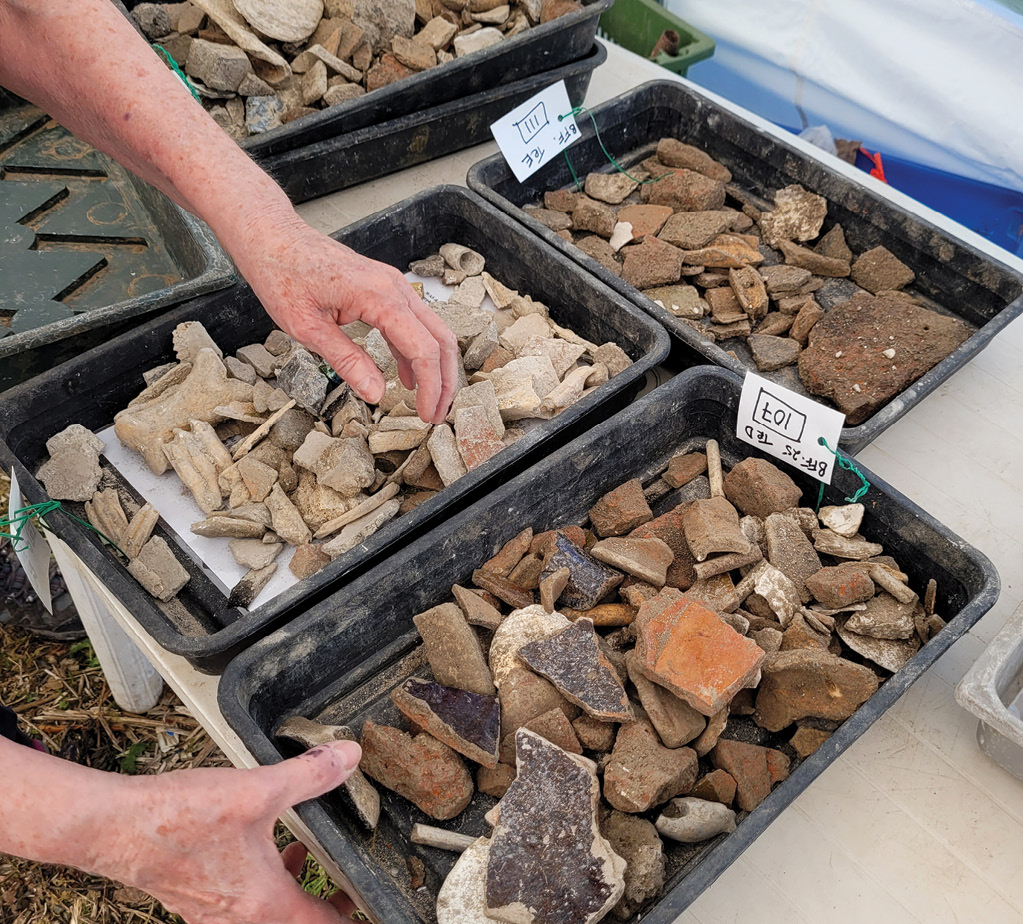
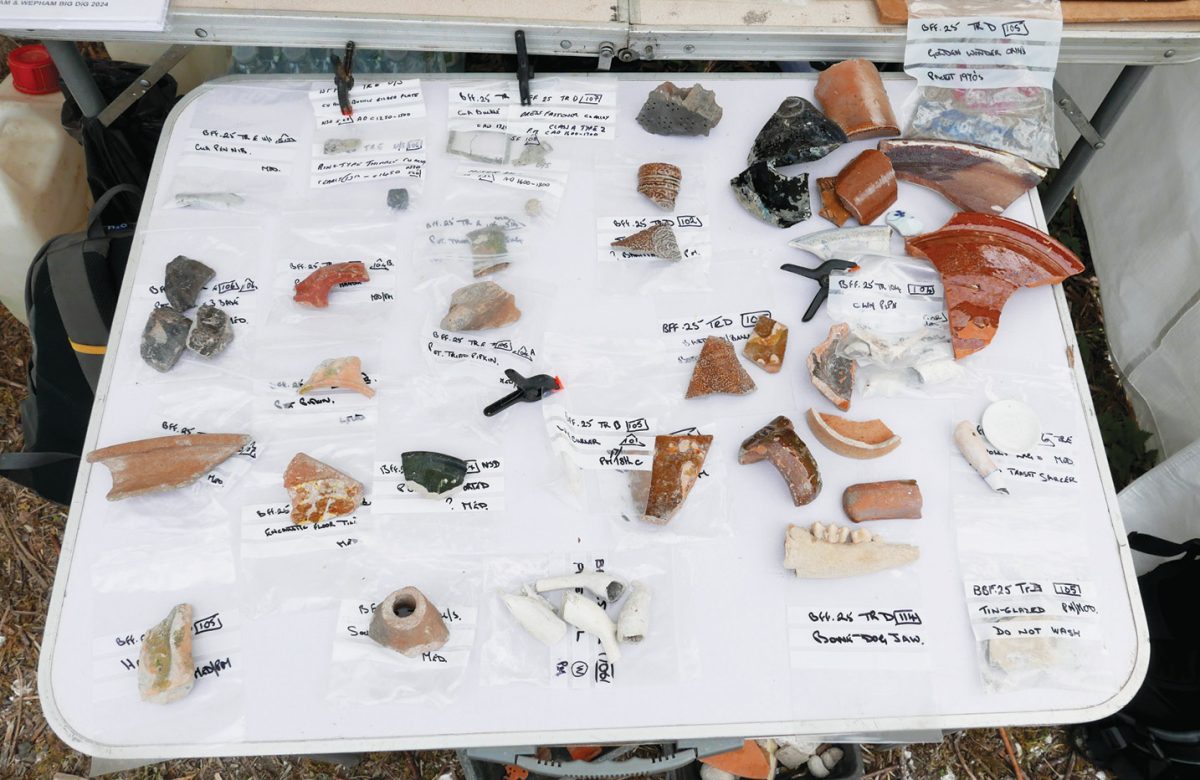
Diverse other finds offered vivid insights into life within both settlements over the centuries. It is clear that the inhabitants of Burpham parish were keen smokers in the early modern period, as most of our non-metal finds were clay pipe bowls and stems, including a particularly fine example of a fish-scale pipe bowl dating to the early 1800s, found during the burh ditch excavations. We recovered 749 scattered animal bones across the project, mostly from cattle, sheep, and birds, though a number of butchered deer bones were seen deep in the burh ditch trenches – possibly the remains of a local medieval lord’s feast. An almost complete skeleton of a calf, meanwhile, was excavated at Wepham. We do not know when it was buried, but the remains showed no signs of butchery – perhaps it had died of disease. Finally, two middens were excavated along The Street in Burpham: one of oyster shells, and another of whelks. Both were readily – and cheaply – available in the 1800s when rural areas of Sussex were known for their poverty. We know a huge oyster bed was discovered off Worthing in 1823 – could that be the source of the Burpham examples?
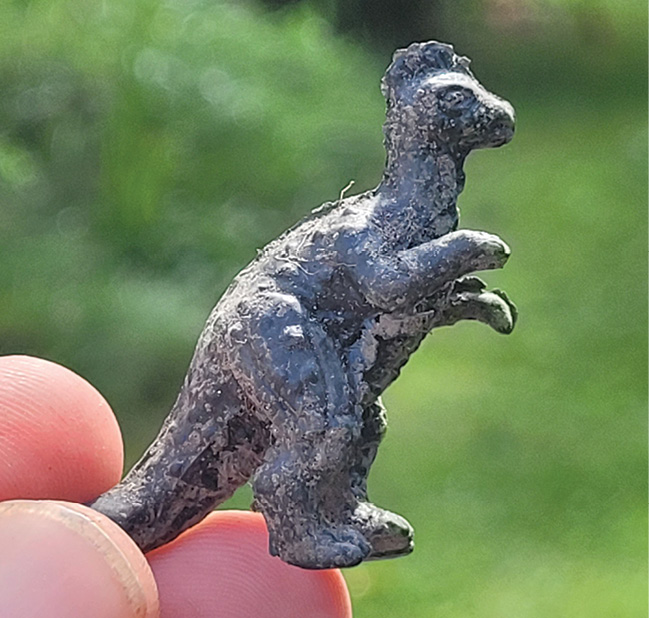
Other artefacts reflecting the changing nature of rural communities included those relating to children. Population shifts over the last 50 years mean that fewer children live in Burpham parish than did historically, but we did find evidence of younger villagers in the form of marbles, fragments of dolls, a small plastic toy dinosaur (a Corythosaurus) from the 1960s, and two pieces of writing slate from the small school that existed in Burpham in the early 1900s. Particularly distinctive was a china ‘Frozen Charlotte’ doll found in one of the ditch trenches. Dating to the 1800s, these small figurines reflect an American folk ballad about a vain young woman who refused to wear her overcoat on the way to a winter ball and froze to death during the journey. They were mass-produced, mostly in Germany, and could be found inside Christmas puddings.
Past, present, and future
The Burpham Big Dig was a great success, both in furthering our knowledge of the parish’s history and development, and in engaging local residents with their shared heritage. Their enthusiasm was palpable – and invaluable, as a community dig can only work if homeowners are happy for us to dig up their gardens! Our open day at Burpham Village Hall, where Worthing Archaeological Society members displayed artefacts and led tours, also attracted hundreds of visitors. We are keen to build on this, and on the relationships forged between museum, society, and villagers, and archaeological work continues within the parish. WAS and residents are creating a ‘ten-year plan’ for further investigations, and as I write they are looking at an enigmatic enclosure with possibly Iron Age or Roman origins to the north of St Mary’s Church in Burpham – a recent field-walk on the site attracted 50 local volunteers.
From an archaeological perspective, the refortification of the burh in the early 1200s was a major surprise, and a key addition to the historical narrative of the area. The establishment of Wepham as the earlier of the two settlements is also significant, and may go some way to explain why Burpham is not recorded in Domesday Book as a village in its own right. On the other hand, much of the material we recovered was as expected – a large collection of finds reflecting the rural nature of the parish through the centuries, connected to the wider world but with enough local resources to thrive. In many ways, little has changed at Burpham and Wepham over this sweep of time – the road network probably dates to before the Norman Conquest, many dwellings are hundreds of years old, and the rural character of the parish continues. It is perhaps comforting to know that flocks of sheep dominated the wider landscape of the parish a millennium ago, and they continue to do so to this day.
Acknowledgements:
Thank you to the residents of Burpham and Wepham villages who were so supportive of the project (50% of villagers signed up to have their gardens excavated), and particular thanks to Karen Campbell, Trevor Cooper, Catherine Leaver, and Mark Woodhouse for helping to plan the dig and rally villagers to the cause, as well as providing lots of homemade cake (and a delicious buffet at the end).
Special thanks to Keith Bolton, Chairman of Worthing Archaeological Society and co-director of the Burpham Big Dig, and thanks to WAS members, without whose expertise and enthusiasm there would be no Big Dig.
Thanks, too, to Steve Pentecost, Robin Bennett, and Kyle Boyd for the photography and videography.
The Burpham Big Dig was generously funded by the South Downs Communities Fund and the Ian Askew Charitable Trust.

Source: James Sainsbury is the Curator of Archaeology at Worthing Museum & Art Gallery and directs the Arun Valley Archaeology Project, a small research group identifying previously unknown sites in Sussex.

Further information: An exhibition about the Burpham Big Dig is running at Worthing Museum until 17 October; see http://www.wtm.uk/exhibitions/burpham-big-dig for more details.
All images: Robin Bennett, unless otherwise stated